Trinidad Cuba Activities: Reef Diving, Night at the Ruins, Horseback Valley Tours, and the Eastern Cuba Route
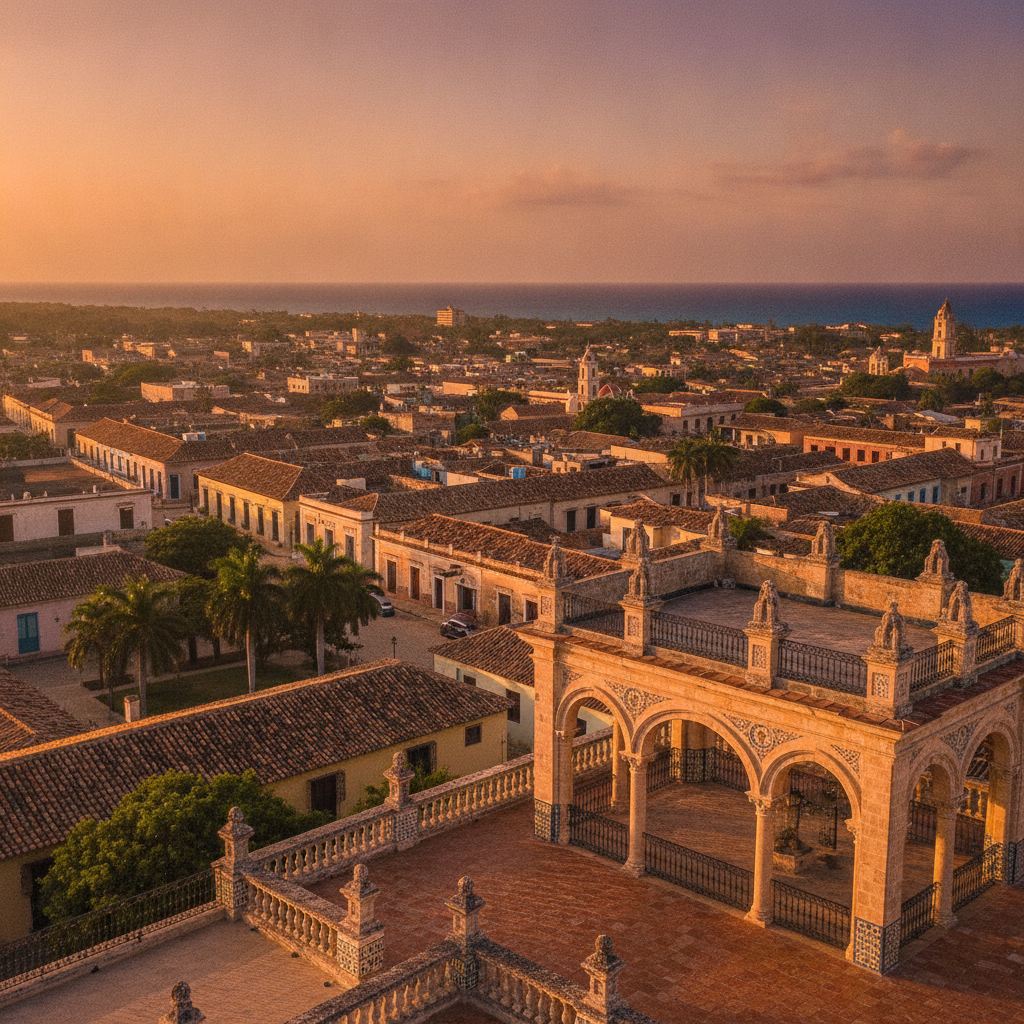
The activity and evening culture of Trinidad Cuba extends from the south Cuba reef diving at Playa Ancon to the atmospheric outdoor concert at the colonial theater ruins, horseback riding through the Valle de los Ingenios, and the overland route east toward Santiago de Cuba.
- 1
Playa Ancon Diving: The South Cuba Reef
The coral reef system of the Playa Ancon coast and the offshore Cayo Blanco island is one of the least-dived reef systems in Cuba due to the distance from the main Havana and Varadero tourist centers, with the Trinidad dive operators offering both novice and experienced diver programs on a reef that retains good coral coverage and fish diversity due to the limited fishing pressure on the south Cuba coast.
- 2
Trinidad Night: The Ruinas del Teatro
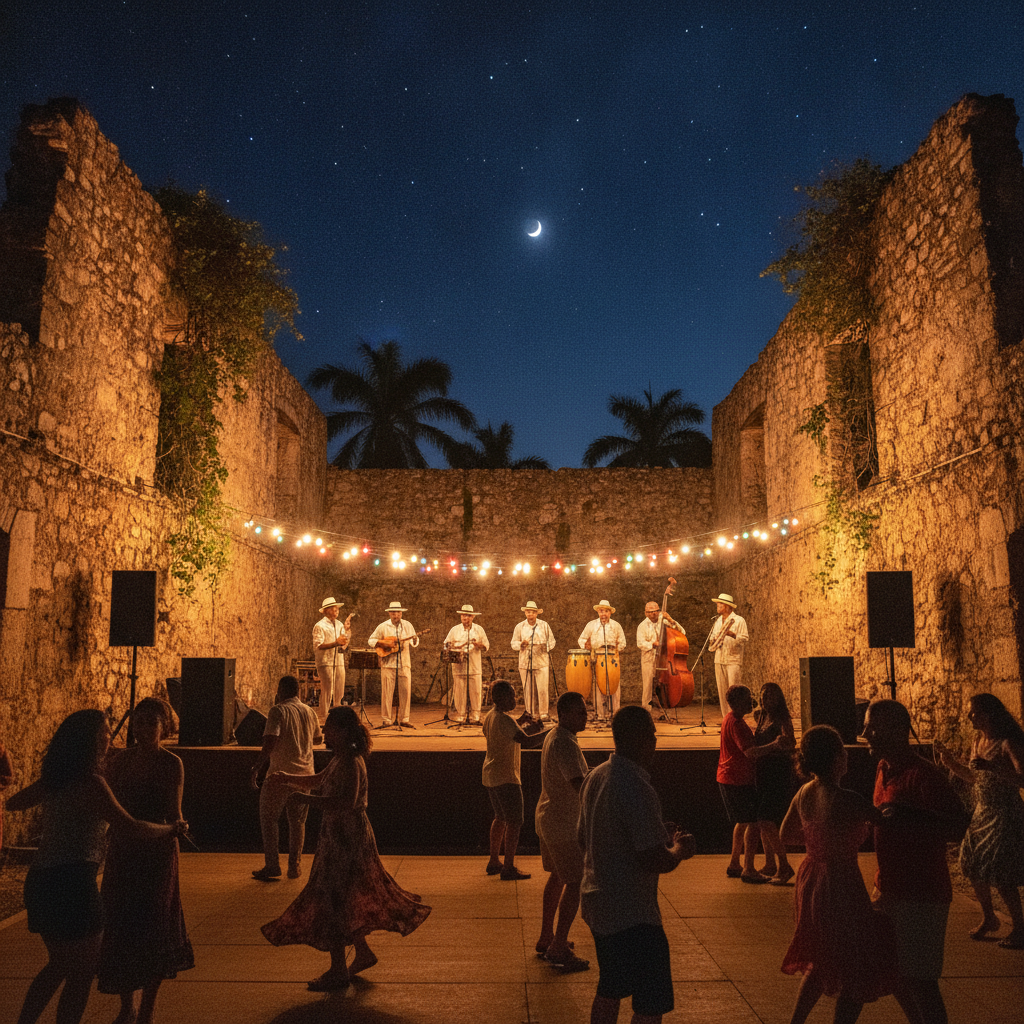
The Ruinas del Teatro, the roofless ruins of the Trinidad colonial theater now operating as an outdoor music venue, is the alternative nightlife destination to the Casa de la Musica staircase and provides a different acoustic and social atmosphere for the nightly son and salsa performances that constitute the Trinidad night culture. The combination of the crumbling colonial walls and the tropical night sky creates an atmospheric concert setting unique to Cuba.
- 3
Horseback Riding in the Valley
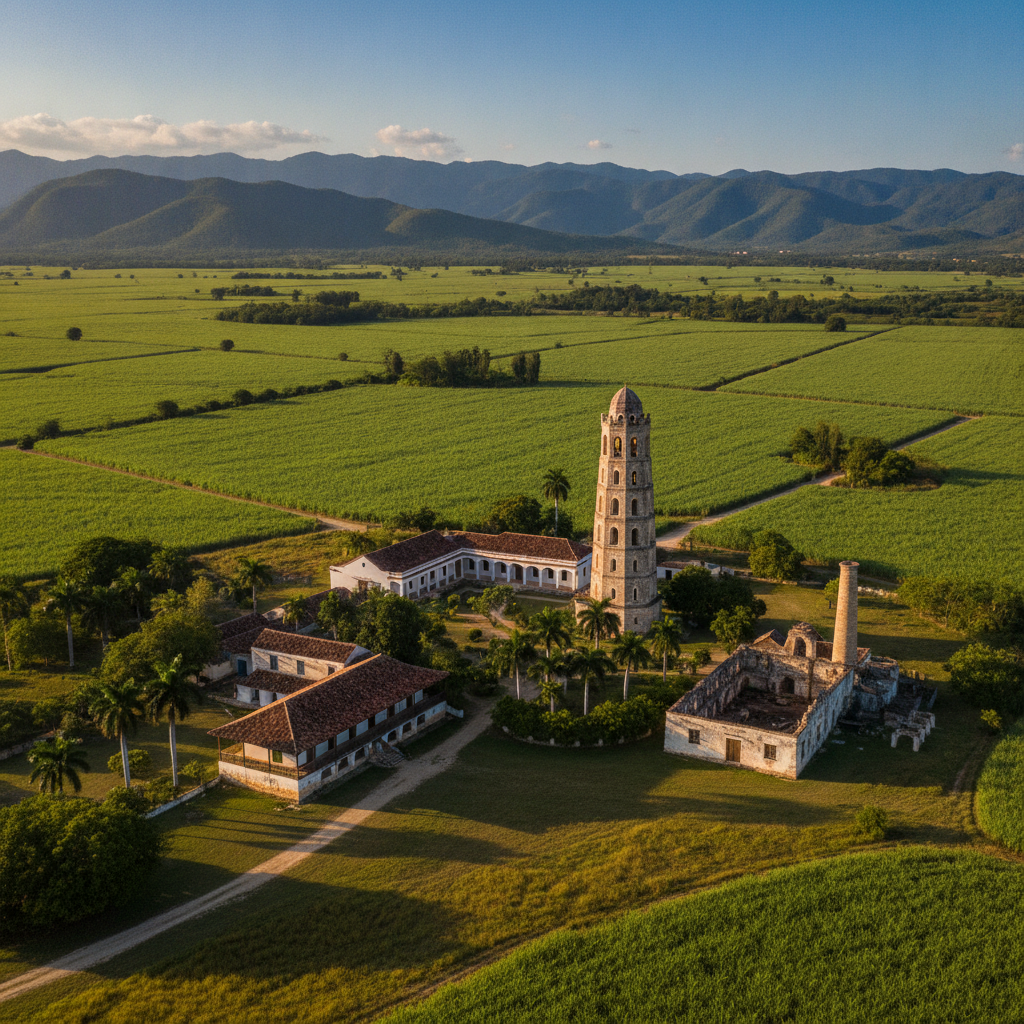
Horseback riding excursions through the Valle de los Ingenios, organized by the local tourism operators from Trinidad, provide the opportunity to explore the sugar mill ruins, the watchtower, and the surviving hacienda landscapes of the valley at the pace and from the perspective of the colonial plantation economy that is completely different from the bus tour or the rental car excursion. The horses are managed by local campesino guides whose knowledge of the valley landscape is encyclopedic.
- 4
Trinidad Pottery Tradition: The Local Craft
The pottery tradition of Trinidad, which produces the distinctive red terracotta ceramics decorated with the colonial motifs and the Afro-Cuban designs that reference the Santeria aesthetic, is one of the most regionally specific craft traditions in Cuba and is produced in the workshops of the historic center accessible to visitors for observation and purchase. The traditional kiln firing technique produces the characteristic surface texture of the Trinidad ceramic work.
- 5
Carnaval de Trinidad: The August Festival
The Trinidad carnaval in August, while smaller than the Santiago de Cuba carnival that is the largest in the island, provides the community-based carnival experience of the central Cuba tradition with the comparsas dance groups, the conga lines, and the Afro-Cuban carnival music that has its roots in the Cabildo ceremonial tradition of the enslaved African communities. The Trinidad carnival is one of the most authentic and least tourist-oriented in Cuba.
- 6
Trinidad to Santiago: The Eastern Cuba Route
The journey from Trinidad to Santiago de Cuba by bus or rental car takes approximately seven to eight hours through the central Cuba landscape of Camaguey and Granma provinces, with the colonial city of Camaguey, the largest in Cuba outside Havana, available as an overnight stop. The eastern Cuba circuit from Trinidad to Santiago, including the Sierra Maestra revolutionary history and the Castillo del Morro fortress, is the most complete overland Cuba journey available.
Walk this route with audio
Stories play automatically as you reach each stop — no tapping needed.
More in Trinidad
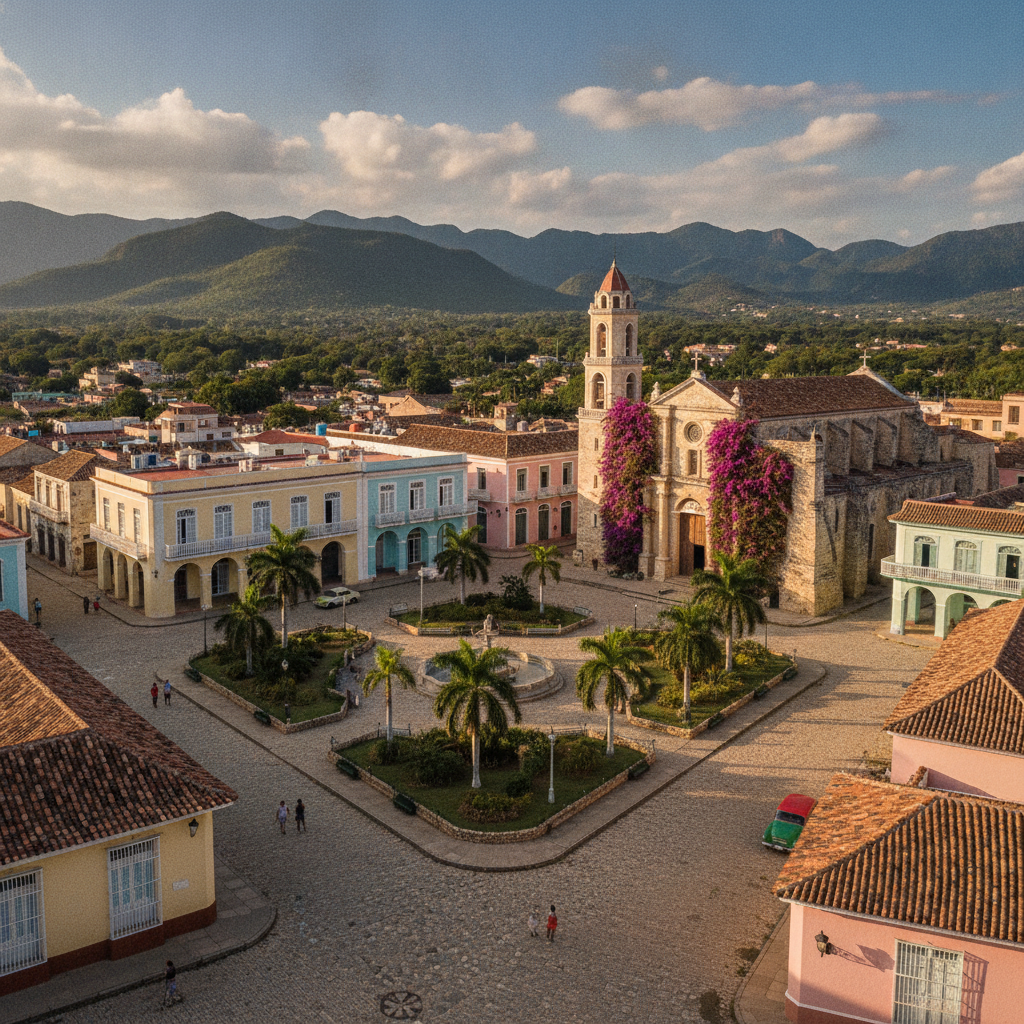
Trinidad Cuba: Plaza Mayor, the Valley of the Sugar Mills, Casa de la Musica, and Playa Ancon

Trinidad Cuba Practical Guide: Casa Particulares, Son Cubano Music Roots, Cycling to Playa Ancon, and Cienfuegos
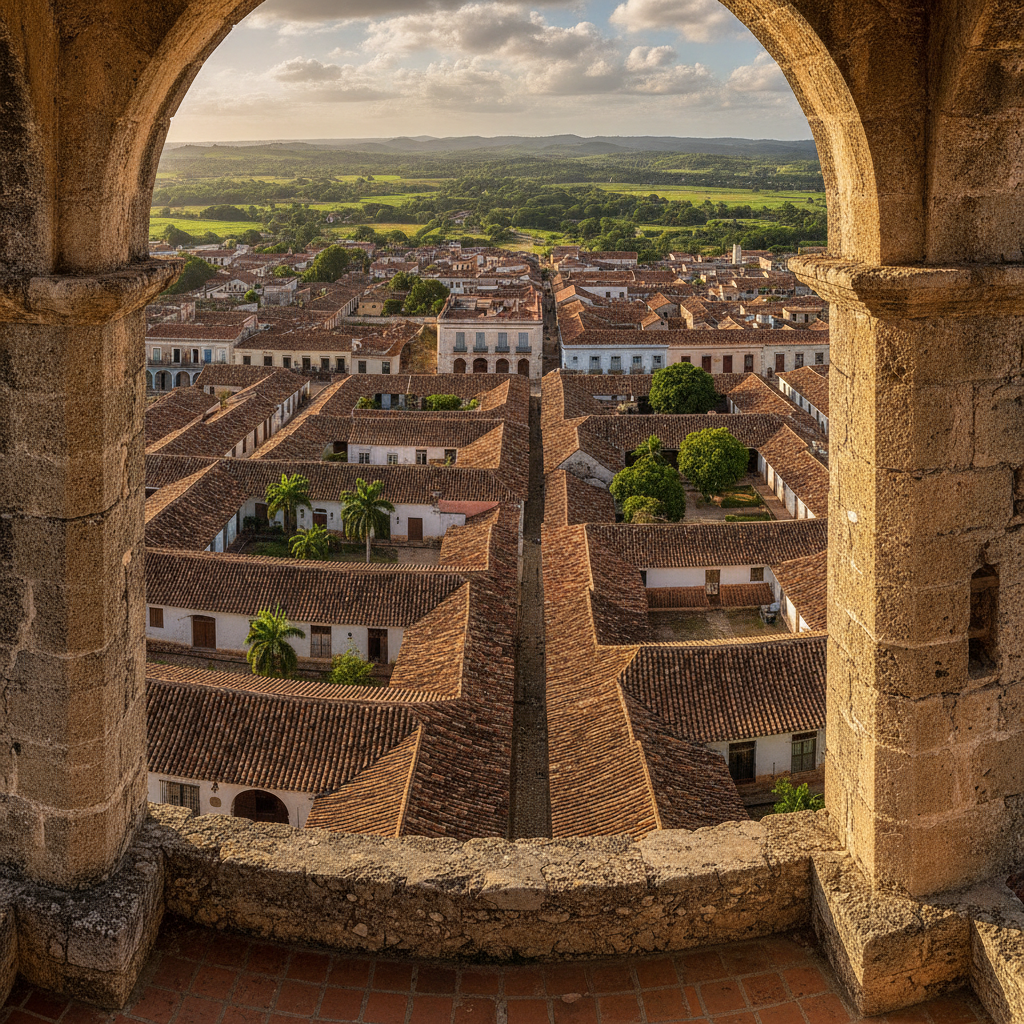
Trinidad Cuba Complete: Bell Tower View, the Cabildo Ceremony, La Boca Fishing Village, and the Sea Wall Sunset
Trinidad Cuba History: The Canchanchara Cocktail, Plantation Houses, the Watchtower, and the Slavery Legacy
Trinidad Cuba Context: Revolution and Preservation, American Cars, Peso Bar Culture, and the Currency Reality