Vientiane Day Trip & Surroundings Walk
Escape Vientiane for a day — the National Biodiversity Conservation Area of Nam Ngum Reservoir, the weaving villages along the river, and the Phu Khao Khouay National Protected Area provide the most rewarding natural environment and cultural day trips accessible from the Lao capital.
- 1
Nam Ngum Reservoir
Nam Ngum Reservoir (75km north of Vientiane) is the largest artificial lake in Laos — the reservoir created by the Nam Ngum Dam (completed 1971, one of the first major hydroelectric projects in Laos) has a surface area of 370 square kilometres and contains several inhabited islands (including Koh Sua, 'Tiger Island', formerly used as a prison for opponents of the Pathet Lao regime in the immediate post-1975 period). The reservoir's island communities (the fishing villages that established themselves on the higher ground that remained above the flooding) and the boat tours connecting the island settlements provide the most accessible lake landscape excursion from the Vientiane base. The Nam Ngum Dam's role in the Lao electricity export economy (Laos sells hydroelectric power to Thailand as one of its primary foreign exchange earners) is the most direct manifestation of the 'battery of Southeast Asia' development strategy of the Lao PDR.
- 2
Vang Vieng Route
Vang Vieng (150km north of Vientiane on the Nam Song River, accessible by 3-hour bus on Route 13 through the spectacular limestone karst landscape between the capital and the mountain town) is the most popular single day or overnight trip from Vientiane — the journey's scenery (the transition from the flat Mekong plain to the dramatic limestone karst mountains of the Vang Vieng basin) is the most dramatic landscape change accessible from the capital. The Vang Vieng area's tubing on the Nam Song (the river tubing activity that has defined the town's tourism identity since the early 2000s), the cave systems in the surrounding limestone hills, and the increasingly developed tourist infrastructure of the town make it the most visited destination in Laos for the backpacker circuit that uses Vientiane as the entry point.
- 3
Phu Khao Khouay NPA
Phu Khao Khouay National Protected Area (90km northeast of Vientiane) is the most accessible wildlife habitat from the Lao capital — the protected area's forested mountain terrain (the Phu Khao Khouay range at the edge of the Vientiane plain) protects habitat for the Asian elephant (a wild herd of approximately 50 elephants uses the protected area as part of its range), the gaur, and the various deer species of the Lao lowland forest. The NPA's most visited attraction is the elephant observation platform at the salt lick (the natural mineral salt lick in the protected area that wild elephants visit regularly, particularly in the dry season) where the patient visitor can observe wild elephants in their natural habitat — the most extraordinary wildlife encounter accessible on a day trip from any Southeast Asian capital.
- 4
Weaving Village Ban Nong Bouathong
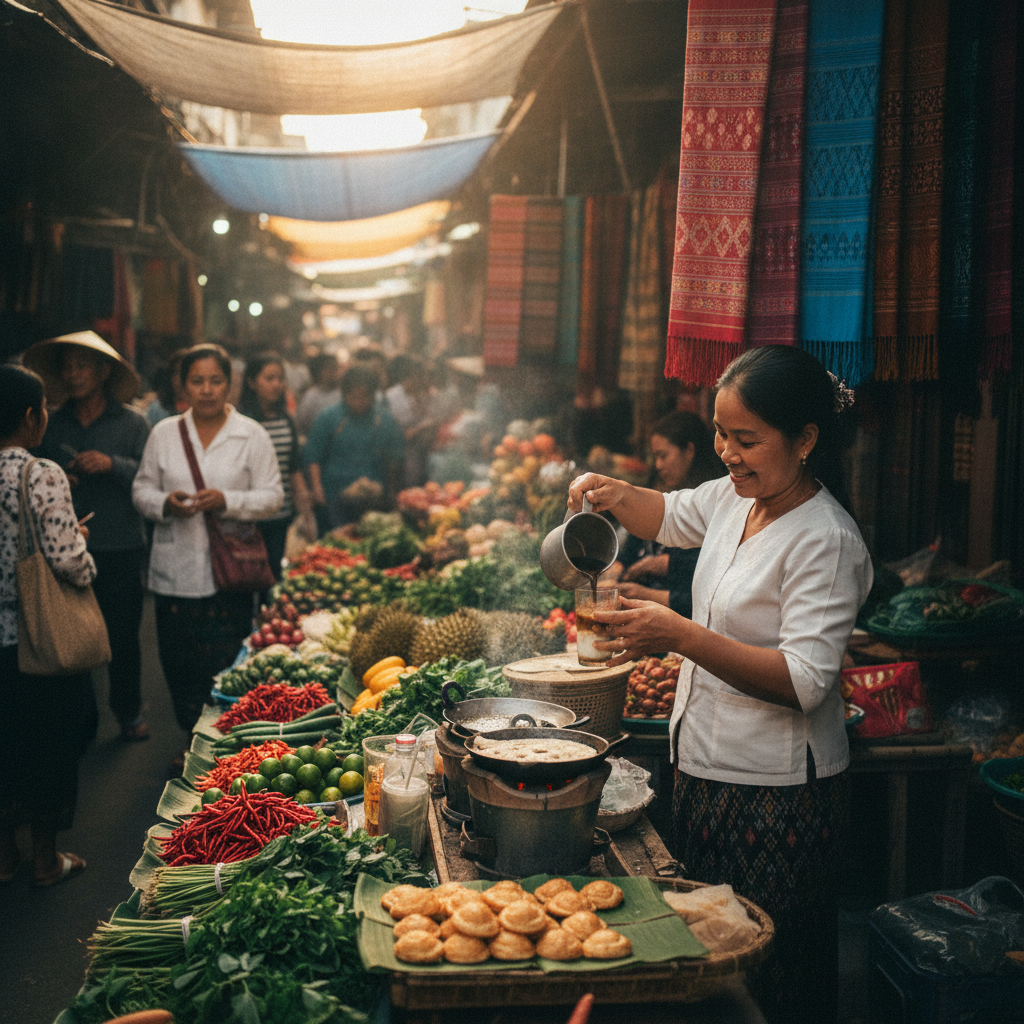
Ban Nong Bouathong and the other silk weaving villages south of Vientiane (accessible by bicycle on the roads following the Mekong bank south from the capital) maintain the traditional Lao silk weaving tradition that has developed in the communities of the Vientiane plain — the village weaving workshops (the foot-treadle looms in the ground floor of the traditional wooden houses, visible through the open front of the house) produce the Lao silk textiles (the sinh skirts, the phaa biang ceremonial scarves, and the decorative textiles used in the Buddhist temple offerings) that constitute the most important traditional craft production accessible near Vientiane. The cycling route through the weaving villages (following the river road past the traditional houses with their looms visible from the path) is the most consistently rewarding rural cycling accessible from the capital.
- 5
Lao Traditional Herbal Sauna
The traditional Lao herbal sauna (offered at several temples and dedicated herbal medicine centres in the Vientiane area, including the famous sauna at Wat Sok Pa Luang) is the most distinctive therapeutic practice accessible in the Lao capital — the Lao herbal sauna (the steam generated by boiling the bundles of medicinal herbs that give the steam its particular aromatic and therapeutic character) is the traditional Lao approach to the muscle relaxation, skin purification, and respiratory health benefits attributed to the steam bath tradition. The Wat Sok Pa Luang sauna (operated by the temple community as a traditional medicine and therapeutic practice accessible to the general public) is the most accessible example of the temple-community health service tradition that remains active in the Vientiane temple network.
- 6
Vientiane Cycling Circuit
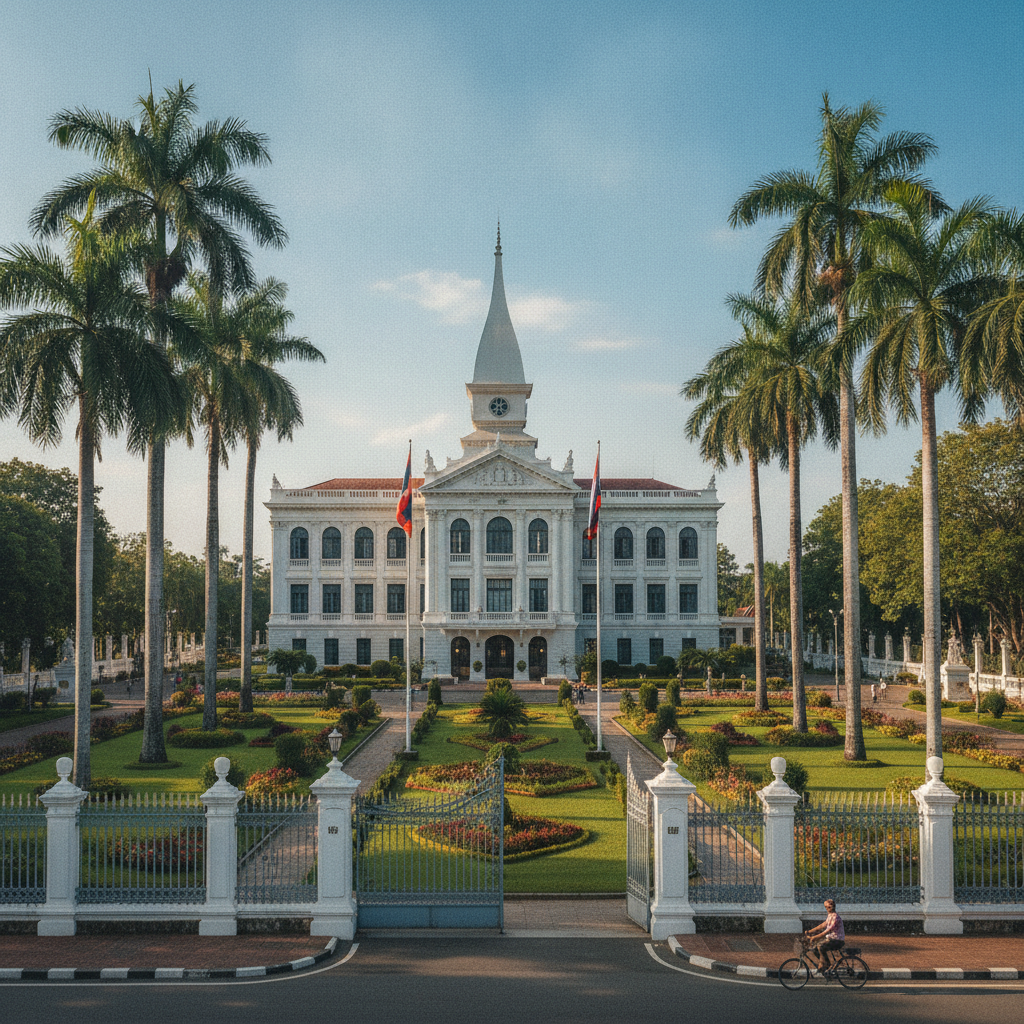
The Vientiane cycling circuit (the route connecting the major cultural sites of the capital — Patuxai, That Luang, the National Museum, Wat Sisaket, and the Mekong riverside — in a single half-day bicycle tour accessible on the flat terrain of the city) is the most efficient single-day survey of the Vientiane cultural landscape available to the visitor — the flat topography of the capital (built on the flat Mekong plain with no significant elevation changes within the urban area) makes cycling the most practical and most environmentally appropriate transport for the cultural circuit. The route's combination of the formal cultural sites (the temples, the monuments, and the museums of the colonial-era administrative district) with the neighbourhood temple districts, the market areas, and the Mekong riverside creates the most balanced single-day Vientiane itinerary accessible.
Walk this route with audio
Stories play automatically as you reach each stop — no tapping needed.