Vilnius Practical Guide — Access, Seasons, Trakai Island Castle & Day Trips
Vilnius is one of the most affordable and accessible major capitals in Europe — the Ryanair and Wizz Air connections from 40+ European cities make it a natural weekend city break, the compact Old Town is walkable, and the Trakai Island Castle 28km away is the perfect half-day excursion.
- 1
Getting to Vilnius — Flights, Budget Airlines and Buses
Vilnius access: air (the Vilnius International Airport, IATA VNO, 7km south of the Old Town, bus 3G to Cathedral Square in 20 minutes at €1.50 — the bus running every 10-15 minutes from the airport terminal bus stop — or taxi at €10-15 from the Bolt app, the Ryanair hub with direct flights to London Stansted, London Gatwick, Berlin Brandenburg, Paris Beauvais, Brussels Charleroi, Frankfurt Hahn, Madrid, Barcelona, Stockholm, Oslo, Copenhagen, Dublin, Edinburgh, and 30+ other European destinations at prices of €15-60 one way booked 2-4 weeks in advance, Wizz Air from London Luton, Budapest, Warsaw, and 15+ Eastern European destinations, LOT Polish Airlines from Warsaw in 1 hour and from Frankfurt and other major hubs, the combination of Ryanair and Wizz Air making Vilnius the best-connected budget air destination in the Baltic states), ground (the train from Warsaw to Vilnius in 8 hours at €25-50 — the most scenic overland approach through the Polish and Lithuanian countryside — and the Lux Express bus from Tallinn via Riga in 8 hours at €15-30, the bus the standard inter-Baltic transport for visitors doing the three capitals circuit, the Lux Express WiFi-equipped coaches the most comfortable long-distance buses in the Baltic states, the Vilnius Bus Station at Sodų gatvė 22, 1km south of the Old Town) and the three-capitals circuit (the most common Baltic travel itinerary: Tallinn 2 nights, Riga 2 nights, Vilnius 2 nights, the circuit most efficiently done south-to-north Vilnius-Riga-Tallinn with the ferry Helsinki as the endpoint, or north-to-south Tallinn-Riga-Vilnius flying home from Vilnius).
- 2
Vilnius City Transport and the Old Town
Vilnius city transport: the Old Town (the essential heritage area of Vilnius entirely walkable — the Cathedral Square to the Gates of Dawn 1km, the Cathedral Square to Užupis 800m, the Cathedral Square to the KGB Museum on Gedimino prospektas 700m, no public transport needed for the majority of Old Town sightseeing), the bus and trolleybus network (the Vilnius city transport operated by Susisiekimo Paslaugos, the single trip at €1.20 purchased by contactless card on the vehicle or at the Vilniečio kortelė automatic machines, the 24-hour card at €5, the 72-hour card at €10, the key routes: bus 3G from the airport, trolleybus 2 and 5 along Gedimino prospektas, bus 34 to the Naujininkai street art district, trolleybus 16 to the Television Tower), the Vilnius Card (the tourist card covering the public transport and 40+ museums and attractions for €25/24 hours, €30/48 hours, €40/72 hours, available at the Vilnius Tourist Information Centre at Vilniaus gatvė 22 adjacent to the Old Town, the card worthwhile for visitors planning 3+ museums per day) and cycling (the Cyclocity public bike share system with 50 stations in the city centre, the first 30 minutes free with the €1/day registration, the Old Town not recommended for cycling due to the cobblestones but the Gedimino prospektas and the Neris River embankment cycle paths the most practical cycling routes).
- 3
Trakai Island Castle — the Essential Day Trip
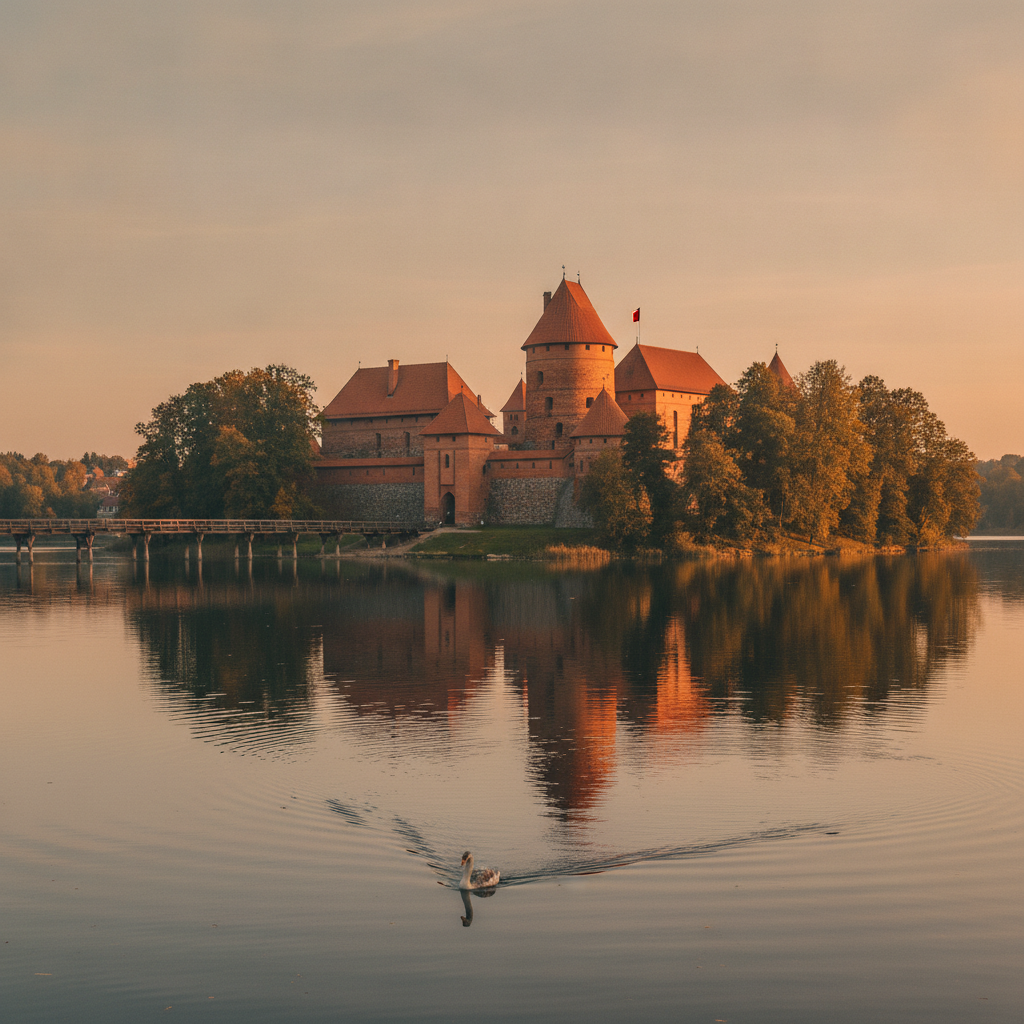
Trakai (the most visited day trip from Vilnius, 28km west, train from Vilnius station at Geležinkelio gatvė 16 in 35 minutes at €1.25 single — 8-12 trains daily, the timetable at ltglink.lt — or bus from the Vilnius Bus Station in 40 minutes at €2.50, 2-3 buses per hour): the Island Castle (Trakų salos pilis, the red brick Gothic castle built 1367-1399 by Grand Duke Kęstutis and completed by his son Grand Duke Vytautas the Great, the castle the summer residence of the Grand Duchy rulers and the most important military fortification in 15th-century Lithuania, the castle captured by the Teutonic Knights in 1410 but retaken after the Lithuanian-Polish victory at Grunwald in the same year, the castle falling into ruin after the 16th century, the restoration 1956-1962 using the original excavated brick — the restoration now universally praised for the quality of the result despite the initial controversy, the castle and the Trakai History Museum inside €10 adults, May-September daily 10am-8pm, the island accessible by the 100m wooden footbridge from the Trakai peninsula), the lake (the kayak rental at the Trakai boat station — the rental at €10/hour for a 2-person kayak, the paddle around the island castle the most atmospheric way to experience the monument, the lake swimming in July-August from the sandy beaches of the Trakai peninsula at free access), and the Karaite kibinai (the pastries of the Karaite community at the Kibinine restaurant at Karaimų gatvė 65, the lamb-filled pastries at €3-5 each, the correct Trakai meal).
- 4
Vilnius for Architecture Lovers — the Full Stylistic Inventory
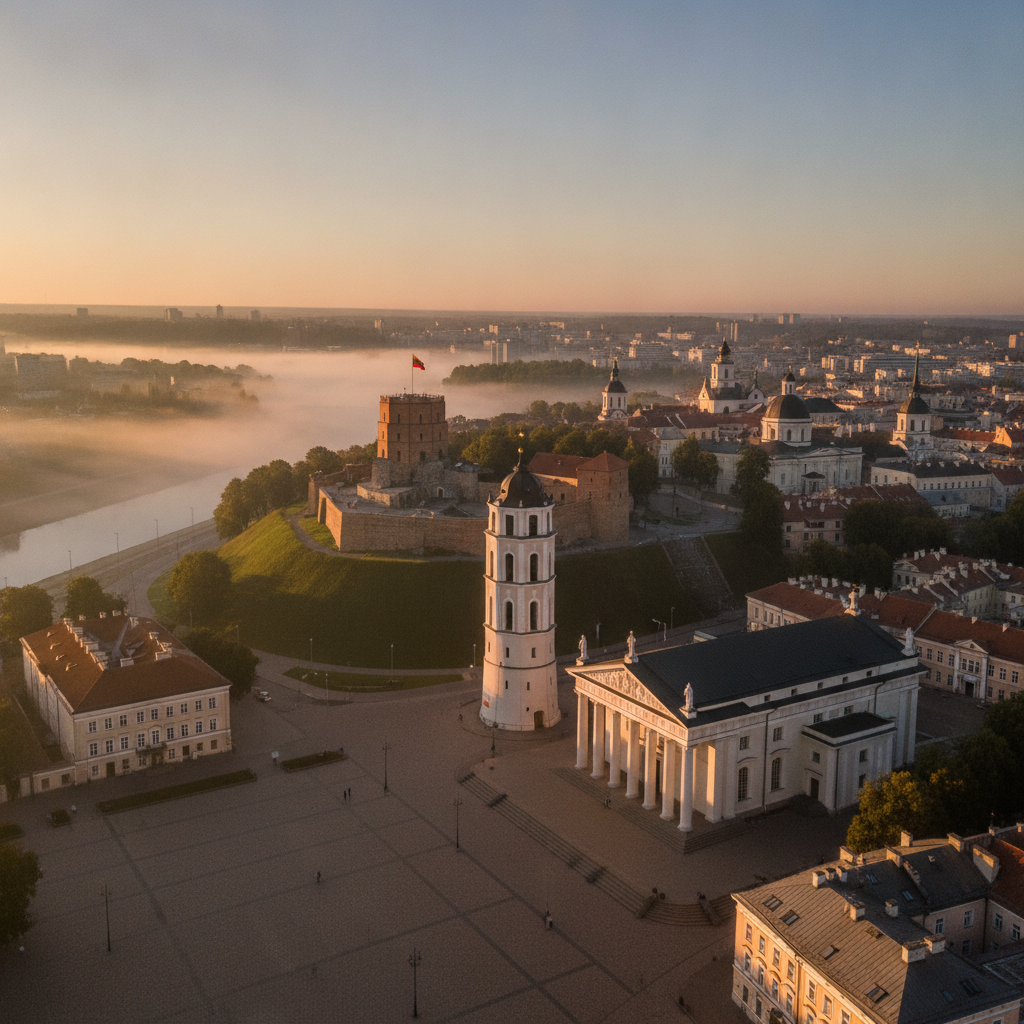
Vilnius architectural styles in chronological sequence (the complete stylistic inventory visible within the 3.6 square km of the Old Town): Gothic (the Church of St. Anne 1495-1500 at Maironio gatvė 8, the most refined late Gothic brick church in Lithuania, and the Bernardine Church attached to the north — the Gothic nave and the Baroque side chapels of the church the clearest expression of the Gothic to Baroque transition in Lithuanian architecture); Renaissance (the Vilnius University South Wing and the Rector's Courtyard 1578-1600, the Studijų kiemas courtyard with the Renaissance arcades and the clock tower, the most complete Renaissance academic ensemble in the Baltic); Baroque (the dominant style, 1604-1760 — 65 Baroque churches in the Old Town, the Church of St. Peter and Paul 1668-1704 the finest Baroque interior, the Vilnius University's Obsevatory Courtyard the finest Baroque secular ensemble); Neoclassicism (the Cathedral 1783-1801, the Town Hall 1781, the Vilnius Bishop's Palace 1792 the defining neoclassical civic buildings); Historicism (the Russian Imperial period 1795-1914, the Vilnius Central Post Office at Gedimino prospektas 7 and the railway station at Geležinkelio gatvė 16); Soviet Modernism (the Lazdynai residential district 1965-1975, the Concert and Sports Palace at Rinktinės gatvė 1 of 1971) and Contemporary (the Vilnius Old Town business centre developments of 2005-2020 along the Neris River embankment, the Europa Business Centre tower of 2004 the first glass curtain wall skyscraper in Lithuania).
- 5
Vilnius Seasons and the Christmas Market
Vilnius seasonal guide: Summer (June-August, the most recommended season — temperatures 22-28 degrees, warmer than the coastal Baltic capitals due to the inland location, the white nights less extreme — sunset at 9:30pm rather than 10:30pm — the Cathedral Square and Gedimino prospektas outdoor terrace scene at full capacity from May to September, the Vingio Park outdoor concerts — the largest park in Vilnius, 2km from the Old Town, the amphitheatre hosting the annual folk and jazz festivals in July-August, the Song Festival every 5 years — free), Autumn (September-October, the most atmospheric season — the deciduous trees of the Bernardine Garden, the Vingis Park, and the Belmontas valley turning in golden and amber color from late September, the temperatures 12-18 degrees, the Vilnius International Film Festival Kino Pavasaris in the Skalvija cinema, the crowds smaller than summer, the accommodation 20-30 percent cheaper), Winter (November-March, the most dramatic season — the temperatures reaching -15 in the coldest weeks, the Old Town cobblestones in the frost and the snow, the Cathedral Square Christmas Market December 1-January 6 with the decorated fir tree and the 50+ craft stalls selling Lithuanian wooden toys, the amber jewellery, the gingerbread, and the mulled wine — the most magical winter scene in the Baltic states, the frost-covered Baroque church facades and the candlelit market stalls the correct December image of Vilnius) and Spring (April-May, the lilacs of the Bernardine Garden in bloom from late April, the temperatures rising rapidly through 15-22 degrees, the pre-summer calm with low accommodation prices and few crowds on the cathedral square at 8am).
- 6
Three Days in Vilnius — the Complete Itinerary
Three-day Vilnius framework: Day 1 — Old Town core (morning: Gediminas Castle Tower by funicular for the panoramic view 9-10am — Cathedral Square and Cathedral interior 10-11am — Pilies Street south to the Gates of Dawn 11am-1pm, the University Courtyards detour on Universiteto gatvė — lunch on Pilies Street at the Etno Dvaras for the cepelinai — afternoon: the Palace of the Grand Dukes 2-4pm, the National Museum of Lithuania 4-6pm — evening: Cathedral Square at dusk, dinner in the Vokiečių gatvė restaurant district); Day 2 — Jewish history and the KGB Museum (morning: the KGB Museum on Gedimino prospektas 9am-12pm — the Vilna Gaon Jewish Museum at Pylimo gatvė 4 12-2pm — lunch at the Halės Market — afternoon: the Paneriai Holocaust Memorial by train, the 35-minute round trip plus 1 hour at the site — evening: Užupis neighbourhood walk from the Bernardine Garden, dinner at the Sweet Root or the Cafe de Paris in Užupis); Day 3 — Trakai and the contemporary city (morning train to Trakai 9am, the Island Castle and the kayak on the lake until 2pm, the kibinai lunch, return train to Vilnius 3:30pm — afternoon: the Baroque church circuit of the Old Town, the Church of St. Peter and Paul by taxi 4-5:30pm — evening: the National Drama Theatre or the Lithuanian Philharmonic for the evening performance, pre-booked at the respective websites). The Vilnius Card (€40/72 hours) the correct investment covering all transport and museum entries.
Walk this route with audio
Stories play automatically as you reach each stop — no tapping needed.
More in vilnius
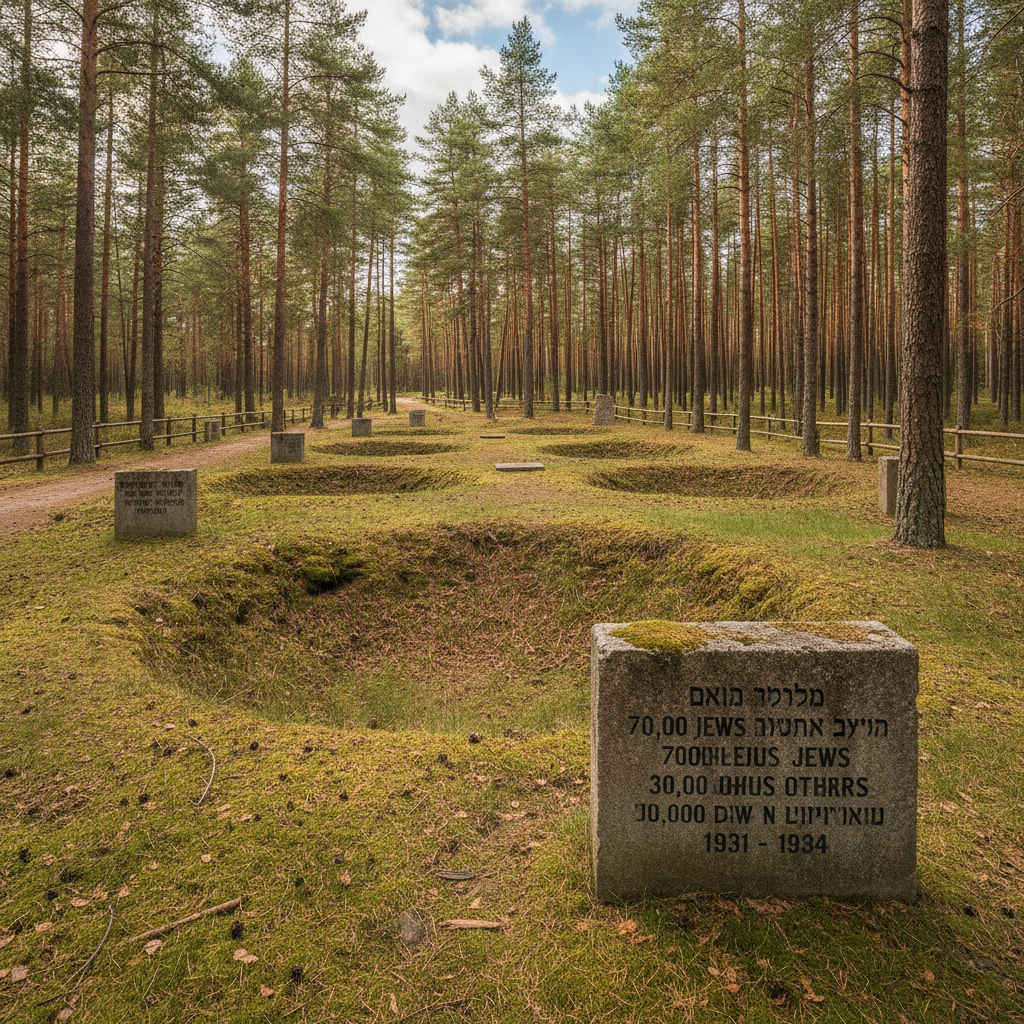
Vilnius — Jerusalem of Lithuania: the Jewish Heritage, the Vilna Gaon & the Paneriai Holocaust Memorial
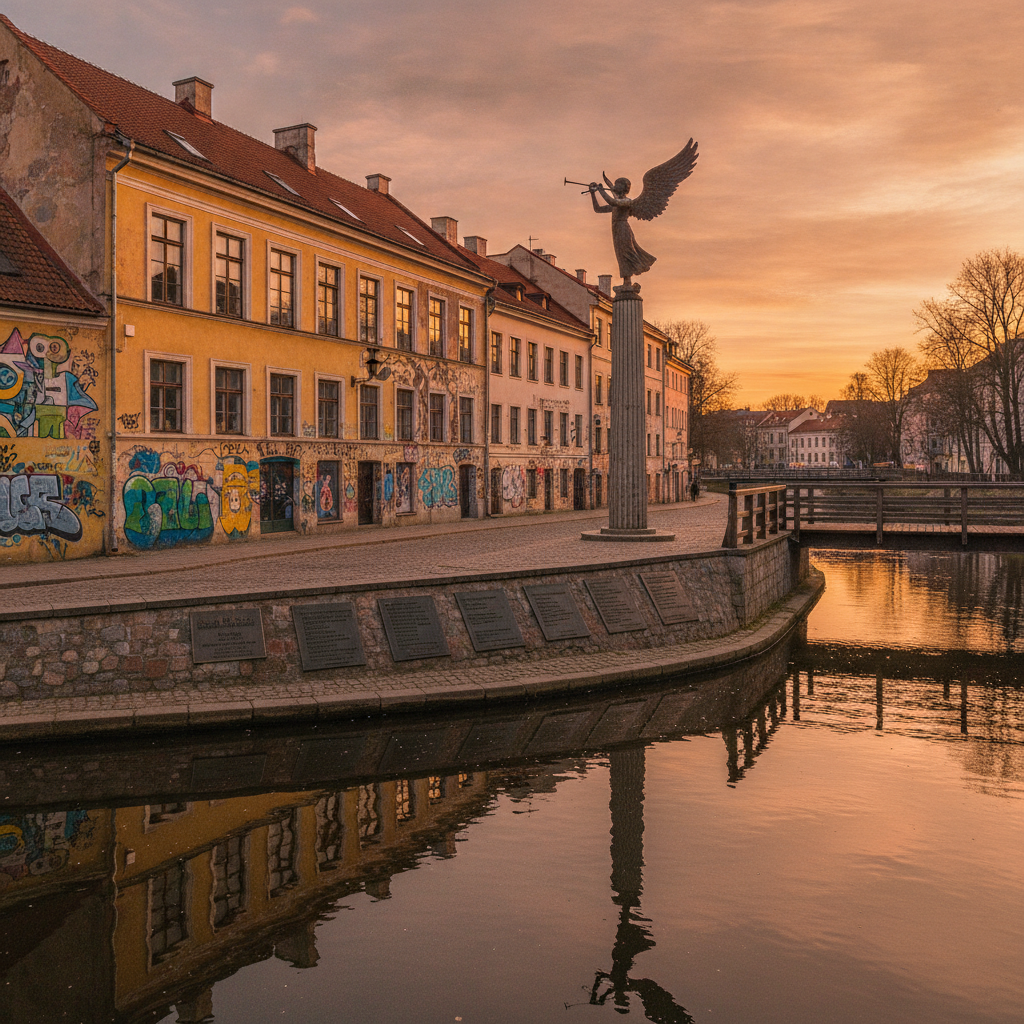
Vilnius Užupis & the Contemporary Art Scene — the Bohemian Republic, Galleries & Creative Vilnius
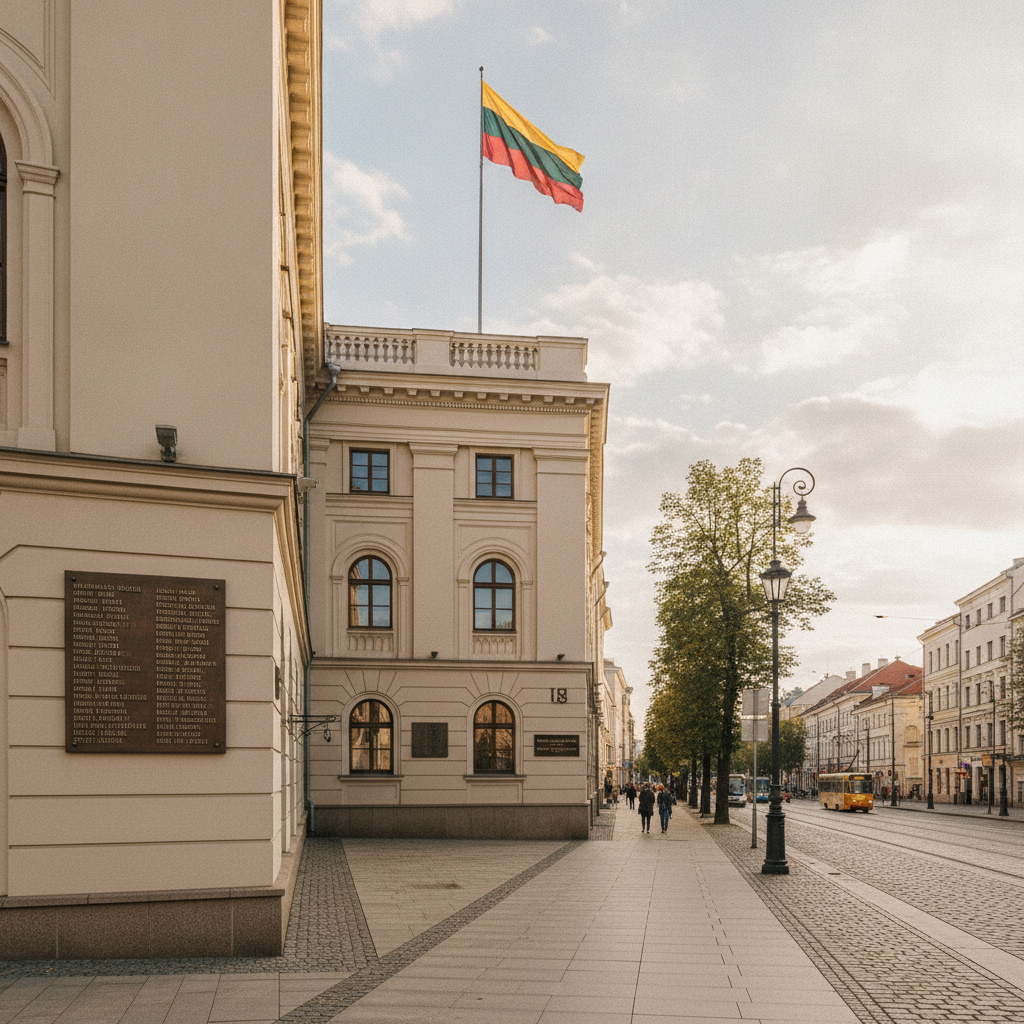
Vilnius — the KGB Museum, Gedimino Prospektas & the Soviet History of Lithuanian Independence
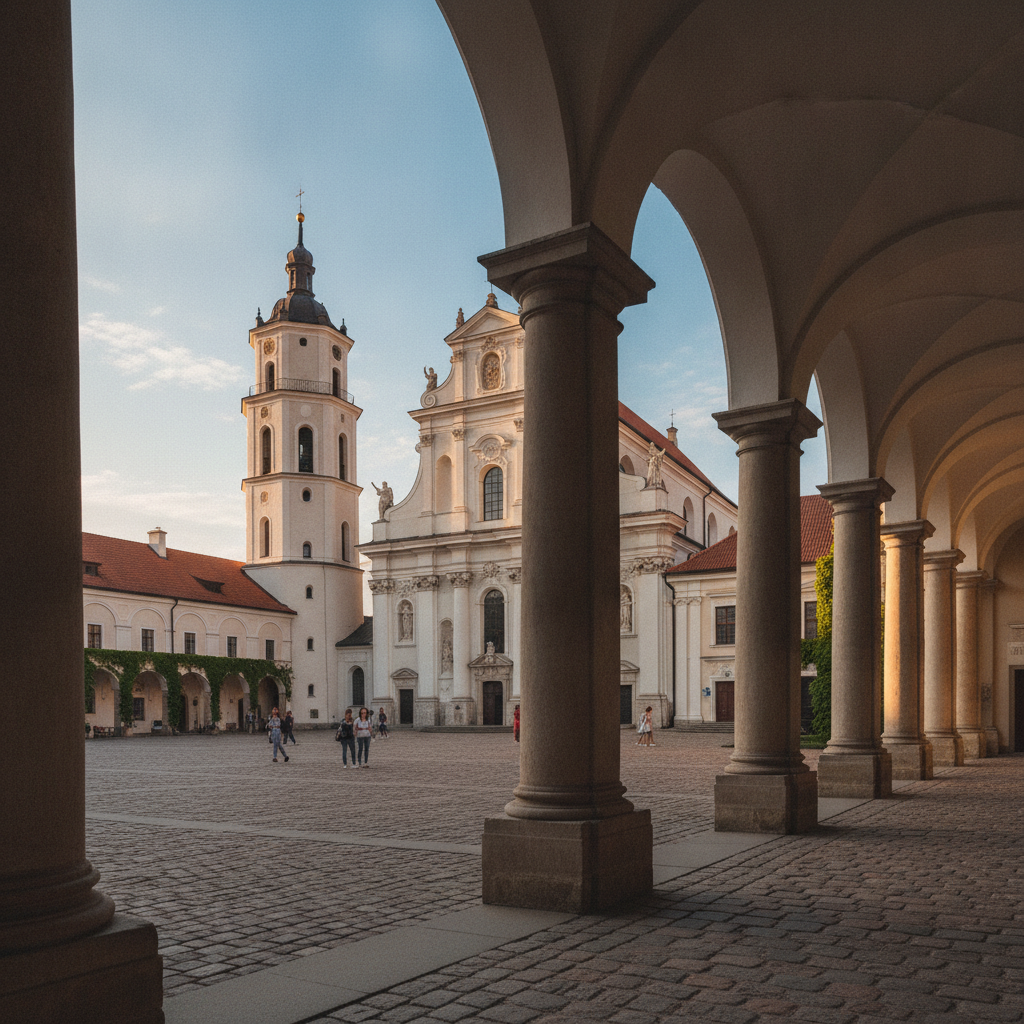
Vilnius Baroque — the University Courtyards, Jesuit Churches & the Most Dense Baroque Heritage in Northern Europe