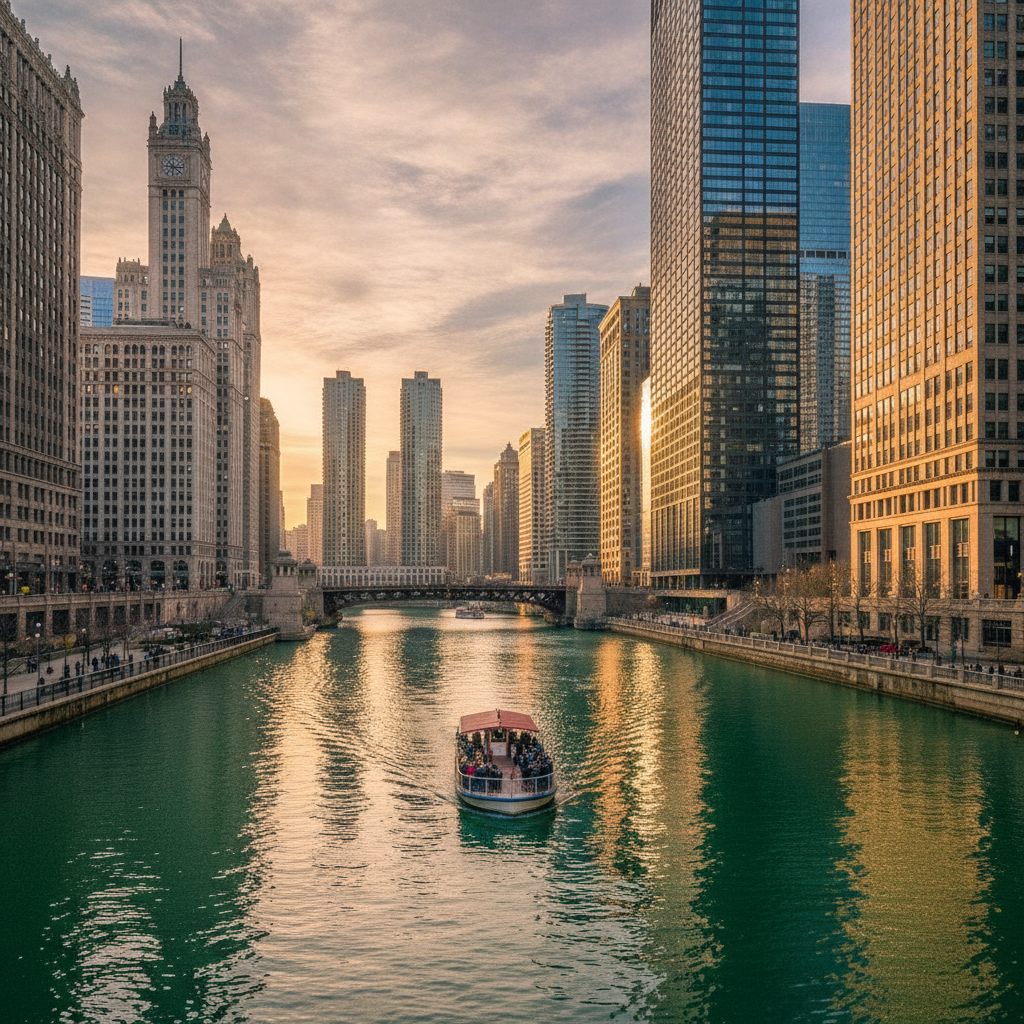
Il Tour in Barca di Architettura del Fiume Chicago — Grattacieli dall'Acqua
The Chicago Architecture Center boat tour on the Chicago River is the single best way to experience Chicago's extraordinary architectural heritage — a 90-minute narrated cruise from Navy Pier west along the main branch of the Chicago River and its two branches, passing approximately 50 significant buildings spanning from the 1880s to the present, with expert architectural commentary from trained docents of the Chicago Architecture Foundation.
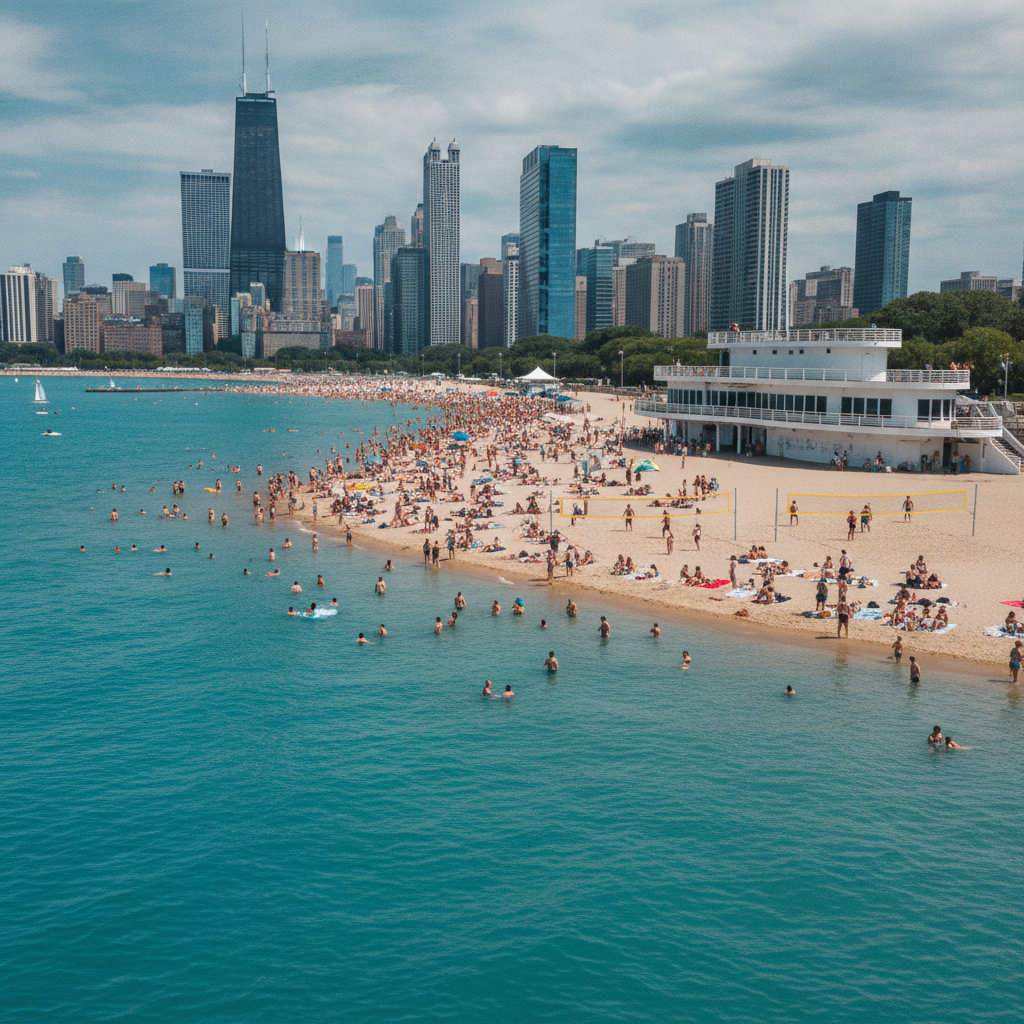
Lincoln Park, lo Zoo, North Avenue Beach e Old Town
Lincoln Park — the 1,208-acre public park stretching 10 kilometres along Chicago's North Side lakefront — is the largest of Chicago's 580 parks and one of the most used urban parks in the United States, combining the Lincoln Park Zoo (the oldest free admission zoo in the United States), North Avenue Beach, the Lincoln Park Conservatory, and the neighbourhood of Old Town (one of Chicago's oldest and most distinctive residential areas).
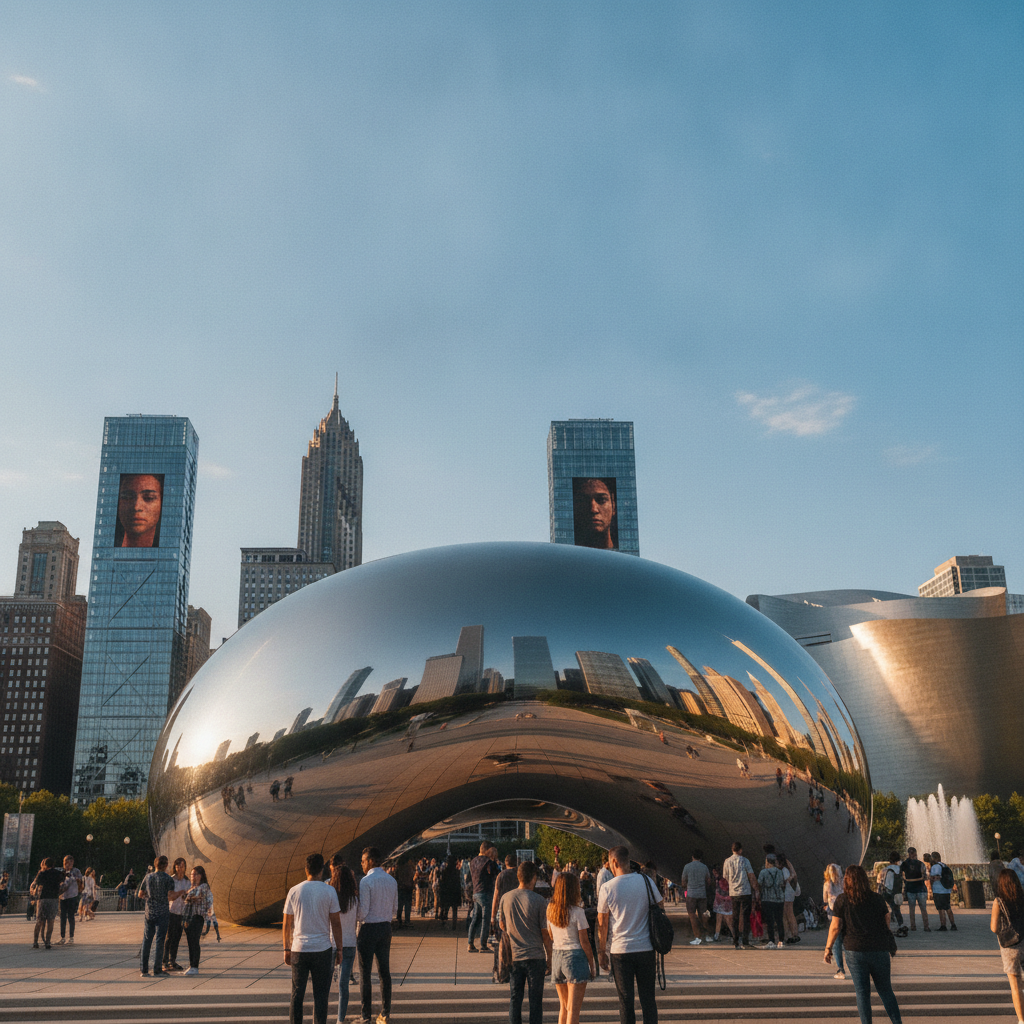
Millennium Park, Art Institute e la Magnificent Mile
Il tratto del lungologo di Chicago dal Millennium Park alla Magnificent Mile costituisce la spina dorsale culturale e commerciale della città — da Cloud Gate e il Jay Pritzker Pavilion nel parco, attraverso la collezione di livello mondiale dell'Art Institute of Chicago, fino allo shopping e all'architettura della Michigan Avenue.
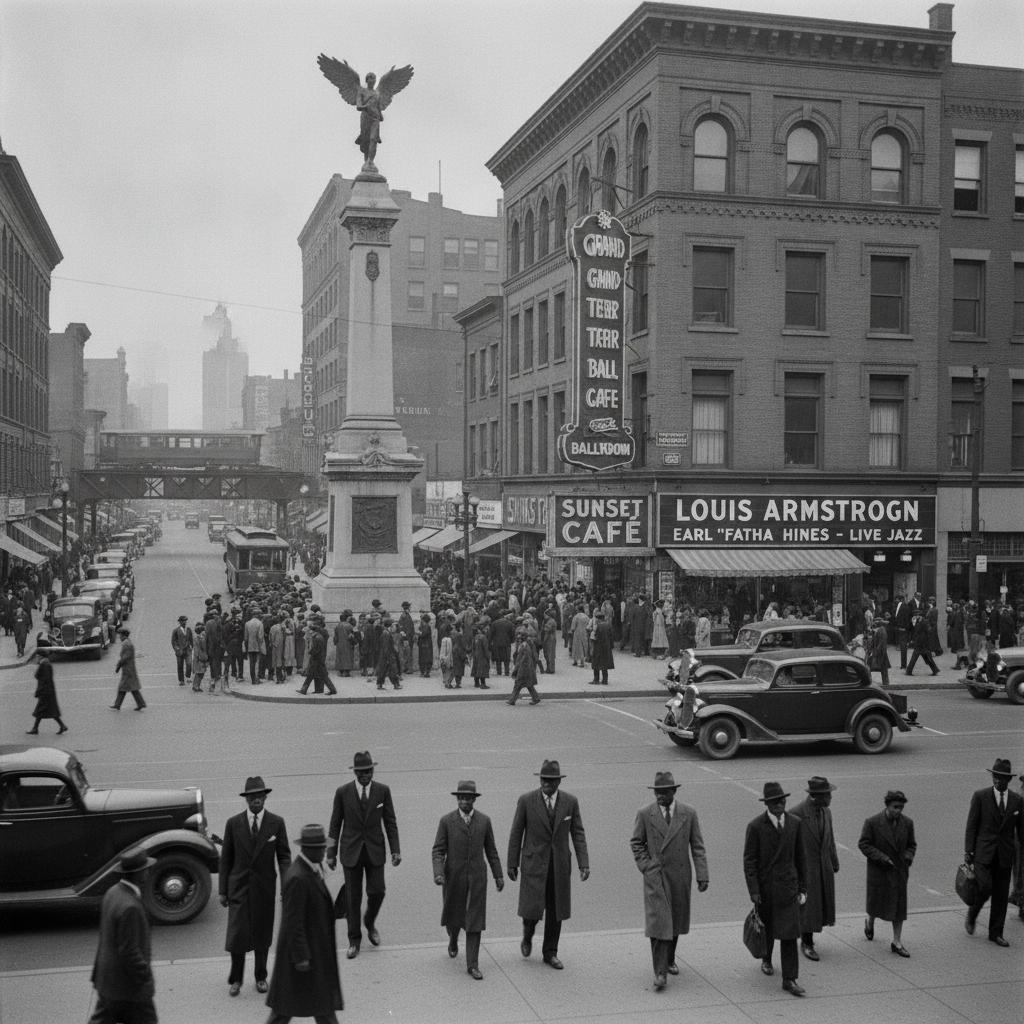
Bronzeville, Pullman e la Storia Afroamericana del South Side
The South Side of Chicago — the vast swath of the city south of the Loop, home to approximately 1 million residents — is the historic heart of African-American Chicago, the destination of the Great Migration (the movement of approximately 6 million African Americans from the rural South to northern cities between 1910 and 1970) and the birthplace of Chicago Blues, gospel music, and much of the cultural innovation that made Chicago one of the most creatively significant cities in 20th-century American history.
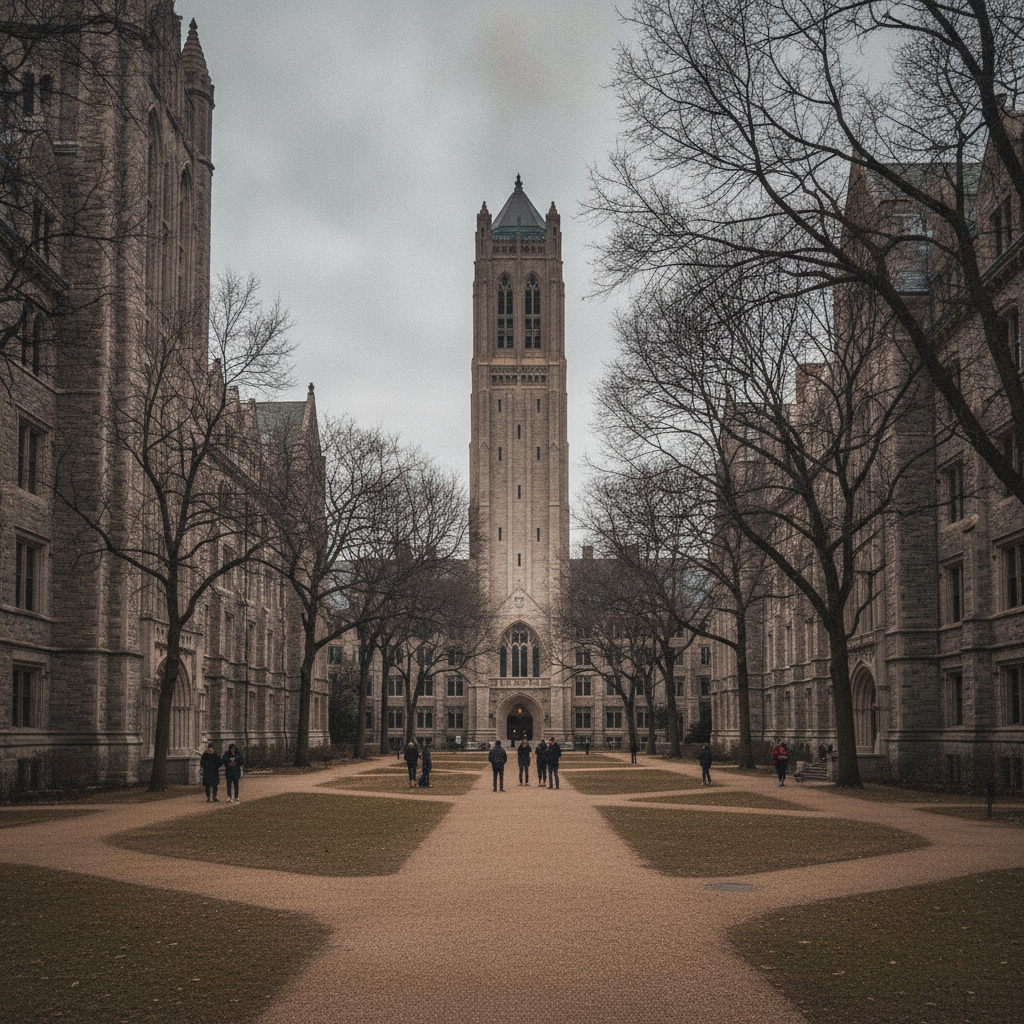
Hyde Park, l'Università di Chicago e il South Side di Obama
Hyde Park — the lakefront neighbourhood on Chicago's South Side, 13 kilometres south of the Loop, home to the University of Chicago (founded 1890), the Museum of Science and Industry, and the presidential library of Barack Obama (scheduled to open 2025 as the Obama Presidential Center in Jackson Park) — is one of the most intellectually and culturally significant residential neighbourhoods in American urban history.
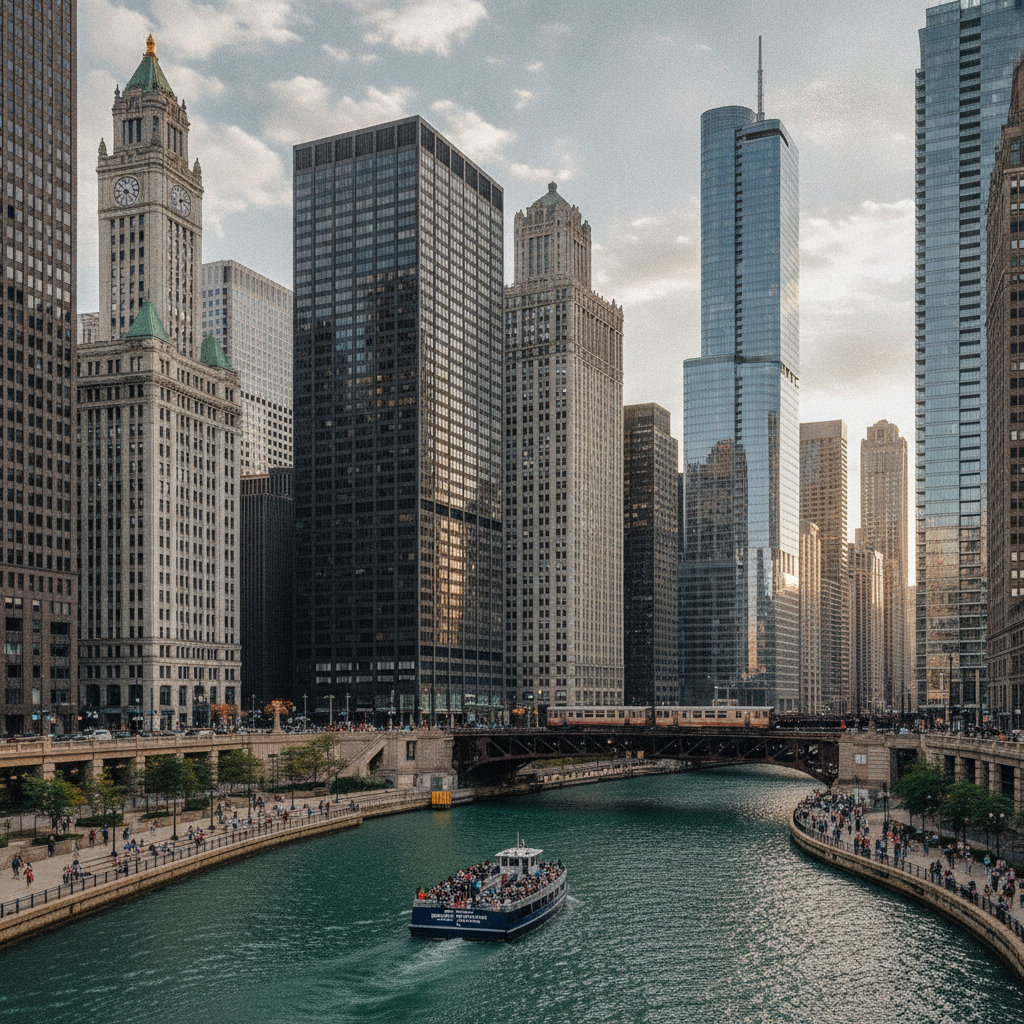
The Loop, Willis Tower e l'Eredità Architettonica di Chicago
Il Loop di Chicago — il distretto centrale degli affari racchiuso all'interno dei binari sopraelevati del treno 'L' — è il luogo di nascita del grattacielo moderno e il sito della concentrazione più significativa di architettura commerciale americana del XX secolo nel mondo.
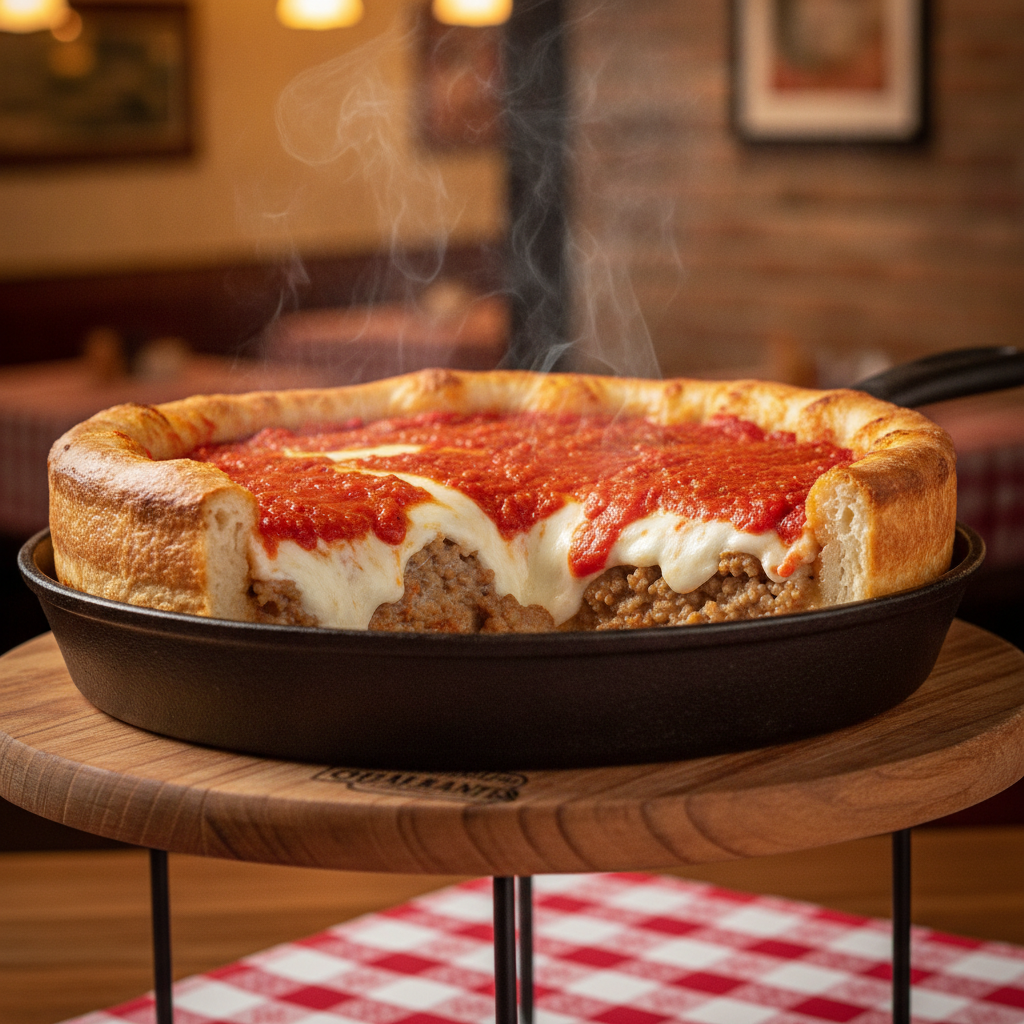
Deep-Dish Pizza, Blues, Jazz e i Quartieri — da Wicker Park a Pilsen
L'identità culturale di Chicago è definita tanto dal suo cibo, dalla sua musica e dalla vita di quartiere quanto dall'architettura: la pizza deep-dish inventata da Ike Sewell alla Pizzeria Uno nel 1943, la tradizione blues di Chicago e la diversità dei quartieri.
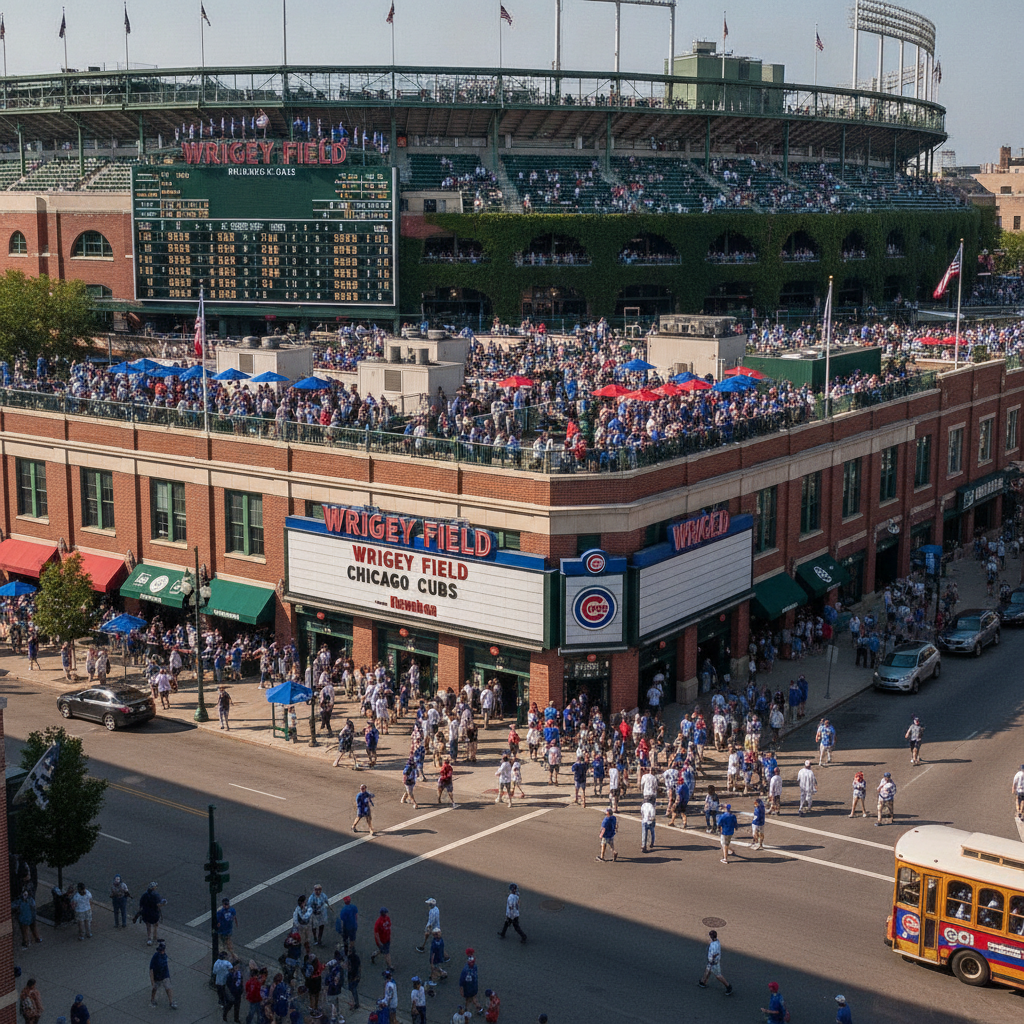
Wrigley Field, Baseball dei Cubs e il Quartiere di Wrigleyville
Wrigley Field (1060 West Addison Street, Wrigleyville — the baseball stadium of the Chicago Cubs, opened in 1914 as Weeghman Park, renamed Cubs Park in 1920 and Wrigley Field in 1926 after chewing gum magnate William Wrigley Jr., the second-oldest Major League Baseball stadium in the United States after Fenway Park in Boston) is one of the most beloved sports venues in America and the centrepiece of one of Chicago's most distinctive and tourist-friendly neighbourhoods.
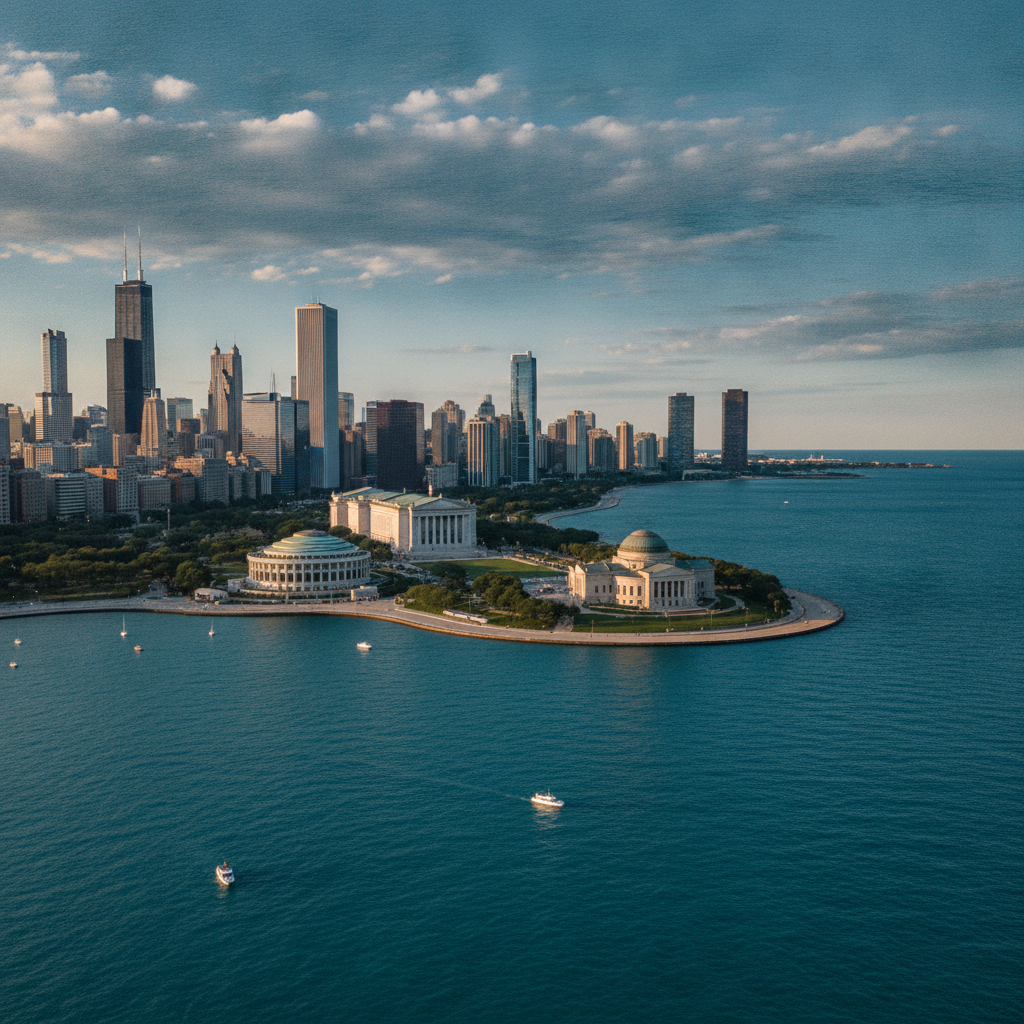
Museum Campus — Shedd Aquarium, Field Museum e Planetario Adler
Museum Campus Chicago — the 57-acre peninsula extending into Lake Michigan immediately south of Grant Park, accessible by the lakefront trail and by bus — is the most concentrated collection of major natural history and science institutions in the United States, combining three world-class museums within walking distance of each other: the Field Museum (natural history), the Shedd Aquarium, and the Adler Planetarium.