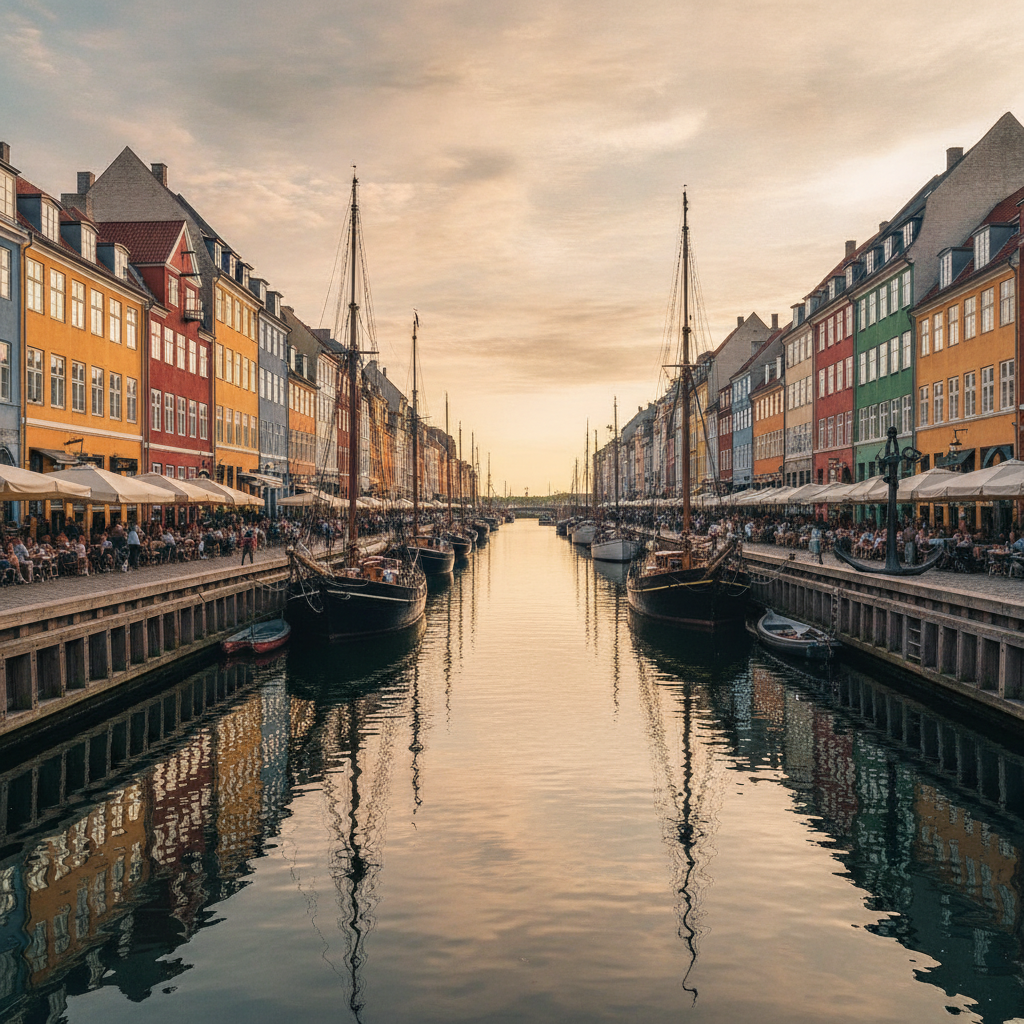
Nyhavn, Città Vecchia e Christiansborg — Il Cuore Storico di Copenaghen
Copenaghen — la capitale e la città più grande della Danimarca, costantemente classificata tra le migliori città del mondo per la qualità della vita — ha un centro storico costruito intorno alla città medievale e al porto reale del XVII secolo, con Nyhavn, Strøget e Christiansborg come monumenti principali.
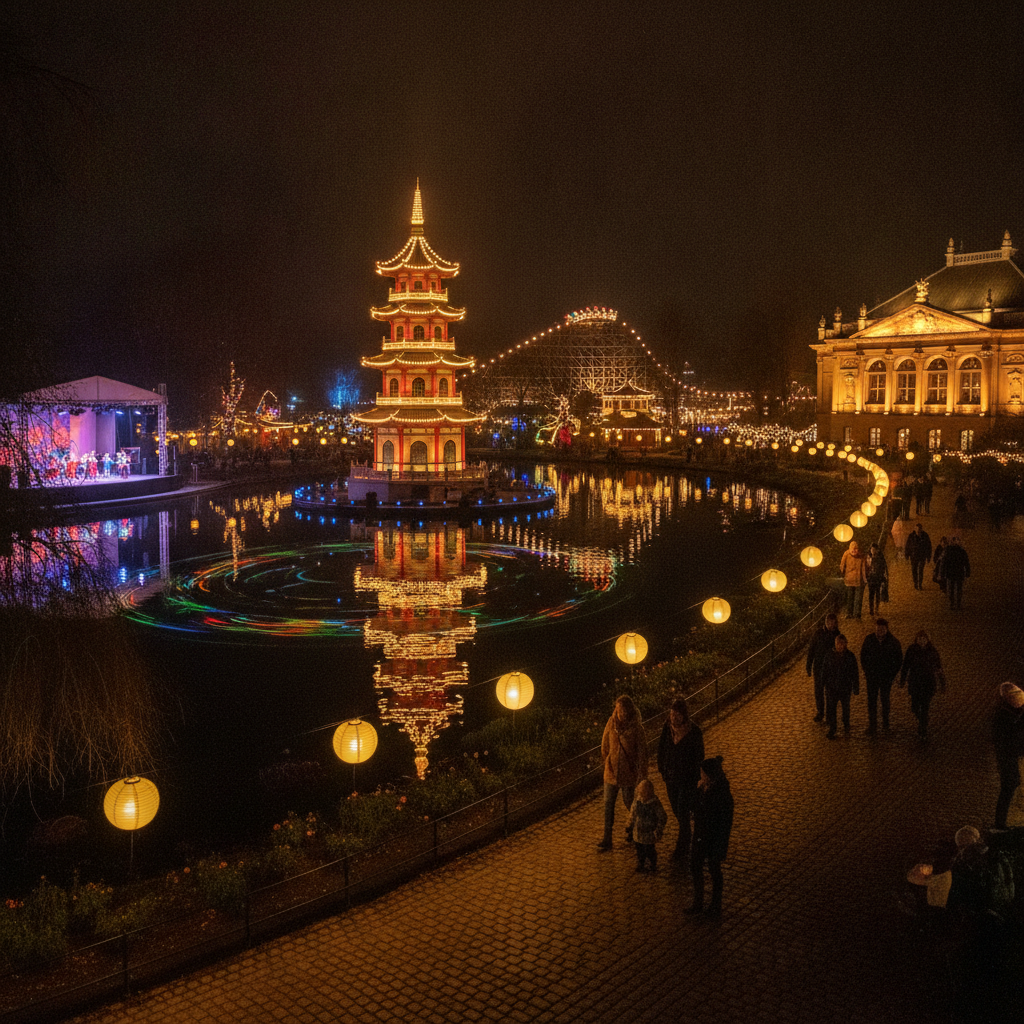
Giardini di Tivoli — Il Parco Divertimenti Incantato che Ha Ispirato Walt Disney
I Giardini di Tivoli — il secondo parco divertimenti più antico del mondo (aperto nel 1843), adiacente alla Stazione Centrale di Copenaghen e l'attrazione a pagamento più visitata della Scandinavia con circa 4 milioni di visitatori all'anno — è stata la dichiarata ispirazione di Walt Disney per Disneyland.
Nuova Cucina Nordica e la Rivoluzione Gastronomica di Copenaghen
Copenhagen is the capital of the global food revolution known as 'New Nordic Cuisine' — the culinary movement that began in 2004 when the chefs René Redzepi, Claus Meyer, and their colleagues published the New Nordic Manifesto, committing to cooking with local, seasonal, and foraged Scandinavian ingredients; the movement's most famous restaurant, Noma (founded 2003, voted the World's Best Restaurant four times), closed its physical restaurant in January 2024 but continues as a research and fermentation laboratory and pop-up dining experience.
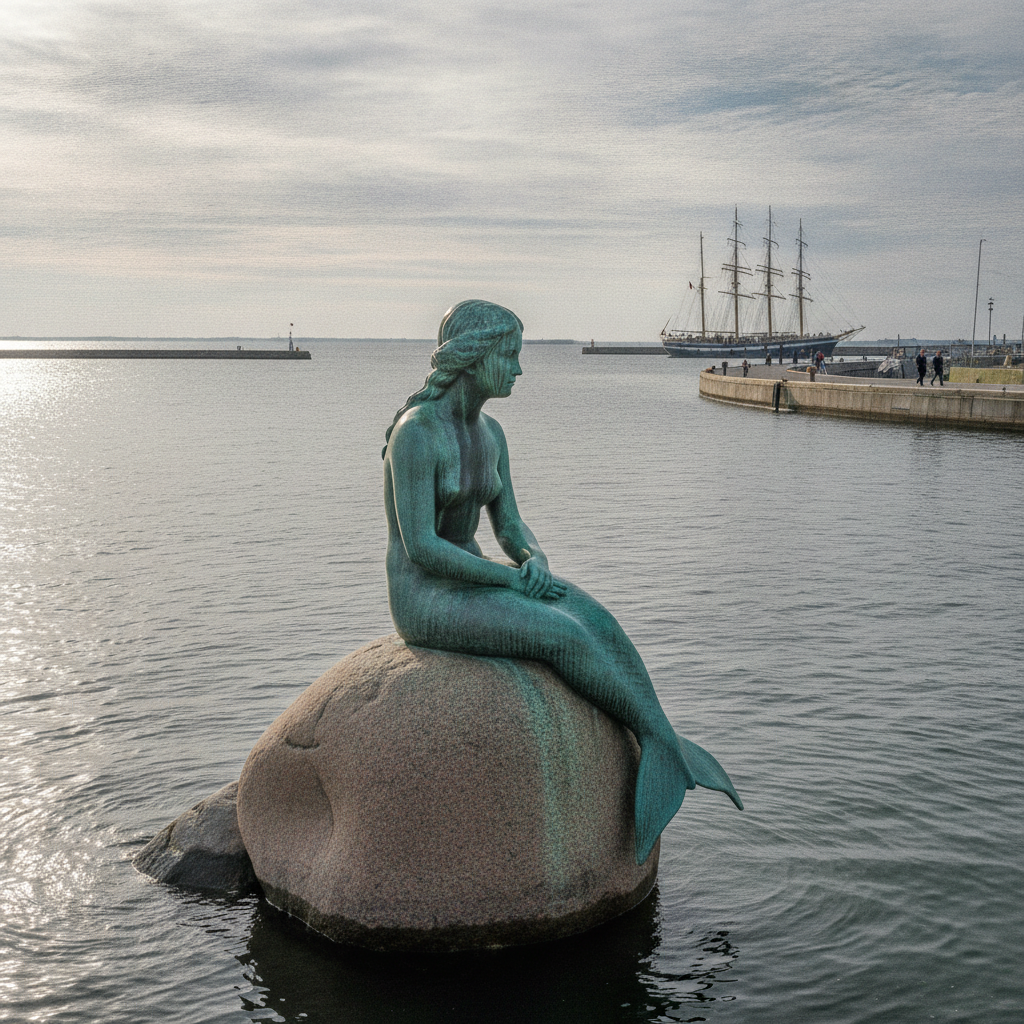
La Sirenetta, Amalienborg e Kastellet — La Copenaghen Reale
Il lungomare nord di Copenaghen contiene i tre monumenti che definiscono l'identità reale della città: la Sirenetta (la statua in bronzo simbolo di Copenaghen), il Palazzo di Amalienborg (la residenza invernale della famiglia reale danese) e Kastellet (la fortezza stellata del XVII secolo).
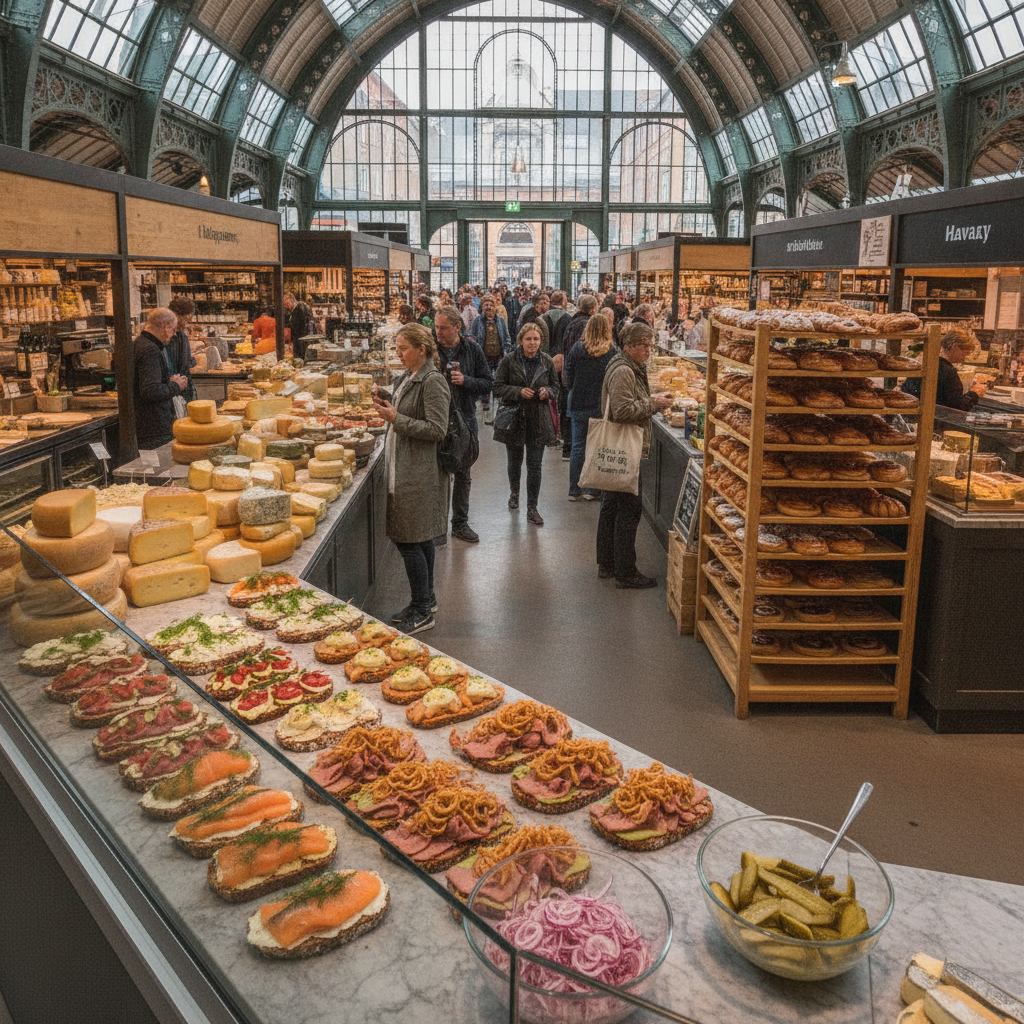
Smørrebrød, Pasticceria Danese e i Mercati Alimentari di Copenaghen
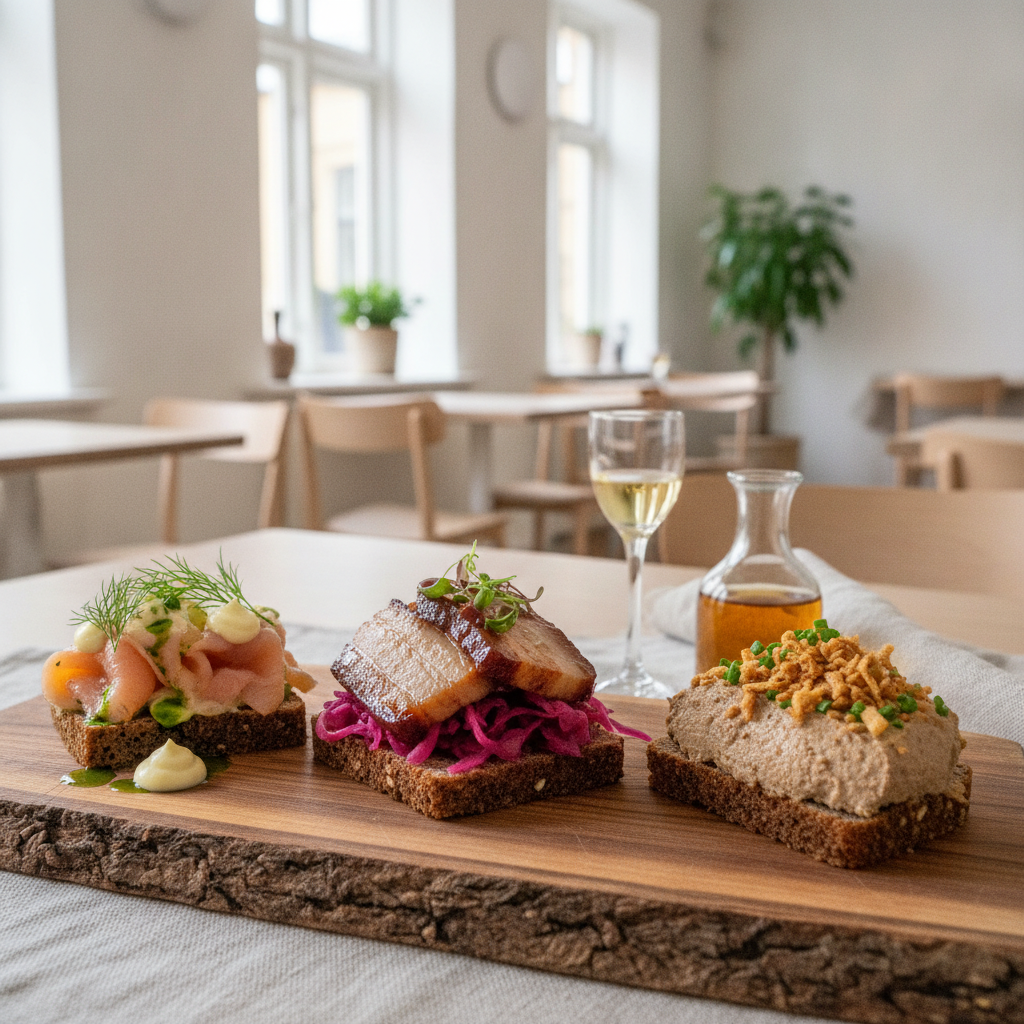
Copenhagen's traditional food culture encompasses three distinct pillars: smørrebrød (the open-face rye bread sandwiches that are the definitive Danish lunch food, with hundreds of possible toppings (pålæg) from herring (sild) to pork tenderloin (mørbrad) to chicken salad), Danish pastry (wienerbrød — the laminated pastry brought to Denmark by Viennese bakers in the 19th century, transformed by Danish bakers into a distinct family of pastries (the snegle, the spandauer, the kanelsnegl) that has become one of the most globally imitated pastry traditions), and the Torvehallerne food market (Copenhagen's finest covered food market).
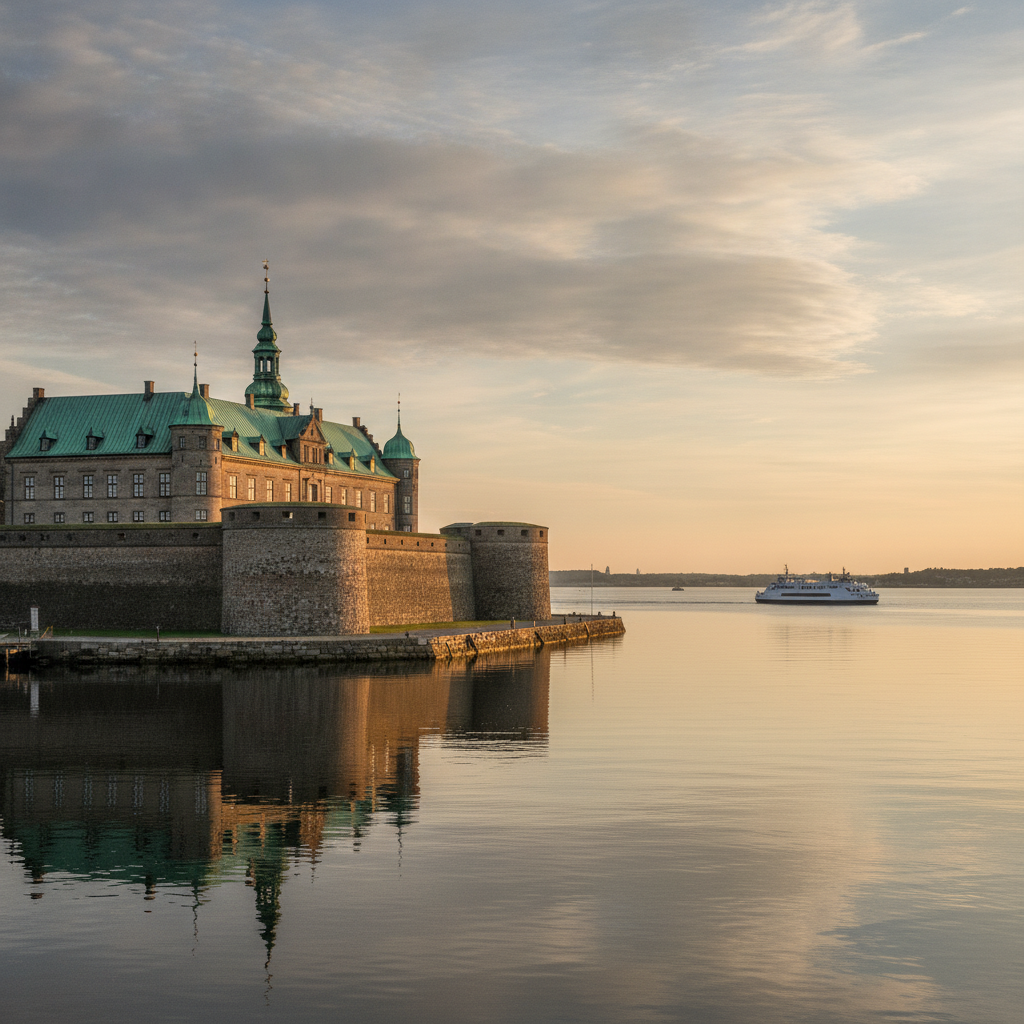
Castello di Kronborg e Helsingør — L'Elsinore di Amleto
Kronborg Castle (Kronborg Slot — the Renaissance castle at Helsingør (Elsinore) on the northern tip of Zealand, 45 km north of Copenhagen and 45 minutes by train, a UNESCO World Heritage Site and the setting of Shakespeare's Hamlet): Kronborg was built 1574-1585 by King Frederik II in the Renaissance style to control the Øresund strait (the narrow channel between Denmark and Sweden — the Sound Dues (Øresundstolden) levied on all ships passing through Øresund were the primary source of Danish royal revenue for centuries), and became the prototype for the fortified castle in Shakespeare's imagination.
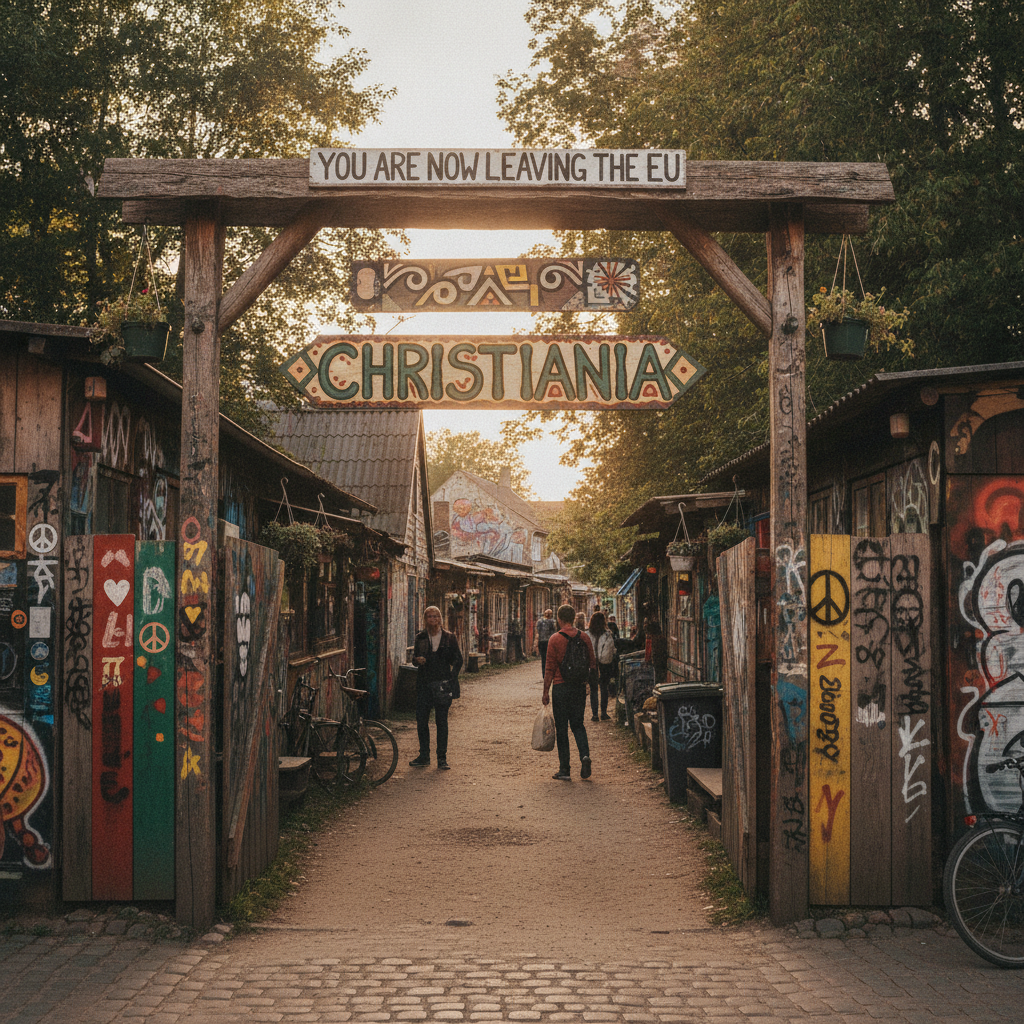
Città Libera di Christiania — L'Utopia Alternativa di Copenaghen
Freetown Christiania (Fristaden Christiania — the self-proclaimed autonomous district occupying 34 hectares in the Christianshavn neighbourhood of Copenhagen, established in 1971 when hippies and squatters occupied an abandoned military base (the Bådsmandsstrædes Barracks) and declared it a 'free town' governed by its own laws): Christiania is one of the most remarkable social experiments in 20th-21st century European history — a community of approximately 850-1000 permanent residents that has maintained its alternative, self-governing character for over 50 years in the face of repeated attempts by the Danish government to normalize or demolish it.
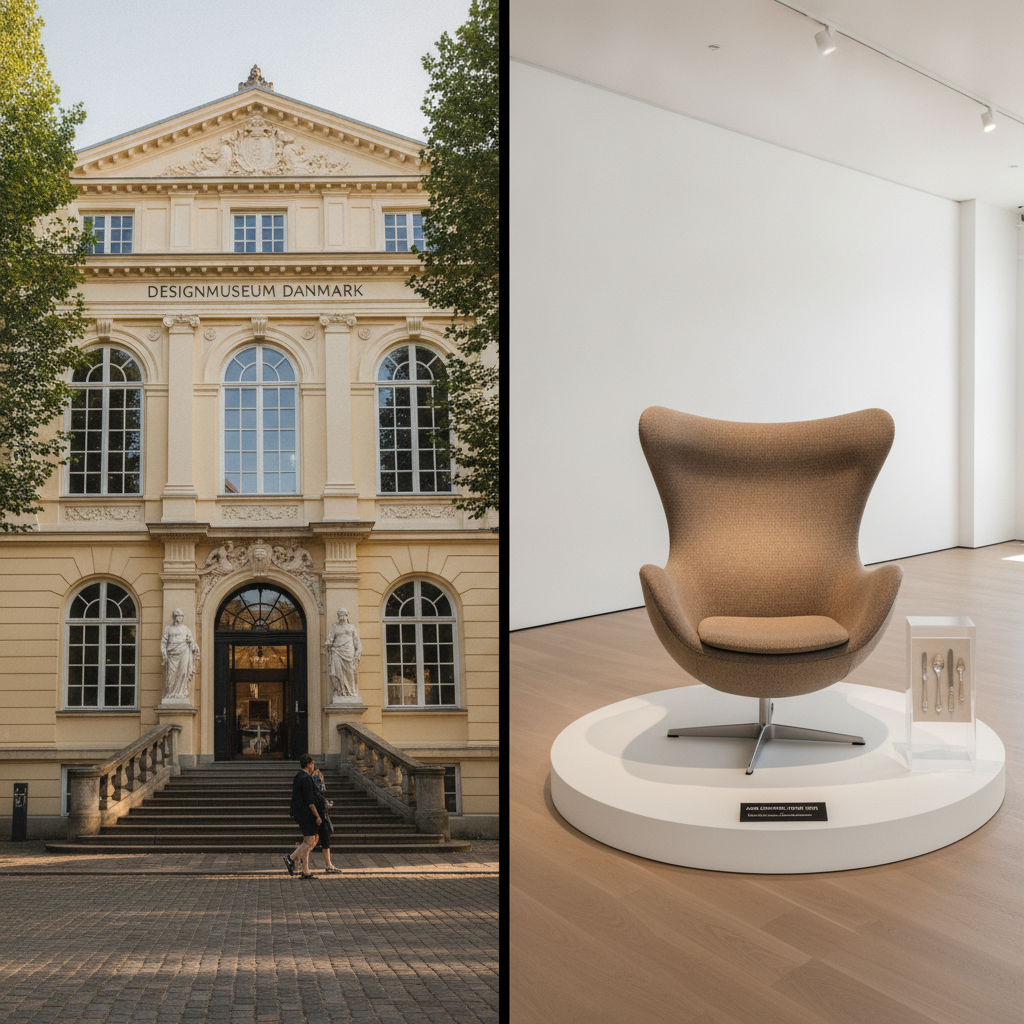
Design Danese, Architettura e il Museo del Design di Copenaghen
Danish design (the design tradition that emerged from Denmark primarily in the 1940s-1970s, producing some of the most influential furniture, industrial design, and architecture of the 20th century): Denmark's design output — from Arne Jacobsen's Egg Chair and Swan Chair, to Verner Panton's S Chair, to Jørn Utzon's Sydney Opera House, to the legendary Danish furniture workshops of Johannes Hansen and Carl Hansen & Søn — represents one of the great national design traditions of the modern era.
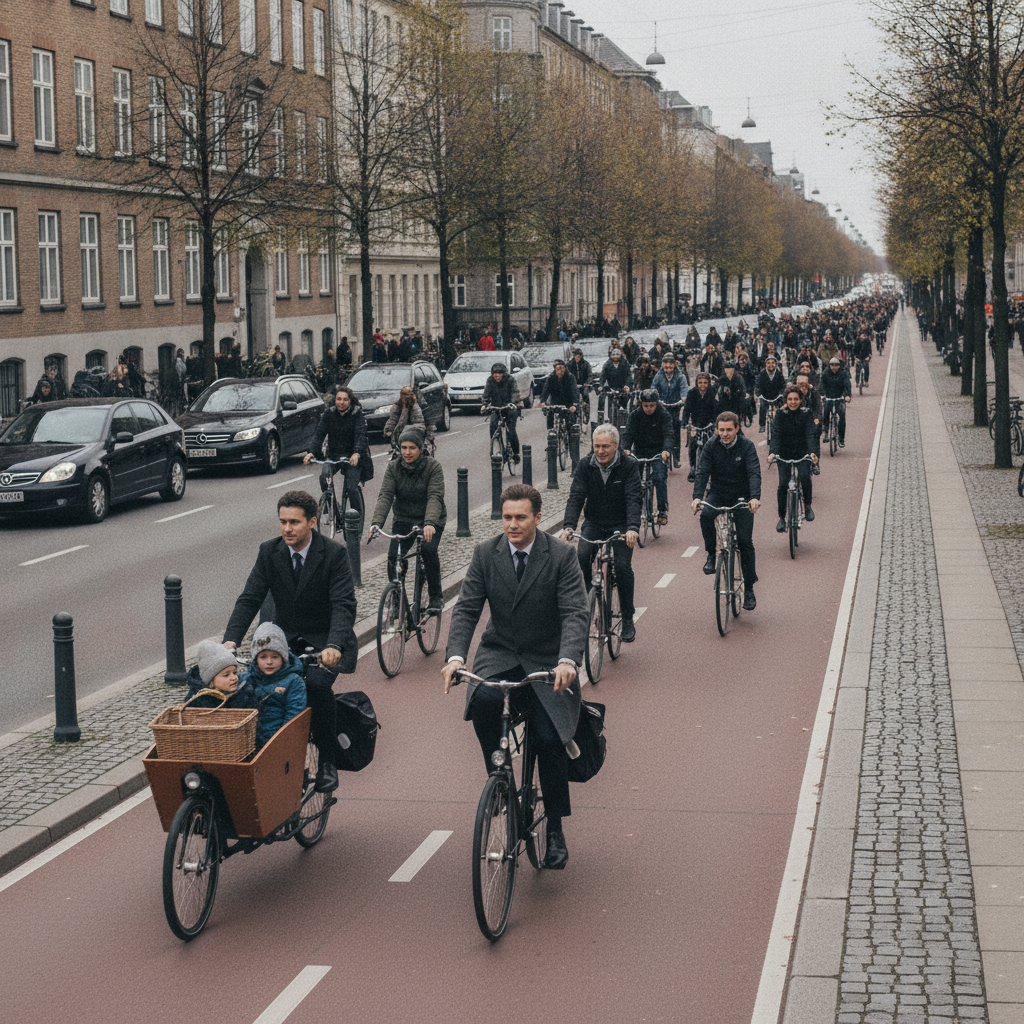
Cultura Ciclistica di Copenaghen — La Città Più Bike-Friendly del Mondo
Copenhagen cycling culture (the city where bicycles are not a lifestyle choice or a leisure activity but the default mode of urban transportation): Copenhagen has the highest rate of bicycle commuting of any capital city in the world, with approximately 62% of residents cycling to work or education every day (regardless of weather), 390 km of dedicated cycle tracks (separated from traffic by raised kerbs), and more bicycles (675,000) than cars (500,000) in the city; Copenhagen's cycling infrastructure is the global benchmark for urban bicycle design.