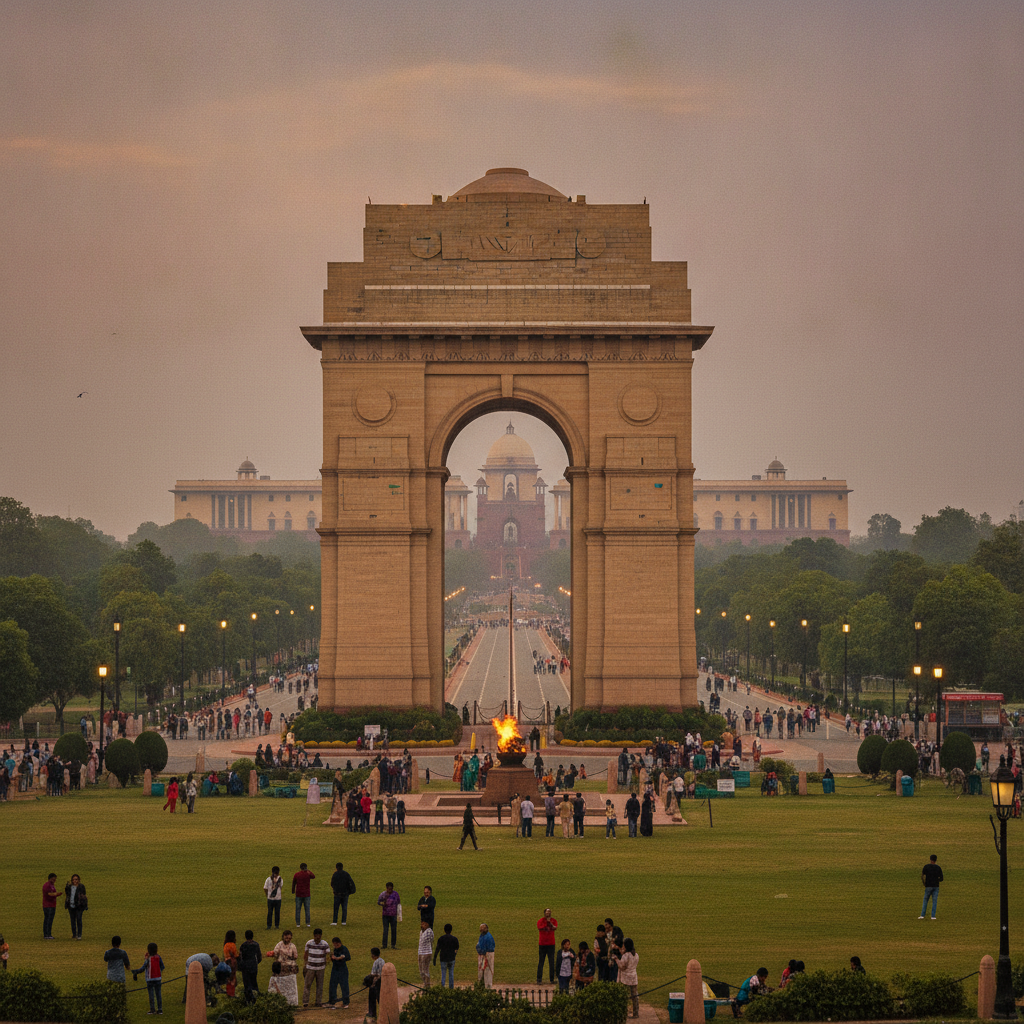
Porta dell'India, Rashtrapati Bhavan e la Nuova Delhi di Lutyens
La Nuova Delhi di Lutyens — la pianificata capitale coloniale progettata da Edwin Lutyens e Herbert Baker, costruita tra il 1911 e il 1931 — incentrata sull'asse cerimoniale di 3 km tra la Porta dell'India e Rashtrapati Bhavan, è uno dei grandi esempi di pianificazione urbana imperiale del XX secolo.
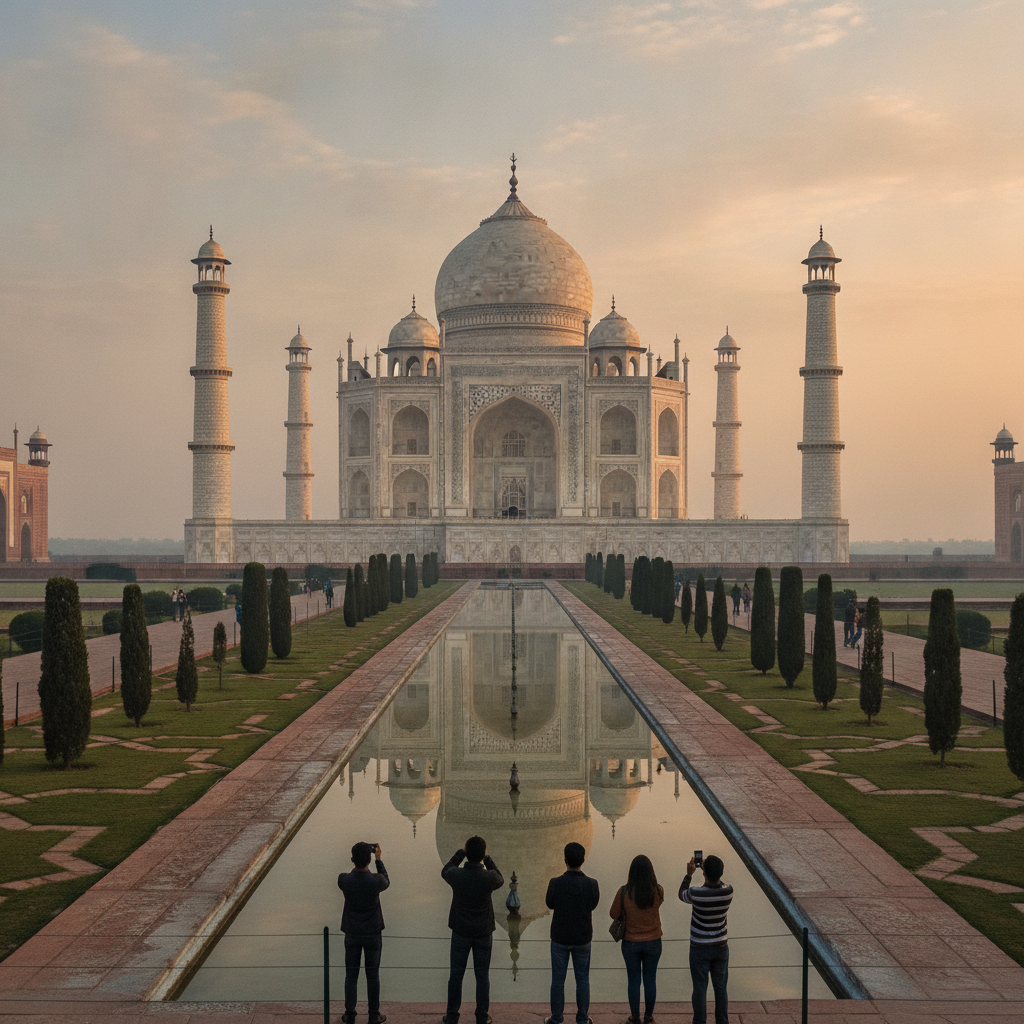
Gita ad Agra — Il Taj Mahal, il Forte di Agra e Fatehpur Sikri
Agra (200 kilometres south of Delhi, 2-3 hours by the Gatimaan Express or Shatabdi Express train) — the former Mughal capital of Akbar the Great and Shah Jahan and the site of the most celebrated building in the world: the Taj Mahal (Taj Bibi ka Maqbara — the white marble mausoleum built by Emperor Shah Jahan 1632-1653 in memory of his favourite wife Mumtaz Mahal, who died in childbirth in 1631) — is the most popular day trip destination from Delhi and the single building that brings more international tourists to India than any other.
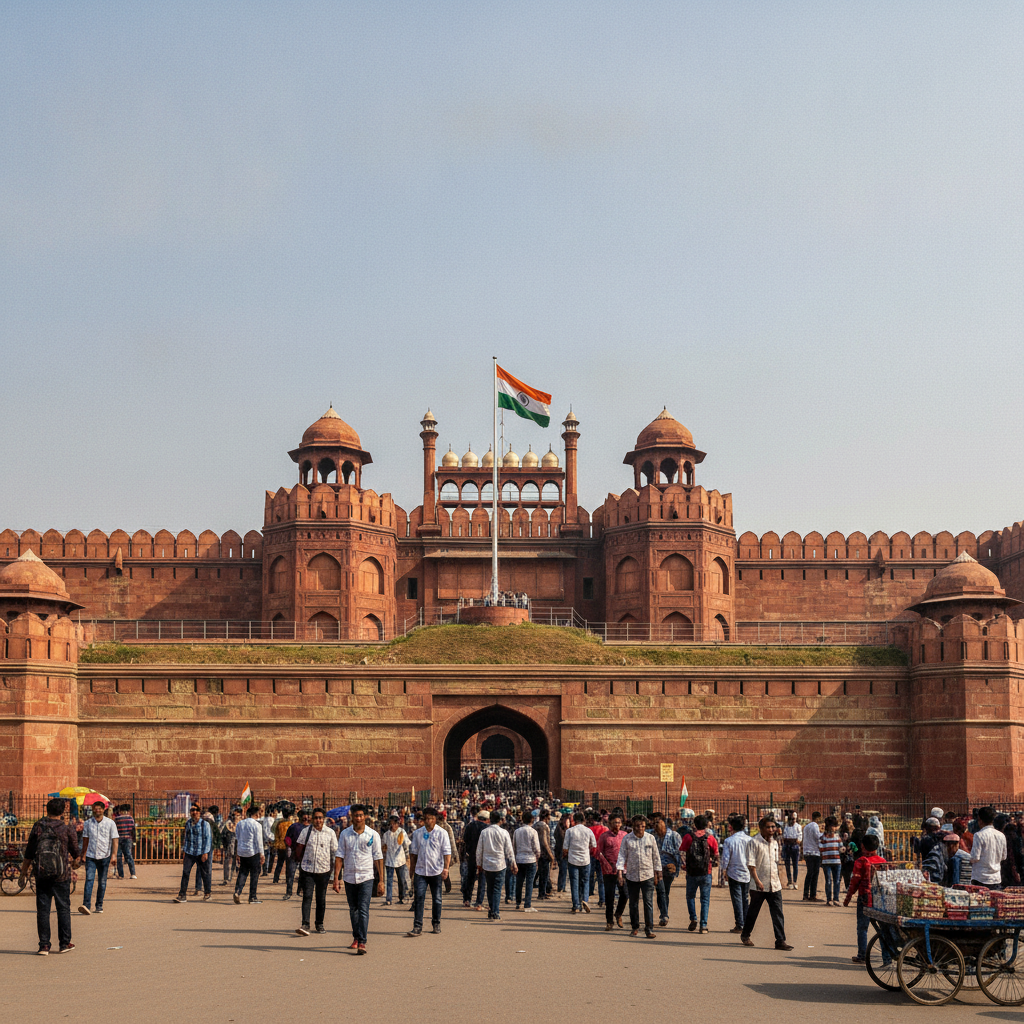
Forte Rosso, Chandni Chowk e la Vecchia Delhi — Cuore Imperiale Mughal
La Vecchia Delhi (Shahjahanabad — la città murata costruita dall'Imperatore Mughal Shah Jahan nel 1638-1648) centrata sul Forte Rosso (Patrimonio Mondiale UNESCO) e il bazar di Chandni Chowk è l'area storicamente più densa di Delhi e uno degli ambienti urbani più atmosferici al mondo.
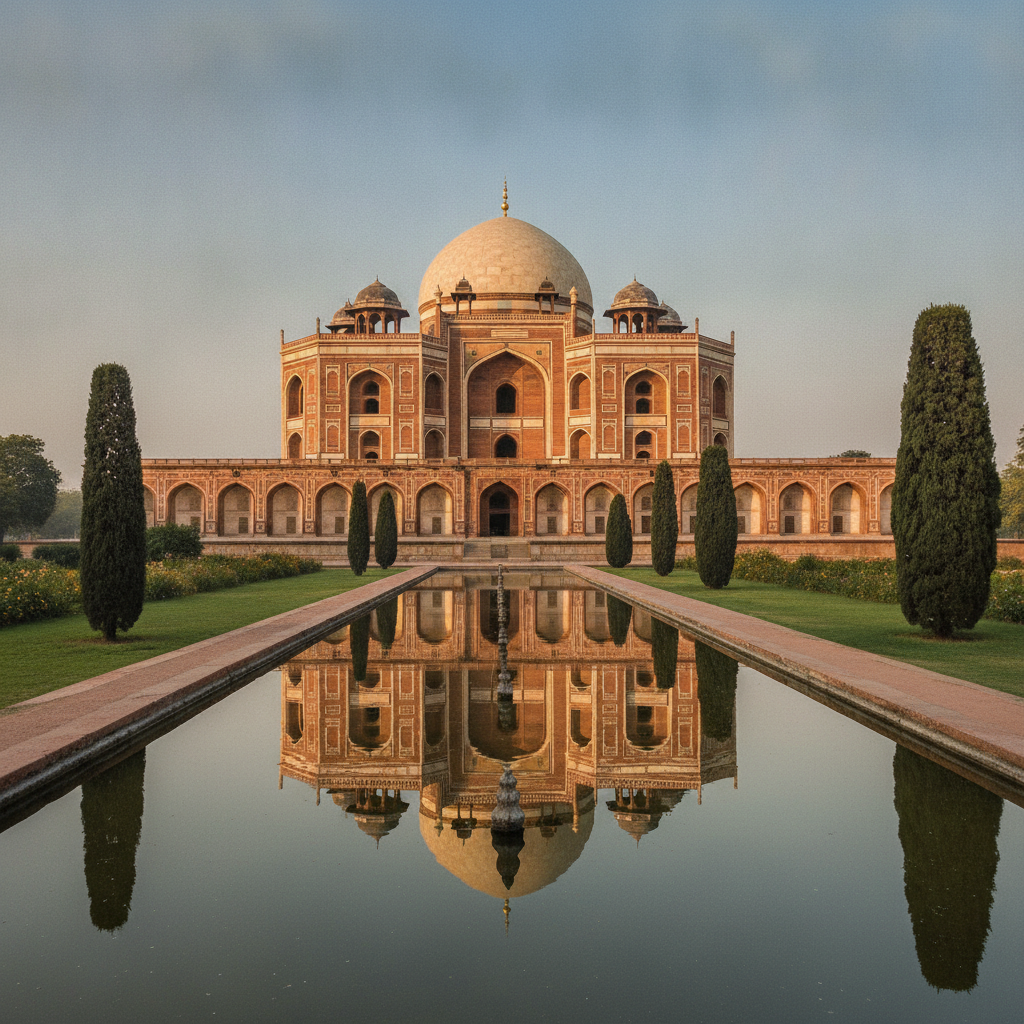
Tomba di Humayun, Qutb Minar e Giardino Lodhi — Il Patrimonio Medievale di Delhi
Il patrimonio architettonico medievale e mughal di Delhi — la Tomba di Humayun (1572, UNESCO), il complesso Qutb Minar (1193, UNESCO, il minareto di mattoni più alto del mondo) e il Giardino Lodhi — costituisce una delle maggiori concentrazioni di architettura islamica medievale al di fuori del Medio Oriente.
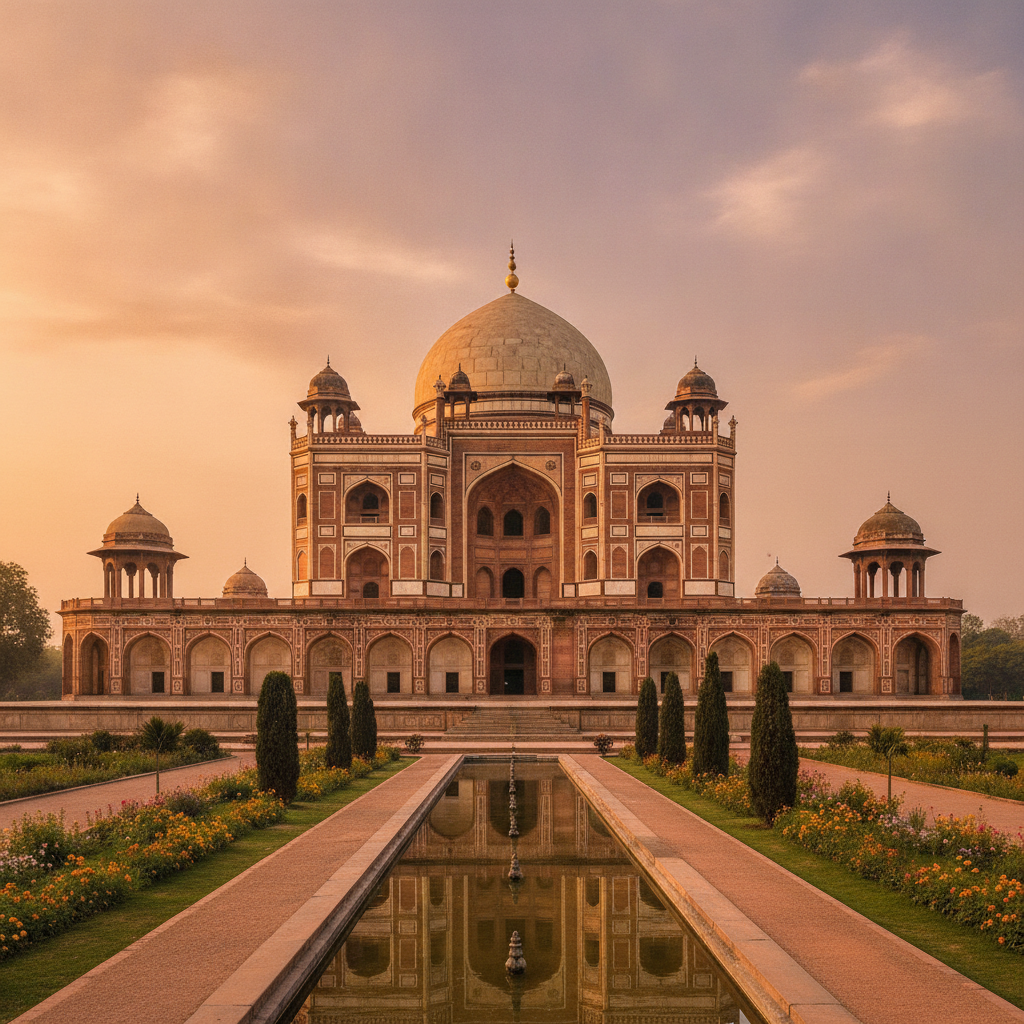
Galleria Nazionale d'Arte Moderna, Tomba di Safdarjung e il Sud di Delhi
The National Gallery of Modern Art (NGMA Delhi — Jaipur House, Rajpath, New Delhi, housed in the former residence of the Maharaja of Jaipur, a 1936 building redesigned as a gallery in 1954) is the premier museum of Indian modern and contemporary art, housing approximately 14,000 works spanning 1857 to the present — from the Company School paintings of the early colonial period to the Bengal Renaissance, the Bombay Progressives, and contemporary Indian installation art.
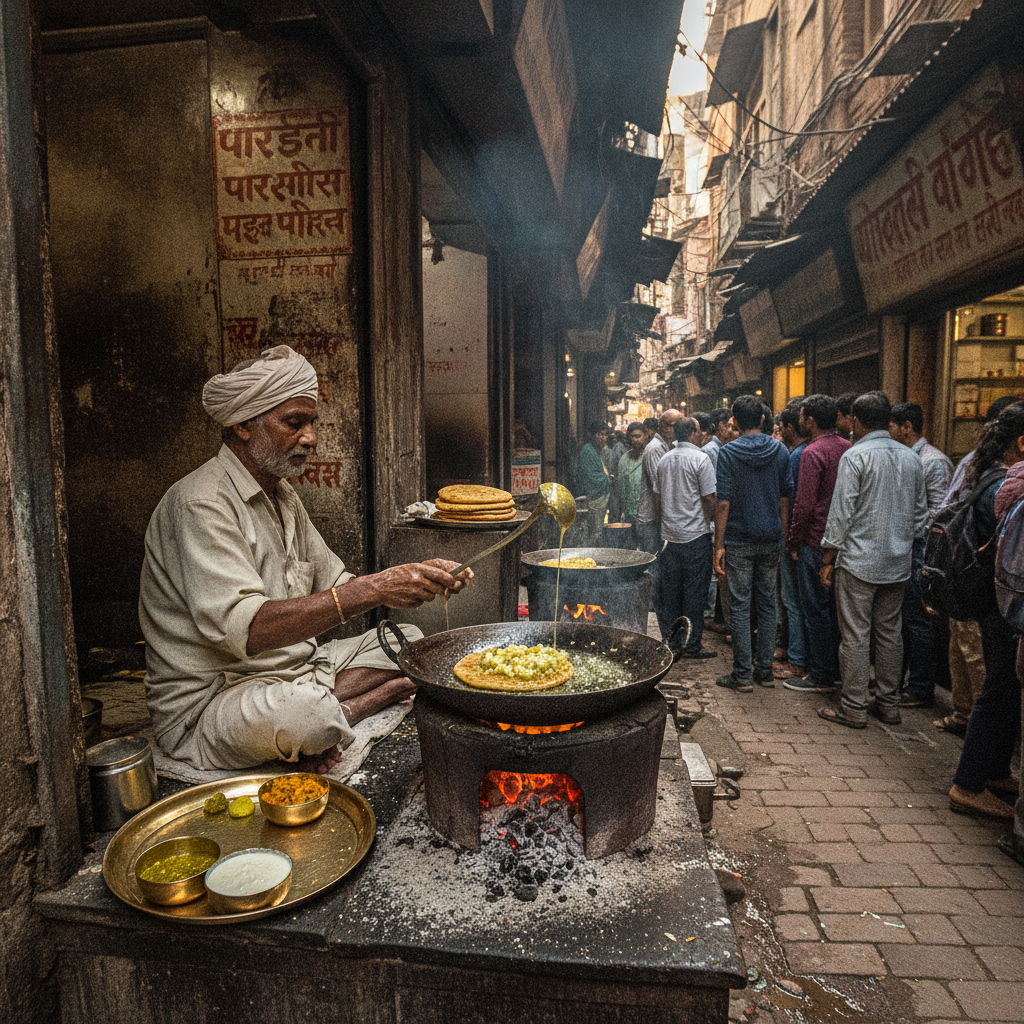
Street Food di Delhi — Paranthas, Chhole Bhature e il Patrimonio Culinario della Vecchia Delhi
Delhi's food culture is one of the richest and most diverse in India — shaped by the 350-year Mughal imperial culinary tradition, the North Indian Punjabi tradition of dairy-rich dairy and wheat-based food, the Hindu Brahmin vegetarian tradition, the Muslim biryani and kebab traditions of Shahjahanabad, and the Rajasthani, Bengali, and South Indian cuisines brought to Delhi by migrants from across India: the result is the most comprehensive single-city food culture in India, accessible from the street stalls of Chandni Chowk to the refined restaurants of Connaught Place.
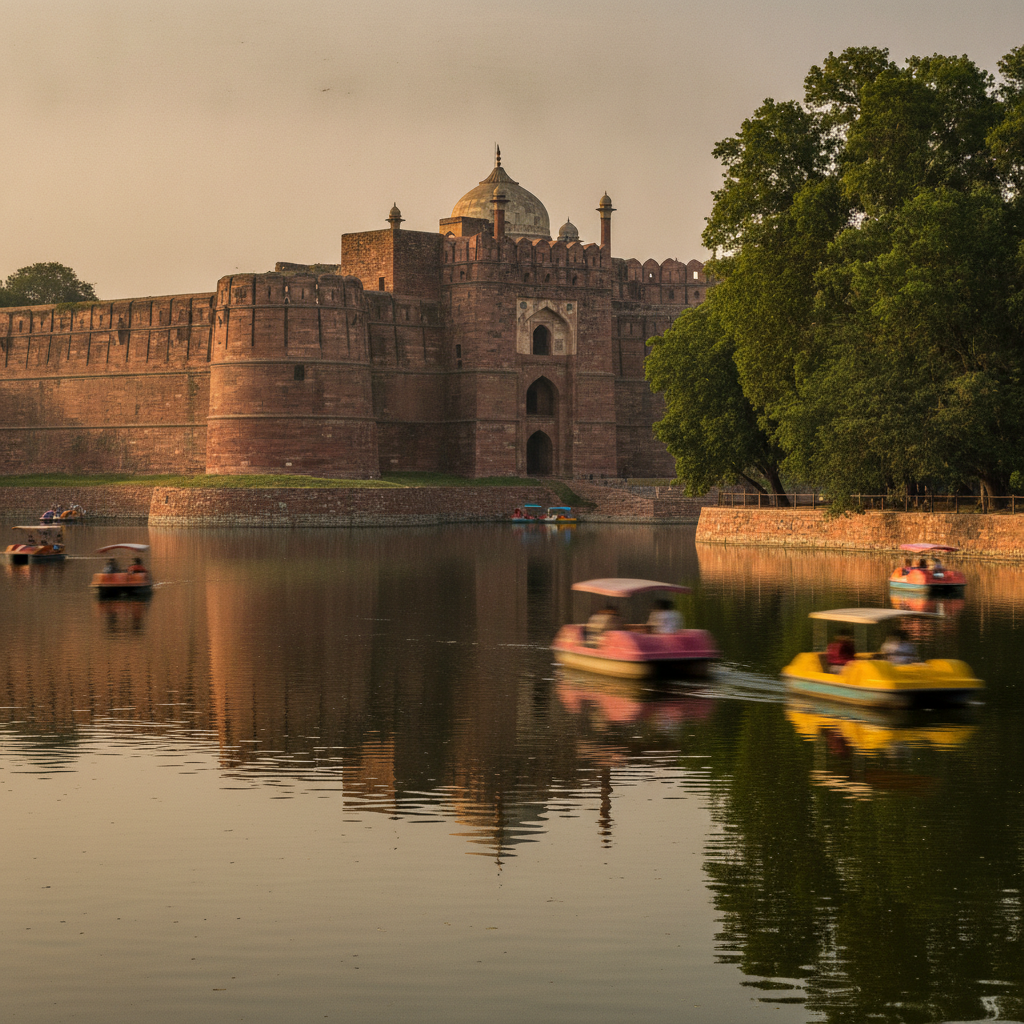
Purana Qila — Il Vecchio Forte e il Parco Zoologico Nazionale
Purana Qila (Old Fort — the massive 16th-century fortress built by the Afghan king Sher Shah Suri (1538-1545) on the site believed to be the mythological city of Indraprastha (the Pandava capital from the Mahabharata), subsequently modified by Mughal Emperor Humayun): the fort (surrounded by a large moat, with three massive gateways — the Bara Darwaza (Great Gate), the Humayun Darwaza, and the Talaqi Darwaza (Forbidden Gate) — and the Qila-i-Kuhna Mosque (Sher Shah's private mosque, 1541, one of the finest examples of the Sur dynasty architectural style) is one of the most dramatically situated fortresses in Delhi, with the National Zoological Park (the Delhi Zoo) adjacent on the west.
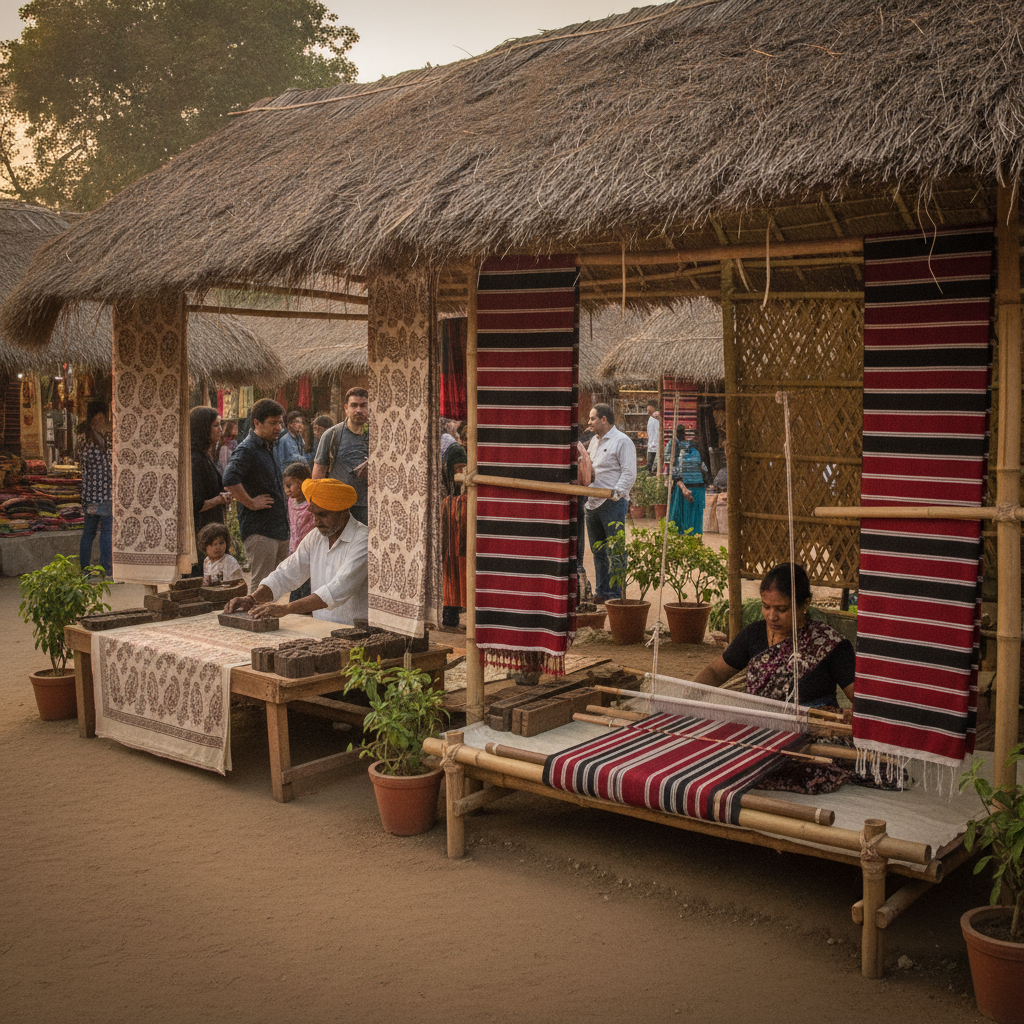
Dilli Haat e l'Artigianato dell'India — Arti Tradizionali da Tutto il Subcontinente
Dilli Haat (IFC, Aurobindo Marg, South Delhi — the open-air craft bazaar operated by the Delhi Tourism Corporation, where artisans from every state of India are given two-week stalls on a rotating basis to sell their traditional crafts directly to the public): Dilli Haat is the most accessible introduction to the full diversity of Indian traditional crafts available in a single location — every visit features a different selection of artisans representing the craft traditions of different states, from Kashmiri carpet weavers and papier-mâché artists to Rajasthani block printers, Madhubani painters from Bihar, Warli tribal artists from Maharashtra, Kanjivaram silk weavers from Tamil Nadu, and Manipuri bamboo craftsmen from the Northeast.
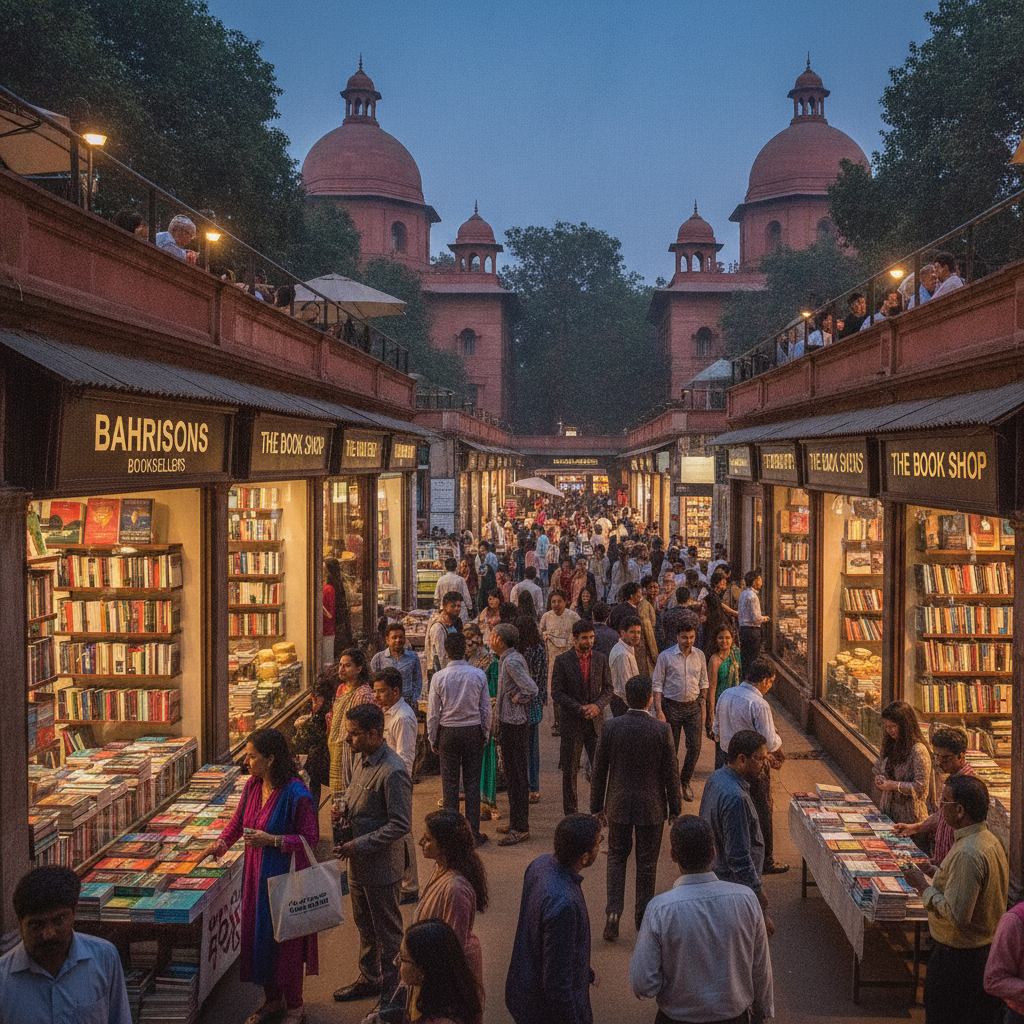
Khan Market, Lodhi Road e le Istituzioni Culturali di New Delhi
Khan Market (the upmarket shopping street in central New Delhi, built in the 1950s to serve the Government of India civil servants and diplomatic community, now consistently ranked among the most expensive retail locations in the world) and the Lodhi Road cultural corridor (the stretch of road from Khan Market south through the diplomatic enclave to the Habitat Centre and the India International Centre) form the intellectual and cultural heart of Lutyens' Delhi — the area where India's governing elite, academic community, foreign diplomats, and journalists have lived and worked since independence.