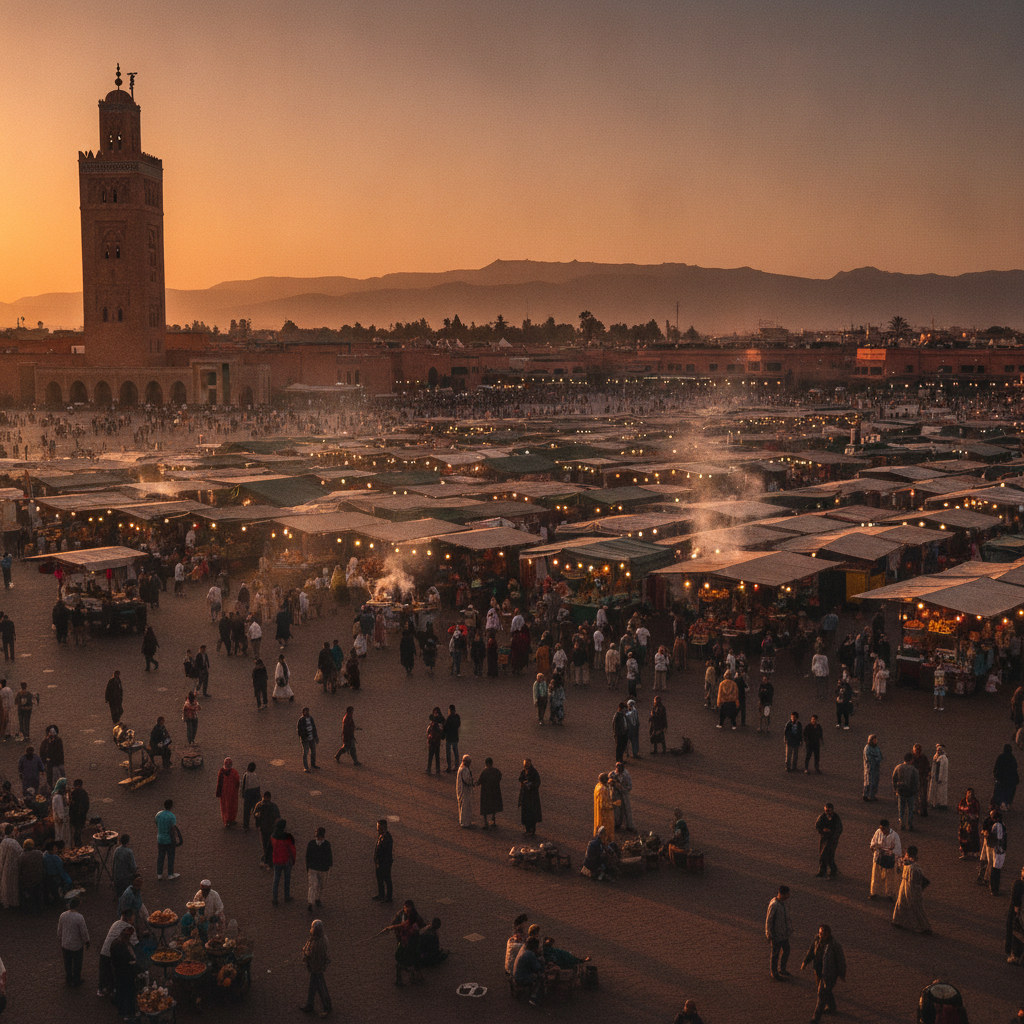
Djemaa el-Fna, la Medina e i Souk — Il Patrimonio UNESCO Vivente di Marrakech
Marrakech — la 'Città Rossa', la città imperiale dalle mura color ocra ai piedi dell'Atlante — è la città più visitata d'Africa e la destinazione marocchina più conosciuta a livello internazionale, con la sua medina (Patrimonio Mondiale UNESCO dal 1985) centrata sullo spettacolare Djemaa el-Fna.
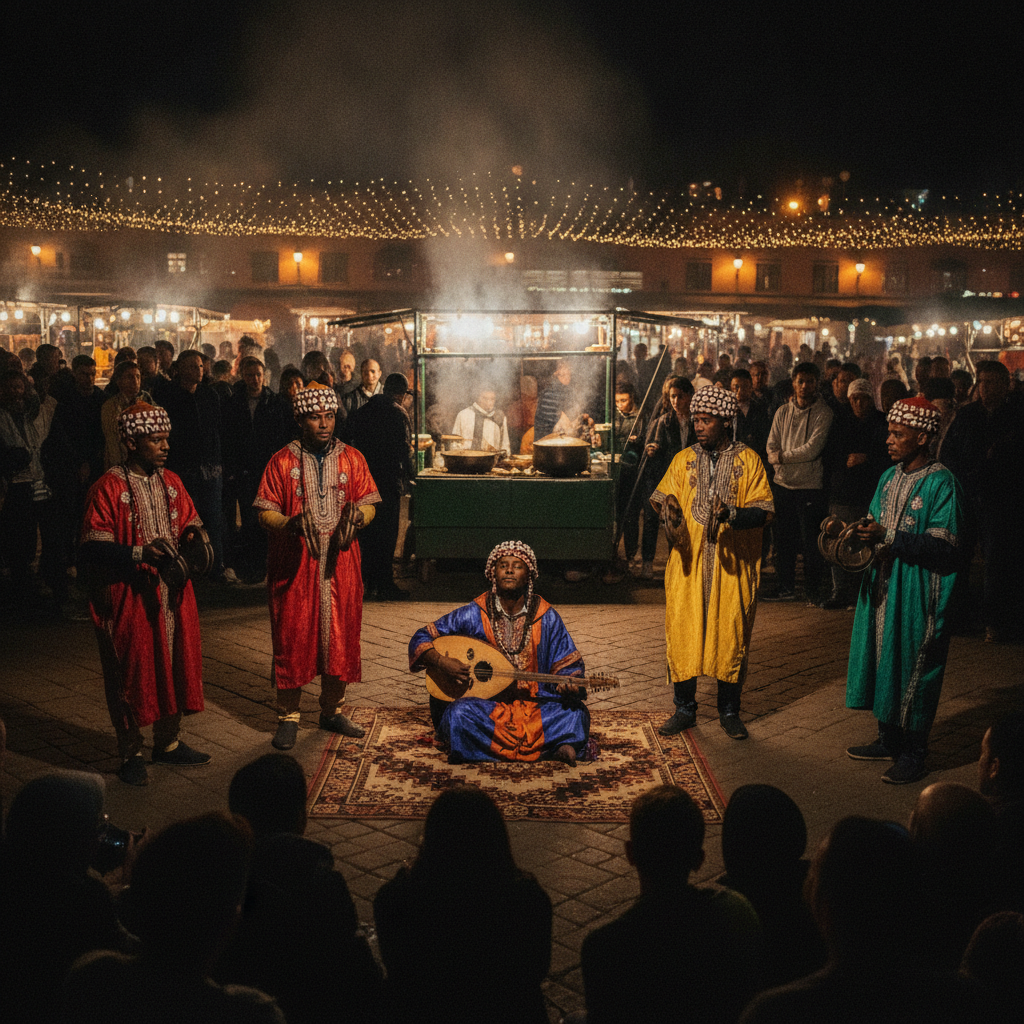
Musica Gnawa, Cultura Sufi e il Cuore Spirituale di Marrakech
Marrakech è la capitale spirituale della cultura musicale marocchina — patria della tradizione Gnawa (riconosciuta dall'UNESCO come Patrimonio Immateriale nel 2019) e delle confraternite sufi che continuano le tradizioni musicali devozionali del mondo islamico.
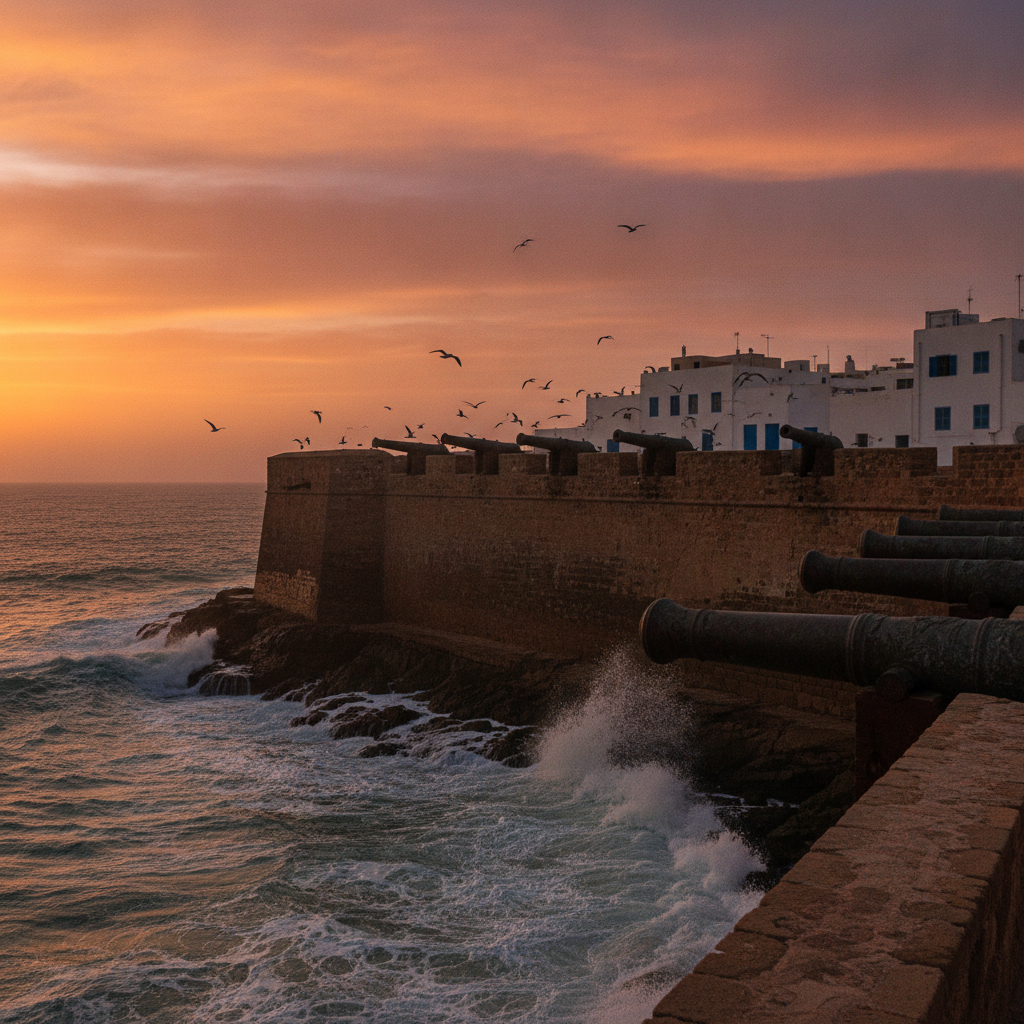
Essaouira — La Fuga Atlantica di Marrakech
Essaouira (the Atlantic coastal city 180 km west of Marrakech (2.5-3 hours by bus or private transfer) — the wind-swept fortified city on the Atlantic coast, UNESCO World Heritage since 2001): Essaouira (the name means 'the well-designed' in Amazigh) was built as a new city in 1765 by the Alaouite Sultan Mohammed III, designed by the French military architect Théodore Cornut, creating a European-designed medina with wide straight streets within a Moroccan context — unique in Morocco; Essaouira was the most important port in Morocco from the 18th to the early 20th century, a cosmopolitan city of Jewish, European, Arab, and Amazigh communities.
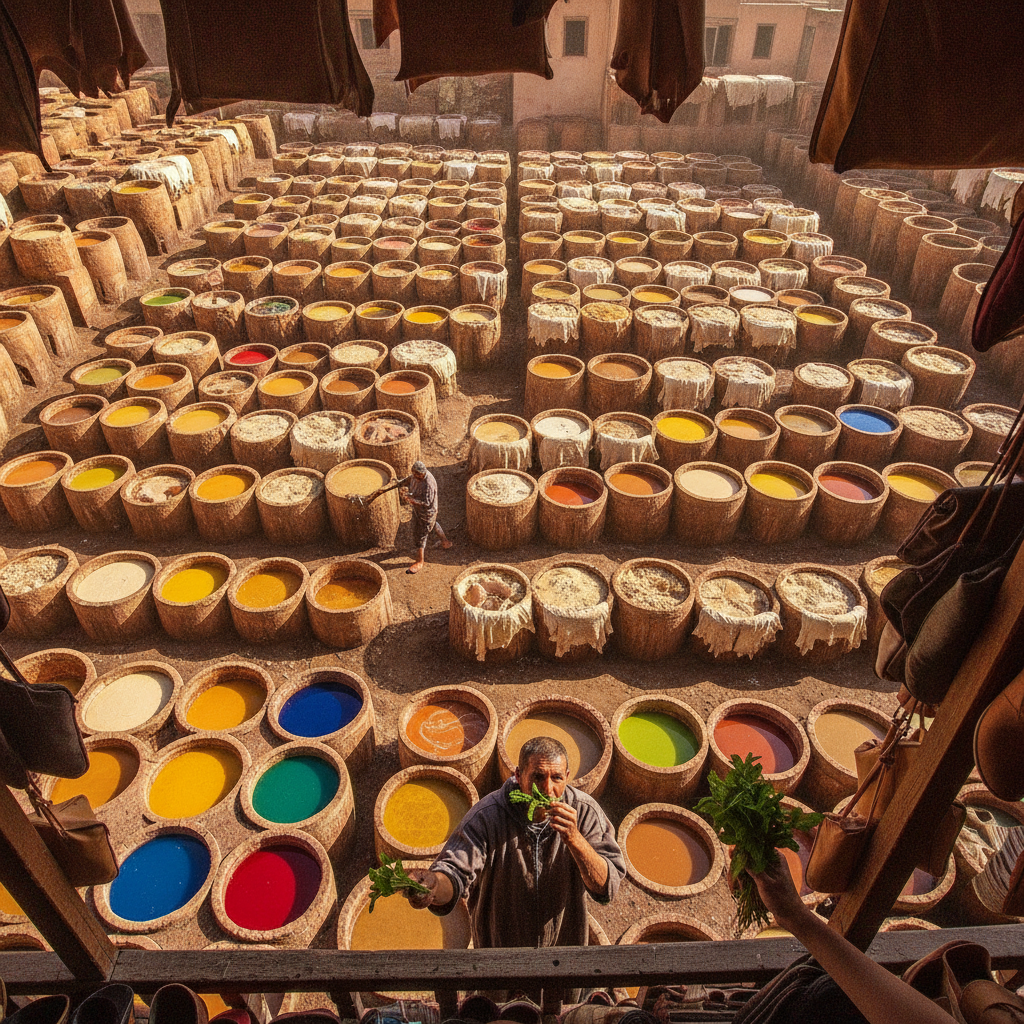
Artigianato Marocchino — Concerie di Cuoio, Ceramica e Artigiani
Moroccan traditional crafts (the body of skills and techniques that has been practiced in Moroccan artisan workshops (the medersas (ateliers)) for centuries, representing one of the richest and most intact craft traditions in the world): the most important Moroccan crafts are: leather (the Moroccan leather industry, centred on the tanneries of Fez (the most famous, though Marrakech also has traditional tanneries), producing babouche (the Moroccan leather slipper), bags, belts, and decorative items), pottery (the traditional Moroccan painted pottery, particularly the distinctive black-on-white geometric designs of Salé and the multi-coloured painted pottery of Safi), and the zellij (the cut ceramic tilework that covers floors, walls, and fountains in traditional Moroccan architecture).
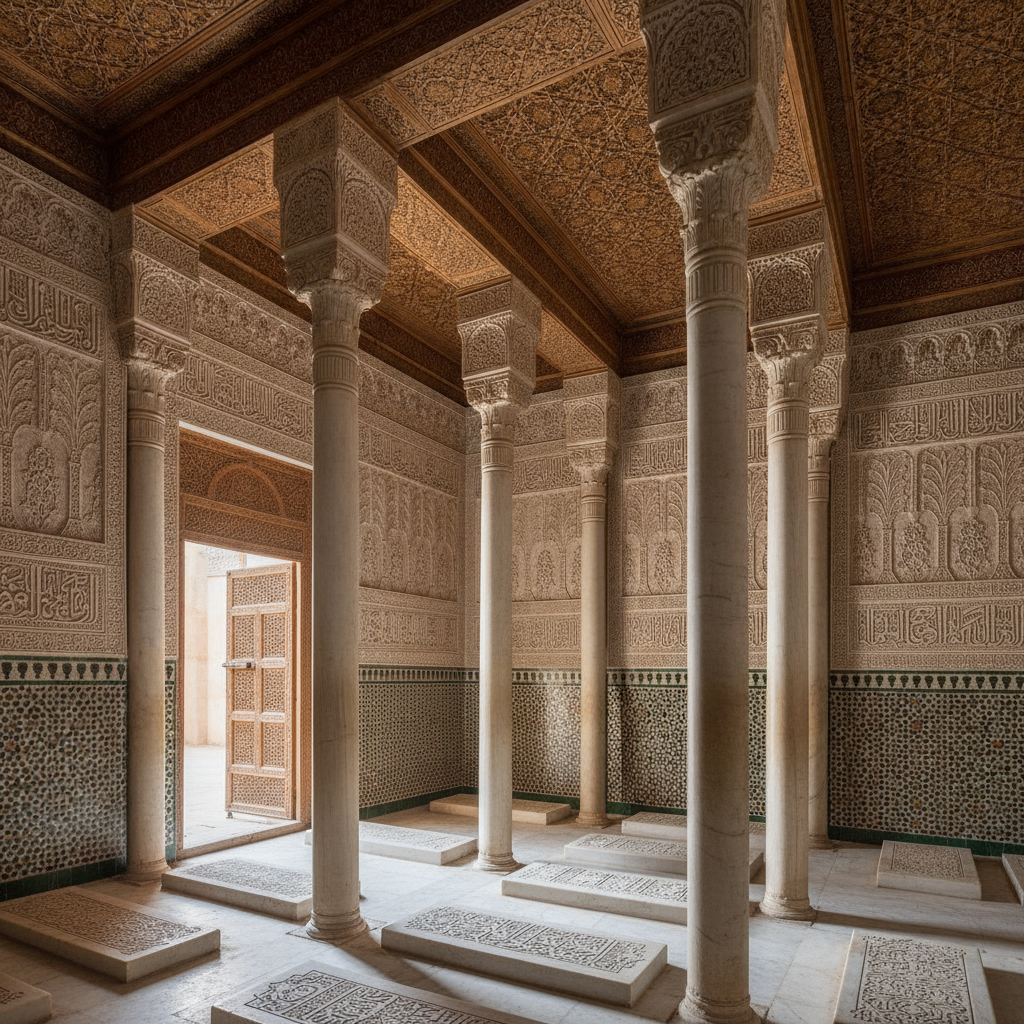
Tombe Saadiane e la Storia Imperiale di Marrakech
The Saadian Tombs (the royal necropolis of the Saadian dynasty (1549-1659), the most important dynasty in Moroccan history, who made Marrakech the capital of a Moroccan empire that stretched from sub-Saharan Africa to the Mediterranean): the tombs were sealed by the Alaouite Sultan Moulay Ismail (who despised the Saadians) in the 17th century and rediscovered in 1917 from aerial photography by the French — the best-preserved Saadian monuments in Morocco.
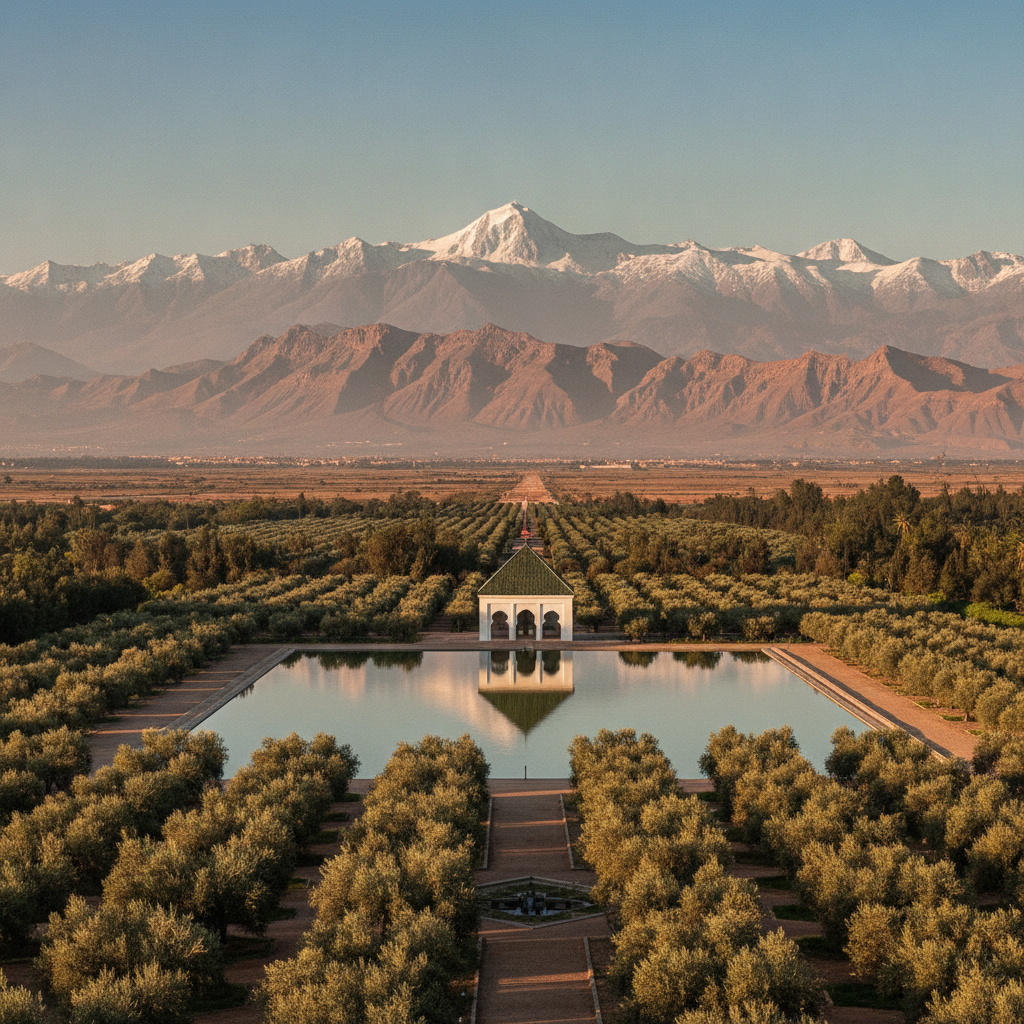
Montagne dell'Atlante, Valle dell'Ourika e Villaggi Berberi — Escursioni da Marrakech
L'Atlante, visibile da Marrakech nelle giornate limpide, ospita il Jbel Toubkal (4.167 m, la cima più alta del Nord Africa) e le valli e i villaggi amazigh accessibili come escursioni di un giorno: Ourika (60 km) e Aït Benhaddou (200 km) sono le destinazioni più iconiche.
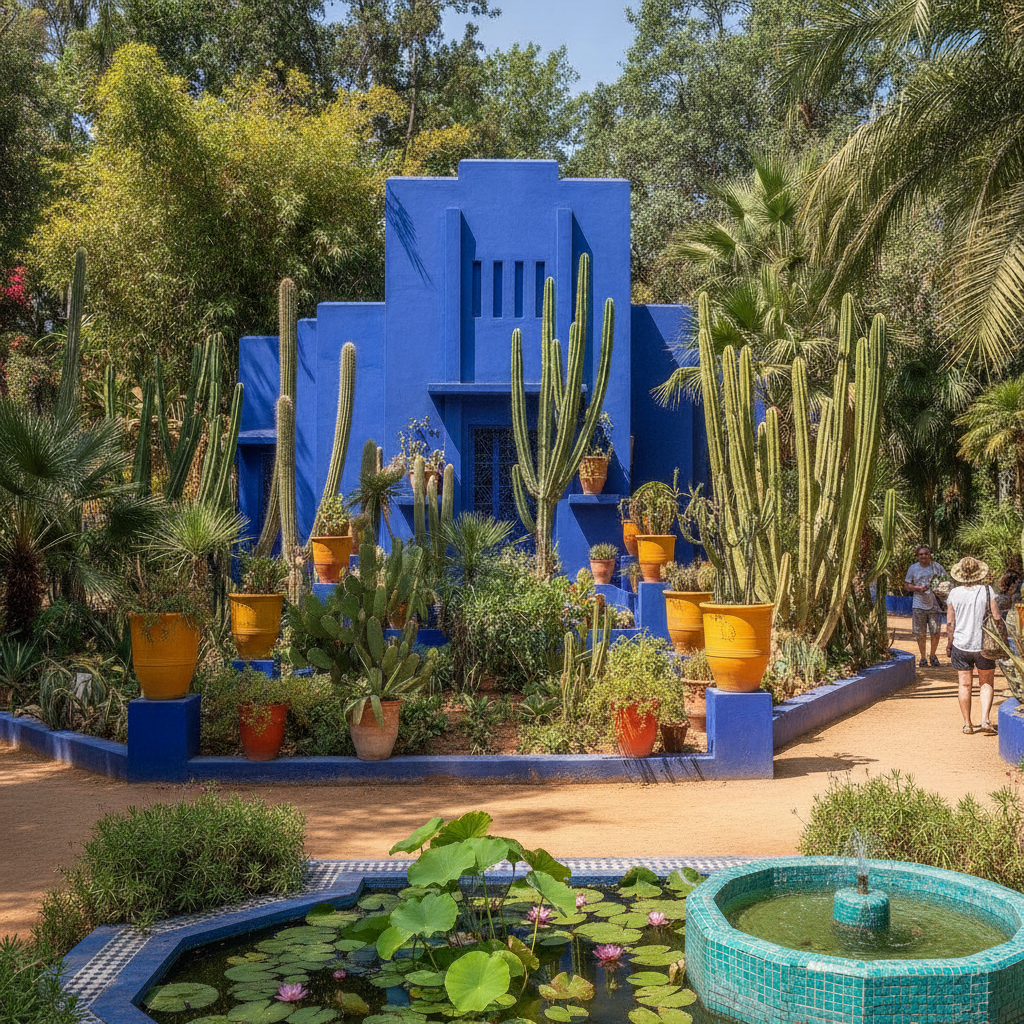
Giardino Majorelle, il Museo YSL e Guéliz — Il Quartiere Moderno di Marrakech
Al di là della medina, il quartiere di Guéliz a Marrakech — la ville nouvelle francese costruita dal 1912 — ospita due delle attrazioni più visitate del Marocco: il Giardino Majorelle e il Musée Yves Saint Laurent.
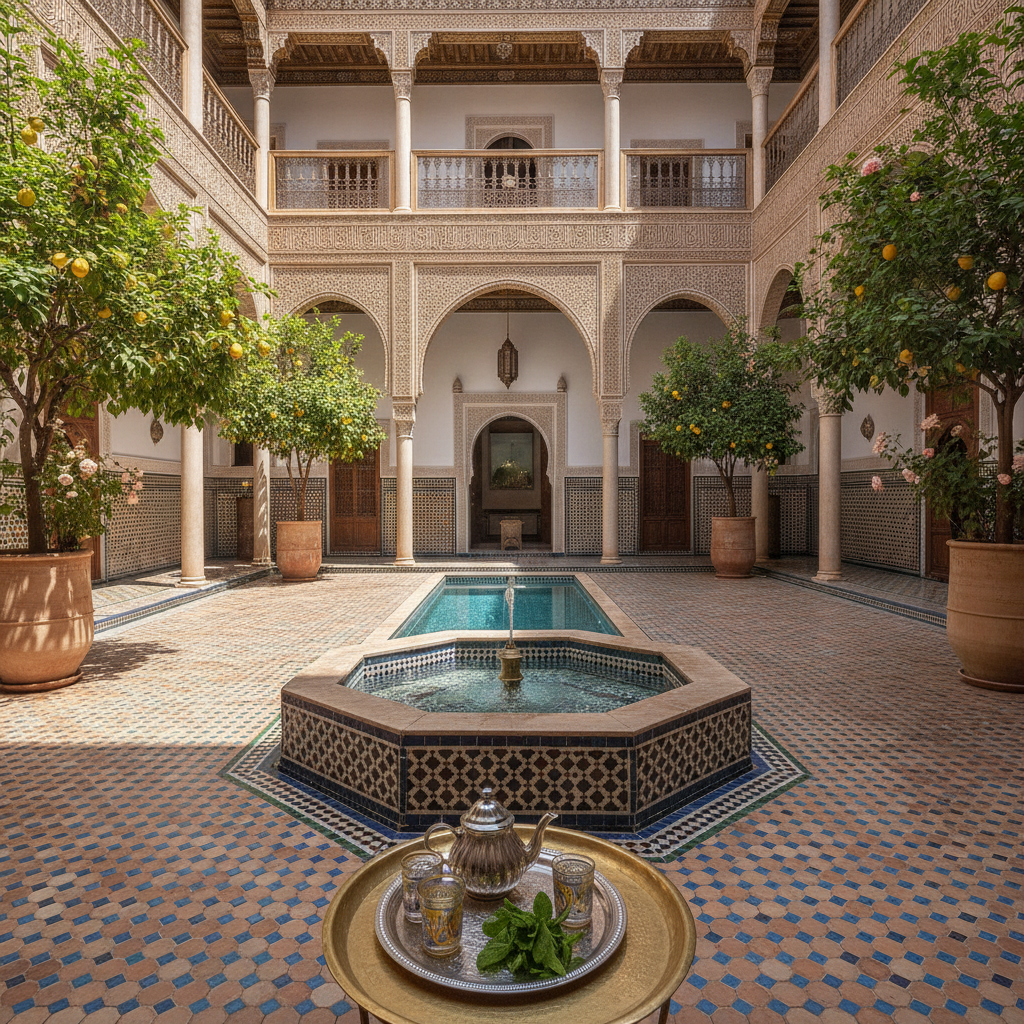
Vita nel Riad — Case Marocchine Tradizionali con Cortile
The riad (the traditional Moroccan courtyard house of the medina — from the Arabic riad, meaning garden) is the defining architectural form of Marrakech: the inward-facing design (blank exterior walls, all rooms opening onto a central courtyard garden with a fountain or pool) reflects both the Islamic preference for private domestic space and the need for shade and cooling in the North African climate; the conversion of riads into boutique hotels began in the 1990s and has transformed the Marrakech accommodation industry, with over 1,000 riad guesthouses now operating in the medina.
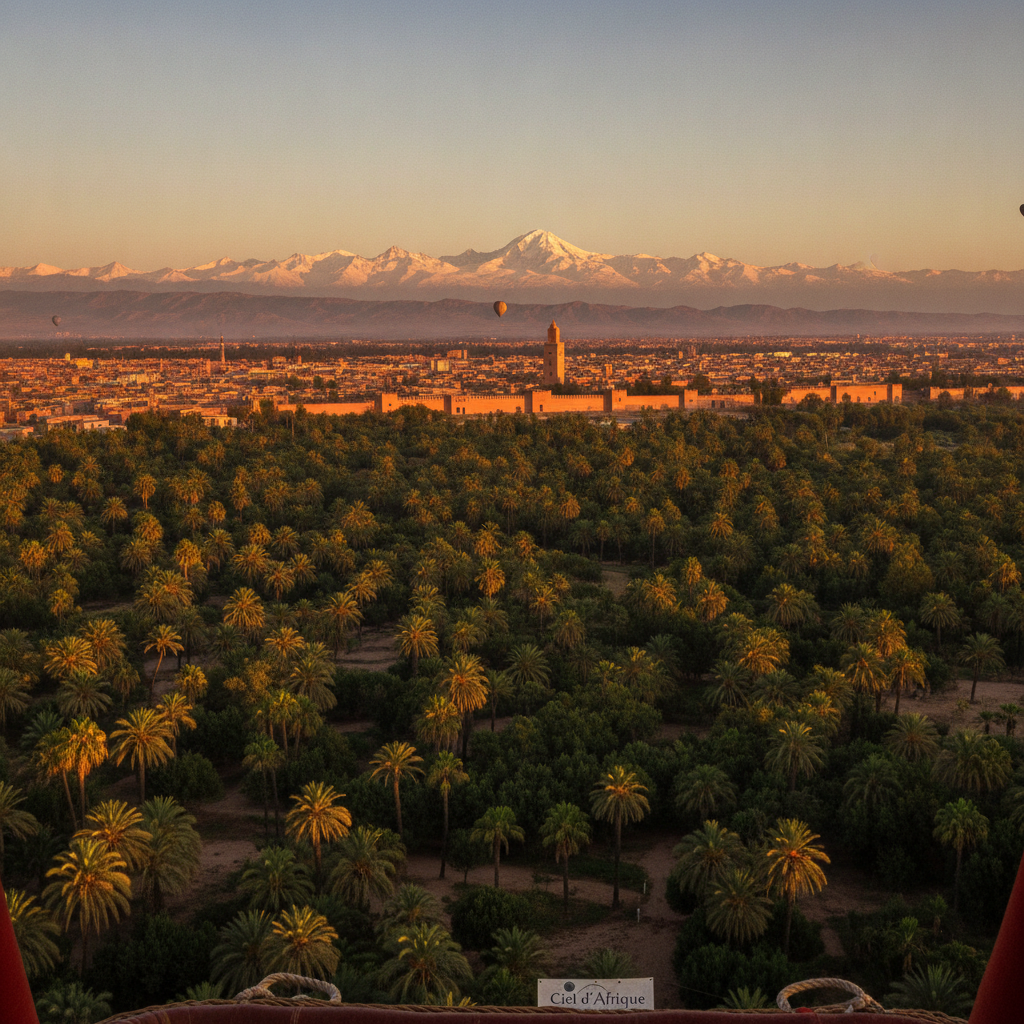
La Palmeraie — Giri in Cammello, Mongolfiere e Attività nel Deserto
The Palmeraie (the palm grove of Marrakech — the large area of date palms (Phoenix dactylifera) on the northeastern outskirts of the city, covering approximately 13,000 hectares and containing an estimated 100,000 date palms, traditionally associated with the legend that Almoravid soldiers planted the dates they had brought from the Sahara on the site): the Palmeraie is the primary destination for tourist activities in Marrakech — camel (dromedary) riding through the palm groves, quad biking, horse riding, and (from March-November on calm mornings) hot-air ballooning over the city and the Atlas Mountains — the finest way to see the relationship between Marrakech, the Palmeraie, and the Atlas.