Gyeongju
The 60-Metre Wooden Pagoda Burned by the Mongols in a Single Day, the First Silla Gold Crown Found in 1921 by Colonial Archaeologists & the Valley Where 7 Stone Pagodas Stand in 500 Metres
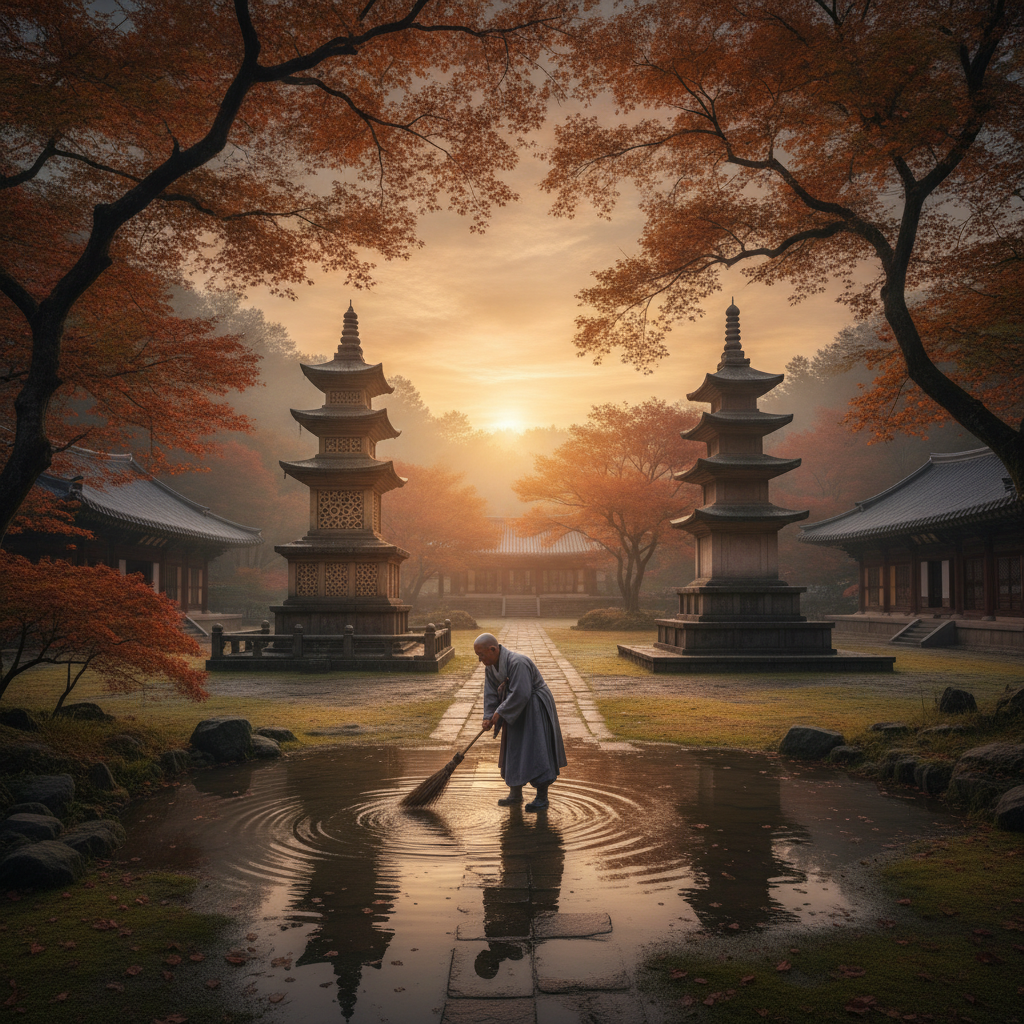
The Hwangnyongsa Nine-Story Pagoda as the tallest wooden structure in Korean history destroyed in 1238 CE; the 1921 Gold Crown Tomb discovery and the colonial period artifact removals still in Japan; the 1973 Cheonmachong excavation's 11,526 artifacts including the first Silla figurative painting; the Tapgok Valley's 7 pagodas in 500 metres as the most concentrated stone pagoda zone in Korea; the Poseokjeong wine-cup water channel as the site where the last Silla king was feasting when Goryeo forces arrived; and the 18:00–19:30 Wolji Pond blue-hour window as the most reliably beautiful Gyeongju photograph.
The Roman Glass Bowl Found in a Korean Royal Tomb, the Largest Steel Mill in the World 30 km from the Oldest Observatory in East Asia & the Dynasty That Had More Female Rulers Than Any Other in Korean History
The Roman glass bowl from Hwangnamdaechong tomb as Silk Road evidence; the Sassanid Persian silver rhyton in the same 4th–5th century CE Silla grave; the monk Hyecho's 723–727 CE journey from Gyeongju to India and Central Asia as the only surviving Korean account of 8th-century Central Asia; the POSCO Pohang Works as the world's largest single steel facility at 16 million tonnes per year; Silla's 3 female rulers as the only pre-modern Korean dynasty to do so; and the 1-day visit's critical taxi vs. public-bus logistics decision.
The 1-Million-Person City of the 8th Century, the Dome Built Like Mycenae on a Korean Mountain & the Bread Shaped Like a Royal Burial Mound
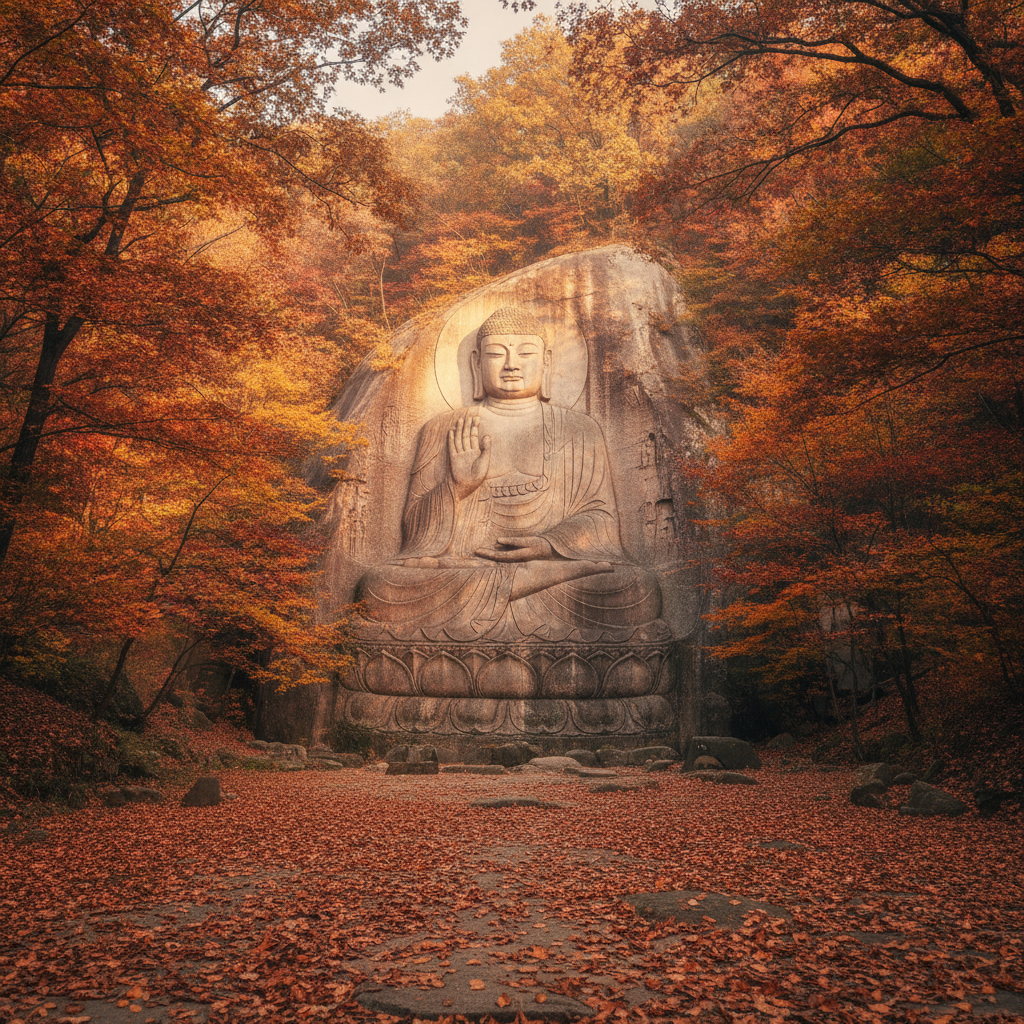
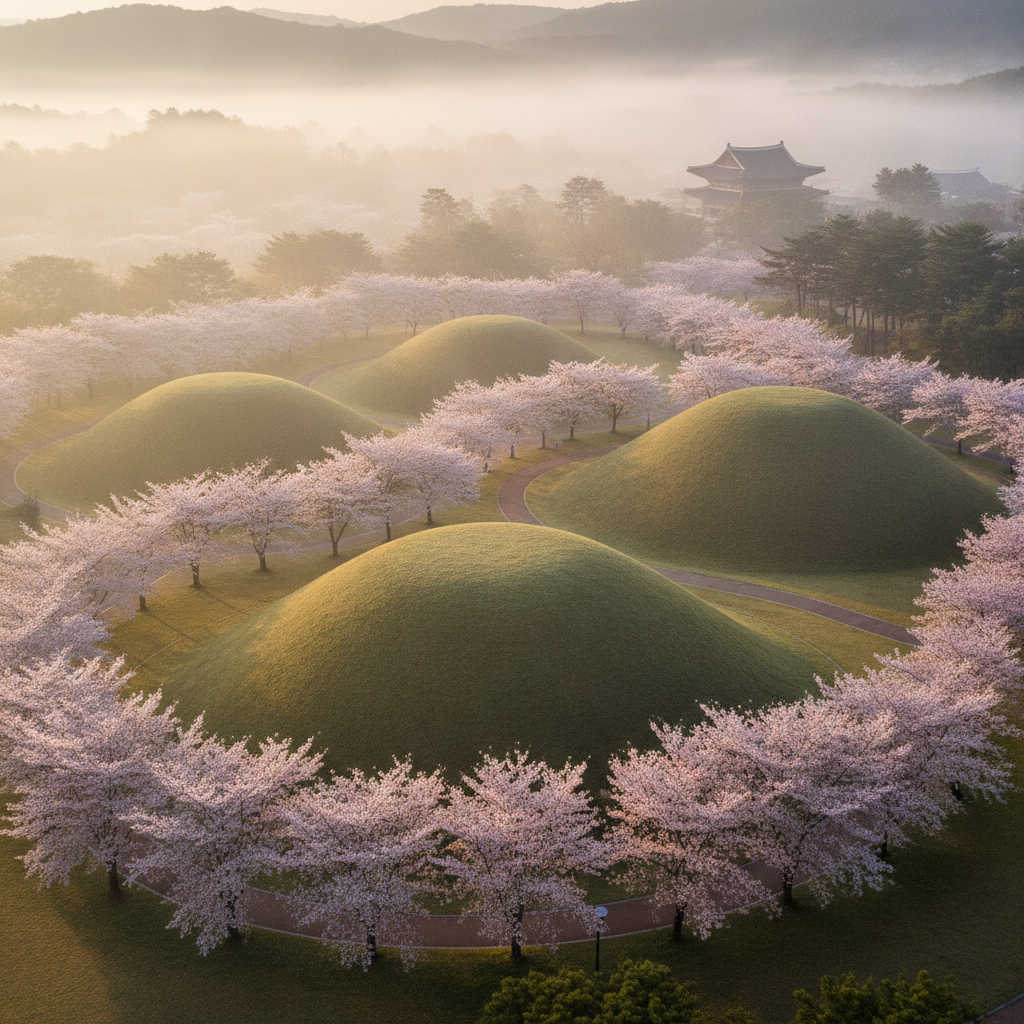
The Silla Kingdom's Gyeongju reaching 1 million inhabitants in the 8th century as one of the world's largest cities; the Seokguram's corbeled dome construction technique applied independently from the Greek Mycenaean tradition; the 150 rock-carved Buddhas of Namsan as the single richest outdoor Buddhist art concentration in Korea; the Emille Bell legend of the child melted into the bronze for its voice; the Hwangnam ppang bread shaped to evoke the burial mound profile; and the Gyeongju cherry blossom + tumuli combination as the most cinematically surreal spring landscape in Korea.
The 600-Year-Old Village Where the Same Two Clans Still Live, the Warrior Youth Who Unified Korea at Age 16 & the 81,258 Buddhist Woodblocks Carved to Stop the Mongol Invasion
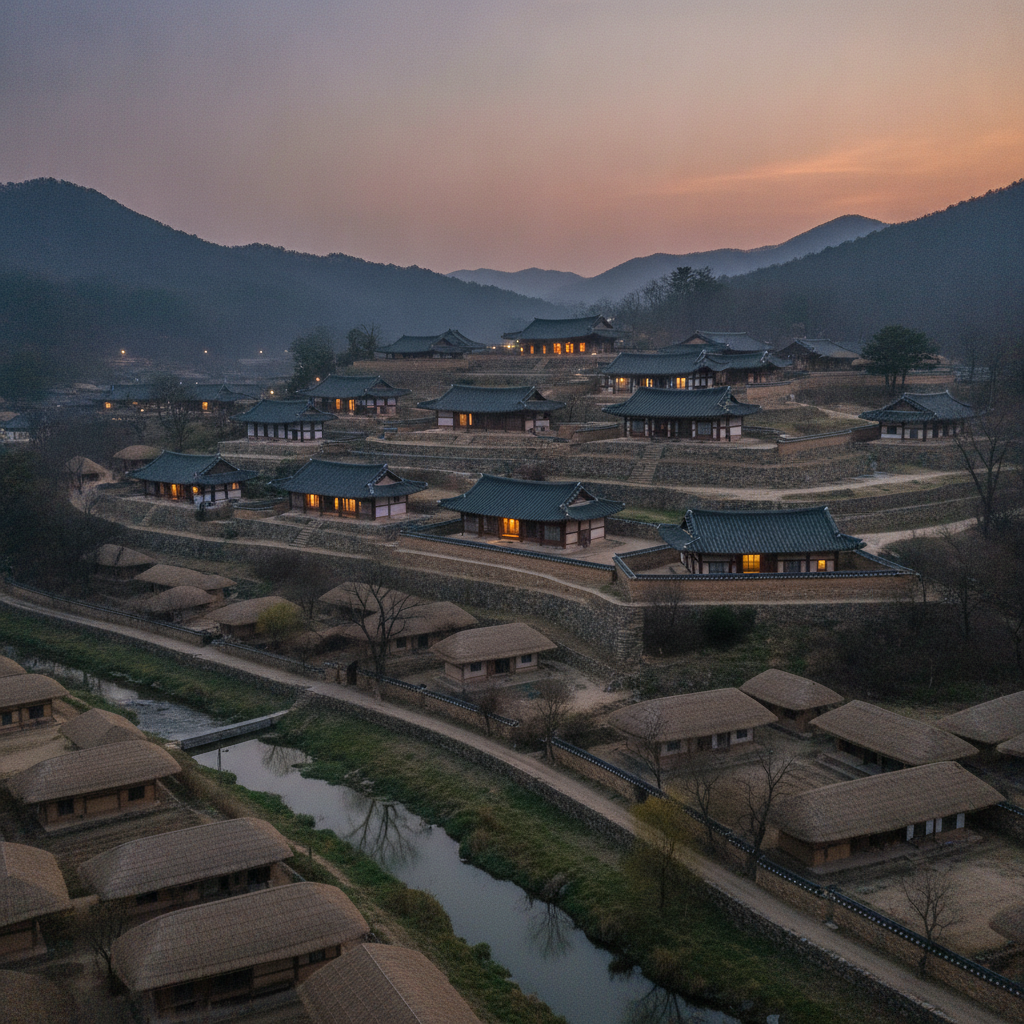
Yangdong's 54 historic manor houses and 110 thatched farmhouses with descendants of the same two clans for 600 years; Kim Chun-chu's Tang alliance diplomacy that set the Korean unification in motion; Gwan Chang's solo charge into the Baekje lines at age 16 whose execution inspired Silla victory; the Tripitaka Koreana's 81,258 woodblocks carved in 52 years as a prayer against Mongol invasion; the Bangudae Petroglyphs as the world's oldest whale-hunting depiction; and the Ulsan–Gyeongju–Andong circuit as the most complete ancient Korean heritage itinerary.
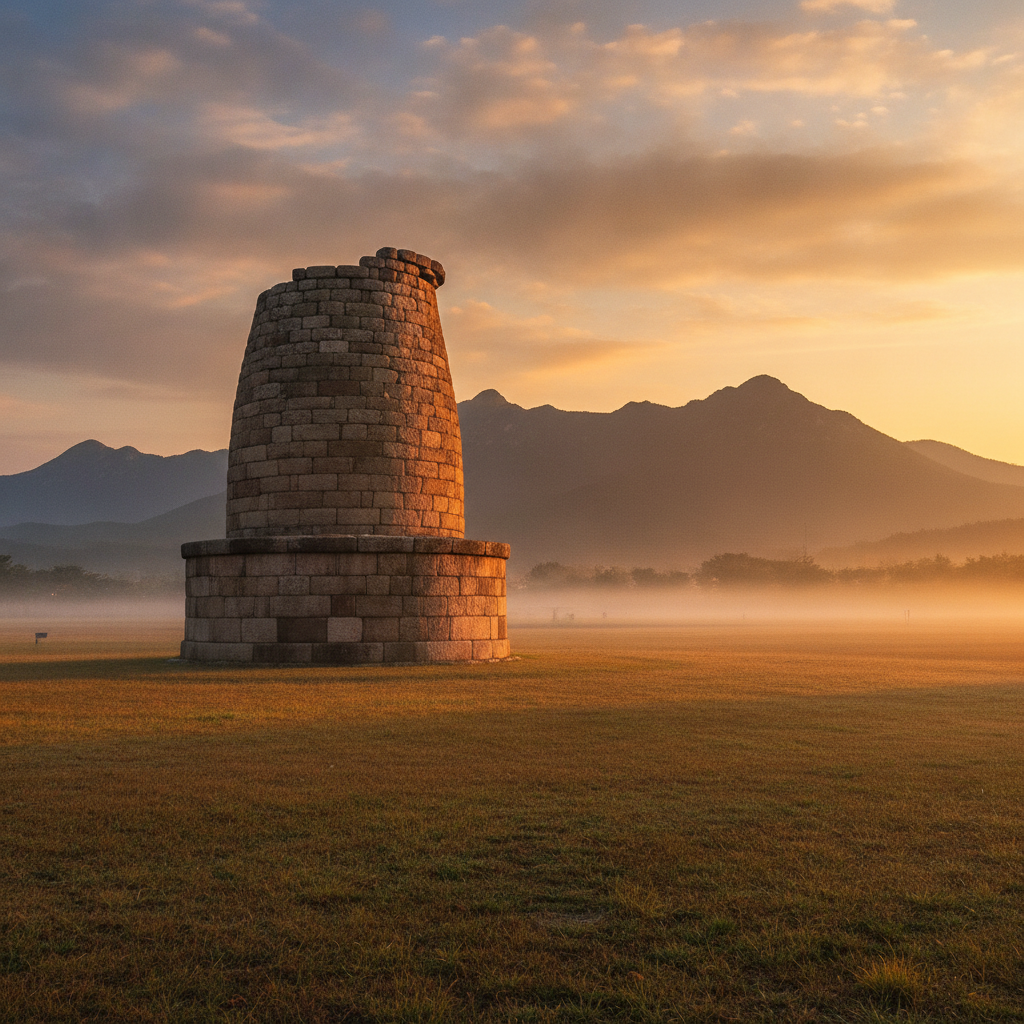
The Observatory Whose Astronomical Function Has Been Debated Since the 1970s, the Female King Who Built It & the School Field Trip That Every Korean Child Takes
The Cheomseongdae's three competing astronomical function hypotheses still unresolved; Queen Seondeok as Korea's first female ruler whose name appears on the 27 courses of stone; the mandatory Korean school field trip to Gyeongju as the most institutionalized heritage education in South Korea; the Silla unification narrative's complexity (the 668 CE unified Korea was geographically smaller than modern South Korea); the Gyeongju matsutake mushroom from Toham Mountain pine forests as the most prized in Korea; and the 150 Namsan rock-carved Buddhas on their most photogenic autumn trail.
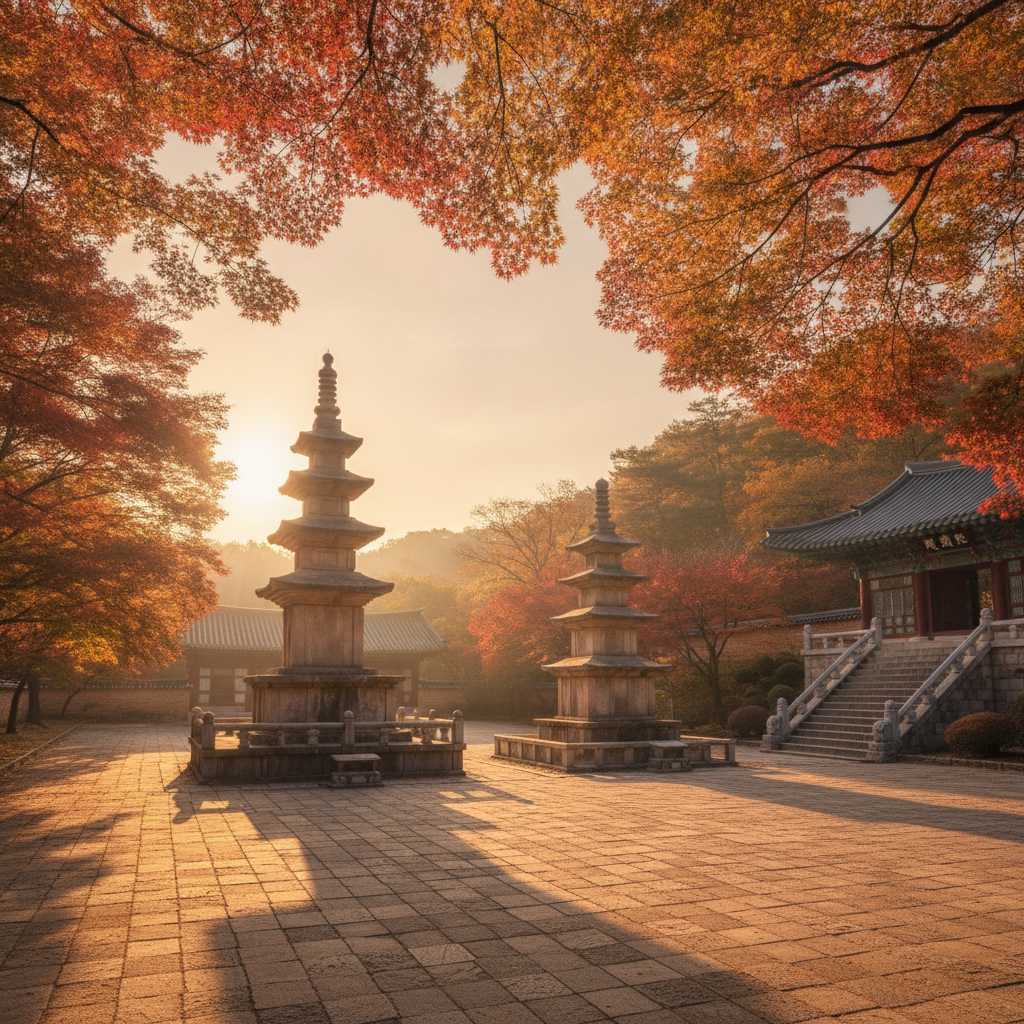
The Pagoda on the 10-Won Coin, the Bell Whose Tone Lasts 3 Minutes & the Oldest Astronomical Observatory in East Asia
The Dabotap's image on Korea's smallest denomination coin; the Seokguram's 3.78-metre seated Buddha as the most artistically significant Buddha image in Korea; the Silla tomb construction's river-stone anti-looting layer unique among East Asian burial traditions; the Emille Bell's 3-minute resonance as the longest of any bronze bell in the world; the Cheomseongdae's 362 granite blocks with the 365 body blocks representing calendar days; and the Wolji Pond's 1,300-year abandonment before 1975 archaeological discovery.