Jakarta
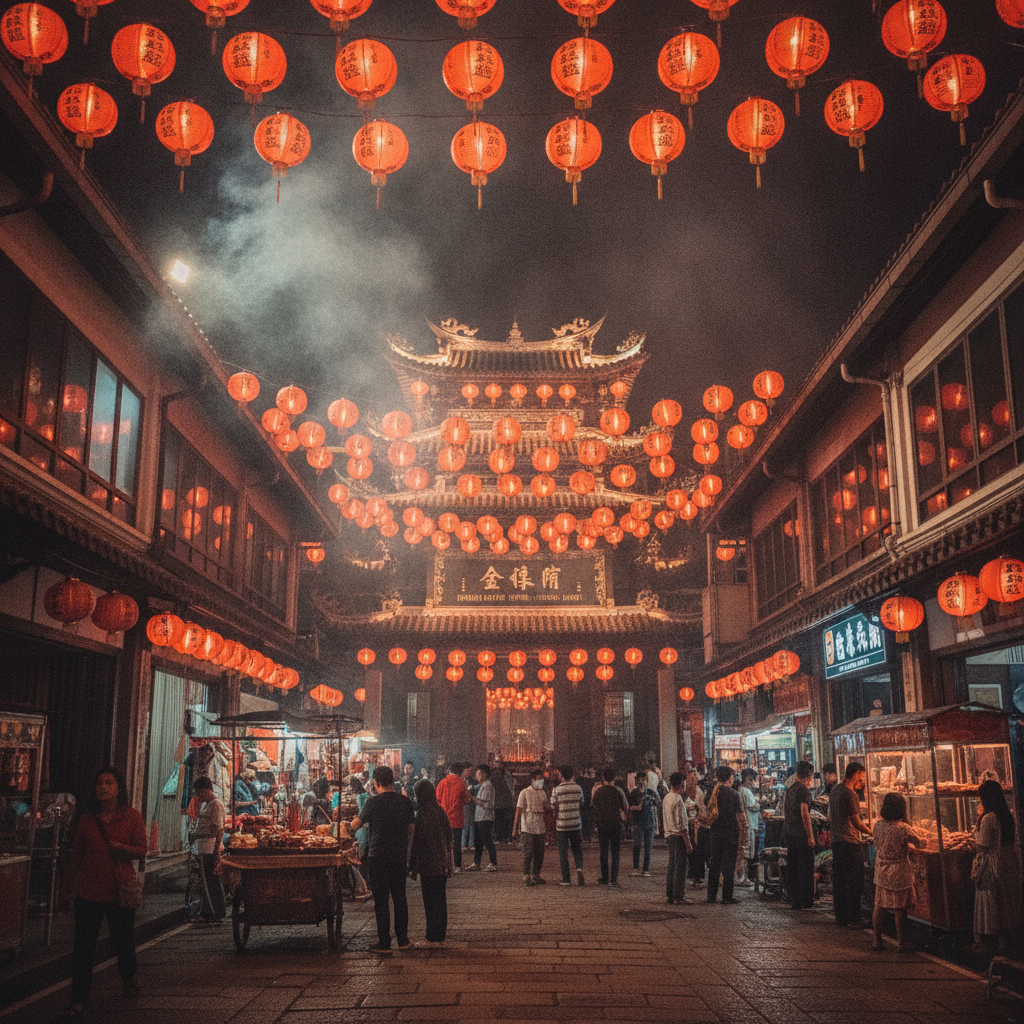
Jakarta's Layers: 1740 VOC Massacre of 10,000 Chinese, Dangdut's Tabla Beat & 40% of the City Below Sea Level
The complex Jakarta—Glodok's Dharma Bhakti Temple (founded 1650) in the Chinatown that survived the 1740 VOC massacre of 10,000 Chinese residents and the 1998 anti-Chinese riots that killed 1,000 more, Jan Pieterszoon Coen's 1619 seizure of Sunda Kelapa and massacre of the Banda Islands nutmeg population to create the colonial Batavia, dangdut's tabla-derived rhythm and Rhoma Irama's concerts where Islamic preaching met Indonesia's most popular music, Suharto's Taman Mini Indonesia Indah built on displaced families' land as a 27-province miniature, the kampung's 60% of Jakarta residents in vehicle-inaccessible gang alleys that urban planners keep proposing to replace with towers, and the Giant Sea Wall proposal for a city sinking 5 metres in 30 years.
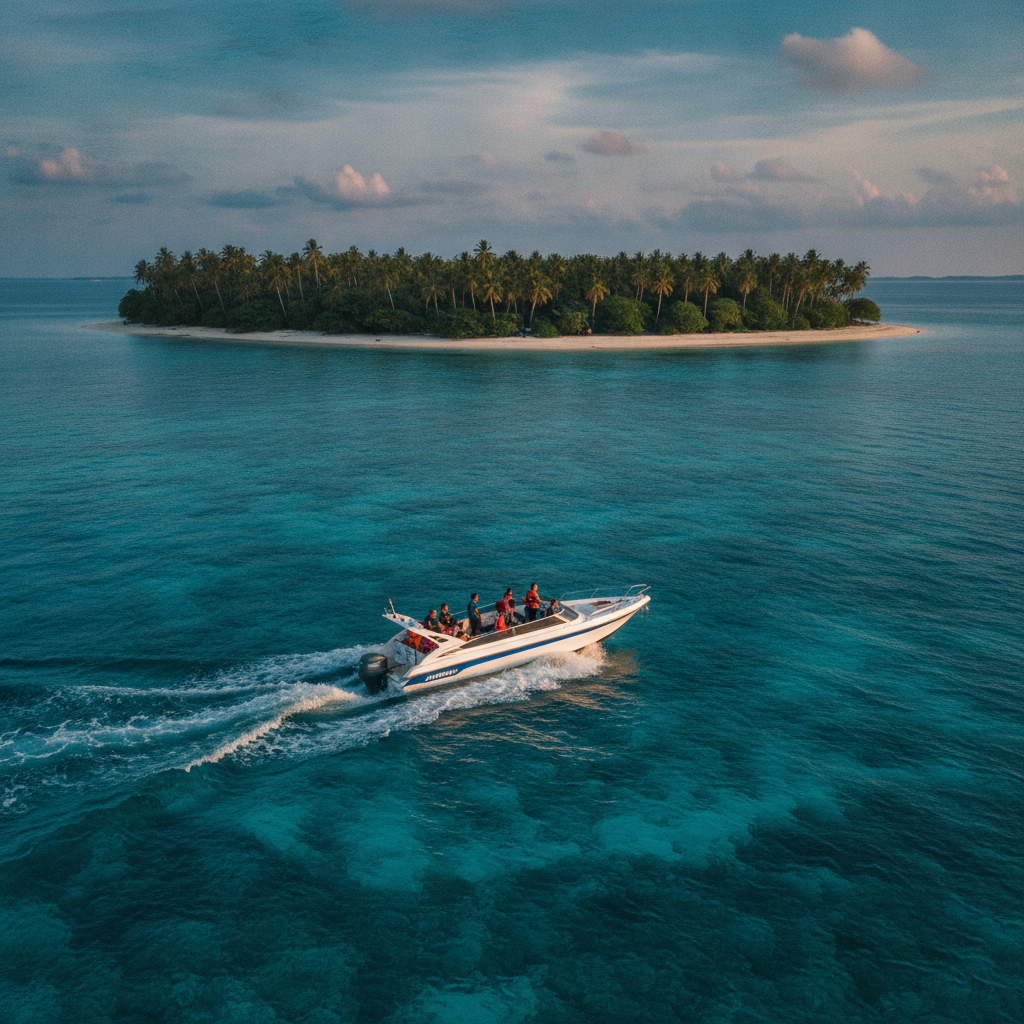
Jakarta Living: Bakso Carts at 2am, Ruang Rupa's 2022 documenta Win & the Thousand Islands' Polluted Reefs
The daily and cultural Jakarta—bakso meatball soup carts knocking through residential streets at midnight and rendang at every Padang restaurant on every commercial block (voted world's most delicious food, available for Rp 35,000), the National Museum's 300+ ethnic group ethnography and Majapahit gold jewellery in a country with 700 living languages, Ruang Rupa collective from Tebet, South Jakarta winning documenta 15 in Kassel (the first Global South collective to lead the world's most important art exhibition), Pulau Tidung's 3-hour ferry ride to reefs degraded by the 13 Jakarta rivers carrying untreated sewage into the bay, the barongsai lion dances restored after Suharto's 32-year ban on Chinese cultural expression, and the Railink Airport Train that turned a 2-hour taxi into 55 minutes for Rp 70,000.
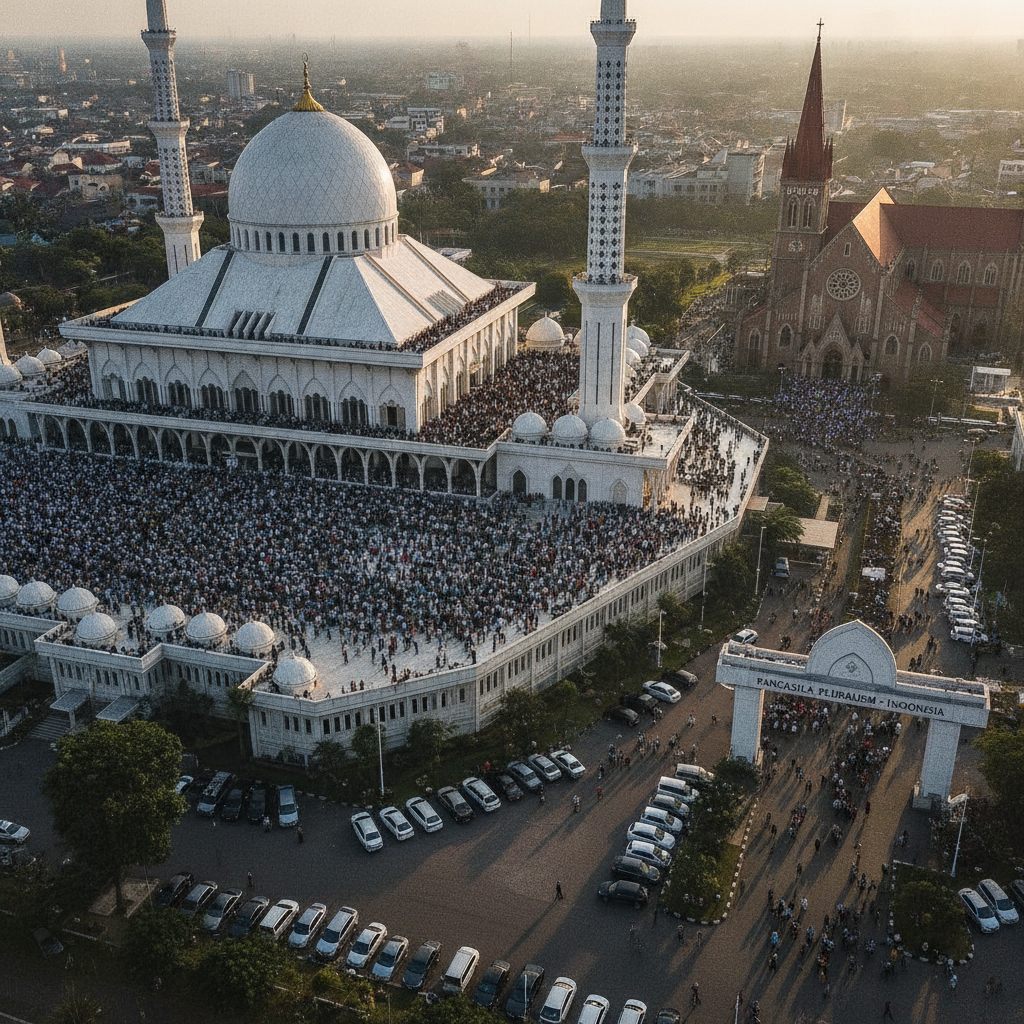
Jakarta's Permanence: Istiqlal Mosque Facing the Cathedral, Bogor's 15,000-Plant Botanic Garden & the City Worth Staying
Jakarta beyond the airport layover—Ancol's 552-hectare reclaimed waterfront park on a bay receiving 13 rivers of untreated sewage (the beach that nobody swims at but 15 million visit annually), Blok M's Japanese izakayas and Korean karaoke clubs from the manufacturing FDI that followed each wave of East Asian investment, Kemang murals from the Reformasi political graffiti that established Jakarta's politically engaged street art tradition, Friedrich Silaban's Istiqlal Mosque design (a Christian Batak architect chosen by Sukarno) facing Jakarta Cathedral across Merdeka Square's shared car park, the KRL Commuterline 60 minutes to Bogor's 87-hectare botanical garden with 400 palm species and the world record for corpse flower blooms, and what Jakarta rewards in the visitor who stays.
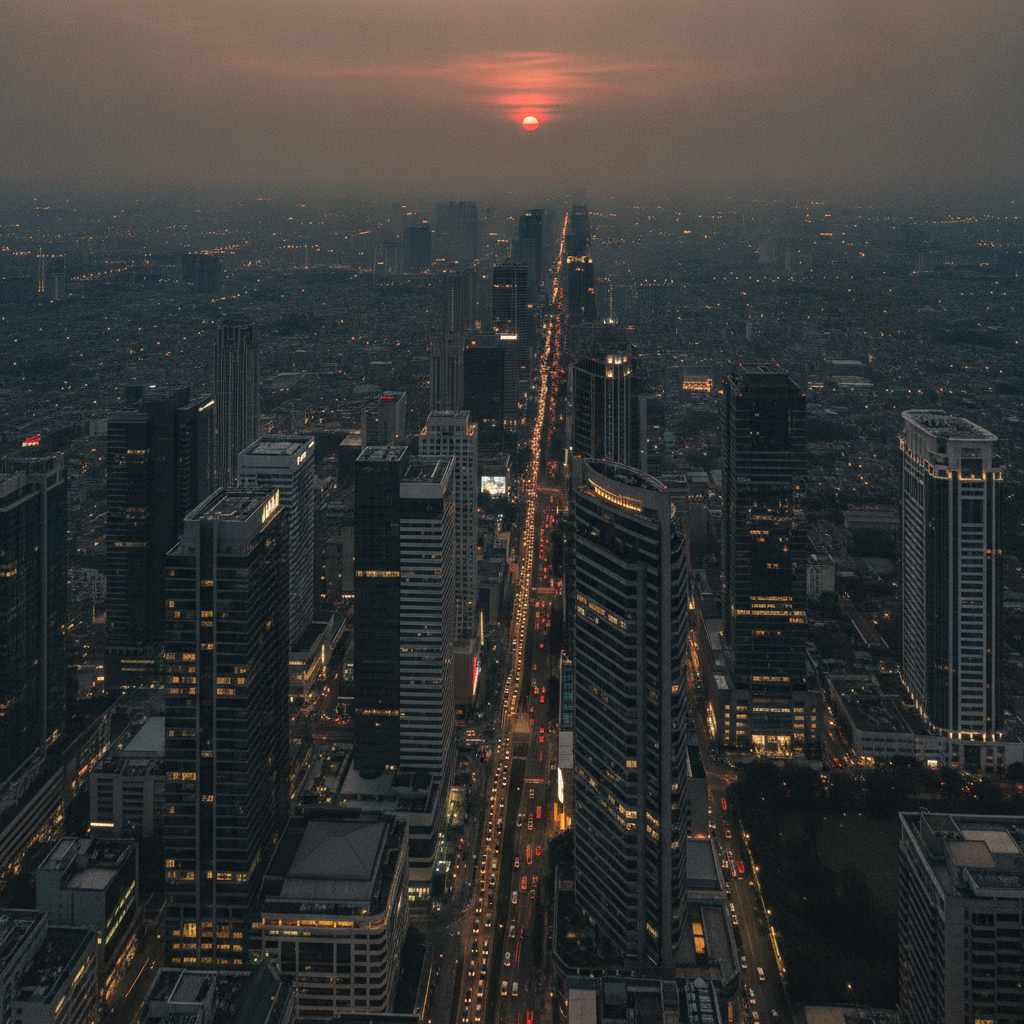
Jakarta's Legacy: Sukarno's 1962 Asian Games Rejection of Western Governance, Ciliwung's 100 Tonnes of Daily Plastic & What Comes After
Jakarta's final reckoning—Taman Mini's 33 provincial pavilions on 150 hectares built by displacing 1,000 farming families (the Suharto land grab that defined the New Order's development model), the ASEAN Secretariat in South Jakarta because Indonesia was the founding power of Southeast Asia's largest regional organisation, the Ciliwung River carrying 100+ tonnes of plastic to Jakarta Bay daily and the kampung riverbank clearing that displaced tens of thousands versus Anies' community naturalisasi approach, Sukarno's Non-Aligned Movement showcase capital cut short by the 1965 coup (the Selamat Datang monument, the Gelora Bung Karno stadium built by rejecting IOC conditions), the Java Jazz Festival's 100,000 visitors in March, and the question of what 32 million people do with themselves when the government leaves for Borneo.
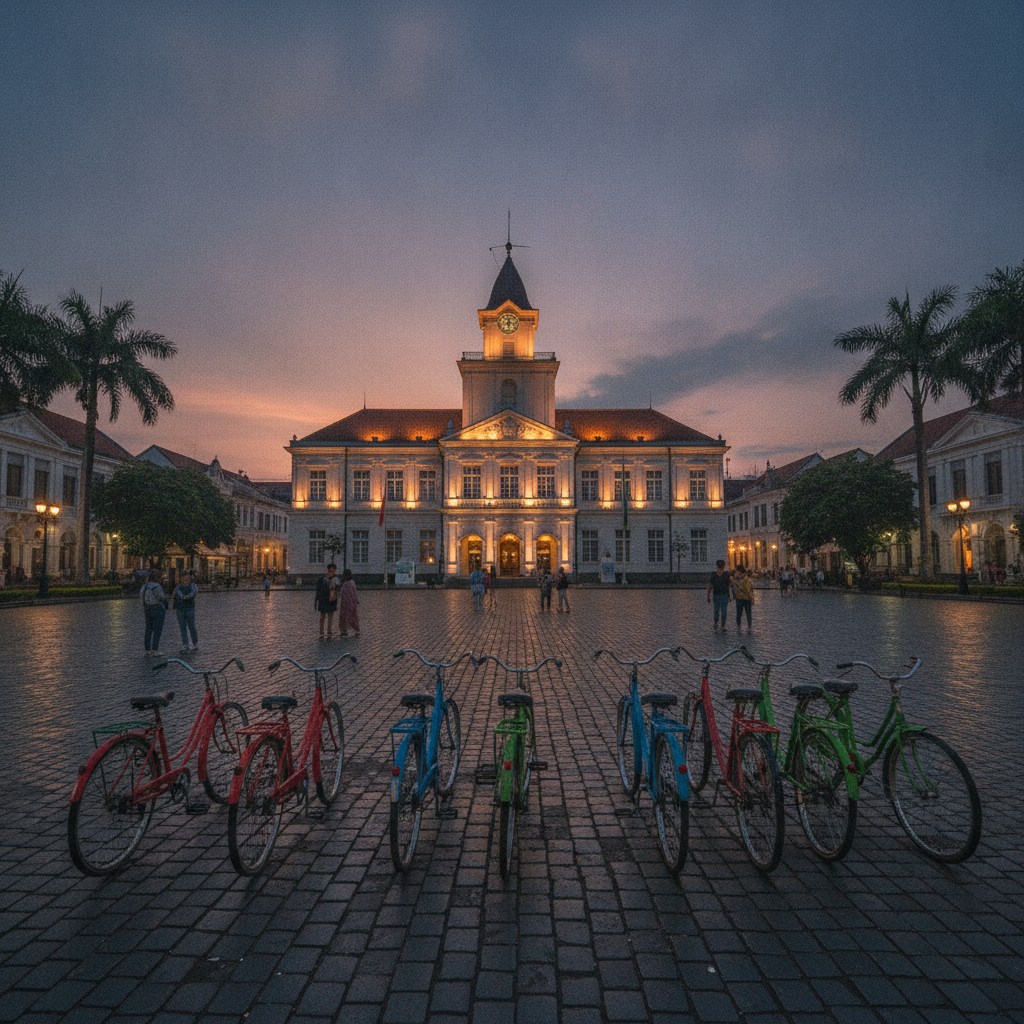
Jakarta: Dutch VOC Town Hall in Kota Tua, World's Worst Traffic & Nusantara Rising in Borneo's Forest
Southeast Asia's largest city in full scale—Kota Tua's Fatahillah Square where the 1710 Dutch Town Hall now holds Jakarta's history museum and coloured bicycles are the only sane transport, the INRIX-ranked world's worst traffic solved (partially) by TransJakarta's 251 km BRT network and a metro that opened in 2019, soto Betawi's coconut milk beef soup and kerak telor omelette from the indigenous Betawi people whose city was transformed by the VOC, Monas' 50 kg gold flame above a diorama of 80 scenes from Indonesian history in the underground museum, the 170+ shopping malls that replaced public space in a city too hot and too congested for streets, and the $35 billion Nusantara new capital being carved from East Kalimantan forest because 40% of Jakarta is already below sea level.
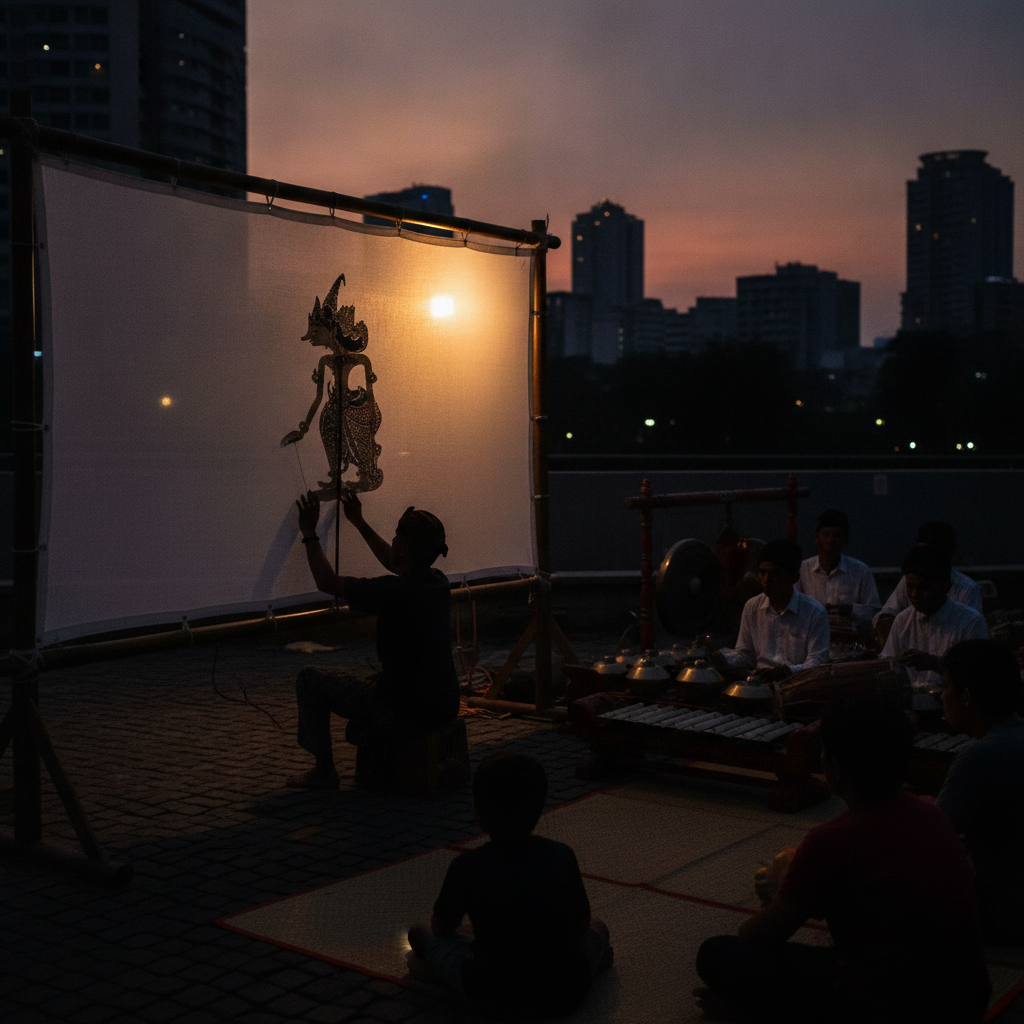
Jakarta's Transitions: Wayang Orang at the Bharata Theatre, Suharto's 1998 Fall & Prabowo's 2024 Presidency
The cultural and political Jakarta—batik's UNESCO Intangible Cultural Heritage status administered from a city where the best tulis hand-drawn pieces come from Yogyakarta, the Bharata Theatre's Friday wayang orang in full Javanese court costume for audiences of older Jakartans (5–8 hours, arriving at half-time is normal), South Jakarta's Gayo and Mandheling single-origin coffee culture in the independent roasters of Cipete, Indonesia's 300 ethnic groups and 700 languages meeting in a city where Bahasa Indonesia is often the first language of young Jakartans before their heritage tongue, the May 1998 student occupations and anti-Chinese violence that ended Suharto's 32-year New Order (and the military instigation investigations that were never fully concluded), and Prabowo's 2024 presidency watched internationally given his Kopassus special forces command history.