 Ecuador
Quito
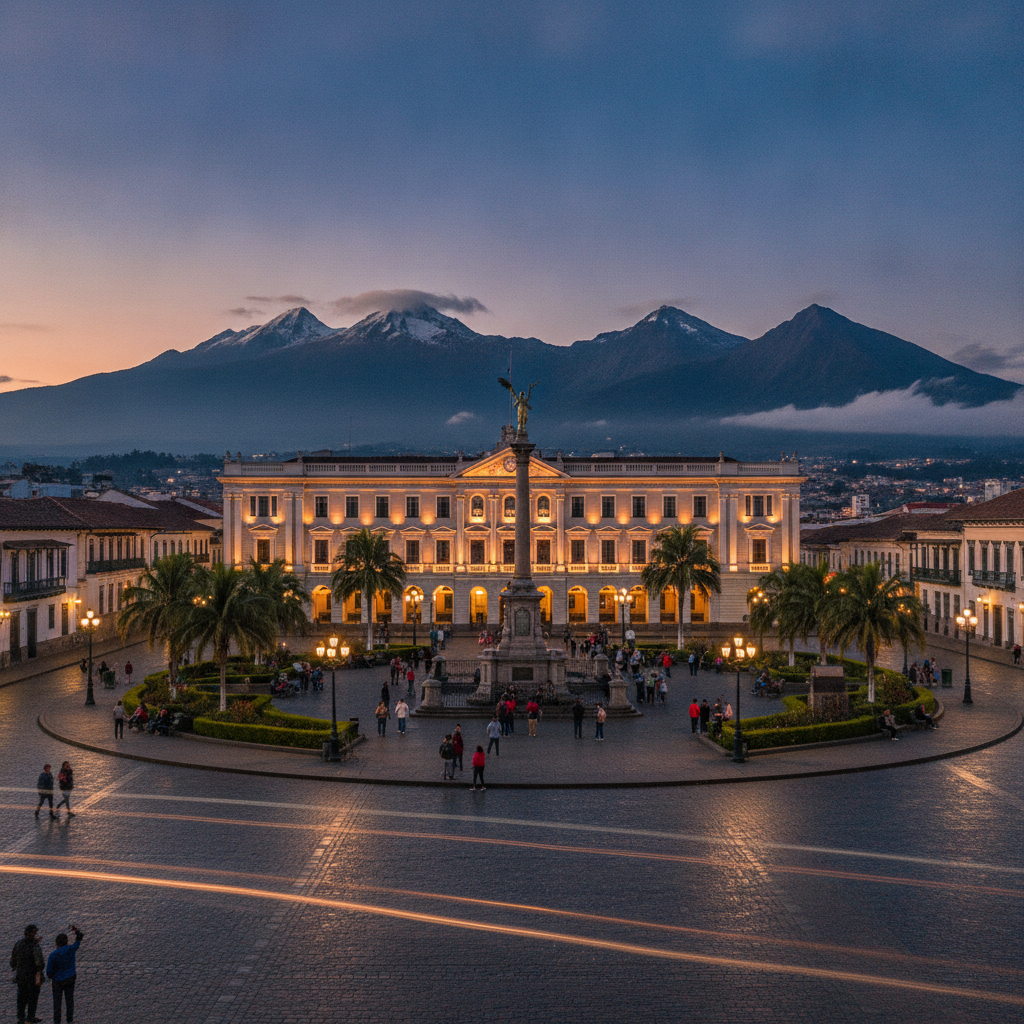
Quito History: From Inca Conquest to Independence and the Modern Republic
The site of present-day Quito has been inhabited since at least 500 BC and was an important city in the Cara and Quitu cultures before being incorporated into the Inca empire around 1470 under Tupac Yupanqui. The Inca ruler Huayna Capac made Quito his second capital, and the succession dispute between his sons Huascar in Cusco and Atahualpa in Quito triggered the civil war that fatally weakened the empire before the Spanish arrived in 1532. Sebastian de Benalcazar founded the Spanish city on the ruins of the Inca settlement in 1534. Three centuries of colonial rule ended when the Quito patriot revolt of August 10, 1809, the first independence declaration in Spanish America, began the process that led to Ecuador becoming a republic in 1830.
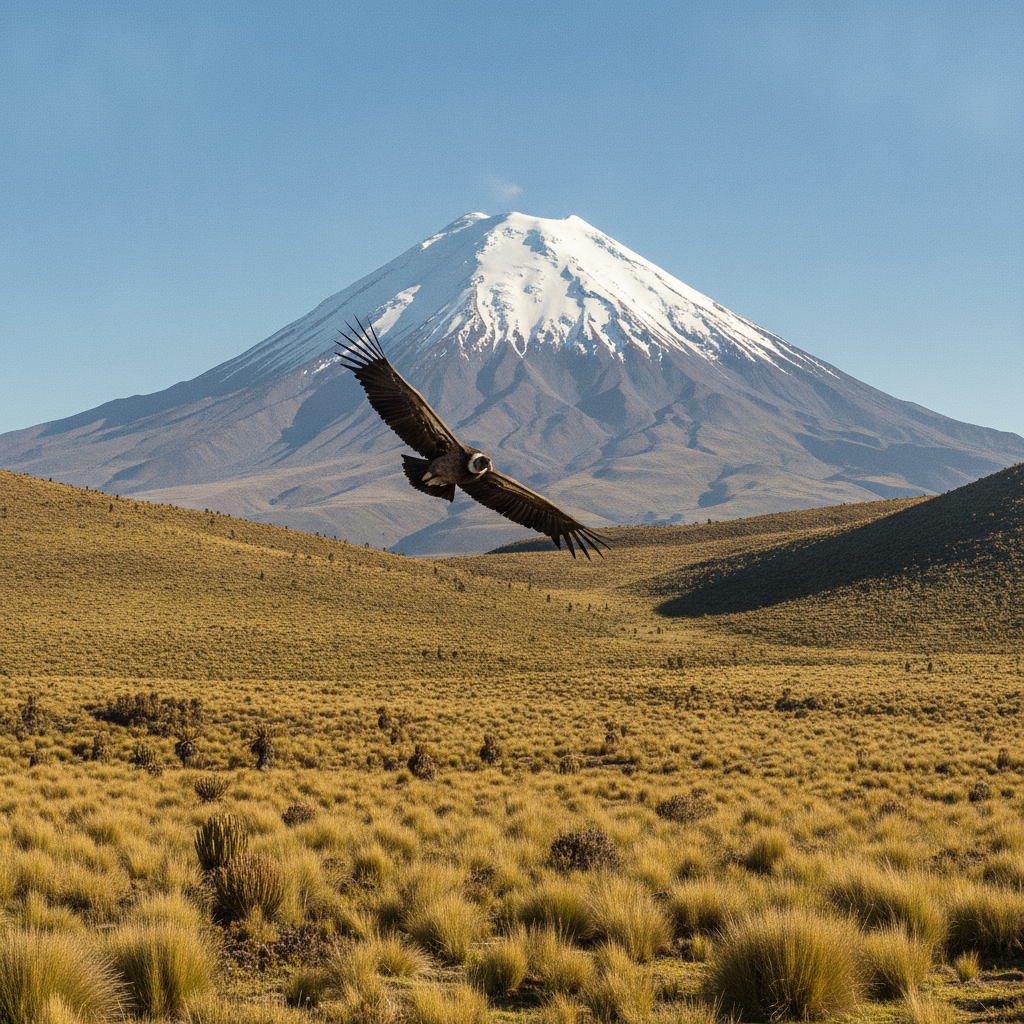
Quito Birdwatching: Andean Specialties from the City Limits
Quito is positioned in one of the most biodiverse birdwatching regions on earth. The western slope of the Andes, accessible within an hour of the city, drops from the highland paramo through temperate forest to tropical cloud forest in a compressed elevational gradient that supports hundreds of species restricted to narrow altitude bands. The eastern slope of the Andes, accessible via the road toward Papallacta and the Amazon, supports a different community. Within the city itself, the parks and gardens support a surprisingly rich urban bird fauna. Ecuador has the highest bird diversity of any country on earth relative to its size, with over 1,700 species recorded, and the Quito region offers access to representative species from multiple ecosystems.
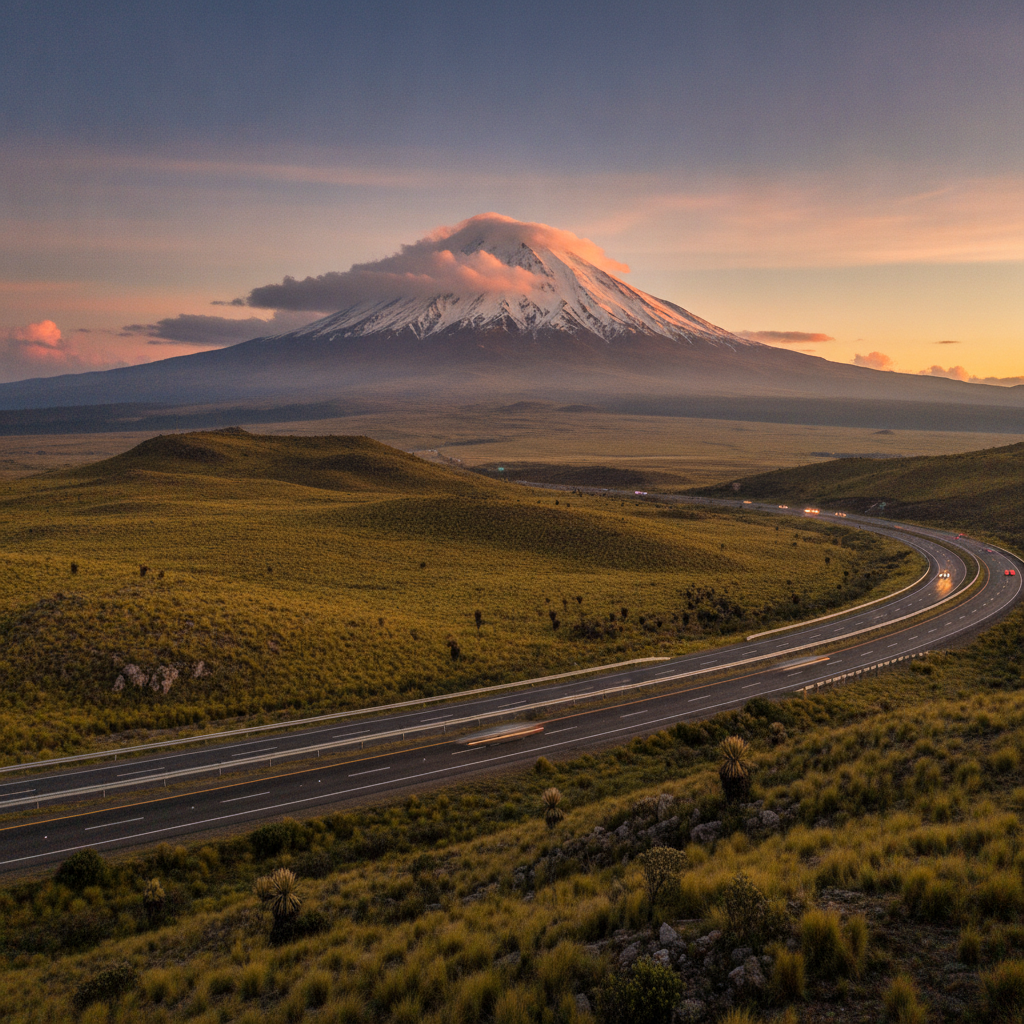
Quito Day Trips: The Avenue of the Volcanoes and Andean Markets
Quito is positioned at the heart of Ecuador Andean highland, surrounded by one of the most dramatic concentration of active volcanoes on earth. Alexander von Humboldt named the sequence of peaks flanking the central valley the Avenue of the Volcanoes in 1802, a designation that remains apt as the road south from Quito passes within sight of Cotopaxi, Chimborazo, Tungurahua, and dozens of smaller peaks. The weekend indigenous market at Otavalo, two hours north, is the most famous artisan market in South America. This route covers the essential day trips from Quito that transform the city from a stopover to a base for understanding the extraordinary Andean landscape.
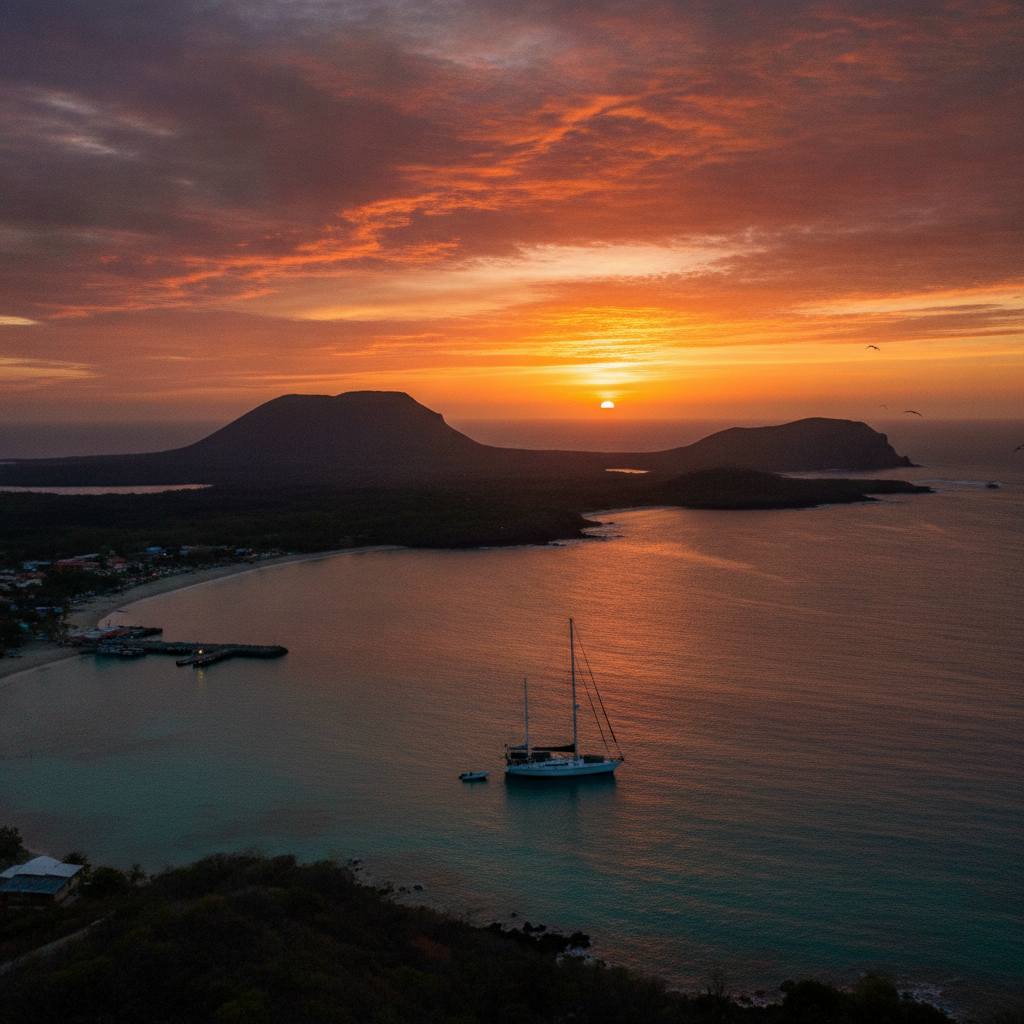
Quito to Galapagos: Planning the Journey to the Enchanted Islands
Quito is the primary gateway to the Galapagos Islands, with direct flights from the Mariscal Sucre airport to Baltra and San Cristobal airports on the islands. For most international visitors the Galapagos trip begins and ends in Quito, making the capital a natural extension of the archipelago itinerary. The logistics of Galapagos travel, from cruise versus land-based touring decisions to booking timelines and conservation fees, are best organized from Quito where the tour operators and travel agencies concentrate. This route covers the planning and booking process for the Galapagos alongside the complementary experiences available in the Quito region that complete an Ecuador travel itinerary.
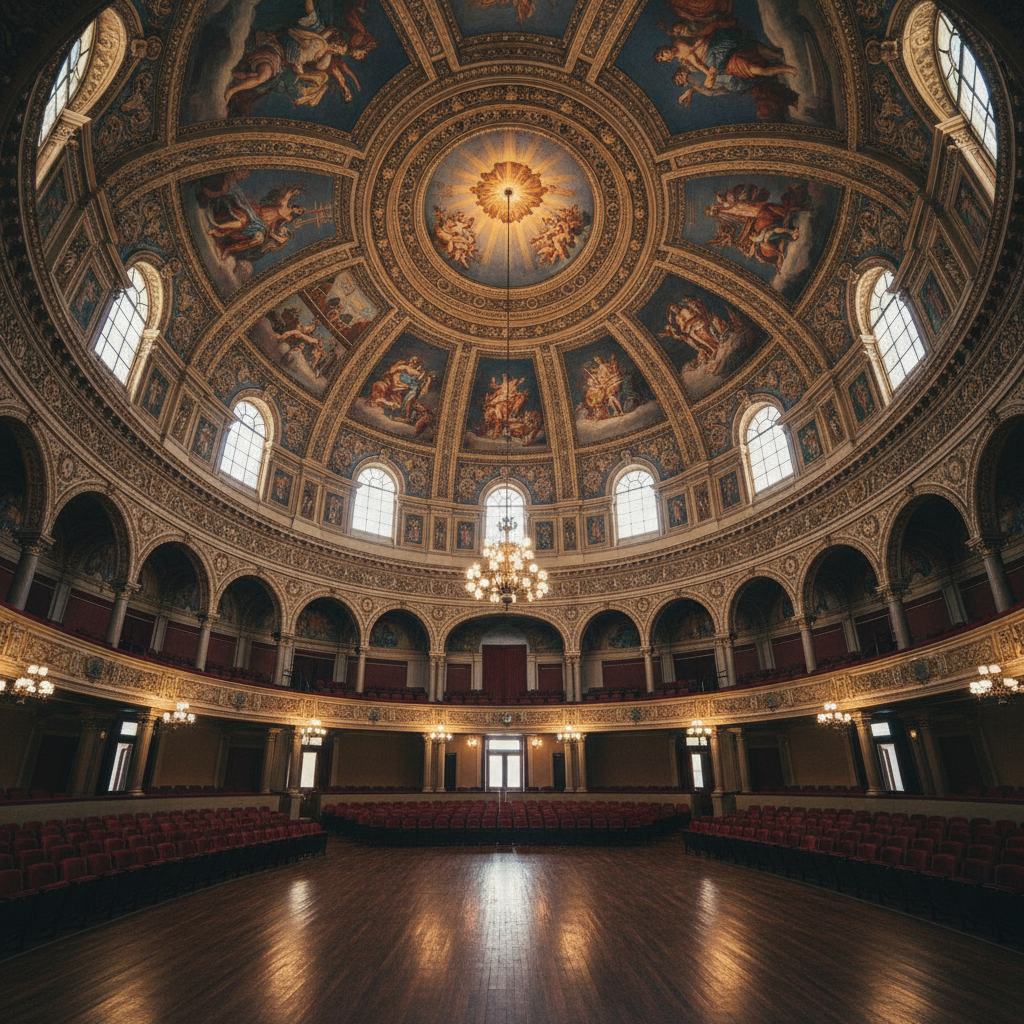
Quito Arts, Music, and Contemporary Culture
Quito cultural life is concentrated in the Casa de la Cultura Ecuatoriana, the Casa del Alabado museum of pre-Columbian art, and a network of neighborhood cultural centers that have expanded significantly since 2000. The city has a vibrant live music scene spanning traditional pasillo and sanjuanito, cumbia and reggaeton, and an emerging electronic and indie music community. The contemporary art scene, while smaller than Bogota or Buenos Aires, has grown with galleries in the Mariscal and La Floresta neighborhoods. The Quito Film Festival and the arts programming of the municipal government have created an annual calendar of cultural events that draws regional participation.
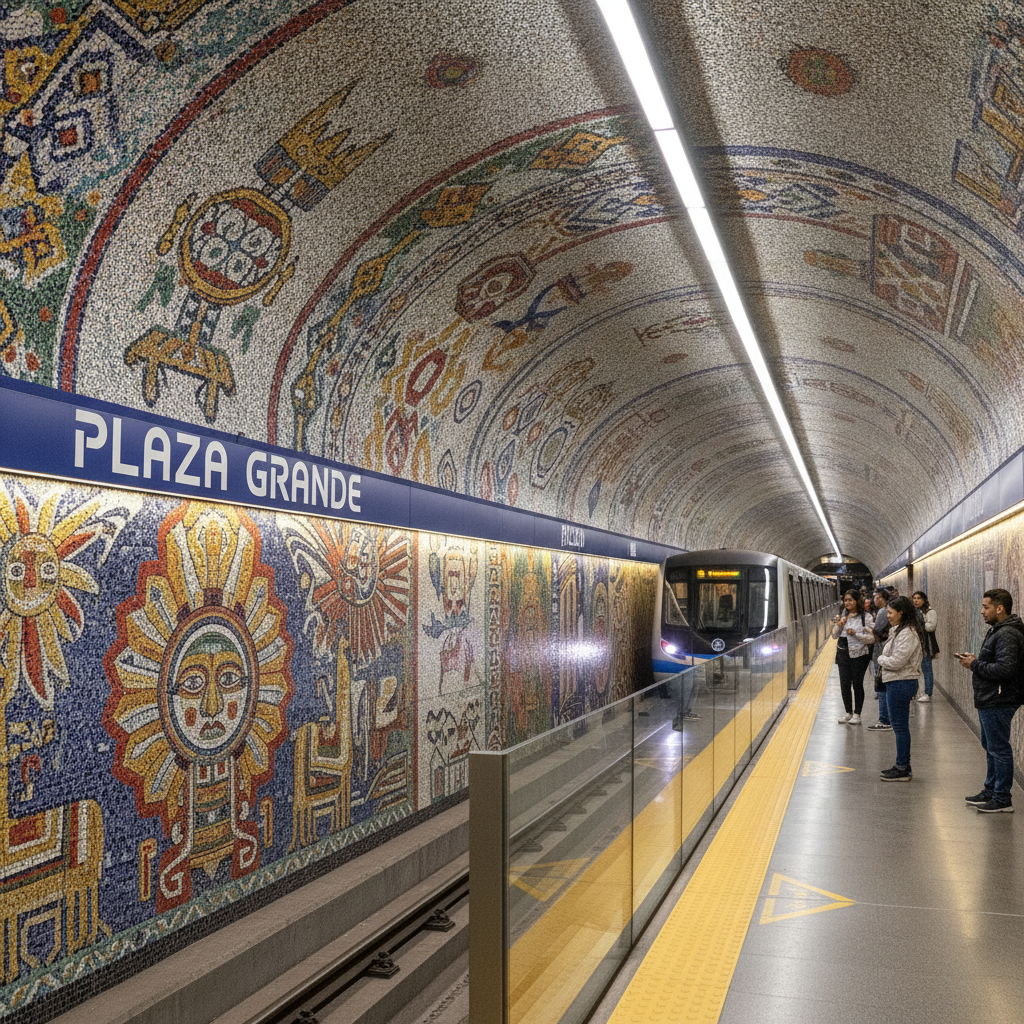
Quito Practical Guide: Altitude Acclimatization, Transport, and Neighborhoods
Quito presents several practical challenges specific to its high altitude location and Andean highland context. Altitude sickness is a real concern for visitors arriving directly from sea level; the city at 2,850 meters is high enough to cause symptoms in a significant portion of visitors. The historic center and the Mariscal district are the two primary tourist zones with different characters suited to different travel styles. The Quito metro opened in 2023 and transformed downtown transport. This route covers the essential practical information for a first-time visitor navigating Quito confidently.
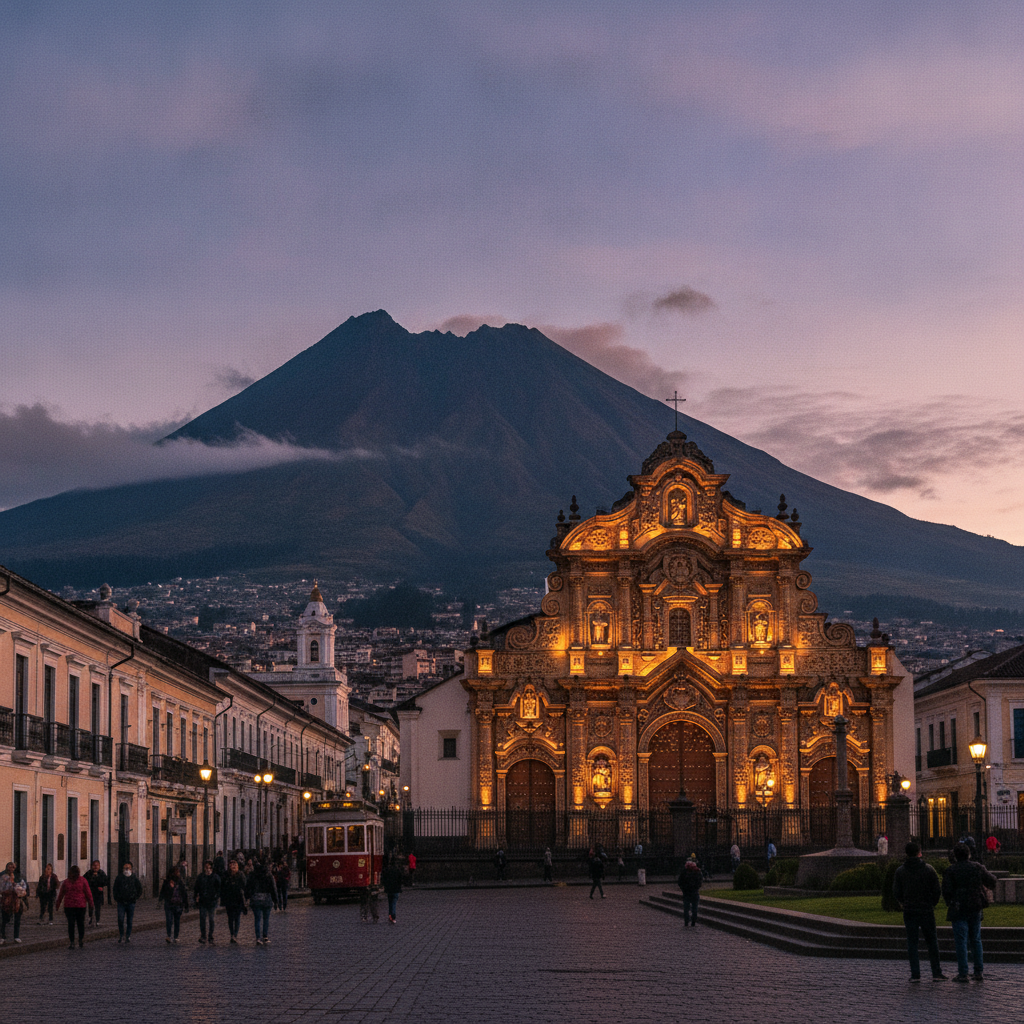
Quito: The World Highest Capital and the Colonial Jewel of the Andes
Quito, the capital of Ecuador, sits at 2,850 meters altitude in a narrow valley formed by the western slopes of the Pichincha volcano, making it the second highest capital city in the world after La Paz. Its historic center, declared a UNESCO World Heritage Site in 1978 among the first batch of such designations worldwide, contains the best-preserved colonial architecture in Latin America, with churches, convents, and plazas accumulated over three centuries of Spanish colonial rule. The equatorial location means consistent twelve-hour days and a climate locals call eternal spring. This route covers the foundational geography, the colonial core, and the equatorial science that makes Quito unlike any other capital city on earth.
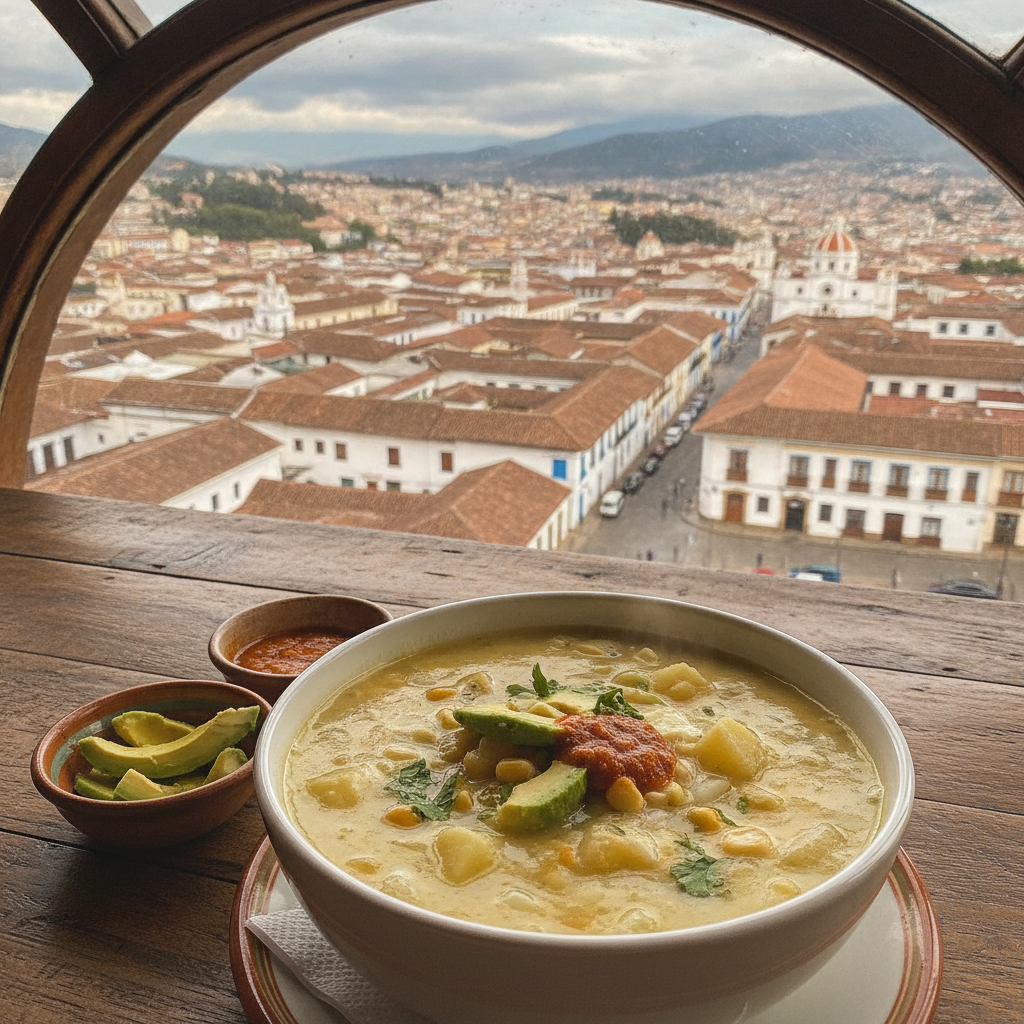
Quito Food Culture: Locro, Ceviche de Sierra, and the Central Market
Quito food culture reflects the highlands of Ecuador, with a cuisine built on potatoes, corn, quinoa, and a variety of stews and soups that have adapted Spanish colonial techniques to indigenous Andean ingredients. The city food economy runs from the street stalls of the Mercado Central to the upscale Nuevo Andino restaurants that have elevated traditional ingredients into international fine dining. Ecuador position as both highland Andean and Pacific coastal nation means both freshwater and Pacific seafood appear on Quito menus, and the proximity to the Amazon basin introduces jungle ingredients including palm hearts and exotic fruits. This route covers the essential Quito food experiences.