Bogota
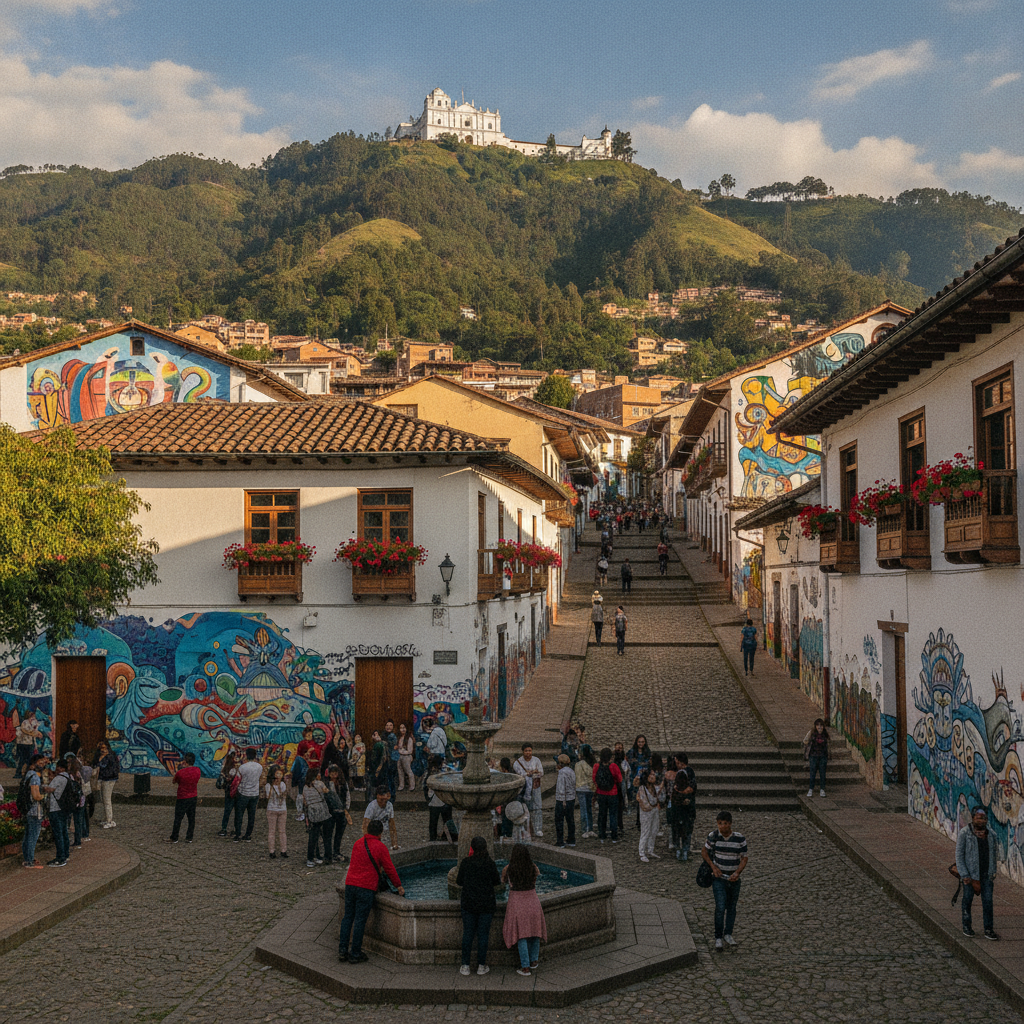
La Candelaria, the Gold Museum & Bogotá's Colonial Heart
Bogotá (the capital of Colombia — population approximately 8.1 million in the city and 10.7 million in the metropolitan area, the highest-altitude capital city in South America at 2,625 metres (8,612 feet) above sea level): La Candelaria (the historic colonial neighbourhood at the foot of the Eastern Hills — the most historically significant neighbourhood in Colombia, the site of the founding of Bogotá in 1538 and the home of the Museo del Oro (the Gold Museum — the greatest pre-Columbian gold collection in the world)) is the cultural and historical heart of Colombia.
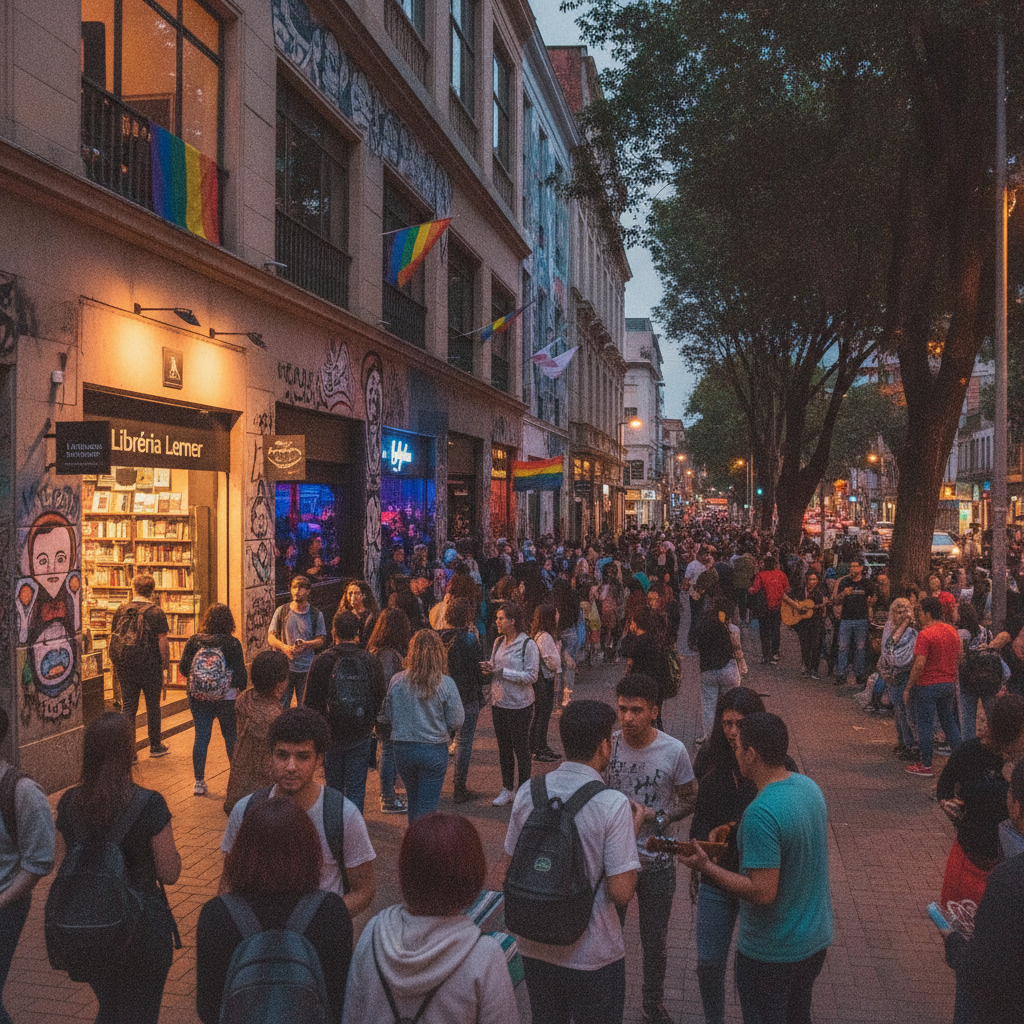
Chapinero, LGBTQ+ Culture & Bogotá's Creative Districts
Chapinero (the district of Bogotá between La Candelaria and Zona Rosa — the most culturally diverse and most LGBTQ+-affirming neighbourhood in Colombia, with the 'Zona Rosa de Chapinero' (the LGBTQ+ entertainment district) and the 'Calle 60' arts and antiques strip) and the adjacent creative districts of Teusaquillo and La Perseverancia are the bohemian heart of modern Bogotá.
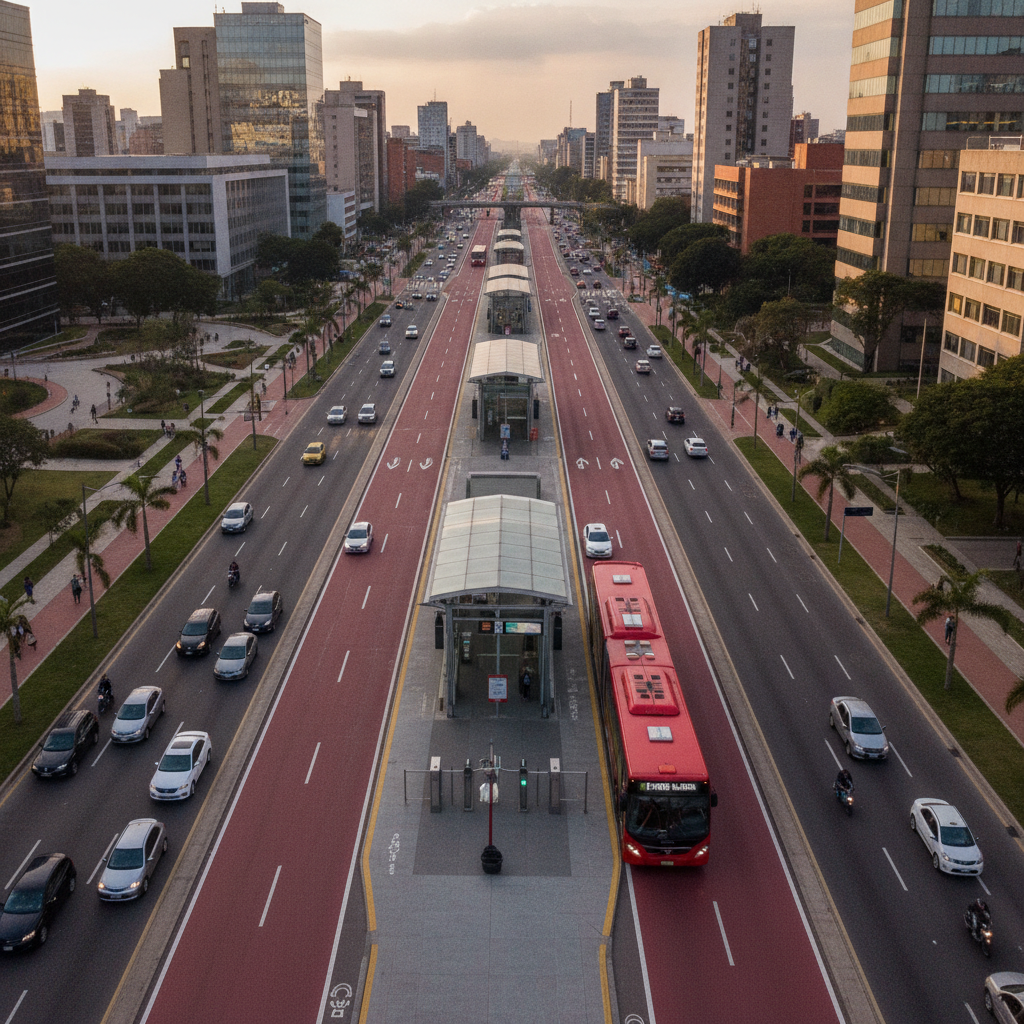
TransMilenio, Urban Innovation & Bogotá's City Transformation
Bogotá's TransMilenio (the Bus Rapid Transit system — the largest BRT system in Latin America, with 113 km of dedicated lanes and 2.4 million daily passengers) is one of the most remarkable examples of urban innovation in the developing world, part of the broader transformation of Bogotá from one of the most dangerous cities in Latin America in the 1990s to one of the most innovative and most liveable cities in the 2020s.
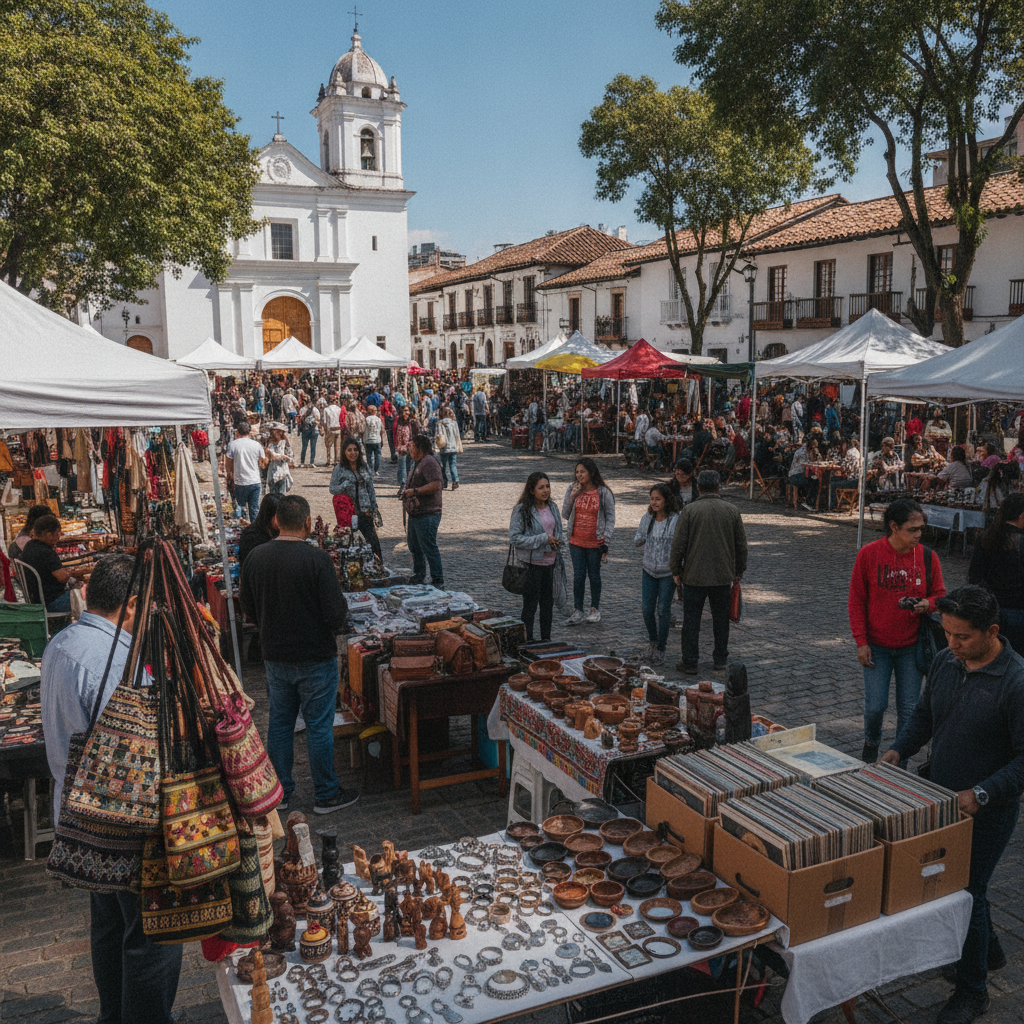
Zona Rosa, Usaquén & Bogotá's Culinary and Nightlife Scene
The Zona Rosa (the 'Pink Zone' — the entertainment and shopping district of northern Bogotá, centred on the Calle 82 and the Zona T (the pedestrian 'T-shaped' street lined with restaurants, bars, and boutiques)) and the Usaquén neighbourhood (the colonial village neighbourhood in northern Bogotá, with the Sunday flea market and the best restaurants in the city) together constitute Bogotá's primary destination for gastronomy, nightlife, and shopping.
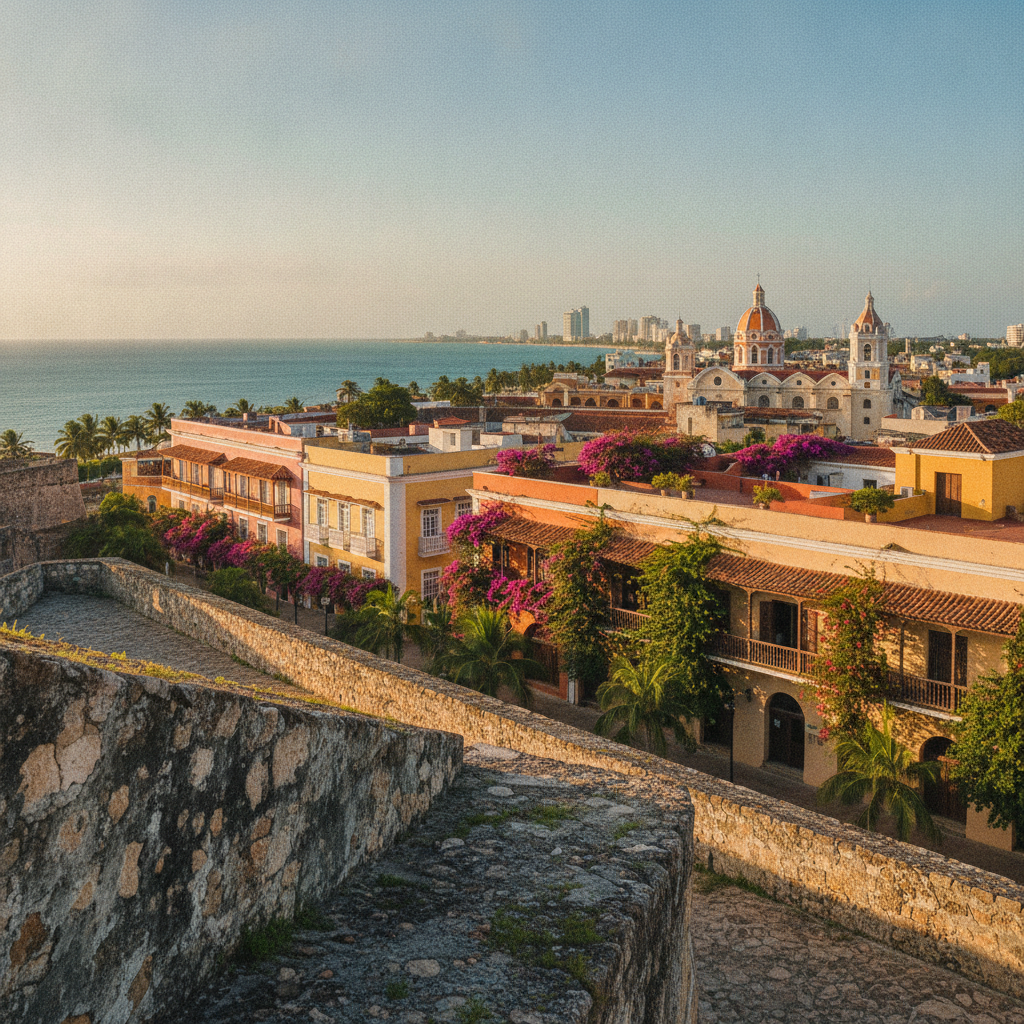
Medellín, Cartagena & Colombia's Extraordinary Diversity
Colombia (the country with the greatest ecological and cultural diversity in the Americas — the only South American country with both a Pacific coast and a Caribbean coast, the country with the greatest bird species diversity in the world (1,878 species), and the country that has undergone the most dramatic positive transformation of any country in Latin America in the past 30 years (from the narco-violence of the 1980s-1990s to the vibrant cultural and economic powerhouse of today)): Medellín and Cartagena are the most essential destinations beyond Bogotá.
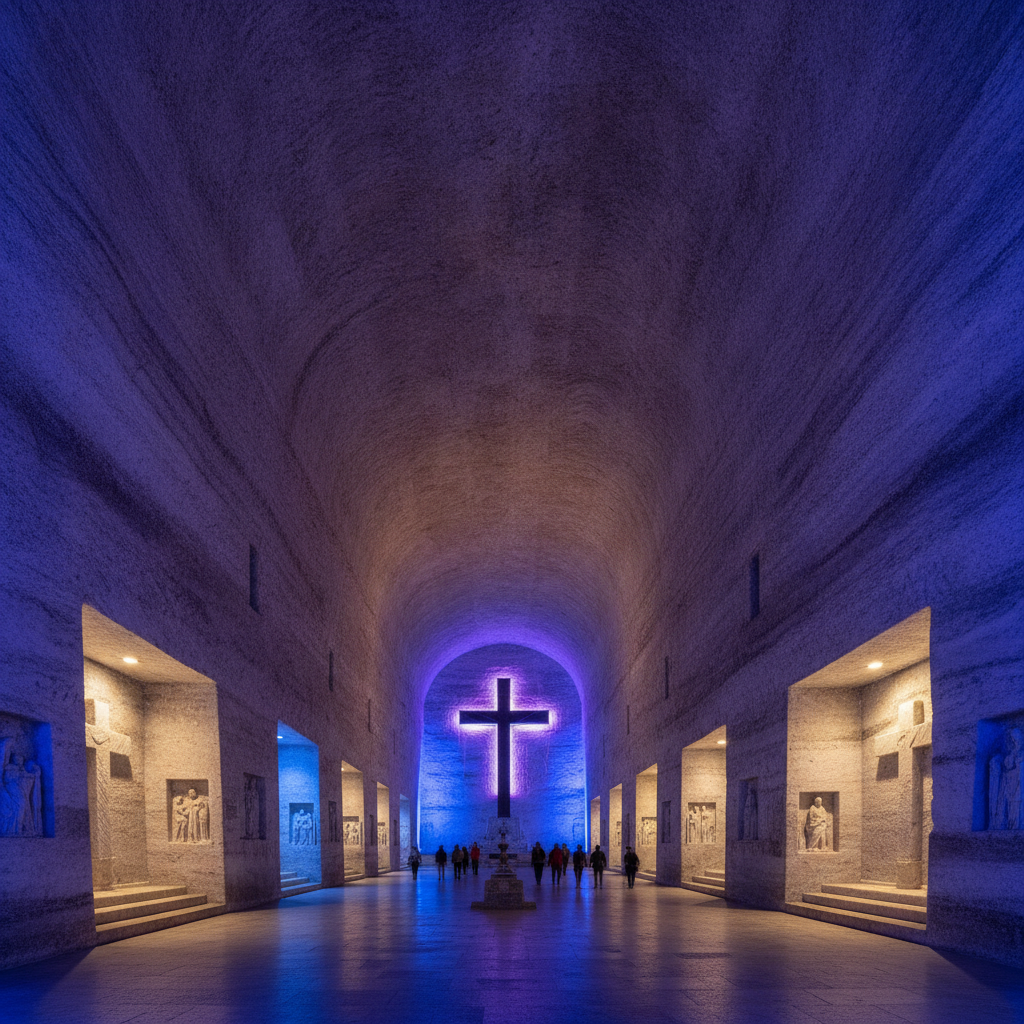
Salt Cathedral of Zipaquirá & Colombia's Andean Highlands
The Salt Cathedral of Zipaquirá (the underground Roman Catholic cathedral built within the tunnels of a salt mine in Zipaquirá, 49 km north of Bogotá — the most remarkable religious architecture in the Americas) is the most visited tourist attraction in Colombia after Cartagena, and one of the most extraordinary architectural experiences in the world — a cathedral carved entirely from salt rock, 180 metres underground.
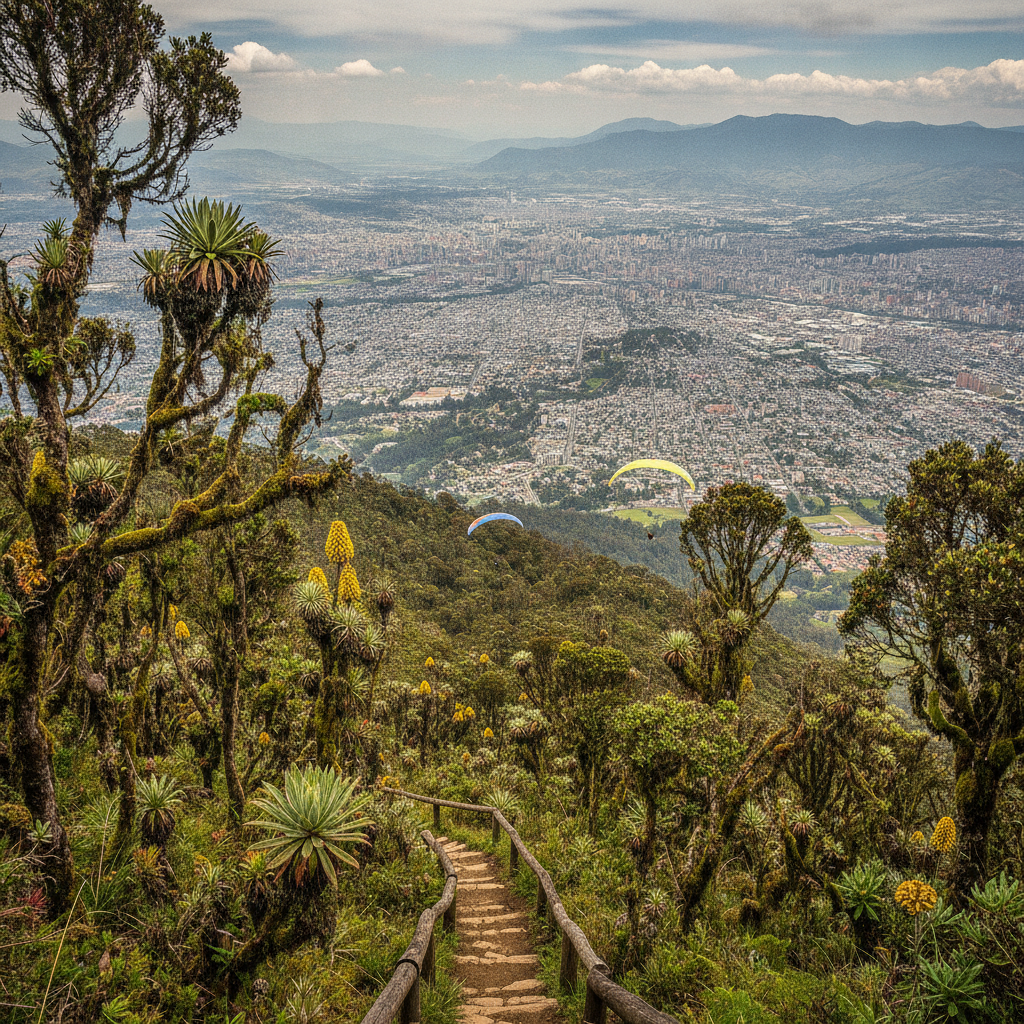
Cerros Orientales, Hiking & Bogotá's Natural Backdrop
The Cerros Orientales (the Eastern Hills — the forested mountain ridge that forms the dramatic natural backdrop to eastern Bogotá, rising from 2,600 metres in the city to over 3,600 metres at the highest peaks) provide Bogotá with hiking trails, paragliding sites, the Monserrate pilgrimage mountain, and the ecological reserve of the 'Reserva Forestal Protectora del Bosque Oriental' (14,000 hectares of cloud forest immediately adjacent to the urban area of Bogotá).
Botero Museum, Colombian Art & Bogotá's Cultural Scene
The Museo Botero (the free public museum in La Candelaria housing the donation of 123 works by Fernando Botero (b.1932) — Colombia's most internationally recognized artist — plus his personal collection of European masters) and the broader Colombian art scene (the painters, sculptors, and photographers who have made Colombia one of the most vibrant art markets in Latin America) are at the heart of Bogotá's cultural identity.
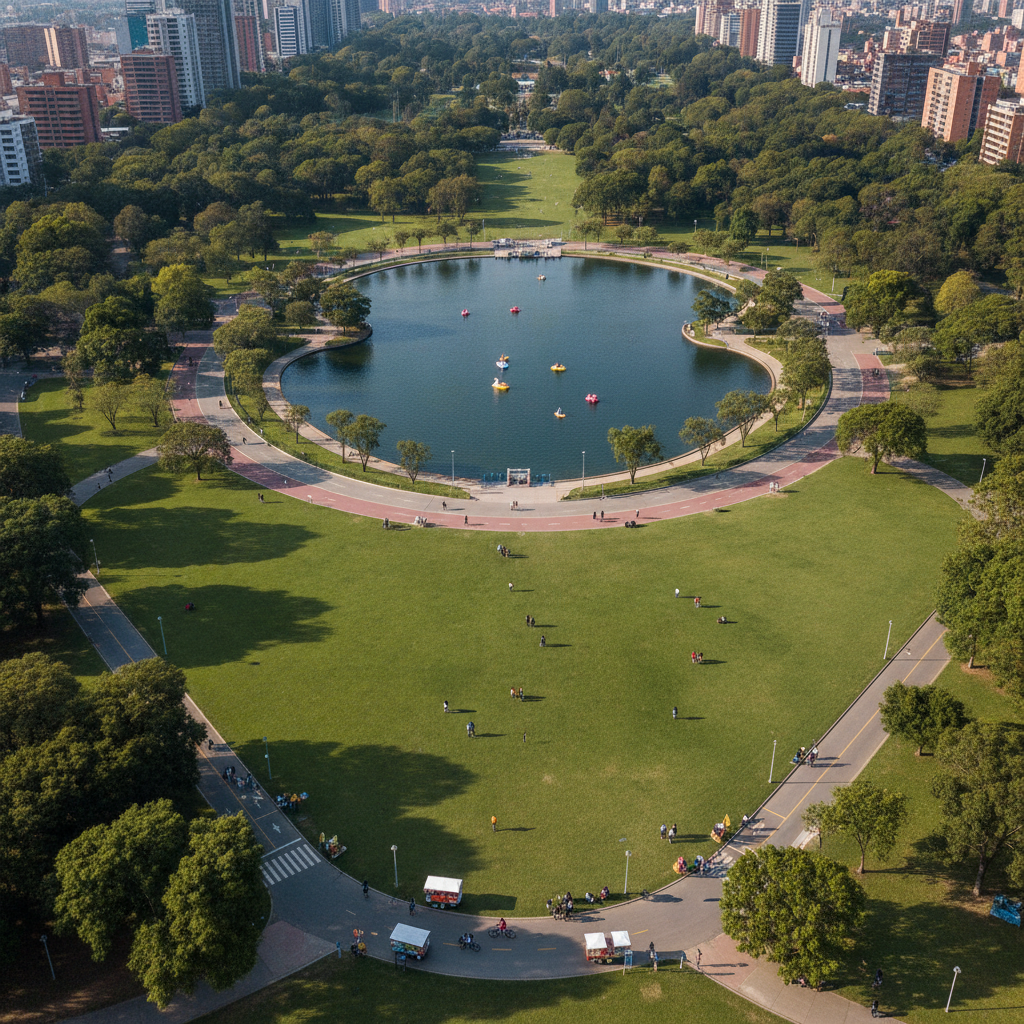
Parque Simón Bolívar, Urban Nature & Bogotá's Green Spaces
The Parque Simón Bolívar (the 113-hectare metropolitan park in northwest central Bogotá — the largest urban park in Bogotá and one of the largest urban parks in Latin America, the 'Central Park of Bogotá') is the primary green lung and recreation space of the Colombian capital, hosting the largest outdoor concerts in Colombia (the Rock al Parque festival — the largest free rock festival in Latin America) and serving as the weekend cycling, picnicking, and kite-flying destination for millions of Bogotá residents.