Edinburgh
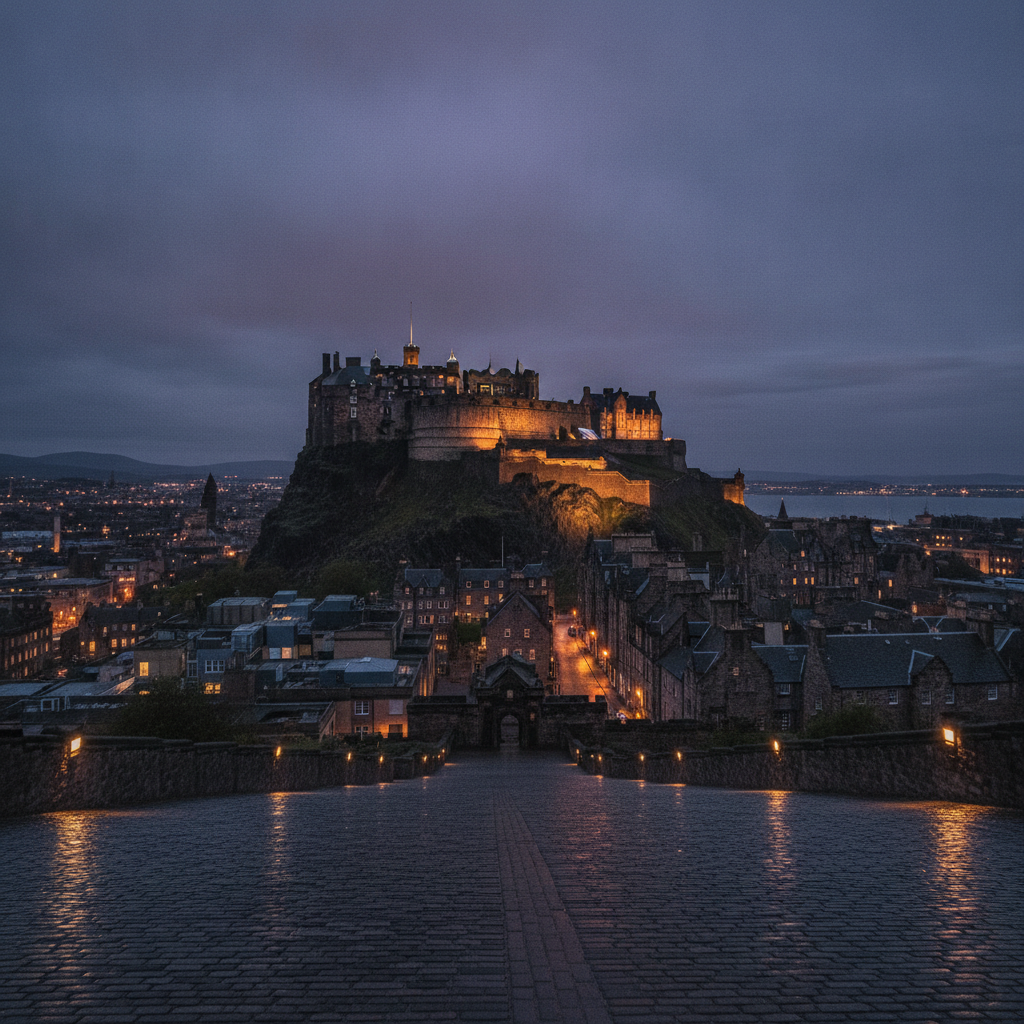
Edinburgh Castle, the Royal Mile & Holyrood — The Old Town
Edinburgh (the capital of Scotland, population 530,000, built on seven hills above the Firth of Forth — one of the most dramatic and beautiful capital cities in Europe, consistently ranked as the most visited city in the UK after London): the historic heart of Edinburgh is the Old Town, the medieval city running along the spine of the volcanic ridge from Edinburgh Castle down the Royal Mile to the Palace of Holyroodhouse, with UNESCO World Heritage status shared with the adjacent New Town.
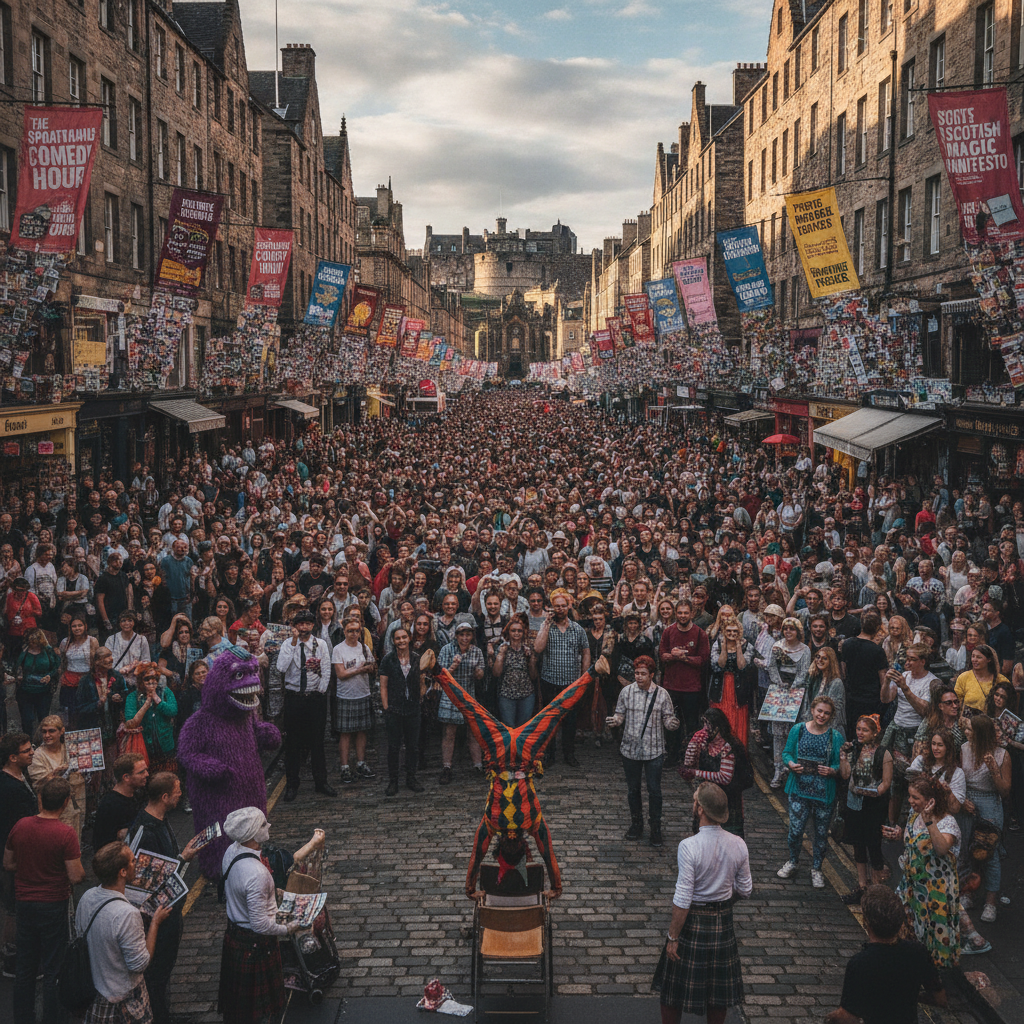
Edinburgh Festival, Fringe & Hogmanay — The World's Greatest Arts Festival City
Edinburgh in August is the most creatively intense city on Earth: the Edinburgh International Festival (the curated programme of world-class classical music, opera, theatre, and dance, established 1947) and the Edinburgh Festival Fringe (the open-access arts festival that grew up alongside it from 1947, now the largest arts festival in the world by number of performances) transform the entire city into a performing arts venue for three weeks.
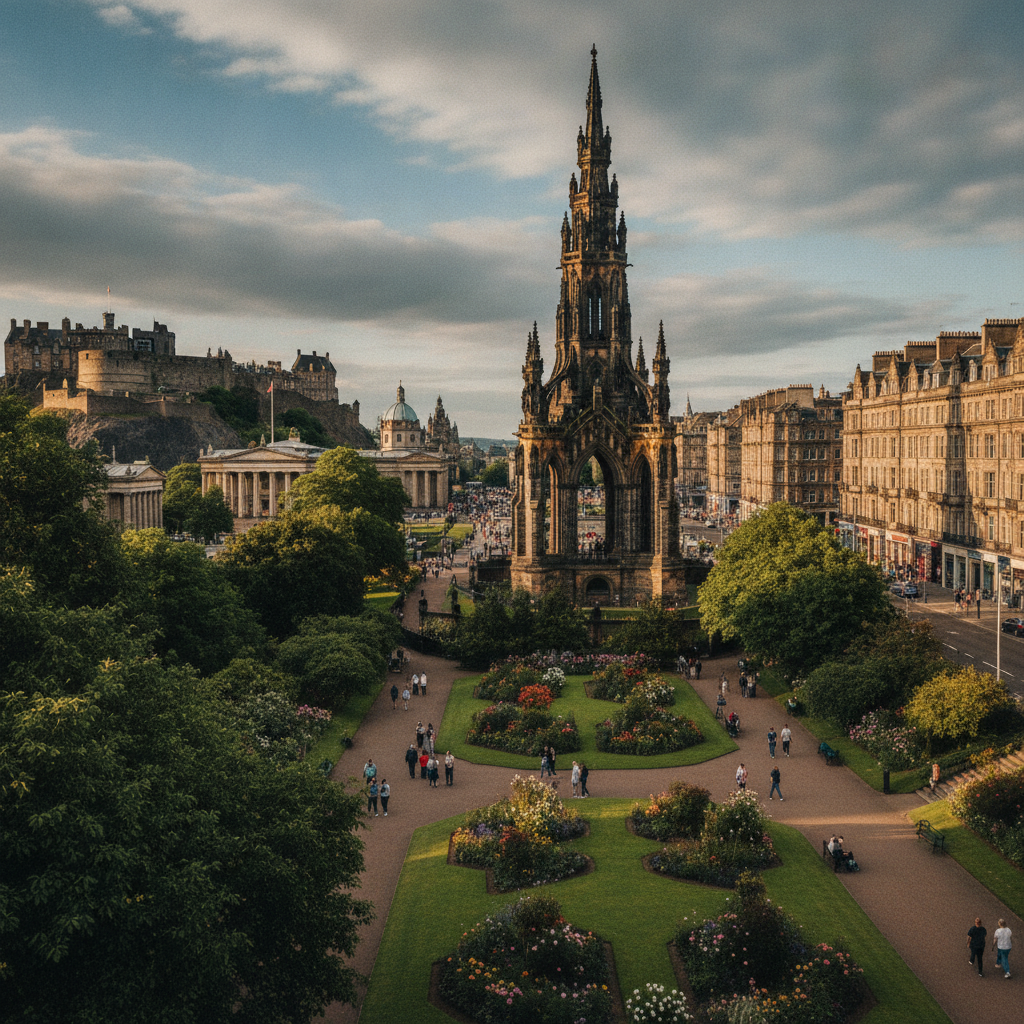
The New Town — Georgian Edinburgh & the Scottish Enlightenment
Edinburgh's New Town (the planned Georgian district built from 1767 to the north of the Old Town, the finest and most complete example of Georgian urban planning in the world — UNESCO World Heritage alongside the Old Town) was the physical manifestation of the Scottish Enlightenment (the intellectual movement 1740-1800 that made Edinburgh one of the greatest centres of learning in the world), producing philosophers (David Hume), economists (Adam Smith), engineers (James Watt), geologists (James Hutton), and architects (Robert Adam).
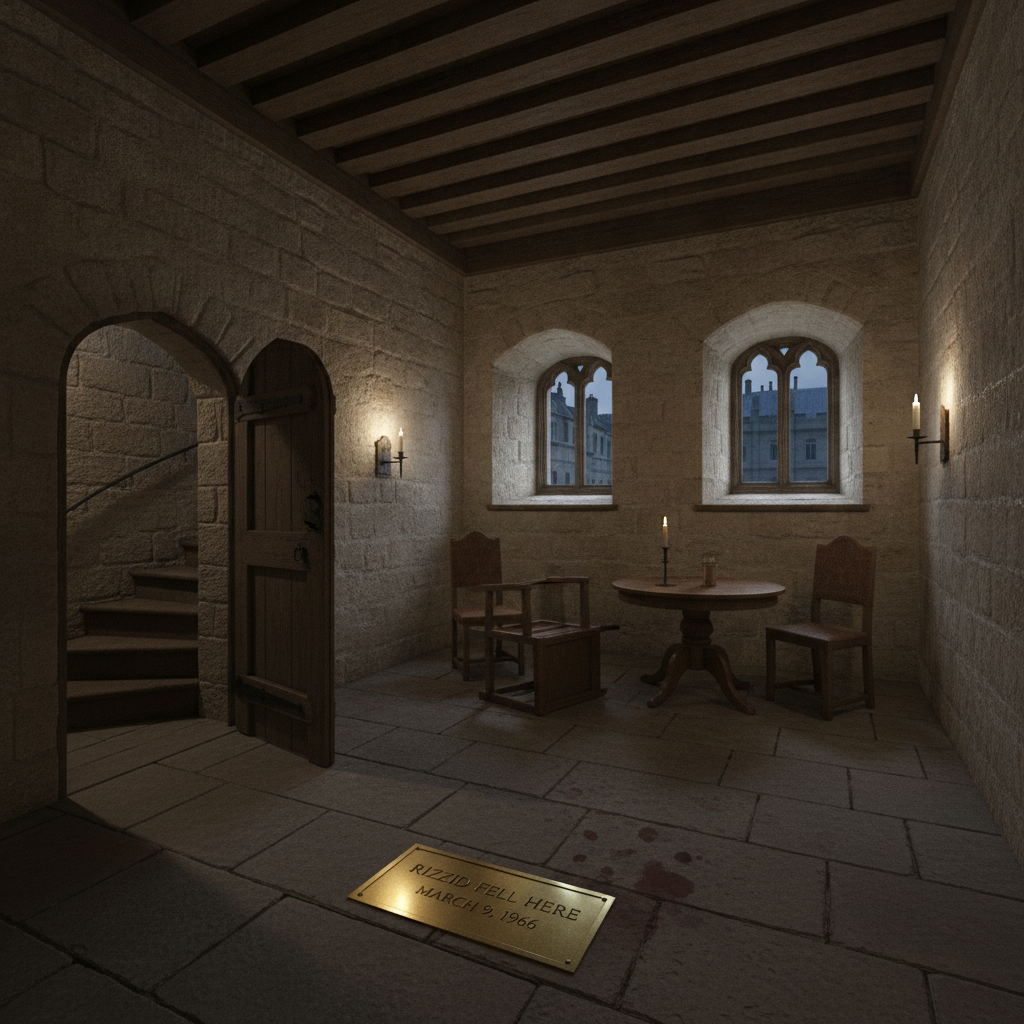
Mary Queen of Scots & Scottish History
Mary, Queen of Scots (1542-1587 — the most tragic and most internationally famous figure in Scottish history, Queen of Scotland from six days old, briefly Queen of France (as wife of François II), and claimant to the English throne): Mary's life in Edinburgh (1561-1567 — the six years she spent at Holyroodhouse after returning from France as a widow, during which she married Lord Darnley (murdered 1567), witnessed the murder of her secretary Rizzio, gave birth to the future King James VI of Scotland/James I of England, and was forced to abdicate) is the most dramatic personal narrative associated with Edinburgh.
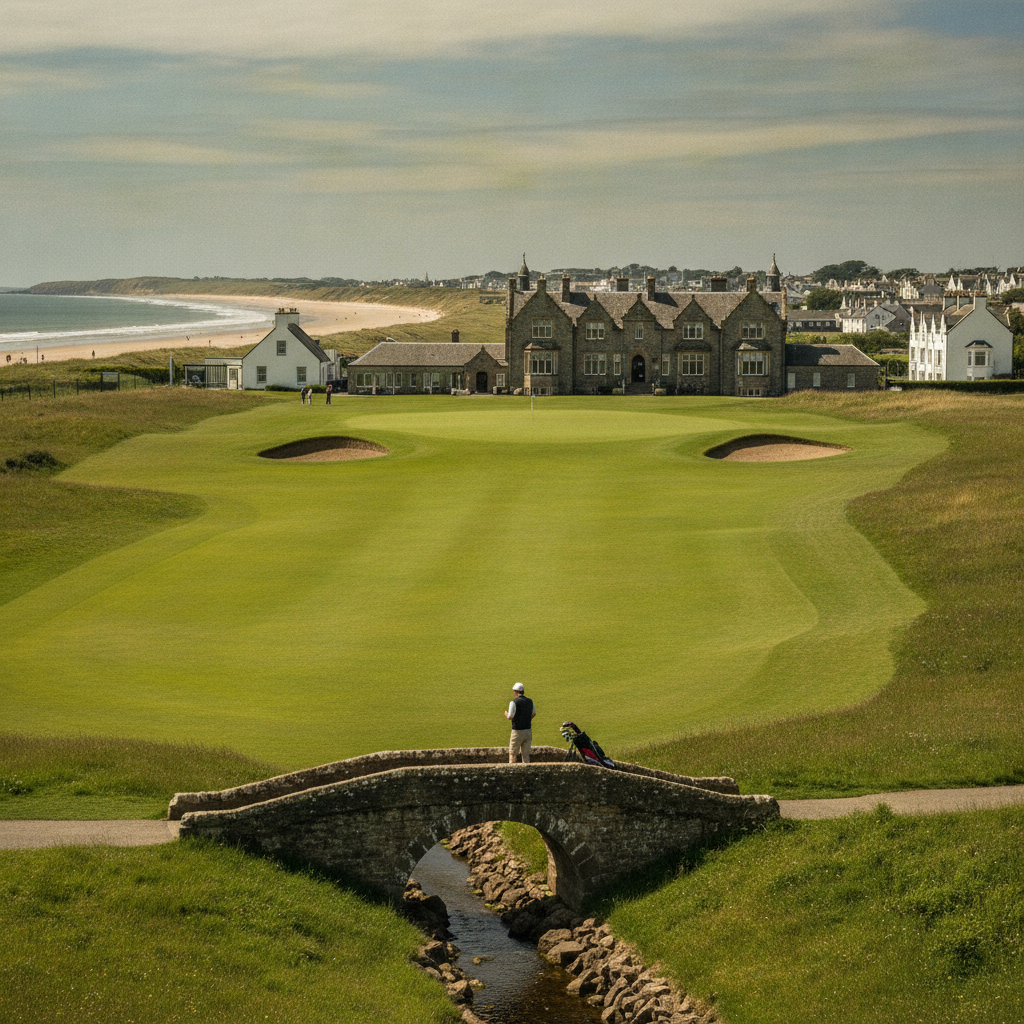
St Andrews, Golf & the Fife Coastal Path
St Andrews (the small city on the east coast of Fife, 55 km northeast of Edinburgh, accessible by train via Leuchars in approximately 1 hour) is simultaneously the birthplace of golf (the Royal and Ancient Golf Club of St Andrews (R&A), founded 1754, the oldest golf club in the world, and the Old Course (the oldest golf course in the world, in use since at least the 15th century)) and the oldest university in Scotland (the University of St Andrews, founded 1413, where King Charles III and Queen Catherine met as students).
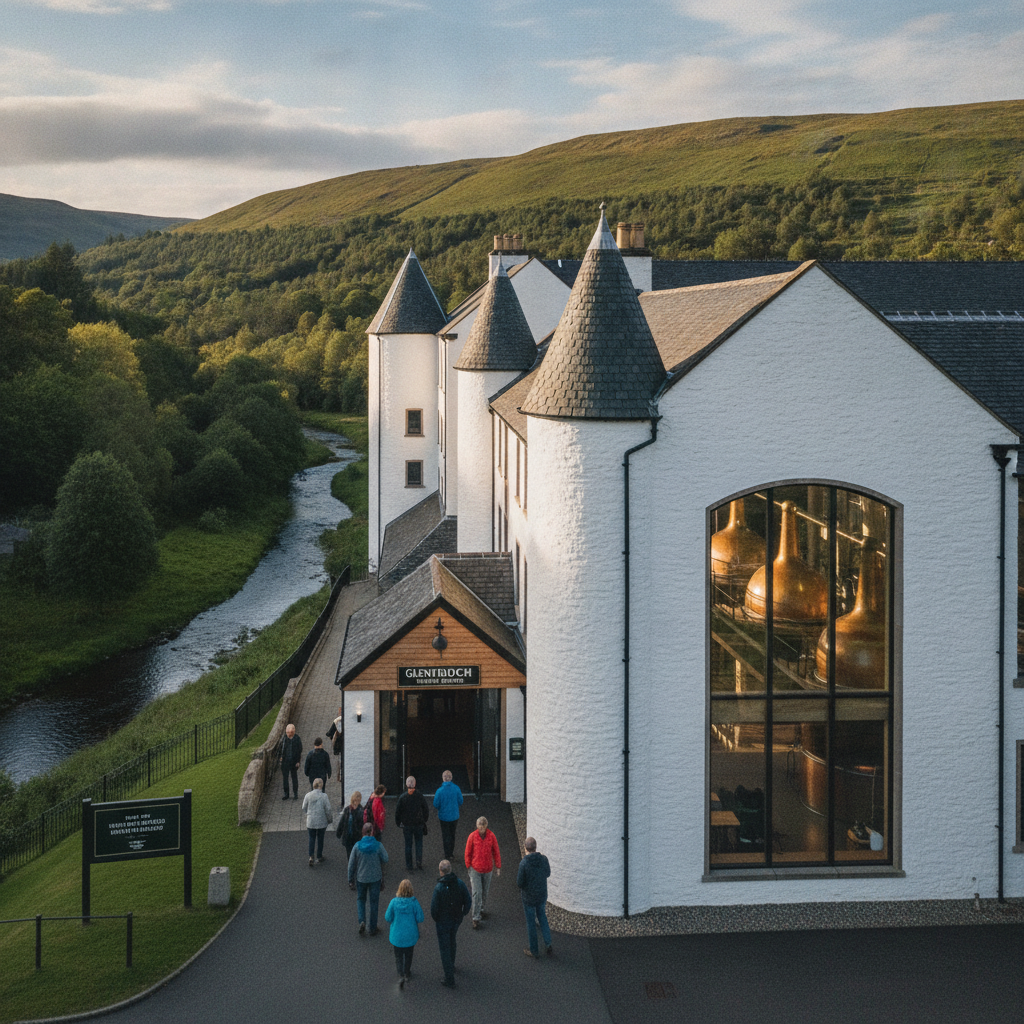
Scotch Whisky Distillery Tours & the Whisky Trail
Edinburgh's whisky culture (the city as the gateway to Scotland's whisky-producing regions): while Edinburgh has its own distilleries (the Holyrood Distillery, opened 2019, the first single malt distillery in Edinburgh since 1925; Edinburgh Gin; and the Edinburgh Whisky Academy), the city's primary role is as the entry point for visitors exploring the Scotch whisky industry — Speyside (2.5-3 hours by car, with distilleries including The Macallan, Glenfiddich (the most visited distillery in Scotland), and The Glenlivet), Islay (by ferry from Kennacraig, 3 hours south of Edinburgh, or by short flight from Glasgow), and the Highlands distilleries.
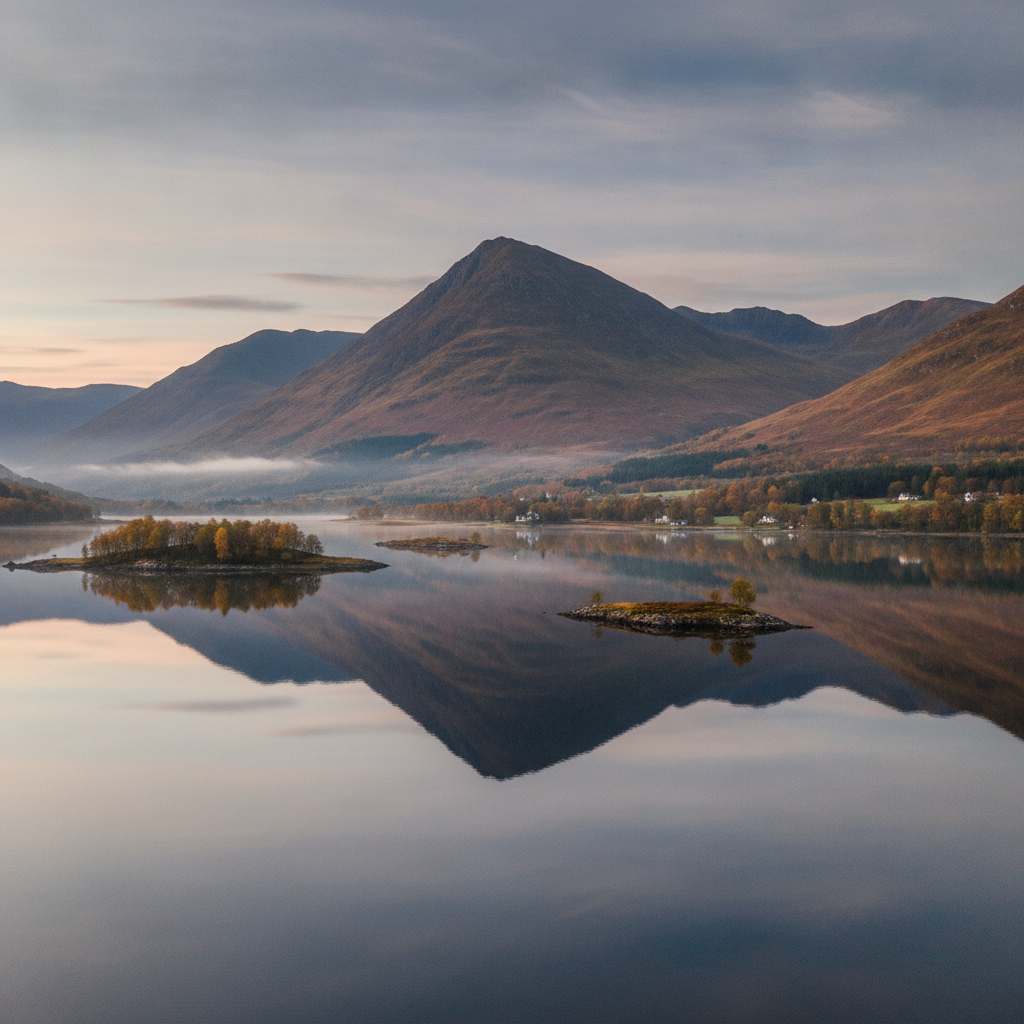
Scottish Highlands & Loch Lomond — Day Trips from Edinburgh
The Scottish Highlands (the mountainous northern and western Scotland, a landscape of dramatic beauty defined by mountain ranges (the Cairngorms, the Northwest Highlands), deep glens, lochs, and moorland) are accessible from Edinburgh as day trips or short overnight excursions: Loch Lomond (the largest lake in Great Britain by surface area, 1 hour from Edinburgh by car or train), the Cairngorms National Park (2.5 hours by car, the largest national park in the UK), and the Isle of Skye (5-6 hours by car or coach) are the primary Highland destinations from Edinburgh.
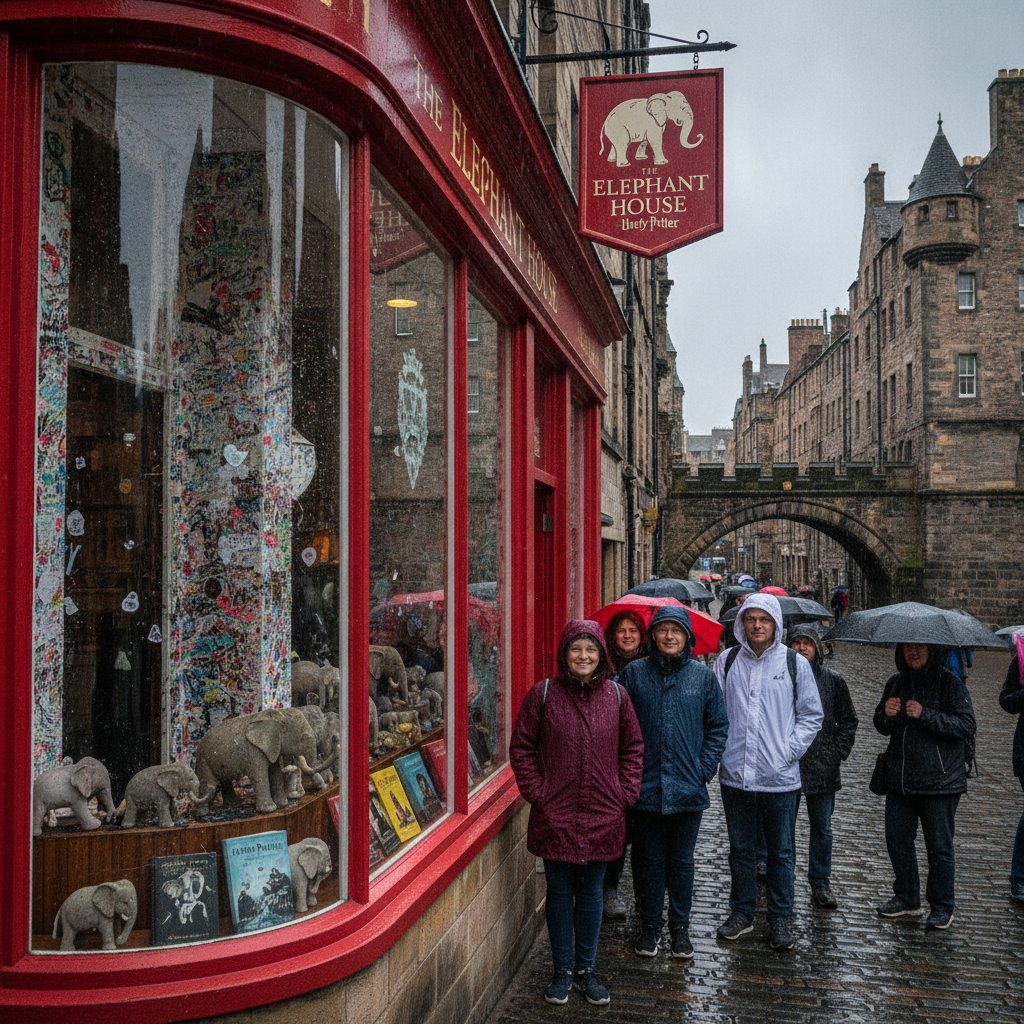
Harry Potter in Edinburgh — The City That Inspired a Magic World
J.K. Rowling wrote the first Harry Potter novel (Harry Potter and the Philosopher's Stone) in Edinburgh between 1991 and 1995, primarily in the Elephant House café (George IV Bridge) and Nicolson's Café (now closed, Nicolson Street), while living in Leith as a single mother: the Edinburgh cityscape, street names, and architectural atmosphere are visible throughout the early Harry Potter books, and Edinburgh has become a major destination for Harry Potter fans drawn to the city's associations with Rowling and the fictional world she created.
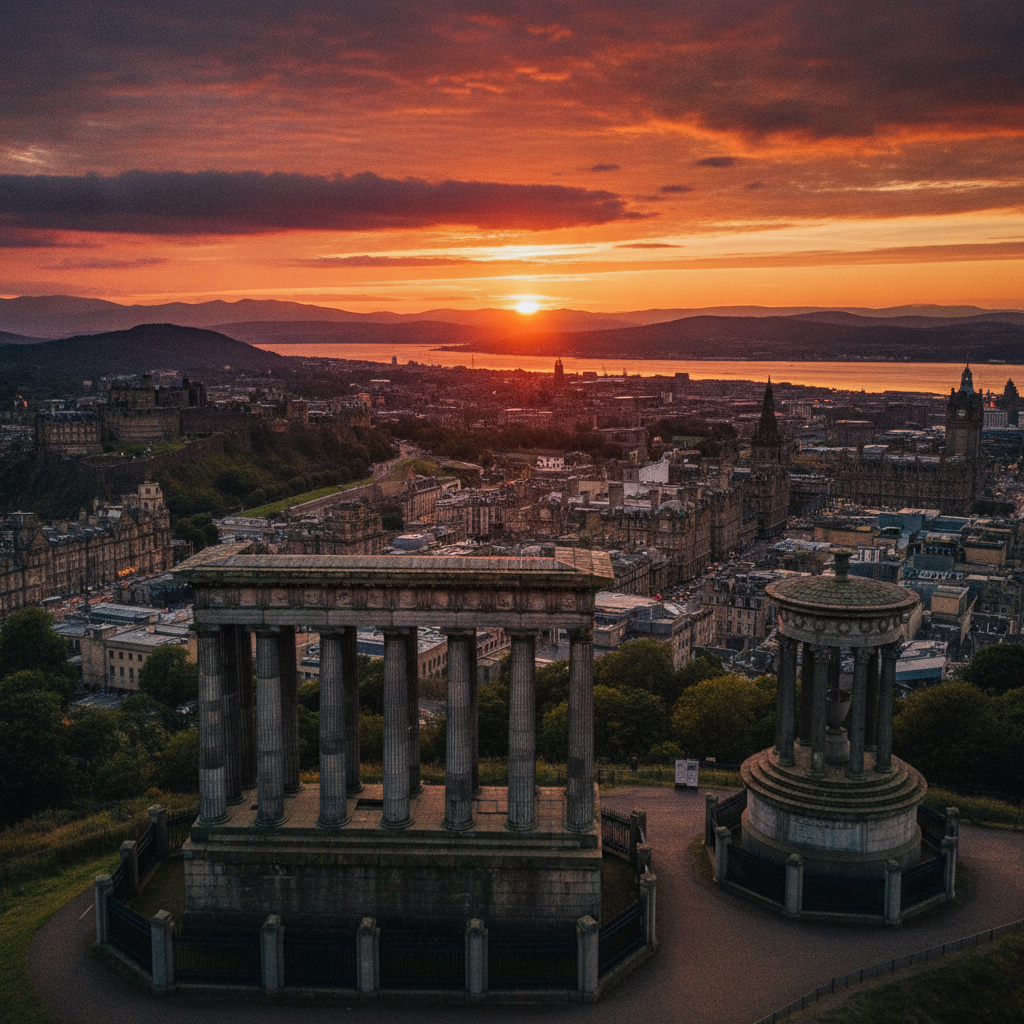
Calton Hill — Edinburgh's Acropolis & Finest Panoramic View
Calton Hill (the 100-metre hill at the eastern end of Princes Street, the most easily accessible of Edinburgh's seven hills, a 10-minute walk from Princes Street — the finest panoramic viewpoint in Edinburgh and the site of the monuments that gave Edinburgh the nickname 'Athens of the North'): the hill's monuments include the National Monument (the unfinished Parthenon colonnade), the Nelson Monument (the telescope-shaped tower commemorating the Battle of Trafalgar), and the City Observatory (the Victorian observatory built 1818 by William Playfair).