Mexico City
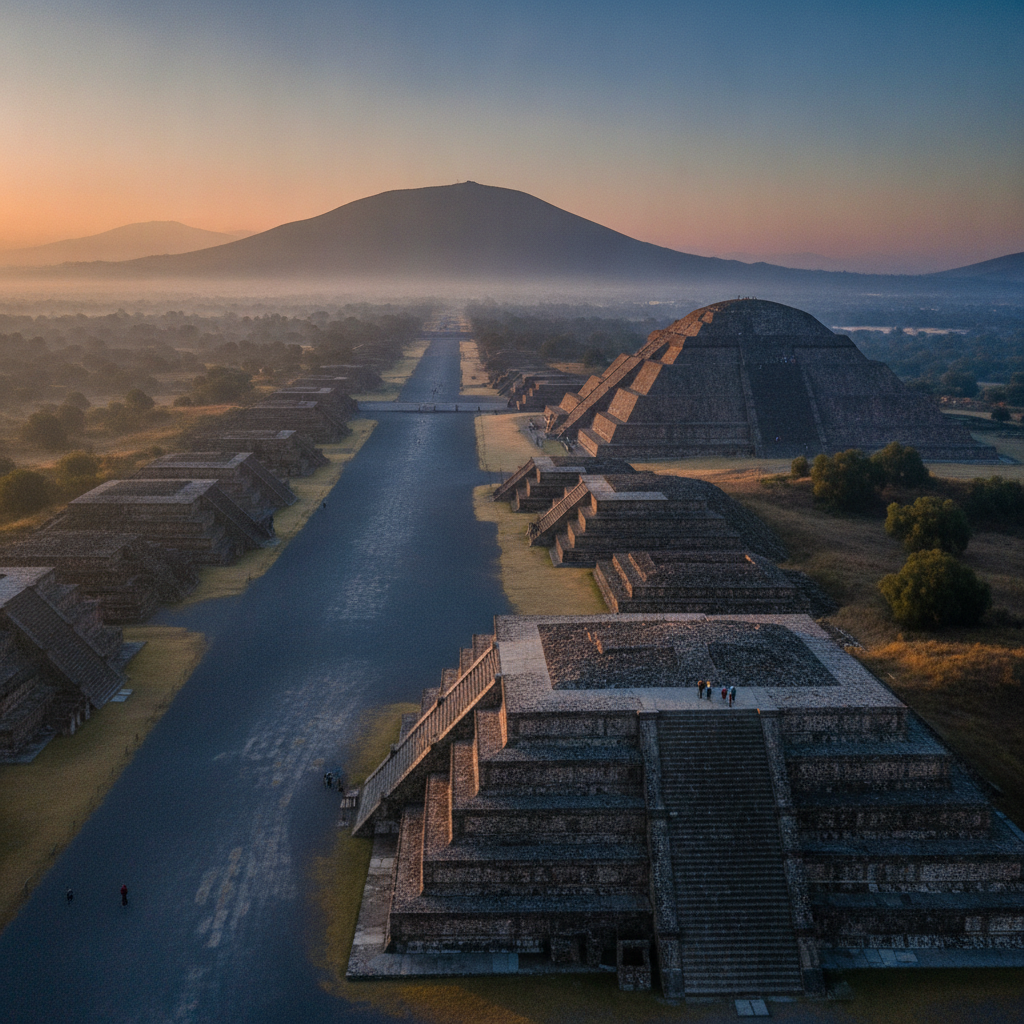
Teotihuacan — The Pyramids of the Sun and Moon
Teotihuacan ('the place where the gods were created', 50 kilometres northeast of Mexico City, UNESCO World Heritage Site) was the largest city in the pre-Columbian Americas and one of the largest cities in the world in the 5th century CE, with an estimated population of 100,000-200,000 people; its two great pyramids (the Pyramid of the Sun and the Pyramid of the Moon) and the 2-kilometre Avenue of the Dead constitute one of the most extraordinary archaeological sites in the world.
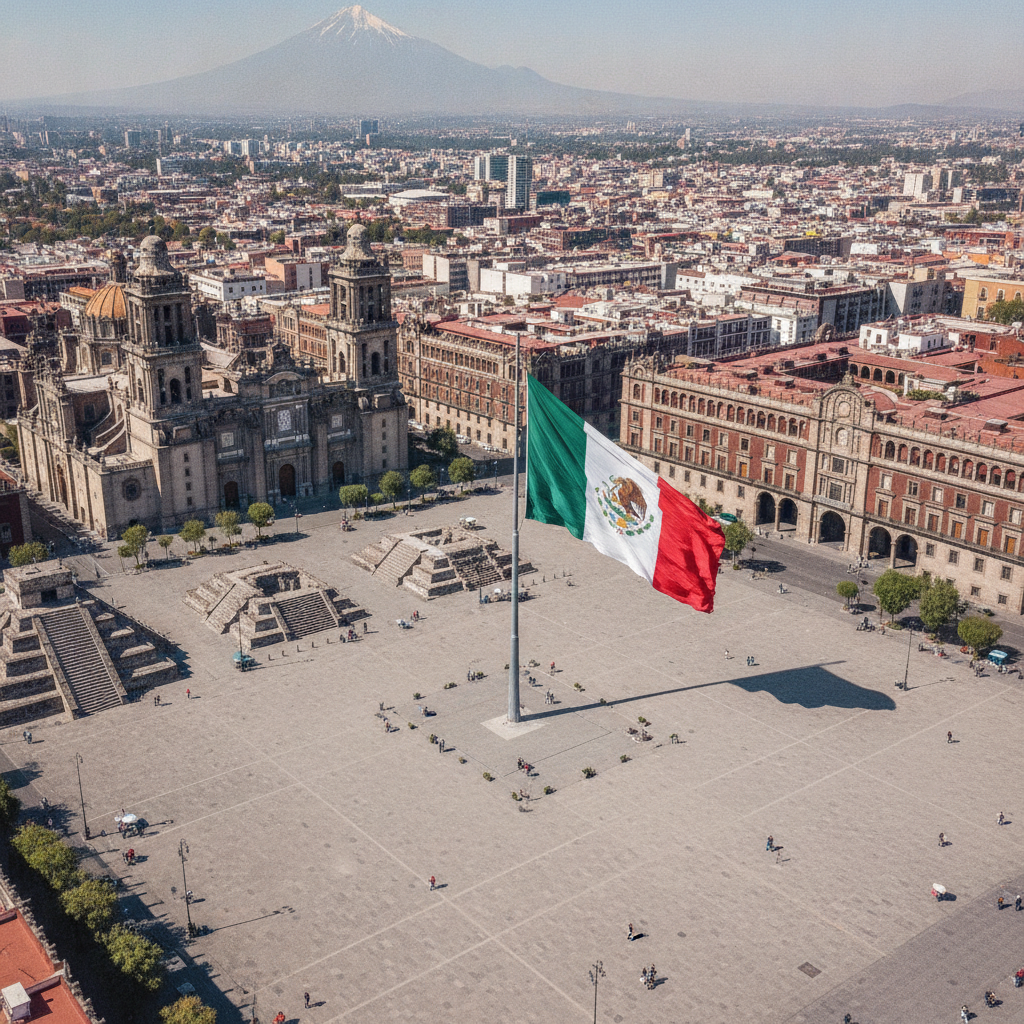
Zócalo, Templo Mayor & the Historic Centre — Aztec and Colonial Mexico City
The historic centre of Mexico City occupies the site of Tenochtitlan, the Aztec capital founded in 1325 on an island in Lake Texcoco — the most layered urban history in the Americas, where the ruins of the Aztec empire lie beneath the grandest colonial baroque architecture in the New World, all organized around the Zócalo, one of the world's largest public plazas.
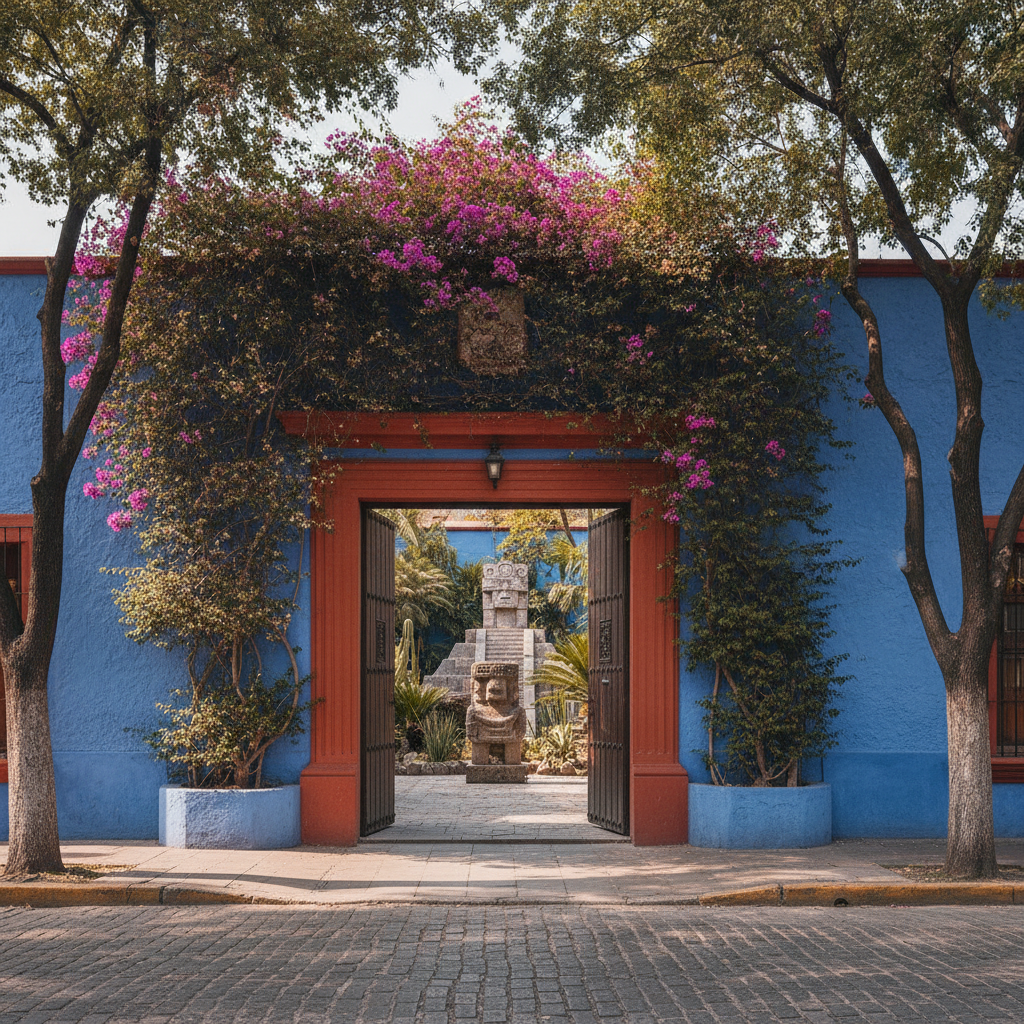
Frida Kahlo, Diego Rivera, Coyoacán & Xochimilco
The southern neighbourhoods of Mexico City — the bohemian colonial enclave of Coyoacán (home of Frida Kahlo's Blue House museum and Diego Rivera's studio), the canal network of Xochimilco (a UNESCO World Heritage Site, the last remnant of the lake-and-island system on which Aztec Mexico was built), and the Museo Anahuacalli (Diego Rivera's own collection of pre-Hispanic art) — represent the cultural and historical roots of Mexican identity south of the historic centre.
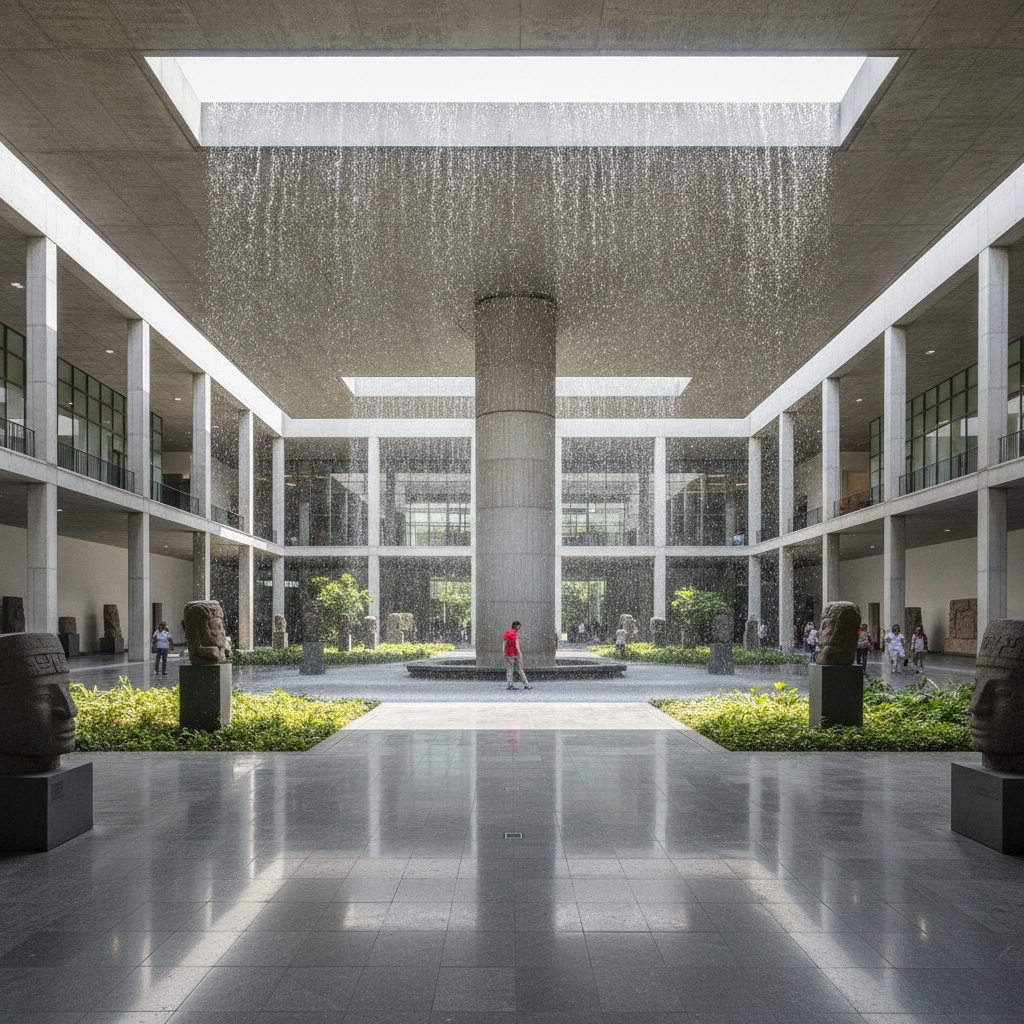
National Museum of Anthropology & Chapultepec Castle
The National Museum of Anthropology (Museo Nacional de Antropología, Paseo de la Reforma, Bosque de Chapultepec) — universally considered the greatest pre-Columbian art museum in the world — and Chapultepec Castle (the hill-top castle in the Bosque de Chapultepec, the 686-hectare forest park that is Mexico City's equivalent of Central Park) together form the cultural centrepiece of the Paseo de la Reforma, Mexico City's grand 19th-century ceremonial boulevard.
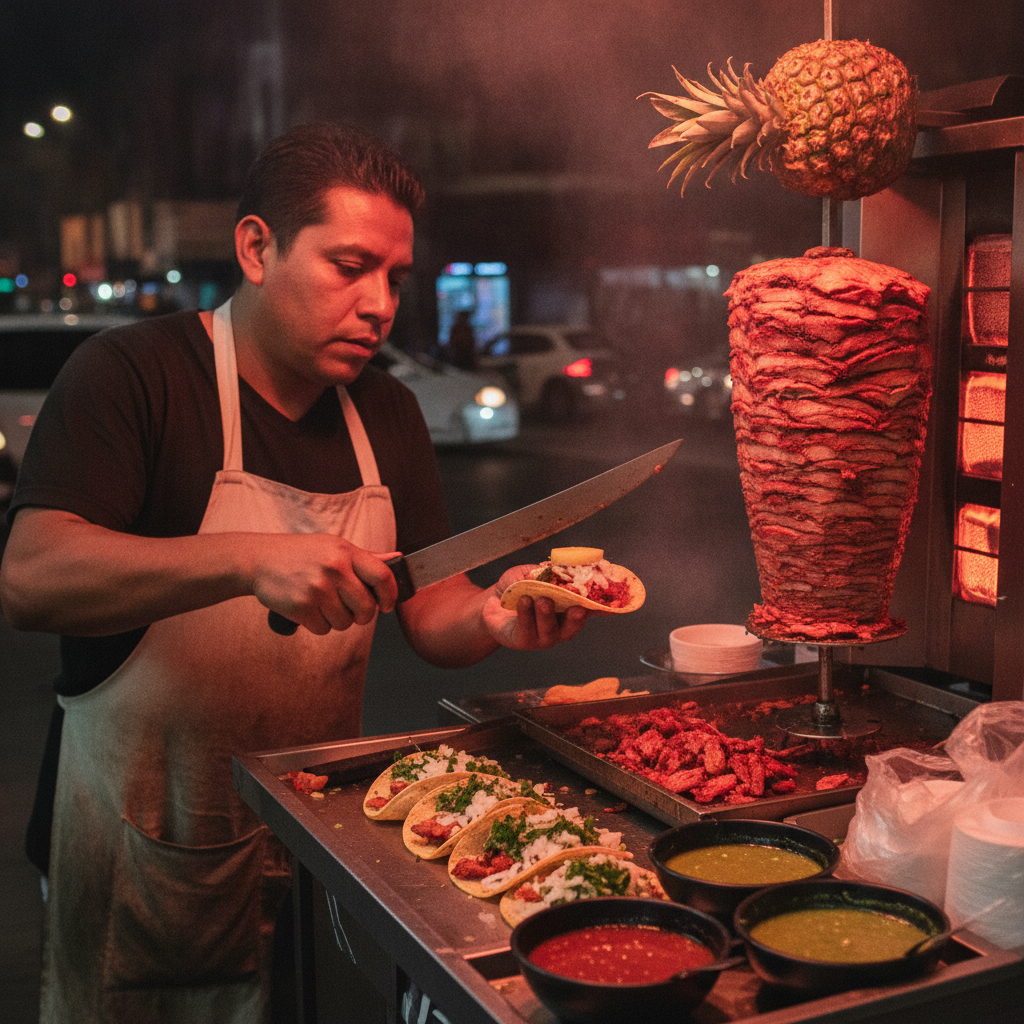
Mexican Food Culture — Tacos, Tamales, Mole & the Market Tradition
Mexican cuisine (listed by UNESCO as an Intangible Cultural Heritage of Humanity since 2010) is one of the world's great food traditions — a synthesis of indigenous Mesoamerican cooking techniques and ingredients (corn, chiles, tomatoes, chocolate, vanilla, avocado, squash) with Spanish colonial influences, producing a culinary tradition of extraordinary depth, regionalism, and complexity that goes far beyond the simplified Mexican-American versions known internationally.
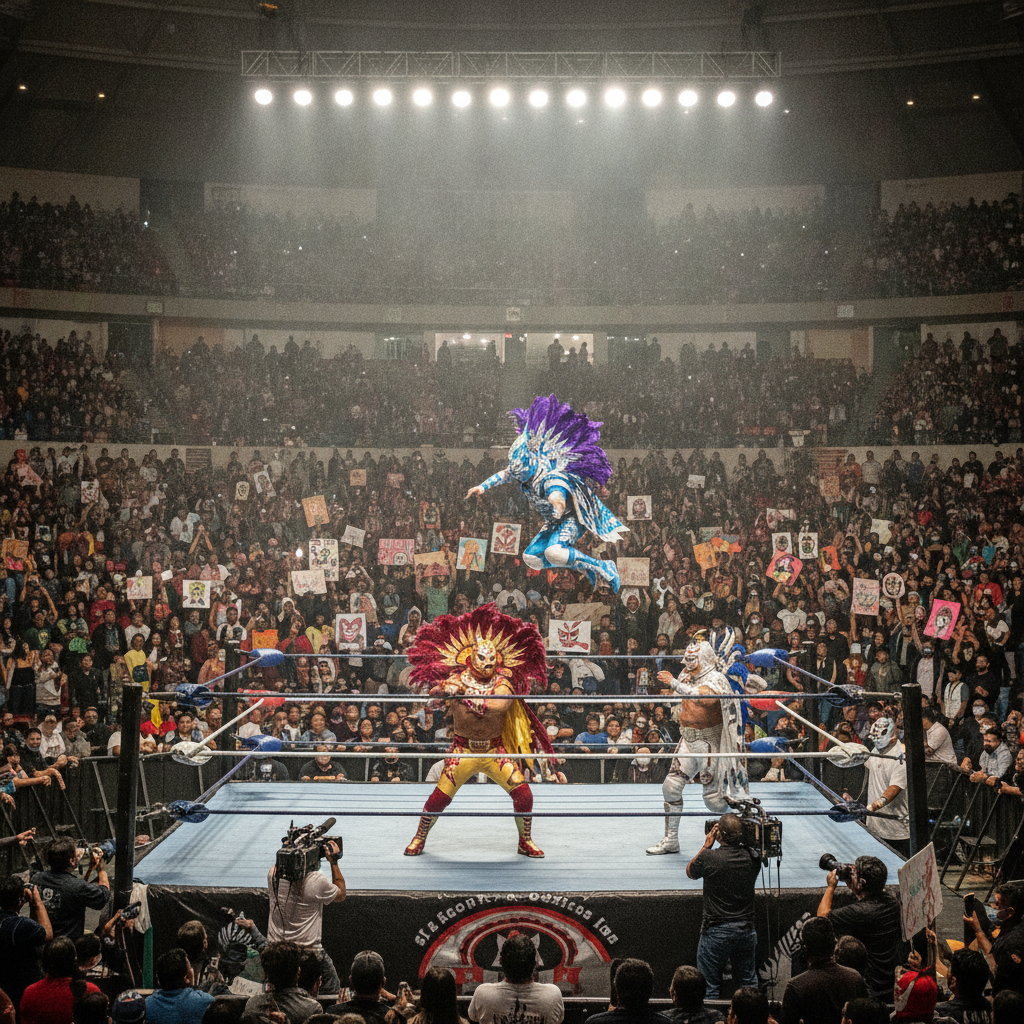
Lucha Libre — Arena México & the Art of Mexican Wrestling
Lucha libre (Mexican professional wrestling, literally 'free fighting') is one of the most distinctive and beloved popular cultural traditions of Mexico — a theatrical athletic spectacle combining acrobatic high-flying moves, dramatic masked personas (luchadores enmascarados), complex multi-generational storylines, and intense audience participation into a uniquely Mexican performance art form that has been a fixture of Mexican popular culture since the 1930s.
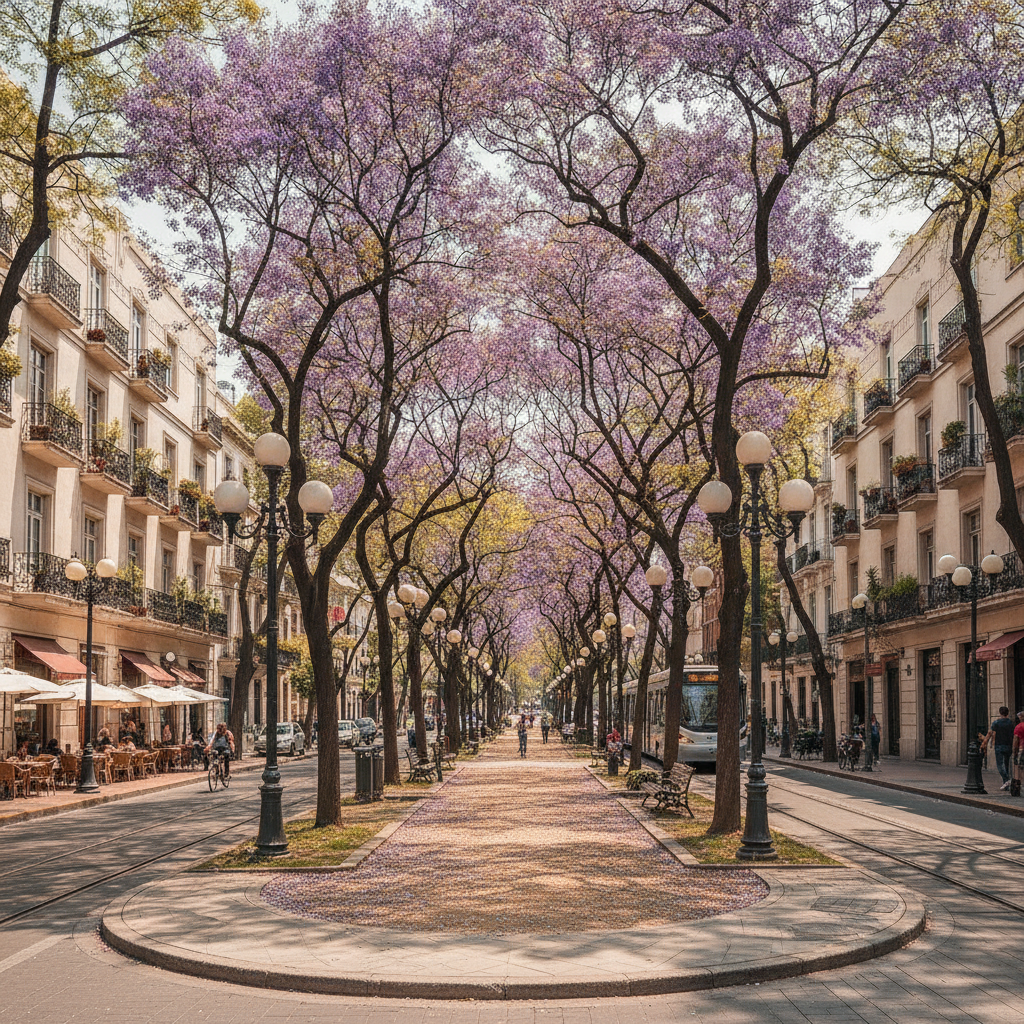
Polanco, Condesa & Roma — Contemporary Mexico City
The neighbourhoods of Polanco, Condesa, and Roma — the modern, cosmopolitan, and architecturally distinguished western and central neighbourhoods of Mexico City — collectively represent the face of contemporary urban Mexico: Polanco with its luxury hotels, international restaurants and high-end boutiques along Presidente Masaryk; Condesa with its Art Deco architecture, tree-lined oval park, and café culture; Roma with its restored Porfiriato-era mansions, independent galleries, and the highest concentration of mezcal bars and contemporary restaurants in the city.
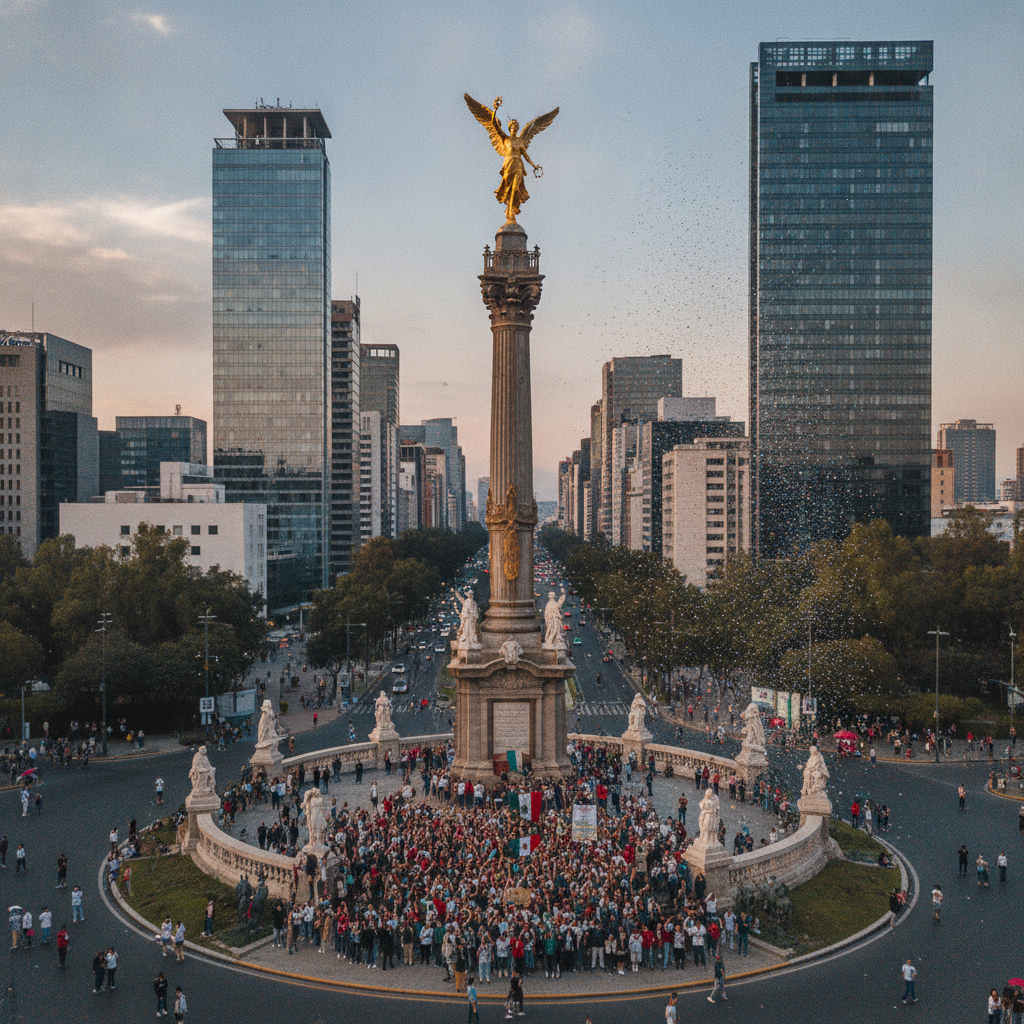
Paseo de la Reforma, Angel of Independence & Museo Soumaya
Paseo de la Reforma (the grand 12-lane ceremonial boulevard running diagonally from the historic centre northwest through Chapultepec to the western suburbs — designed by Emperor Maximilian I and modeled on the Haussmanian boulevards of Paris, lined with sculptures, embassies, luxury hotels, corporate headquarters, and cultural institutions) is the symbolic spine of Mexico City and the stage on which the city celebrates and mourns its greatest moments.
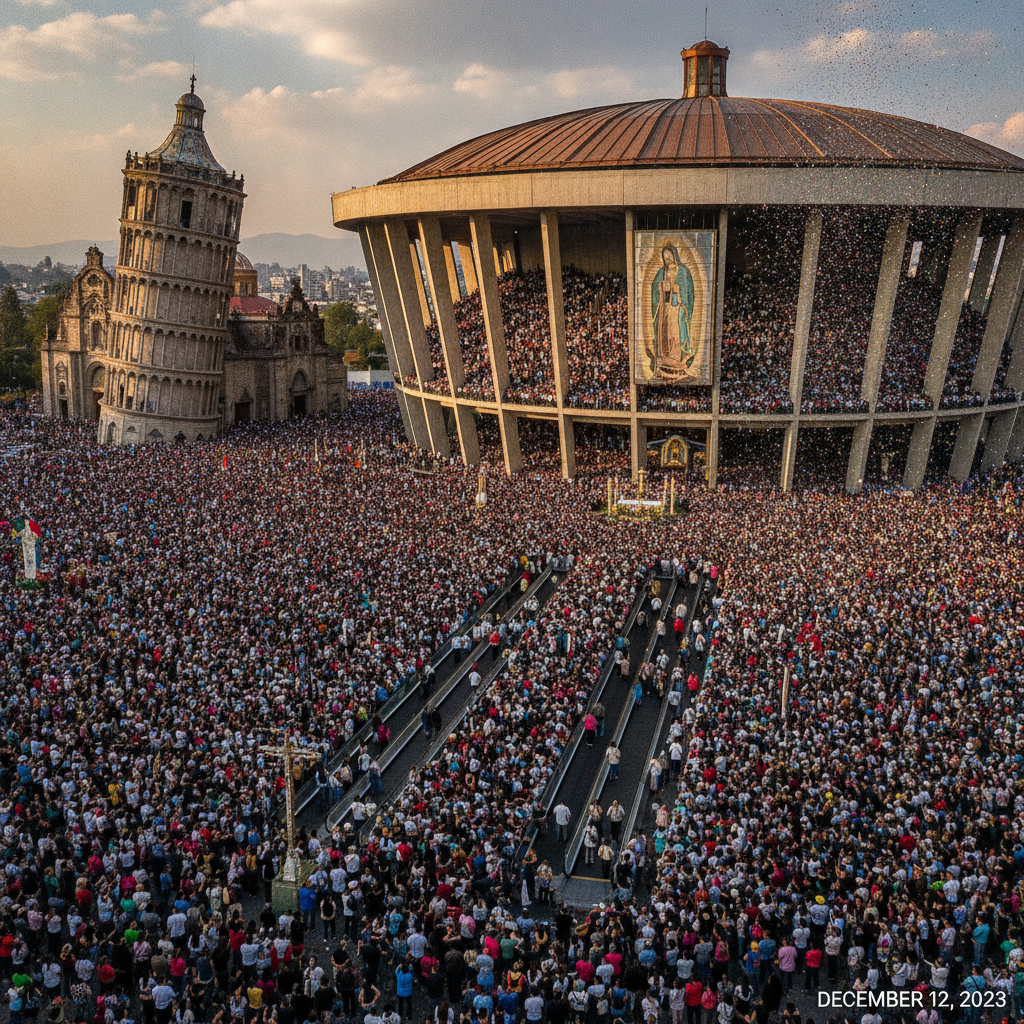
Basilica of Guadalupe, Tlatelolco & the Spiritual Heart of Mexico
The Basilica of Our Lady of Guadalupe (north of Mexico City's historic centre, on the Cerro del Tepeyac) is the most visited Catholic pilgrimage site in the world, receiving approximately 20 million pilgrims annually — more than Vatican City or Lourdes; the Virgin of Guadalupe (the apparition of the Virgin Mary reported to indigenous Mexican Juan Diego in December 1531, ten years after the Spanish Conquest) is the central symbol of Mexican national identity, transcending the religious to become the most powerful cultural symbol of Mexico.