Oslo
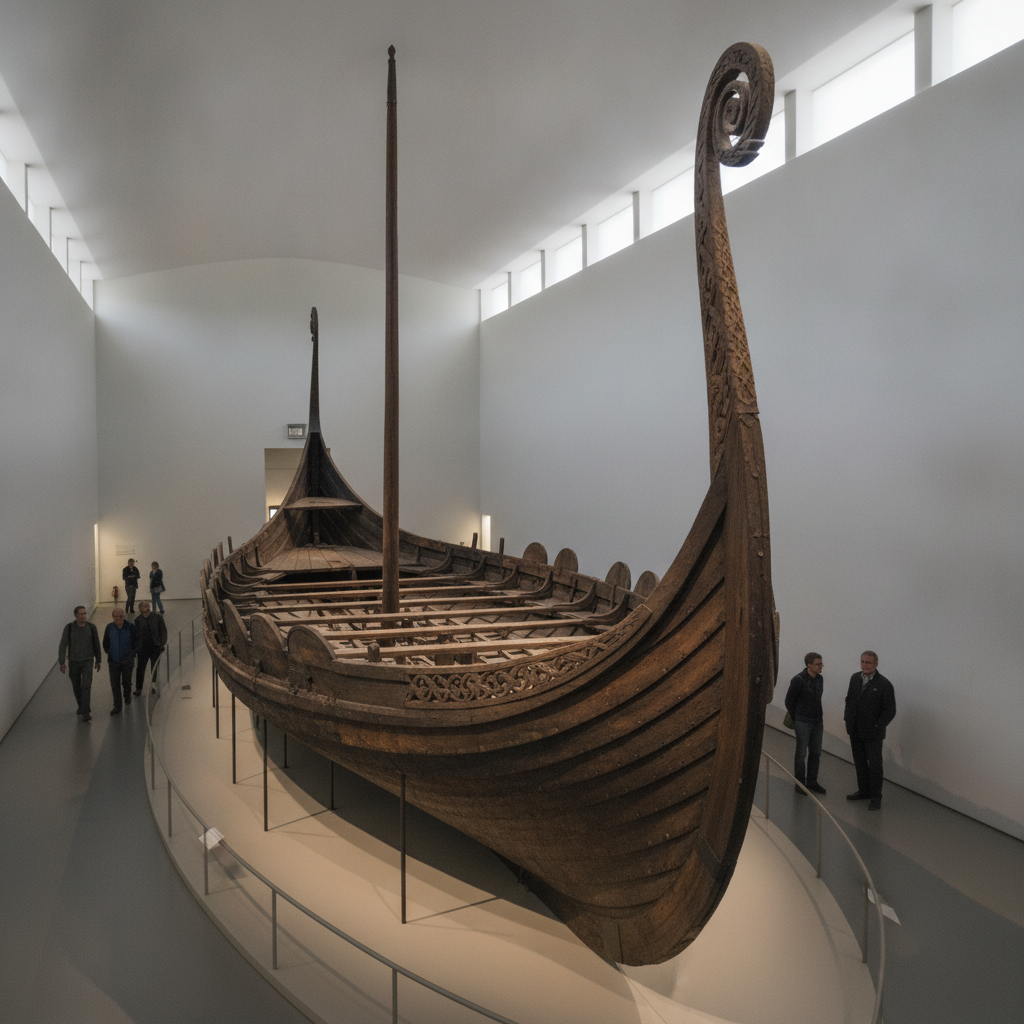
Viking Ship Museum, Kon-Tiki & Bygdøy — Norway's Maritime Heritage
The Bygdøy peninsula (the museum peninsula of Oslo, 15 minutes by ferry or bus from the city centre) concentrates Norway's most important historical collections: the Viking Ship Museum (the finest Viking Age artifacts in the world), the Kon-Tiki Museum (Thor Heyerdahl's balsa raft), the Fram Museum (Nansen and Amundsen's polar exploration ship), and the Norwegian Maritime Museum.
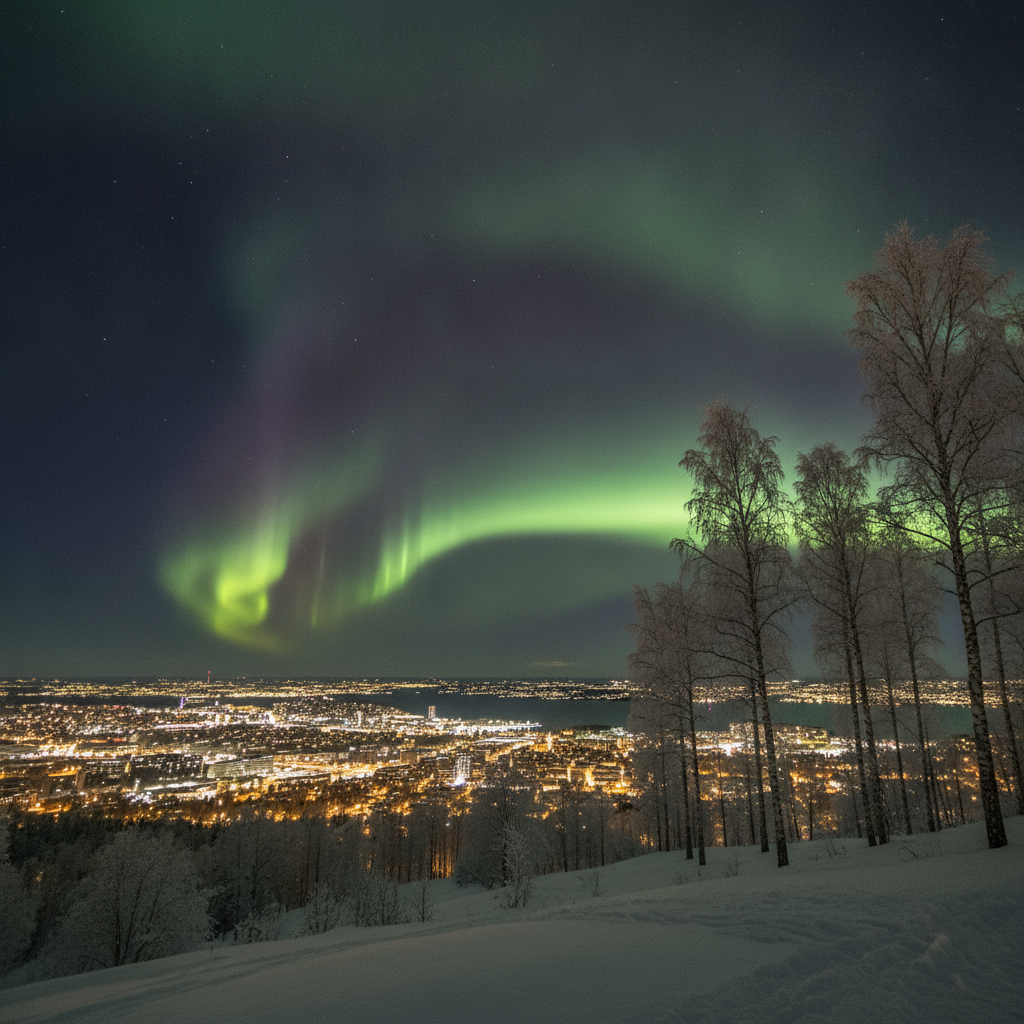
Northern Lights (Aurora Borealis) & Oslo in Winter
Oslo in winter (November-March): the Norwegian capital experiences approximately 6 hours of daylight in December, with the characteristic blue light of the Nordic winter afternoon, the forested hills of the Marka (the vast forest park surrounding Oslo on three sides, covering approximately 1,700 km²) covered in snow, the Oslofjord reflecting the winter sky; the Northern Lights (Aurora Borealis — the atmospheric light phenomenon caused by charged particles from the sun interacting with the Earth's magnetic field, visible at Oslo's latitude (59°N) on approximately 15-20 nights per year during periods of strong solar activity).
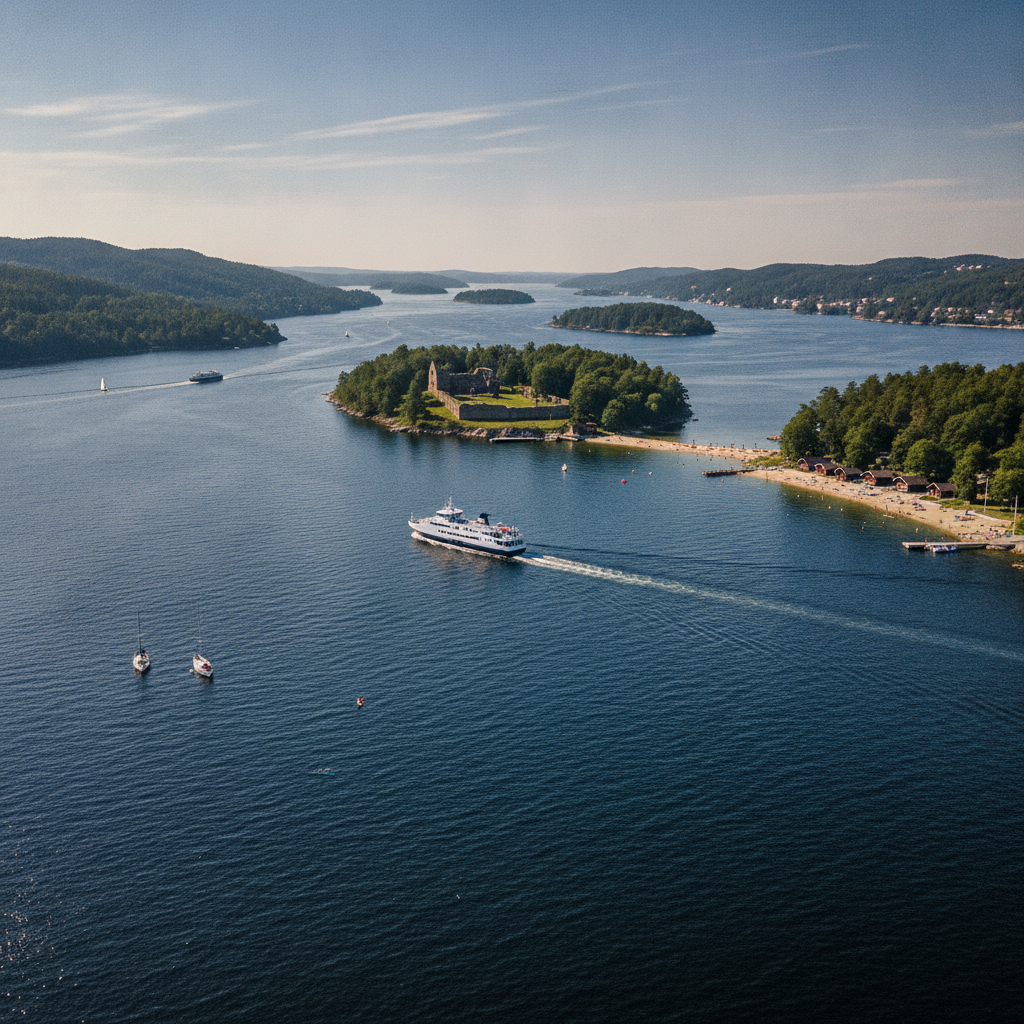
Oslofjord Cruise & the Fjord Islands
The Oslofjord (the 100-kilometre fjord extending south from Oslo to the Skagerrak strait between Norway and Denmark, with an average width of 2-3 km and numerous islands, islets, and beaches along its shores) is Oslo's primary natural playground and the defining feature of the city's geography: the fjord is visible from virtually every part of central Oslo, and the ferry connections to the fjord islands (Hovedøya, Gressholmen, Nakholmen, Bleikøya, and Langøyene) are among the most popular summer activities for Osloans.
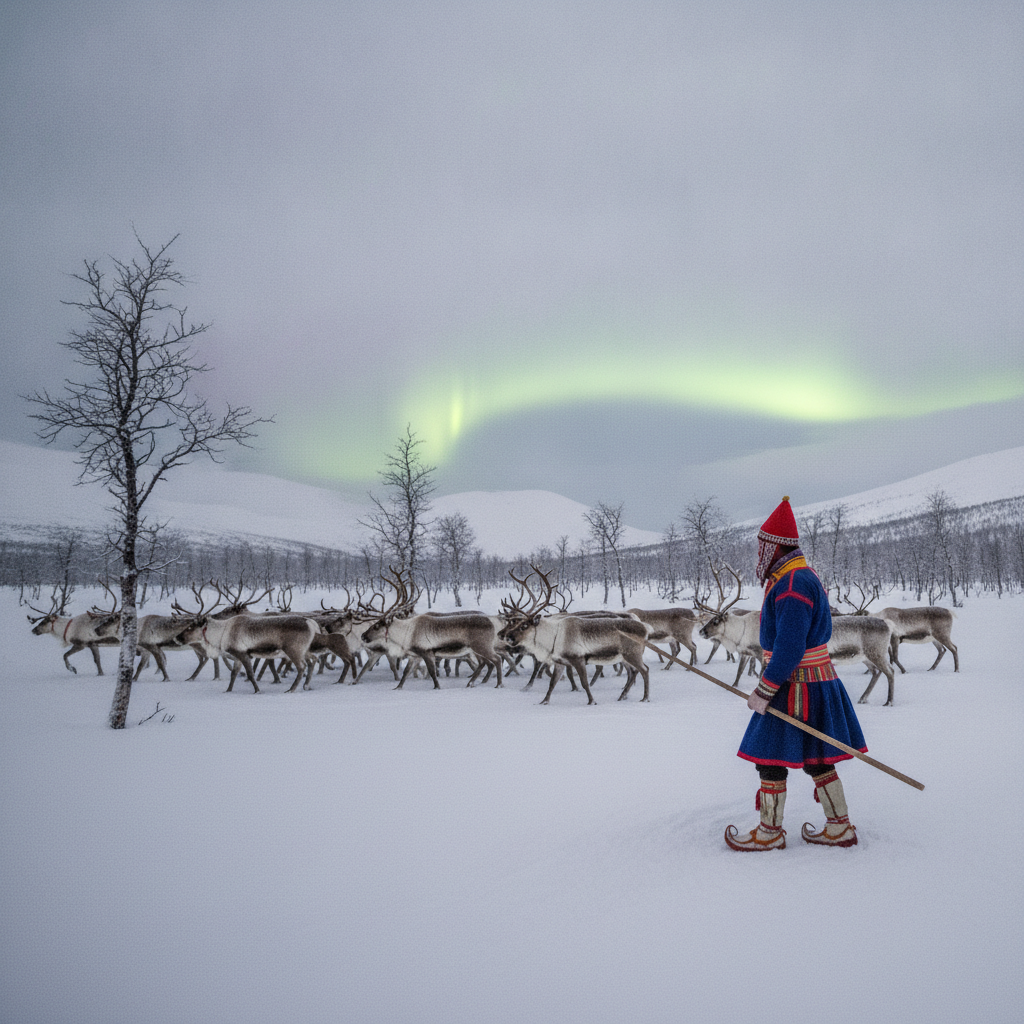
Sámi Culture, Reindeer & Norway's Arctic North
The Sámi people (the indigenous people of Sápmi — the traditional homeland spanning northern Norway (Finnmark), northern Sweden, northern Finland, and the Kola Peninsula of Russia) are Norway's only recognized indigenous people, with a distinct language (the Sámi languages are a group of Uralic languages unrelated to Norwegian), culture, and traditional livelihood (reindeer herding): the Oslo Sámi cultural presence (the Sámi Cultural Centre, the Sámi Parliament (Sametinget — meeting in Karasjok, Finnmark, but with offices in Oslo), and the Sámi exhibition at the Nordisk museet in Stockholm) provides an introduction to Arctic Norway and the Sámi world.
Norwegian Fjords — Bergen, Flåm & Day Trips from Oslo
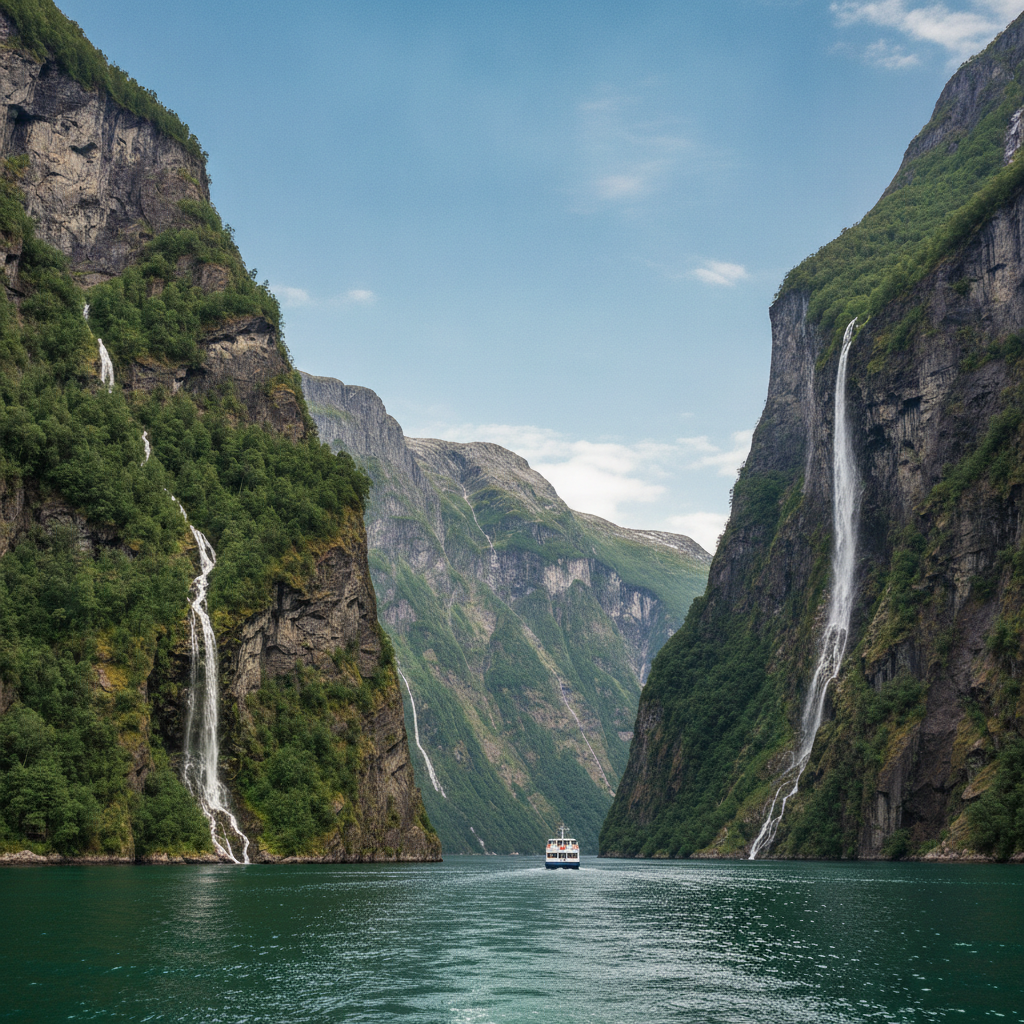
Norway's fjords (the deep glacially carved inlets that are Norway's defining landscape feature and one of the great natural wonders of the world) are accessible from Oslo as day trips or short overnight excursions: Bergen (the gateway city of the Western Fjords, 6-7 hours by train from Oslo on the Bergen Railway (Bergensbanen — the highest mainline railway in Northern Europe, crossing the Hardangervidda mountain plateau at 1,301 metres), or 1 hour by plane) and Flåm (in the Aurlandsfjord branch of the Sognefjord, 5 hours from Oslo by train) are the primary fjord excursion destinations.
Vigeland Park, the Munch Museum & Oslo's World-Class Art
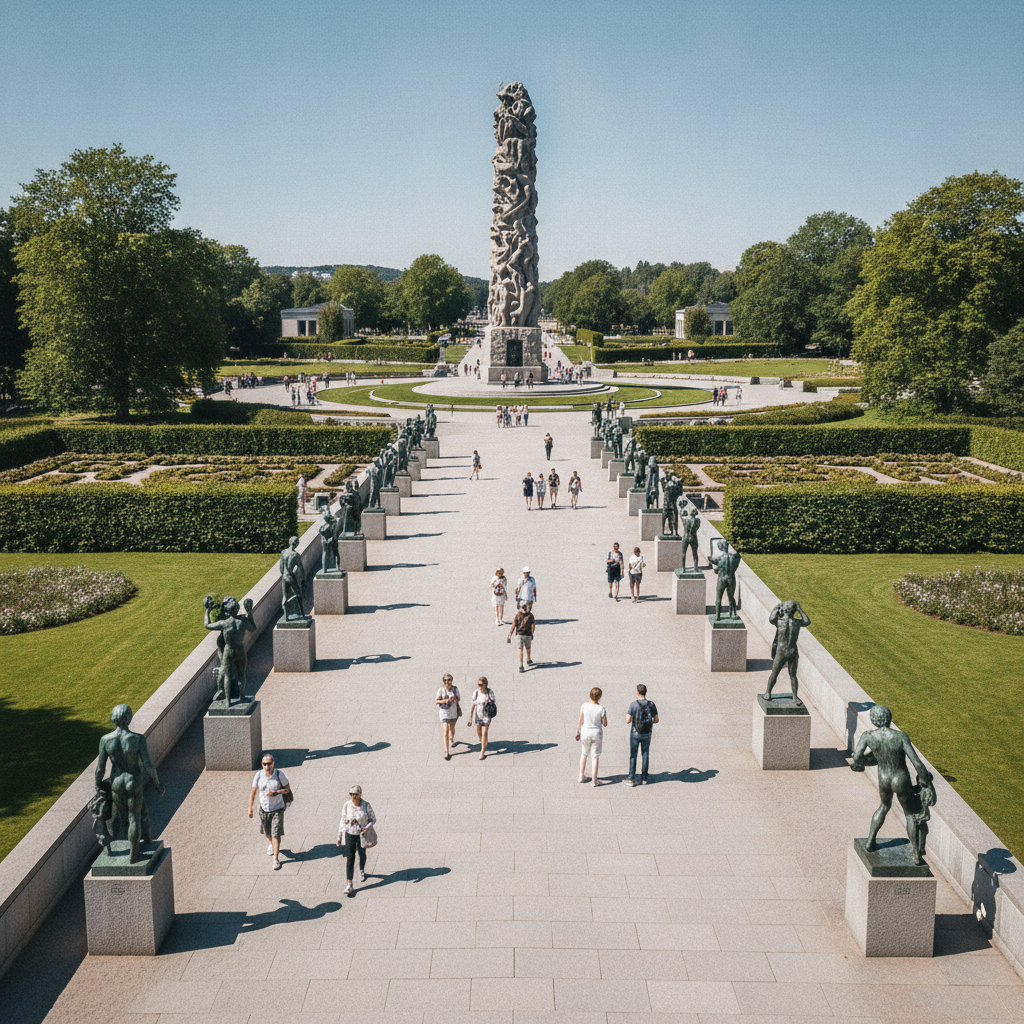
Oslo (the capital and largest city of Norway, population 700,000 in the city proper (1.1 million in the wider metropolitan area), situated at the head of the Oslofjord — one of the wealthiest cities in the world (Norway's sovereign wealth fund, the Government Pension Fund Global, at approximately $1.7 trillion is the largest in the world) and a city of extraordinary artistic richness, home to two of the most important individual artistic legacies in European history: the sculptor Gustav Vigeland and the painter Edvard Munch.
Norwegian Food — Smørbrød, Aquavit & New Oslo Cuisine
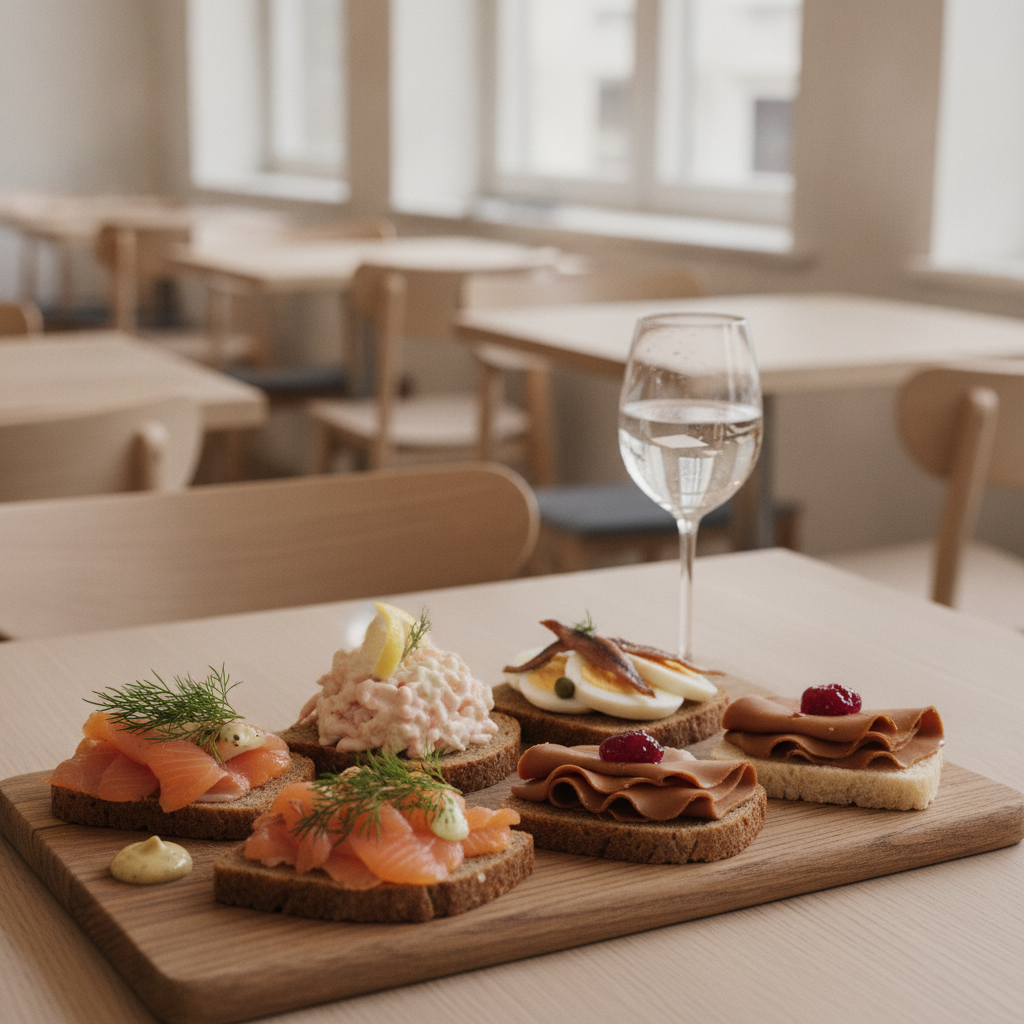
Norwegian food culture in Oslo ranges from the traditional (smørbrød — the Norwegian open-face sandwich, gravlaks (cured salmon), klippfisk (dried salt cod), and the Christmas foods (pinnekjøtt, lutefisk)) to the cutting edge of New Nordic cuisine: Oslo has more Michelin-starred restaurants per capita than any other Scandinavian city, with Maaemo (the only three-Michelin-star restaurant in Norway, opened 2010 by chef Esben Holmboe Bang) consistently ranked among the 50 best restaurants in the world.
Grünerløkka — Oslo's Hipster Quarter & Food Scene
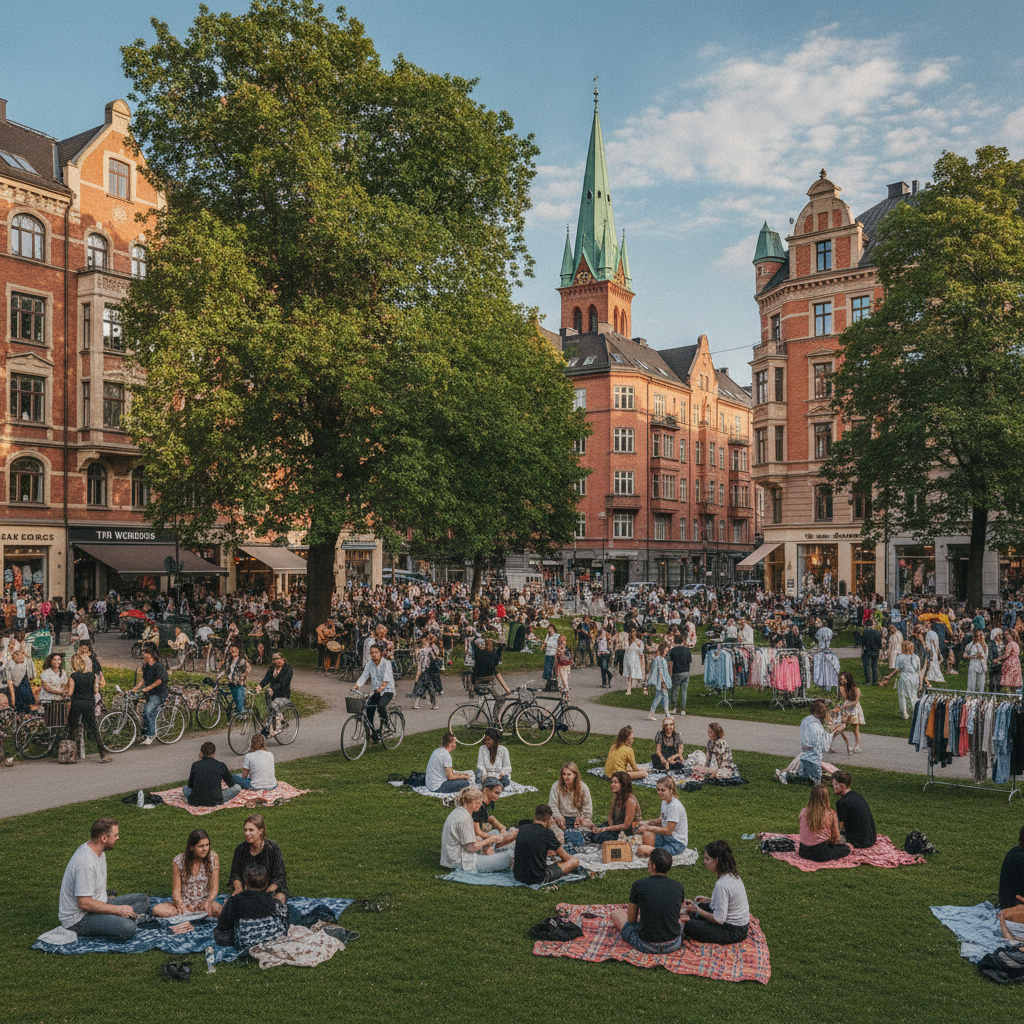
Grünerløkka (the neighbourhood on the east bank of the Akerselva river, north of the city centre — the most creative, alternative, and food-focused neighbourhood in Oslo): Grünerløkka was a working-class industrial district through the 19th and early 20th centuries (the Akerselva, the river running through the neighbourhood, powered numerous mills and factories), transformed from the 1980s-2000s into Oslo's primary creative, culinary, and nightlife district, with vintage shops, craft beer bars, coffee roasteries, and independent restaurants.
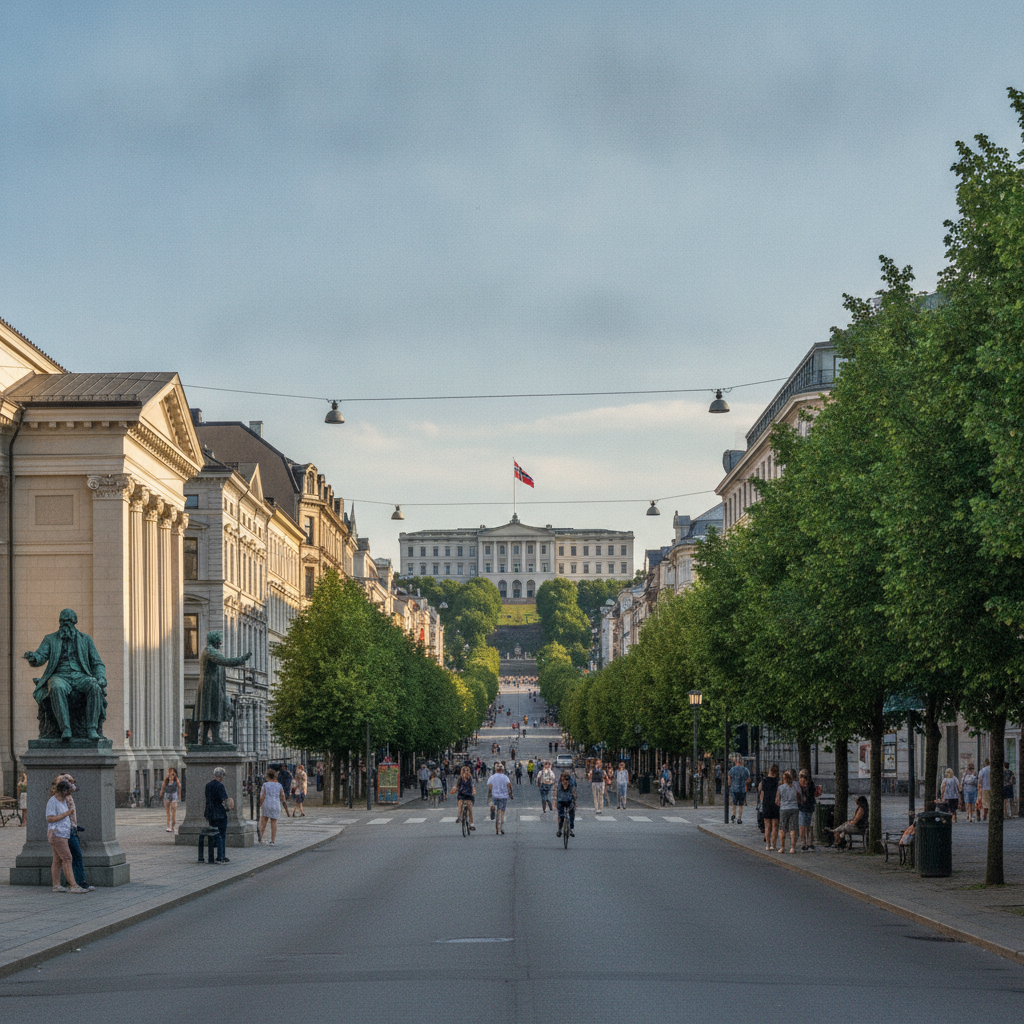
Henrik Ibsen, the Royal Palace & Oslo's Historic Centre
Oslo's historic centre (Karl Johans gate — the main street of Oslo, running 1.6 km from Oslo Central Station (Oslo S) west to the Royal Palace (Slottet), lined with the National Theatre, the Parliament (Stortinget), the University of Oslo, and the Cathedral): Oslo was established as the capital of Norway in 1814 (when Norway became independent from Denmark and established its constitution at Eidsvoll — the most important event in Norwegian history), and the historic centre was planned in the early 19th century in the Neoclassical style on the grid pattern of the new Norwegian capital.