Toronto
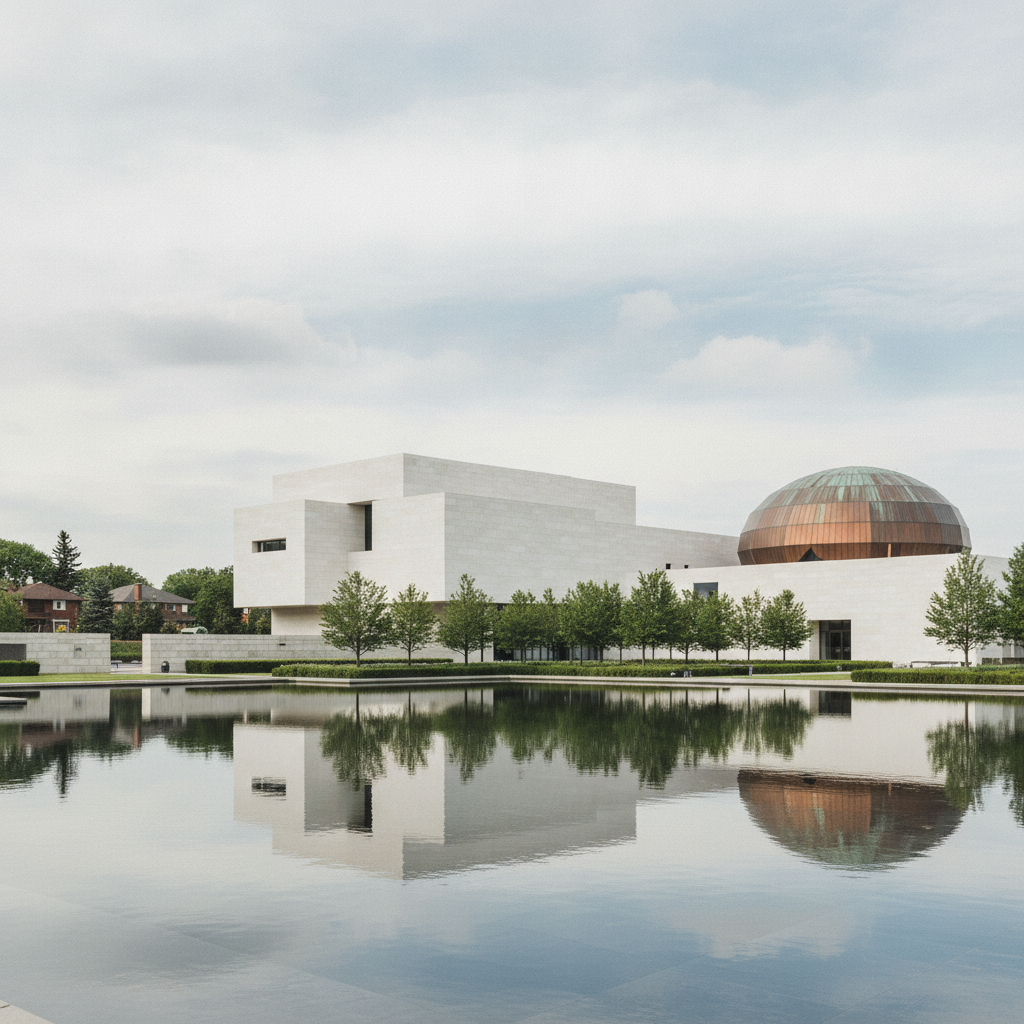
Aga Khan Museum, North York & Toronto's Suburban Diversity
Toronto is the most ethnically diverse large city in the world — approximately 50% of Toronto residents were born outside Canada (the highest proportion of any large city in the world), and the city is home to communities from over 200 countries speaking over 140 languages; the suburban areas of Toronto (North York, Scarborough, Etobicoke) house the majority of Toronto's immigrant communities and represent one of the most extraordinary experiments in multicultural urbanism in history.

Toronto's Food Scene — Poutine, Butter Tarts, Peameal Bacon & Global Kitchens
Toronto's food scene is defined above all by its extraordinary diversity — a direct reflection of the city's multicultural composition; no city in the world has a more complete representation of the world's cuisines in a single urban area, with authentic Vietnamese, Ethiopian, Sri Lankan, Trinidadian, Georgian, Peruvian, Sichuan, Lebanese, Iranian, and hundreds of other national and regional cuisines all available within the city limits, alongside distinctively Canadian food traditions including poutine, butter tarts, peameal bacon, and Nanaimo bars.
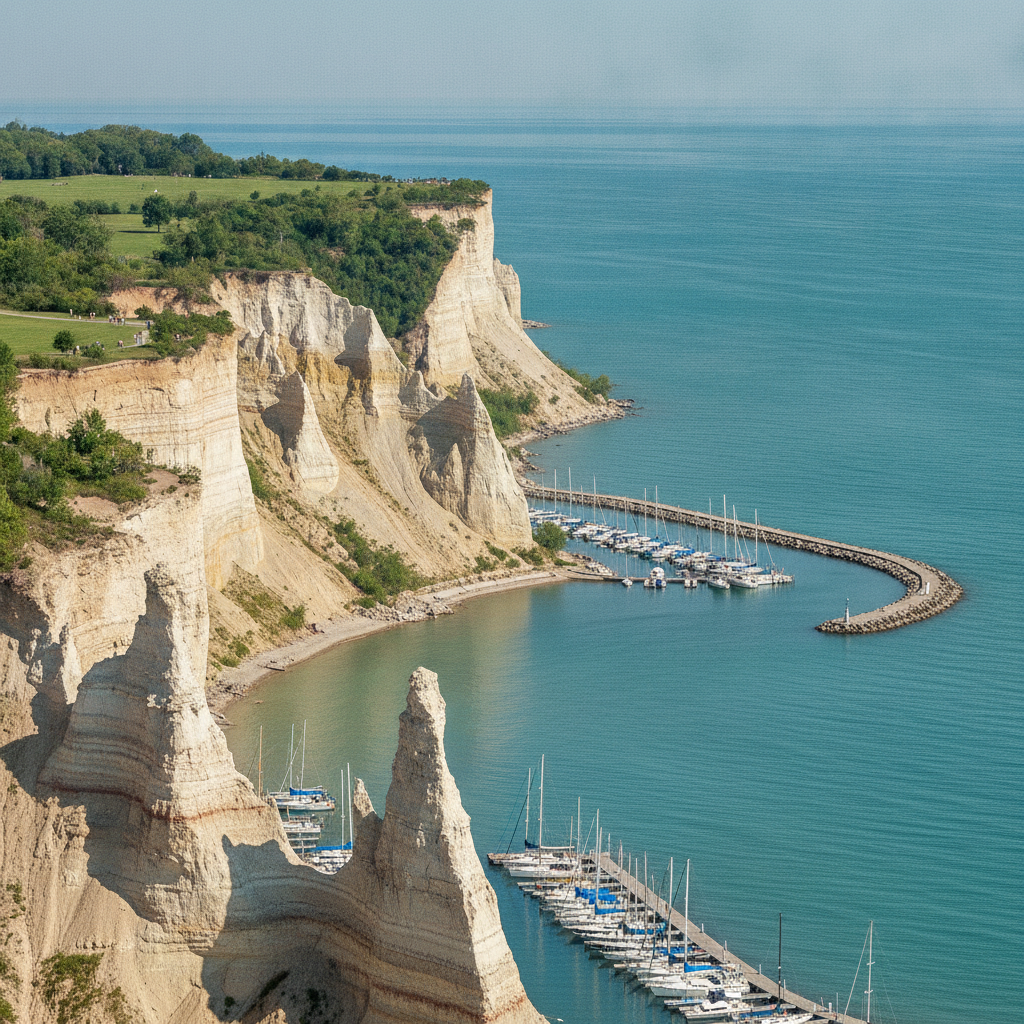
Scarborough Bluffs, The Beaches & Toronto's East End
The Scarborough Bluffs (the 15-kilometre stretch of dramatic clay and sand cliffs rising up to 90 metres above Lake Ontario along the eastern Toronto waterfront, from the foot of Brimley Road east to the Rouge River) is one of the most spectacular natural geological features within a major North American city, and The Beaches neighbourhood (the lakefront neighbourhood of Queen Street East between Woodbine Avenue and Victoria Park Avenue) is one of Toronto's most desirable and distinctive residential areas.
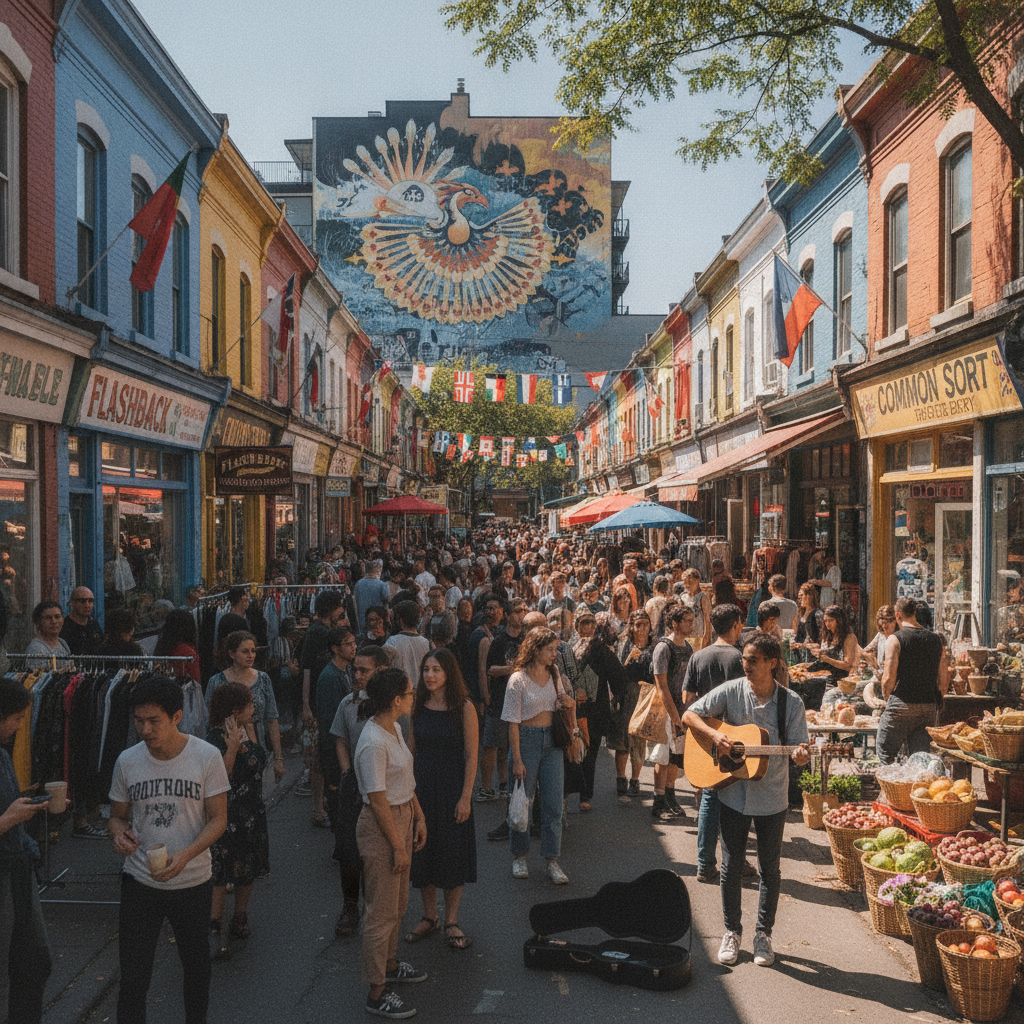
Kensington Market, Chinatown & the Distillery Historic District
Toronto's most distinctive neighbourhood experiences — Kensington Market's bohemian street life and multicultural food scene, the Chinatown on Spadina Avenue (one of the most vibrant in North America), and the Distillery Historic District (the finest collection of Victorian industrial architecture in North America, now an arts and culture destination) — offer the most concentrated taste of Toronto's defining characteristic: extraordinary cultural diversity.
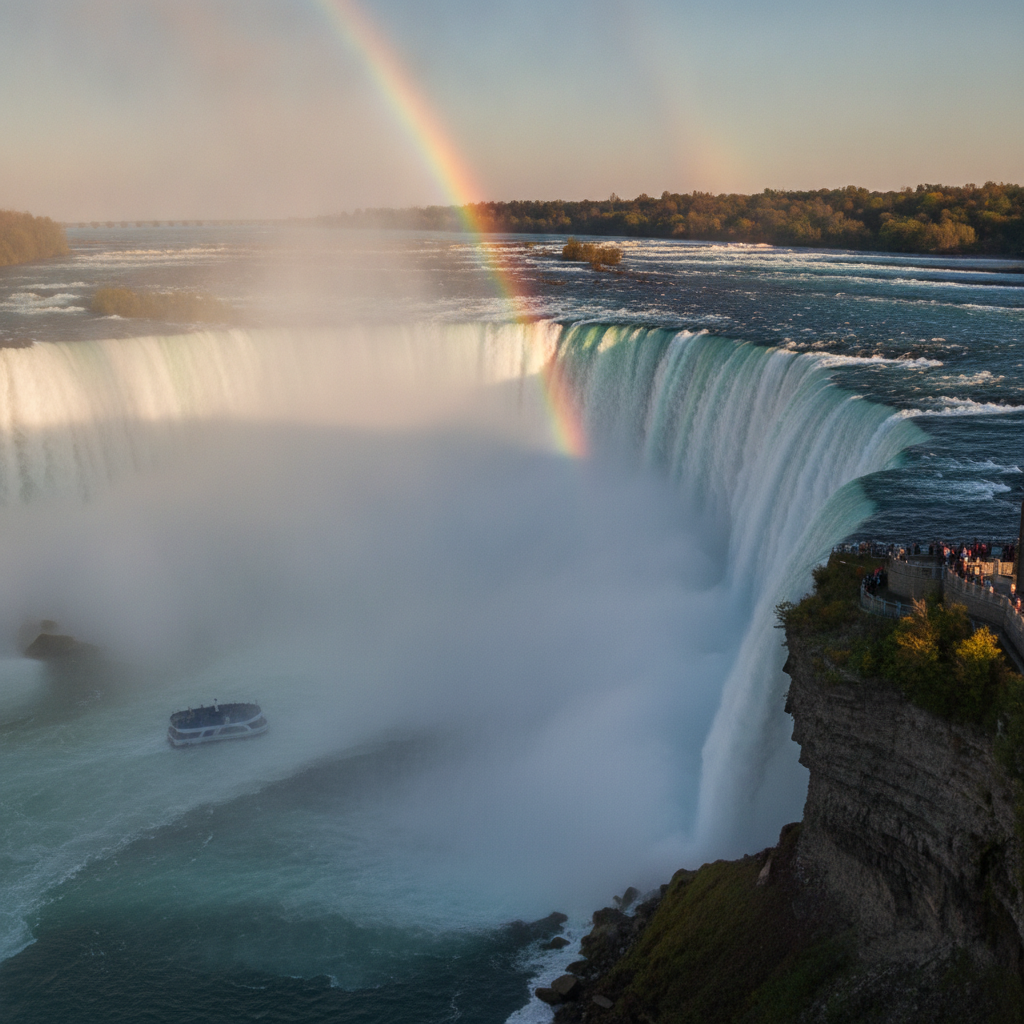
Niagara Falls Day Trip — Horseshoe Falls & the Maid of the Mist
Niagara Falls (130 kilometres south of Toronto, accessible by GO Bus, Megabus, or car in approximately 1.5 hours) is the most-visited natural attraction in Canada and one of the most famous waterfalls in the world — the Horseshoe Falls (the Canadian falls, 670 metres wide, 57 metres high, with a flow of approximately 2,400 cubic metres of water per second) is significantly larger and more dramatic than the American Falls across the international border.
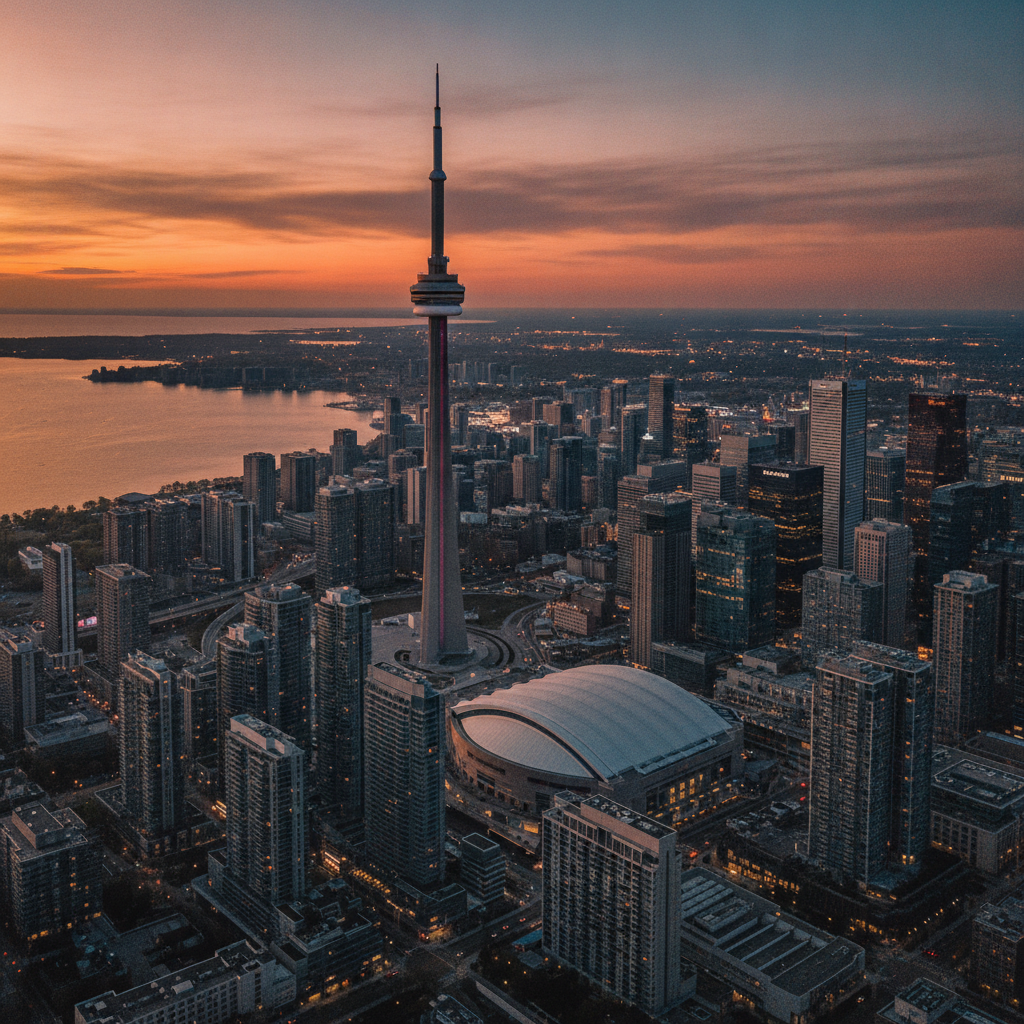
CN Tower, Harbourfront & Toronto's Downtown Waterfront
The CN Tower — the defining symbol of Toronto and for 34 years the tallest freestanding structure in the world — anchors a downtown waterfront corridor that combines the Harbourfront Centre's arts venues, the Ripley's Aquarium of Canada, and the glass towers of the Financial District into one of Canada's most visited urban destinations.
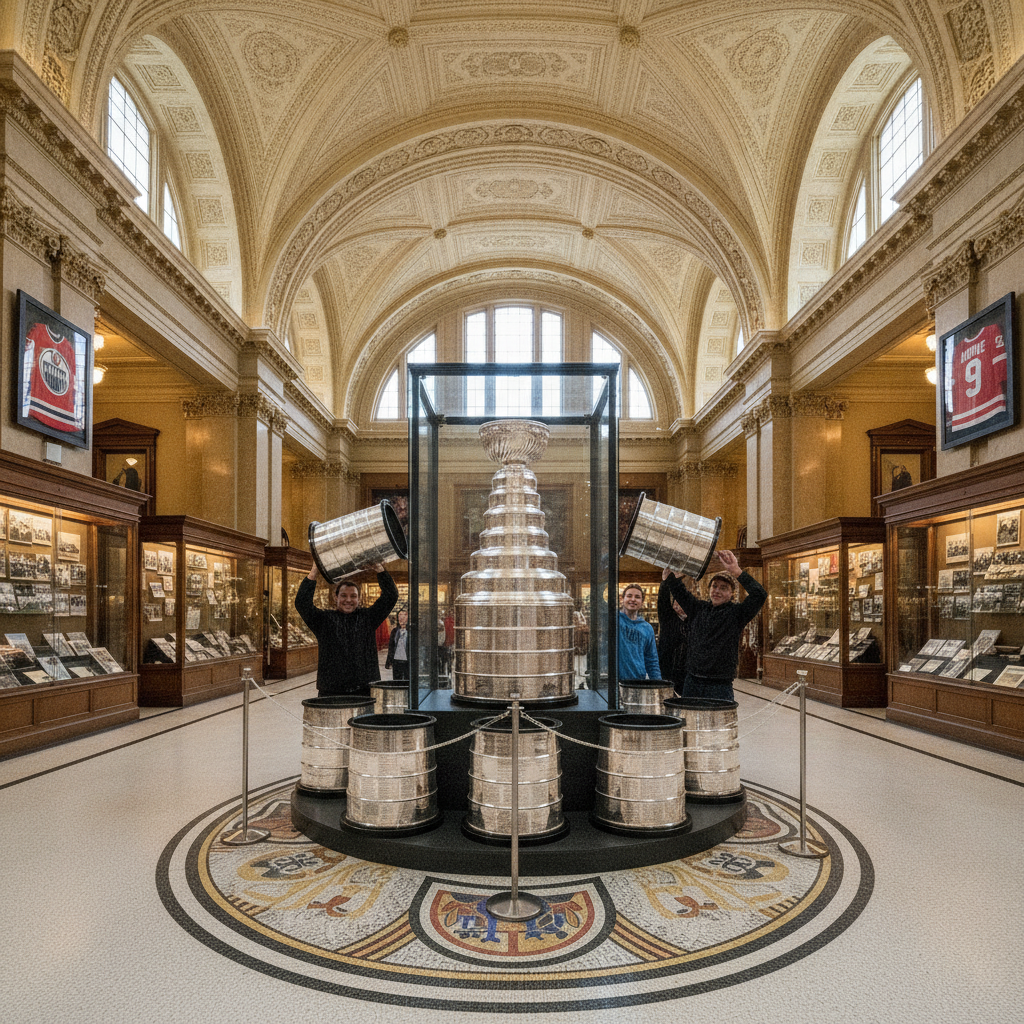
Hockey Hall of Fame, Maple Leafs & Canadian Sports Culture
Ice hockey is to Canada what football is to the United States or cricket to England — the defining national sport and the sport most deeply embedded in Canadian cultural identity; Toronto, as the largest city in Canada and home of the Toronto Maple Leafs (one of the Original Six NHL franchises, founded 1917), is the centre of Canadian hockey culture, and the Hockey Hall of Fame (in the historic Bank of Montreal building in the Financial District) is the sport's most sacred shrine.
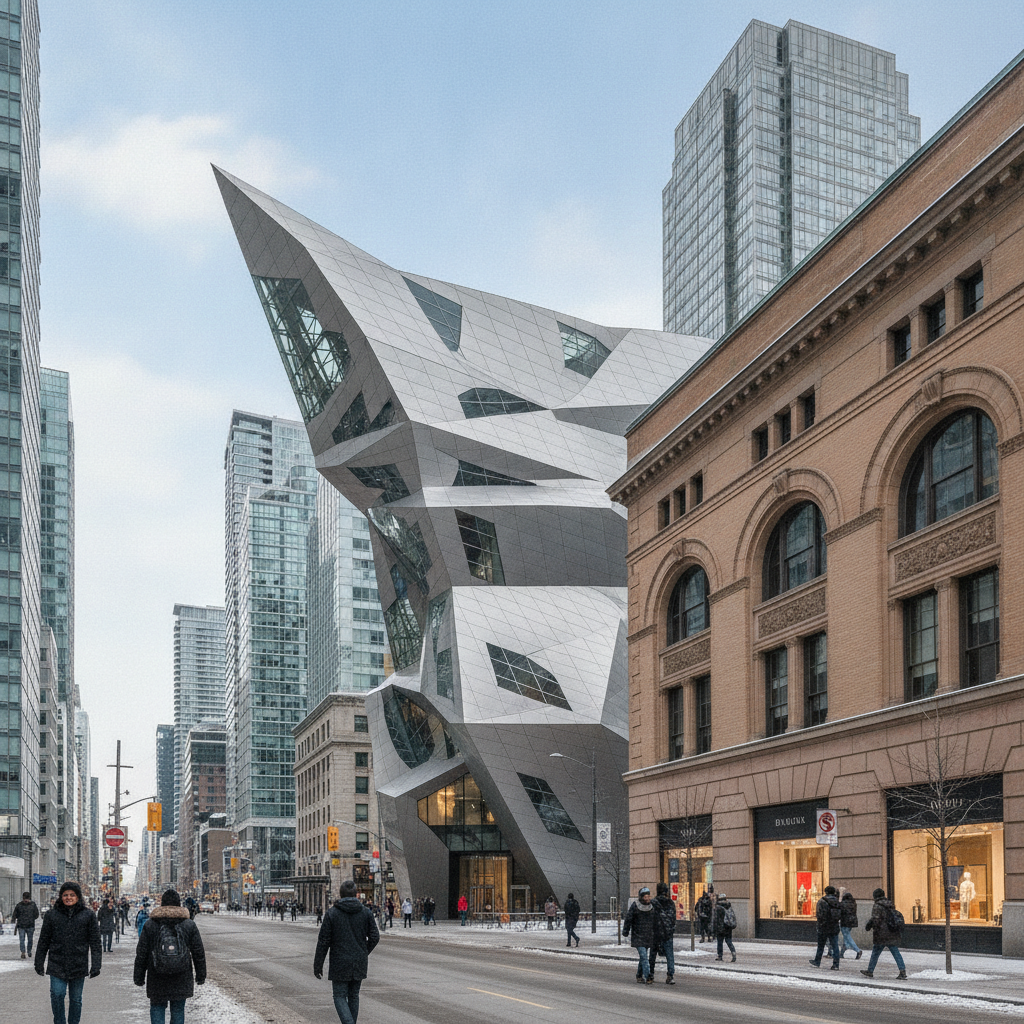
Royal Ontario Museum, University of Toronto & Bloor-Yorkville
The Bloor-Yorkville corridor — Toronto's most prestigious retail and cultural strip, running along Bloor Street West from the Royal Ontario Museum and the University of Toronto at its west end through the luxury boutiques of Yorkville to the eastern edge of the Annex neighbourhood — combines world-class museum collections, one of Canada's great universities, and the most concentrated luxury retail in Canada.
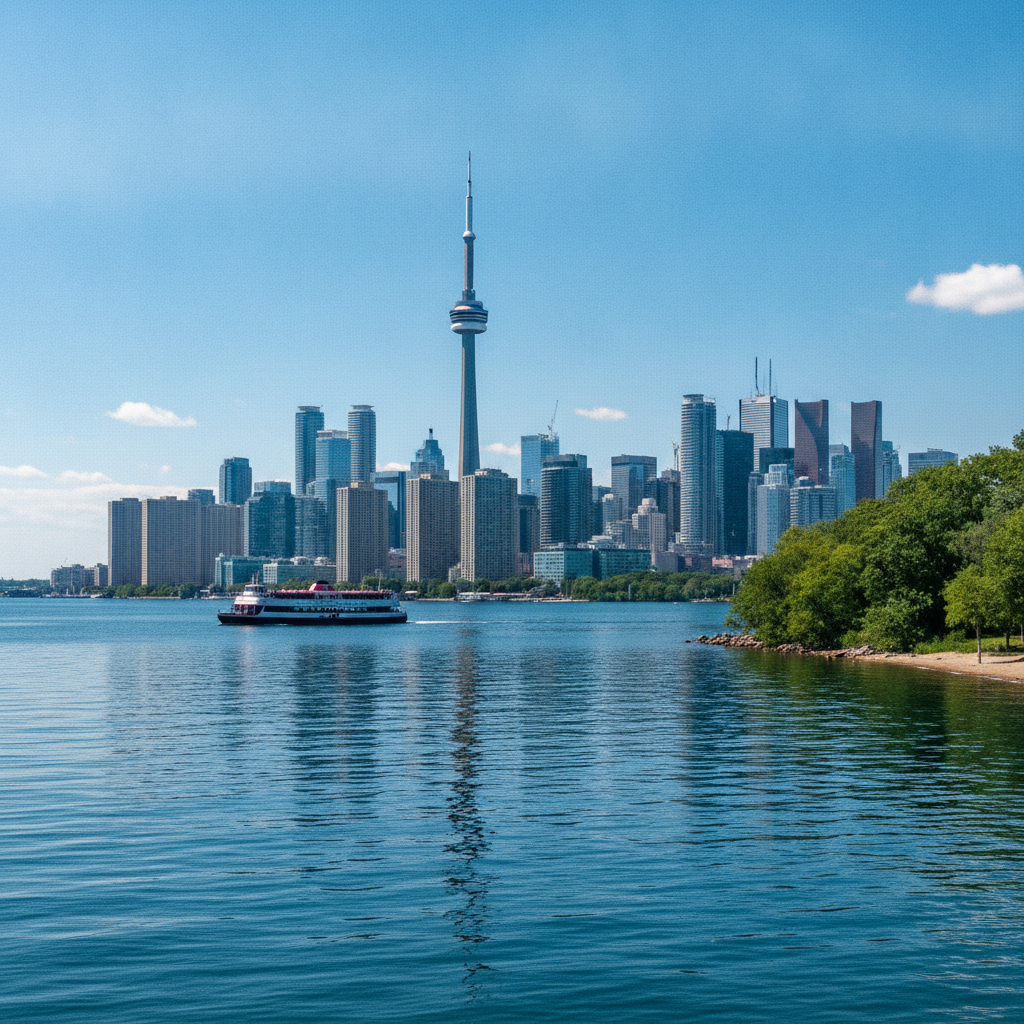
Toronto Islands — The City's Backyard Archipelago on Lake Ontario
The Toronto Islands (the archipelago of 15 small interconnected islands and peninsulas 800 metres off the downtown Toronto waterfront, accessible by ferry from the Jack Layton Ferry Terminal in approximately 10 minutes) are the closest green space to the downtown core and provide the best views of the Toronto skyline from across the water — the view of the CN Tower and the downtown skyline from Centre Island or Hanlan's Point is the most iconic view of Toronto.