Valencia
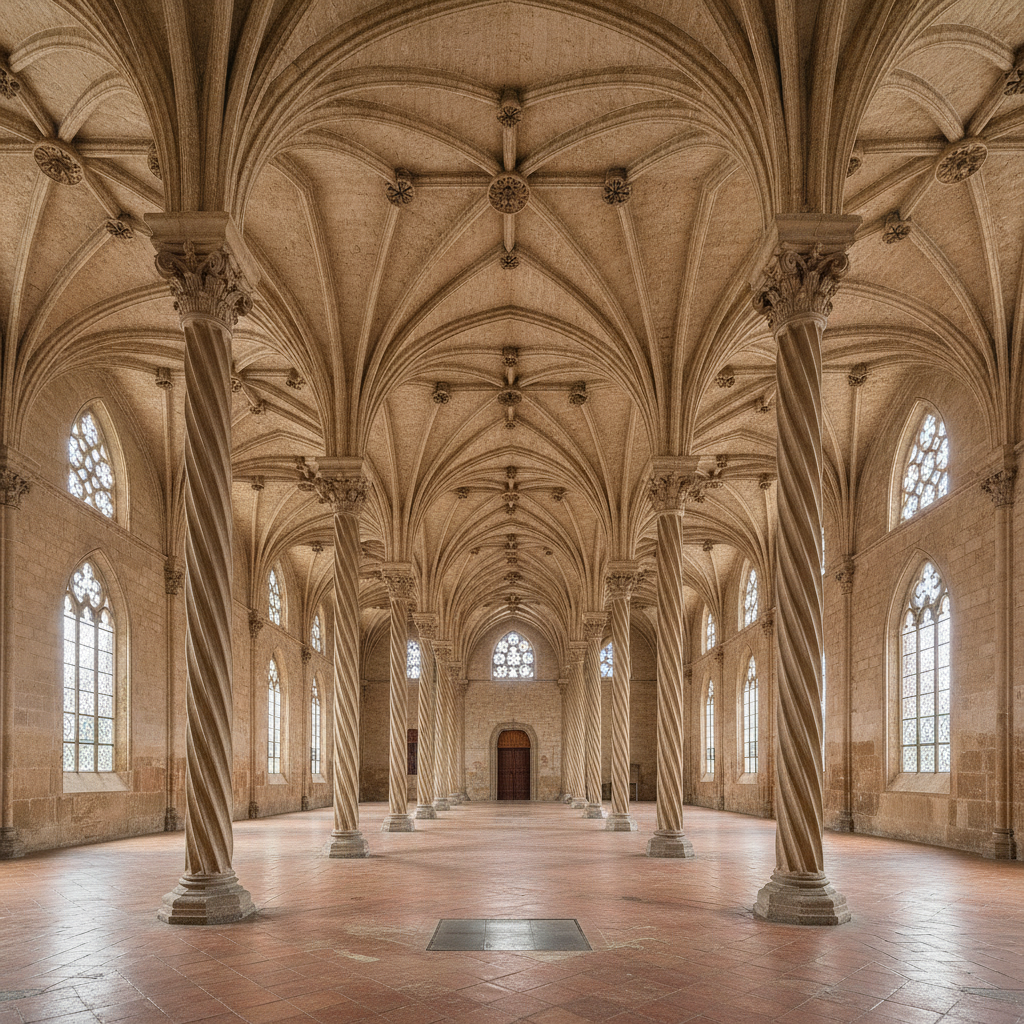
Valencia Old Town, Carmen Quarter & Gothic Heritage
Valencia's historic centre — the 'Barrio del Carmen' (the oldest and most bohemian neighbourhood of Valencia, the warren of narrow streets between the two surviving sections of the medieval city walls), the Llotja de la Seda (the UNESCO World Heritage Site Gothic silk exchange, the finest civic Gothic building in Spain), the Valencia Cathedral (containing the 'Santo Cáliz' — the Valencian Holy Grail), and the Torres de Serranos (the spectacular 14th-century Gothic city gate) — together form the compact and extraordinarily rich medieval city centre of one of the great medieval kingdoms of Spain.
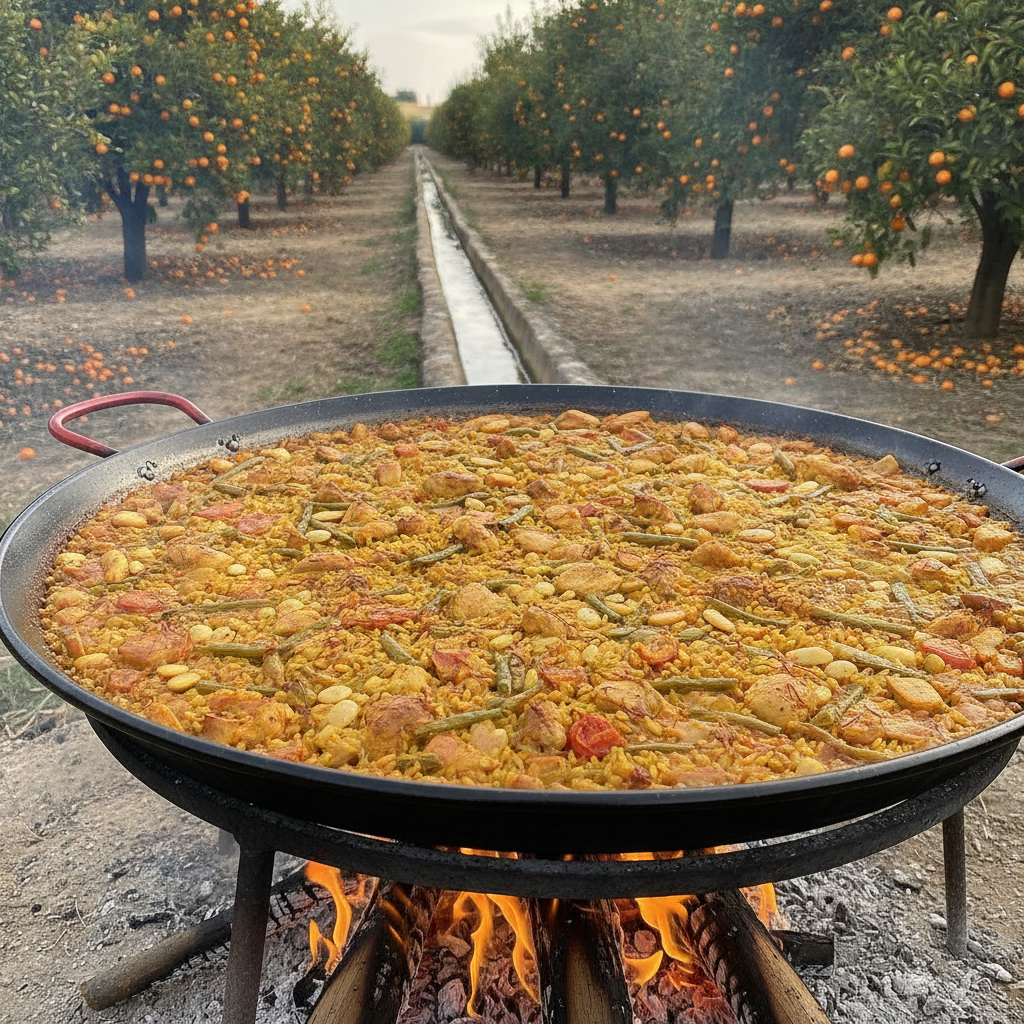
Paella, Mercado Central & Valencia's Gastronomic Soul
Valencia is the birthplace of paella (the rice dish that is the most internationally famous dish of Spanish cuisine — the dish that originated in the Valencian countryside ('la Horta') in the 19th century and that is the defining culinary expression of the Valencian identity) and the home of the Mercado Central de Valencia (the largest covered food market in Europe — the 1928 Art Nouveau market hall that is the gastronomic heart of the city).
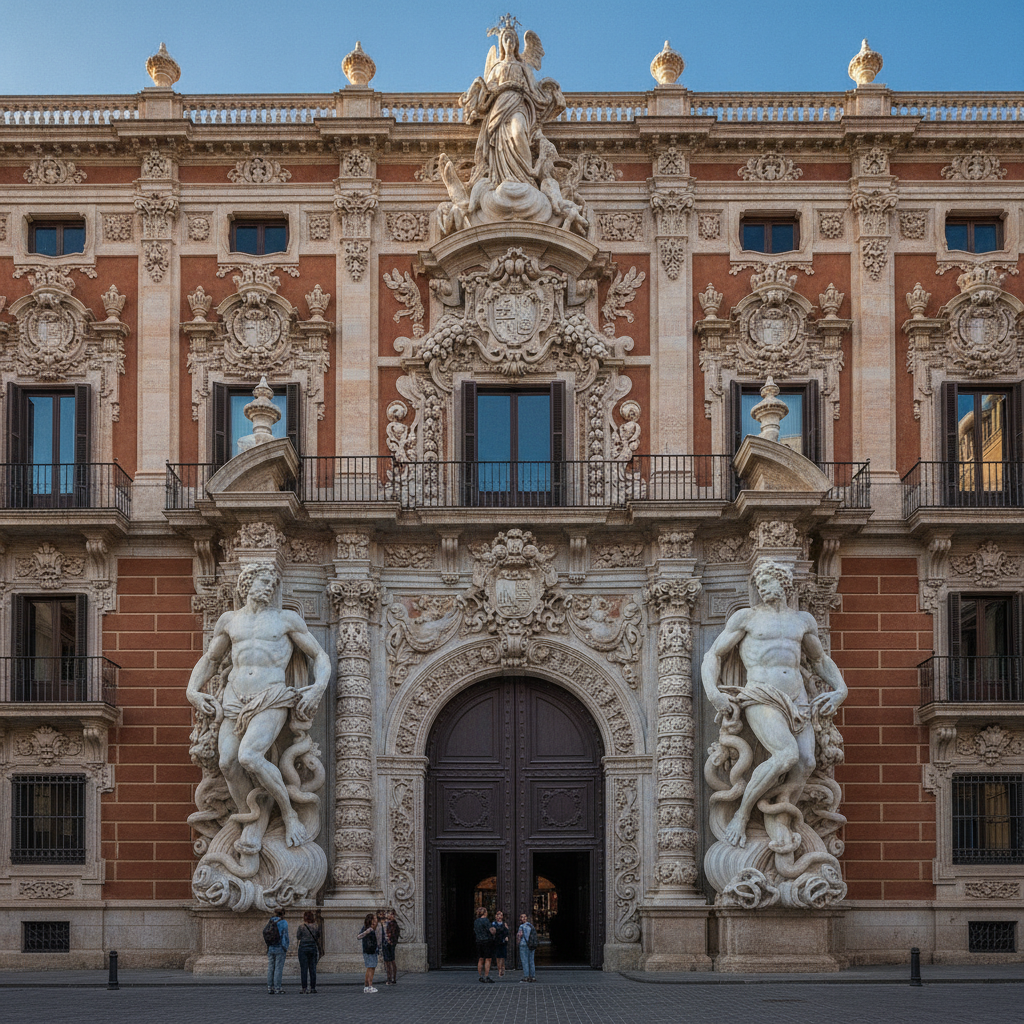
National Ceramics Museum, Valencian Tiles & Craft Heritage
The Museo Nacional de Cerámica y Artes Suntuarias González Martí (the National Museum of Ceramics in the Palacio del Marqués de Dos Aguas — the 18th-century palace with the most extraordinarily ornate Baroque alabaster entrance portal in Spain) is the pre-eminent museum of Spanish ceramics, housing the finest collection of Valencian ceramic tiles ('azulejos'), the historic pottery of Manises and Paterna, and the collection that traces the 2,000-year history of ceramics in the Iberian Peninsula.
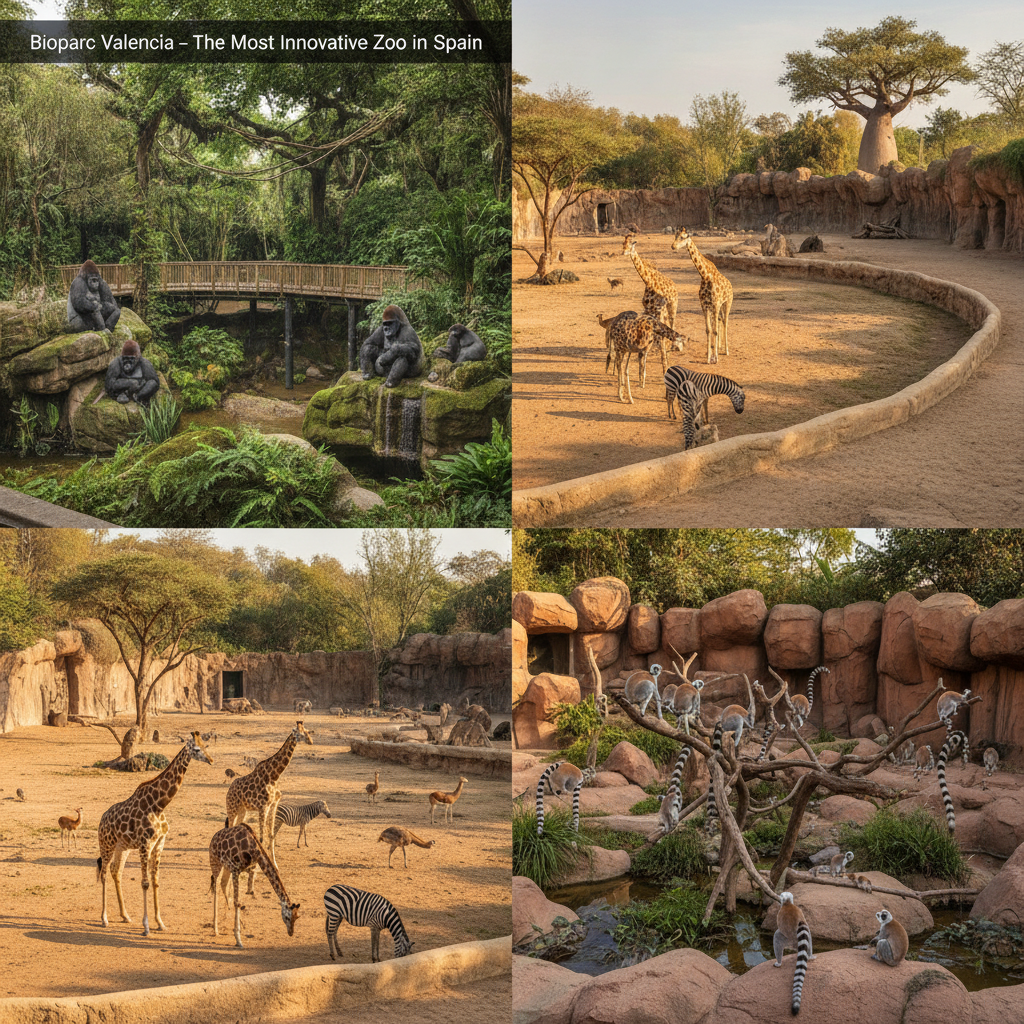
Bioparc Valencia, Cabecera Park & the Modern City
The Bioparc Valencia (the innovative zoo in the western end of the Jardí del Túria — the zoo that uses the 'zoo-immersive' concept where the traditional cages and barriers between the visitor and the animal are replaced by naturalistic habitat recreations without visible barriers, creating the illusion of free coexistence between the visitor and the animals) and the Parc de Capçalera (the park at the western head of the Jardí del Túria, with the lake and the gardens that mark the beginning of the former Turia riverbed park) together anchor the western end of Valencia's extraordinary linear park.
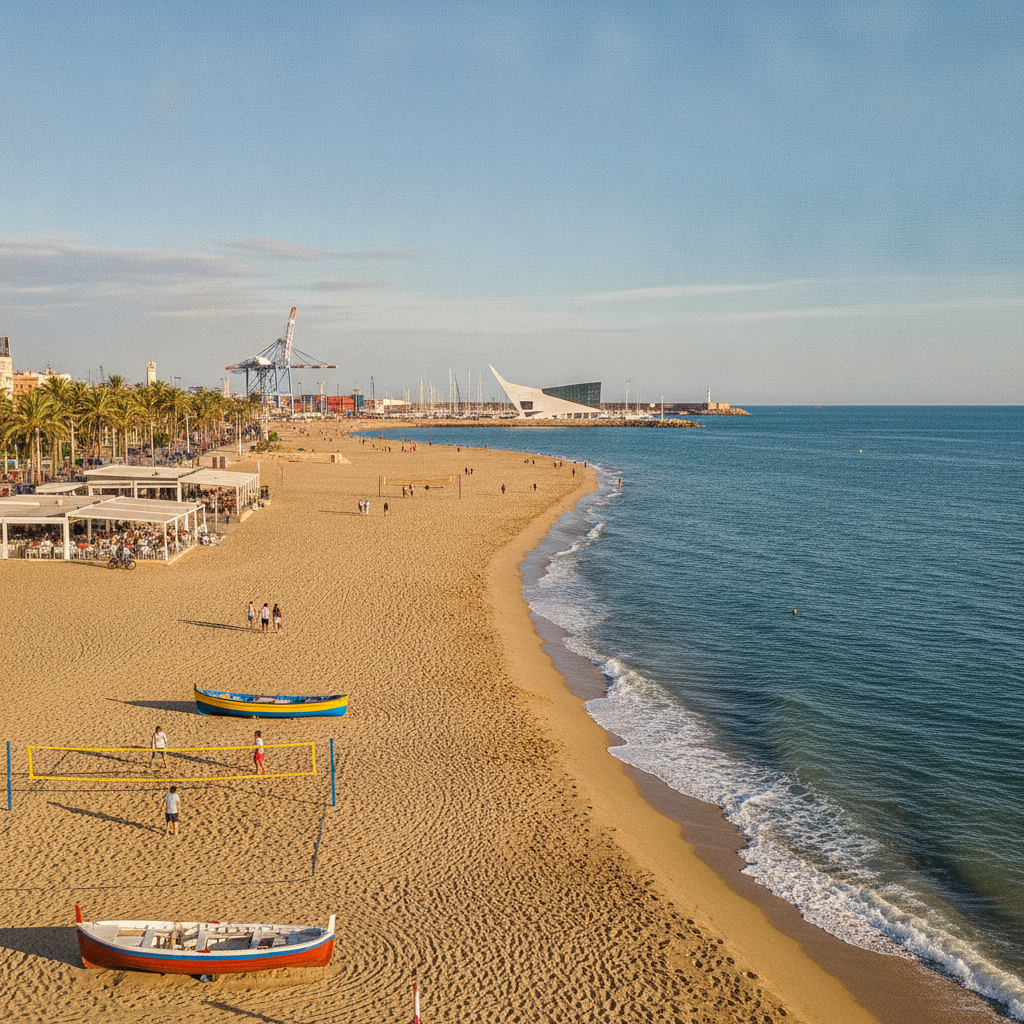
Malvarrosa Beach, Mediterranean Coast & Valencia's Seaside Life
Valencia is the only major city in Spain with an urban beach within walking or short cycling distance of the historic centre — the Playa de la Malvarrosa (the main beach of Valencia, 4 km from the old town) and the adjacent Playa de las Arenas together form the 5 km stretch of Valencia urban beach that is the most accessible Mediterranean beach of any major Spanish city, the beach where the Valencians spend the summer and where the famous beachfront paella restaurants serve the rice dishes of the Valencia coast tradition.
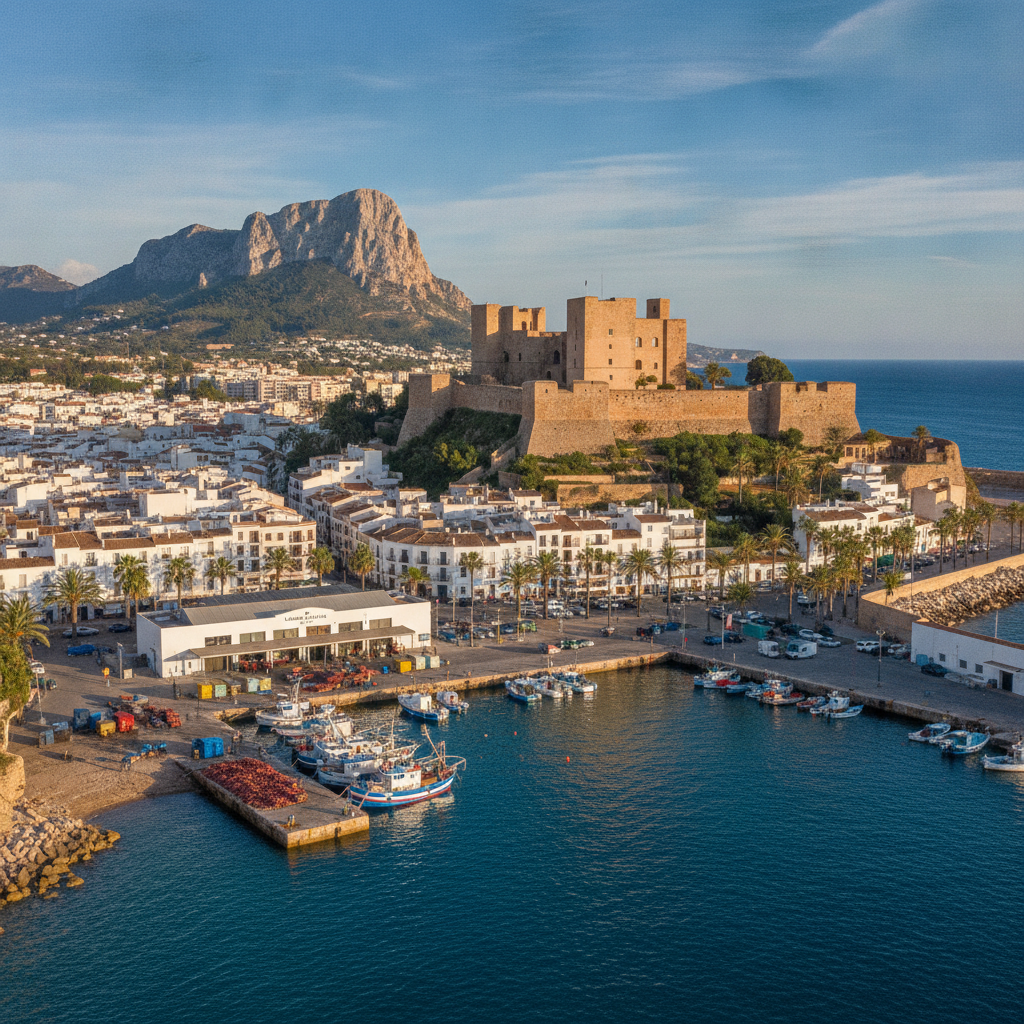
Costa Blanca Day Trip — Dénia, Altea & Alicante
The Costa Blanca ('White Coast' — the Mediterranean coastline of the Alicante province, 100-200 km south of Valencia) offers the most accessible day trip destinations from Valencia: Dénia (the castle town 100 km south — famous for the finest red prawns in Spain, the 'gambas rojas de Dénia'), Altea (the whitewashed hilltop village with the blue-domed church, 130 km south), and Alicante (the capital of the Costa Blanca province with the Castillo de Santa Bárbara, 170 km south).
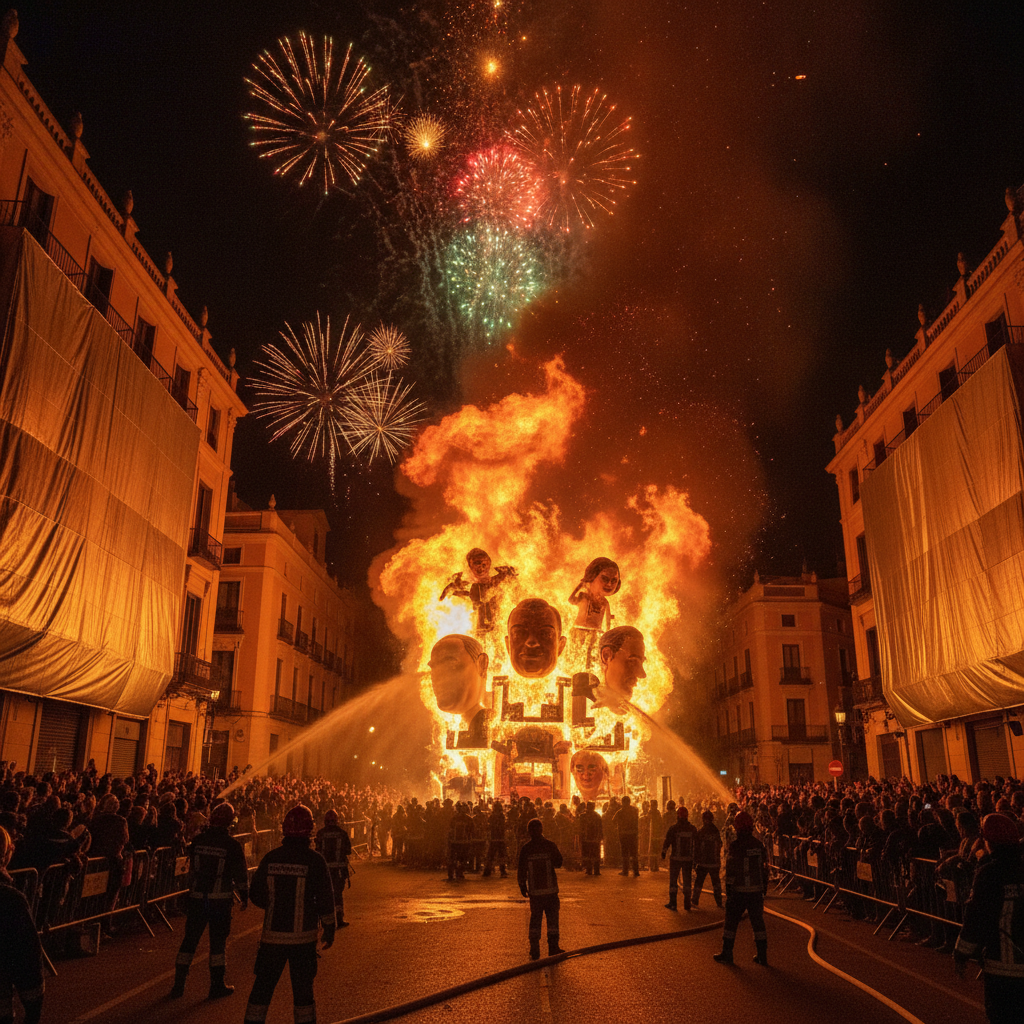
Las Fallas, Fire & Valencia's Most Spectacular Festival
The Fallas (the 'Falles' in Valencian — the annual UNESCO Intangible Cultural Heritage festival of fire, art, satire, and pyrotechnics in Valencia, held March 1-19, culminating on the 'night of fire' (March 19) when hundreds of giant papier-mâché satirical monuments ('ninots') are simultaneously burned throughout the city) is the most spectacular fire festival in Europe and the defining expression of Valencian civic identity.
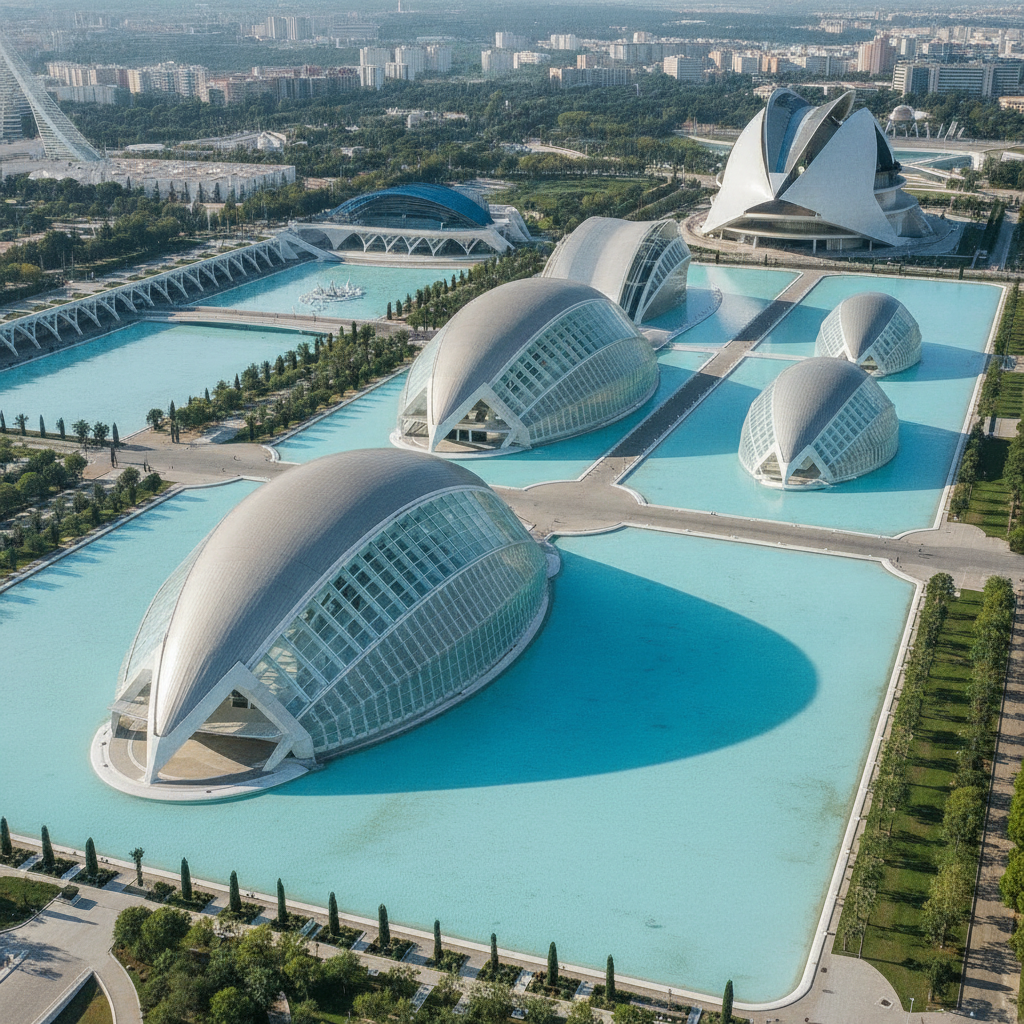
City of Arts and Sciences, Calatrava & Valencia's Futuristic Vision
The Ciutat de les Arts i les Ciències (the 'City of Arts and Sciences' — the cultural complex in the former Turia riverbed in Valencia, designed by Santiago Calatrava and Félix Candela and built 1996-2009): L'Hemisfèric (the iMAX planetarium), the Museu de les Ciències (the interactive science museum), L'Oceanogràfic (the largest aquarium in Europe), the Palau de les Arts Reina Sofía (the opera house), and L'Àgora (the multipurpose pavilion) — together the most spectacular complex of contemporary architecture in Spain and one of the most visited tourist attractions in Europe.
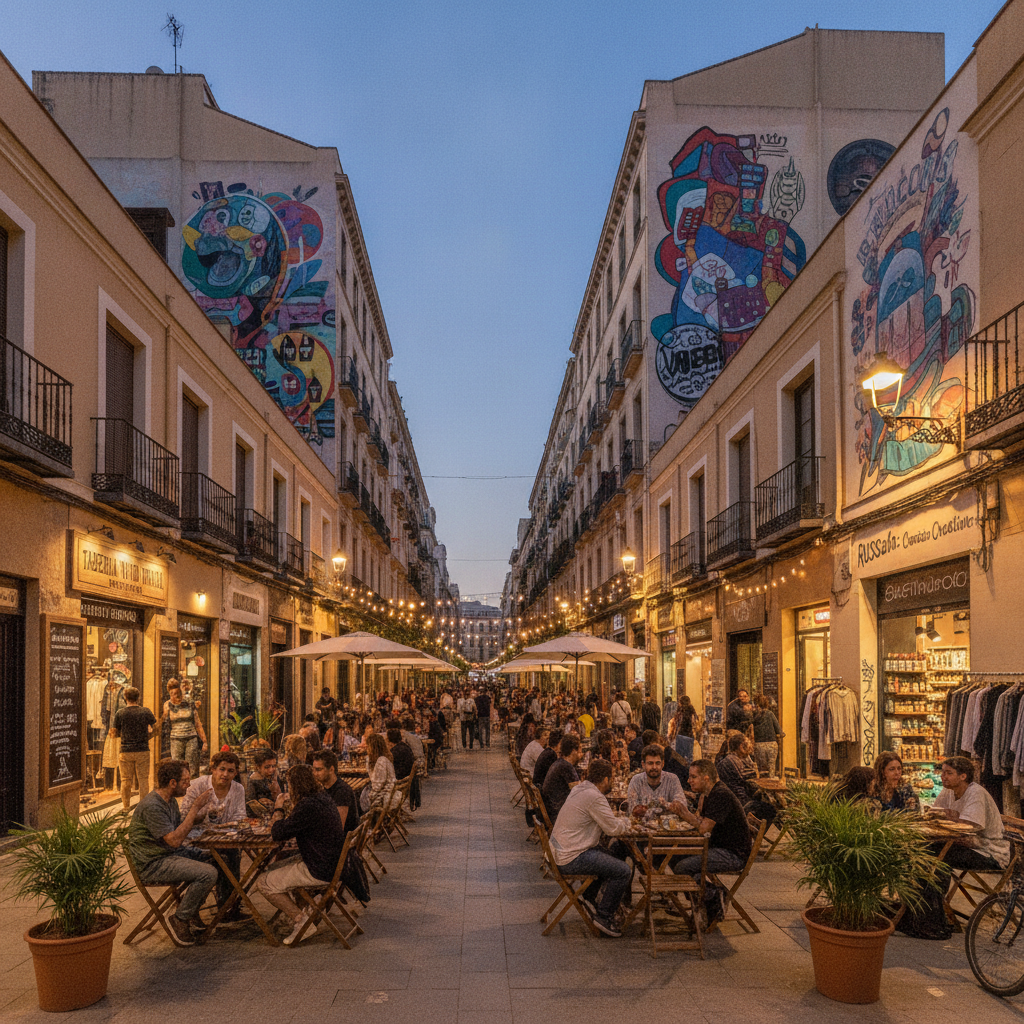
Ruzafa, Street Art & Valencia's Bohemian Creative Quarter
Ruzafa (the 'Russafa' in Valencian — the most fashionable and creative neighbourhood of Valencia, the barrio south of the Valencia historic centre that has transformed over the past decade from a traditional working-class neighbourhood into the most vibrant creative hub in Spain, the neighbourhood of the independent cafés, the natural wine bars, the street art murals, the concept stores, and the late-night bars that has been consistently named the 'coolest neighbourhood in Europe' by the major travel publications.