Washington Dc
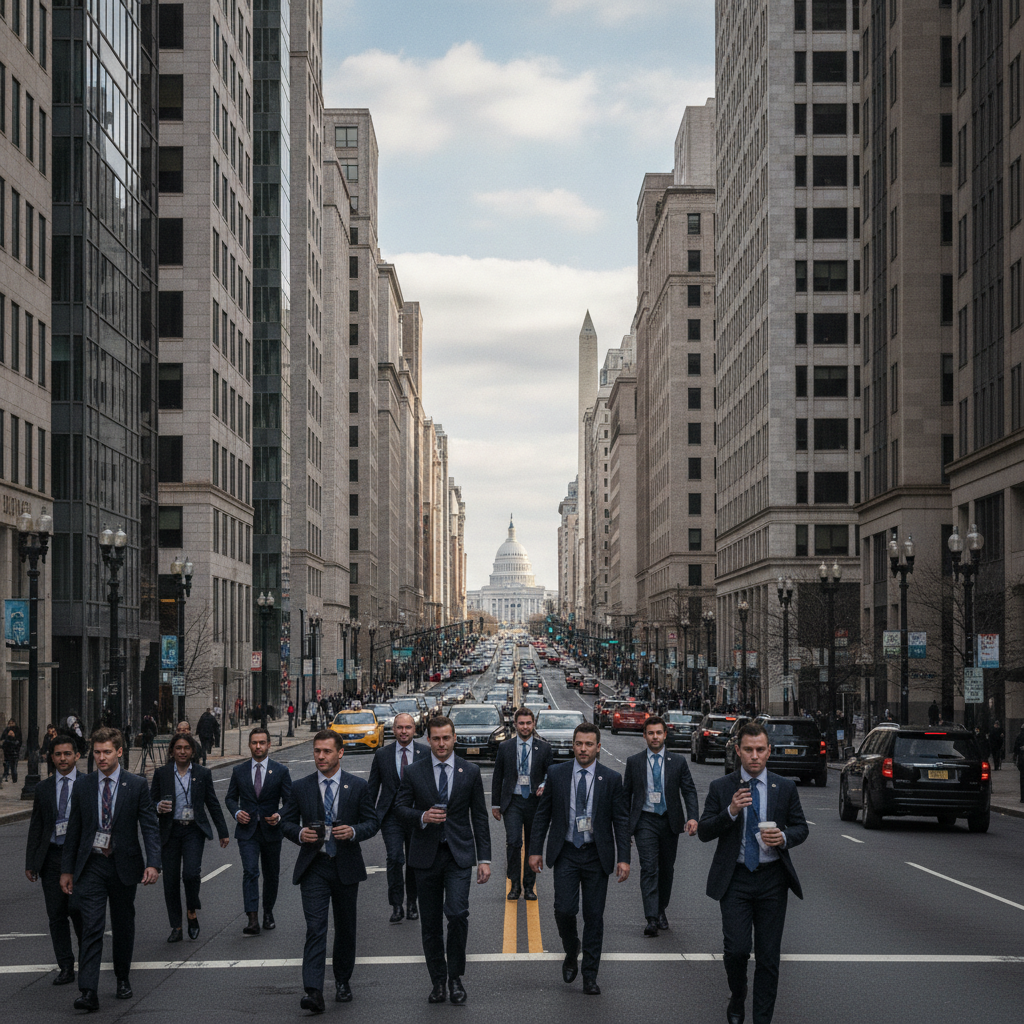
K Street, Think Tanks & the World of Washington DC Power
Washington DC is not just the capital of the United States — it is the nerve centre of global power, the city where the decisions that shape the world are made and influenced: the K Street lobbying corridor, the think tanks (the Brookings Institution, the Heritage Foundation, the Council on Foreign Relations, RAND), the law firms, the trade associations, and the media institutions that form the invisible architecture of American political power.
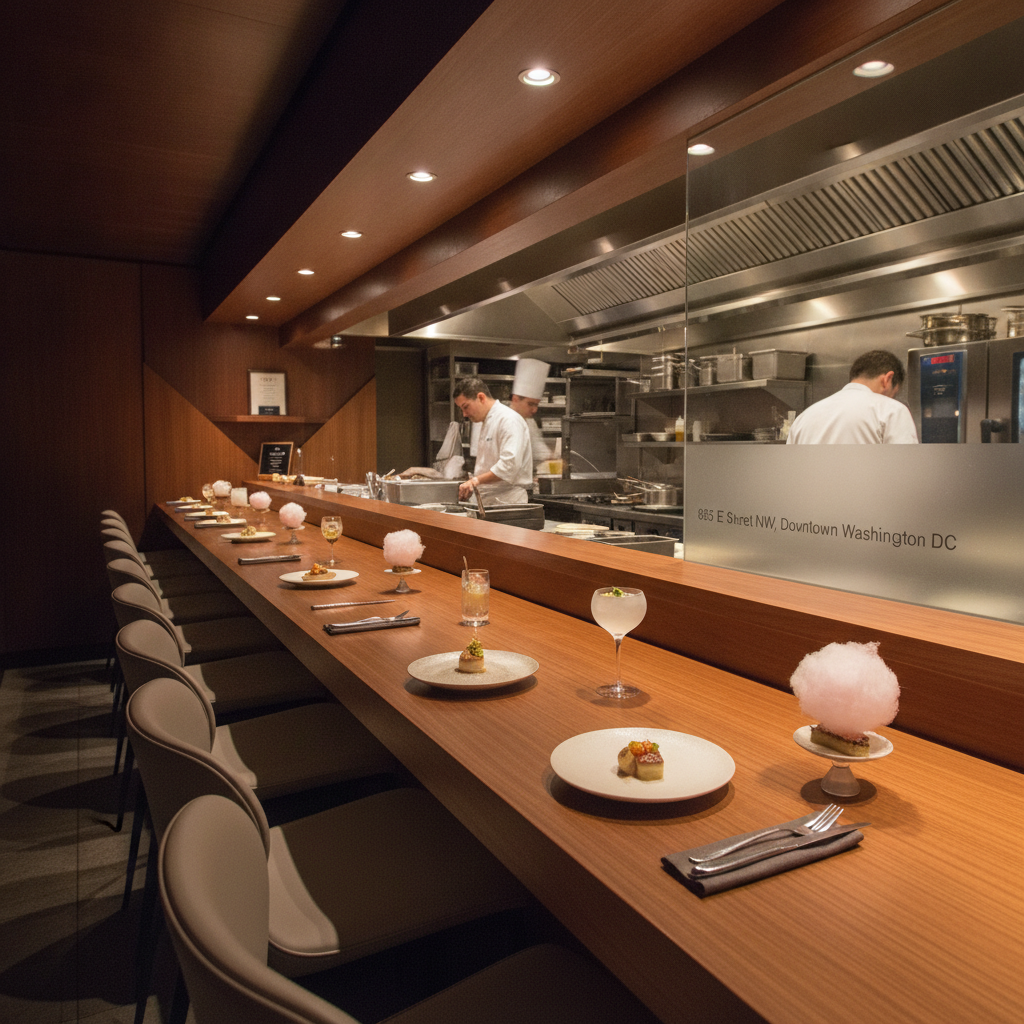
Washington DC Food Scene — From Ethiopian to Fine Dining
Washington DC's restaurant scene (the most diverse food culture of any American city after New York, driven by the extraordinary ethnic and diplomatic diversity of the DC metropolitan area — the DC-Maryland-Virginia metro area has the highest concentration of Ethiopian, Salvadoran, Vietnamese, and Korean immigrants of any major American metropolitan area east of Los Angeles).
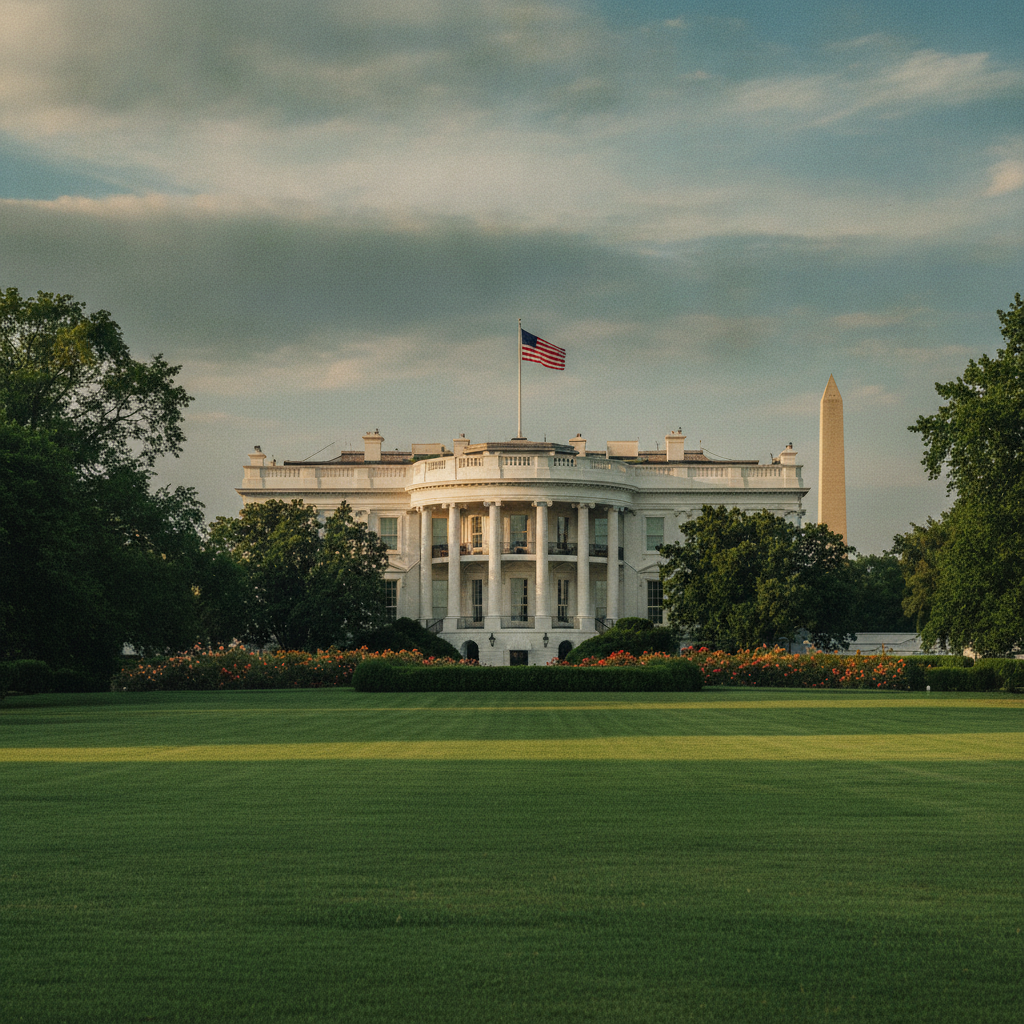
White House, Capitol Hill & the Architecture of American Power
Washington DC was designed from its founding as an explicit statement in architecture of the principles of the American republic — the L'Enfant Plan (1791) positioned the Capitol (the legislature) and the President's House (the executive) on the two dominant elevations of the city, connected by Pennsylvania Avenue (the literal and symbolic link between executive and legislative power), with the Supreme Court (the judiciary) completing the triad of constitutional power along the eastern flank of the Capitol.
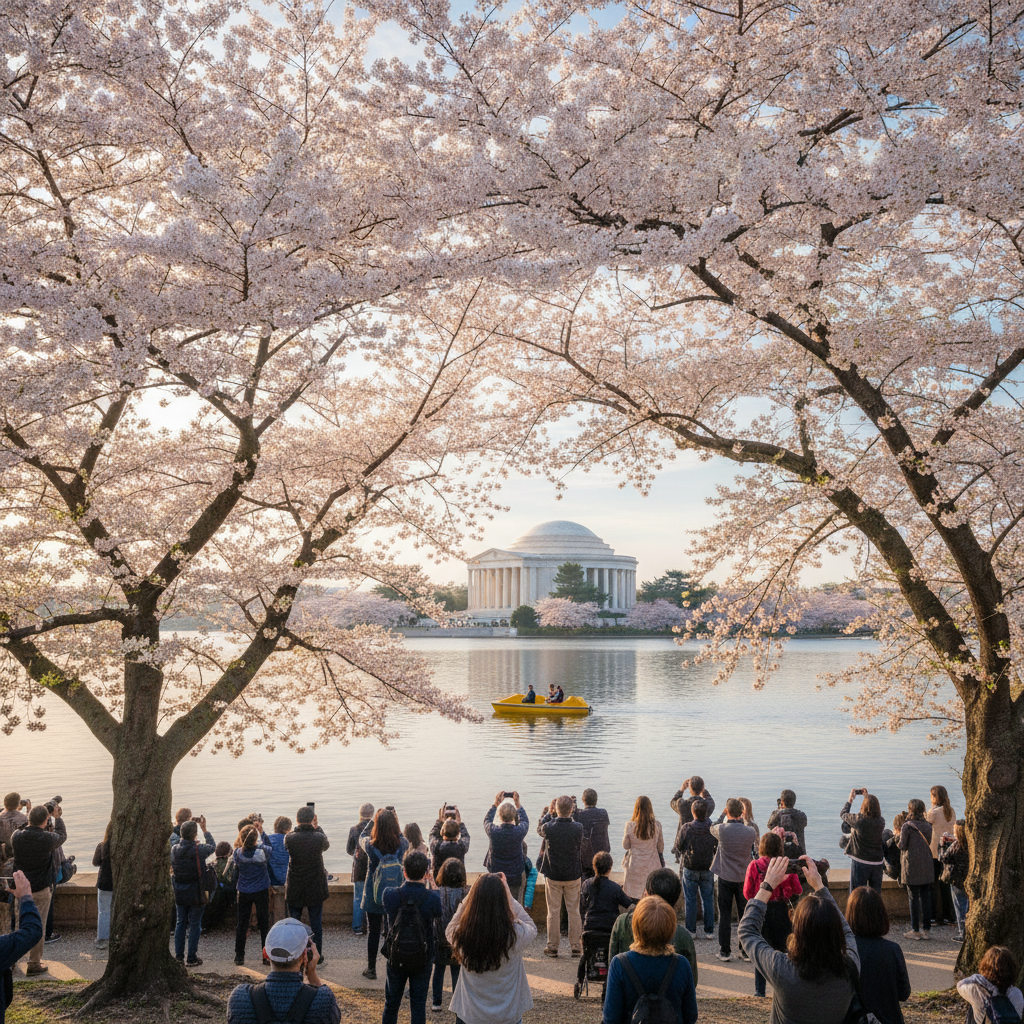
Cherry Blossoms & the Tidal Basin — Washington in Spring
The Cherry Blossom Festival (the National Cherry Blossom Festival, held annually in late March-early April in Washington DC — the most-attended annual event in Washington DC, attracting approximately 1.5 million visitors per year): the 3,800 Yoshino cherry trees (Prunus × yedoensis) surrounding the Tidal Basin and the National Mall bloom simultaneously for approximately 1-2 weeks each spring, creating the most spectacularly beautiful public floral display in the United States and one of the most photographed spring displays in the world.
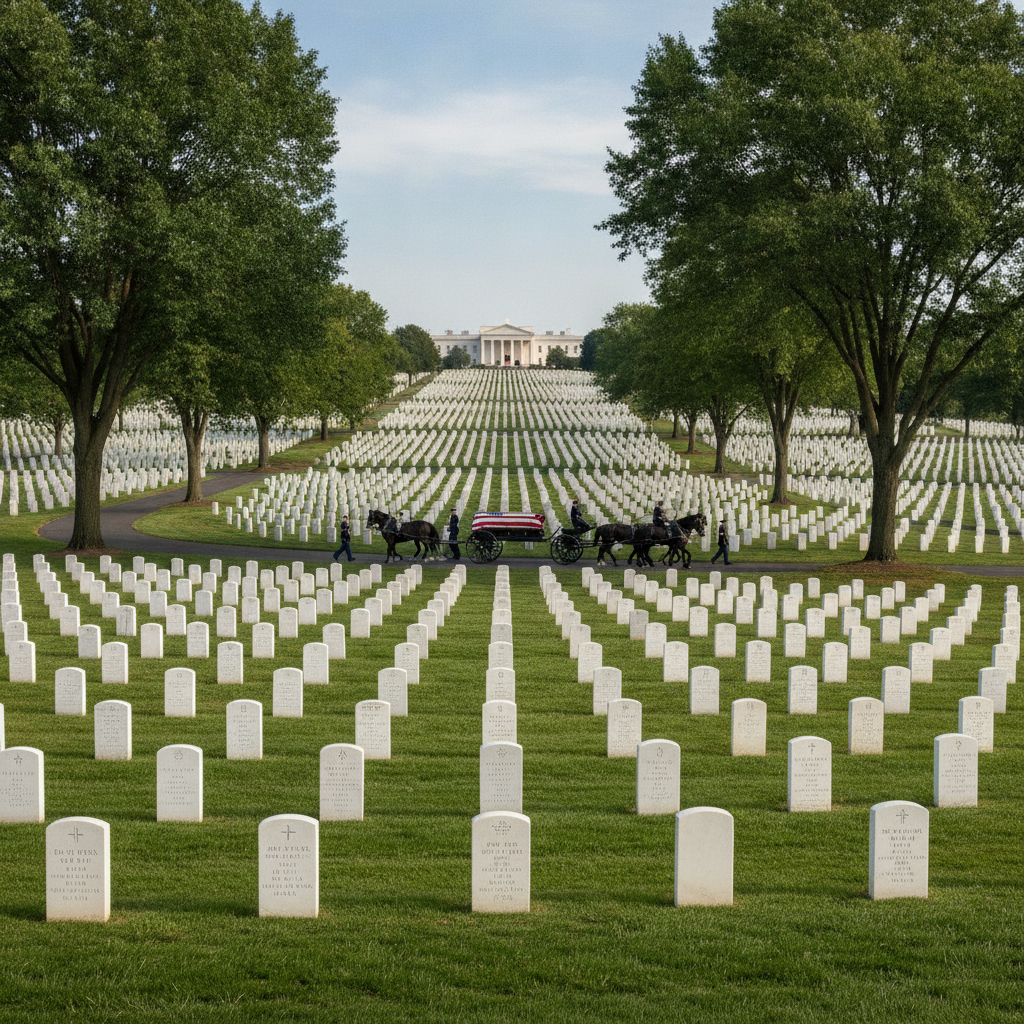
Arlington Cemetery, the Pentagon & DC's Military Heritage
Arlington National Cemetery (the United States military cemetery in Arlington, Virginia, directly across the Potomac River from Washington DC — the most famous military cemetery in the United States, with approximately 400,000 veterans and military dependents interred on the 253-hectare (624-acre) grounds, receiving approximately 30 funerals per day (approximately 8,000 per year) and approximately 3-4 million visitors annually).
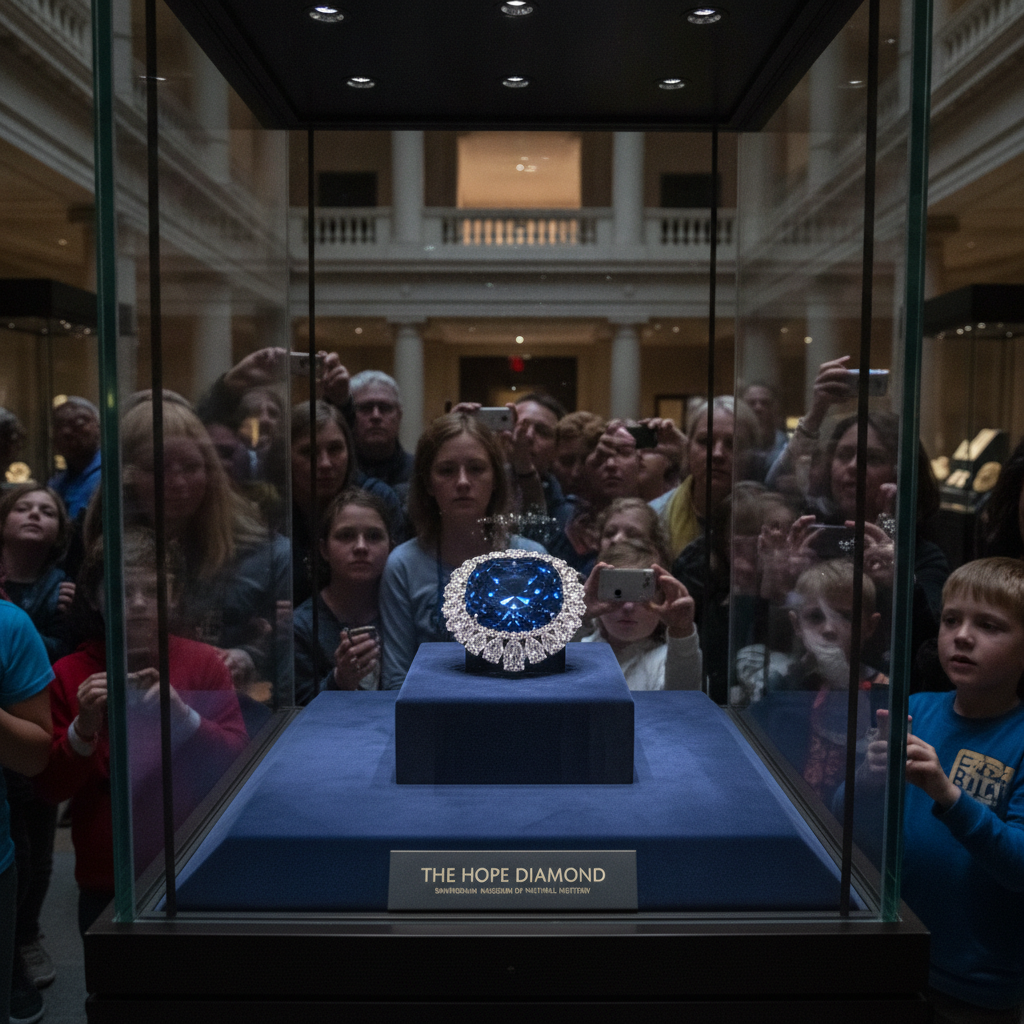
Smithsonian Museums & Washington DC's Free World-Class Culture
Washington DC is the only major American city where the finest museums are entirely free — the 19 Smithsonian museums and galleries, along with the National Gallery of Art, the Library of Congress, and the National Archives, form the most concentrated collection of free world-class cultural institutions in any city in the world.
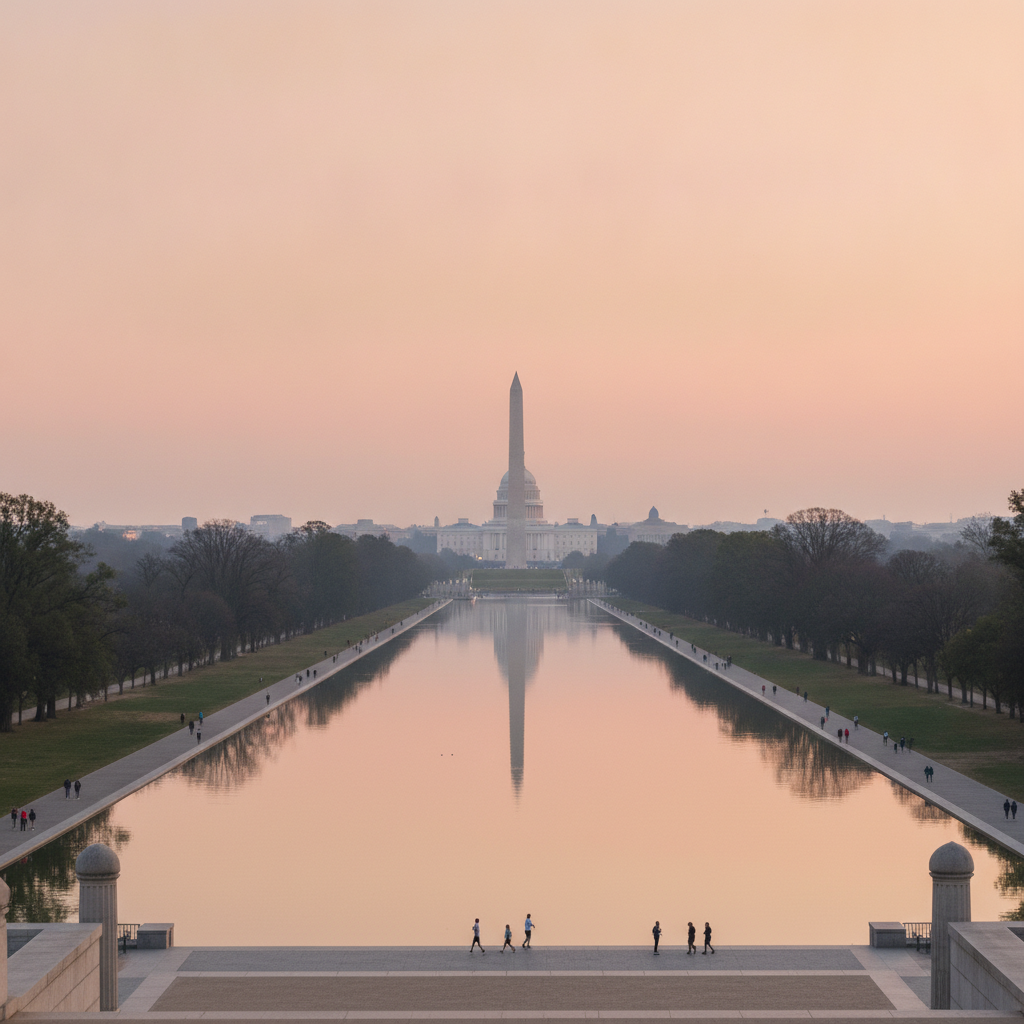
The National Mall — America's Front Yard and Hall of Democracy
Washington DC (the District of Columbia — the federal capital of the United States, population approximately 700,000 (the city proper), 6.4 million (the DC-Maryland-Virginia metro area) — the purpose-built national capital planned by Pierre Charles L'Enfant in 1791 on land ceded by Maryland and Virginia, the seat of the three branches of the US federal government, and the city with the highest concentration of free world-class museums and monuments of any city in the United States): the National Mall (the 3.2 km (2 mile) long open park between the Lincoln Memorial and the US Capitol Building) is the symbolic heart of American democracy.
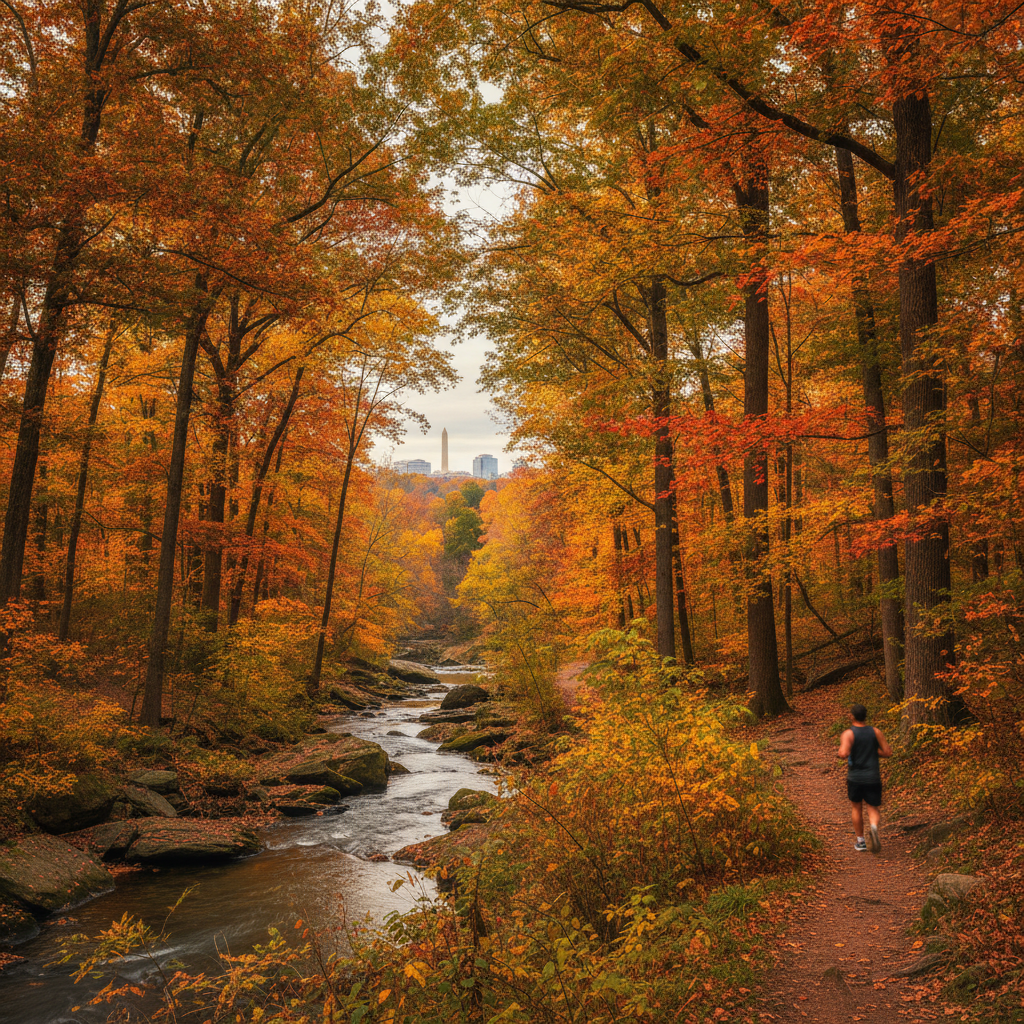
Rock Creek Park & DC's Hidden Natural Escape
Rock Creek Park (the 1,754-acre (710-hectare) national park within the boundaries of the District of Columbia, established 1890 — the third-oldest national park in the United States (after Yellowstone (1872) and Mackinac Island (1875))), and one of the largest urban parks in the United States: Rock Creek Park (the heavily forested park following the Rock Creek valley from the Maryland border in the north through the Columbia Heights and Adams Morgan neighbourhoods to the Potomac River in the south) is the 'Central Park' of Washington DC — the primary urban green space for the city's residents.
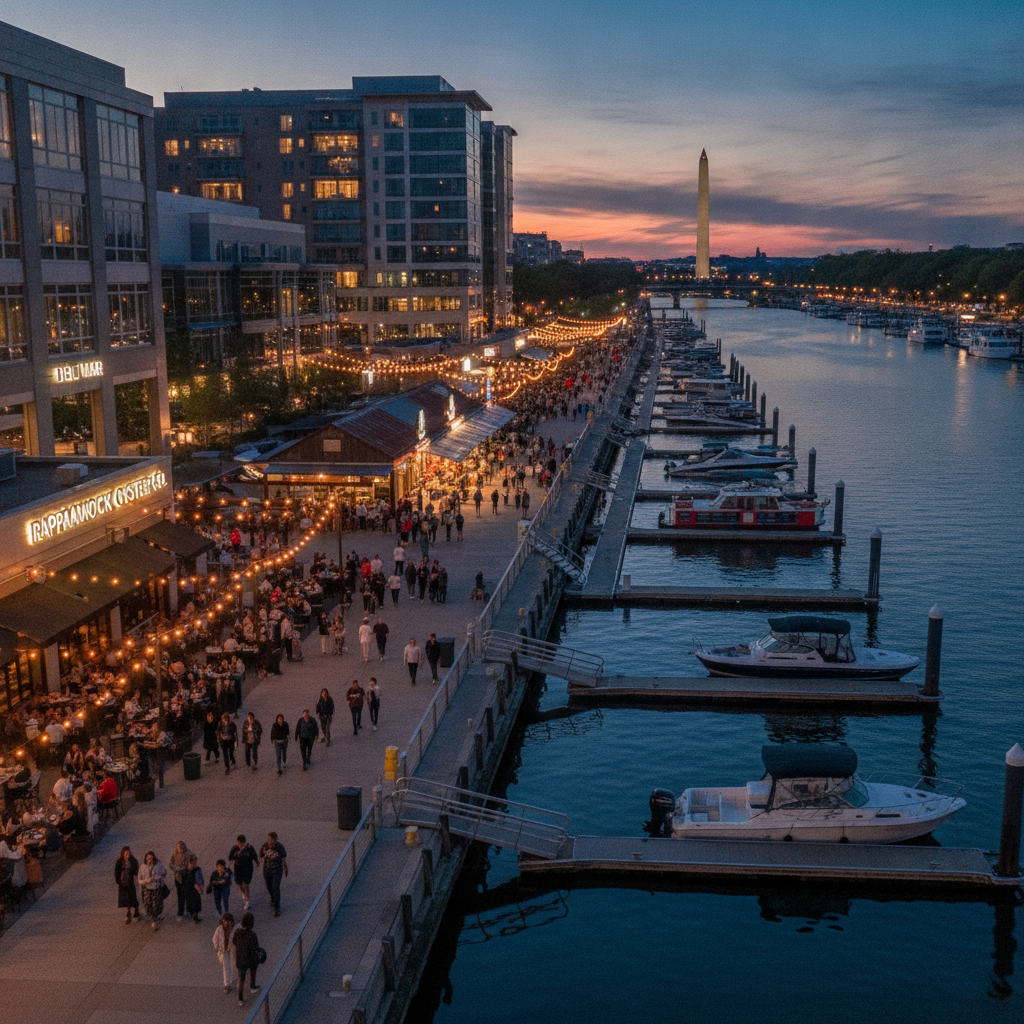
The Wharf, Anacostia & Washington DC's Revitalized Waterfront
Washington DC's waterfront (the Potomac River and Anacostia River waterfronts that frame the District of Columbia on its south and east) has undergone its most dramatic transformation since the city's founding: the $3.6 billion Wharf development in Southwest DC, the revitalization of the Anacostia Riverfront, and the redevelopment of the Old Town Alexandria waterfront directly across the Potomac have created a new waterfront culture in the American capital.