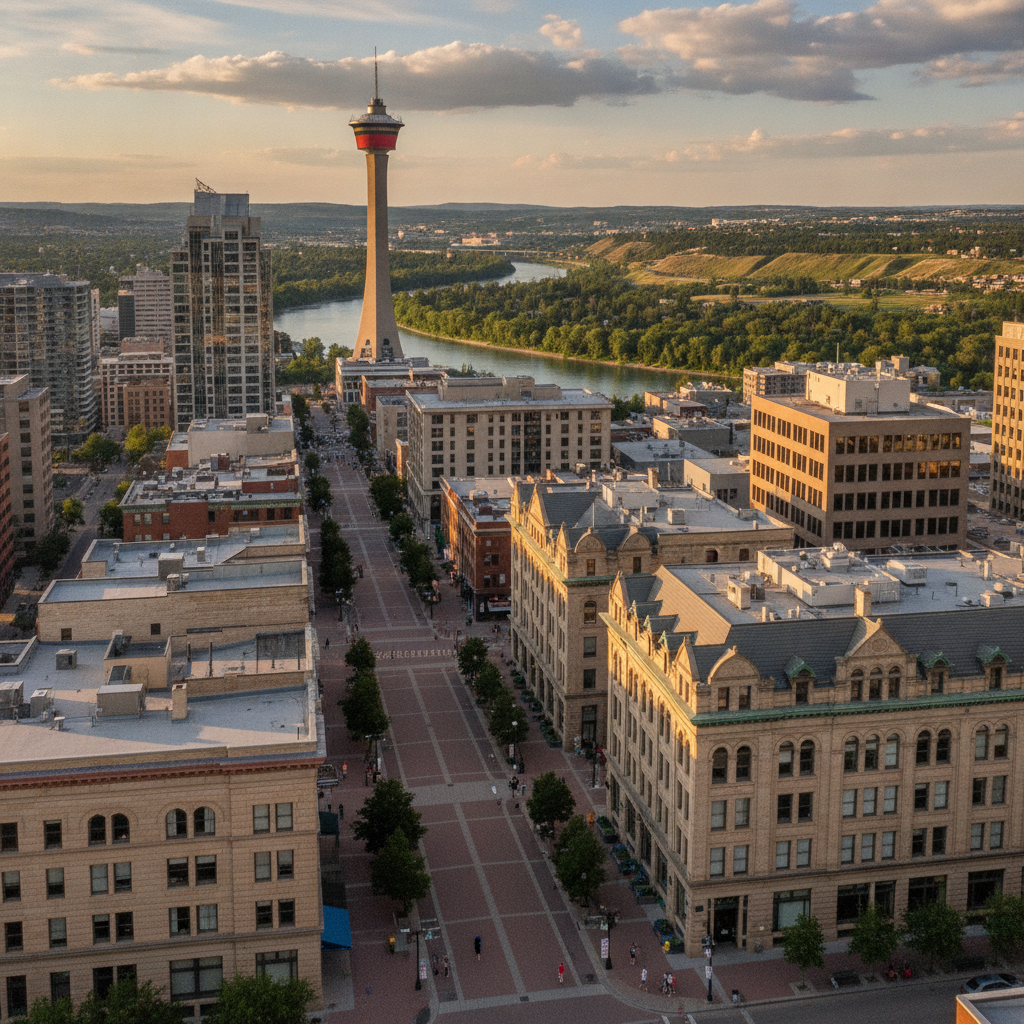

Calgary: The Wind That Raises Temperature 25 Degrees in One Hour, the Buffalo Jump Used for 5700 Years and the No-Tax Province That Explains Everything About Alberta Politics
Wake up to minus 30 and by afternoon be in shirtsleeves when the chinook arch appears on the western horizon and warm mountain air descends from the Rockies in a single meteorological act that defines Calgary life, learn that the Blackfoot Confederacy signed Treaty 7 at Blackfoot Crossing in 1877 and then stand at the Head-Smashed-In Buffalo Jump where the same people drove bison off the same cliff for 5,700 years, attend a show at one of five Arts Commons venues in a cultural complex that oil money built in a city that did not want to be called a resource town, trace the sandstone heritage buildings of Stephen Avenue to a quarry in the Elbow River valley that supplied building material for an entire downtown, understand why Alberta has no provincial sales tax or provincial income tax and what that policy says about the relationship between oil wealth and political culture, and drive 90 minutes west to see the Rocky Mountain skyline that is visible from downtown Calgary on clear days because the same mountain air that creates the chinook also creates 333 sunny days a year.
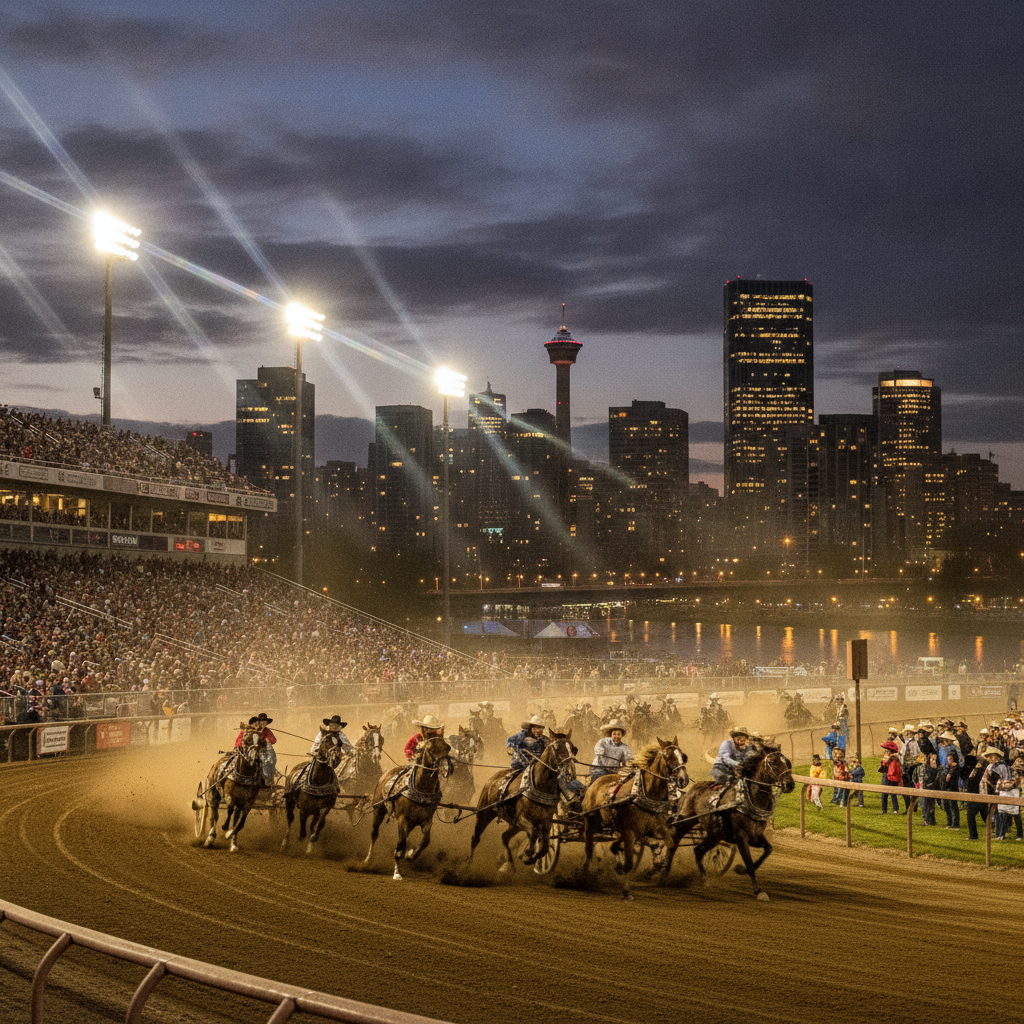
Calgary: The Stampede That Calls Itself the Greatest Outdoor Show on Earth, the Boom-Bust City Built on Beef and Oil and the Rockies 90 Minutes Away
Stand in a downtown that went from frontier cattle town to glass tower skyline in 80 years by converting beef wealth into oil wealth into a financial capital whose hockey team and Stampede are the two things that define it everywhere else in Canada, watch 100 world champion rodeo competitors arrive for 10 days in July that transform the entire city into a costume party with free pancake breakfasts on every street corner, understand that the Heritage Park reconstructed frontier village is operating on the shore of a reservoir that barely existed when some of the buildings in it were new, walk the Bow River pathway network that weaves 210 kilometres through a city that did not exist in 1870, take the 90-minute drive to Banff and understand why Calgary exists at all, and look at the mountain skyline visible from downtown on clear days and know that the Rockies were the reason the railway came through and the railway was the reason the city is here.
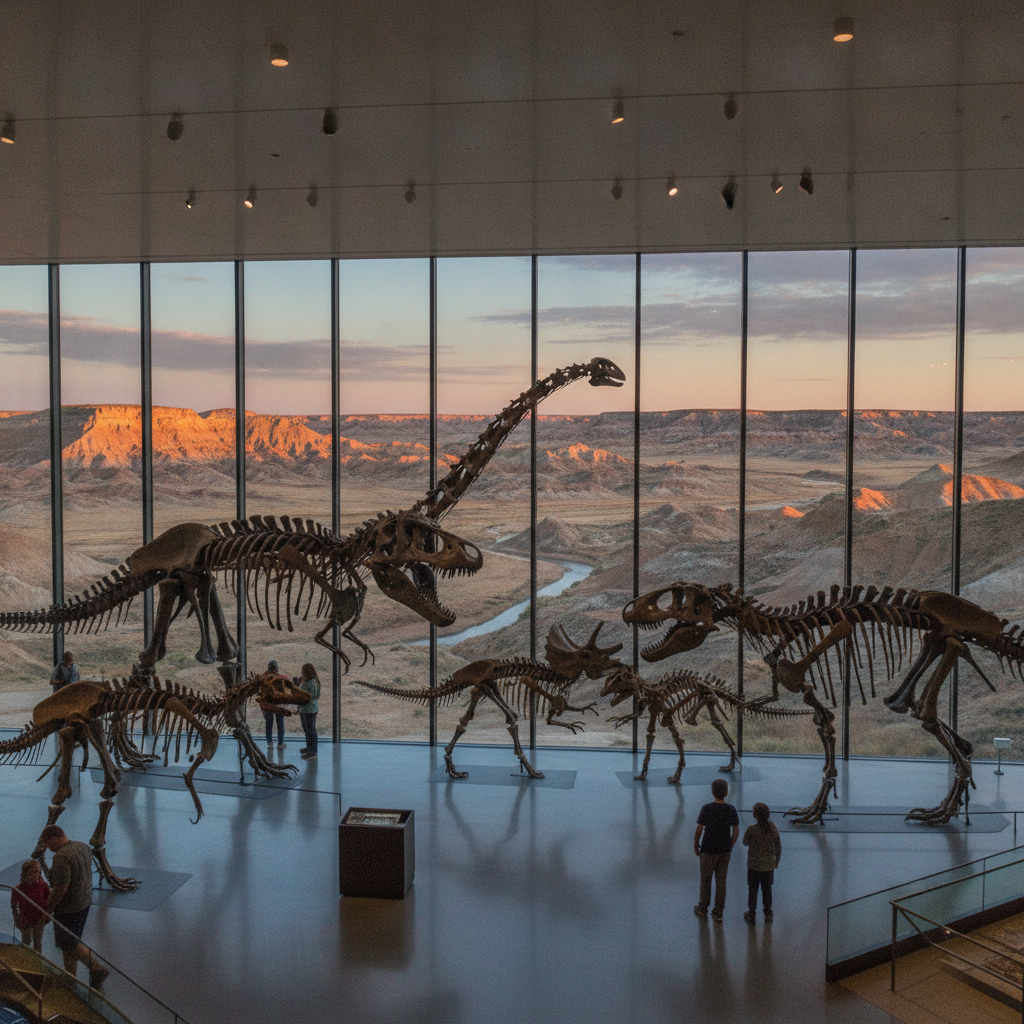
Calgary: The Museum With the Most Dinosaur Skeletons on Earth 130 Kilometres Away, the National Energy Program That Alberta Still Calls Theft and the Elk You Meet Inside the Town of Banff
Drive 130 kilometres east to Drumheller to see more complete mounted dinosaur skeletons in one building than anywhere else on earth in a landscape where the same rock eroded into hoodoo formations because it sat above a glacier during the ice age, slow down at dawn on the Bow Valley Parkway where wolves and grizzlies and elk cross between the wildlife corridor slopes because the national park was created in 1885 specifically to protect the hot springs that railway workers found, understand that the National Energy Program of 1980 is still called theft in Alberta and that this wound explains most of the province political direction 40 years later, attend the Folk Music Festival in Princes Island Park where 70,000 people bring their own chairs and listen across multiple stages simultaneously, appreciate the Plus 15 walkway that allows 18 kilometres of downtown movement in indoor winter comfort, and drive the 90 minutes to Banff to walk among the elk in town because they stopped being afraid of people and nobody does anything about it.
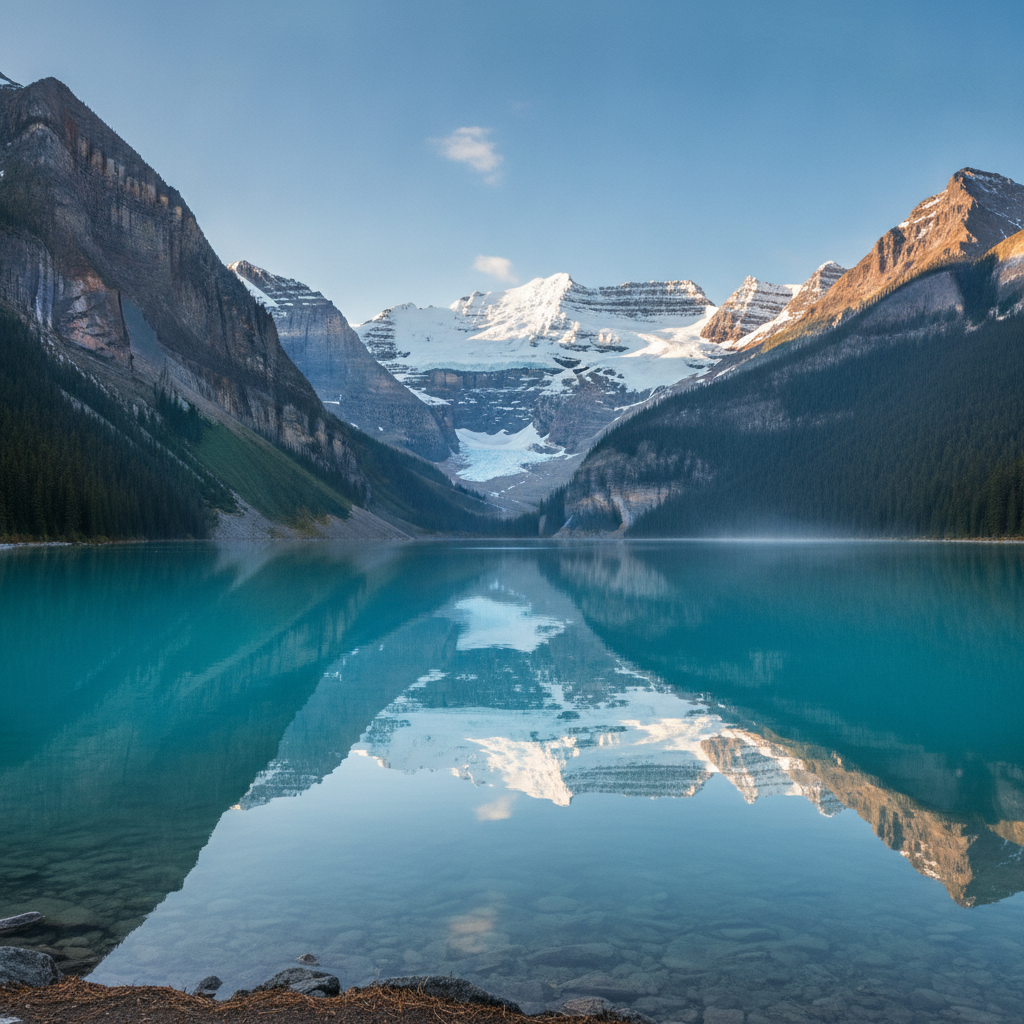
Calgary: The Saddle-Shaped Arena That Is a Structural Engineering Record, the Glacier Marked With Its Own Retreat in Decade Intervals and the Most Successful Franchise in Canadian Football History
Drive 185 kilometres to the most photographed lake in Canada where the turquoise color comes from glacial flour suspended in meltwater and the glacier at the back of the valley has a row of dated markers showing where it was in each decade since 1900, see the complete Blackfoot material culture collection at the Glenbow Museum while it reopens in its new form after a renovation that should redefine what a western Canadian museum looks like, walk the Eau Claire riverfront to a Chinatown built by CPR workers barred from all other employment by legislation that excluded further Chinese immigration for 24 years after it passed in 1923, understand that the city whose entire identity is built on petroleum is simultaneously trying to figure out how to transition to renewable energy using the same geological infrastructure it drilled for oil, sit in the only saddle-shaped arena in professional sports where the roof is a structural record, and watch a bull rider last 8 seconds on an animal that was purpose-bred to make that impossible.
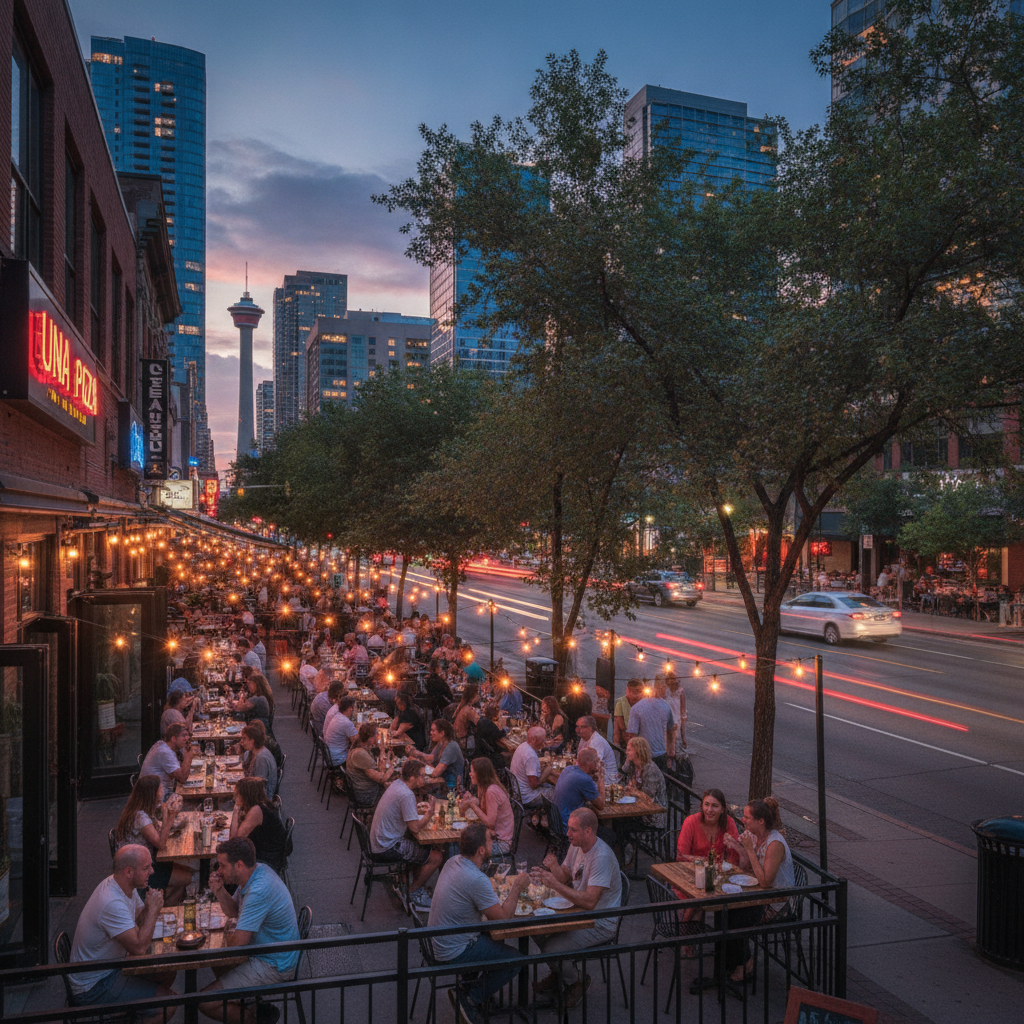
Calgary: The 2013 Flood That Filled the Hockey Arena to Row 4 and Was Followed by the Stampede Two Weeks Later, the Fastest Growing City in Canada and the Office Capital With More Space Per Person Than Anyone Else
Understand that the 2013 flood inundated the Saddledome to the fourth row of seats and flooded 75,000 peoples homes and then the city held the Stampede two weeks later as a deliberate statement about who Calgary is, trace the 1.3 million population of a city that barely existed in 1875 through the oil booms that built downtown towers faster than any other Canadian city and the busts that emptied them equally fast, walk the International Avenue corridor where Pakistani and Ethiopian and Vietnamese and Somali restaurants occupy the same strip in a northeast quadrant that immigrant communities built from scratch, eat the finest Alberta beef in the Beltline on 17th Avenue where the densest urban neighborhood in the city is being rebuilt tower by tower, book Stampede accommodation 12 months in advance and a car for anything beyond the CTrain corridors, and drive the 90 minutes to Banff remembering that the railway came through here specifically because of the mountain pass and the city exists because of that routing decision.
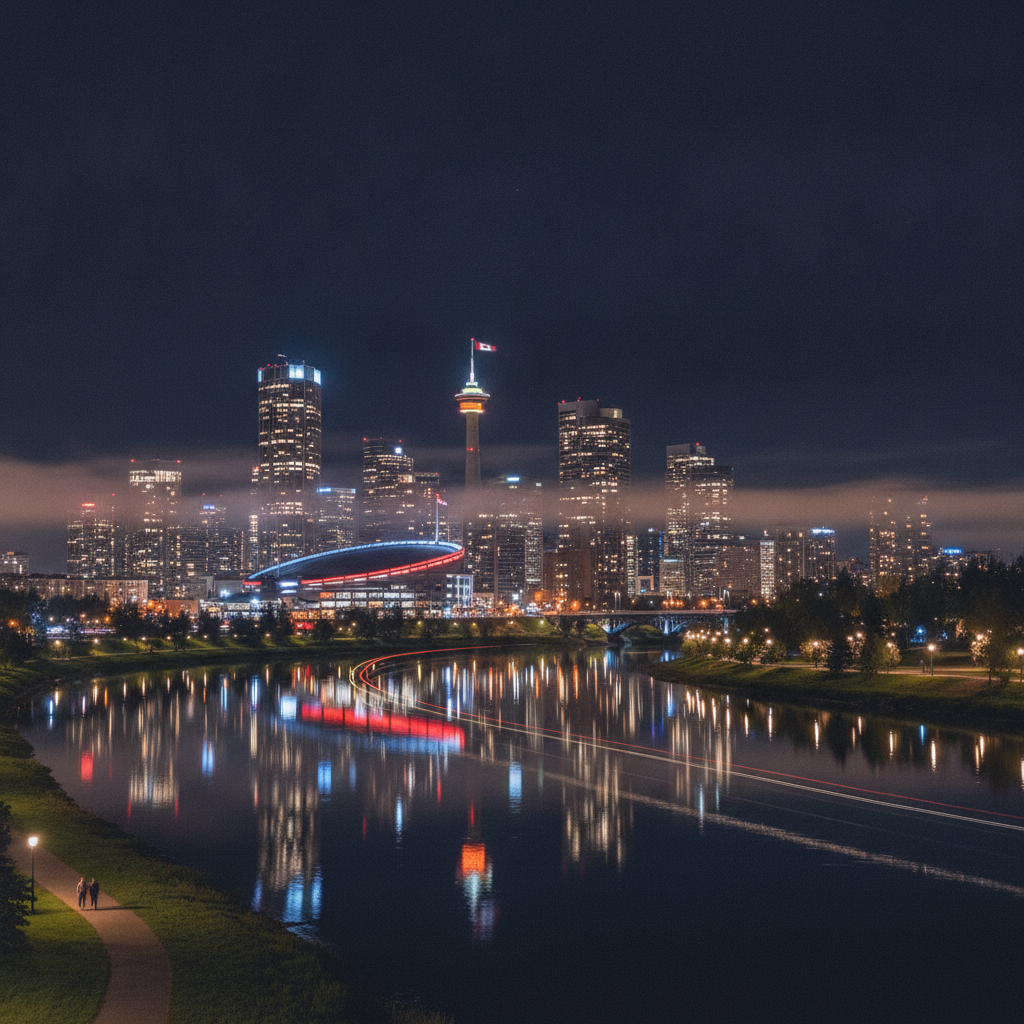
Calgary: The 110-Year-Old Indigenous Village at the Stampede That Is Simultaneously Cultural Celebration and Contested Display, the Wind-Powered Light Rail and the City Trying to Figure Out What Comes After Oil
Visit the Elbow River Camp at the Stampede that has operated continuously for 110 years as the five Treaty 7 Nations simultaneously assert cultural pride and navigate the contested question of whether presenting traditions for tourist audiences serves Indigenous interests, walk Inglewood where the oldest commercial buildings in Calgary contain craft breweries and vinyl record shops and one street over Ramsay still has the original working-class bungalows built for CPR workers in 1910, understand that the same Elbow River that provides drinking water and the Heritage Park reservoir setting was the river that flooded 75,000 homes in 2013 and whose upstream dam project is still disputed by the Tsuu Tina Nation, ride the CTrain that is 100 percent wind-powered through a free downtown zone while the surrounding city is built for cars in ways that make transit barely functional beyond the two LRT lines, stand before the Central Library that the city was criticized for spending money on and then immediately celebrated when people understood what had been built, and look west at the mountain skyline from a city that has free pancake breakfasts on the street and is also trying to transition an entire economy away from the resource that made it.
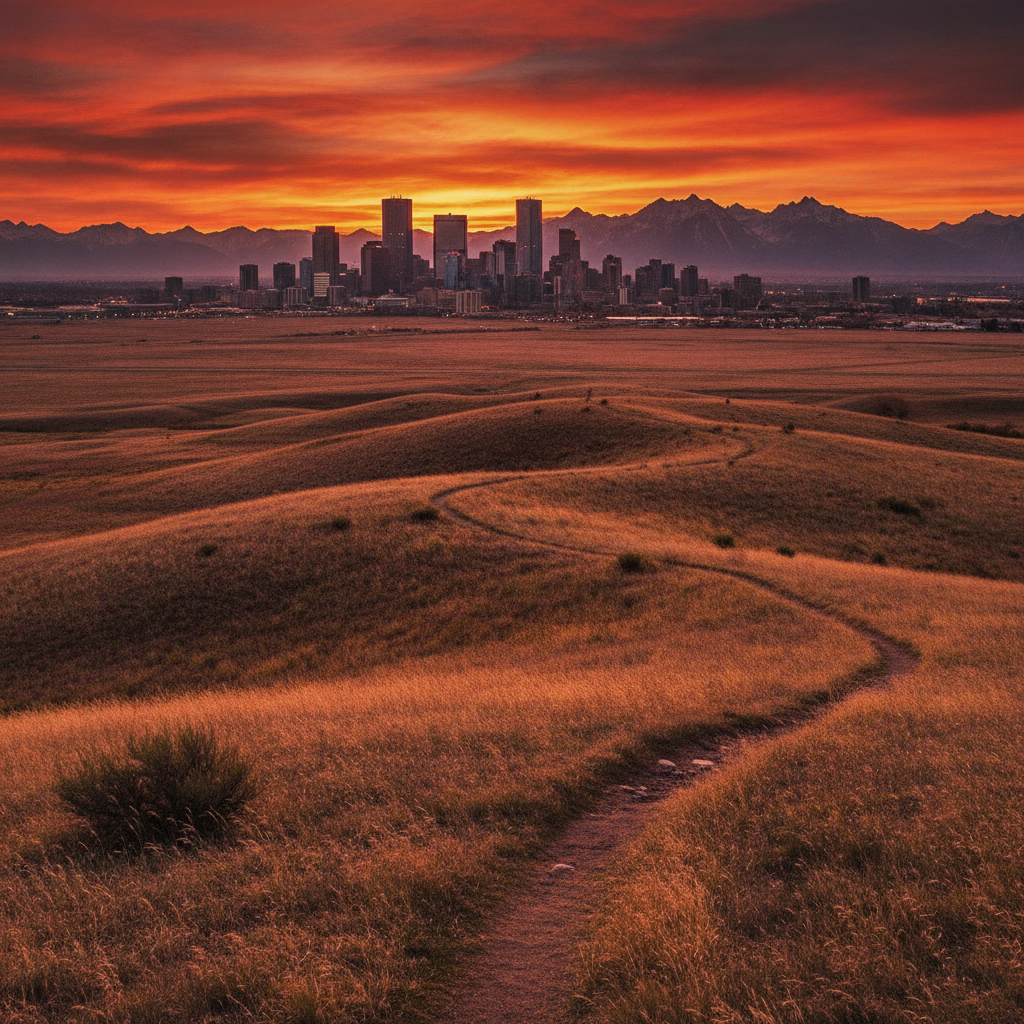
Calgary: Named for a Bay in Scotland by a Commanding Officer Who Renamed the Fort Because He Thought the Founder Was Incompetent, the Second Largest City Park in Canada Nobody Visits and 165 Billion Barrels Under the Boreal Forest
Read the Fort Calgary origin story where Inspector Brisebois named the fort after himself and was immediately overruled by his superior who renamed it after a Scottish bay and then removed Brisebois for ineffective command, walk Nose Hill Park where 1127 hectares of intact northern fescue grassland sits above the city as the second largest urban park in Canada with coyotes and 200 bird species and medicine wheel archaeological sites that had humans on them for thousands of years before the city appeared, understand that Treaty 7 signed in 1877 meant completely different things to the Blackfoot who thought they were sharing land and the government that thought they were acquiring title, look at the Fort McMurray oil sands operation 500 kilometres north where 165 billion barrels of bitumen make Alberta a global petroleum power and the steam extraction process makes it the most carbon-intensive petroleum production in the world, find Forest Lawn where the most diverse and immigrant-welcoming neighborhood in Calgary is also the most economically precarious, and walk Mission on 4th Street SW where the oldest inner-city residential neighborhoods in Calgary were built along the Elbow River by the first families wealthy enough to live away from the downtown.
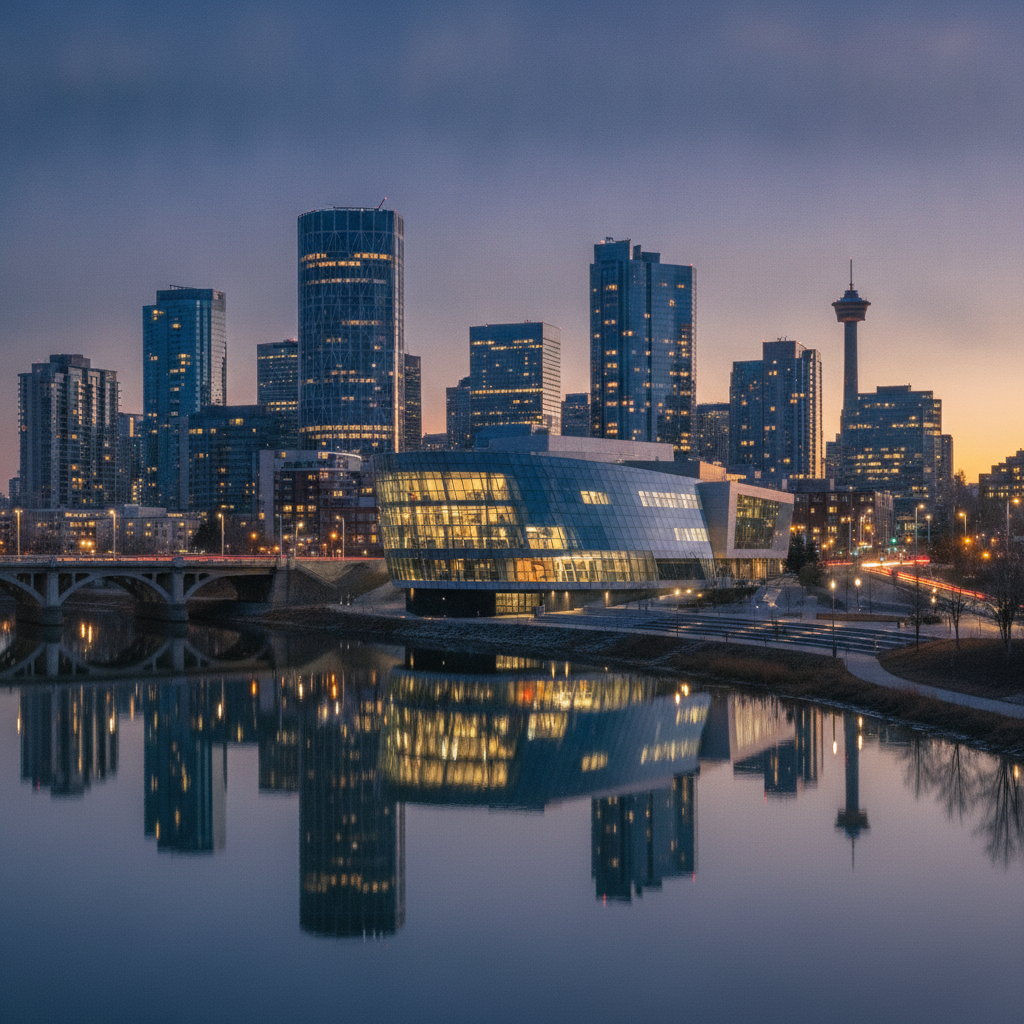
Calgary: The Only NHL Arena Roof Shaped Like a Saddle, 200000 Free Pancakes a Day for 10 Days and the Old Skid Row That Became the Most Ambitious Urban Renewal in the City
Watch the Stanley Cup run of 2004 that a nation watched and Calgary still talks about despite losing Game 7 while the Saddledome roof shaped like the rodeo equipment the city is famous for sits waiting for the next playoff, stand in East Village where a skid row of surface parking lots became a cultural district anchored by one of the finest library buildings in North America designed by a Norwegian firm, eat Alberta beef that arrived at the restaurant within hours of the farm where it was raised and drink craft beer brewed in the Inglewood industrial buildings where the city originally had its mounted police post, cycle 900 kilometres of pathway including the Bow River route through the largest urban park in North America at Fish Creek, understand that during Stampede 200,000 free pancakes a day are served from sidewalk griddles by businesses and churches and fire stations in a hospitality tradition that started in 1923, and accept a cowboy hat from an office worker in a costume they would never otherwise wear and call it a civic celebration rather than cosplay.