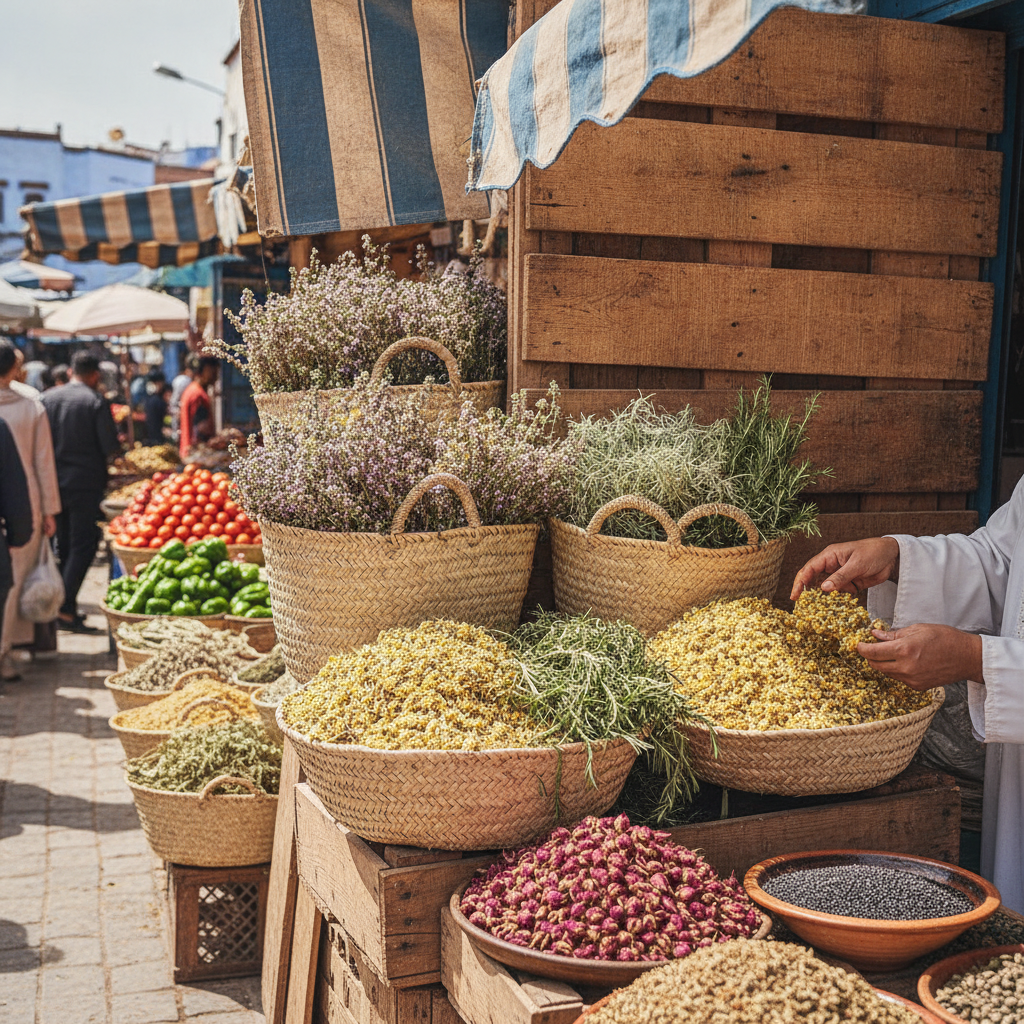
The Chefchaouen Jewish Community Spoke Haketia (15th Century Castilian Spanish) for 430 Years After the 1492 Expulsion and Spanish Military Officers Who Entered the City in 1920 Could Understand the Jewish Residents; The Rif Mountain Wild Thyme Honey Is the Primary Product of Chefchaouen's Traditional Agricultural Economy; Chefchaouen Receives 300,000-400,000 Visitors Per Year in a 0.4 km2 Medina
Haketia speakers understood by Spanish officers in 1920 after 430 years; Rif mountain wild thyme honey as primary traditional product; 300,000-400,000 visitors in a 0.4 km2 medina; the Rif cedar and Spanish fir forests under climate change stress; women's cooperatives as sustainable alternatives to cannabis; and Chefchaouen's future as a managed heritage destination.
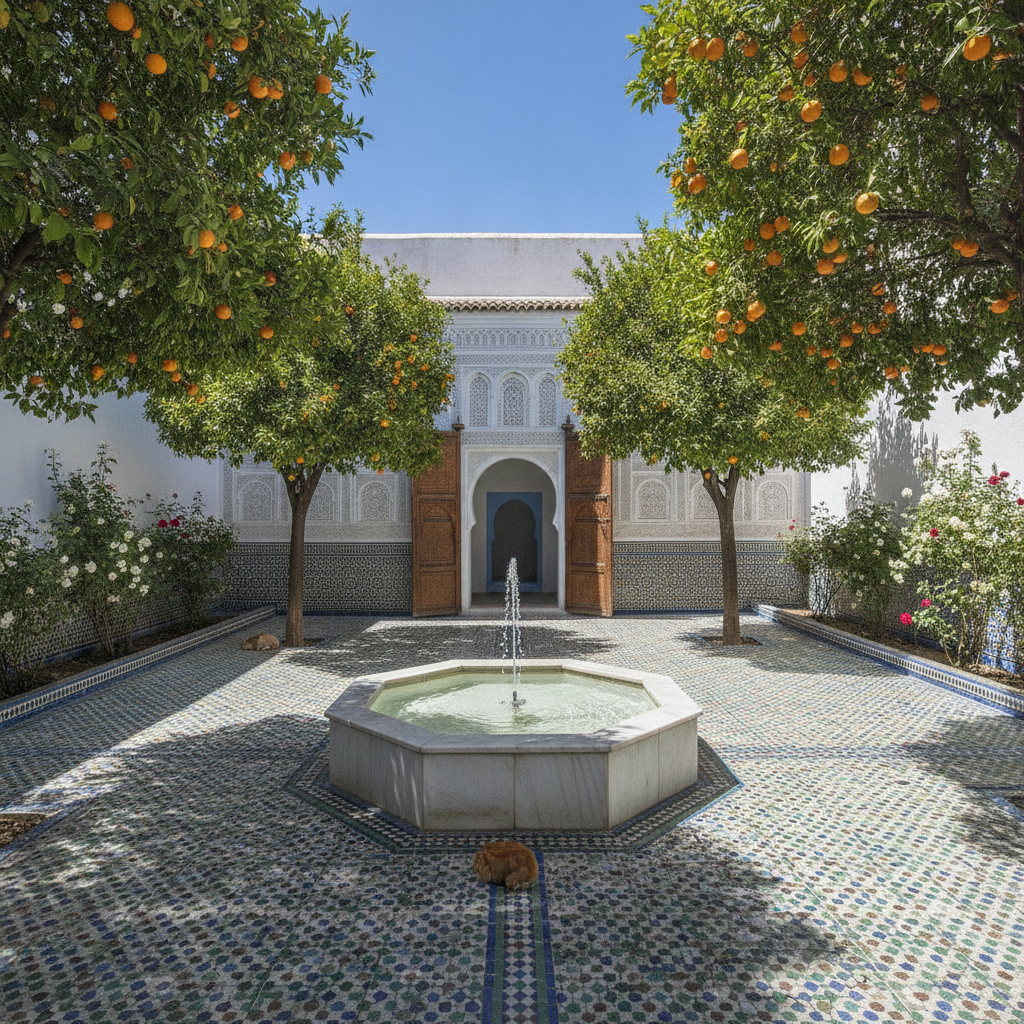
The Jebala Berbers of Chefchaouen's Western Rif Mountains Have Largely Lost Their Tamazight Language to Arabic Over the 17th-18th Centuries But Maintain a Distinct Cultural Identity in Dress, Music, and Agricultural Practices; Chefchaouen Spring (March-May) Offers the Best Combination of Wildflower Bloom, Mild Temperatures, Good Light, and Moderate Crowds; The Ouezzane Wazzaniyya Sufi Zawiya 44 km South of Chefchaouen Was Historically One of the Most Powerful Religious-Political Institutions in Morocco
Jebala Berbers linguistically Arabicized but maintaining distinct cultural identity; Chefchaouen spring (March-May) as the optimal visit season; the Ouezzane Wazzaniyya zawiya as a major Sufi power center; Chefchaouen vs Essaouira comparison (mountain-blue vs Atlantic-white); the Kasbah garden as a tranquil photography location; and the complete northern Morocco circuit from Tangier Ibn Battouta Airport through Tetouan, Chefchaouen, and Asilah.
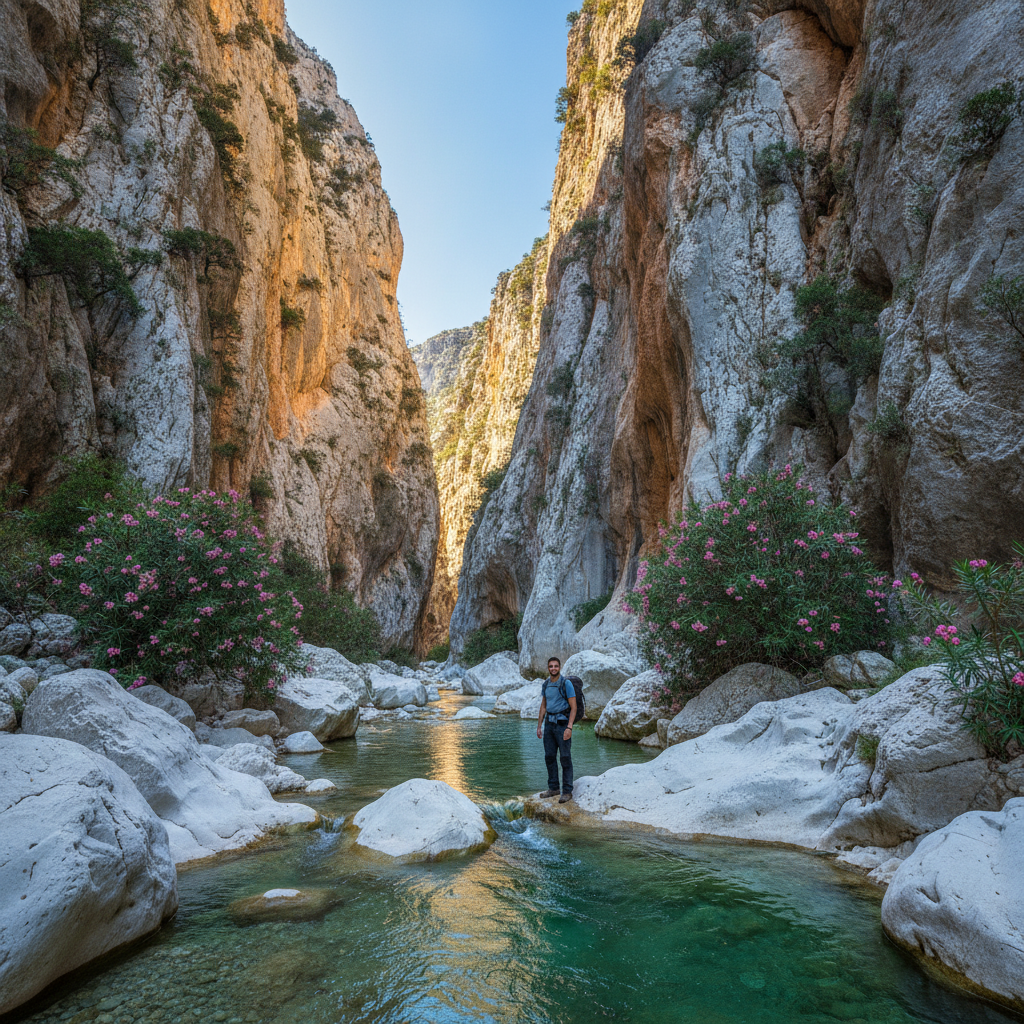
The Talassemtane National Park Protects the Only Significant Moroccan Population of the Abies Pinsapo Spanish Fir Tree Whose Primary Habitat Is the Sierra de las Nieves in Southern Spain; Chefchaouen Medina Was Described by Spanish Military Officers Entering in 1920 as the Most Perfectly Preserved Medieval Andalusian City Outside Andalusia Itself; The Beat Generation Writers Paul Bowles William S. Burroughs and Allen Ginsberg Were All Connected to Tangier During Its International Zone Period (1923-1956)
Talassemtane protecting the only Moroccan Abies pinsapo Spanish fir; Chefchaouen described in 1920 as the most perfectly preserved Andalusian city outside Andalusia; Paul Bowles living in Tangier 52 years; Moroccan tea poured from 30-50cm height to create essential foam; the Asilah annual murals festival since 1978; and the 2021 cannabis legalization law creating the transition challenge for 90,000 Rif farming families.
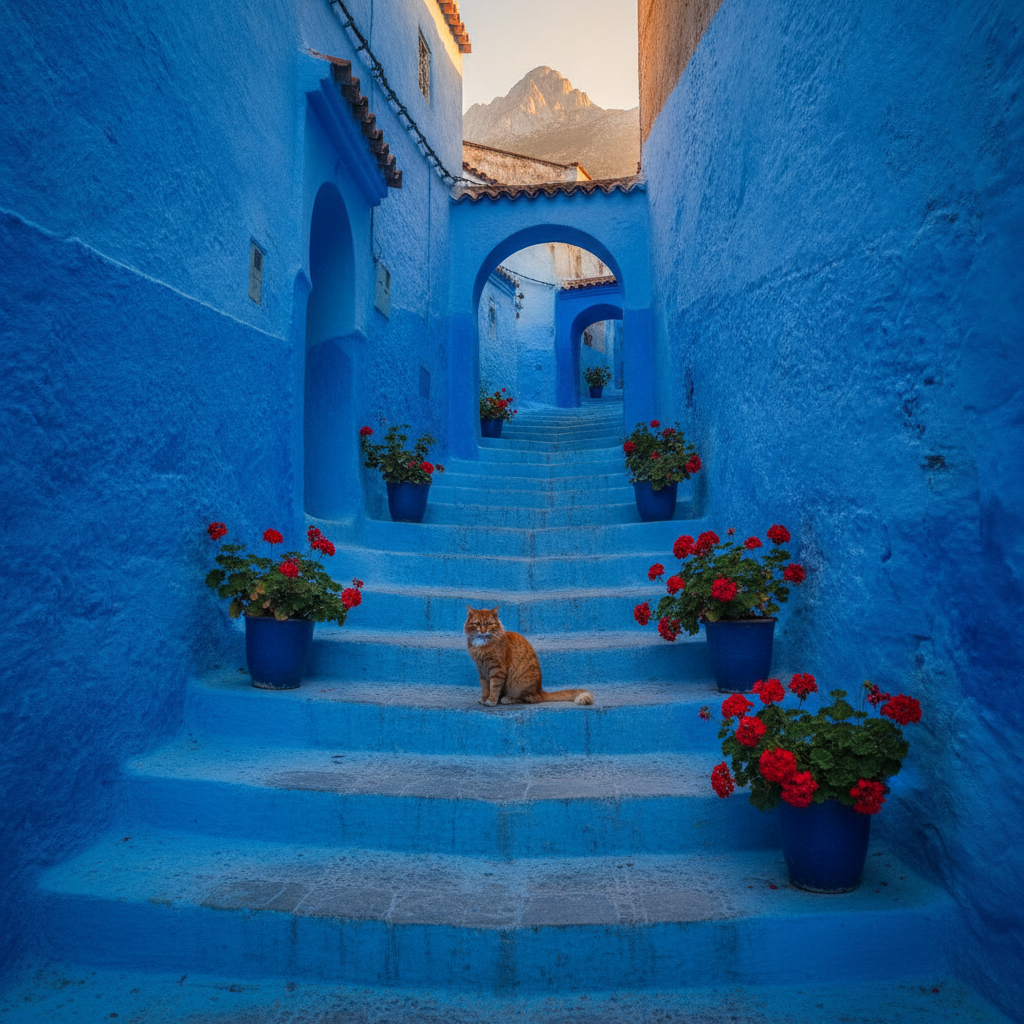
Chefchaouen's Blue Medina May Have Been Painted Blue By Jewish Refugees From the 1492 Spanish Expulsion Who Painted Doorways the Color of Heaven; The Rif Mountains Produce Approximately 40-60% of the Hashish Consumed in Europe With 90,000 Farming Families Dependent on Cannabis Cultivation; Morocco Legalized Cannabis Cultivation Under License in 2021 After Decades of the Largest Illegal Cannabis Production Zone in the World
Chefchaouen's blue medina possibly painted blue by 1492 Jewish refugees from Spain; the Rif mountains producing 40-60% of European hashish with 90,000 dependent farming families; Morocco legalizing cannabis cultivation in 2021; the Plaza Uta el-Hammam octagonal minaret as unusual Andalusian-style architecture; the Ras el-Maa spring waterfall used by local women for laundry; and the Chefchaouen photography guide recommending golden hour arrival before 9am tourist groups.
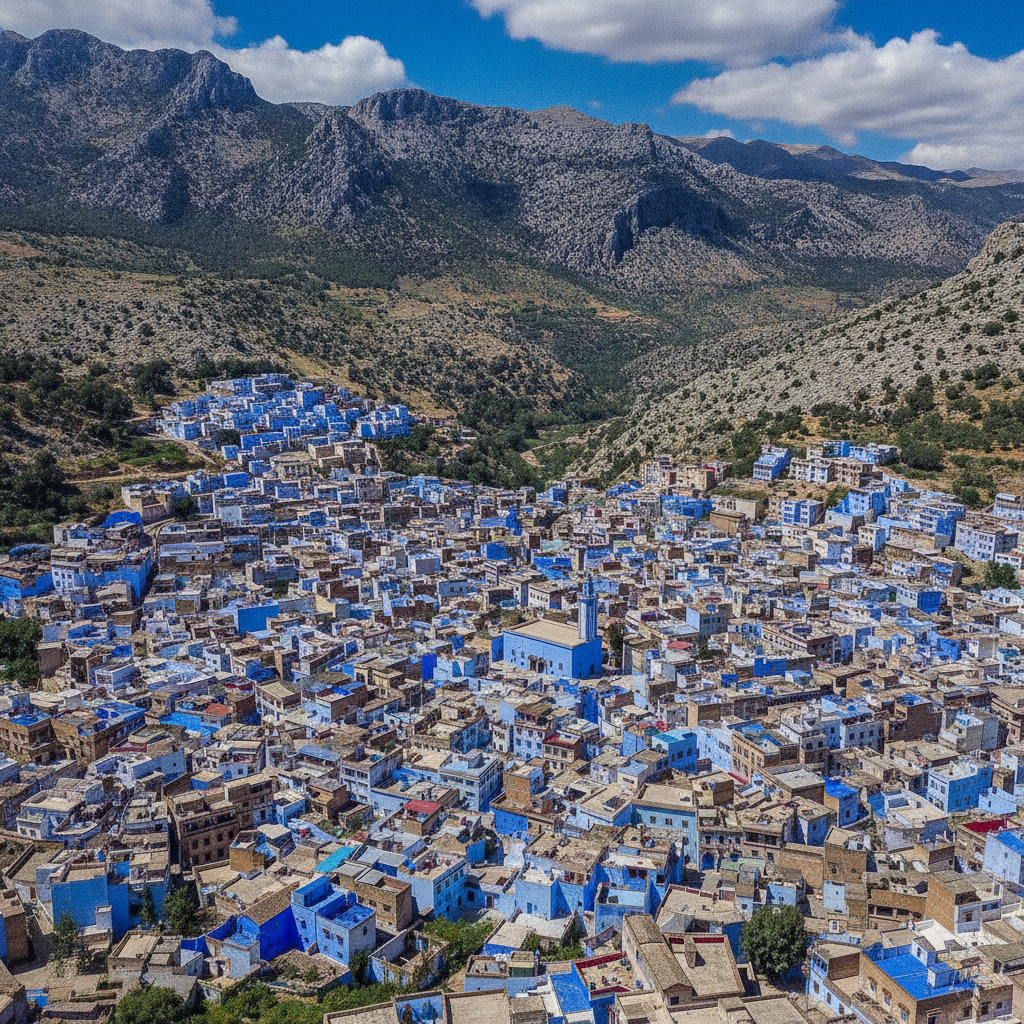
Abd el-Krim's Rif Republic Defeated 10,000 Spanish Soldiers at the Battle of Annual in 1921 Before Being Crushed by Combined French-Spanish Forces Using Mustard Gas Chemical Warfare Against Civilians; Morocco Was the First Country to Recognize American Independence in 1777 Before Any European Nation; Chefchaouen Was Inaccessible to Non-Muslim Europeans Until Spanish Military Forces Entered in 1920 and Found a Population Still Speaking Haketia Judeo-Spanish
Abd el-Krim defeating 10,000 Spanish soldiers at Annual 1921 then crushed by mustard gas; Morocco recognizing US independence in 1777 before any European nation; Chefchaouen inaccessible to non-Muslims until 1920 with a population still speaking Haketia Judeo-Spanish; the Tetouan UNESCO medina as the finest surviving Andalusian-Moroccan domestic architecture; Paul Bowles living in Tangier for 52 years; and Chefchaouen complete guide with Akchour waterfall hike and CTM buses from Tangier in 2.5 hours.
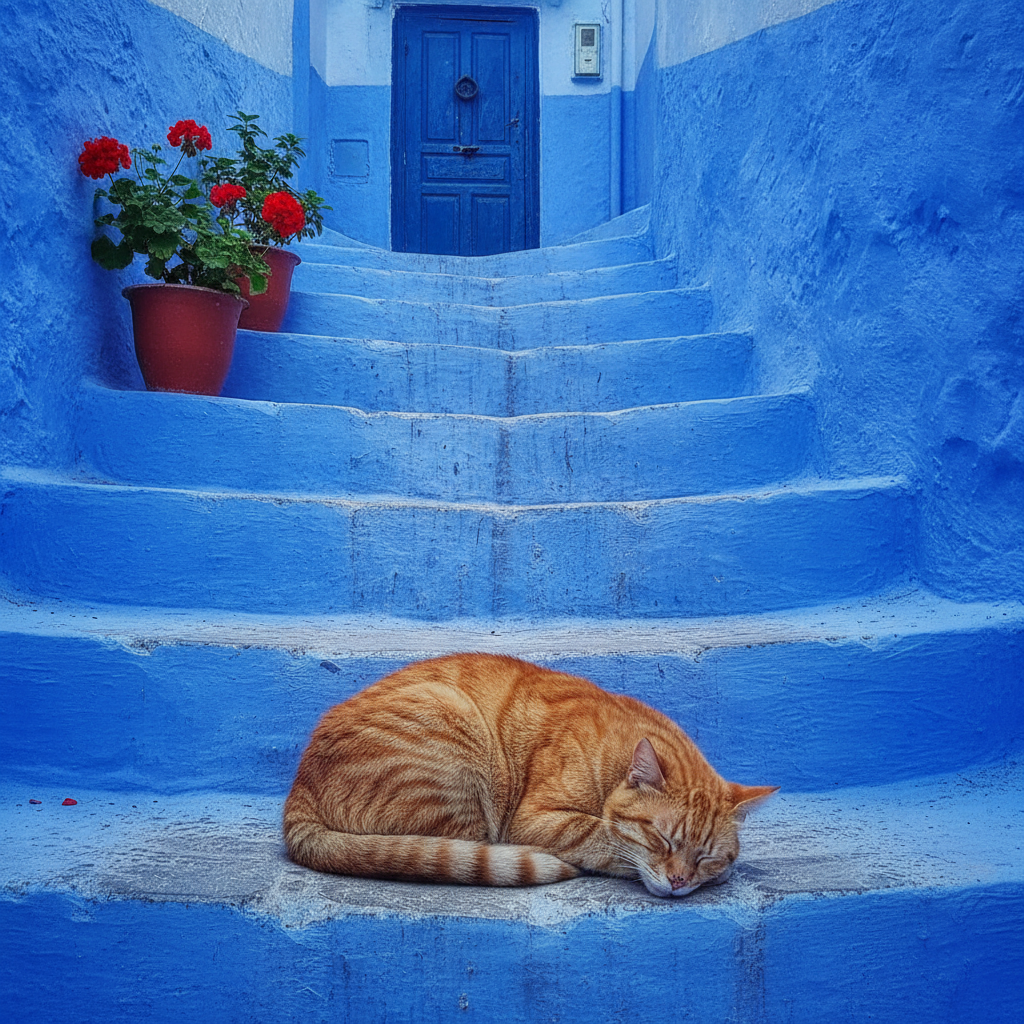
Chefchaouen Has an Estimated 500-1,500 Feral Cats in the Medina Who Appear in Approximately 20-30% of All Instagram Photographs of the City; Moroccan Islamic Tradition Regards Cats Positively Based on the Prophet Muhammad's Reported Pet Cat Named Muezza; The Chefchaouen Blue Paint Is a Lime-Based Whitewash Applied Annually Before Summer Using Synthetic Cobalt Blue and Ultramarine Pigments While Traditional Blue Used Indigo
Chefchaouen having 500-1,500 feral cats appearing in 20-30% of Instagram photographs; Islamic tradition regarding cats positively based on the Prophet's cat Muezza; the blue paint being lime whitewash with cobalt pigments applied annually; jben goat cheese and Rif thyme honey as the primary local food products; the best medina experience at 6:30-7am before tourist groups arrive; and Chefchaouen compared to Morocco's other cities as the most visually distinctive but least historically deep destination.