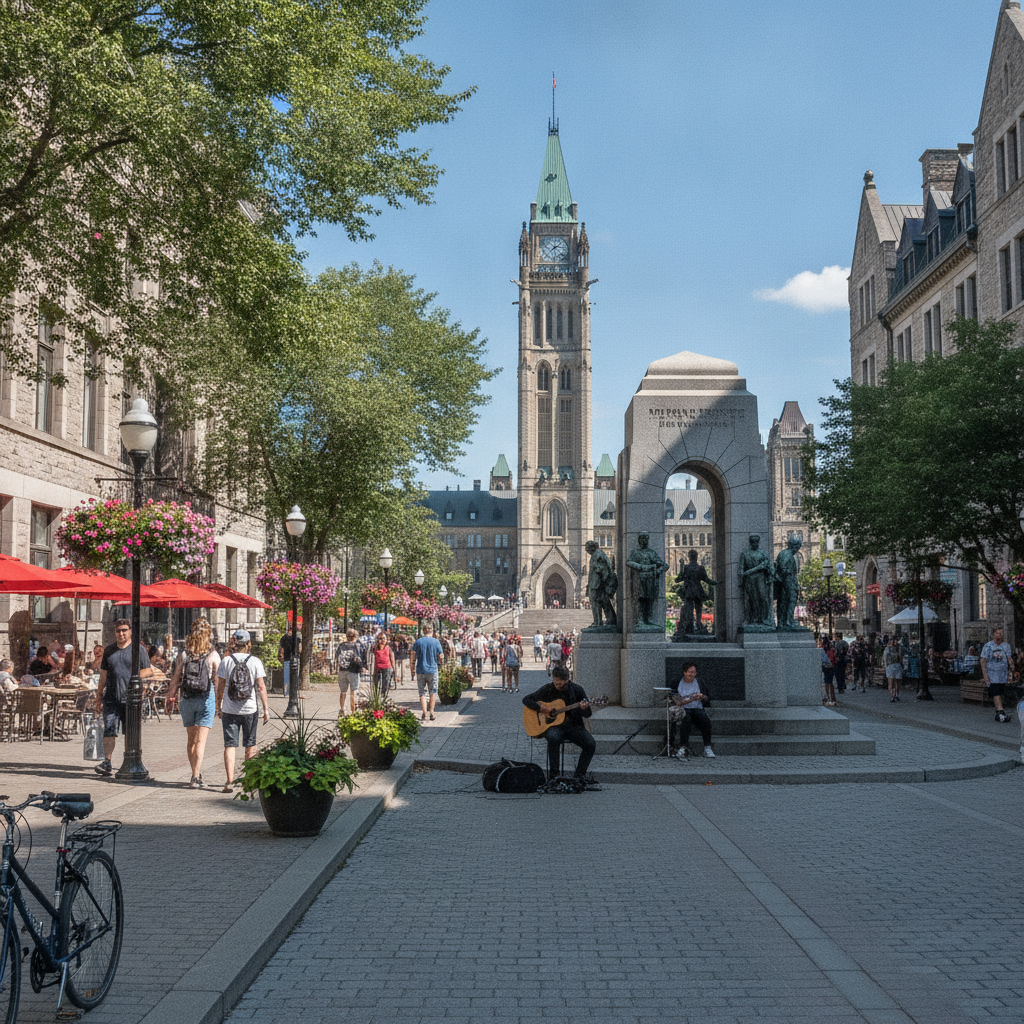

Ottawa: The Constitution That Took 115 Years to Bring Home From Britain, the Playing Card Money Used When New France Ran Out of Coins and the Neighborhood Cleared in the 1960s That Is Still Empty
Understand the Official Languages Act of 1969 that made French and English co-equal from coast to coast and what it cost politically to pass it in a country where one province barely wanted to remain, see the Charter of Rights and Freedoms that for the first time gave Canadian courts power to strike down laws that violated fundamental rights, find the Currency Museum collection of Hudson Bay Company trade tokens and the playing card money New France printed when coin supply ran out, walk a pedestrian mall created in 1967 that was the first in Canada and is now a cautionary tale about retail decline, track the Trudeau dynasty from the father who patriated the constitution to the son who served as prime minister 40 years later, and see LeBreton Flats where the NCC cleared a working-class neighborhood in the 1960s and left the land empty for 60 years as the most visible planning failure in Canadian capital history.
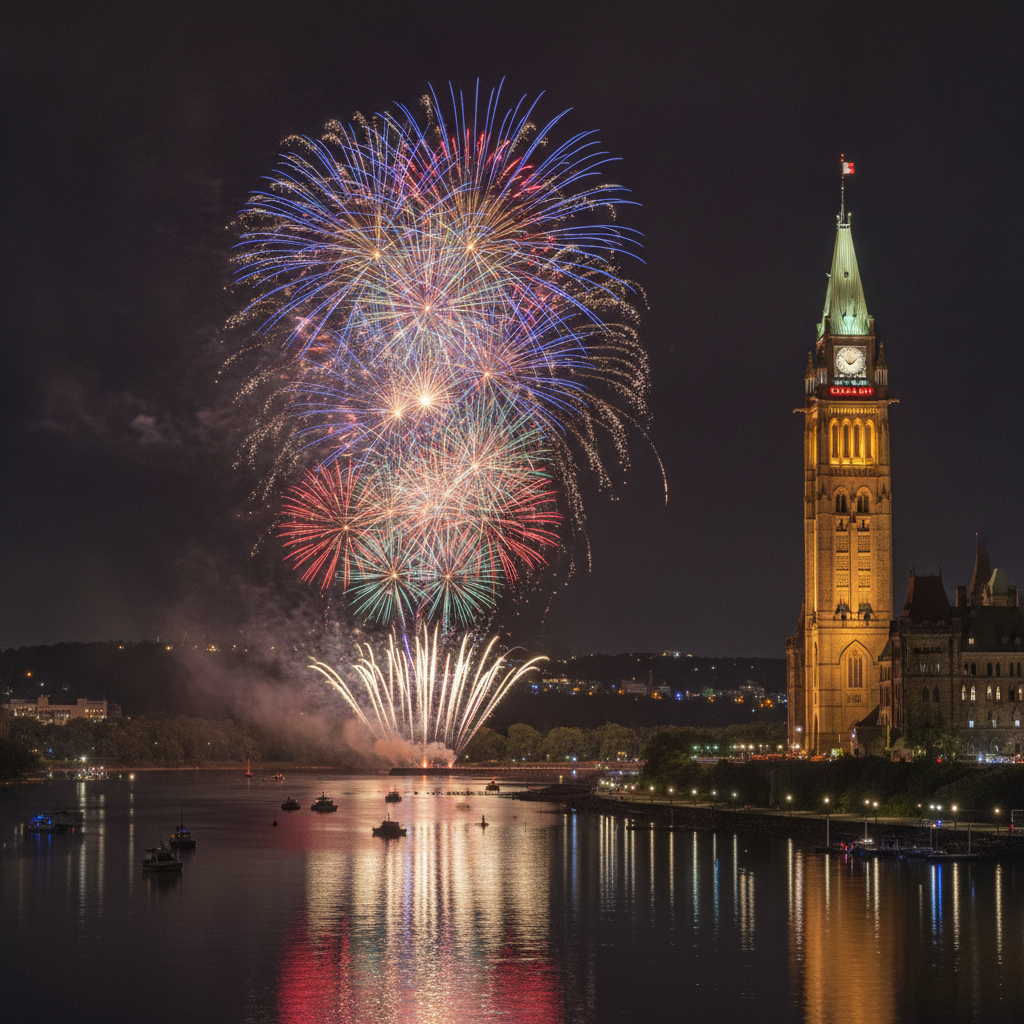
Ottawa: 130000 Federal Employees Who Never Lose Their Jobs in a Recession, the Sacred Falls That Were Industrialized for 150 Years and 1 Billion Year Old Rock Visible From Parliament
Join 200,000 people on Parliament Hill for Canada Day where the fireworks at 10pm are the most watched TV event in Canada and new citizens take their oaths in a public ceremony, understand that Ottawa economy is built on 130,000 federal jobs that make the city recession-proof in ways that oil-dependent Calgary or manufacturing Hamilton are not, learn that the Chaudiere Falls inside the Ottawa city limits were sacred to the Algonquin for thousands of years before being industrialized and are still an active power generation site 150 years later, walk Bank Street in the Glebe past independent shops in a neighborhood that produces a disproportionate share of national journalists and activists, look north from Parliament Hill to Canadian Shield granite over 1 billion years old and south to limestone deposited under a tropical sea 450 million years ago, and find a whitewater outfitter to run the same river the voyageurs used as the highway west when paddling from Montreal to the Rockies.
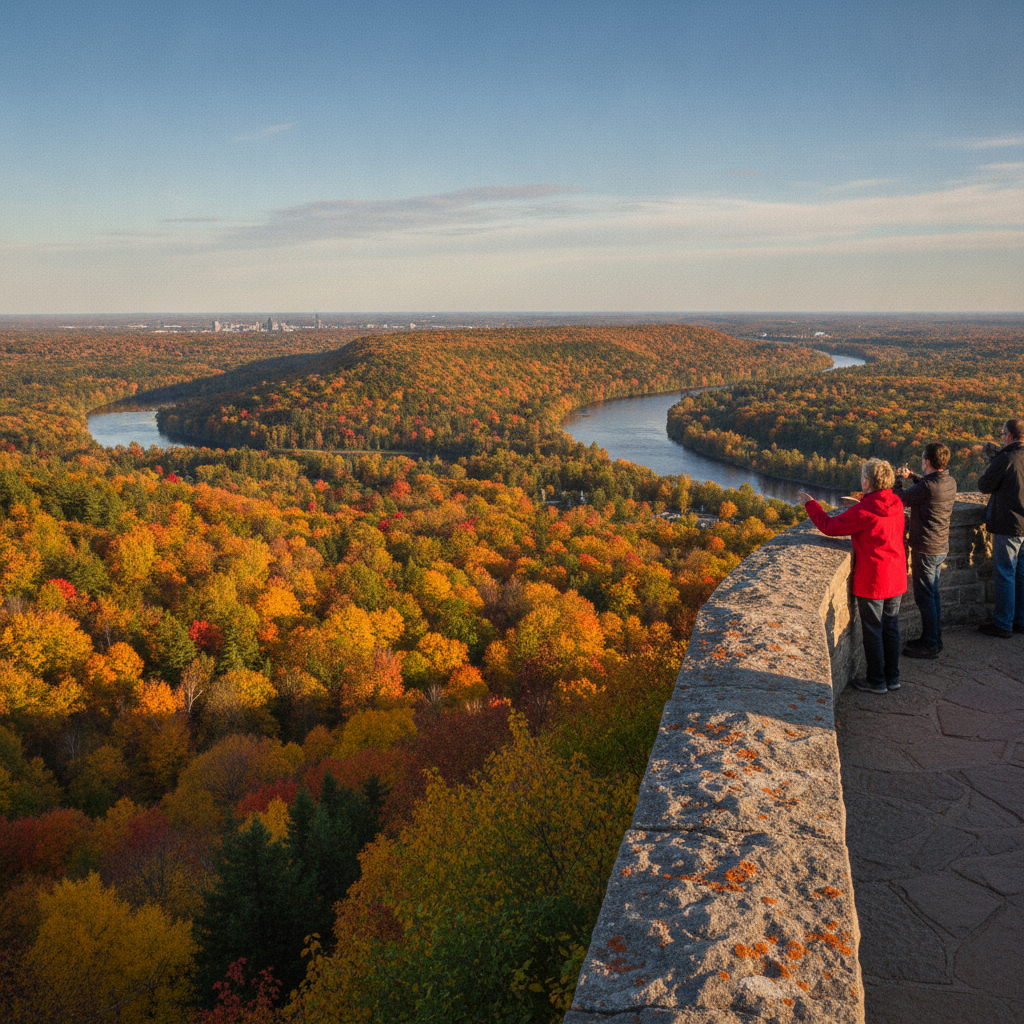
Ottawa: Second Coldest Capital City in the World Where 15000 People Commute on Ice, the Confederation Documents in Fireproof Vaults and the Lookout Where You Can See New York State
Understand that Queen Victoria chose a lumber town of 10,000 over Toronto and Montreal precisely because it was too small to have any existing power base and was harder for America to attack, follow 15,000 daily canal commuters skating to government offices past Parliament Hill on a UNESCO World Heritage Site with a BeaverTails kiosk open on the ice, read the original British North America Act of 1867 that created Canada in a fireproof vault at the national archives alongside Alice Munro manuscripts and immigration records for every person who arrived through Pier 21, hike to the Champlain Lookout escarpment in Gatineau Park where the entire Ottawa Valley is visible from a 200-metre limestone cliff and on clear days New York State appears at the horizon, trace the Ottawa Valley fiddle tradition to a regional style distinct from Cape Breton and Quebec City and then connect it to Bruce Cockburn who has been making music here for 50 years, and check your packing list for a city whose temperature swings 65 degrees between July and February making it the second coldest capital city in the world after Ulaanbaatar.
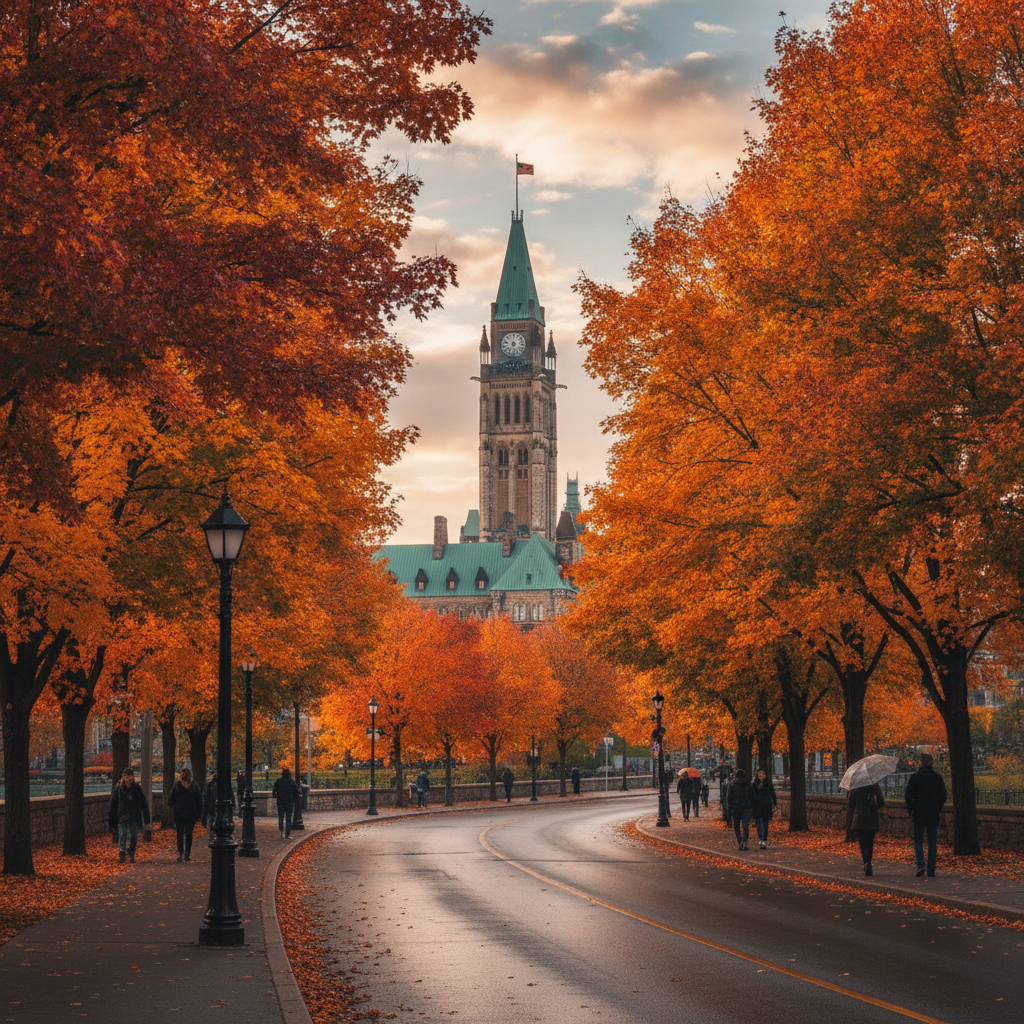
Ottawa: The Library Saved by a Clerk Who Closed One Door, an Unresolved Land Claim on the Ground Under Parliament and a Farm Doing Agricultural Research Since 1886 Inside the City
See the only building to survive the 1916 Parliament fire because one person had the presence of mind to close iron doors in time, walk 8 kilometres of Confederation Boulevard past the Supreme Court and National Archives and the War Memorial where the Tomb of the Unknown Soldier was brought from Vimy Ridge in 2000, understand that Queen Victoria chose Ottawa as capital in 1857 specifically because it was harder for America to attack than Toronto or Montreal, buy Ontario vegetables and Quebec ice cider at the same market ten minutes from Parliament while a 426-hectare federal research farm operates inside the city limits, follow the Ottawa Senators from an expansion franchise in 1991 back to the original team that won the Stanley Cup four times in the 1920s before going broke in the Depression, and skate the Rideau Canal with 1 million other users in a season on a UNESCO World Heritage Site that was built to fight a war that ended before construction started.
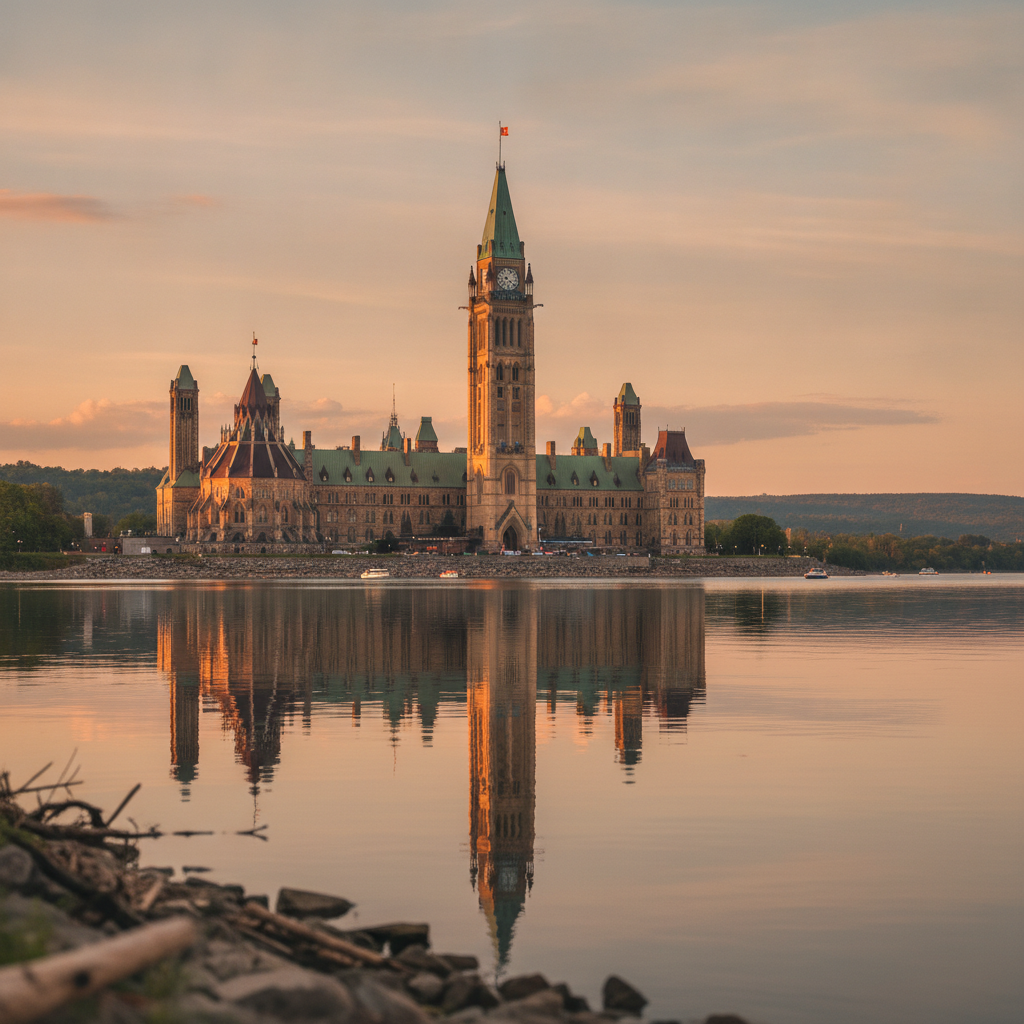
Ottawa: The Skating Rink That Is Also a UNESCO World Heritage Site, the Marshmallow Incident That Extinguished the Eternal Flame and the Most Photographed Spider in Canada
Stand on Parliament Hill where the Eternal Flame has burned since 1967 except for the night students toasting marshmallows accidentally put it out, skate 8 kilometres through the capital on the Rideau Canal that was built as a military route against America after a war that ended before construction started and is now the worlds largest naturally refrigerated rink, find the 9-metre spider outside the gallery that holds the painting whose creators manifesto in 1948 launched the Quebec Quiet Revolution, eat a BeaverTail pastry at a market operating since 1826 where an American president created international news by ordering the same thing, walk free into the Governor General estate to skate on the same rink used for state ceremonies where the first Indigenous Governor General was recently installed, and cross the bridge to Quebec where the museum of Canadian history was built by an Indigenous architect and the federal government deliberately placed major offices to serve two languages.
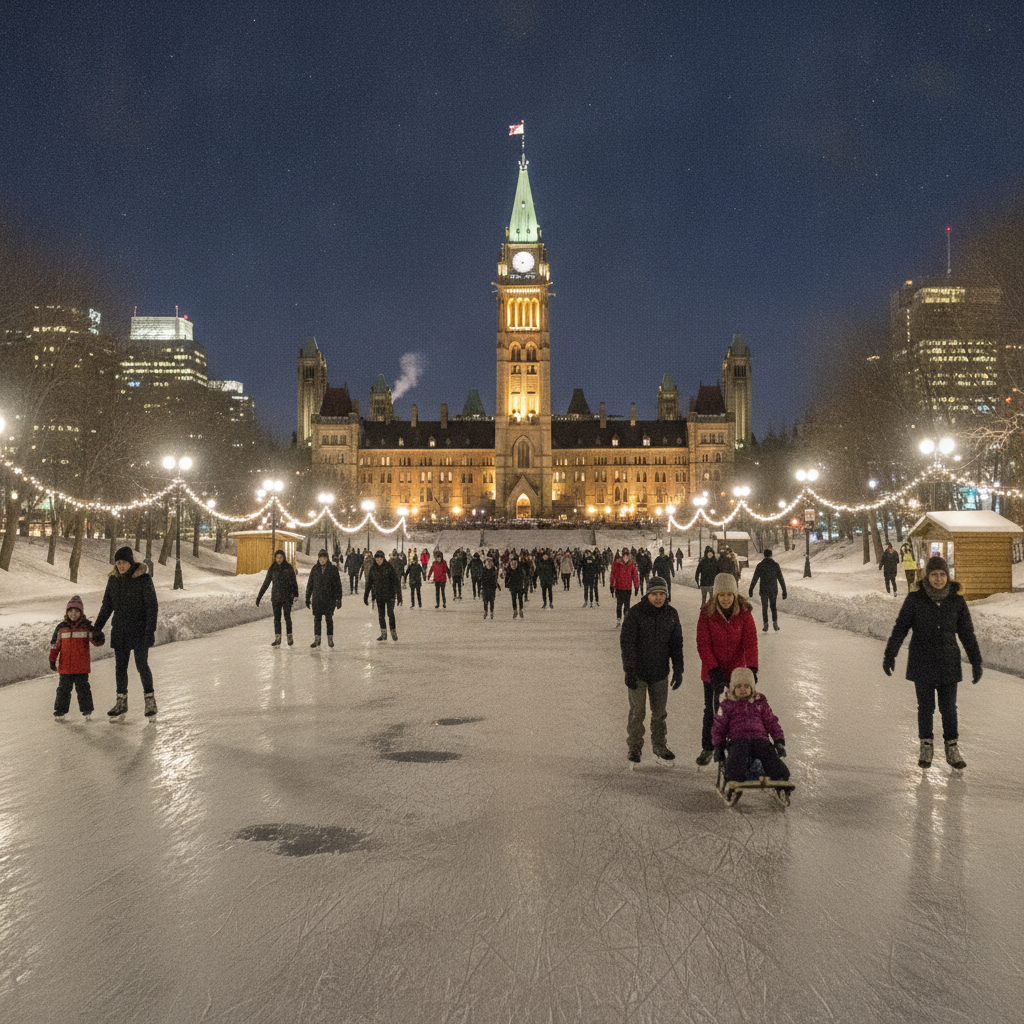
Ottawa: The Nobel Prize That Invented Peacekeeping, a Capital Built on Unceded Algonquin Land That Has Been in Legal Negotiation for 40 Years and the Only Bilingual National Theatre in the World
Attend a performance at the only bilingual national performing arts centre in the world on the Rideau Canal, walk Sussex Drive past the prime ministers residence to the French Embassy and the American ambassador house and understand that 125 countries maintain embassies in a city of 1 million people, skate the Rideau Canal at minus 15 in February during the Winterlude festival where ice sculptors make 2-metre works with chainsaws in a 10-hour competition, learn that the same foreign minister who won the 1957 Nobel Peace Prize for inventing UN peacekeeping also introduced universal health care and the current Canadian flag in five years as prime minister, cycle 900 kilometres of urban paths through a greenbelt of 20,000 protected hectares around the city core, and understand that the capital of Canada sits on Algonquin land whose ownership has been in formal legal negotiation since 1983 with no resolution.
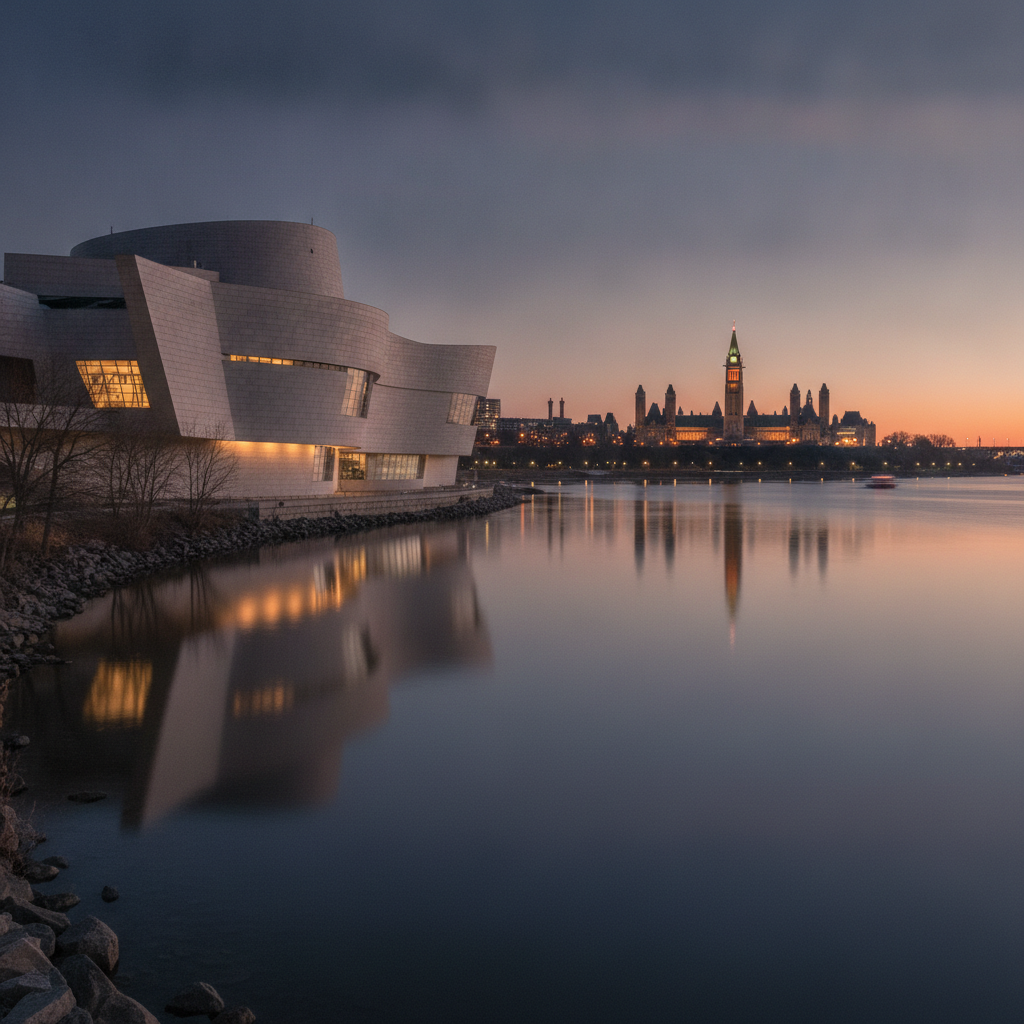
Ottawa: The Prime Minister Who Talked to His Dead Dog, 3 Million Dutch Tulips Planted as Thanks for Liberation and the Tech Company Collapse That Built a Startup Scene
Cross to Gatineau to see the most visited museum in Canada built by a Blackfoot architect in curves that deliberately contrast the angular Gothic of Parliament Hill across the river, find in the War Museum the Nobel Peace Prize work of the foreign minister who invented UN peacekeeping during Suez and the vehicle from the Rwandan genocide in the same building, hike to a former prime ministers estate where he collected bombed English Parliament stones as garden follies and held seances with his dead terrier, understand that 3 million tulips bloom in Ottawa each May because Canada housed the Dutch royal family during wartime exile and a hospital was declared Dutch territory for one birth, eat at a restaurant scene shaped by 125 embassies and French cheese crossing the bridge from Quebec, and read the story of Nortel employing 95,000 people before collapsing and scattering engineers who eventually built Shopify.
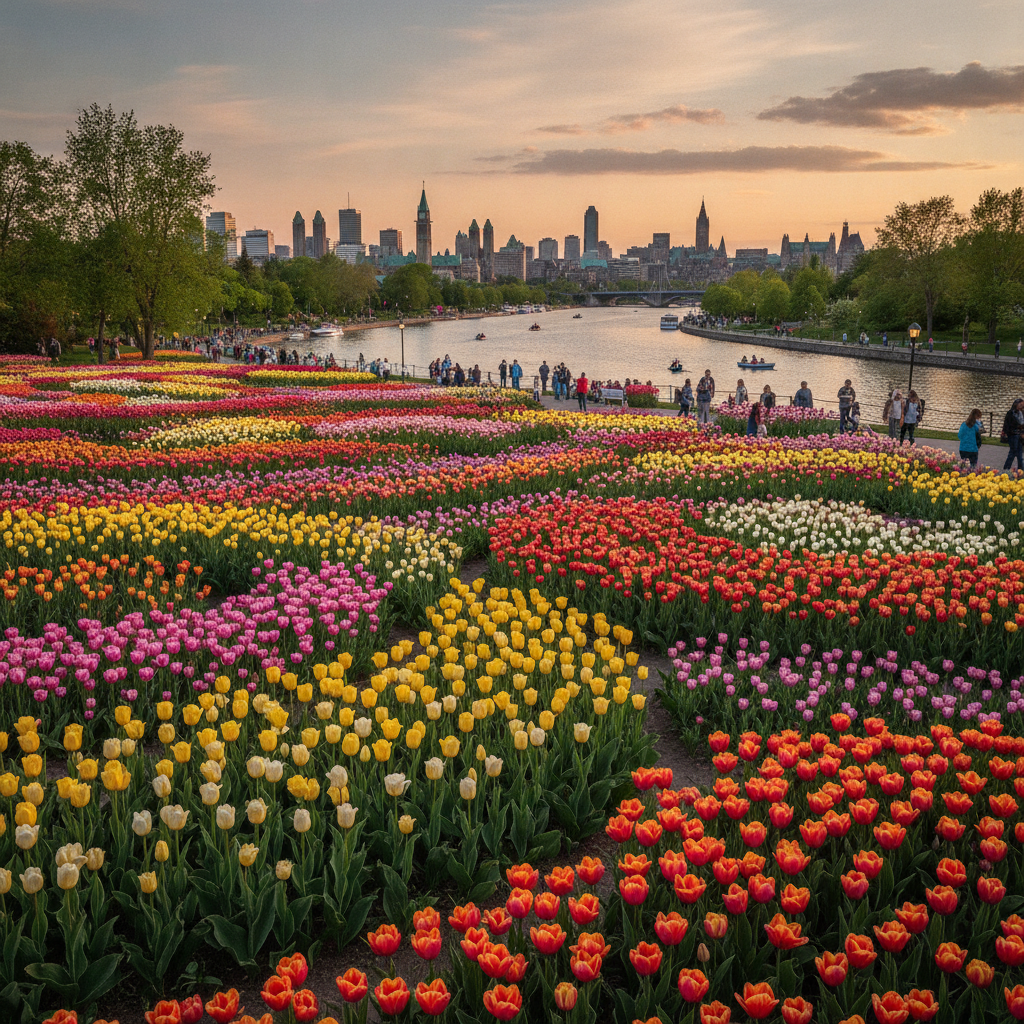
Ottawa: The Prime Minister Who Governed 21 Years While Consulting His Dead Mother, the Jet Destroyed on Purpose and the 500 Varieties of Tulips That Are an Annual Apology for Not Surrendering Sooner
Walk to Kingsmere estate to see the ruins a prime minister assembled including bombed British Parliament stones while he held seances with his dead Irish terrier and governed Canada through World War II, visit Laurier House where the portrait of a prime ministers mother watched over a third-floor study used to make wartime decisions, ski 200 kilometres of Gatineau Park groomed Nordic trails 15 kilometres from Parliament Hill or drive 20 minutes to the ski area operating since 1922, find the full-scale Avro Arrow replica at the Science Museum and understand that Canada designed and built a Mach 2 interceptor in 1959 and then deliberately destroyed every copy of every drawing, watch 500 varieties of Dutch tulips bloom each May at Dows Lake as a thank-you for wartime shelter that the Netherlands has maintained continuously since 1945, and tour the 426-hectare agricultural research farm inside the Ottawa city limits that has been doing science since the year the Eiffel Tower was built.