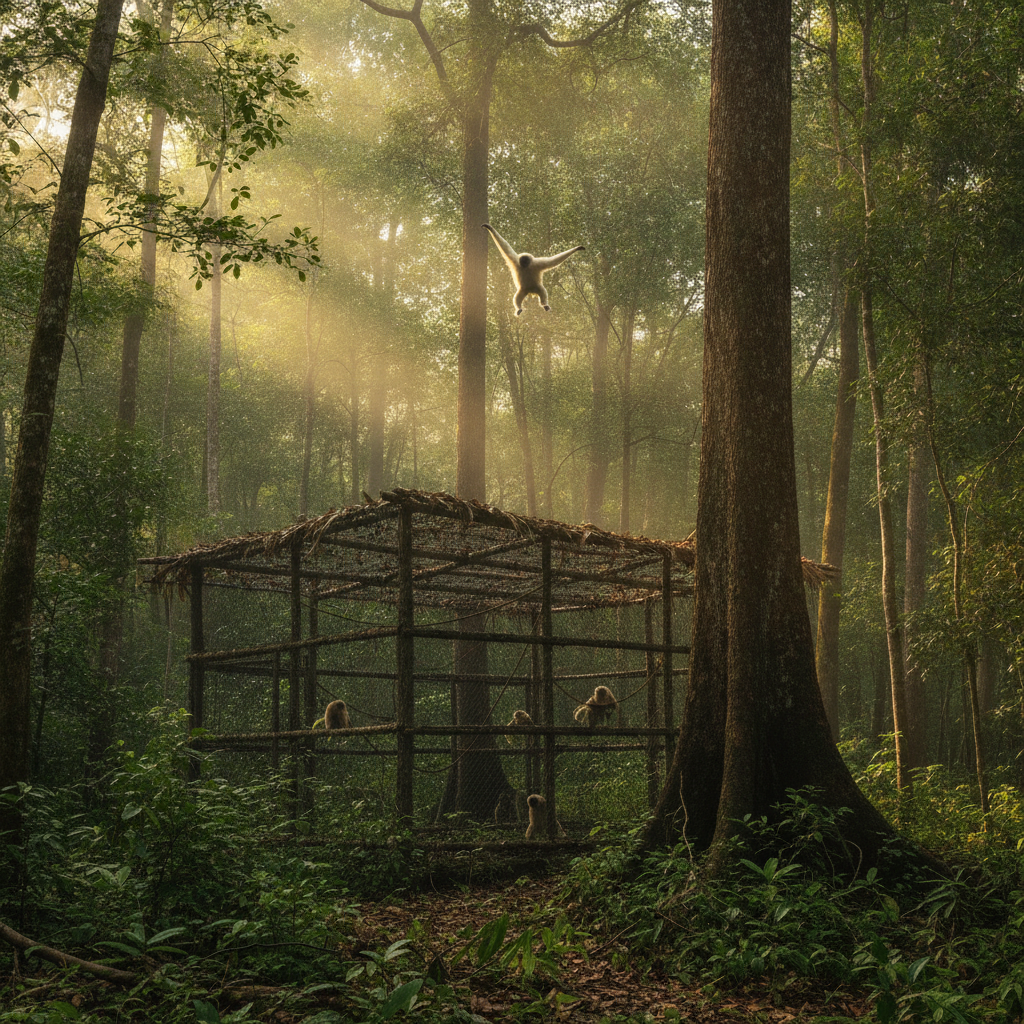
Phuket's Lesser-Known Faces: Khao Lak's Police Boat Tsunami Memorial, Gibbons in the Last Forest & Sailing the Andaman
Phuket extended—Khao Lak's 10-metre tsunami wave that killed 4,000 and left Police Boat 813 two kilometres inland (now the memorial centrepiece), Phuket's King's Cup Regatta drawing 100 yachts to the Andaman Sea in December, the Gibbon Rehabilitation Project returning captured ex-tourist-photo gibbons to the island's last 23 km² of primary rainforest, the Café del Mar beach club at Kamala and the Kata cliff-top sunset bar for the visitor who has found Bangla Road, Blue Elephant Cooking School's southern Thai gaeng leung (coconut-milk-free turmeric fish curry) in the former governor's mansion, and the property law paradox allowing thousands of foreign villas on land Thais cannot legally sell them.
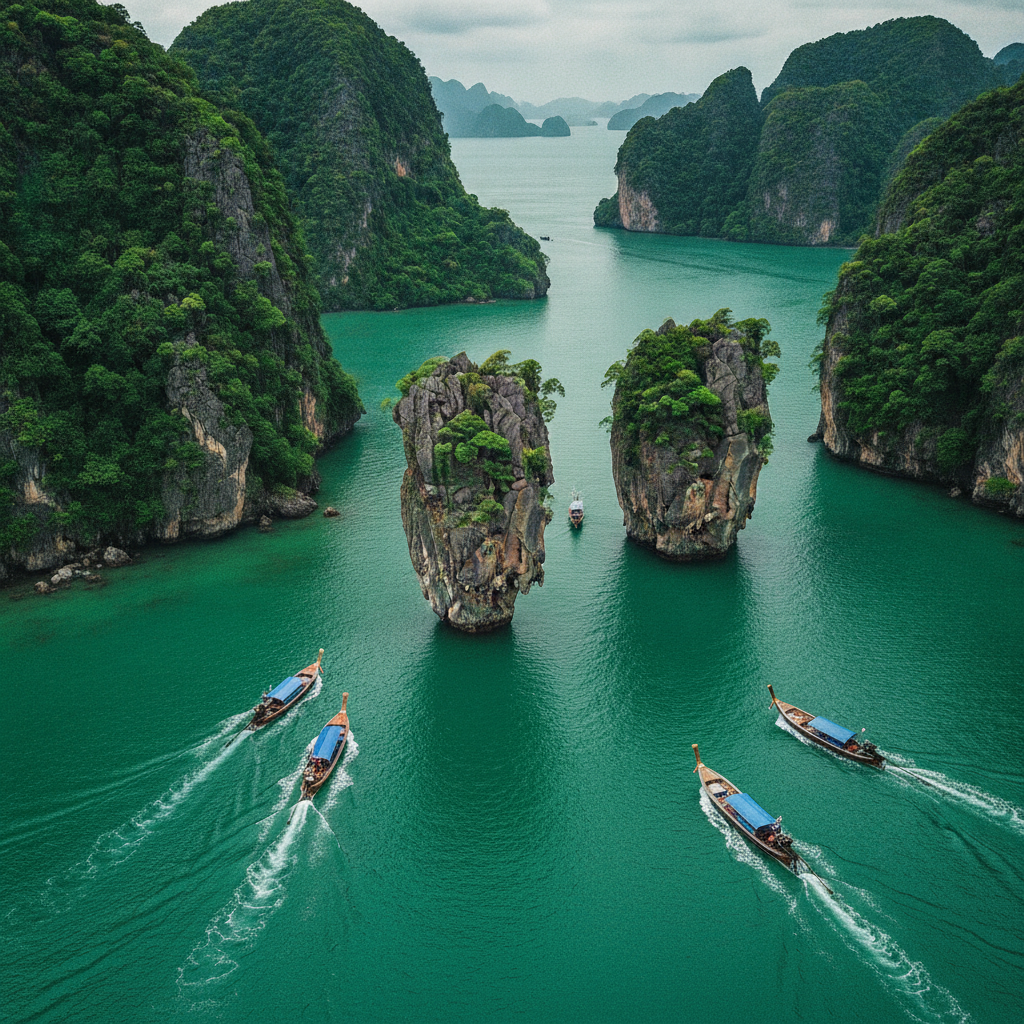
Phuket Complete: Phang Nga Bay's James Bond Island, Sino-Portuguese Old Town & the Andaman Sea's Leopard Sharks
All sides of Phuket—Patong's Bangla Road nightlife strip where 30,000 people converge after midnight (and why half of visitors come, the other half avoid), Kata Noi's surf breaks and Rawai's local seafood market beyond the resort belt, Phang Nga Bay's karst needles by sea kayak through hidden hong lagoons and Ko Panyee's 360-family stilt village, the 2004 tsunami's 9.1 earthquake wave that struck at 09:00 and killed 250 on Phuket's beaches prompting the Indian Ocean warning system, Phuket Town's 19th-century Sino-Portuguese tin-mining shophouses funded by Hokkien families who once governed provinces, and Ko Racha and the Similan Islands' leopard sharks and manta rays.
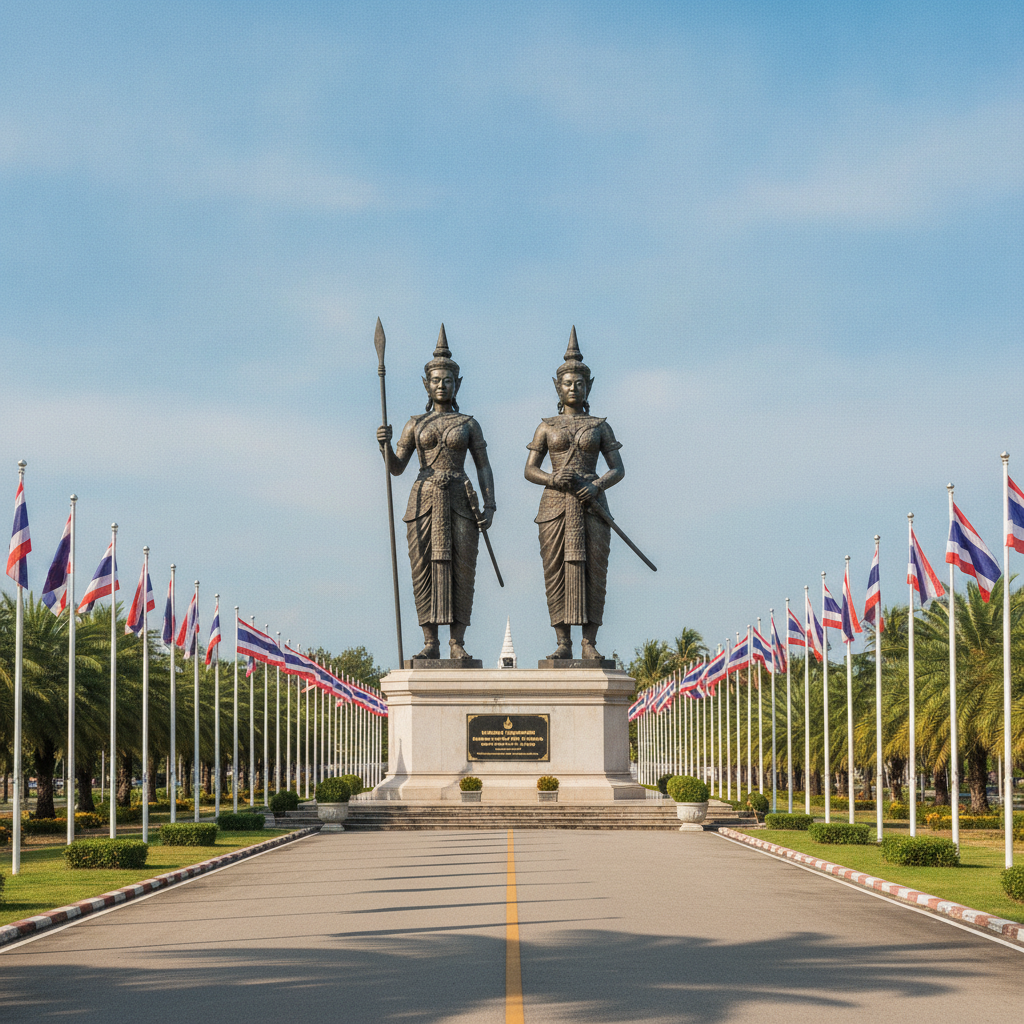
Phuket's Identity: The Hokkien Heroines of 1785, Hi-So Surin Beach & the Island That Contains All Contradictions
The deeper Phuket—the Hokkien tin-mining community's 200 years of cultural distinctiveness (Vegetarian Festival body-piercing that has no mainland Chinese equivalent, Baba Malay nearly extinct, more connected to Penang than Bangkok until Rama V's centralisation), Chan and Mook's bronze monument at Thalang honouring the widow and her sister who bluffed a Burmese army into withdrawal in 1785, Surin Beach's Millionaire's Mile villa estates and Hi-So Thai beach clubs at the north, Phuket's British international school community of 2,000 expat families, the 900 tonnes of waste per day the island's system cannot adequately process, and an island that has reinvented its economy four times in 60 years now facing the casino debate and the climate question.
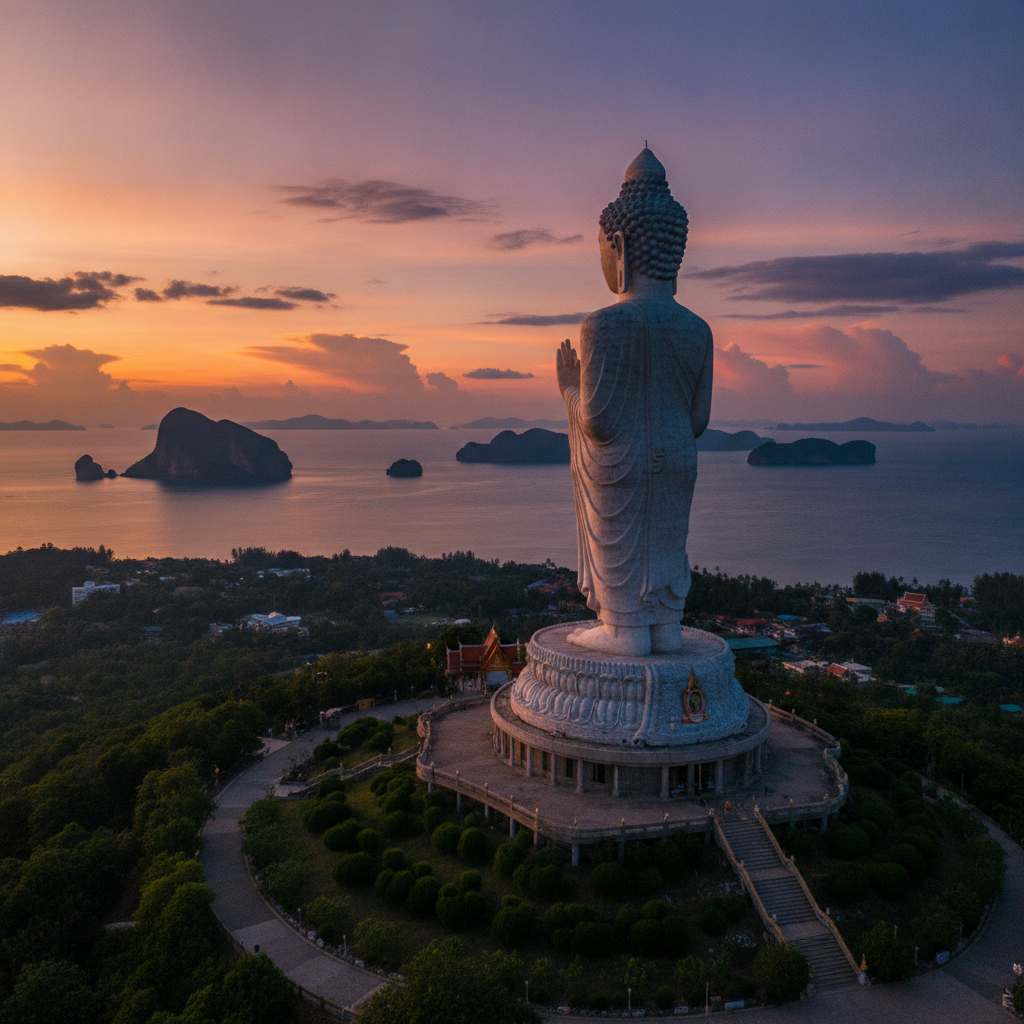
Phuket's Other Side: Big Buddha Views, Southern Thai Khao Yam & the Amanpuri Resort That Defined Luxury Tourism
The non-beach Phuket—the 45-metre white marble Big Buddha on Nakkerd Hills visible from both coasts simultaneously, Wat Chalong honouring the monks who defended against 19th-century Haw bandits, southern Thai cuisine's turmeric-forward curries and khao yam rice salad utterly unlike Bangkok food, the Amanpuri (opened 1988, 40 pavilions in the trees above Pansea headland, the resort that defined the global luxury pavilion model), Bang Tao's Laguna complex built on a detoxified tin-mine lagoon, Phuket versus Koh Samui's Full Moon Party island, and the scooter-riding-or-taxi-mafia transport decision that defines every visitor's week.
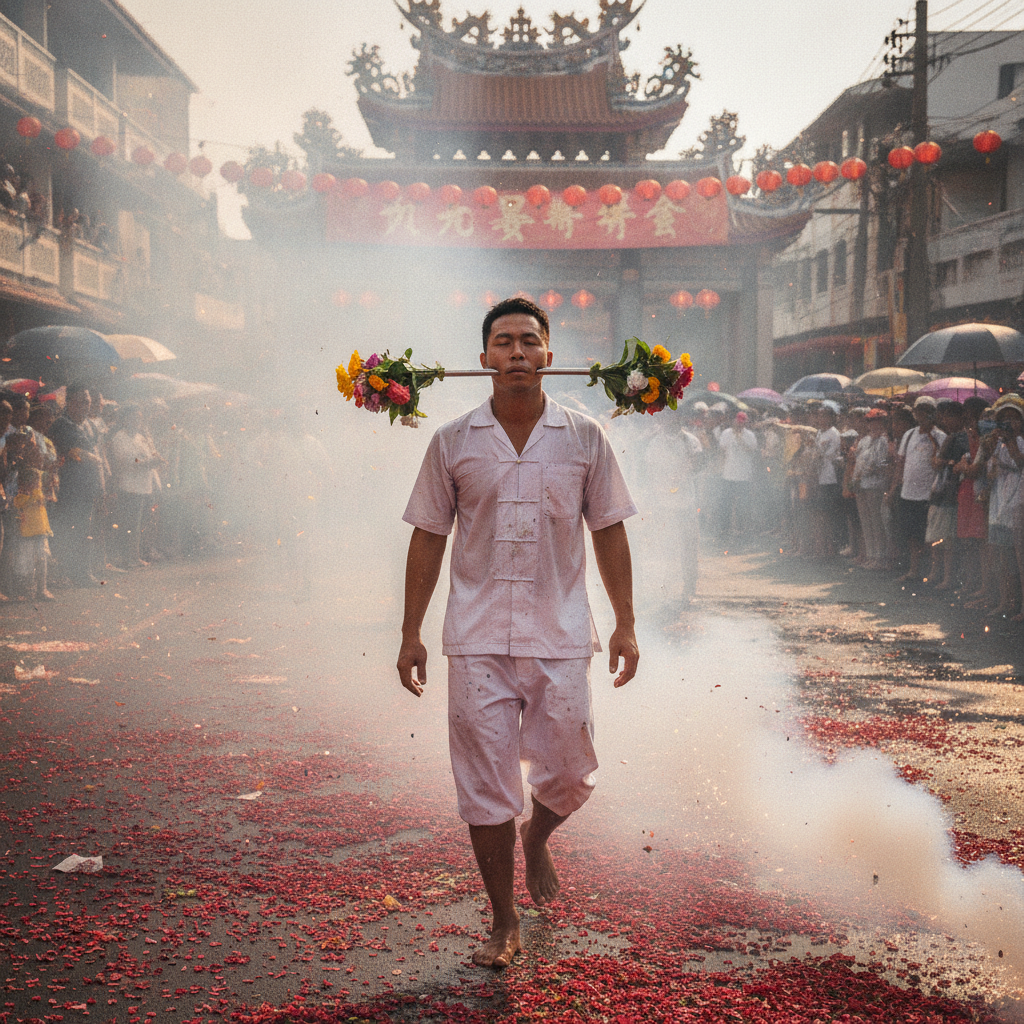
Phuket's Hidden Depth: Tin Miners' Shophouses, Body-Piercing Vegetarian Festival & Ko Phi Phi's Overcrowding Crisis
Beyond the beach—Phuket's Hokkien tin-mining families who arrived in the 17th century, built Sino-Portuguese mansions from cassiterite wealth, and still dominate the island's commercial life, the Nine Emperor Gods Vegetarian Festival where spirit mediums pierce their cheeks with steel swords while in trance (no equivalent in mainland China), Ko Phi Phi's Maya Bay receiving 5,000 visitors per day before closure and rehabilitation, the Russian tourism wave that put Cyrillic menus in Patong (then collapsed in 2022), elephant sanctuary ethics in a space-constrained island context, and the Phang Nga Bay boat trip economy's unequal distribution between tour operators and bay communities.
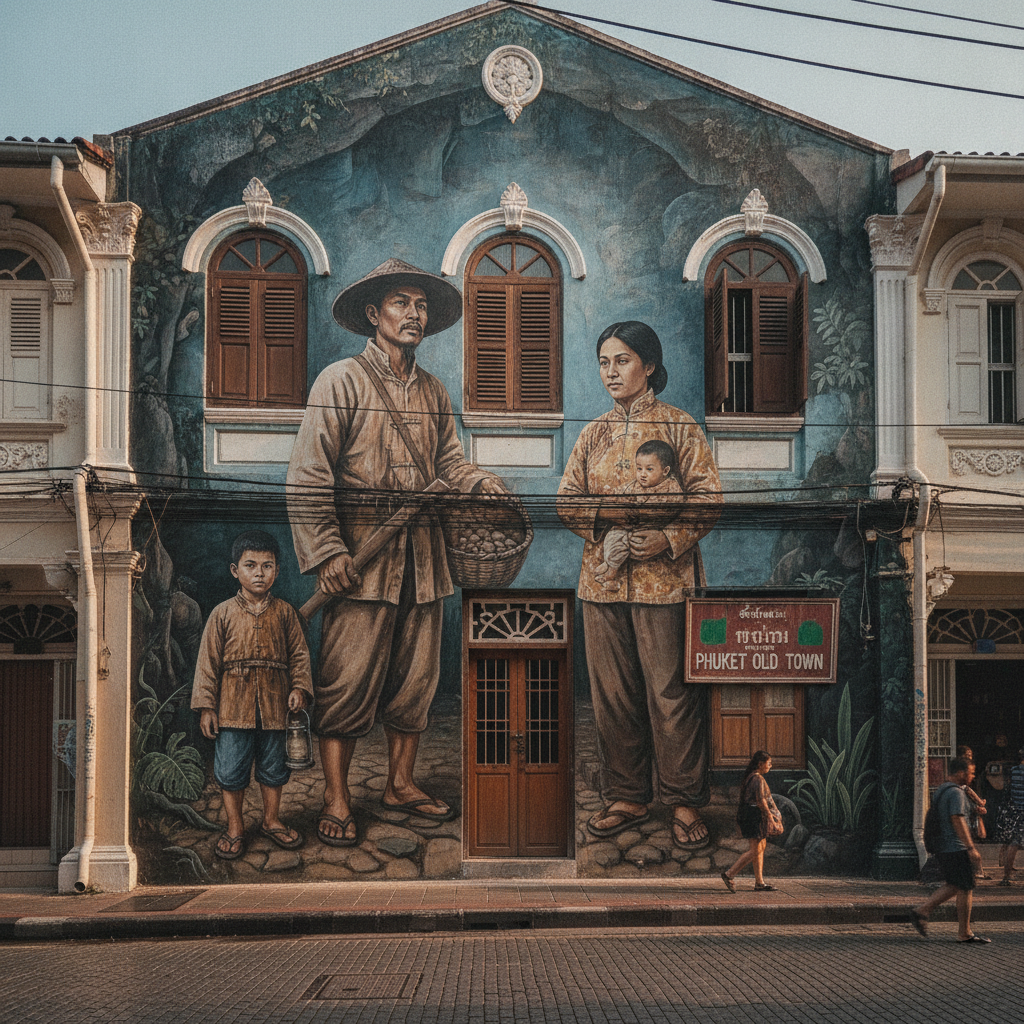
Phuket Beneath the Surface: Rubber Tappers Before Dawn, Muslim Fishing Villages & the Similan Islands' 30-Metre Visibility
Phuket beyond the resort economy—rubber tappers beginning their diagonal-groove cuts at 3am in Thalang district's plantation forest before the tourists wake, the east coast Muslim fishing villages where roti mataba and teh tarik define a different island rhythm, Old Town Thalang Road's tin-mining murals on Sino-Portuguese shophouse facades drawing more Instagram traffic than any beach, the Similan Islands' granite boulders and 30-metre visibility that make them a top-ten global dive site (closed monsoon season), the mangrove clearance that left coastal communities without tsunami buffer in 2004, and how COVID's 18-month border closure recovered Phuket's reefs faster than 20 years of conservation planning.