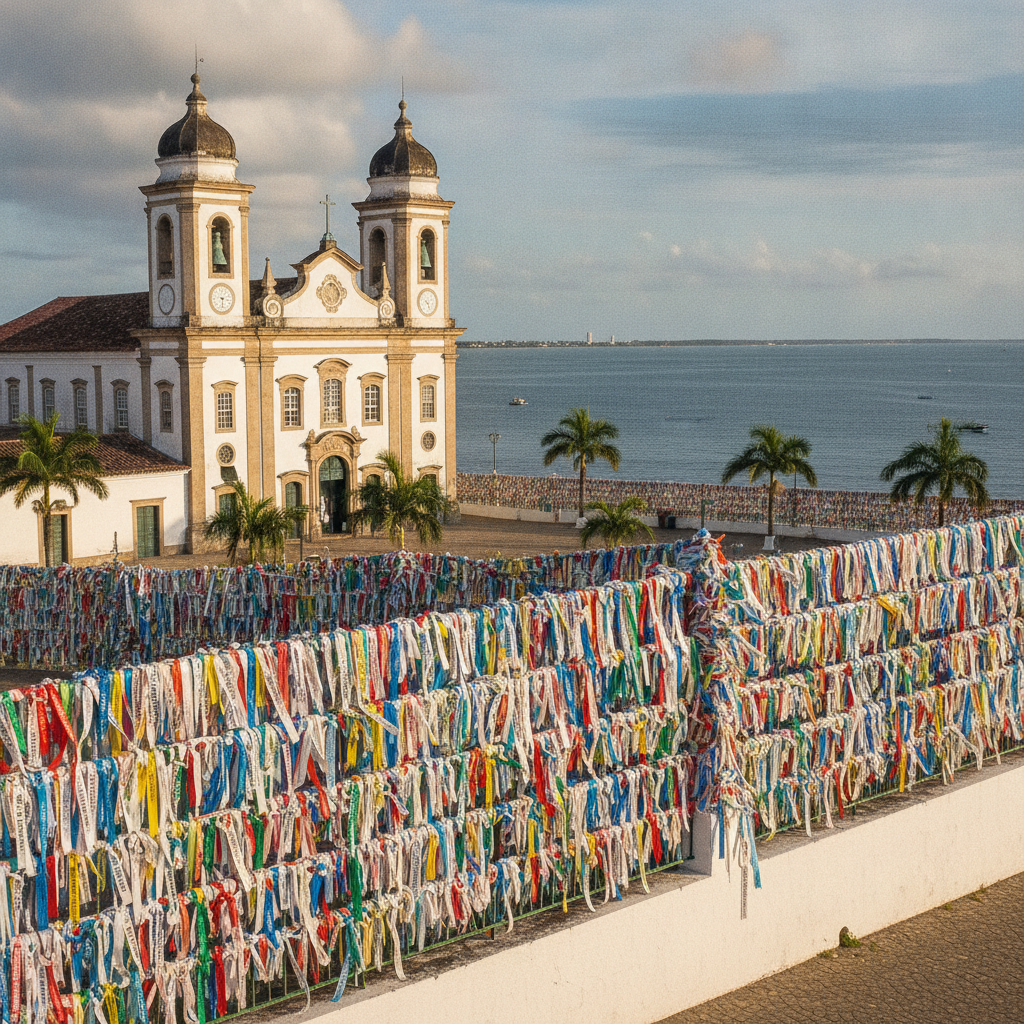

Salvador History: Slavery, the Colonial Capital, the Reconcavo Plantation Zone, and the Afro-Brazilian Legacy
The history of Salvador is inseparable from the history of African slavery in the Americas, as the city received more enslaved people directly from West Africa than any other city in the hemisphere, creating the Afro-Brazilian cultural tradition that defines Salvador today.
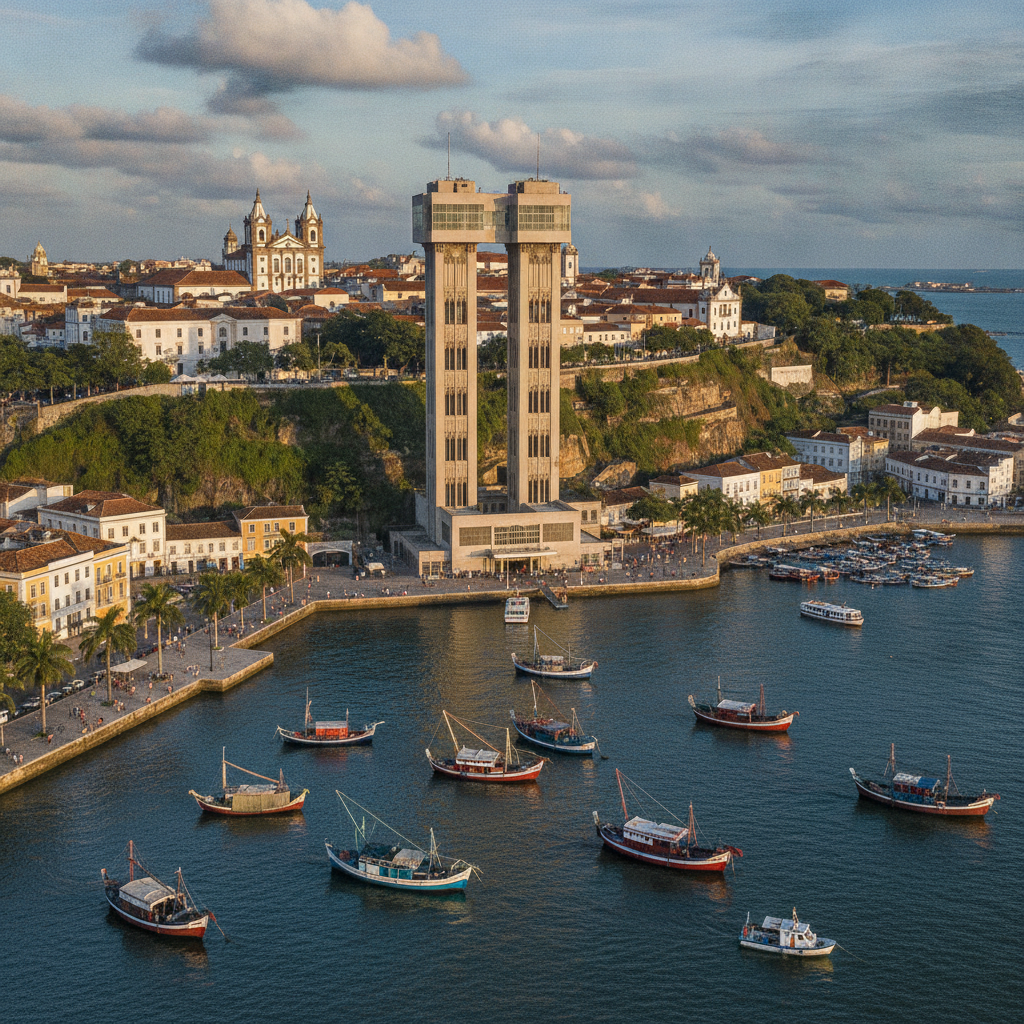
Salvador Practical Guide: Upper and Lower City, Carnival Planning, Neighborhoods, and the Bahia Coast Route
The practical information for visiting Salvador covers the dramatic upper-lower city geography, the carnival planning requirements, the neighborhood choices for accommodation, the safety considerations, and the coastal route south to the Discovery Coast beaches of Bahia.
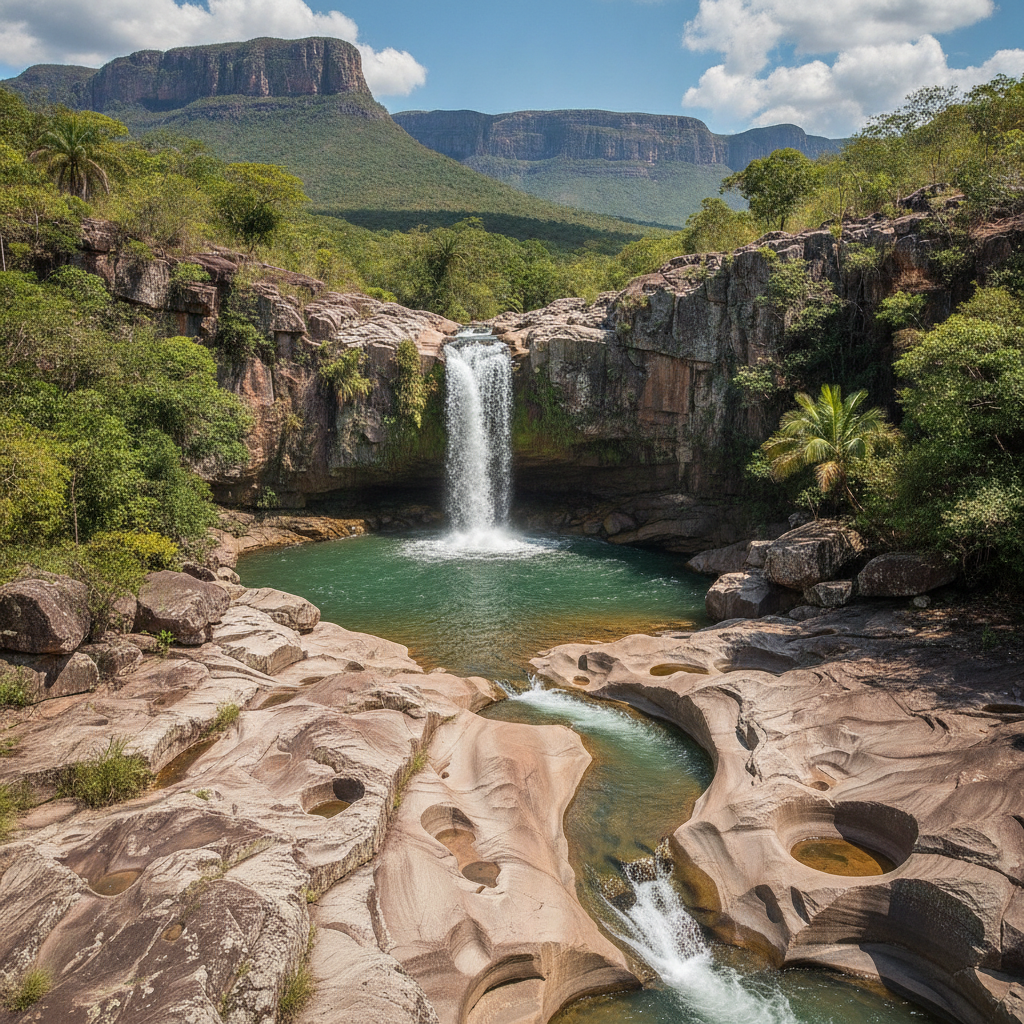
Salvador Day Trips: Chapada Diamantina, Whale Sharks at Praia do Forte, Morro de Sao Paulo, and the Irmandade da Boa Morte
The destinations accessible from Salvador extend from the trekking canyons and waterfalls of Chapada Diamantina to the whale shark aggregations offshore from Praia do Forte, the car-free beach island of Morro de Sao Paulo, and the ancient Afro-Brazilian sisterhood at Cachoeira.
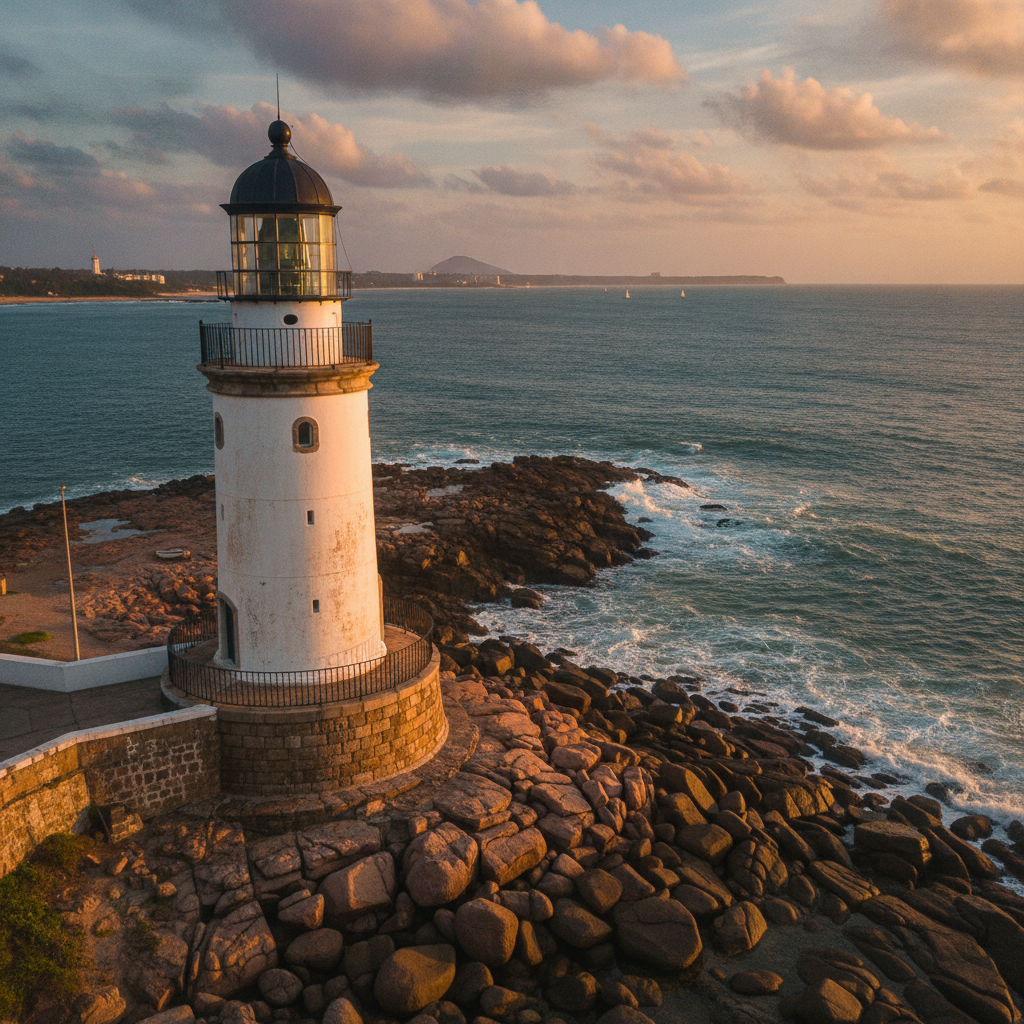
Salvador: Barra Lighthouse, Quilombo Communities, Afro-Brazilian Fashion, and the Bahian Night Culture
The final facets of Salvador include the Barra lighthouse sunset, the international art residency on Itaparica Island, the Afro-Brazilian fashion aesthetic, the contemporary quilombo rights movement, and the late-night boteco culture that is the most authentic expression of Bahian sociability.
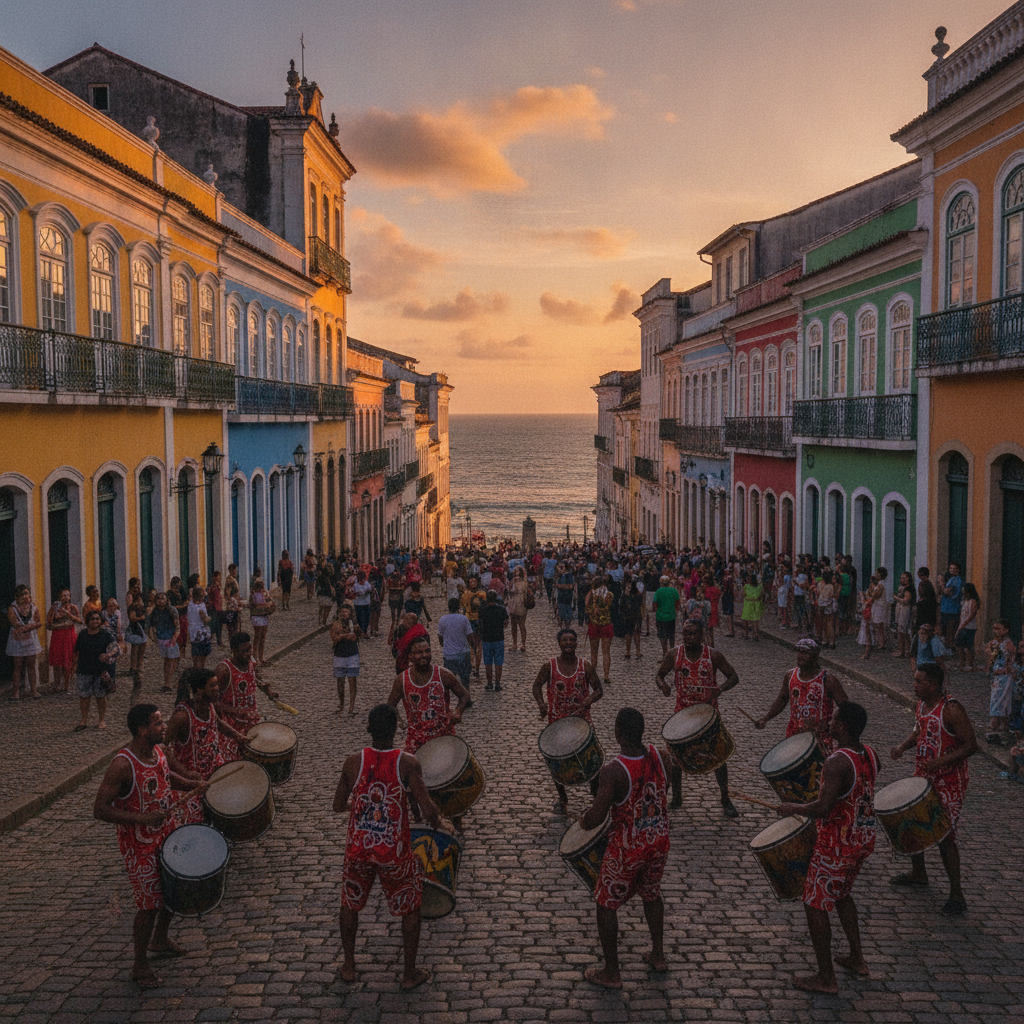
Salvador: Pelourinho, Candomble, Capoeira, and the African Cultural Capital of the Americas
Salvador, the first capital of colonial Brazil and the city most shaped by the African heritage of the enslaved people who built its churches and estates, is the most important center of Afro-Brazilian culture in the Americas, where Candomble religion, capoeira martial art, olodum drumming, and acarajé street food form a living cultural tradition of extraordinary richness.
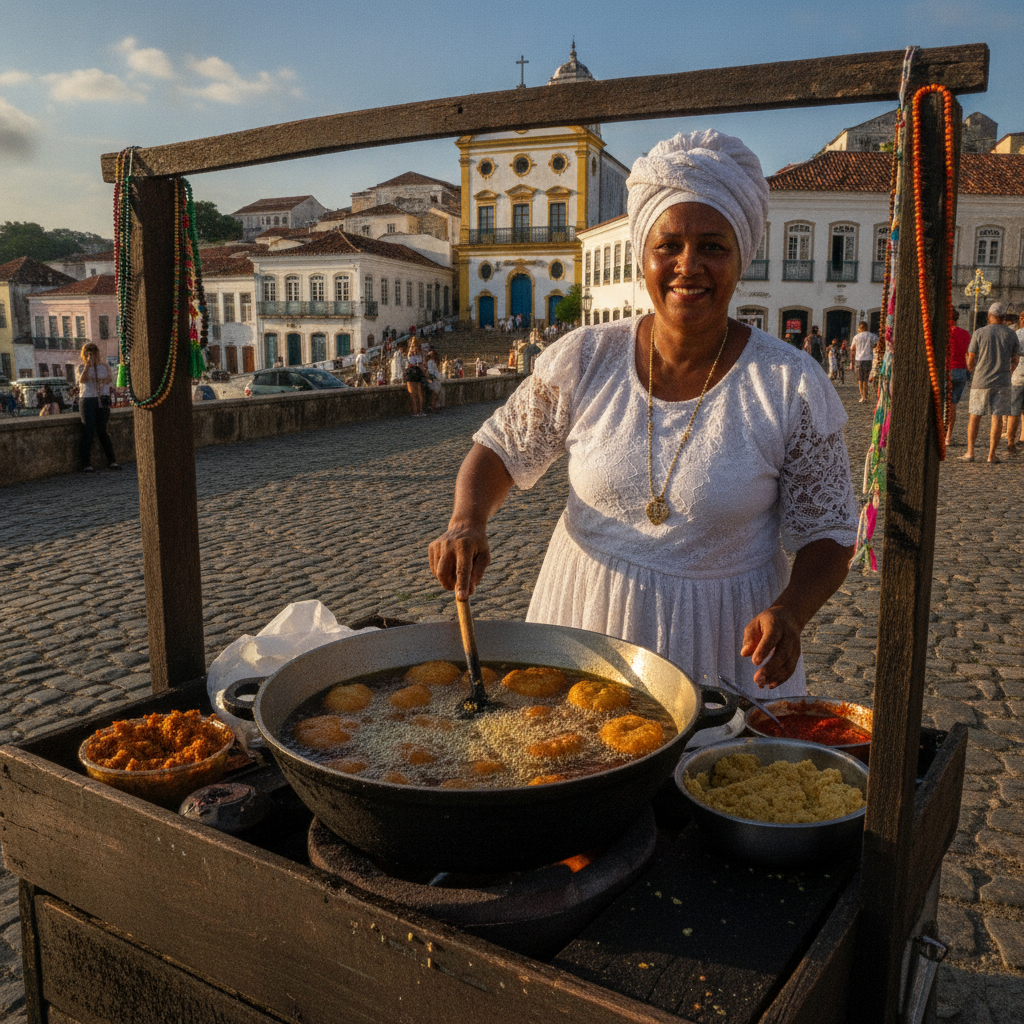
Salvador Food: Moqueca, Acarajé, the Afro-Bahian Kitchen, and the Art of the Baiana
The food culture of Salvador is the most complex and historically rich in Brazil, built on the West African cooking traditions of the enslaved peoples who transformed the ingredients of the northeast into the moqueca, acarajé, vatapa, and caruru that define Bahian cuisine and have influenced Brazilian food nationally.
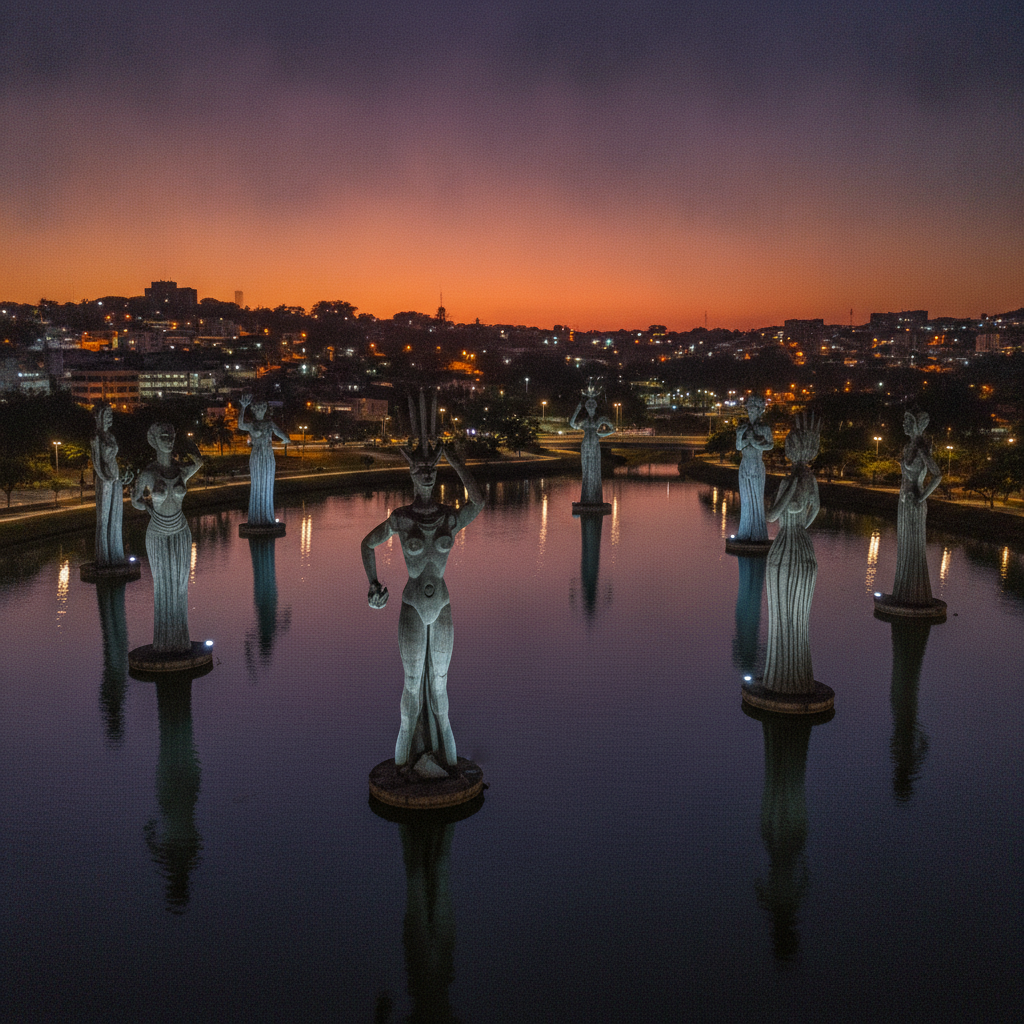
Salvador Museums and Art: Orixá Sculptures, Afro-Brazilian Heritage, Colonial Baroque, and Jorge Amado
The cultural institutions of Salvador include the orixá sculptures of the Dique do Tororo, the Carybe panels of the Museu Afro-Brasileiro, the colonial baroque silver treasury, the modernist MAMB on the bay, and the literary world of Jorge Amado that gave Bahia its international identity.
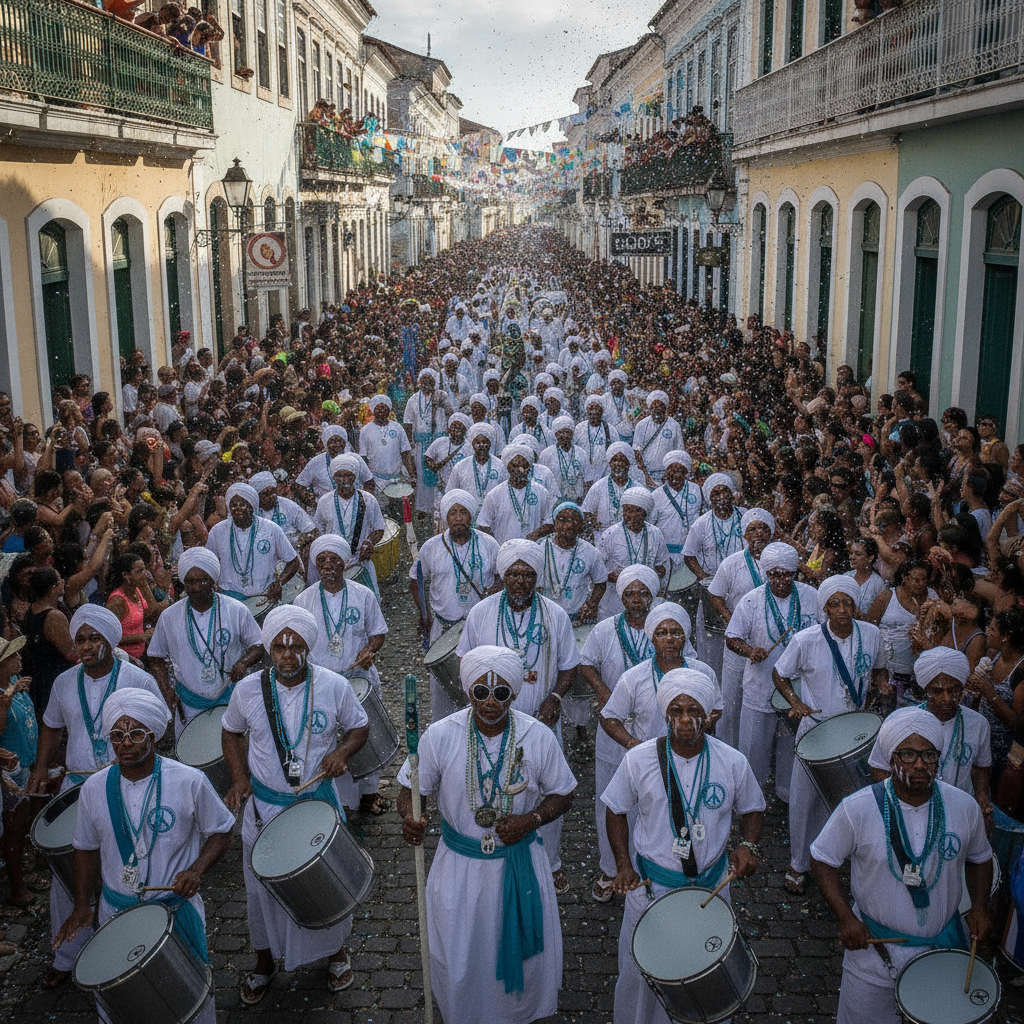
Salvador Carnival and Music: Filhos de Gandhy, Axe Music, Bossa Nova Origins, and Carlinhos Brown
The musical and carnival traditions of Salvador are the most significant in Brazil, from the world's largest street party with its trio eletrico stages to the spiritually charged Filhos de Gandhy procession, the axe music movement, and the Bahian connection to the origins of bossa nova.