
Victoria BC: The Six-Gill Sharks in the Anoxic Fjord Nobody Talks About, the Language With Fewer Than 20 Fluent Speakers That Is Now Being Taught in Schools and the Blue Flower Fields That Fed a People for Thousands of Years
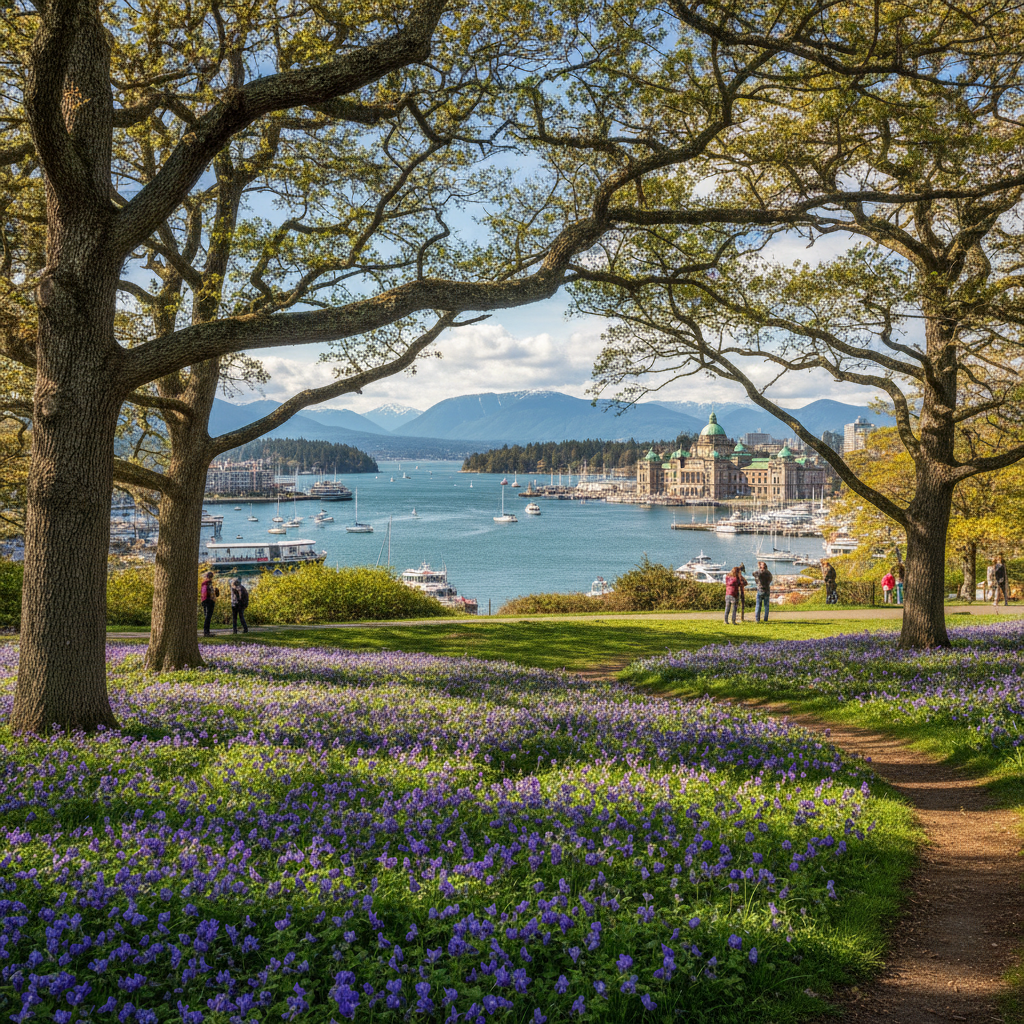
Dive or research the Saanich Inlet anoxic deep zone where six-gill sharks aggregate in numbers larger than anywhere else in the world because the oxygen-free water drives prey fish upward and provides hunting advantage in a fjord that sits under a famous tourist garden, follow the SENCOFEN language revitalization effort that went from fewer than 20 fluent speakers in the 1990s to active school instruction programs because the community decided language survival was non-negotiable, understand that the blue camas flowers blooming in Beacon Hill Park in April and May are the remnant of a managed food landscape that the Lekwungen cultivated with controlled burns for thousands of years before European pasture conversion destroyed almost all of it within two generations, cycle the Marine Drive route 30 kilometres around the southeastern Saanich Peninsula in a city where year-round cycling is a serious alternative to driving rather than a seasonal recreation, watch Kwakwakawakw carvers work on poles in Thunderbird Park in public view maintaining the living tradition of monumental art that colonial observers predicted would disappear within a generation of contact, and recognize that the most English city in Canada is being remade by Filipino nurses and Indigenous language teachers and young families priced out of Vancouver who are changing what Victoria means.
Victoria BC: The Most English City in Canada Where 85 Percent of Residents Were Born in Canada, the Afternoon Tea Capital of North America and the Capital of a Province 14 Times the Size of Switzerland
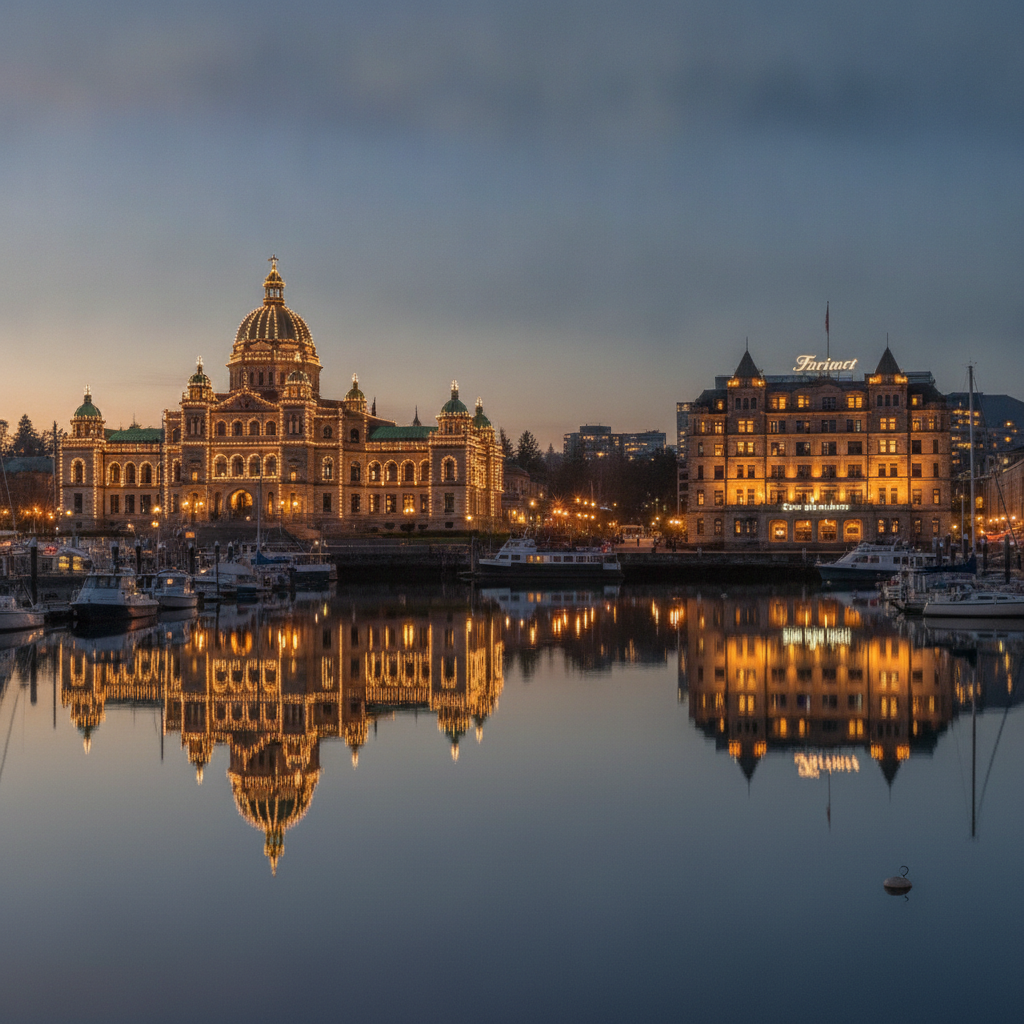
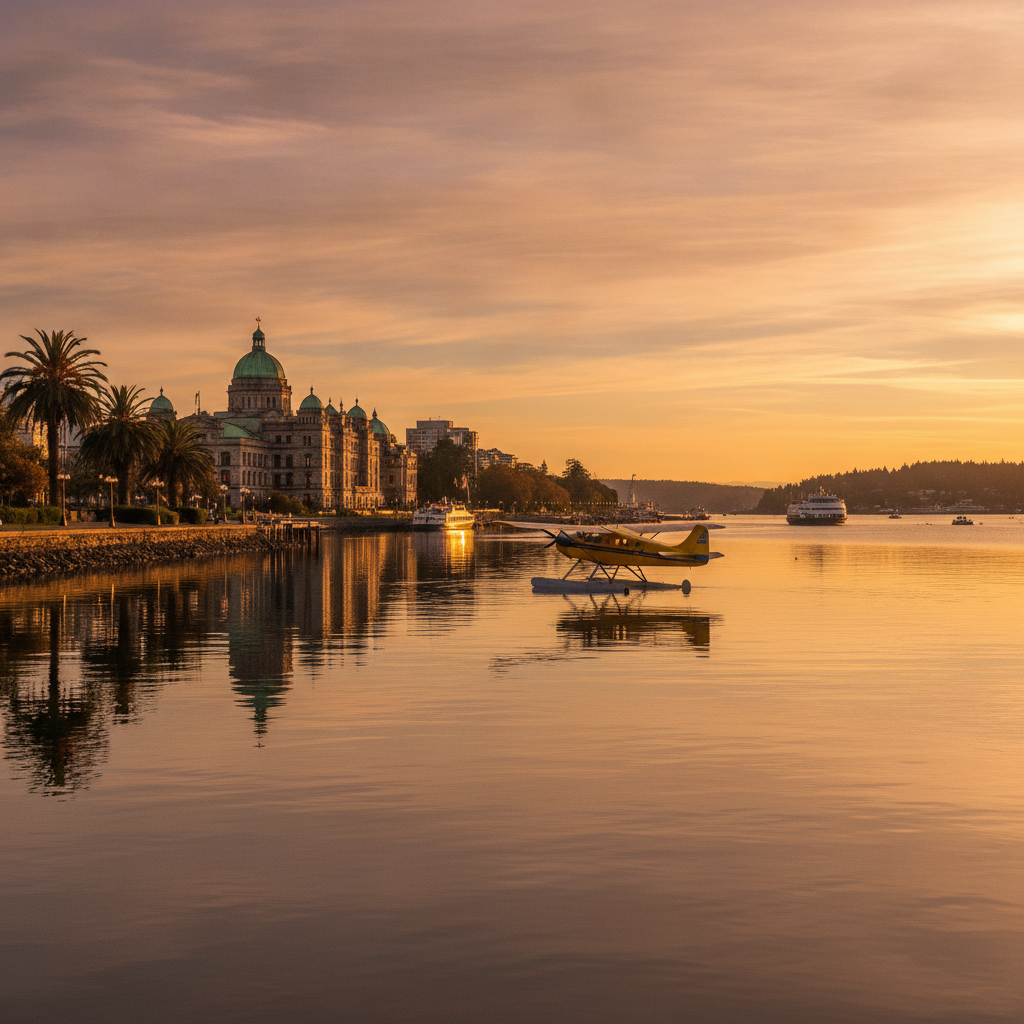
Walk the Inner Harbour where the BC Legislature and the Empress Hotel have faced each other across the same water since 1908 in the most photographed waterfront in Canada after Niagara Falls, learn that Victoria claims to have more flowers per capita than any other city in the world and backs this claim by planting baskets on every lamppost from April through October, understand that British Columbia is a province of 1 million square kilometres that runs from the 49th parallel to Alaska with Victoria sitting on its southwestern tip accessible only by ferry or seaplane from the mainland, eat afternoon tea at the Empress Hotel where the tradition has been maintained since 1908 and is now the most popular single hospitality experience in the city, walk through North America oldest Chinatown on Fisgard Street where the Fan Tan Alley is the narrowest commercial street in Canada, and recognize that the city with the mildest climate in Canada where daffodils bloom in February has become the retirement destination for Canadians from every colder province.
Victoria BC: The First Brew Pub in Canada That Has Been Serving Pints Since 1984, the Oldest Building in Western Canada Outside Quebec and the Intertidal Zone That Has No Equal in British Columbia
Drink a pint at Spinnakers on the Vic West waterfront where Canada first brew pub opened in 1984 and then work through a city with 25 other breweries per 375,000 people which is by any measure an extraordinary ratio, walk Fan Tan Alley where the narrowest commercial street in Canada once housed gambling dens for a game using buttons and a bowl and opium processing for export across North America before the federal ban in 1908, drive 35 minutes to Craigflower Manor the oldest building in western Canada outside Quebec built in 1853 by Scottish settlers growing food for a Hudson Bay Company fort, understand that Victoria 600mm annual rainfall makes it Mediterranean-dry by Pacific Northwest standards because the Olympic Mountains block the moisture that creates 4000mm rainforests 100 kilometres west on the outer coast, listen to 40,000 people watch the Victoria Symphony perform from a barge in the Inner Harbour on the August long weekend, and find the Botanical Beach tide pools at the end of the Juan de Fuca Marine Trail where sandstone shelves at low tide expose the most diverse intertidal community in British Columbia.
Victoria BC: The Architect Who Designed Both the Legislature and the Empress Hotel Was Murdered by His Young Wife Lover in England, Craigdarroch Castle Built by a Coal Baron Who Died Before Moving In and Canada Coldest Water Surfers
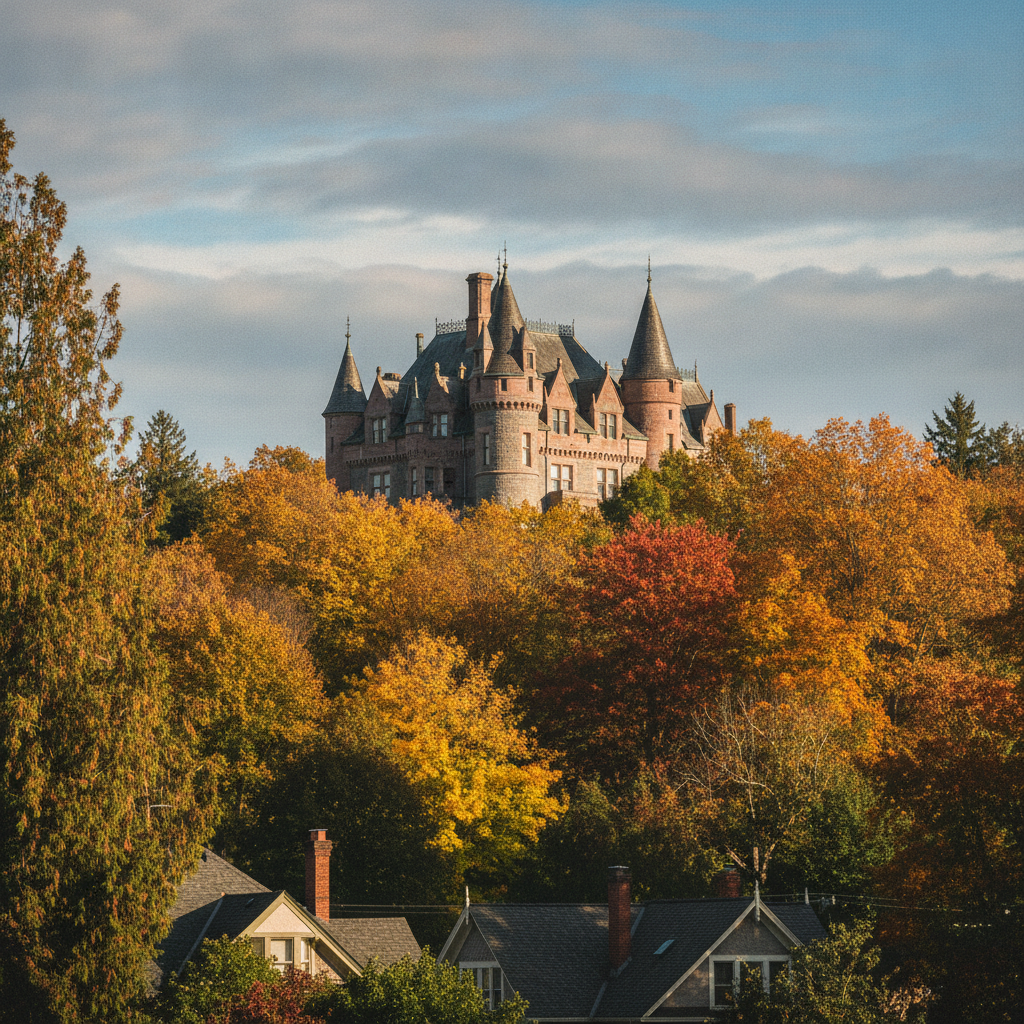
Follow Francis Rattenbury from winning the Legislature design competition at 25 to the Empress Hotel and Crystal Garden and a dozen other Victoria buildings that define the city to his departure with a scandalous younger wife and his murder in a Bournemouth cottage in 1935, visit Craigdarroch Castle where the most expensive private house in 1889 western Canada was completed after the coal baron who commissioned it died and never lived there, take the 95-minute BC Ferries sailing through Active Pass where the vessel squeezes through a channel barely wider than the ship itself, cycle the Rockland mansion streets to understand how the merchant elite of a colonial capital builds when money is unlimited and architectural ambition is driven by social competition, drive the Trans-Canada to Tofino to surf in 10-degree water in a 5mm wetsuit because the Pacific swell has crossed 8,000 kilometres of open ocean from Asia to arrive at Long Beach, and book the Swartz Bay morning sailing to Salt Spring Island to arrive in time for the market before the afternoon ferry back.
Victoria BC: The Only Bookshop Opened by an Alice Munro Ex-Husband, 20000 Black Brant Geese Stopping Over for a Month and a Province Where 95 Percent of the Land Was Never Legally Acquired From Its Indigenous Owners
Browse Munro Books on Government Street in the former bank building that Jim Munro opened in 1963 before his more famous ex-wife won the Nobel Prize and find that it remains the finest independent bookshop in western Canada, read the Douglas Treaties that are the only historical treaties in British Columbia covering tiny areas around three colonial settlements meaning that 95 percent of the province territory has never been legally transferred from its Indigenous owners in any formal process, walk Fernwood neighborhood to find the Belfry Theatre and cooperative businesses and a community diversity the rest of Victoria does not offer, stand at Clover Point seawatch location in November when Pacific loons and scoters and alcids move south in numbers only a person with binoculars and patience will see, watch 20,000 Black Brant geese rest in Shoal Harbour north of Victoria in April on their way from Mexico to Alaska because the eelgrass beds of the bay are the one reliable stopover on the entire Pacific Flyway, and understand that the Songhees Nation building commercial developments on the Inner Harbour western shore is asserting economic presence in a capital city built on their land without any treaty ever being signed.
Victoria BC: The Orca Population That 75 Named Animals Have Been Studied Individually Since the 1970s, the City That Is More English Than England and the Cycling Trail Built on the Bed of a Railway That No Longer Runs
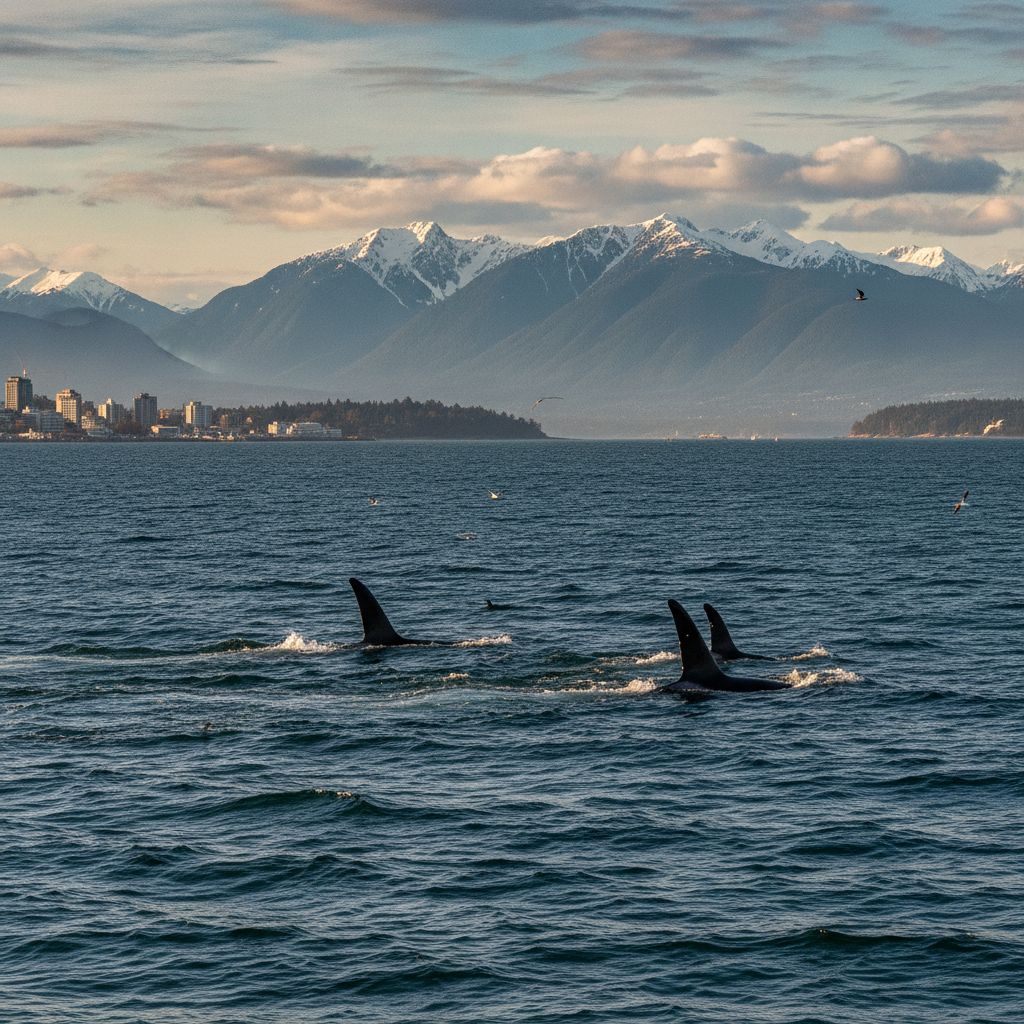
Join 75 individually named and studied Southern Resident orca on their summer salmon hunt in the Strait of Juan de Fuca while understanding that the population has been declining for 30 years because the Chinook salmon runs they depend on are also declining, cycle the Galloping Goose Regional Trail from downtown Victoria west through suburban and rural terrain on the flat grade of a railway bed that has not run trains since the 1970s, walk into Oak Bay village to find British china importers and Scotch egg menus in a community that maintains its colonial identity with complete sincerity while the rest of Victoria has become predominantly Canadian-born, understand that the Songhees and Esquimalt Nations signed no treaty and their land was taken without consent with the unresolved claim still legally active, eat fresh Dungeness crab directly from a boat at Fishermens Wharf where the houseboats and fishing vessels coexist in the Inner Harbour, and come in February when daffodils are blooming and the municipality is counting every visible flower in an annual competition because the mildest climate in Canada produces this particular civic ritual.
Victoria BC: The Colonial Governor of Mixed African and Creole Heritage Who Built British Columbia, the Nanaimo Bar That Is Considered a Definitive Canadian Dessert and a Castle Built by a Coal Baron Who Was Famously Anti-Labour
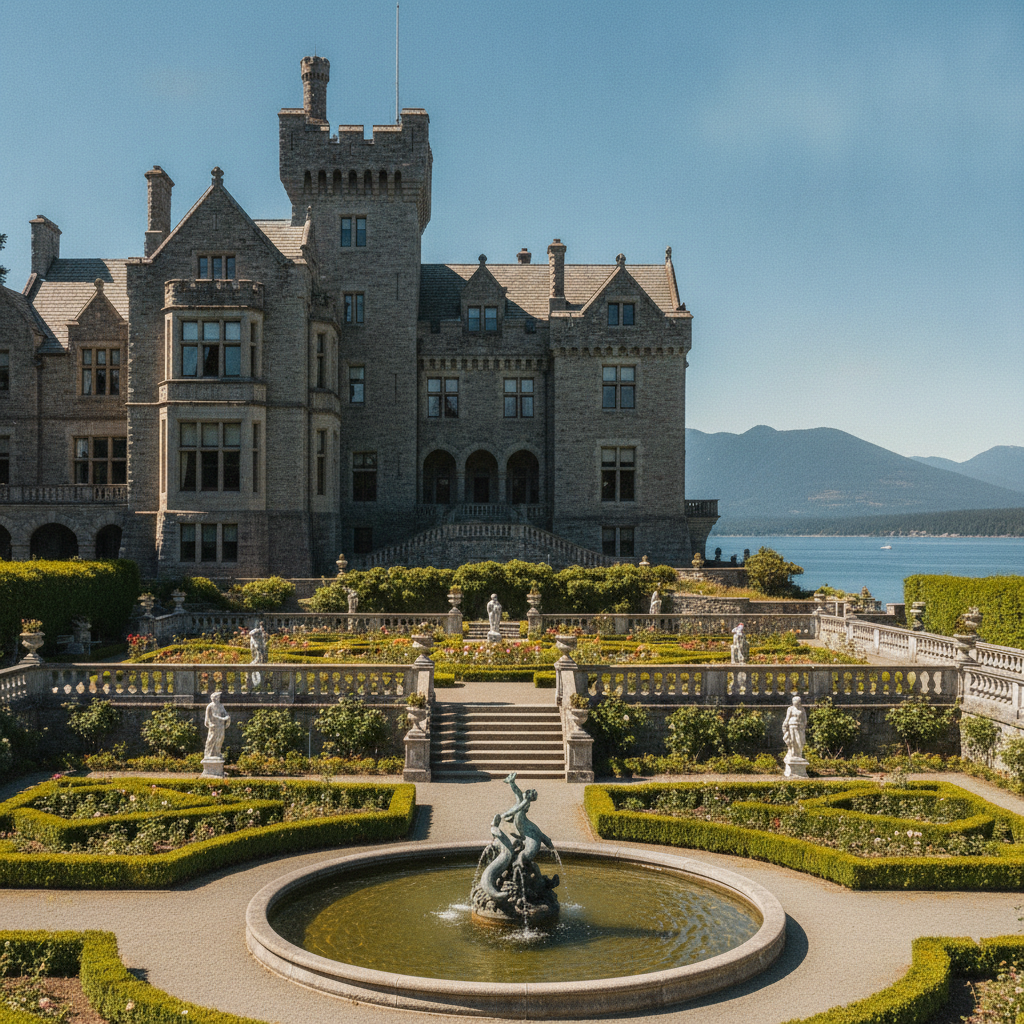
Read the story of James Douglas who founded Victoria as a man of mixed Black Creole and Scottish ancestry married to the daughter of a Cree woman and built the most explicitly British colonial society in Canada, drive north 110 kilometres to Nanaimo to find the three-layer chocolate custard bar named for the city and regarded across Canada as the quintessential Canadian dessert in dozens of bakery variations on the original recipe, visit Hatley Castle in Colwood where James Dunsmuirs son of the coal baron who built Craigdarroch built a 40-room baronial estate with formal Italian and Japanese gardens and then the government bought it for a navy training base in 1940, cycle the Lochside Trail from the Inner Harbour to Butchart Gardens through Saanich Peninsula farmland to arrive at the quarry garden that 1 million visitors see annually, attend the Moss Street Paint-In where 250 artists set up on the sidewalk for the largest outdoor art event in British Columbia, and understand that Cook Street Village in Fairfield is the neighborhood commercial street that most Victoria residents would name as the place that best represents what they want their city to be.
Victoria BC: The Naval Base Operating Since 1865, the Saturday Market That Is the Finest in Western Canada and the City Where Trumpeter Swans Gather in the Largest Non-Alaska Winter Concentration in the World
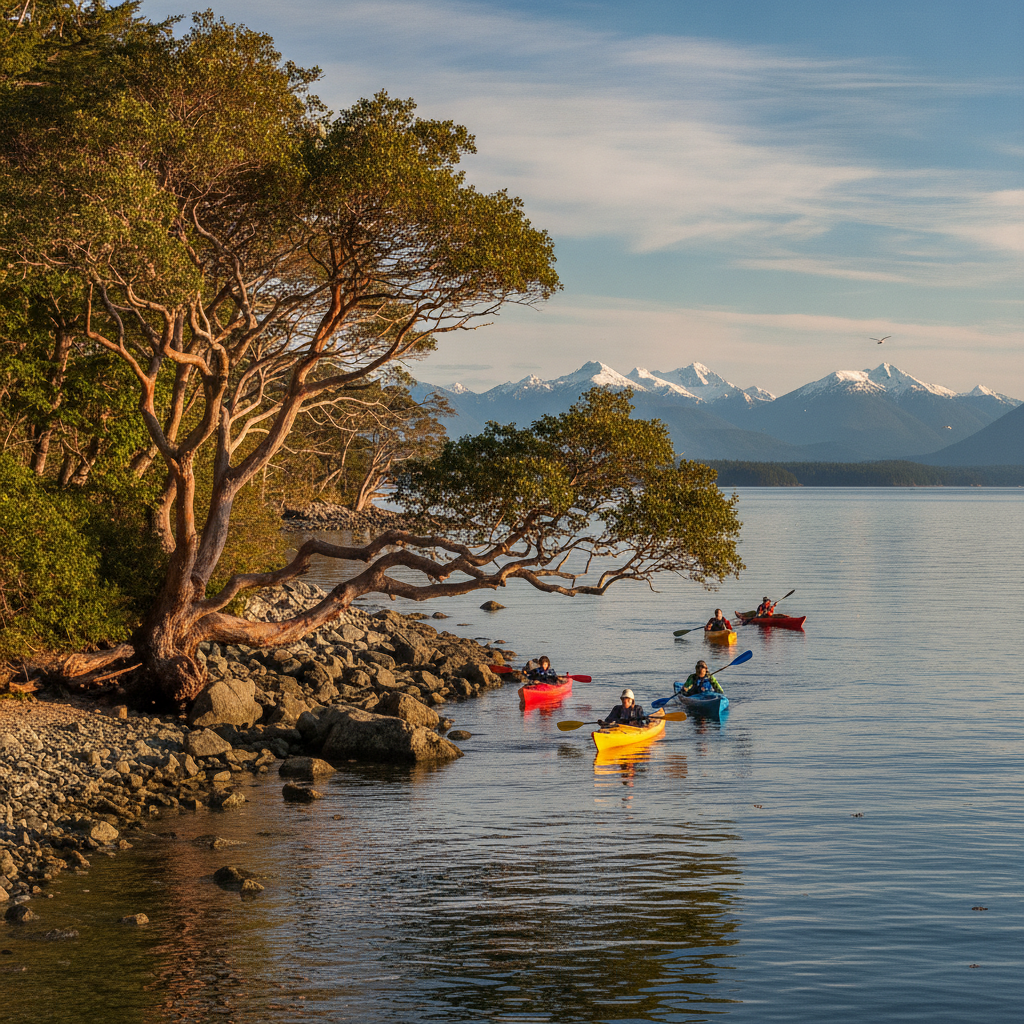
See the Esquimalt naval base that the Royal Navy established on the Pacific in 1865 and that has operated continuously for 160 years through every change in Canadian sovereignty and geopolitical alignment, take the 35-minute ferry to Salt Spring Island for the Saturday market at Ganges where 130 vendors sell island-made cheese and pottery and vegetables and art in what most visitors agree is the finest farmers market in western Canada, watch trumpeter swans winter in the Portage Inlet wetland in numbers that make Greater Victoria the largest non-Alaska winter concentration in the world because the mild climate allows them to feed through the season, kayak from the Inner Harbour into the Gulf Islands in a marine environment where orca and humpback whales share the channel with pleasure boats and fishing vessels, understand that the retired population that has made Victoria its destination has bid housing above 1 million for a detached house and priced service workers out of the same city, and hike the Juan de Fuca Marine Trail along 47 kilometres of old-growth Pacific coastal rainforest that would be world-famous if it were anywhere other than one province north of the Olympic Peninsula.