

San Jose Practical Guide: Getting Around, Neighborhoods, Safety, and Living Costs
San Jose is the most misunderstood capital city in Central America. Travelers arriving with expectations shaped by Costa Ricas beach and rainforest marketing often find the city confusing and underestimate it. This route provides the practical framework for navigating San Jose effectively: the neighborhood geography, the bus and taxi systems, the safety reality, accommodation options at different budgets, the climate, and the cost structure that makes Costa Rica significantly more expensive than neighboring countries.

San Jose Arts, Music, and the Contemporary Cultural Scene
San Jose has a denser cultural infrastructure than its size and regional position would suggest. The National Symphony Orchestra, founded in 1970, is one of the oldest in Central America. The contemporary art scene is concentrated in Barrio Escalante and Barrio Amon. The marimba and cimarrona traditions of popular music coexist with a jazz scene, an electronic music community, and the most active theater circuit in Central America. This route maps the cultural geography of a city whose self-confidence as a cultural capital has grown significantly in the past decade.
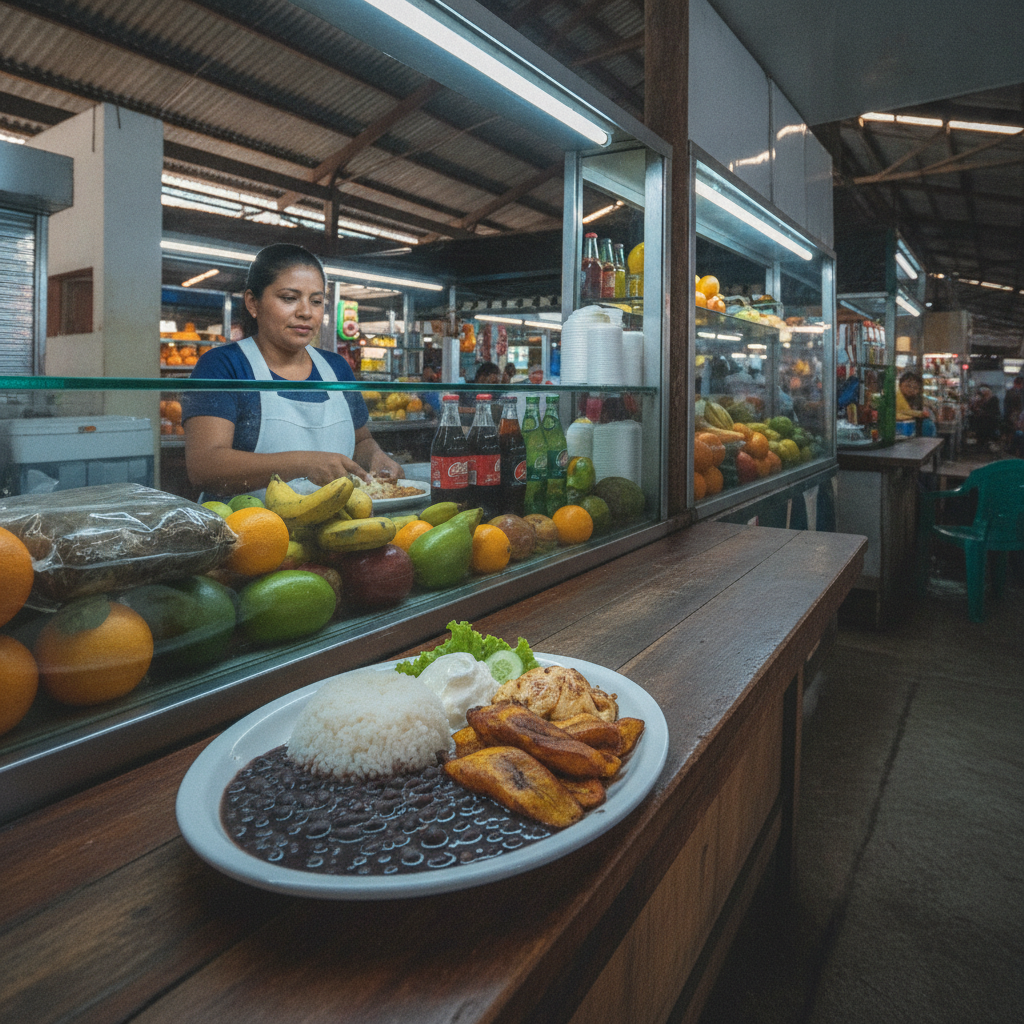
Costa Rican Food Culture: Gallo Pinto, Sodas, Coffee, and the Farm-to-Table Revolution
Costa Rican cuisine is built on a small set of foundational ingredients: black beans, rice, plantains, corn, and the produce of the Meseta Central volcanic highlands. The soda, a small family-run lunch counter, is the primary institution of everyday eating. This route traces food culture from the traditional casado and gallo pinto served in Mercado Central sodas to the specialty coffee estates of the Central Valley and the contemporary restaurant scene that has made San Jose a regional culinary destination.
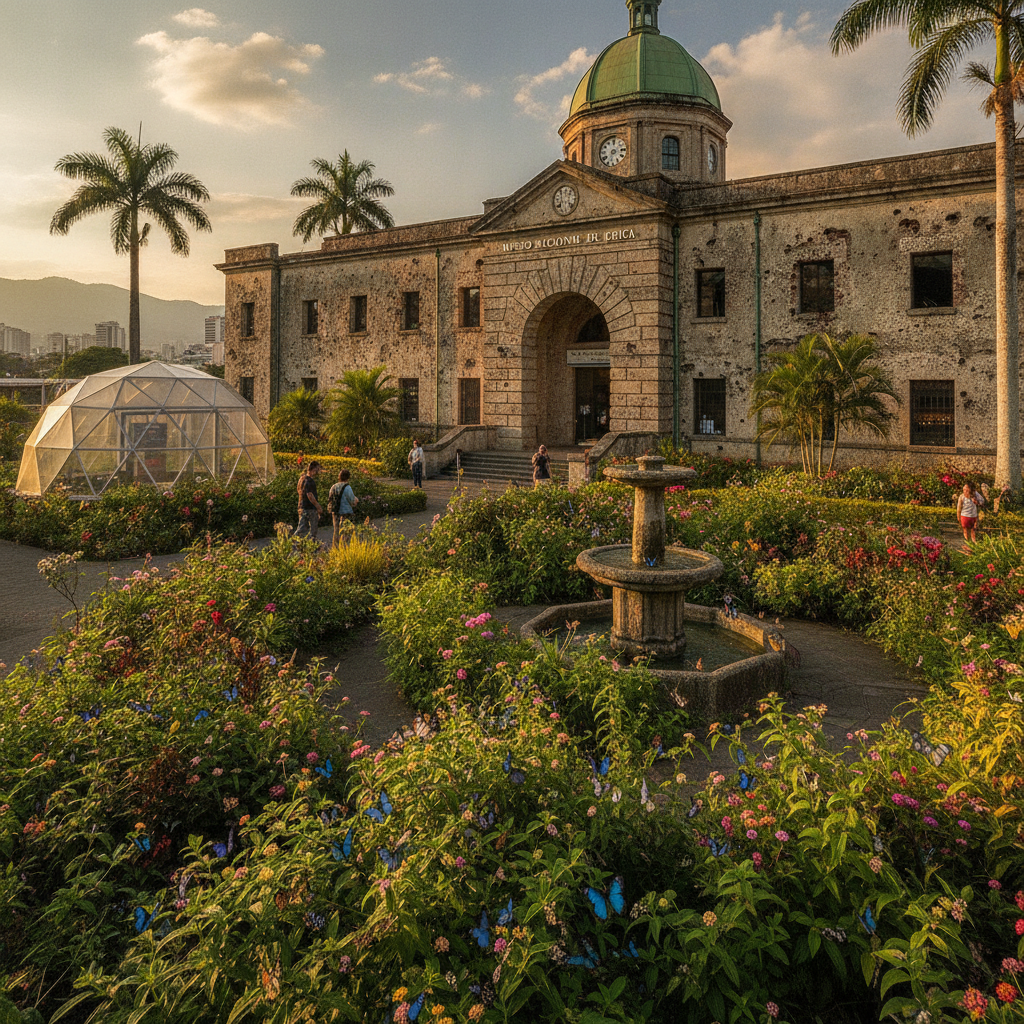
Costa Rica History: Coffee Republic, 1948 Civil War, and the Abolition of the Army
Costa Rica stands apart from its Central American neighbors through a history shaped by smallholder coffee farming, the absence of a large indigenous labor force that prevented the plantation economy, and the 1948 decision to abolish the armed forces. The country has been a functioning democracy for most of the twentieth century in a region defined by military coups and civil conflict. This route traces the historical forces that produced this exceptionalism, from the colonial period to the environmental constitution of 1994.
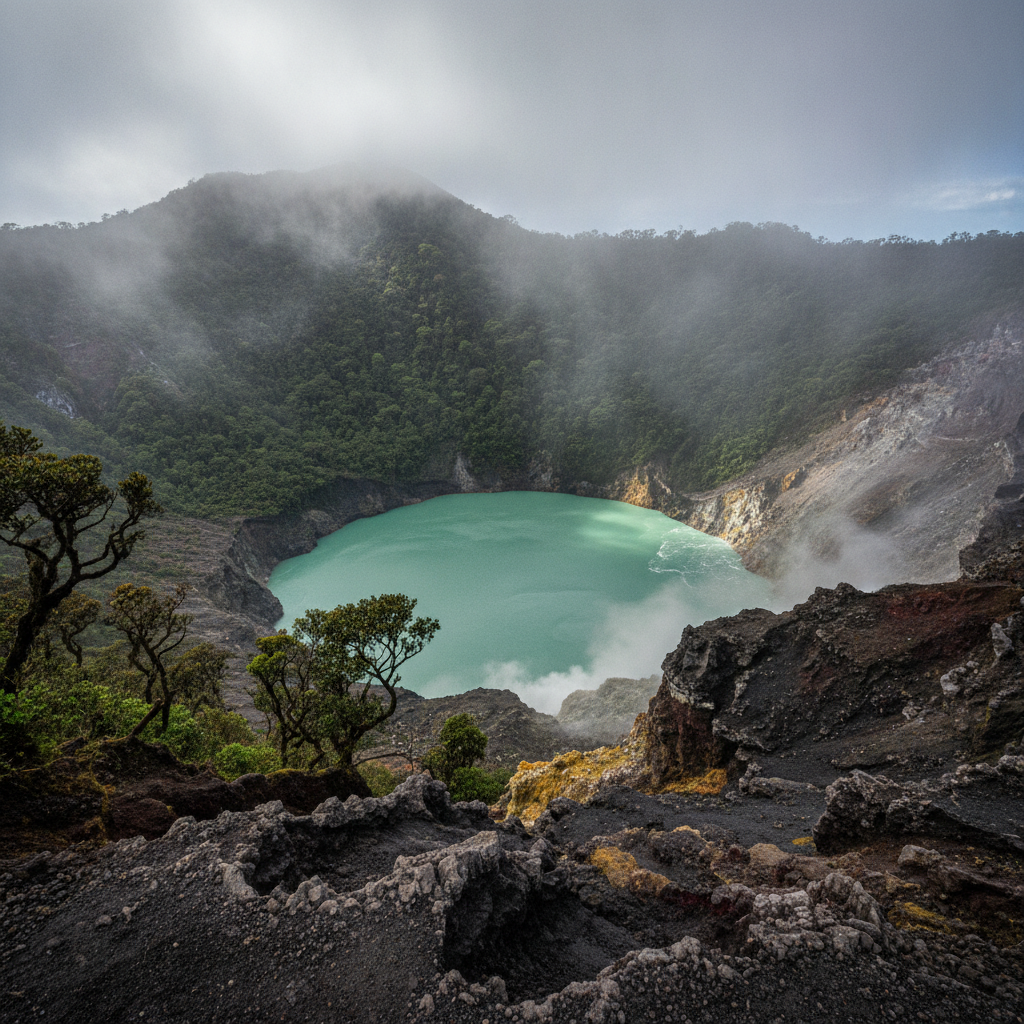
San Jose as Base: Volcanoes, Cloud Forests, and the Central Valley Day Trip Circuit
San Jose sits in the Meseta Central at 1,170 meters altitude, surrounded by active volcanoes and cloud forest reserves accessible within one to two hours. The compact geography of Costa Rica means that the Pacific coast, the Caribbean coast, and the major national parks are all within a half-day drive. This route maps the day trip and short excursion options from the capital, from the active Poas volcano crater to the Monteverde cloud forest and the Manuel Antonio coast.
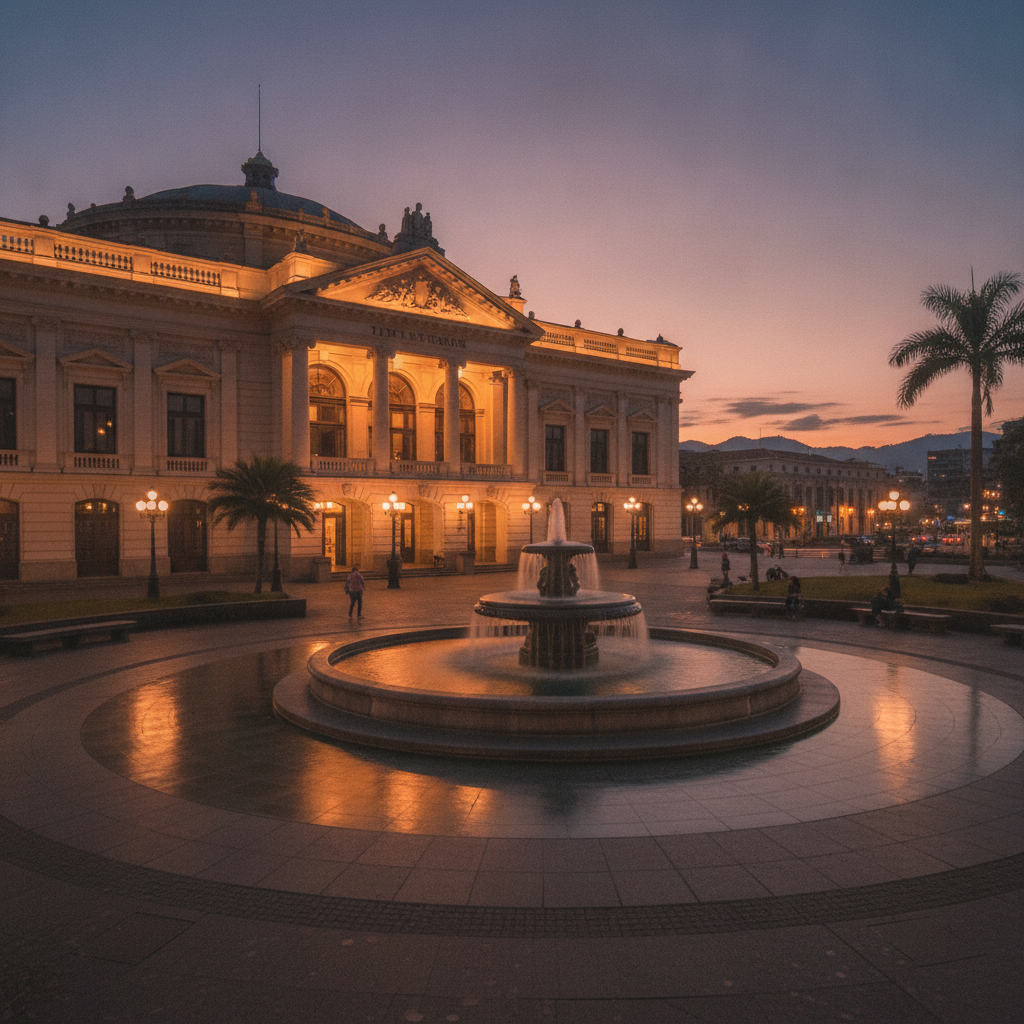
San Jose Costa Rica: Gold Museum, Barrio Amon, Teatro Nacional, and the Meseta Central
San Jose is one of the most underestimated capital cities in Latin America. Dismissed by travelers as a stopover on the way to the beaches or cloud forests, the city has a genuinely compelling historic core: the neo-baroque Teatro Nacional, the pre-Columbian gold and jade collections, the turn-of-the-century architecture of Barrio Amon, and the Central Market alive with food stalls and flower vendors. This route covers the foundational layer of the city that rewards those who allow more than a transit day.
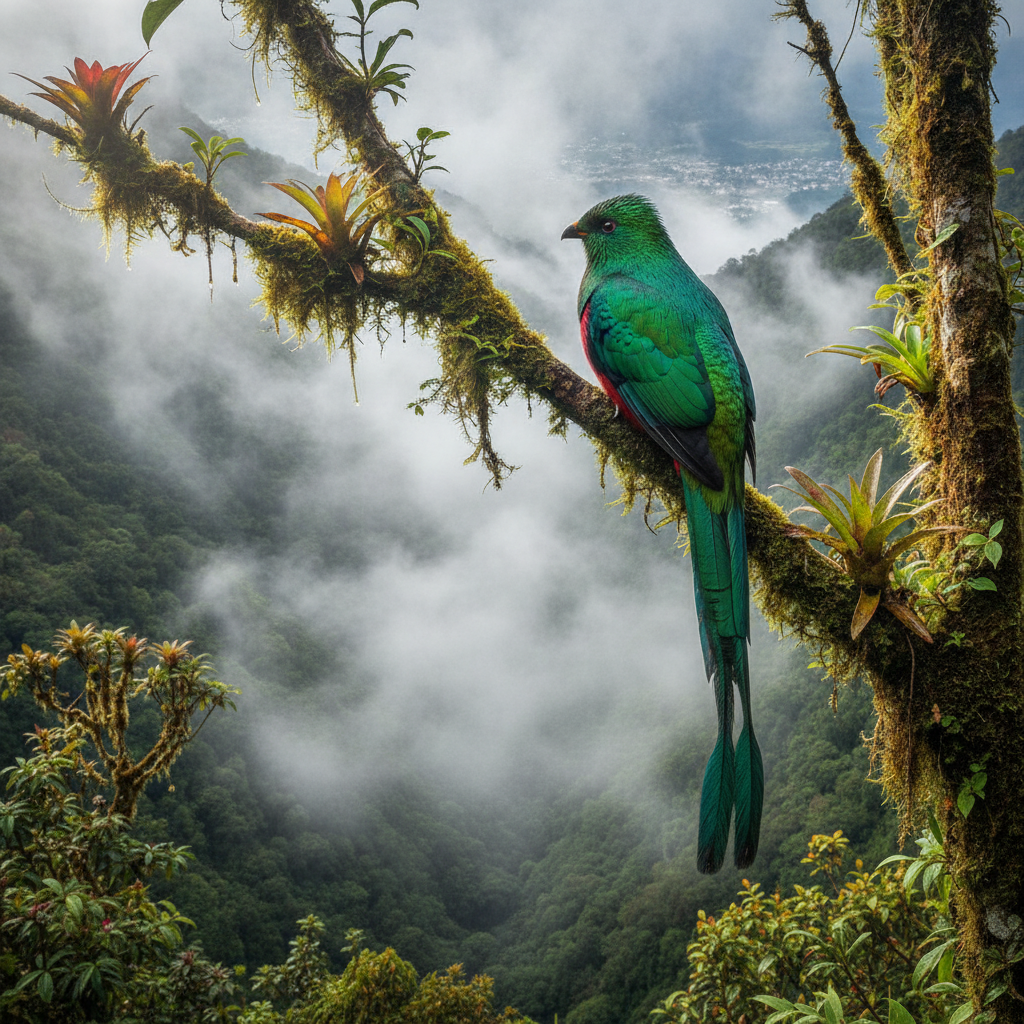
Costa Rica Biodiversity: Birdwatching, Wildlife, and the Conservation Economy
Costa Rica contains approximately five percent of the worlds total biodiversity on less than 0.03 percent of its land area, a concentration made possible by the convergence of two continental faunas, two ocean influences, and an extraordinary range of altitude-driven microclimates. The country has become the global reference point for biodiversity tourism and conservation economics. This route examines the science and the economics of what makes Costa Rica exceptional, from the highland quetzal to the lowland sea turtle.
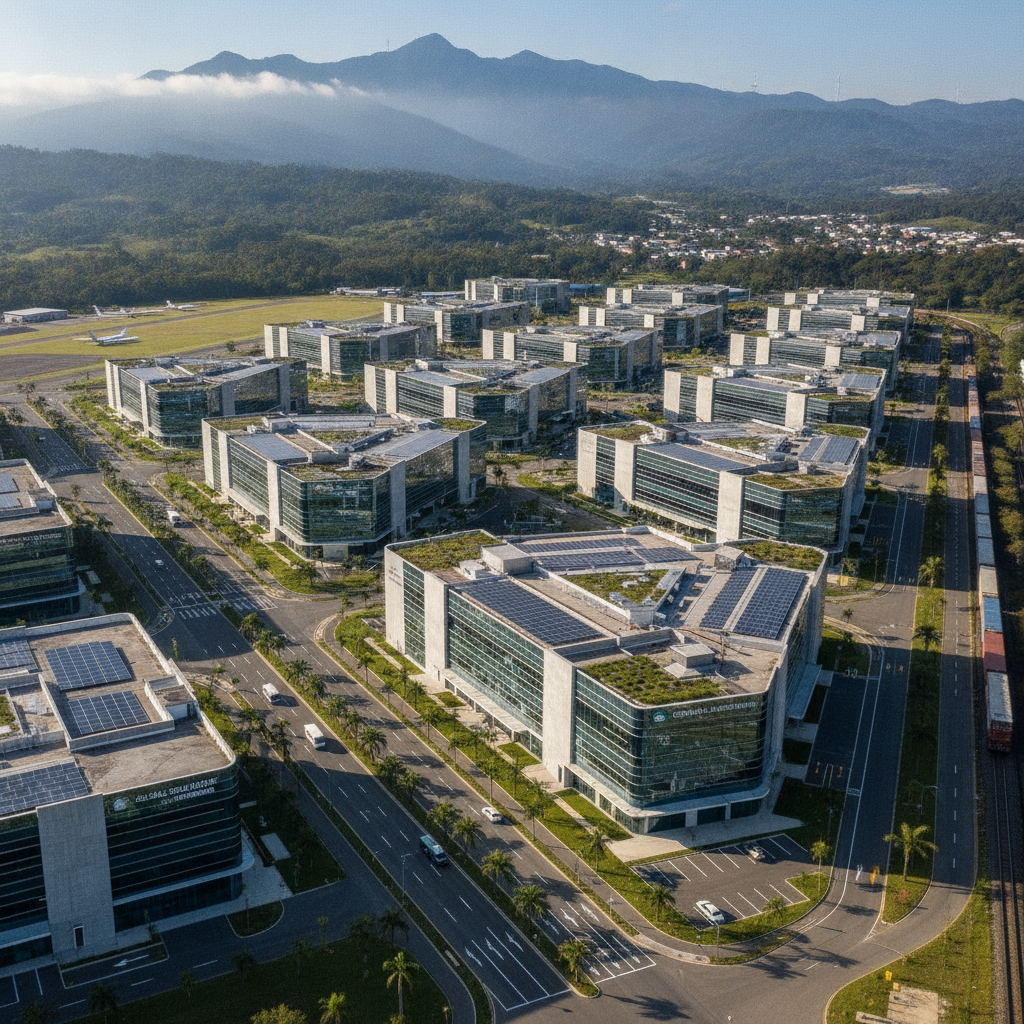
Costa Rica Economy: Microchips, Pineapples, and the Transition from Coffee Republic
Costa Rica has one of the most unusual economic profiles in Latin America: a country of five million people that exports microchips, medical devices, and precision instruments alongside pineapples, bananas, and coffee. The high-tech export economy that emerged after Intel established a plant in 1997 transformed the country from an agricultural exporter to a diversified middle-income economy. This route examines the economic forces shaping San Jose and Costa Rica, from the legacy of the coffee oligarchy to the free-trade zone model and the tourism economy.