 Guatemala
Antigua Guatemala
Discover routes, attractions, and guides in Antigua Guatemala.
8 routes
Antigua Guatemala: Colonial Baroque, Volcano Views, and the UNESCO Historic Core
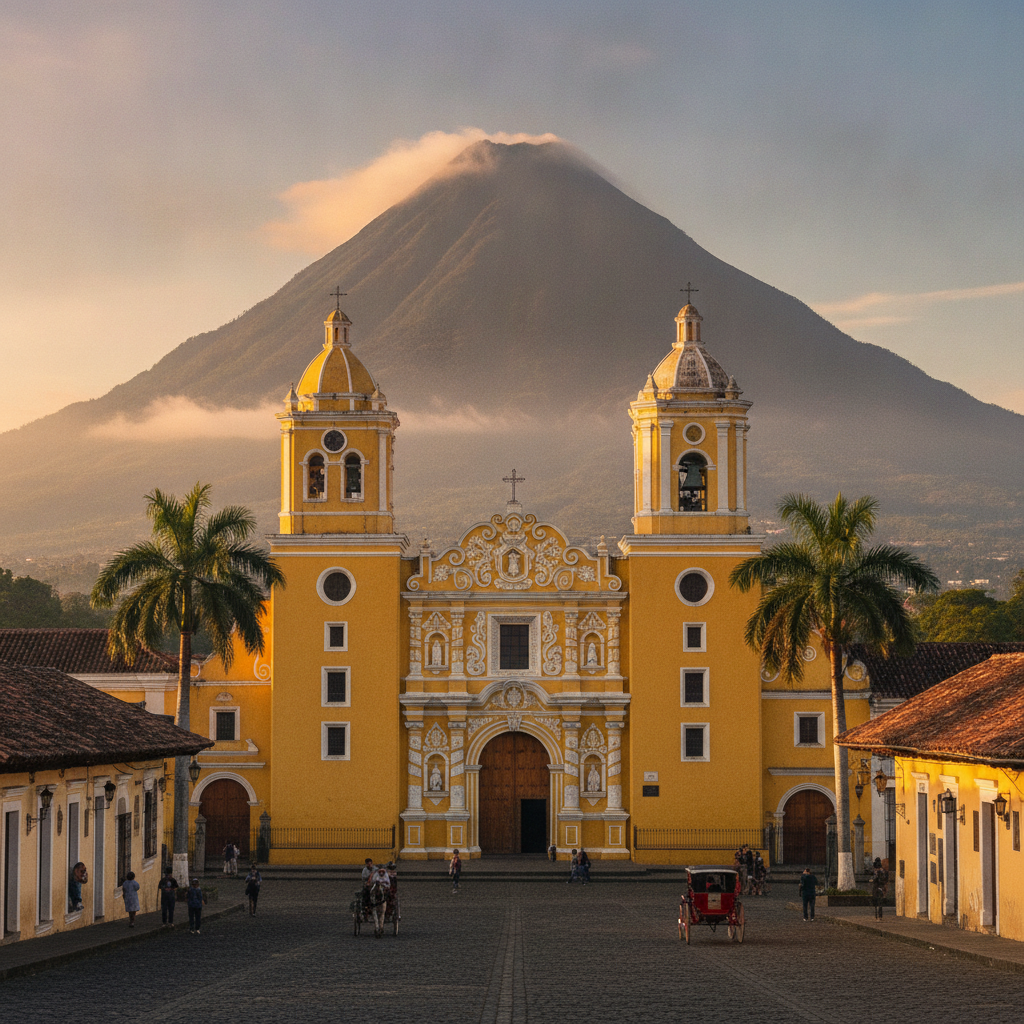
Antigua Guatemala, the former capital of the Kingdom of Guatemala during Spanish colonial rule, is one of the best-preserved colonial cities in the Americas. The grid of ochre and yellow baroque churches, convents, and mansions is set against the dramatic backdrop of three volcanoes: Agua, Fuego, and Acatenango. Fuego is active, emitting ash and occasional lava flows visible from the city. The ruins of buildings destroyed by the 1773 Santa Marta earthquake give Antigua a distinctive character of splendor and ruin coexisting within a single city block. This route covers the foundational layer of the UNESCO World Heritage city.
Spanish Language Schools and the Antigua Study-Travel Economy
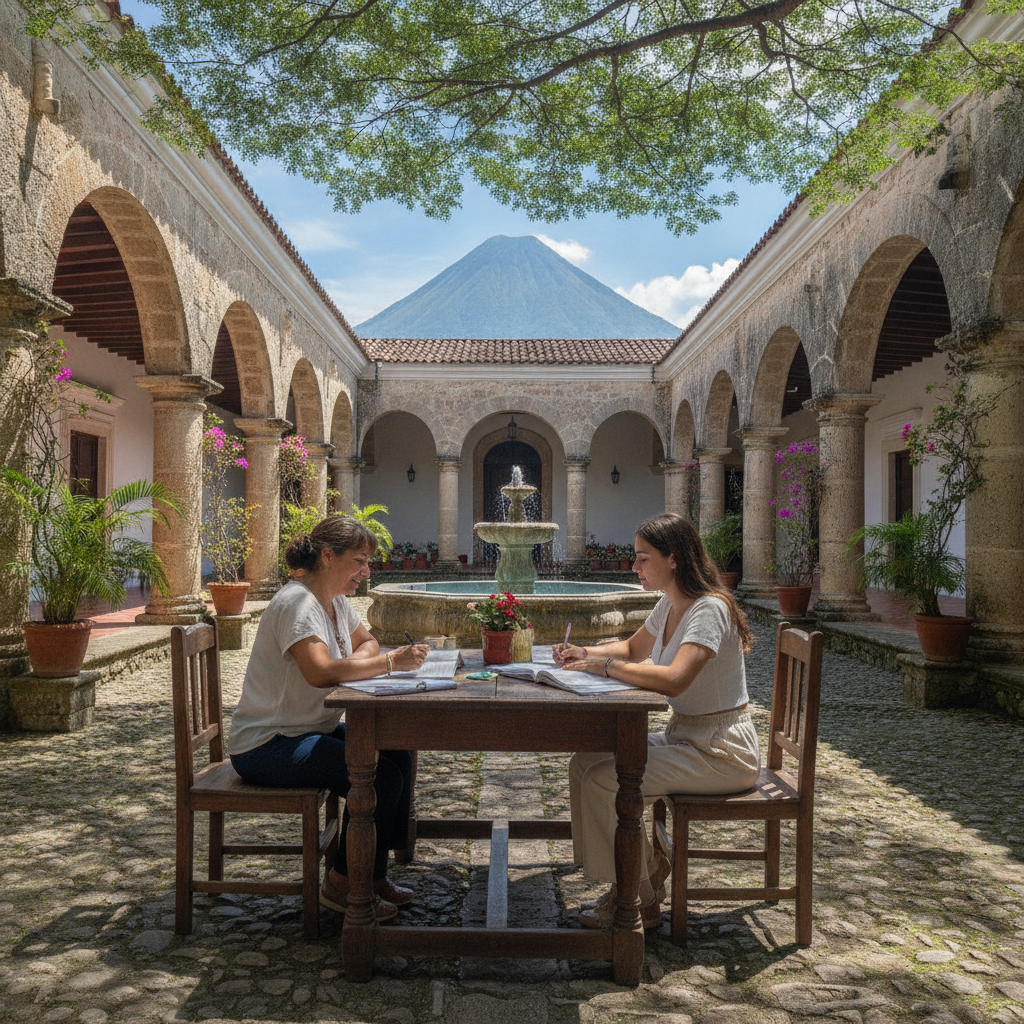
Antigua is one of the world's premier Spanish language learning destinations, hosting over 75 registered Spanish schools that collectively teach thousands of students per year. The combination of clear Guatemalan Spanish, relatively low cost of study, cultural immersion opportunity in a colonial setting, and the ability to experience indigenous Maya culture has made Antigua the preferred destination for North American and European students seeking intensive Spanish instruction in a Latin American context. This route examines the language school economy, the study formats available, and how the student population has shaped Antigua's character.
Antigua Food Scene: Coffee, Chocolate, Pepian, and the Restaurant Economy
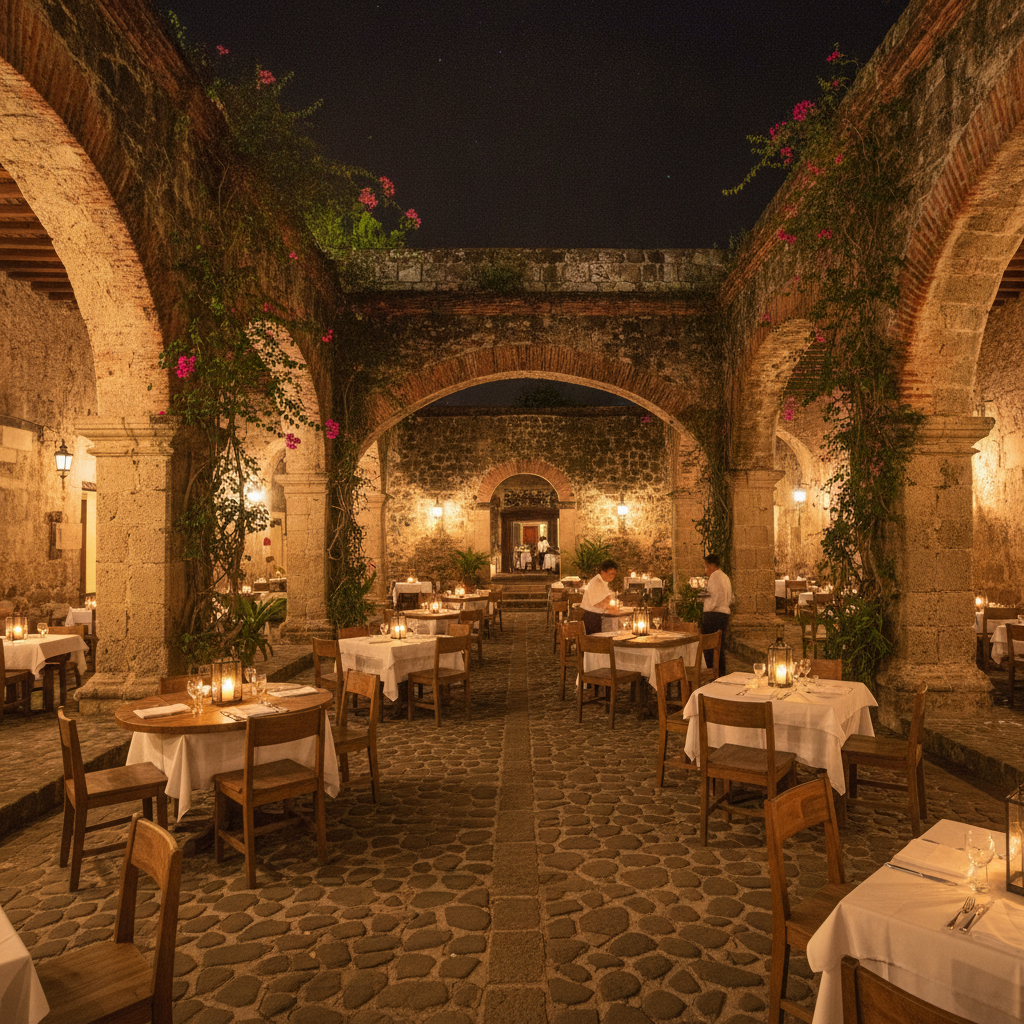
Antigua has one of the most developed food scenes of any colonial city its size in Latin America. The combination of specialty coffee from the surrounding highland farms, cacao from the lowland Pacific coast farms, a kitchen garden tradition using the volcanic soil of the valley, and a sophisticated tourist and expat market has produced a range of restaurants from traditional fondas serving pepian and kak'ik to internationally recognized contemporary Guatemalan cuisine. This route traces the food geography from the local market to the specialty coffee cafe to the colonial courtyard restaurant.
Acatenango and Fuego: Volcano Trekking from Antigua
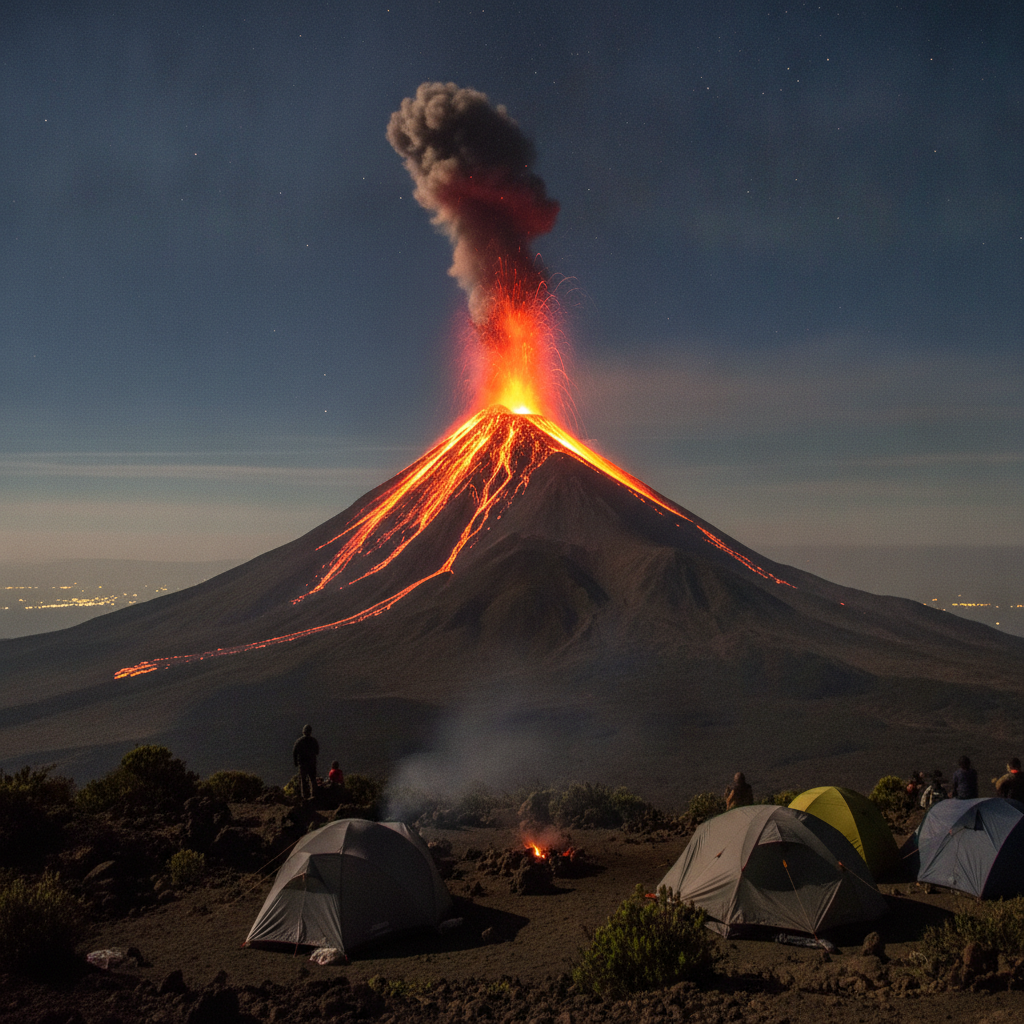
The twin volcanoes of Acatenango and Fuego above Antigua offer one of the most dramatic trekking experiences in Central America. Acatenango at 3,976 meters is climbed on a steep two-day overnight expedition; the high camp at 3,700 meters faces directly toward Fuego, which erupts with visible lava explosions multiple times per hour from the adjacent cone. The combination of the physical challenge of the ascent, the cold highland camp, and the nighttime pyrotechnic display of an active volcano makes the Acatenango overnight the most memorable single experience available from Antigua.
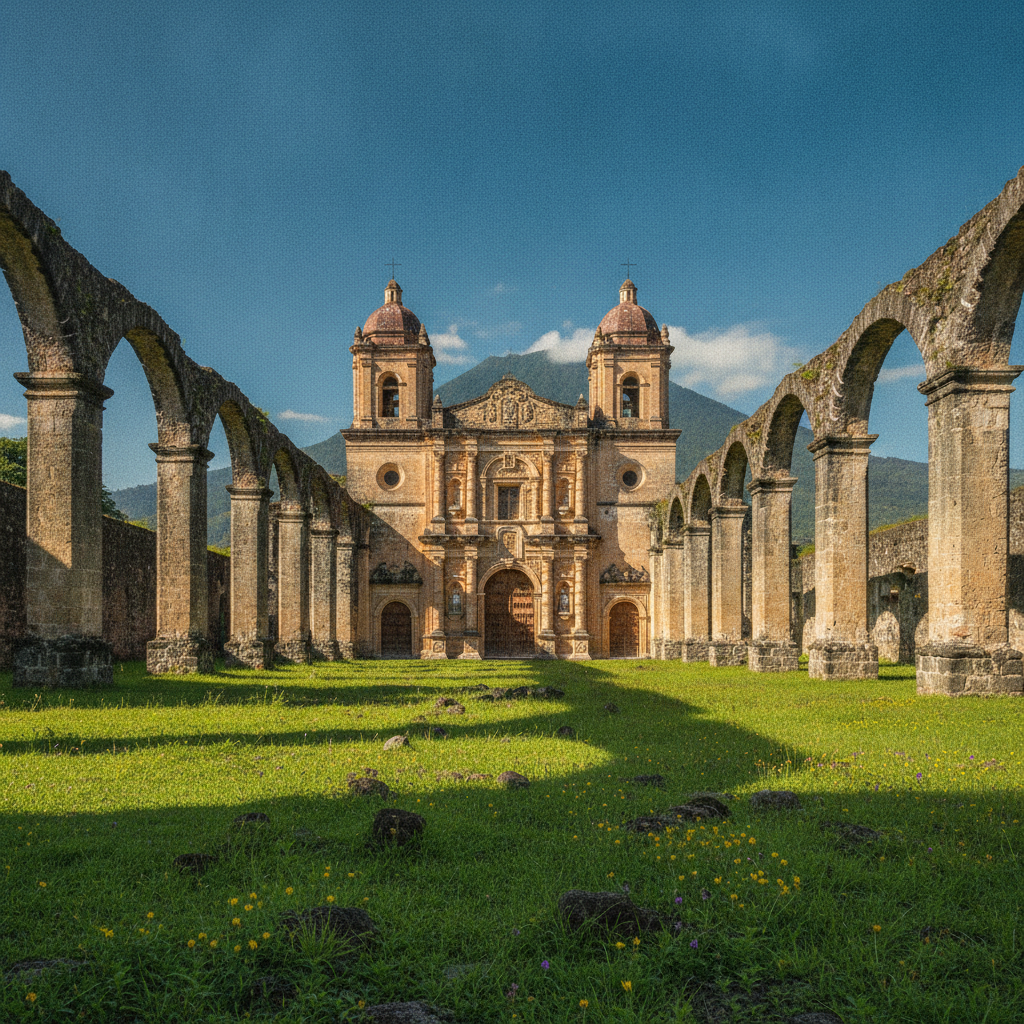
Colonial History: The Kingdom of Guatemala and the 1773 Earthquake
Antigua Guatemala, originally called Santiago de los Caballeros de Guatemala, served as the capital of the Captaincy General of Guatemala from 1543 until the 1773 Santa Marta earthquake destroyed the city and forced the relocation of the capital to the current Guatemala City. For 230 years it was the administrative, ecclesiastical, and commercial center of a territory spanning from Chiapas to Costa Rica, producing the colonial baroque architecture and ecclesiastical institutions whose ruins define the contemporary city.
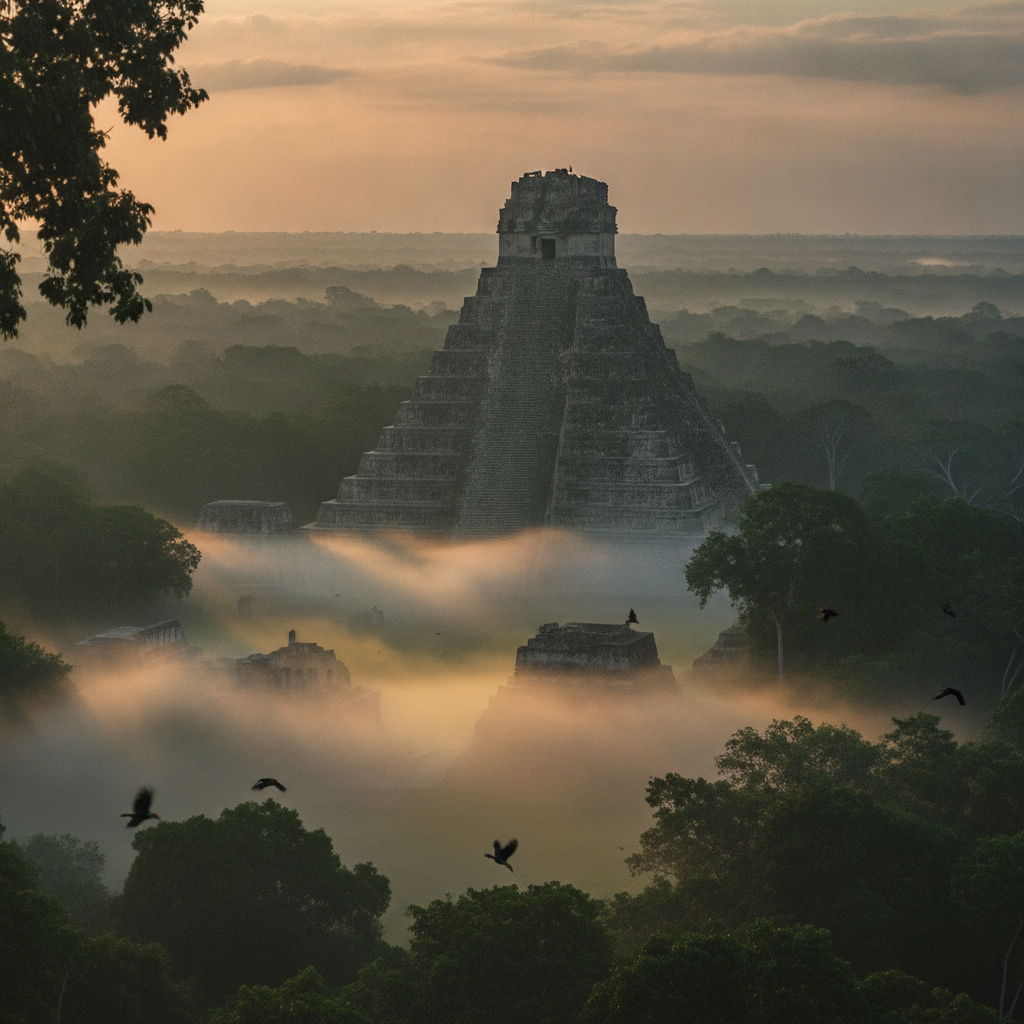
Tikal, Copan, and the Classic Maya Archaeological Circuit from Antigua
Antigua is the hub for accessing the major Maya archaeological sites of Guatemala and neighboring Honduras. Tikal in the northern Peten jungle is the largest excavated Classic Maya city and requires a full day of travel from Antigua, typically done as a two-day trip including a flight. Copan in Honduras is the most artistically refined of the Classic Maya sites, accessible in a long day by road. The Quirigua site in the Motagua Valley, three hours from Antigua, holds the tallest stone monuments in the Maya world. This route maps the archaeological excursion options from the colonial capital.
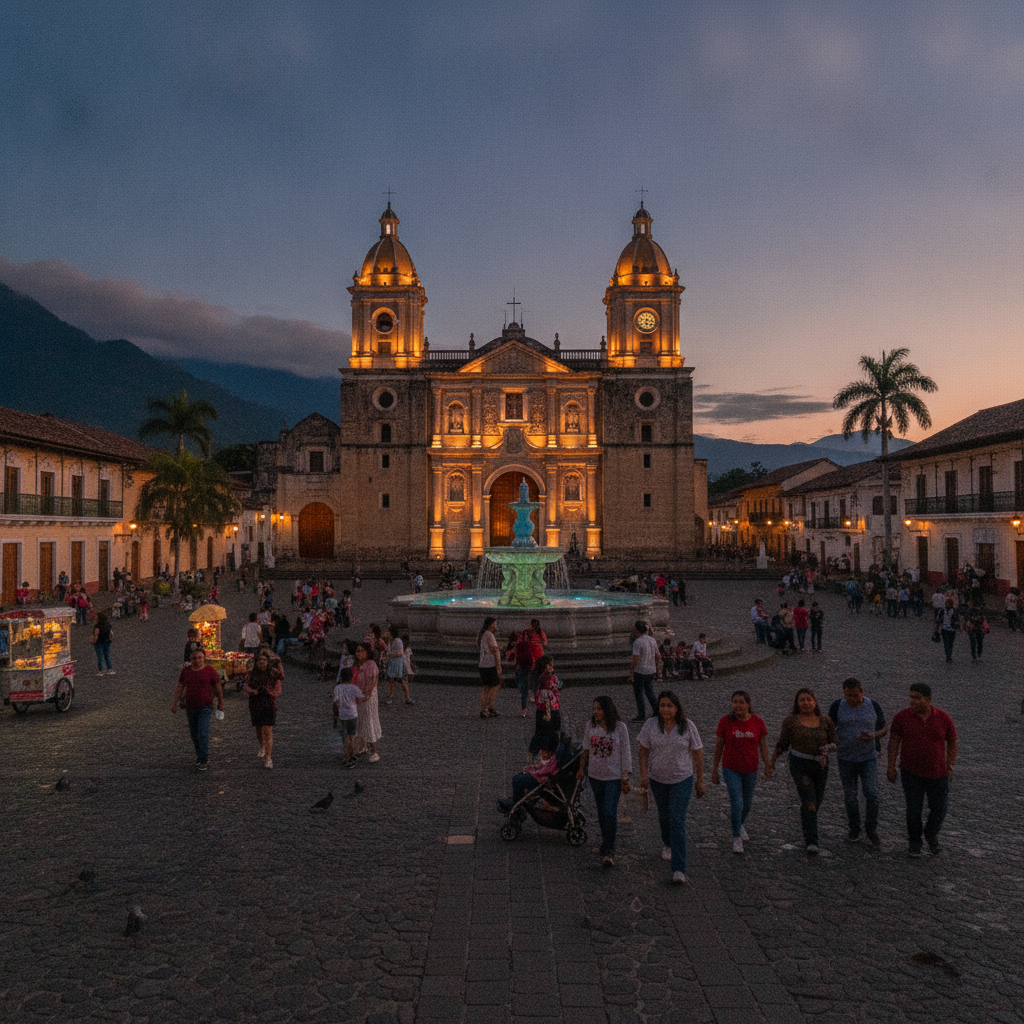
Antigua Practical Guide: Getting There, Accommodation, Safety, and Climate
Antigua is one of the most accessible and visitor-friendly cities in Central America, served by Guatemala City's international airport forty-five minutes away by shuttle. The compact historic center is entirely walkable, the climate is spring-like year-round, and the tourism infrastructure is well developed for all budget levels. This route provides the practical framework: transport from Guatemala City, accommodation across all price ranges, the safety reality, the seasonal pattern, and specific logistical tips for getting the most from a visit to the colonial capital.
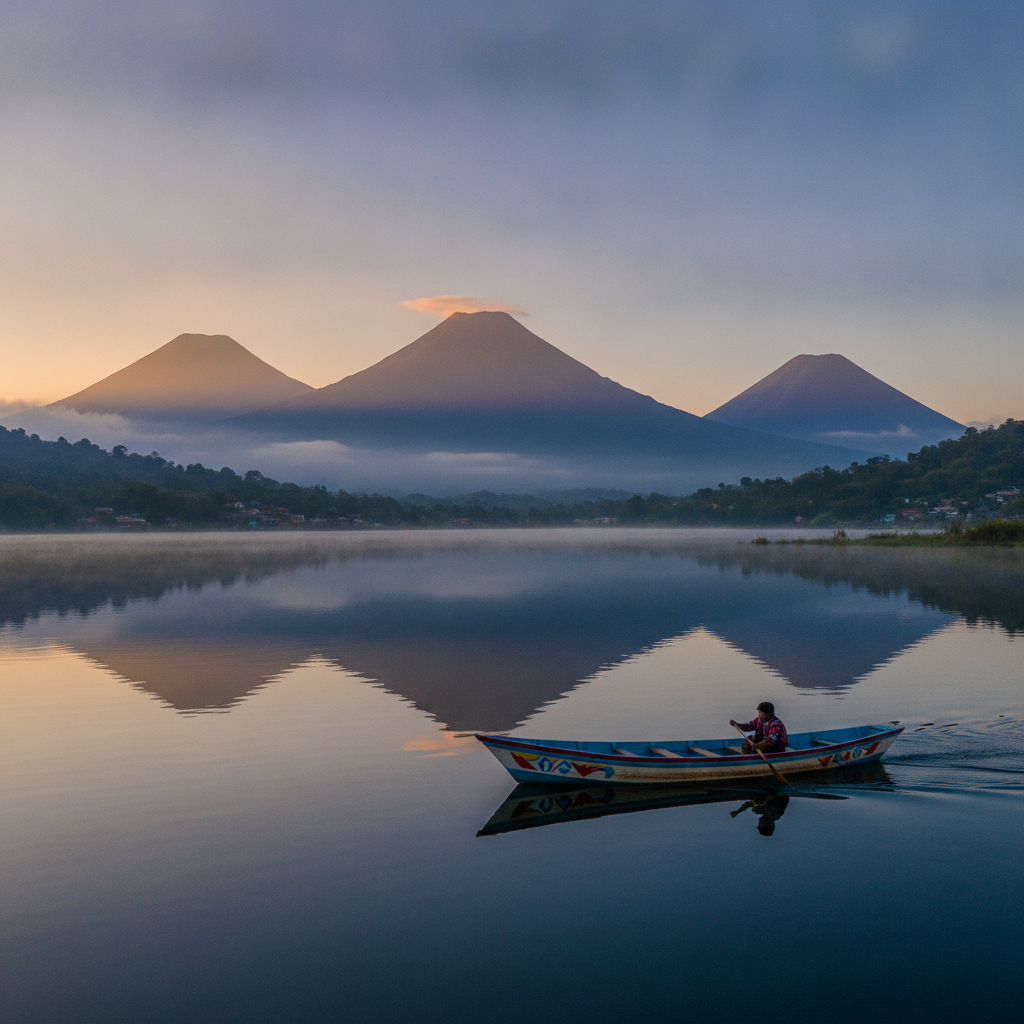
Lake Atitlan, Chichicastenango, and the Maya Highland Day Trip Circuit
Antigua is the gateway to the Maya highland circuit that includes Lake Atitlan, one of the most spectacular caldera lakes in the world, and the Chichicastenango market, the largest indigenous market in Central America. The three-hour journey from Antigua to Lake Atitlan passes through highland Maya communities where the K'iche', Kaqchikel, and Tz'utujil languages are spoken and traditional dress is part of daily life. The market at Chichicastenango on Thursday and Sunday mornings has been operating since pre-Columbian times and remains the primary commercial and social event for the surrounding K'iche' communities.