cancun
Entdecke Routen, Sehenswürdigkeiten und Reiseführer in Cancun.
9 Routen
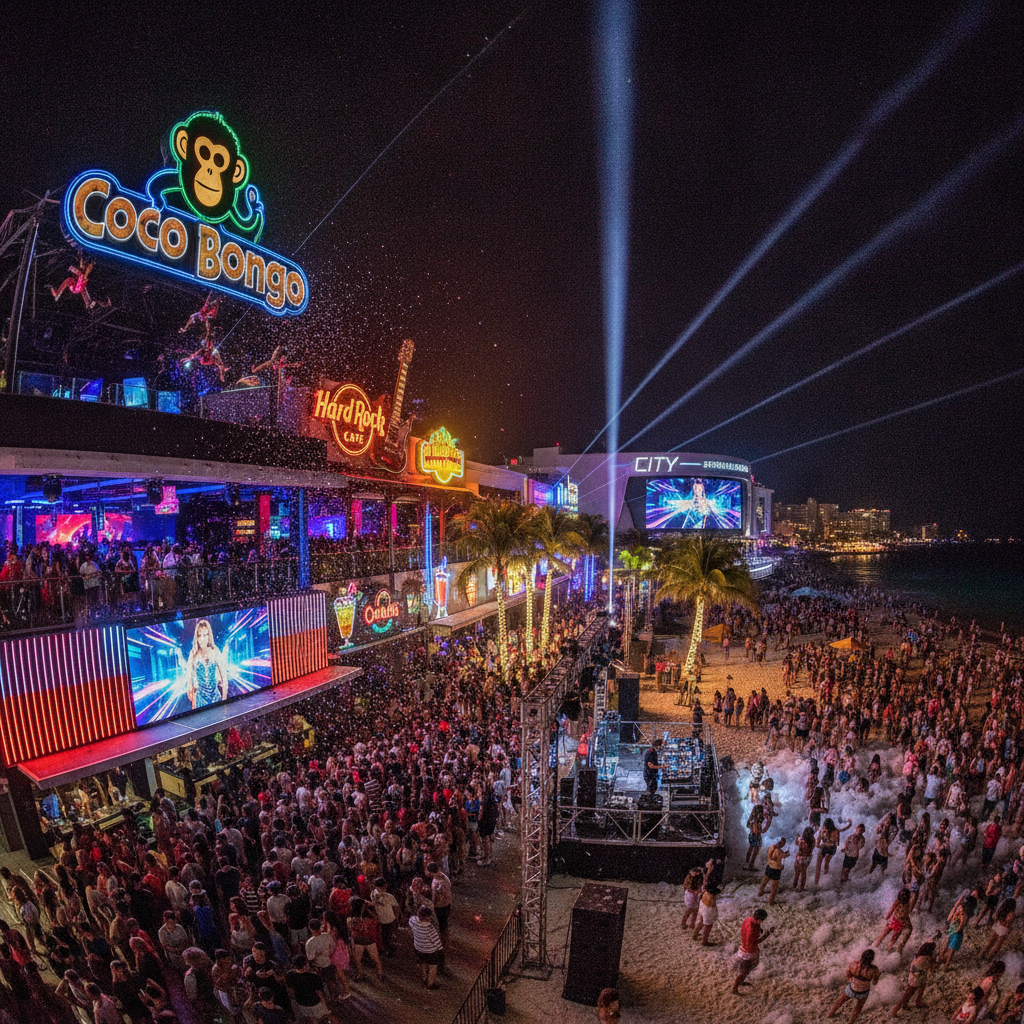
Cancún Spring Break, Musikfestivals & Strandparty-Kultur
Cancún's spring break and beach party culture (the annual influx of approximately 100,000 American college students during February-April and the major electronic music festivals (the 'Ultra Beach Cancún', the 'BPM Festival' (formerly held in Playa del Carmen), the 'Medusa Festival') that have made Cancún the party tourism capital of the Americas) represent a distinct and significant dimension of the Cancún tourism experience that co-exists with the family resort culture of the Hotel Zone.
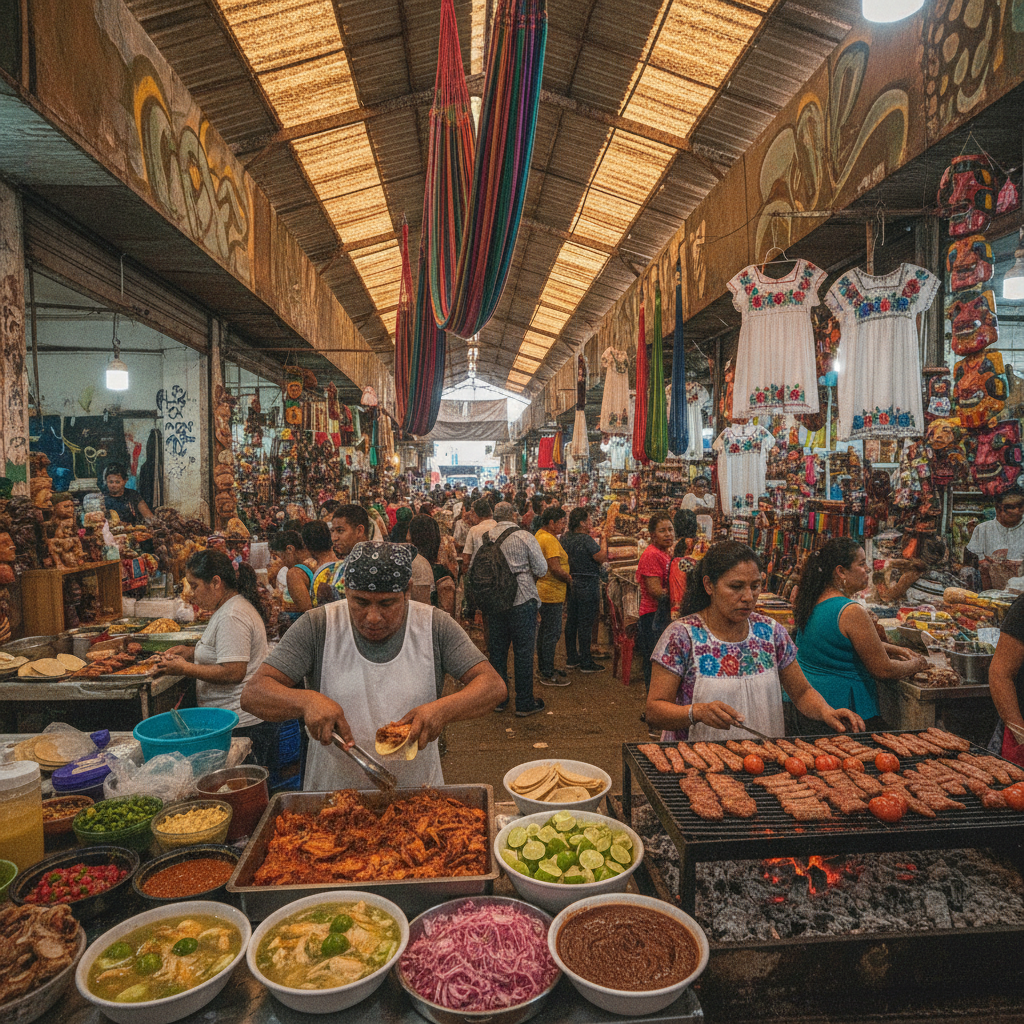
Cancún Innenstadt, Mexikanisches Street Food & Lokales Leben
El Centro (downtown Cancún — the Mexican city of approximately 1 million people that exists behind the tourist curtain of the Hotel Zone) is where the real Cancún lives: the Mercado 28 (the covered market with the Yucatecan food), the Parque de las Palapas (the local park and street food scene), the Avenida Yaxchilán (the local bar and restaurant strip), and the authentic Mexican culture that is largely invisible to the visitors who never leave the all-inclusive Hotel Zone.
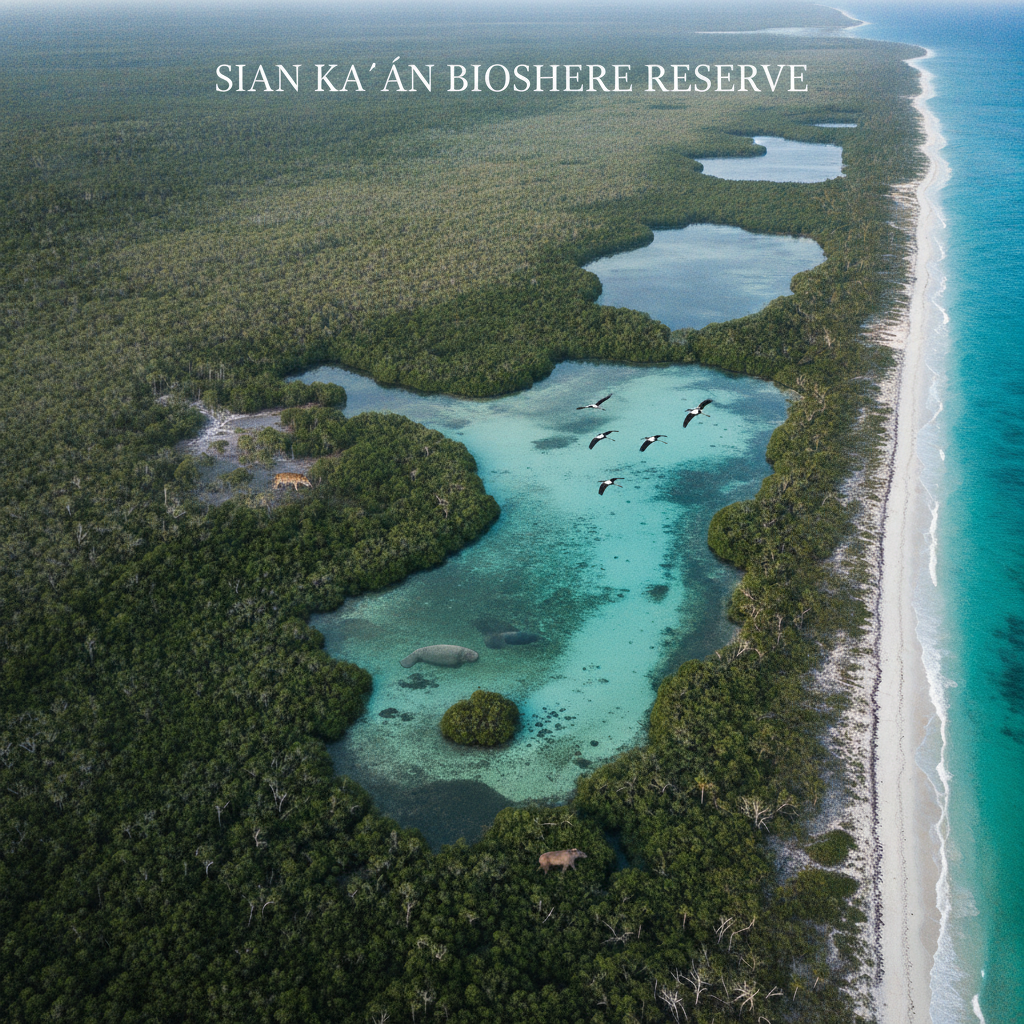
Sian Ka'an Biosphärenreservat & Maya-Dschungel-Wildnis
Sian Ka'an (the 'Where the Sky is Born' in Maya — the UNESCO World Heritage Site biosphere reserve of 5,280 km² (2,038 sq miles) on the Caribbean coast of the Yucatán, 100 km south of Cancún) encompasses tropical forests, mangroves, marshes, a section of the Mesoamerican Barrier Reef, and over 100 Maya archaeological sites, making it the most important natural reserve on the Mexican Caribbean coast and one of the most biodiverse areas in the Americas.
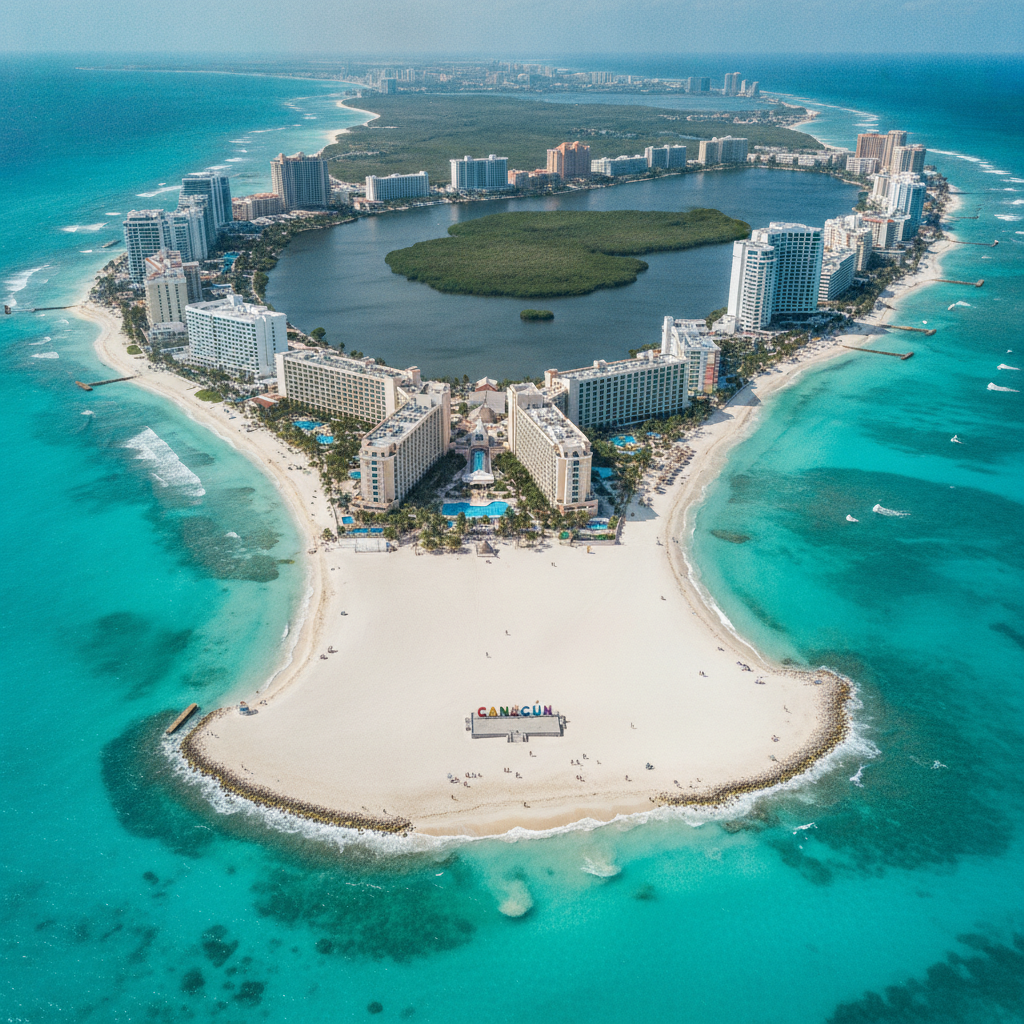
Cancúns Hotelzone, Karibische Strände & Türkisfarbene Gewässer
Cancún (die Stadt an der Karibikküste der Halbinsel Yucatán — das meistbesuchte Reiseziel in Mexiko und das meistbesuchte Strandurlaubsziel in Amerika, mit etwa 6-7 Millionen internationalen Besuchern pro Jahr): die Hotelzone (die 22 Kilometer lange Barriereninsel aus weißen Sandstränden, Luxusresorthotels und türkisfarbenem Karibikwasser) ist der Inbegriff des karibischen Strandurlaubsorts.
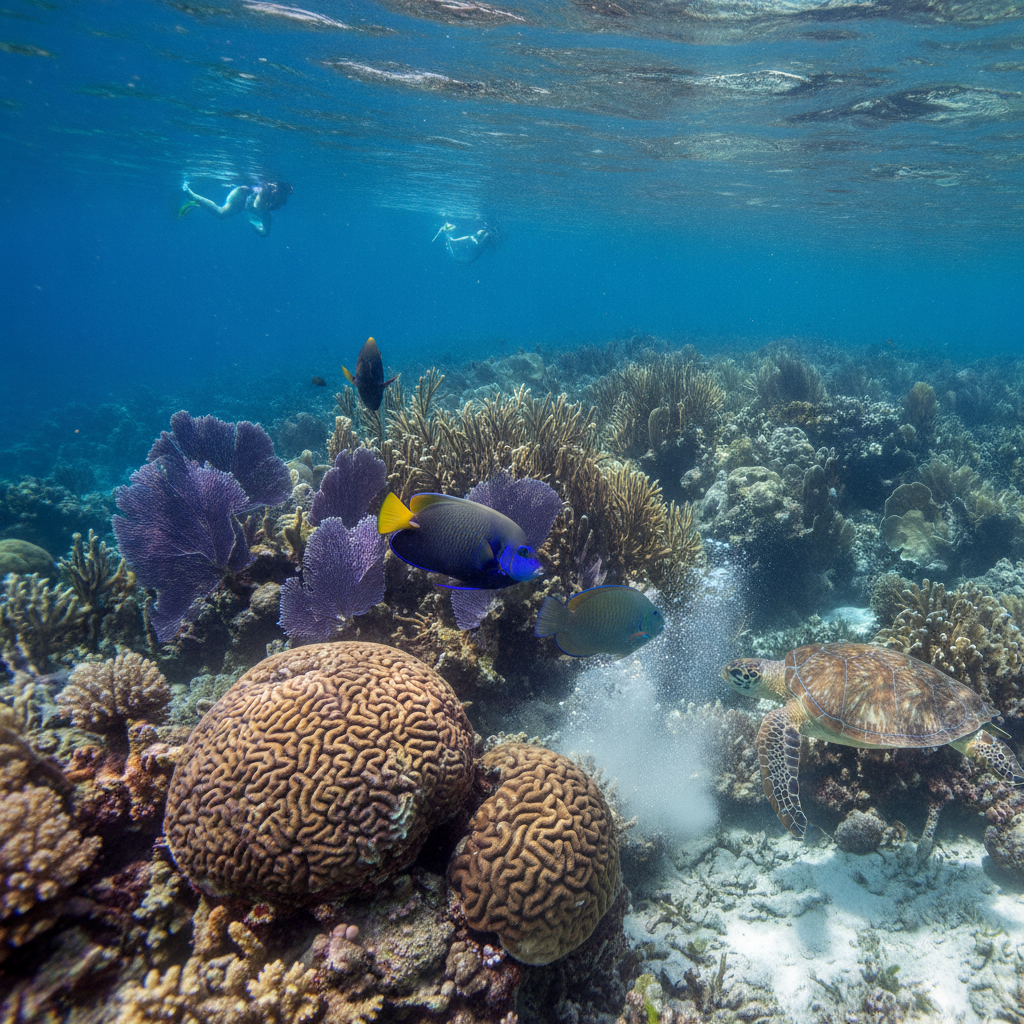
Das Mesoamerikanische Riff, Schnorcheln & Cancúns Meereswelt
Das Mesoamerikanische Barriereriff (das zweitgrößte Barriereriff-System der Welt, das 1.000 km von Mexiko bis Honduras verläuft) bietet das weltklasse Schnorcheln, Tauchen und Begegnungen mit Meereslebewesen (Walhaie, Meeresschildkröten, Mantas, Delfine), die zu den überzeugendsten Naturattraktionen von Cancún gehören.
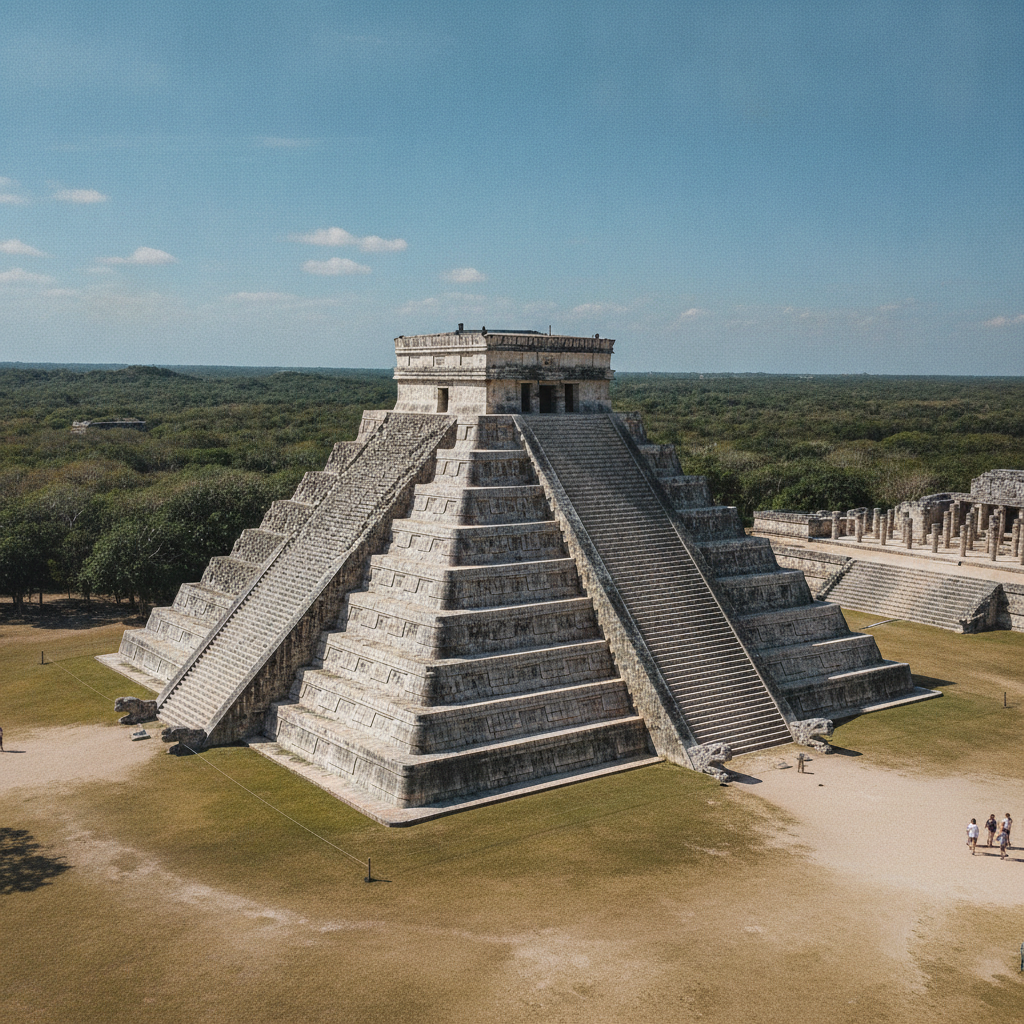
Chichén Itzá, die Maya-Pyramide & die Alte Zivilisation von Yucatán
Chichén Itzá (UNESCO-Welterbestätte und Neues Weltwunder im Innern der Halbinsel Yucatán, 180 km westlich von Cancún) und die El Castillo-Pyramide sind das meistbesuchte archäologische Schatz Mexikos, erreichbar als Tagesausflug von Cancún.
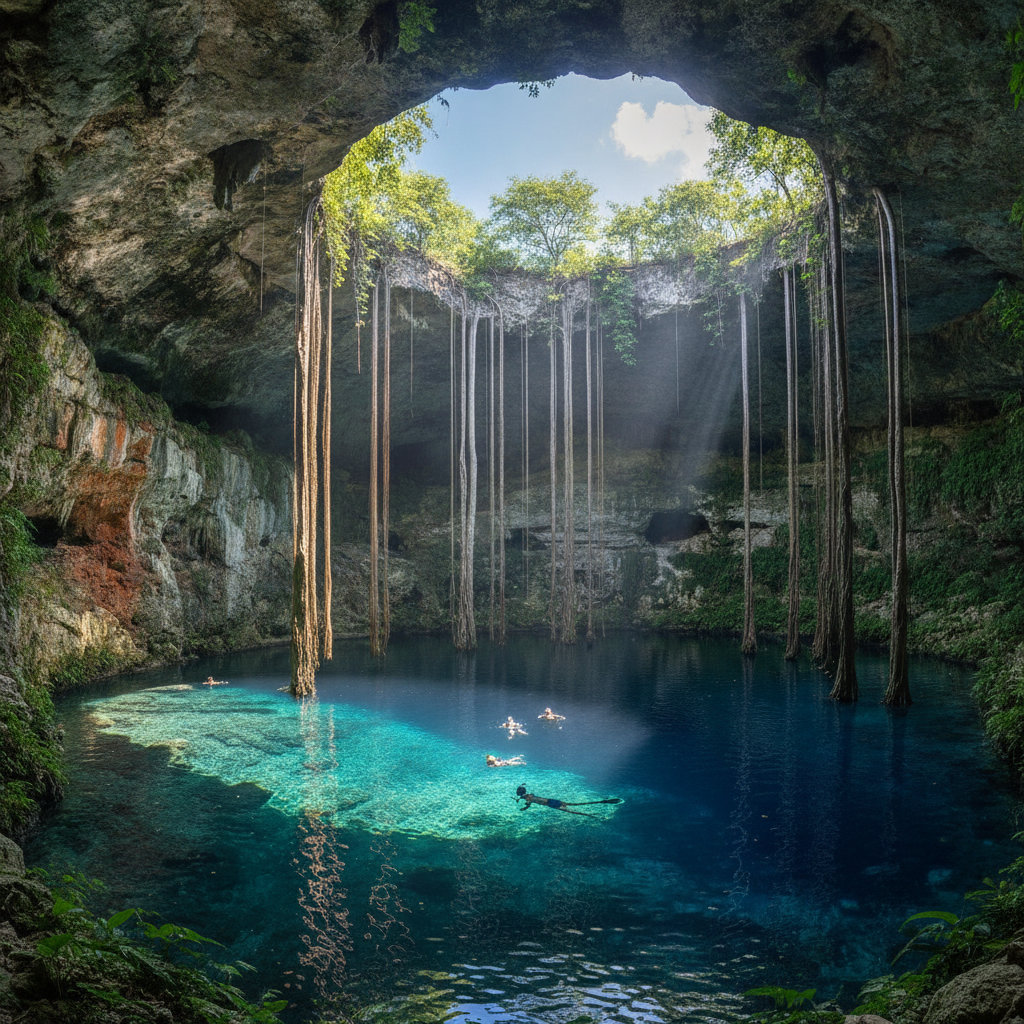
Xel-Há, Cenote-Abenteuer & die Süßwasserwelt von Yucatán
Die Cenoten (die 'ts'onot' — die natürlichen Süßwasserhohlräume des Yucatán-Kalksteinkarstlands) und der natürliche Wasserpark Xel-Há (der natürliche Inlet, wo das Süßwasser des Cenotensystems auf die Karibik trifft) repräsentieren die Süßwasserdimension des außerordentlichen Naturerbes von Yucatán.
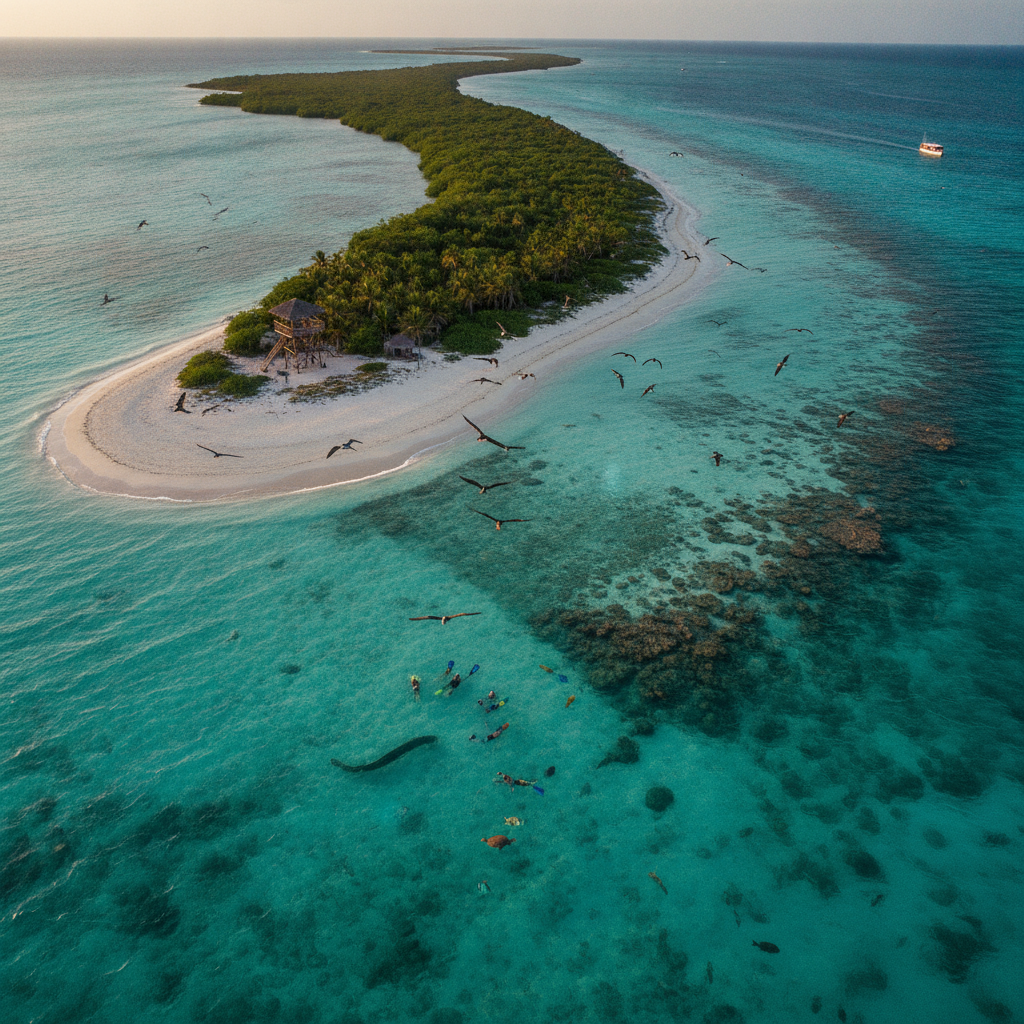
Isla Contoy Vogelschutzgebiet & Yucatán-Wildtiere
Isla Contoy (the uninhabited island national park 30 km north of Isla Mujeres — one of the most important seabird nesting colonies in the Mexican Caribbean, with over 150 bird species including large colonies of the magnificent frigatebird, the brown pelican, and the red-footed booby) and the rich marine life of the northern Yucatán coast (the whale sharks, the loggerhead sea turtles, the spotted eagle rays, and the vast schools of fish) make the waters north of Cancún one of the most important marine wildlife areas in the Americas.
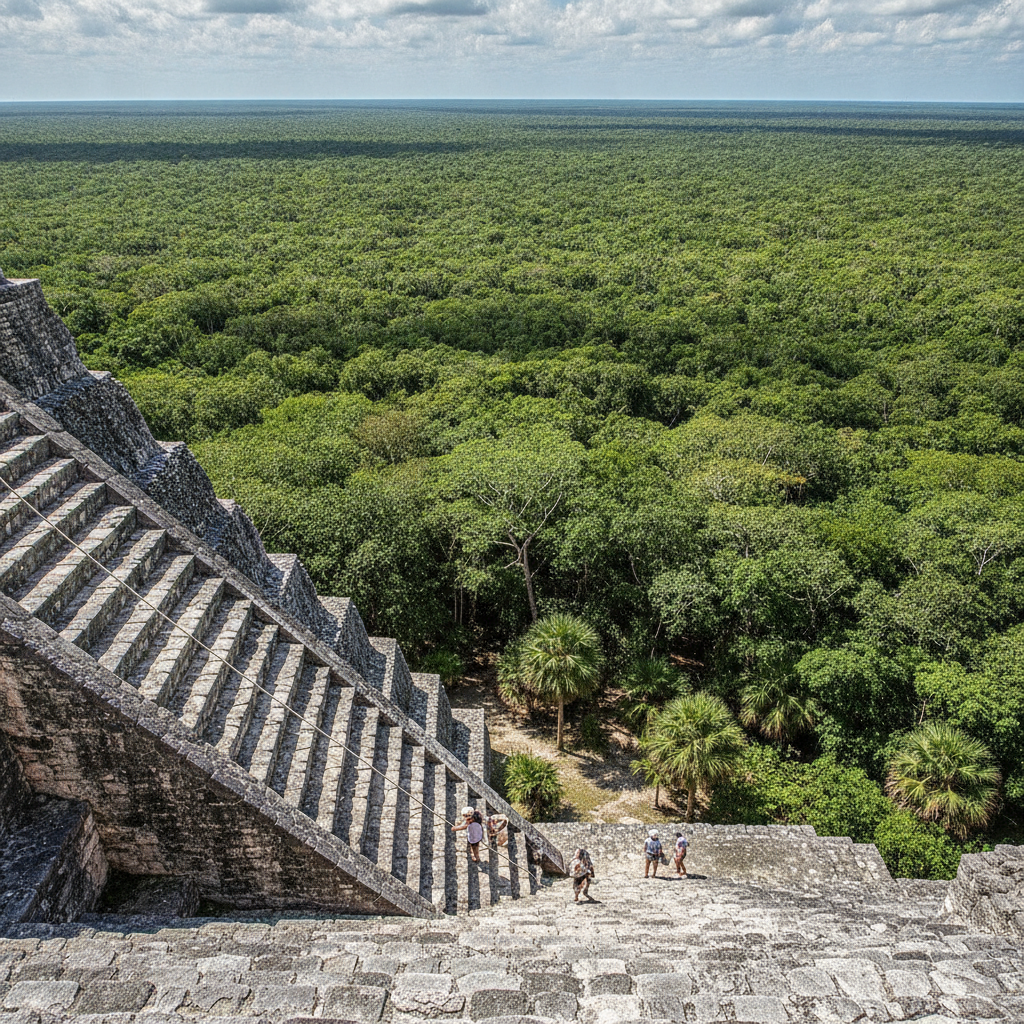
Cobá-Ruinen, Dschungel-Radfahren & Yucatán-Archäologiestätten
Cobá (the Maya archaeological site 170 km southwest of Cancún in the interior jungle of the Yucatán — the site of one of the largest Maya cities of the Classic period (approximately 600-900 CE), with approximately 6,500 structures across 70 km² of jungle, including the Nohoch Mul pyramid (the tallest Maya structure in the Yucatán at 42 metres / 138 feet)) is unique among Maya sites in allowing visitors to climb the main pyramid and in requiring bicycles or rickshaws to traverse the wide-spread site through the jungle.