sao-paulo
Entdecke Routen, Sehenswürdigkeiten und Reiseführer in Sao Paulo.
9 Routen
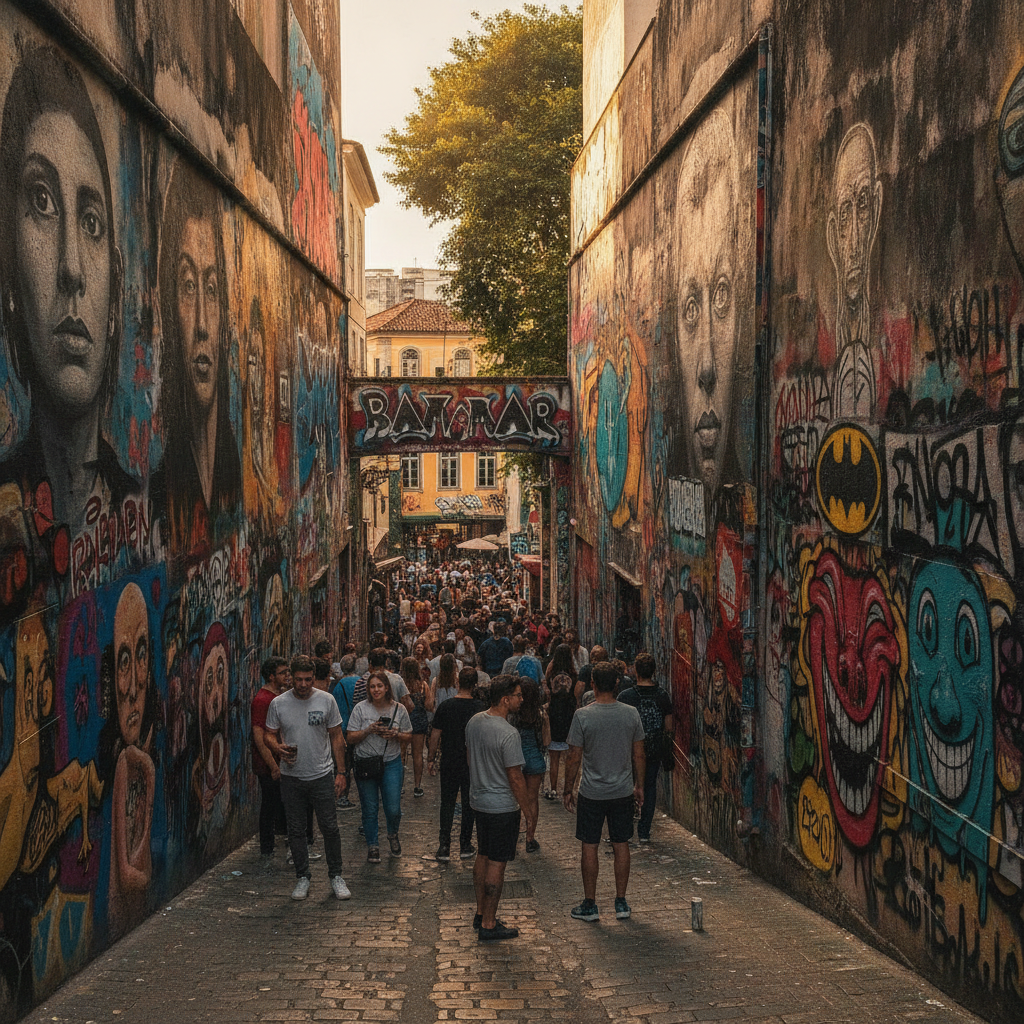
Pinheiros, Vila Madalena & São Paulos Legendäres Nachtleben
São Paulo's nightlife (the nightlife of the city that never sleeps — the city that is the undisputed entertainment capital of Brazil and one of the most vibrant nightlife destinations in the world): the Pinheiros and Vila Madalena neighbourhoods (the two adjacent bohemian neighbourhoods west of Avenida Paulista that are the centre of São Paulo's cultural and nightlife scene) host the greatest concentration of bars, nightclubs, live music venues, and independent restaurants in the city.
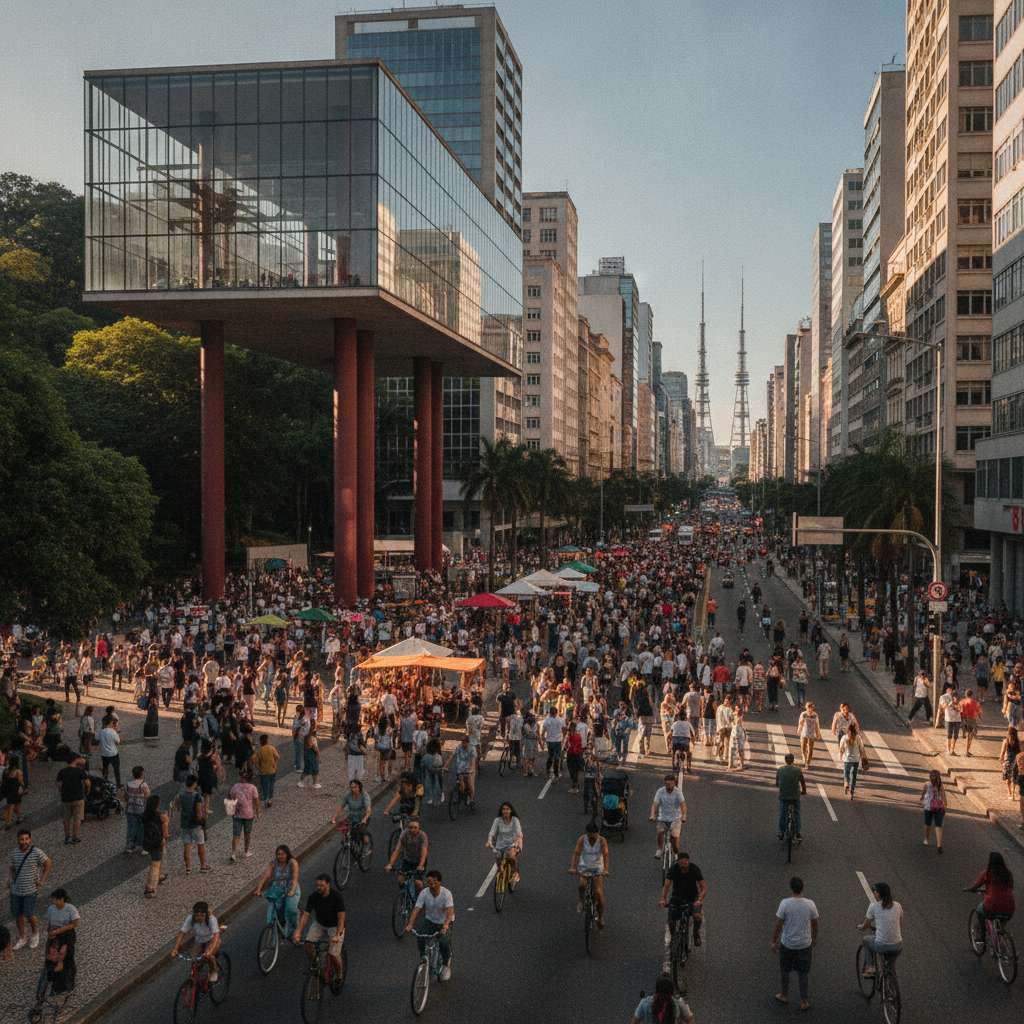
Avenida Paulista, MASP & Herz São Paulos
São Paulo — die größte Stadt Brasiliens und der südlichen Hemisphäre, mit etwa 12,3 Millionen Einwohnern in der Stadt und 22 Millionen in der Metropolregion São Paulo: Die Avenida Paulista ist die Achse, um die das kulturelle, finanzielle und soziale Leben der größten Metropole Lateinamerikas kreist.
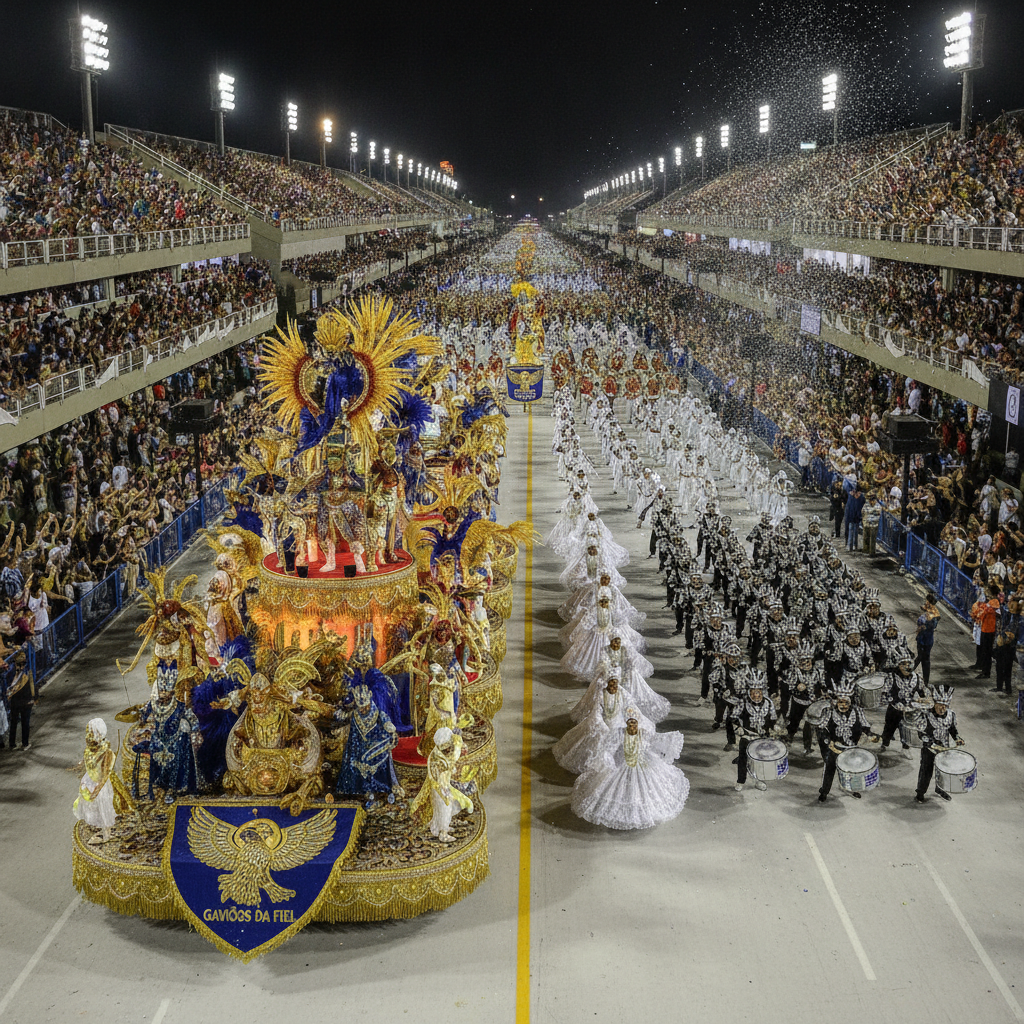
Samba, Karneval & São Paulos Afro-Brasilianisches Kulturerbe
São Paulo's Carnaval (the São Paulo Carnival — the second largest Carnival in Brazil after Rio de Janeiro, held in the Sambódromo do Anhembi in the Santana neighbourhood every February — a spectacle of Brazilian popular culture, music, and dance that is as much a product of São Paulo's African-Brazilian community as of the Carioca culture of Rio) and the samba tradition (the music and dance form that originated in the African-Brazilian community of Rio de Janeiro and Salvador da Bahia and became the national music of Brazil) are at the core of São Paulo's cultural identity.
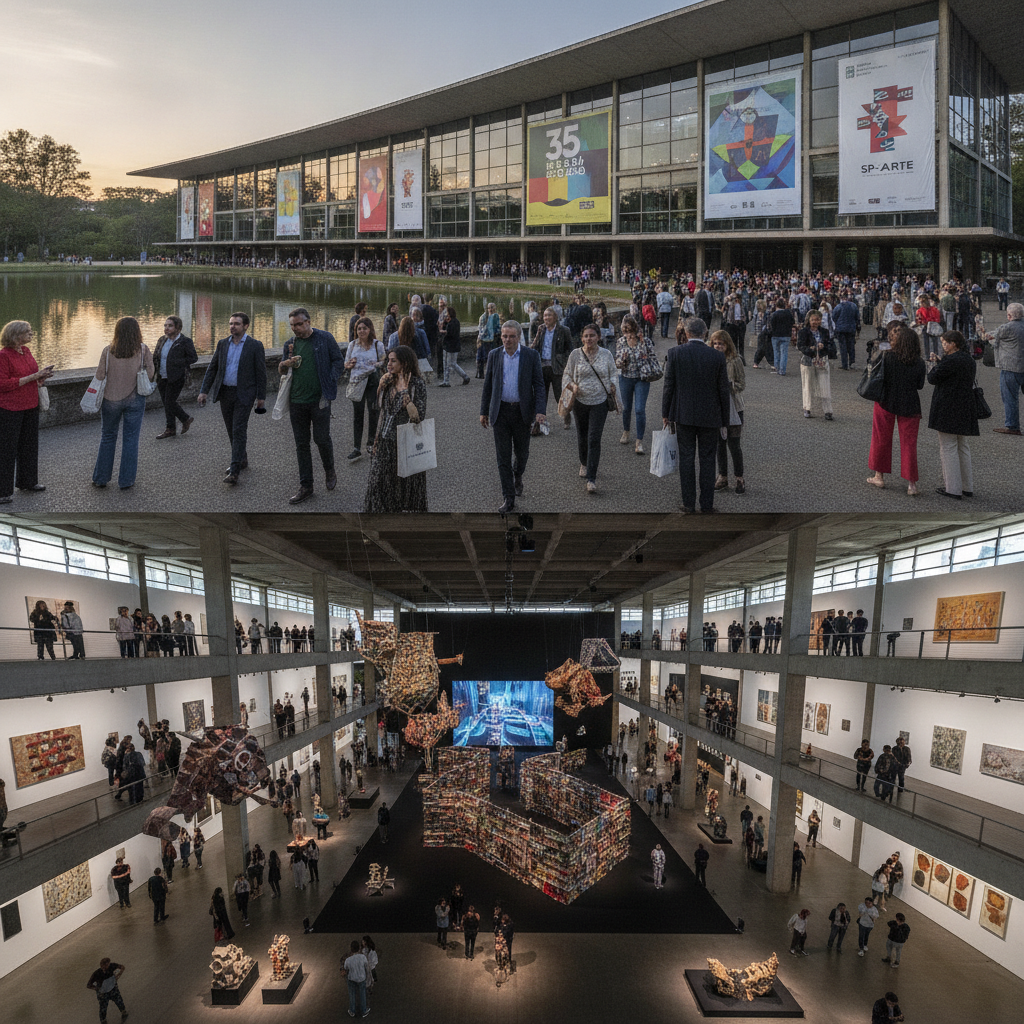
SP-Arte, Museen & São Paulos Weltklasse-Kulturszene
São Paulo's cultural scene (the arts and culture infrastructure of the city that is the most important art market in Latin America — the city that hosts the SP-Arte (the São Paulo International Art Fair — the most important contemporary art fair in Latin America, held annually in April at the Pavilhão da Bienal in Ibirapuera Park), the São Paulo Biennial (the 'Bienal de São Paulo' — the second oldest art biennial in the world (after the Venice Biennale), the biennial that has showcased international contemporary art in São Paulo since 1951)) represents the most important art ecosystem in the Southern Hemisphere.
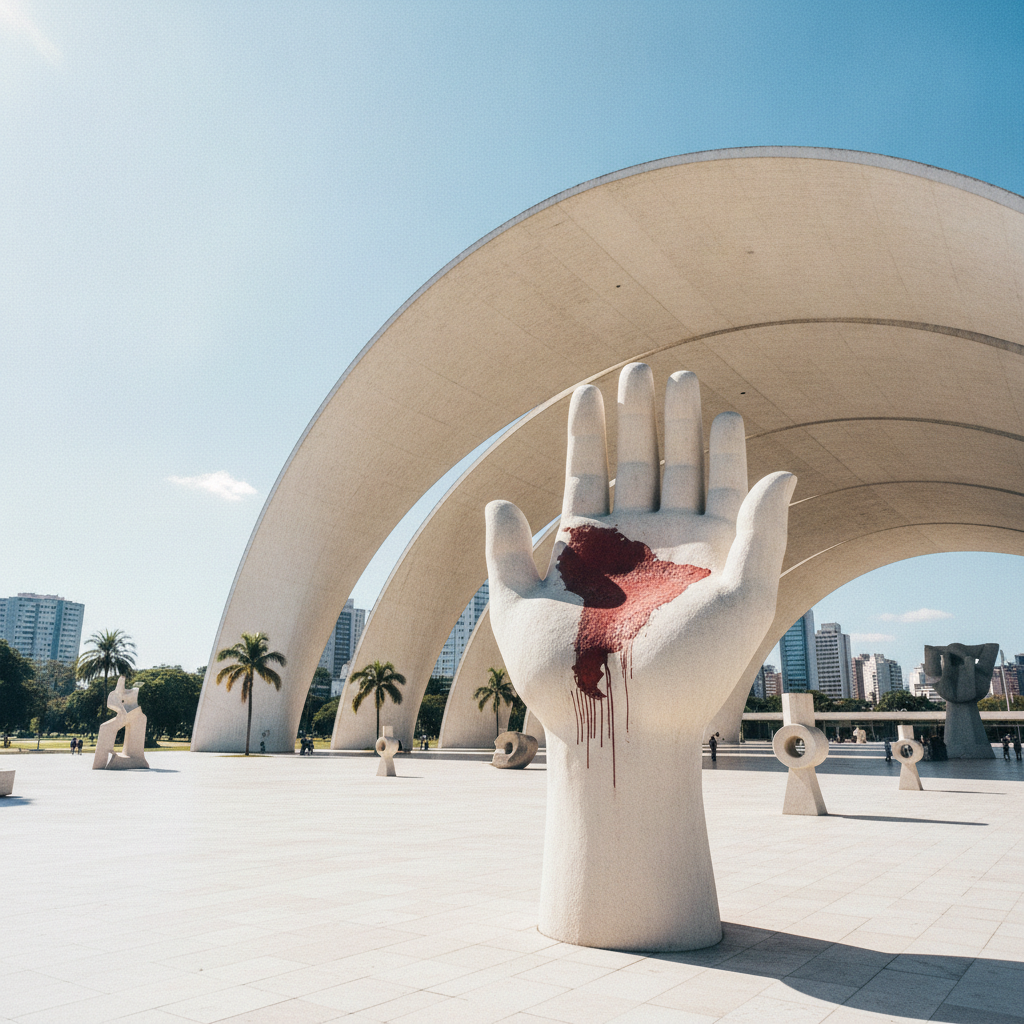
São Paulos Architektur — Modernismus, Niemeyer & der Betonurwald
São Paulos Architektur — die Hauptstadt der modernistischen Architektur in Lateinamerika — mit den Meisterwerken von Oscar Niemeyer (dem Copan, dem Memorial da América Latina, den Ibirapuera-Pavillons) und Lina Bo Bardi (dem MASP, dem SESC Pompeia), die die städtische Landschaft der größten Metropole der südlichen Hemisphäre prägen.
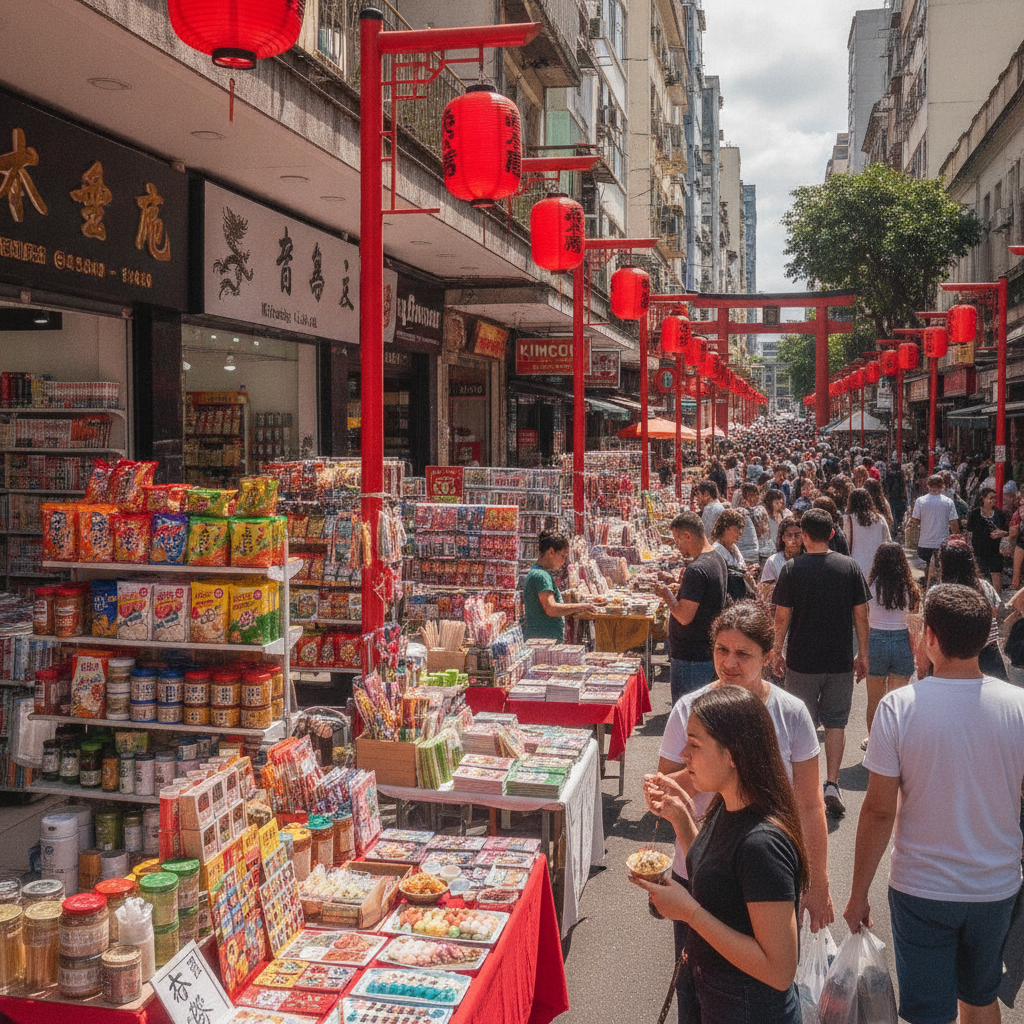
Liberdade, die Japanische Gemeinschaft & Die Asiatische Seele São Paulos
São Paulo's Liberdade neighbourhood (the neighbourhood immediately south of the Centro Histórico — the heart of the Japanese-Brazilian community, the largest Japanese diaspora community outside of Japan) is the most important Japanese cultural district in the world outside of Japan, and a window into the remarkable story of Japanese immigration to Brazil and the integration of Japanese culture into Brazilian identity.
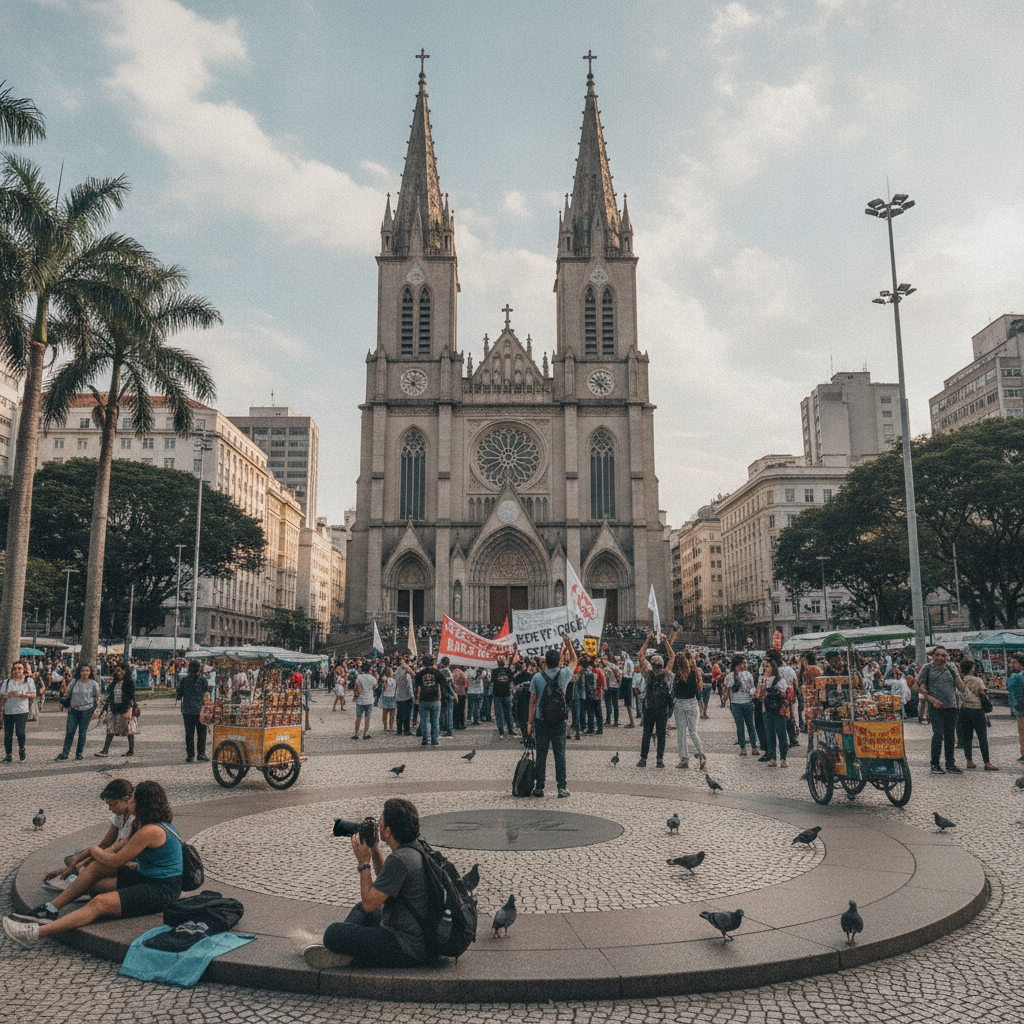
Centro Histórico, Praça da Sé & die Gründung São Paulos
Das Centro Histórico von São Paulo und die Praça da Sé — das geografische und symbolische Herz der größten Stadt der südlichen Hemisphäre — sind der Ursprungspunkt der gesamten städtischen Zivilisation des industriellen Herzens Brasiliens.
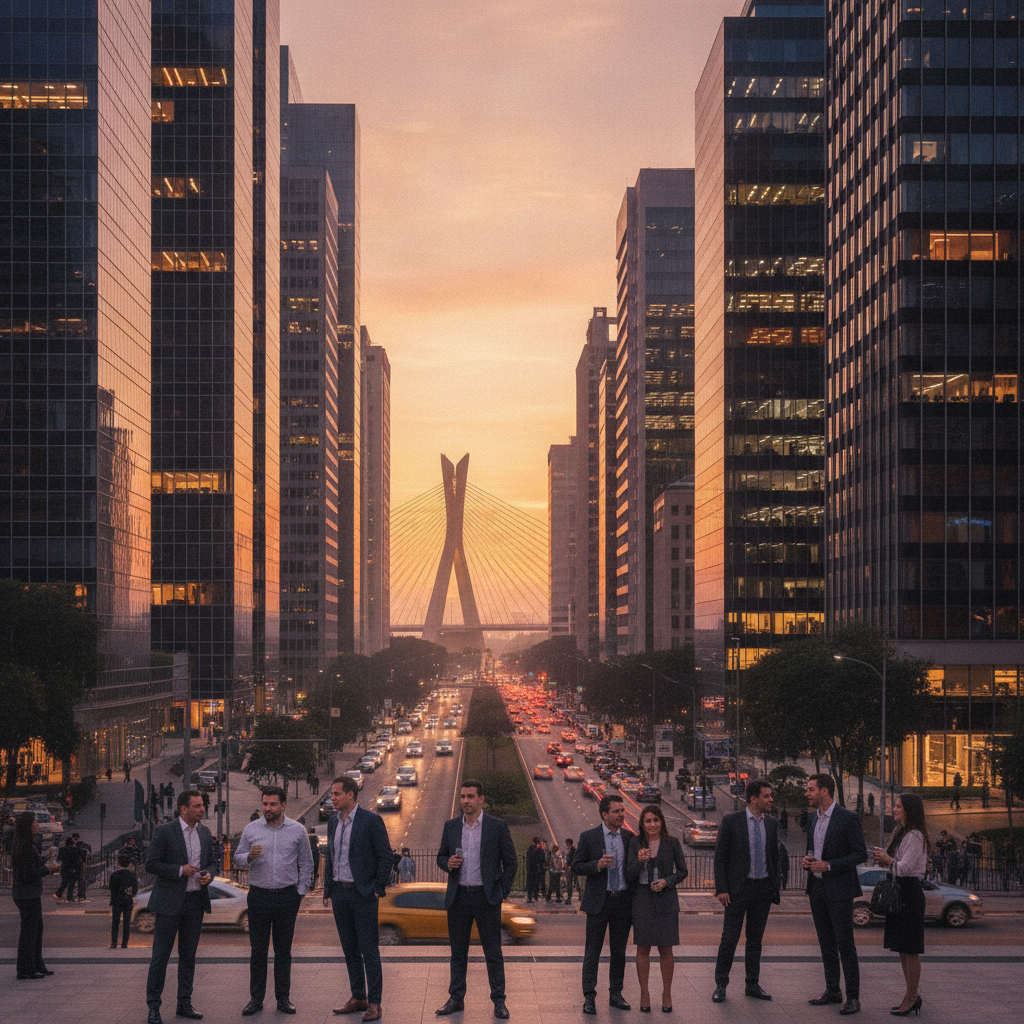
Faria Lima, Itaim Bibi & São Paulos Geschäftsviertel
Faria Lima (Avenida Brigadeiro Faria Lima — the 'Brazilian Wall Street') and Itaim Bibi (the upscale business and residential neighbourhood at the core of São Paulo's new financial district) are the engines of the Brazilian economy — the district that concentrates the headquarters of Brazil's largest banks, investment funds, and technology companies, and the district that, in the post-2016 period, has emerged as the primary hub of Brazil's startup ecosystem and venture capital industry.
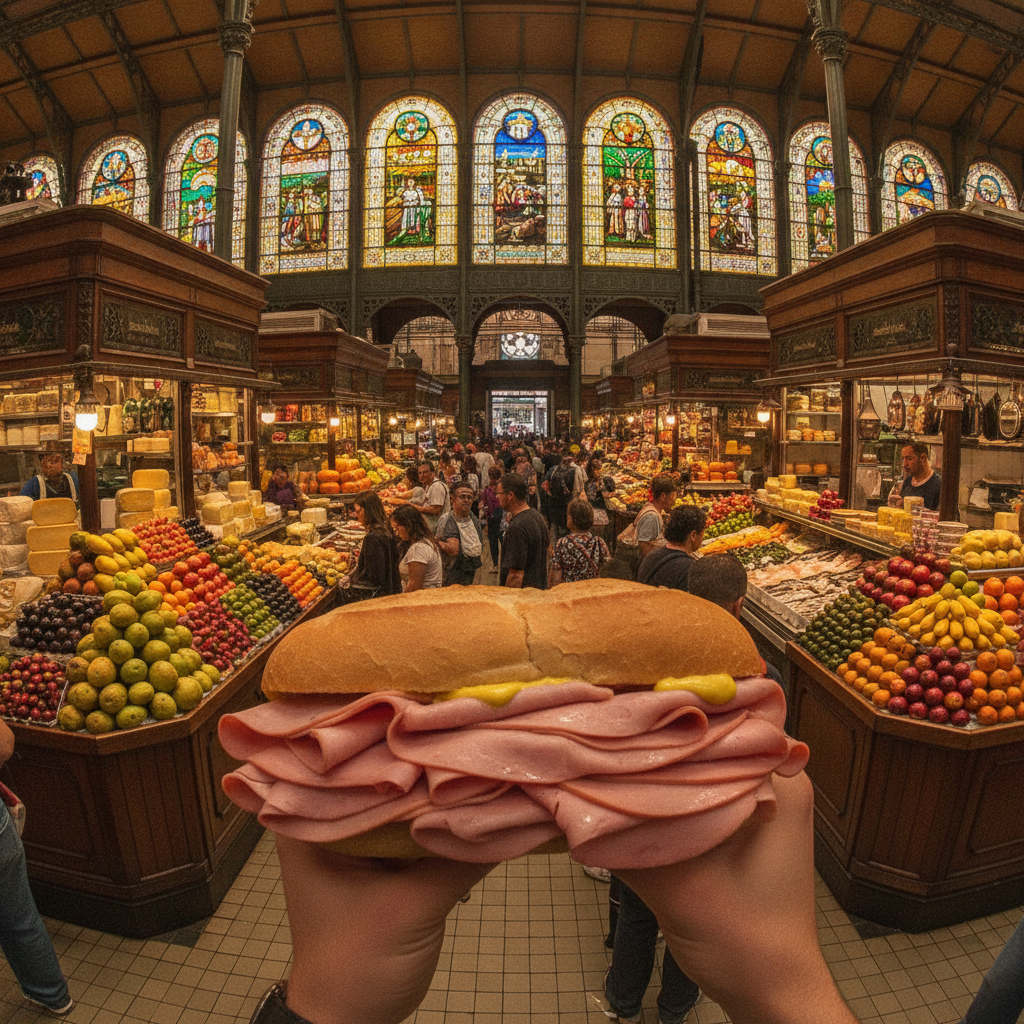
Mercadão, Street Food & São Paulos Gastronomisches Universum
São Paulos Gastronomiekultur — die unbestrittene kulinarische Hauptstadt Lateinamerikas — mit über 50.000 Restaurants, der vielfältigsten kulinarischen Szene auf dem amerikanischen Kontinent und dem größten Lebensmittelmarkt Südamerikas (dem Mercado Municipal oder 'Mercadão').