Bagan Ayeyarwady River & Village Walk
Follow the Ayeyarwady at Bagan — the great river that made the Bagan empire possible flows past the western edge of the archaeological zone, and the river bank communities, the sunset boat cruises, and the traditional village life accessible from the water provide the most completely Burmese experience available at the temple site.
- 1
Bagan River Sunset Cruise
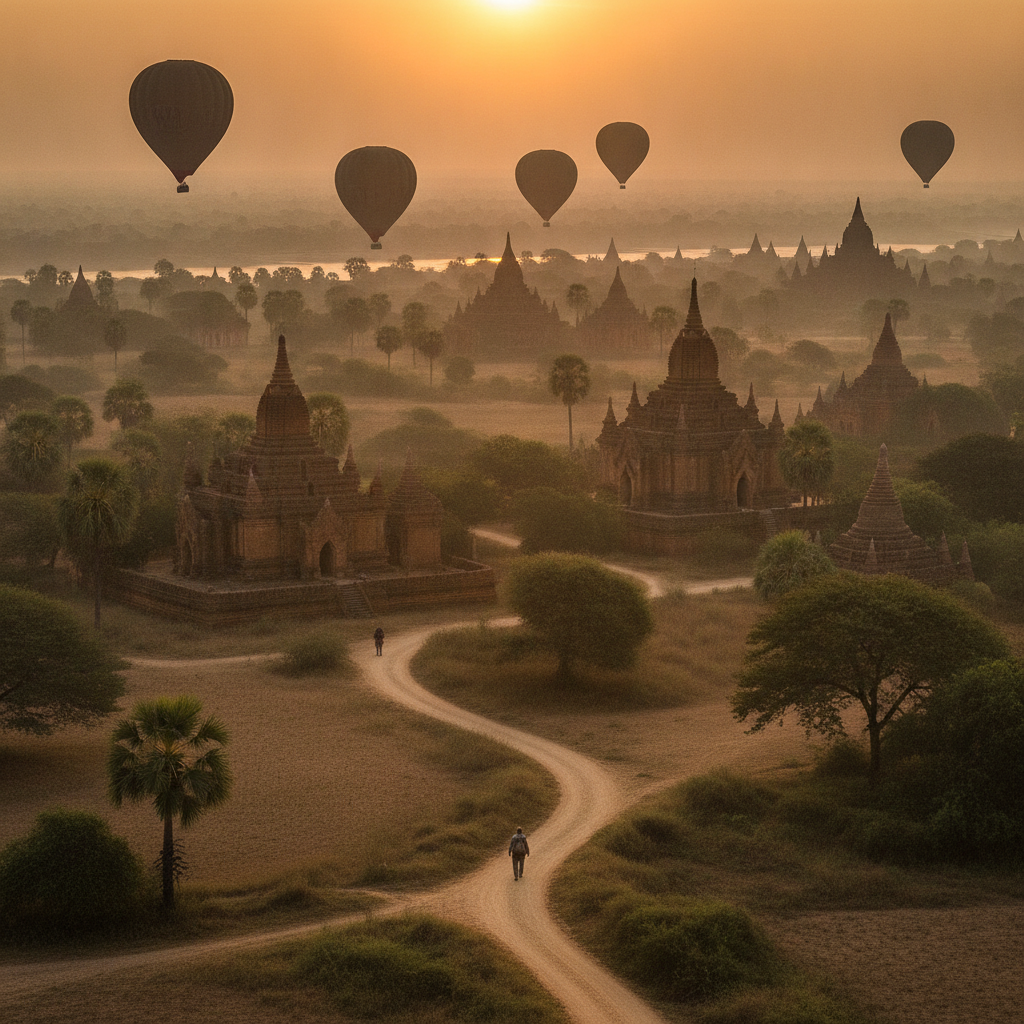
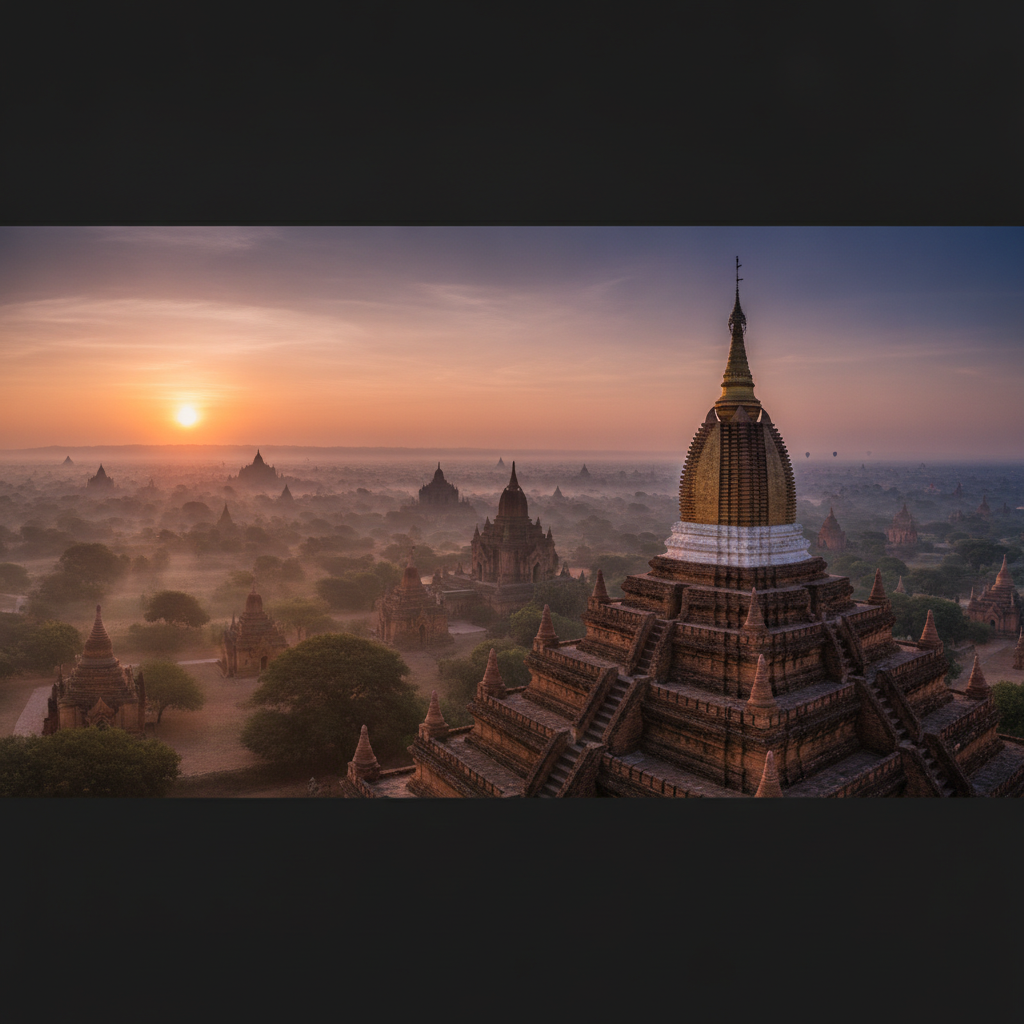
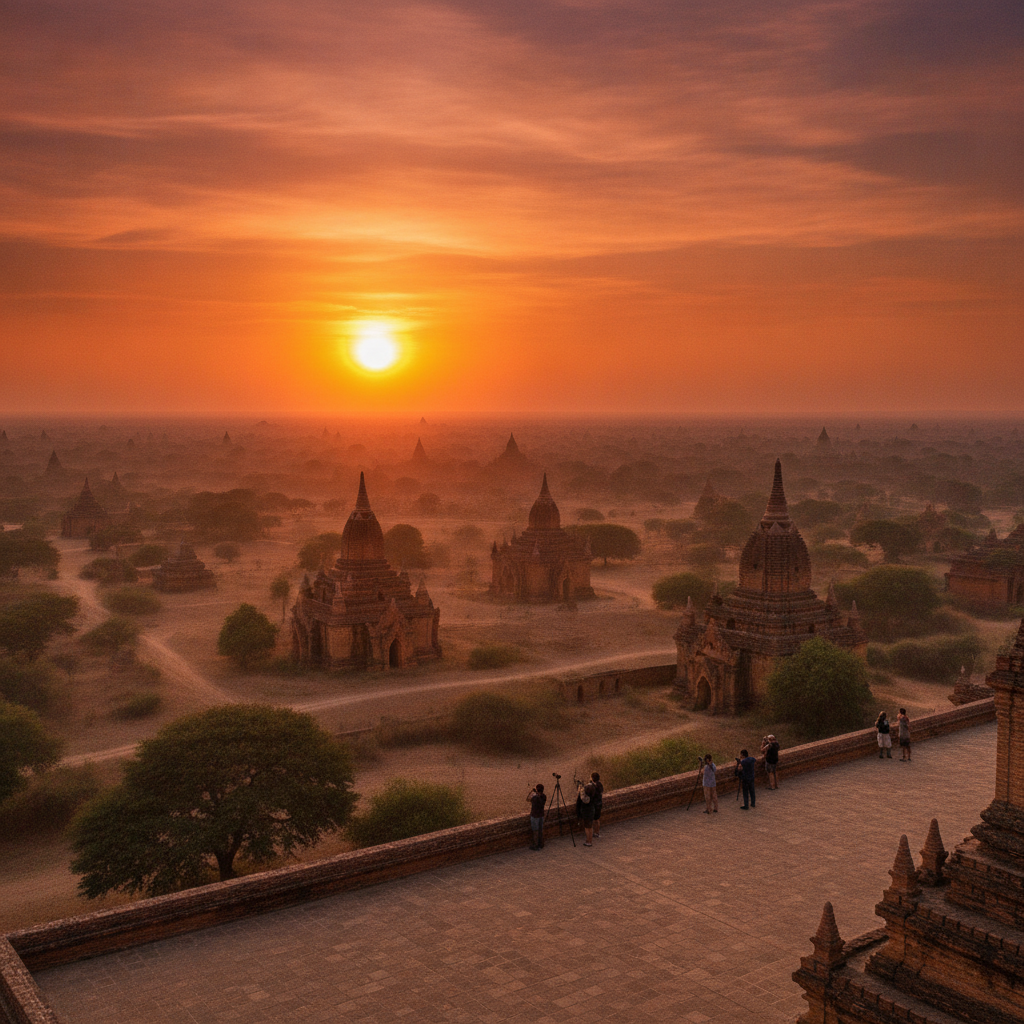
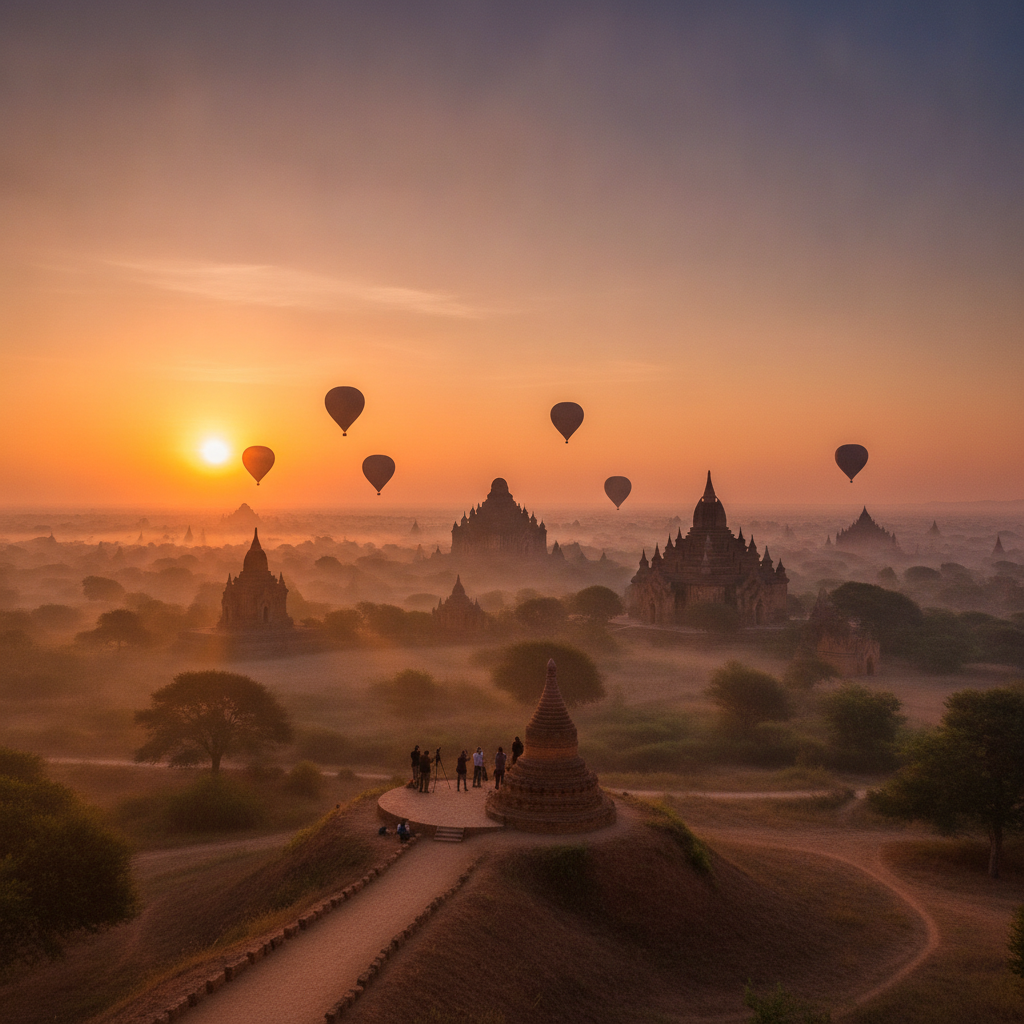
The Ayeyarwady River sunset cruise from the Old Bagan pier (the slow boat journey downstream from the Old Bagan landing to the viewing position from which the full western face of the temple cluster is visible against the sunset sky) is the most commonly cited single Bagan experience as the most emotionally powerful — the view of the Bagan temples from the river at sunset (the ancient structures visible above the river bank vegetation, their terracotta towers silhouetted against the orange-red sky, and the river surface reflecting the sunset colours in the foreground) is the most widely reproduced single image of Bagan. The boat journey's pace (the slow downstream drift on the wide, calm Ayeyarwady, with the engine at its lowest setting to extend the golden hour viewing time) and the boat's position in the middle of the river (providing the most unobstructed view of the temple skyline) create the most controlled encounter with the most famous single view available in Myanmar.
- 2
Nyaung-U River Market
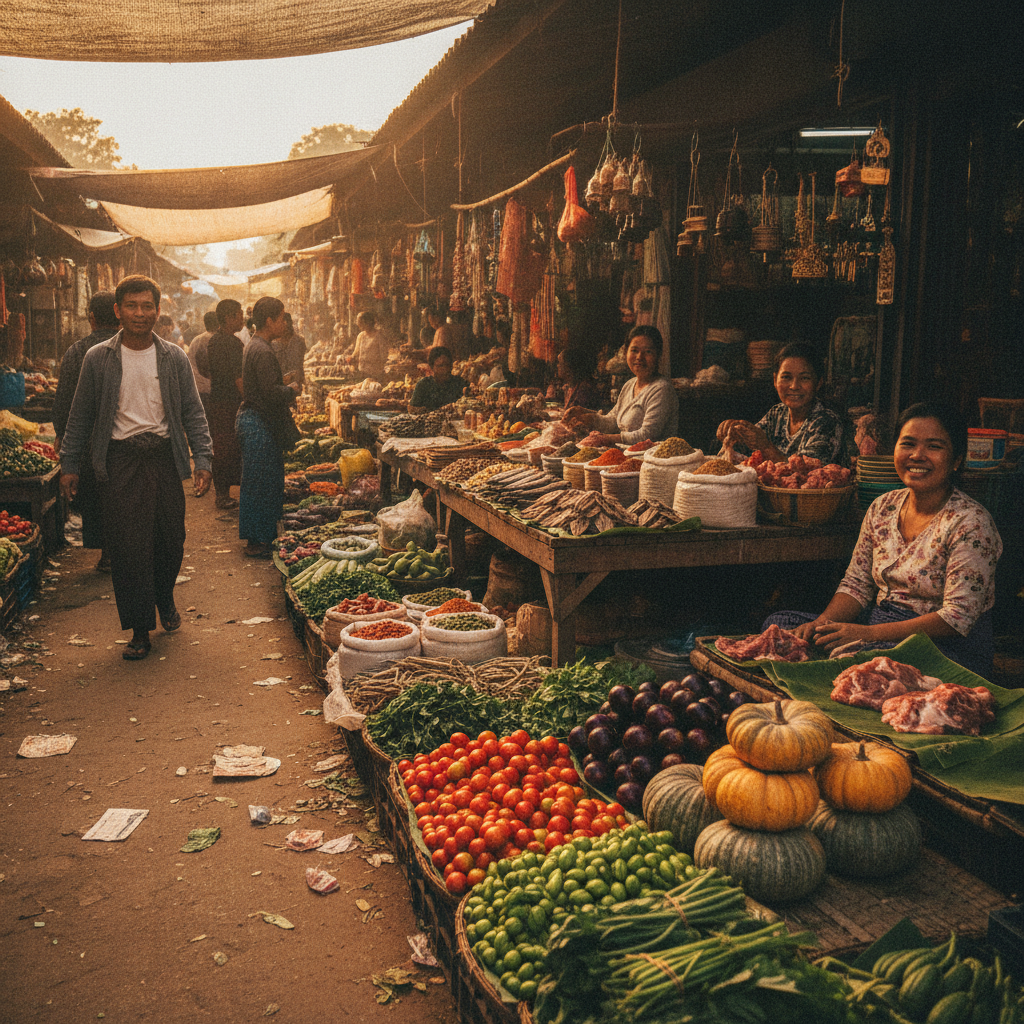
The Nyaung-U morning market (the most important market in the Bagan area, serving the local agricultural communities and the Bagan tourist population from the early morning hours) is the most authentic single food and commerce encounter accessible from the archaeological zone — the market's fresh produce (the seasonal vegetables from the Ayeyarwady plain, the palm sugar from the toddy palms visible throughout the Bagan landscape, the river fish from the overnight Ayeyarwady catches, and the various dried and preserved foods that constitute the Burmese market staples) provides the most direct connection between the Bagan agricultural landscape and the food culture of the local community. The market's temple supplies section (the vendors selling the flowers, the incense, the candles, and the votive gold leaf for the temple offerings) is the most practically Burmese shopping encounter accessible at the Bagan tourist base.
- 3
Mount Popa Day Trip
Mount Popa (the volcanic plug 50km east of Bagan, accessible by shared taxi or organised tour from Nyaung-U) is the most important nat (spirit) shrine in Myanmar — the 737-step staircase ascending the volcanic pinnacle (the 737 steps lined with monkey residents who are the guardians of the holy site, the pilgrims visible ascending in the traditional white dress of Burmese nat worship) leads to the temple complex at the summit, which houses the 37 official nats of the Myanmar nat pantheon. The nat worship (the pre-Buddhist animist spirit worship tradition that was incorporated into Burmese Buddhism and remains the most distinctive aspect of Myanmar's Buddhist practice) is most directly observable at Mount Popa, where the nat shrine (with its colourful figures of the nat spirits, the music and dance performance of the nat kadaw (spirit wife) worship) is the most accessible encounter with the living spirit worship tradition in Myanmar.
- 4
Ayeyarwady Ferry Crossing
The local ferry crossing of the Ayeyarwady at Bagan (the wooden passenger ferry connecting Old Bagan on the eastern bank to the village communities on the western bank, operating several times daily as the primary river crossing for the local population) provides the most direct encounter with the working river transport tradition that has connected the communities on both banks of the Ayeyarwady for the entire history of the Bagan civilisation — the ferry's wooden hull, its diesel engine, and the assorted passengers (the monks, the market women, and the agricultural workers using the ferry for the daily crossings) create the most immediately local transport experience accessible at the Bagan tourist base. The crossing's views (the Bagan temple cluster visible from the river during the short crossing) provide the most naturally framed view of the archaeological zone accessible without a dedicated sunset cruise.
- 5
Palm Sugar Village
The palm sugar production visible in the villages surrounding Bagan (the toddy palms (Borassus flabellifer) that are the most characteristic tree of the Bagan plain, with the clay pots attached to the flower buds to collect the sap and the climbers ascending the 20-metre trunks twice daily) is the most distinctively Bagan agricultural tradition accessible to visitors — the production of the fermented toddy (the fresh sap consumed directly as a refreshing sweet drink before fermentation begins) and the palm sugar (the boiled and concentrated sap dried into the brown sugar blocks sold at the Nyaung-U market) creates the most visually distinctive landscape feature of the Bagan archaeological zone. The toddy palm's role in the Bagan landscape (the palms visible between and behind the ancient temples throughout the archaeological zone, creating the most characteristic visual texture of the Bagan skyline views) makes the palm sugar production the most directly connected agricultural tradition to the archaeological heritage accessible at the site.
- 6
Burmese Village Life
The agricultural villages within and adjacent to the Bagan archaeological zone (the communities that have lived in the temple plain for generations, maintaining the farming and fishing activities of the Ayeyarwady plain within sight of the ancient monuments that constitute their most constant neighbours) provide the most direct encounter with the living human geography of the Bagan landscape accessible outside the tourist service economy — the village communities visible from the cycling paths through the archaeological zone (the ox-carts on the unpaved tracks, the women sorting the agricultural harvest in the shade of the ancient temple walls, and the children playing in the temple compounds) create the most naturalistically integrated archaeological landscape accessible at any major site in Southeast Asia.
Walk this route with audio
Stories play automatically as you reach each stop — no tapping needed.