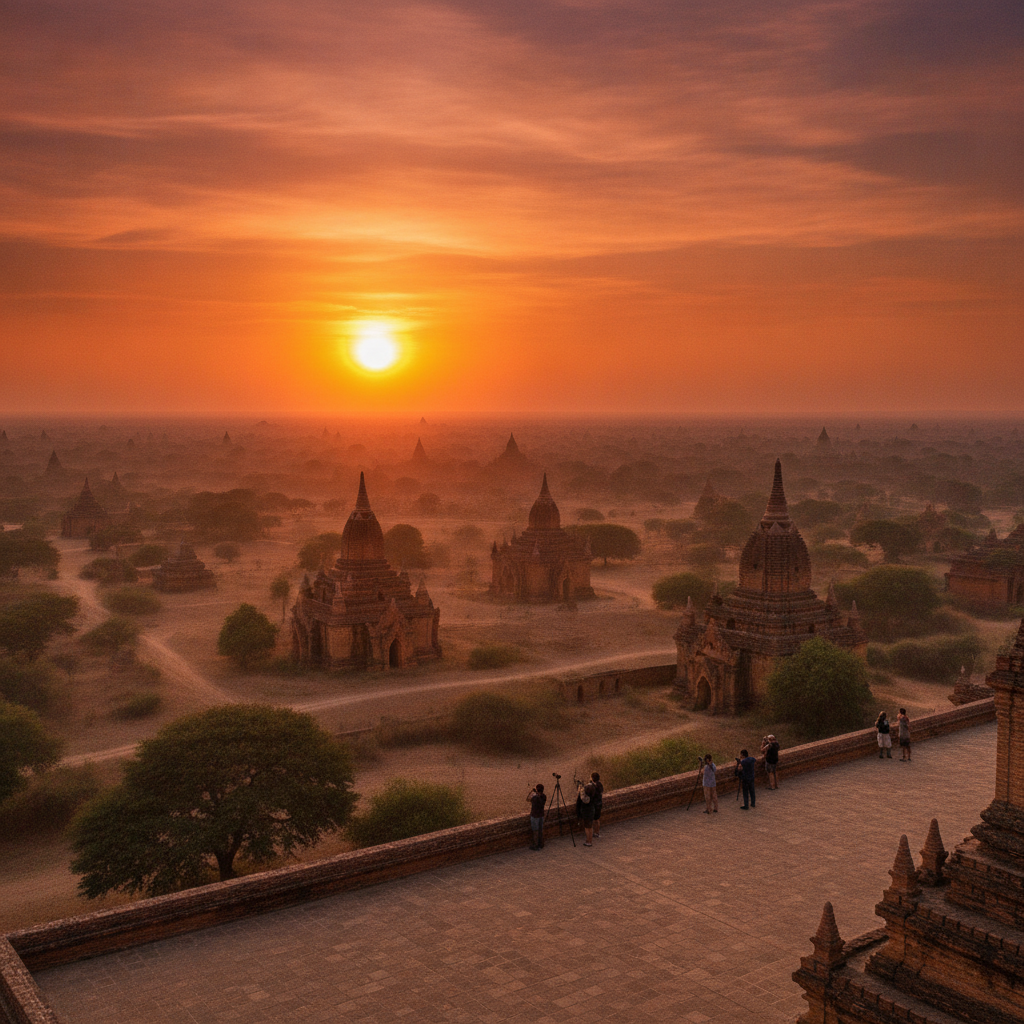
Bagan Monastery & Monk Life Walk
Enter Bagan's monastery life — the active Buddhist monasteries in and around the Bagan archaeological zone maintain the Theravada Buddhist tradition in the most historically layered setting accessible in Myanmar, with the monks' daily schedule visible against the backdrop of the ancient temple civilisation.
- 1
Alodawpyei Monastery
The Alodawpyei Monastery in the Nyaung-U area (one of the active monasteries that welcomes respectful visitor observation of the monks' daily activities) provides the most accessible encounter with the contemporary Burmese monastic tradition in the Bagan area — the monastery's daily schedule (the pre-dawn prayers audible across the still temple plain, the monks' morning alms collection in the Nyaung-U streets, the midday meal (the last meal of the day under the Theravada monastic code), and the afternoon study and meditation sessions) is the most directly observable expression of the Theravada monastic life that has been continuous at Bagan since Anawrahta established it as the national religion in the 11th century.
- 2
Monks Morning Alms Nyaung-U
The morning alms giving (thinga) in the Nyaung-U streets (the procession of monks from the surrounding monasteries collecting the cooked food offered by the lay households from approximately 5:30am to 7am) is the most directly observable Theravada Buddhist practice accessible in the Bagan area — the orange-robed monks moving through the pre-dawn streets in their silent procession (the lacquer alms bowls held at chest height, the monks' eyes downcast, and the devotees kneeling to place food in the bowls as the procession passes) creates the most atmospheric single religious observation accessible in Myanmar. The practice's unbroken continuity in the Nyaung-U area (the same alms round route connecting the same monastery to the same lay community households that has been maintained throughout the centuries of Buddhist practice at Bagan) is the most direct living link between the contemporary religious practice and the ancient civilisation documented in the temple architecture surrounding the town.
- 3
Meditation Retreat Bagan
The meditation retreat opportunities available at the Bagan monasteries (the Vipassana meditation instruction accessible through the monasteries that offer short courses for the international visitor interested in the Buddhist contemplative tradition) provide the most directly participatory encounter with the Burmese Buddhist practice accessible at the archaeological site — the Vipassana meditation (the insight meditation technique most associated with the Burmese Theravada tradition, developed and systematised by the 20th-century Burmese meditation masters U Ba Khin and Mahasi Sayadaw into the form most widely practised internationally) is taught in the traditional context at the Bagan monasteries, with the temple landscape providing the most appropriate setting for the practice that has been conducted in this environment for nearly a millennium.
- 4
Monastery School Education
The monastery school education visible at the active monasteries in the Bagan area (the monks teaching Burmese literacy, arithmetic, and Buddhist ethics to the children of the surrounding community, continuing the educational function that the monastery has performed in the Burmese community since the Bagan period) is the most directly socially significant activity accessible at the monastic institutions — the monastery school (the wooden buildings in the monastery compound where the children study on the floor mats in the traditional format) provides the most accessible encounter with the social function of the Buddhist monastery in the contemporary Burmese community. The monastery education's historical depth at Bagan (the same educational function performed by the Bagan period monasteries, whose ruins are visible throughout the archaeological zone as the teaching halls adjacent to the temple structures) creates the most direct institutional continuity between the ancient and contemporary Burmese Buddhist community.
- 5
Sunset Monastery Bell
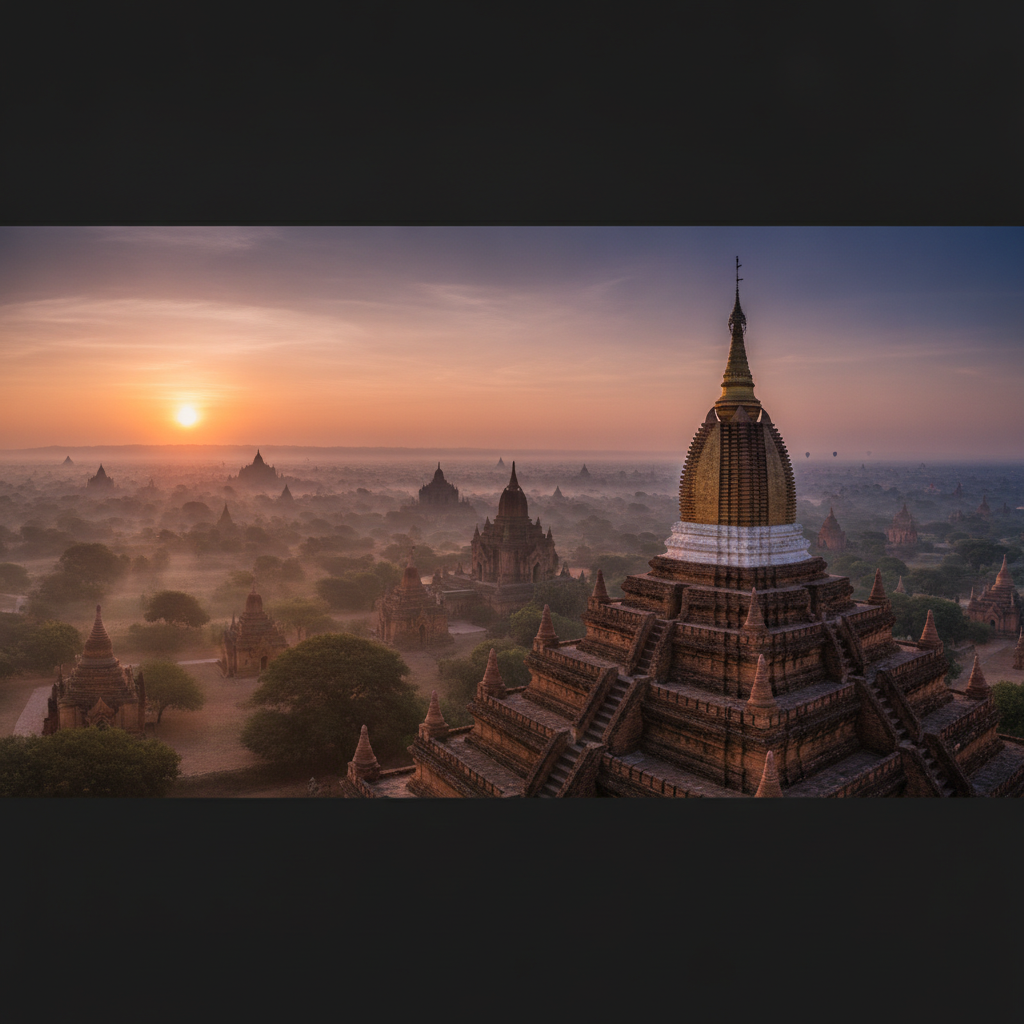
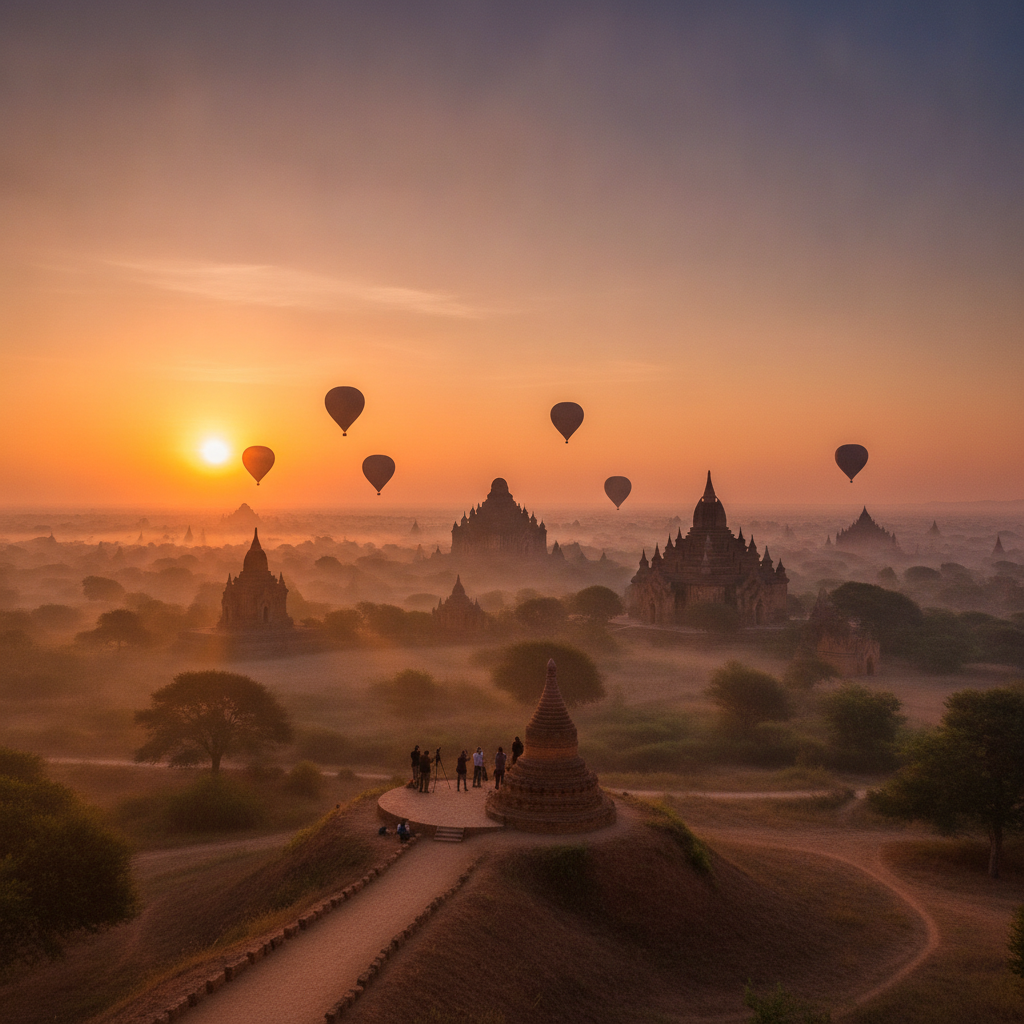
The monastery bell (the large bell suspended in the bell tower of the active monasteries, struck at specific times during the monastic day) is the most architecturally distinctive sound of the Bagan plain — the bell's resonance (the deep, sustained tone of the cast bronze bell struck at the monks' meal times and at the beginning and end of the prayer sessions) carries across the flat plain between the temples and is audible from considerable distance. The sunset bell at the Nyaung-U monasteries (struck at approximately 5pm as the monks conclude the afternoon's activities) provides the most atmospherically appropriate aural environment for the end of the Bagan temple day, when the golden hour light is at its most intense on the ancient terracotta structures and the bells' sound completes the sensory experience of the most historically complete Buddhist landscape accessible in Southeast Asia.
- 6
Bagan Pagoda Festival
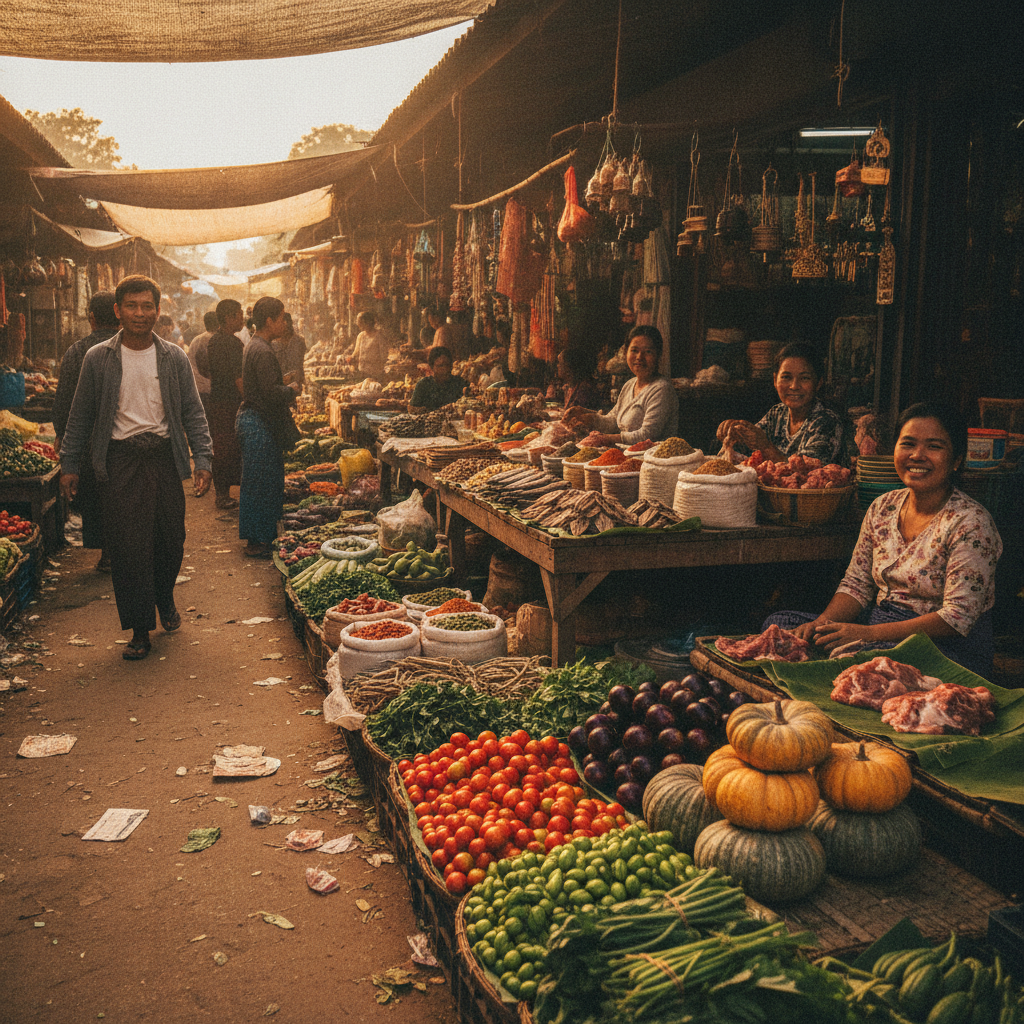
The Bagan Pagoda Festival (held at the Ananda Temple during the full moon of Pyatho, typically in January, and at other major temples at their respective festival full moons throughout the year) is the most dramatic single concentrated encounter with the living Buddhist religious culture of the Bagan community accessible to the visitor — the festival (the temporary market that sets up in the temple grounds with the food vendors, the theatrical performances, and the religious activities of the pilgrims arriving from throughout central Myanmar) transforms the archaeological site into the most animated social gathering accessible in the Bagan area. The Ananda Festival (the largest pagoda festival in Bagan, drawing tens of thousands of pilgrims from the surrounding region) is the most important single event in the annual Bagan cultural calendar and provides the most complete encounter with the Burmese Buddhist devotional culture accessible at the ancient site.
Walk this route with audio
Stories play automatically as you reach each stop — no tapping needed.