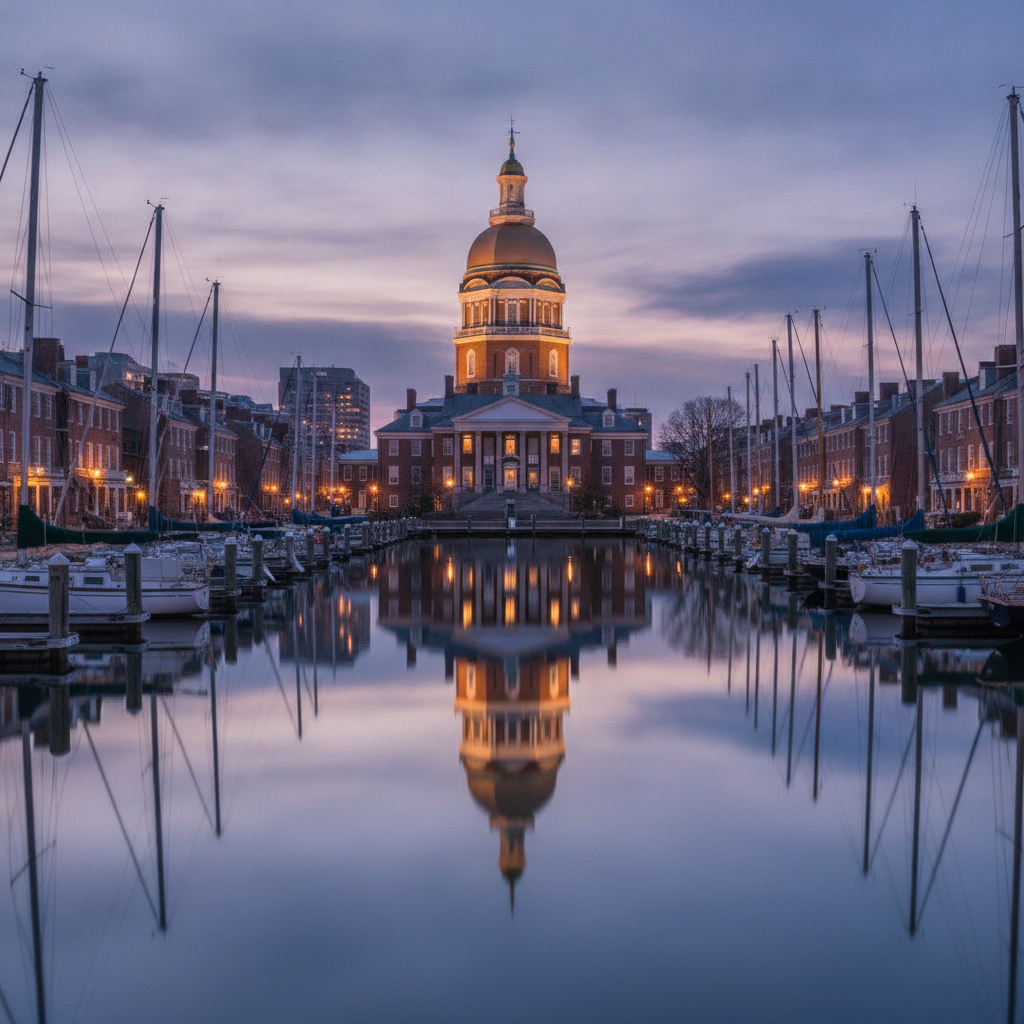
Baltimore: Pope of Trash Homeland, Free Double Warhol Museum and the Freeway That Never Got Built
Walk 36th Street Hampden where John Waters films everything and Atomic Books is his official mail drop for fan letters, smell the Domino Sugar refinery and learn Chesapeake canning history at the Museum of Industry, drive the Bay Bridge to oyster-and-crab Eastern Shore towns, explore Fells Point cobblestones where community revolt stopped an interstate highway in the 1960s creating the template for historic preservation advocacy, browse 36000 objects across 5000 years at the free Walters Art Museum, and attend Artscape the largest free arts festival in America drawing 350000 in July.
- 1
Hampden and The Avenue
Hampden, a neighborhood in north-central Baltimore centered on 36th Street known as The Avenue, was a white working-class mill town neighborhood through most of the 20th century whose textile mills closed leaving behind a dense Victorian rowhouse community. The neighborhood became home to independent boutiques, restaurants, vintage shops, and galleries in the 1990s and 2000s as artists sought affordable space. Atomic Books on Falls Road is the official mail drop for filmmaker John Waters, the Pope of Trash, who was born in Baltimore in 1946 and has set most of his work in the city. The Hon Bar on 36th Street, named for the Baltimore female term of address hon, is emblematic of Hampden working-class identity with beehive wigs, cat-eye glasses, and pink flamingo decor referencing Waters aesthetic. HonFest, the annual street festival celebrating kitschy Baltimore femininity on 36th Street, draws crowds each June.
- 2
Baltimore Museum of Industry
The Baltimore Museum of Industry on Key Highway in South Baltimore, housed in a former oyster cannery on the waterfront, documents the industrial heritage of Maryland and Baltimore through exhibits on the canning industry, garment manufacturing, printing, and the development of the Chesapeake Bay working water trade. The museum operates a 1906 steam tugboat, the S.S. Baltimore, for harbor excursions. Baltimore was one of the most industrially diverse cities in America in the late 19th and early 20th centuries, with production in canning, shipbuilding, copper, fertilizer, clothing, and dozens of other industries. The Domino Sugar refinery plant on South Locust Point, still in operation, produces the most recognizable waterfront odor in Baltimore and its neon sign is a landmark visible across the harbor. The sugary smell on certain wind directions is considered by longtime residents as quintessentially Baltimore in the same way that other cities have their own distinctive urban olfactory signatures.
- 3
Chesapeake Bay and Eastern Shore
The Chesapeake Bay, the largest estuary in the United States and one of the most ecologically productive in the world, shapes Baltimore culture, economy, and cuisine more than any other geographic feature. The bay stretches 200 miles from its headwaters at the Susquehanna River in northeastern Maryland to its mouth at Virginia Beach, covering 4,480 square miles of open water with 11,000 miles of shoreline. Blue crab, oyster, rockfish, and waterfowl hunting are the foundations of Chesapeake food and sporting culture. St. Michaels, Annapolis, and Oxford on the Eastern Shore are the most visited bay towns from Baltimore. The Bay Bridge connecting Annapolis to the Eastern Shore has been widened multiple times and remains insufficient during peak summer beach traffic. Chesapeake Bay water quality improvement has been a major regional environmental effort since the 1980s, with nitrogen and phosphorus pollution from agriculture the primary challenge. Oyster restoration programs have rebuilt reefs in some tributaries.
- 4
Fells Point Maritime District
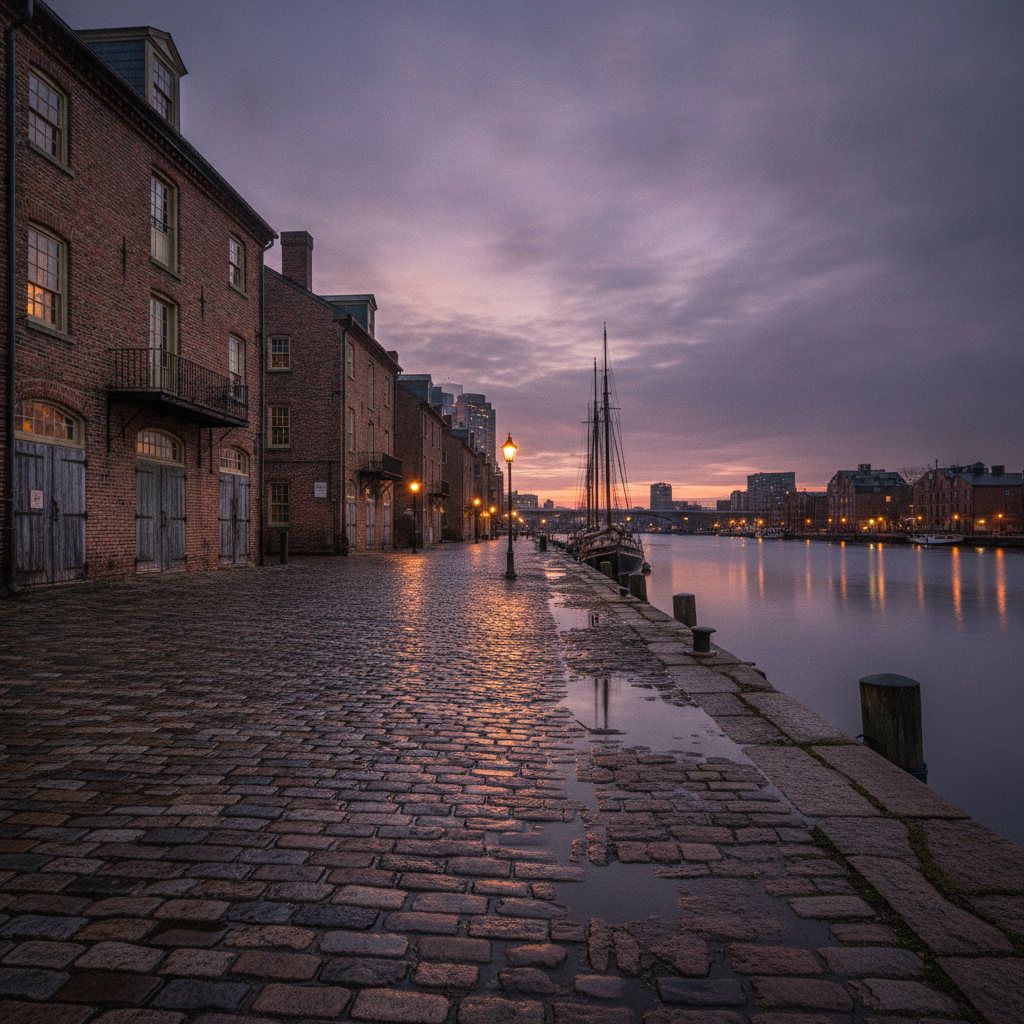
Fells Point, established in 1730 by William Fell on the north shore of the Patapsco River, is the oldest surviving maritime neighborhood in Baltimore, predating the Inner Harbor development, and retains 18th and 19th century brick warehouses and rowhouses along the waterfront. The neighborhood was the center of Baltimore shipbuilding in the era of wooden sailing ships and was where the Baltimore Clipper, the fast sailing ship design used for privateering and the slave trade, was developed. Fells Point was nearly demolished in the 1960s when Interstate 83 was planned through the waterfront, but community resistance, one of the earliest successful freeway revolts in American history, saved the neighborhood and established it as the model for historic preservation advocacy in Baltimore. The cobblestone streets, bars on Thames Street, the Broadway Market, and the waterfront promenade make Fells Point the most visited neighborhood by visitors after the Inner Harbor.
- 5
Walters Art Museum and Sculpture
The Walters Art Museum at 600 North Charles Street in the Mount Vernon neighborhood, which opened the current building in 1909 and has been free to the public since 2000, houses one of the most comprehensive art collections in any American museum, covering nearly 5,000 years from ancient Egypt through the early 20th century with particular strength in medieval art, Byzantine artifacts, Renaissance and Baroque paintings, Asian art, and the collection of 19th century French academic and orientalist painting assembled by William and Henry Walters. The collection of over 36,000 objects was assembled almost entirely by two men, father and son, through disciplined collecting over 60 years. The Hackerman House adjacent to the main museum provides additional gallery space. The Walters free admission policy, combined with the BMA free admission policy, makes Baltimore one of the most generous cities in America for free museum access to world-class collections.
- 6
Artscape and Baltimore Arts Calendar
Artscape, held annually in July along Mount Royal Avenue near the Maryland Institute College of Art in the Station North neighborhood, is the largest free arts festival in the United States, drawing over 350,000 visitors over three days with music on multiple stages, visual art exhibitions, craft vendors, food, and public art installations. The Maryland Institute College of Art, founded in 1826, is one of the oldest and most respected art colleges in the United States and a significant driver of creative industry in Baltimore. The Station North Arts and Entertainment District, designated in 2002 around the MICA campus, contains galleries, studios, performance spaces, and the Charles Theater, one of the finest independent cinemas in the mid-Atlantic region. The Baltimore Symphony Orchestra at Joseph Meyerhoff Symphony Hall has been one of the stronger American orchestras. Baltimore has a deep theater culture through Center Stage, the state theater of Maryland, and theater companies across the city.
Walk this route with audio
Stories play automatically as you reach each stop — no tapping needed.
More in Baltimore
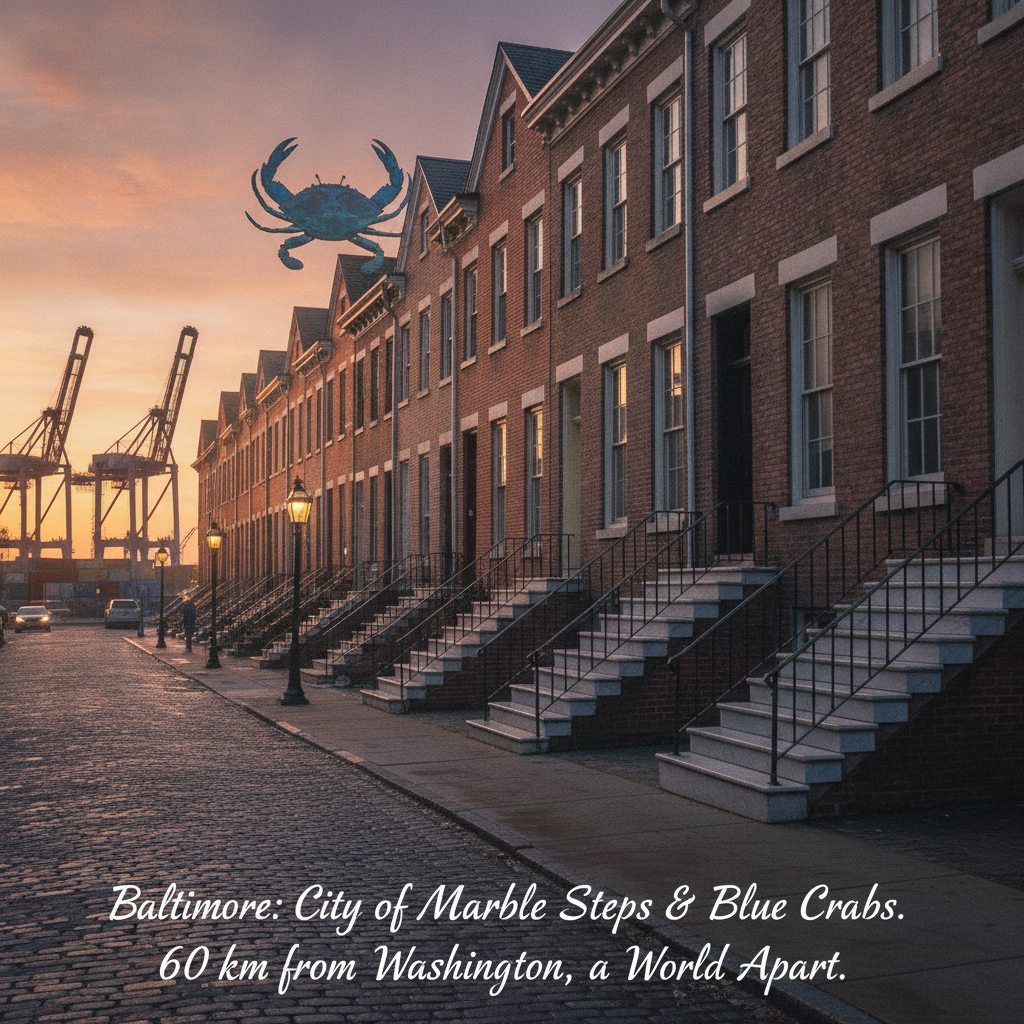
Baltimore R4: Rowhouse culture (70,000 brick rowhouses, white marble Cockeysville stoop scrubbing Saturday tradition, Bolton Hill Patterson Park William Patterson Jerome Bonaparte, Johns Hopkins Hospital 1889 modern surgery nursing), Baltimore music (Cab Calloway Hi-De-Ho, Billie Holiday raised in Baltimore Pigtown, Eubie Blake ragtime, Frank Zappa born 1940, 8x10 Club Federal Hill), Port of Baltimore (largest US auto import port, Baltimore Clipper slave trade, Key Bridge collapse March 26 2024 Dali container ship 6 workers killed largest recovery operation US), Civil rights (Thurgood Marshall 32 Supreme Court cases 29 wins Brown v Board 1954 first Black Justice 1967, Frederick Douglass HS Calloway Holiday Marshall, Morgan State HBCU 1867), Baltimore in film (John Waters Pink Flamingos Hairspray Serial Mom, The Wire filmed on location, Barry Levinson Diner 1982 Rain Man 1988, Sleepless in Seattle), Practical (median home USD 180-200K vs DC USD 600K, MARC train to DC 40min, Acela to NYC 2.5hr, BWI Southwest hub Key Bridge replacement USD 60M 2028)
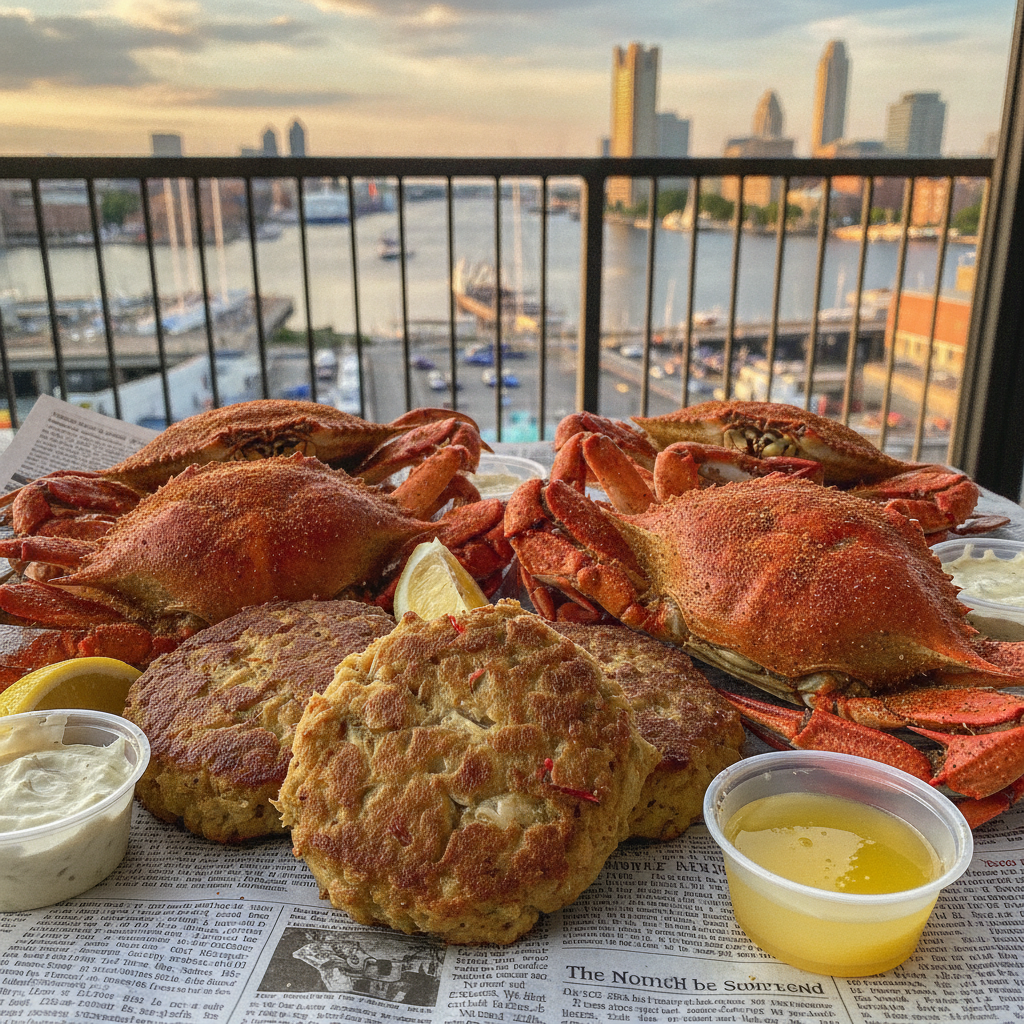
Baltimore: Largest Matisse Collection in the World, Poe Toaster Cognac and the 1782 Crab Market
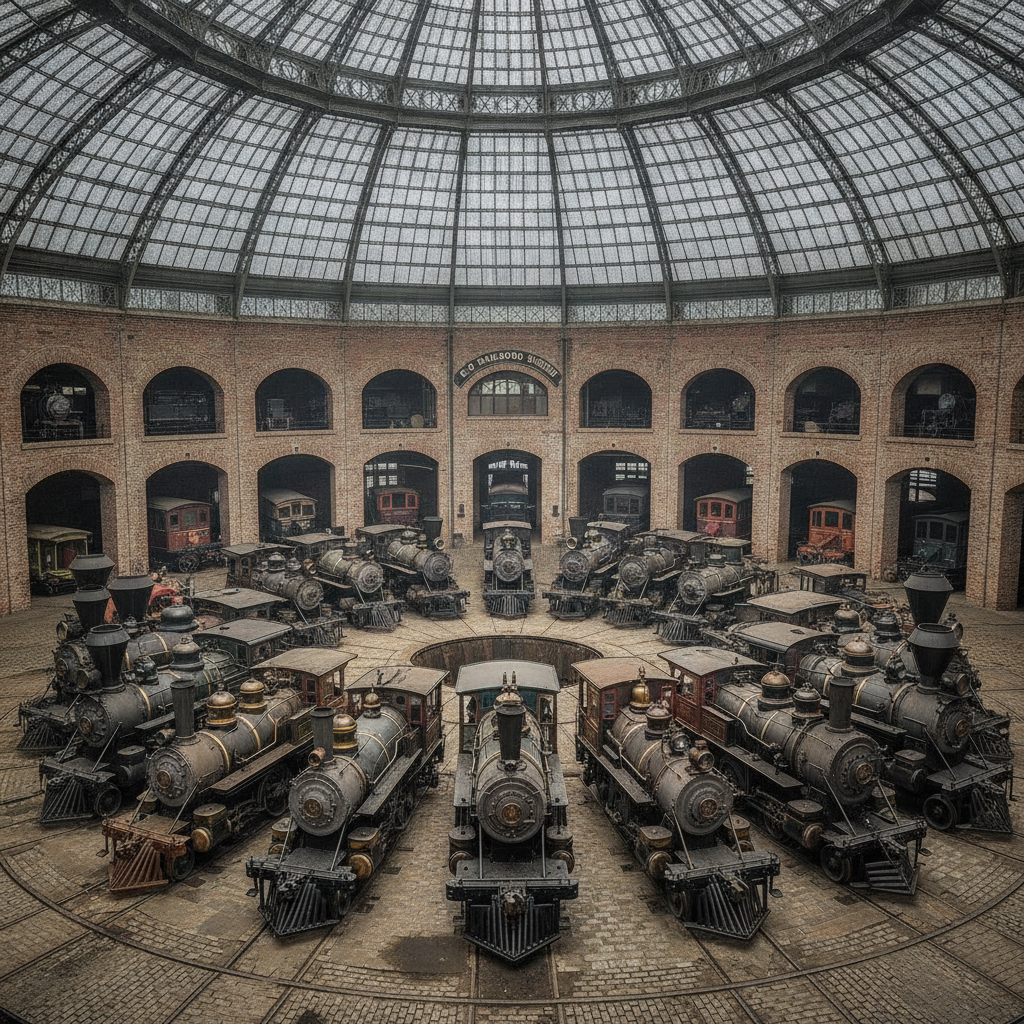
Baltimore R3-R4: B&O Railroad Museum (1827 first common-carrier US railroad, 1884 roundhouse 22-sided largest early railroad collection, Tom Thumb 1830 replica, Lincoln Baltimore Plot 1861), Space Telescope Science Institute (Hubble 1990 James Webb 2022, Applied Physics Lab GPS TIROS-1 New Horizons Pluto 2015), H.L. Mencken (Baltimore Sun 1906-1948 greatest American journalist, The American Language 1919 never out of print, John Waters Pope of Trash Hairspray 1988), African American heritage (MICA oldest degree-granting art college 1826, Great Blacks in Wax Museum, Reginald Lewis first Black billionaire USD 985M buyout 1987, Marin Alsop first woman major US orchestra music director), Chesapeake Bay (largest US estuary 320km, 348 fish species ecological decline restoration USD 6B, Assateague wild ponies 300 years), Practical (BWI Southwest hub MARC train to DC 40min, Preakness Stakes Pimlico May second oldest US track 1870, blue crab season July-September, Artscape largest free Maryland arts festival July)
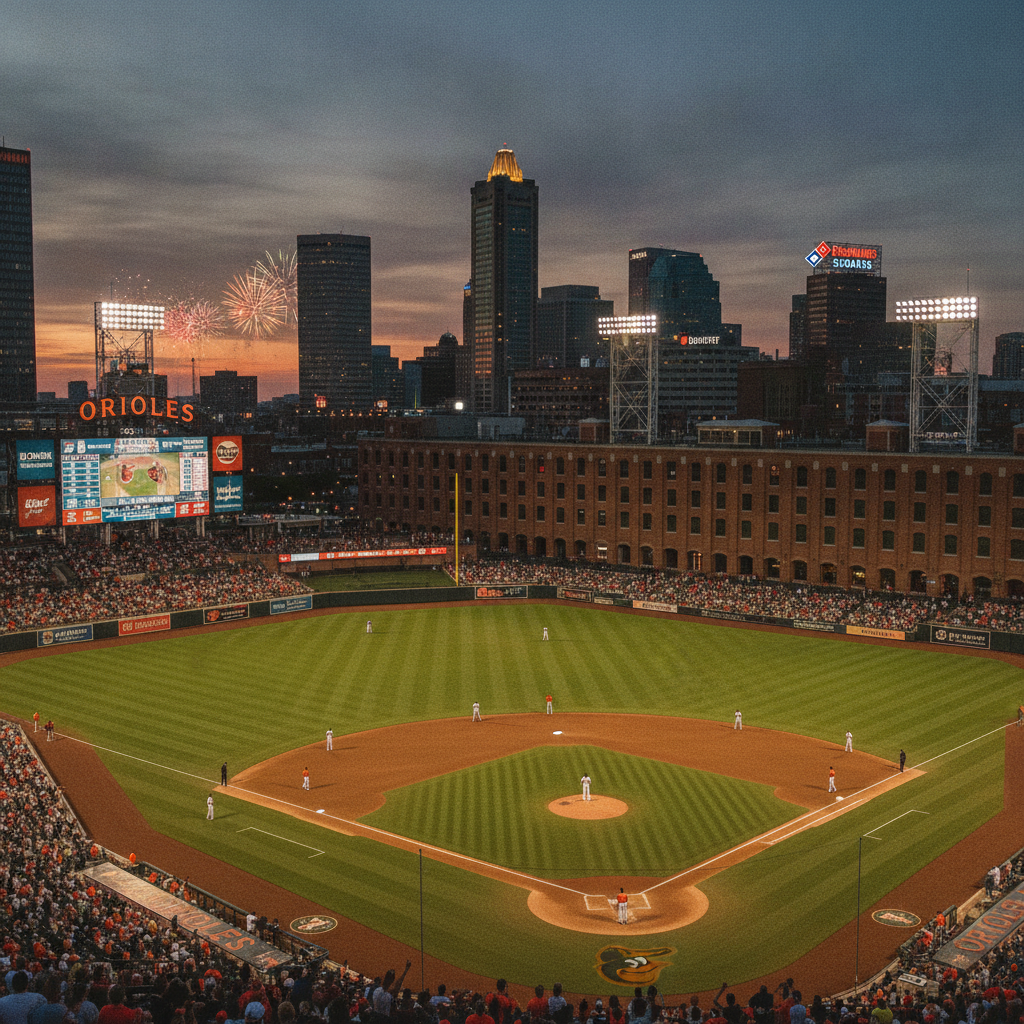
Baltimore: The Ballpark That Changed Baseball, Frederick Douglass Escapes in a Sailor Suit and the First Catholic Cathedral in the US
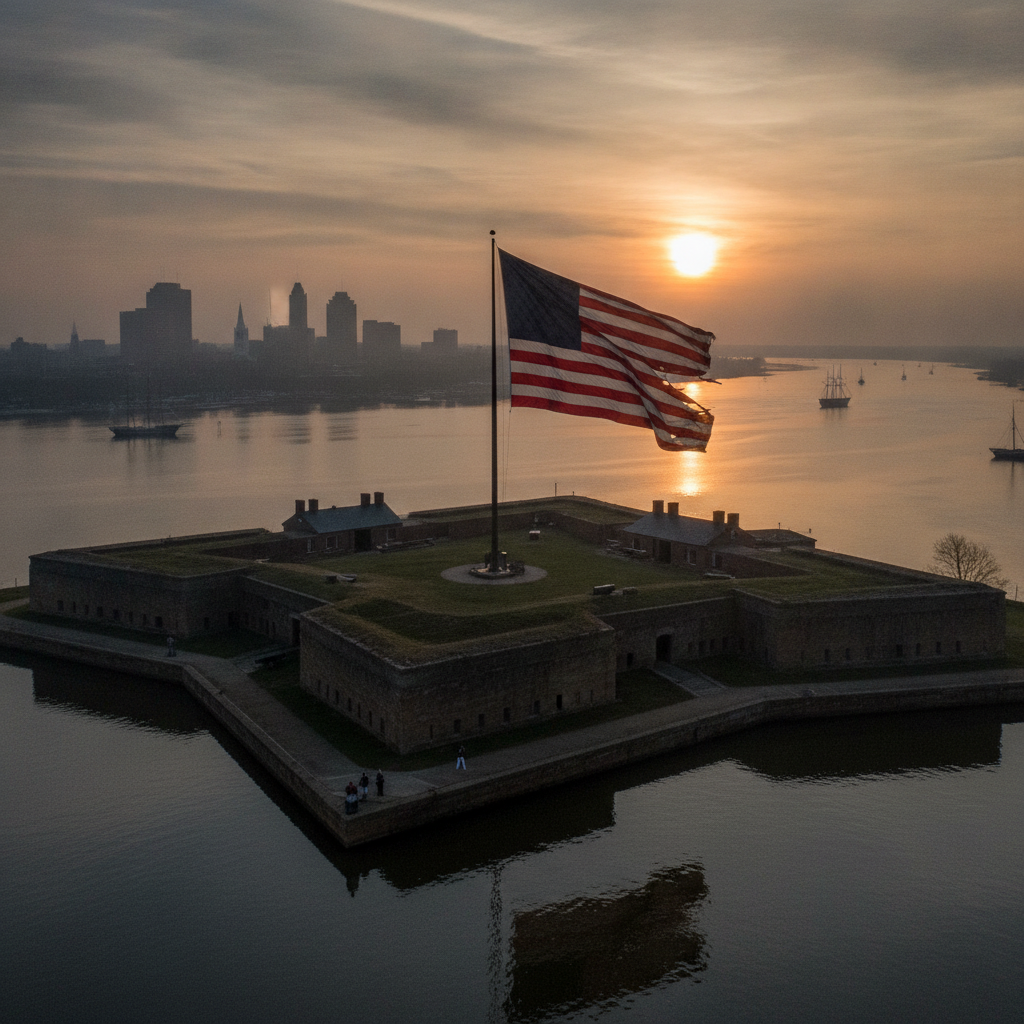
Baltimore: Inner Harbor (National Aquarium, USS Constellation last sail warship, USS Taney Pearl Harbor survivor, American Visionary Art Museum), Fort McHenry (September 13-14 1814 25hr British bombardment, Francis Scott Key aboard British ship writes Star-Spangled Banner, 30x42ft Pickersgill flag now Smithsonian), Chesapeake Bay blue crabs (Old Bay Seasoning Gustav Brunn 1939, Maryland crab cake purist lumped meat, LP Steamers, Faidley Seafood Lexington Market 1782), Edgar Allan Poe (died Baltimore October 7 1849 mysterious circumstances, Westminster Hall grave, Poe Toaster 70 years roses cognac, Baltimore Ravens named after The Raven 1845), The Wire (greatest US TV drama David Simon Ed Burns, Bethlehem Steel Sparrows Point 35,000 workers closed 2012, 2015 Freddie Gray uprising), Practical (Johns Hopkins first US research university 1876, Flexner Report reformed US medical education, Fells Point Federal Hill Canton Mount Vernon, MARC train to DC, BWI airport)