Bukittinggi Minang Food & Padang Cuisine Walk
Eat through the homeland of Padang cuisine — the Minangkabau food tradition served in Padang restaurants throughout Indonesia and the world is most authentic and most diverse in its place of origin in West Sumatra, where the full repertoire of rendang, gulai, and sambal preparations served from Bukittinggi's restaurants and market stalls.
- 1
Nasi Padang Restaurant
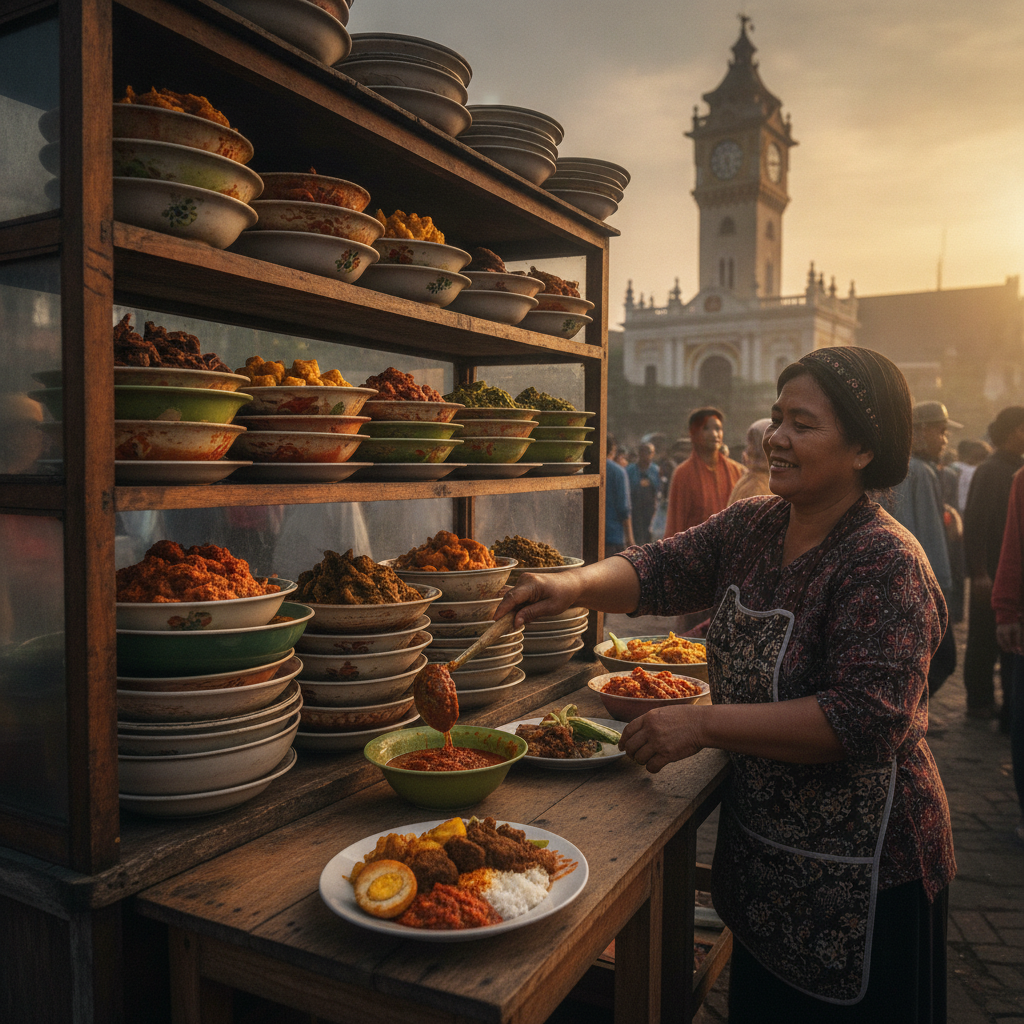
Nasi Padang is one of the world's most famous meal formats — the Minangkabau rice meal served with up to twenty small dishes placed on the table simultaneously (you pay only for what you eat) has been exported by Minang traders throughout Indonesia and across Southeast Asia, making it arguably the most widely available ethnic Indonesian food outside Java. In Bukittinggi, the nasi Padang restaurants serve the full traditional repertoire including the variants of the dishes that have been simplified or adapted in the diaspora restaurants, with preparations using local Minangkabau ingredients unavailable outside the region.
- 2
Rendang Cooking Demonstration
Rendang beef is the most internationally celebrated dish in Minangkabau cuisine — the slow-cooked beef in coconut milk and spice paste that reduces over hours until the meat becomes dark, tender, and intensely flavoured was voted the world's most delicious food in an international poll in 2011. The preparation in Bukittinggi uses the local spice combinations and the specific cooking technique developed in the Minangkabau highland where the dish originated as a way to preserve beef in a hot climate, and the difference between authentic West Sumatran rendang and the shortened versions served elsewhere demonstrates the importance of the long cooking process.
- 3
Martabak Telur Street Food
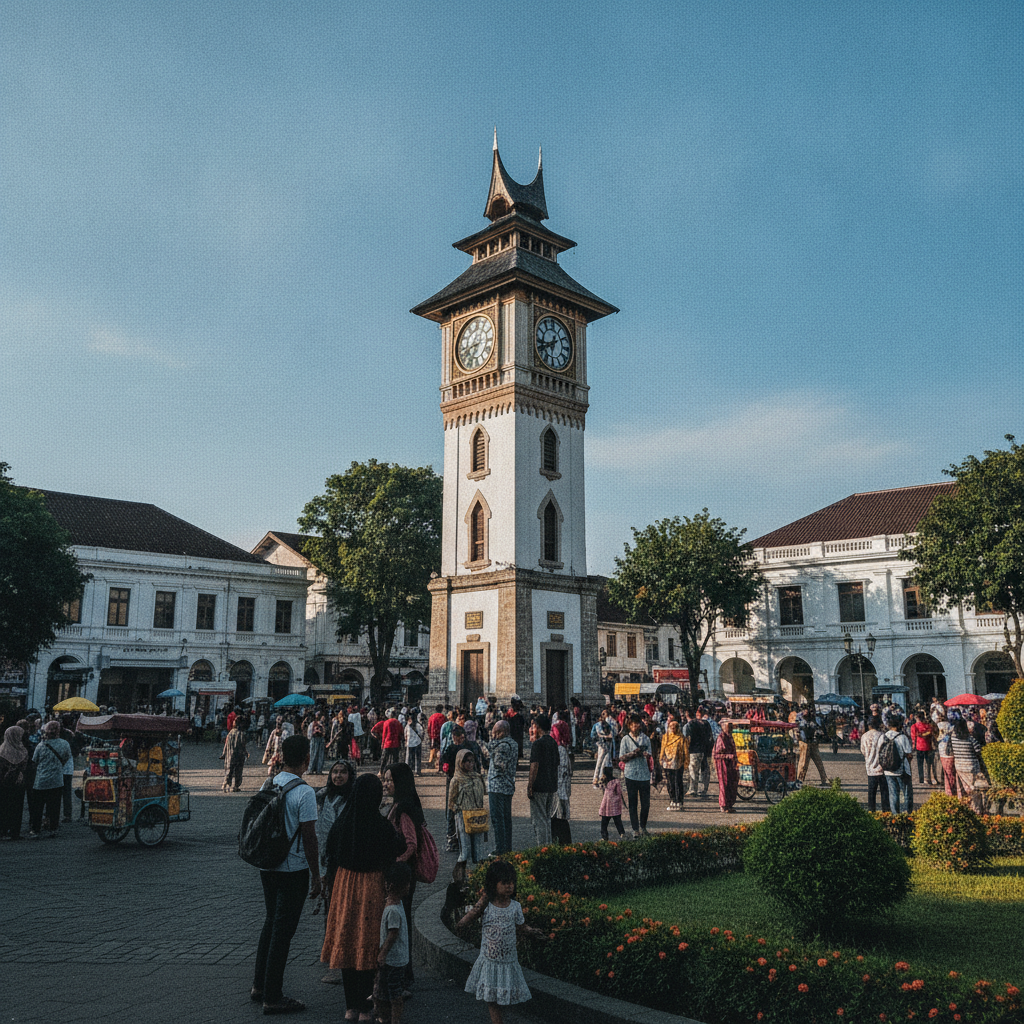
Martabak telur (egg-filled savoury pancake) sold at the street stalls around the Jam Gadang is one of Bukittinggi's most beloved street foods — the crispy fried dough wrapper filled with beaten egg, minced meat, and spring onions, served with a sweet-sour cucumber relish, is believed to have originated in the Arab or Indian trading communities of coastal West Sumatra and been adopted into Minangkabau street food culture. The martabak stalls that set up near the clock tower in the evening are among the most popular gathering points for Bukittinggi's young population.
- 4
Pasar Atas Spice Market
The spice section of Pasar Atas sells the specific chilli varieties, galangal, lemongrass, turmeric, and candlenut that give Minangkabau cooking its characteristic flavour profile — the market where local farmers sell the produce of the West Sumatra highlands provides the freshest ingredients for the cooks who produce the most complex spice cuisine in Indonesia. The dried spices, the processed coconut products (coconut oil, pressed coconut, coconut milk powder), and the specific chilli preparations (sambal lado mudo, sambal lado tanak) of the Minang kitchen can all be found in the spice market stalls of Pasar Atas.
- 5
Sate Padang Stall
Sate Padang (Padang satay) is distinct from the sweet soy-based satay of Java — the Minangkabau version uses beef, tongue, or organ meats marinated in a complex spice paste and served with a thick, intensely spiced yellow sauce thickened with rice flour rather than the peanut sauce of Javanese satay. The spice paste incorporating galangal, turmeric, lemongrass, and the specific West Sumatra spice combination creates a satay experience unique to the Minangkabau food tradition, and the Sate Padang stalls of Bukittinggi are considered among the most authentic outside the dish's origin area around Padang Panjang.
- 6
Lamang Tapai Dessert
Lamang tapai is the traditional Minangkabau festive dessert — the combination of glutinous rice cooked in bamboo tubes over charcoal (lamang) with fermented cassava (tapai) that has a pleasantly alcoholic tang creates a dessert combination specific to West Sumatra and especially associated with Lebaran celebrations. The dessert stalls in Bukittinggi's market sell lamang throughout the day, but the combination with tapai represents a traditional preparation that is increasingly reserved for festive occasions as the market offers more modern dessert alternatives for daily consumption.
Walk this route with audio
Stories play automatically as you reach each stop — no tapping needed.
More in Bukittinggi
Bukittinggi Surrounding Villages & Batusangkar Walk

Bukittinggi Merapi & Singgalang Volcano Walk
Bukittinggi Dutch Colonial & Padri War History Walk
Bukittinggi Market Day & Highland Commerce Walk