Bukittinggi Merapi & Singgalang Volcano Walk
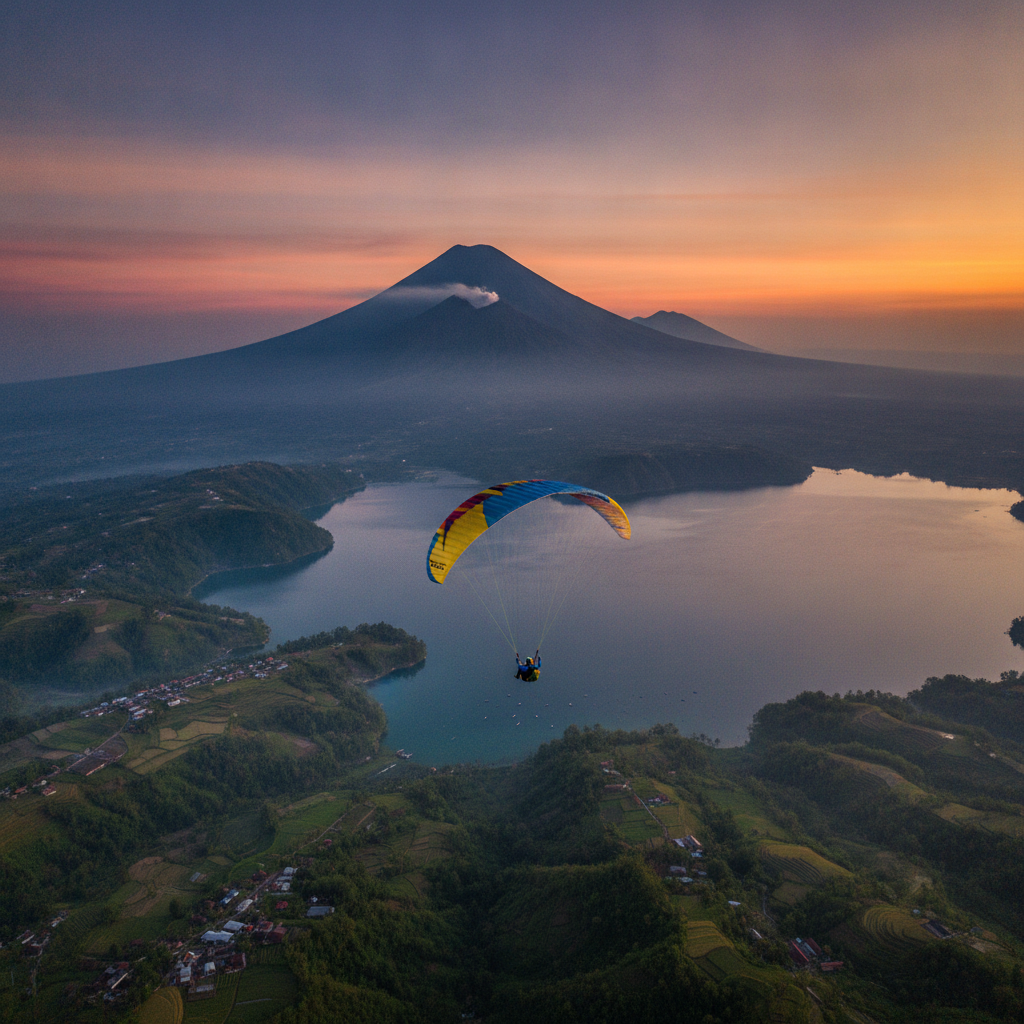
Trek the volcanoes above Bukittinggi — the twin volcanoes Gunung Marapi and Gunung Singgalang dominate the Bukittinggi skyline and provide challenging hiking routes through highland forest to spectacular summit views over the Minangkabau homeland, accessible as day trips from the city.
- 1
Gunung Marapi Active Volcano
Gunung Marapi (2,891m) east of Bukittinggi is West Sumatra's most active volcano — not to be confused with the more famous Gunung Merapi in Java, this Marapi has been in a state of continuous low-level activity and has erupted significantly multiple times in recent decades. The volcano sacred in Minangkabau cosmology as the origin point of the founding ancestors holds a prominent place in local mythology even as its activity makes it one of the more hazardous hiking peaks in Sumatra. The summit views on clear mornings extend across the Minangkabau highlands to the coast.
- 2
Gunung Singgalang Dormant Volcano
Gunung Singgalang (2,877m) west of Bukittinggi is a dormant stratovolcano offering a more technically accessible summit hike than the active Marapi — the 6-8 hour round trip through highland forest zones, from the lower montane forest through the upper montane cloud forest with its epiphytes and rhododendrons, to the summit area with its crater lake (Danau Talang) surrounded by edelweiss-like anaphalis flowers, demonstrates the full range of highland ecological zones in West Sumatra and provides views of the extraordinary Minangkabau cultural landscape below.
- 3
Anai Valley Nature Reserve
The Anai Valley between Bukittinggi and the coast contains one of West Sumatra's most accessible lowland rainforest remnants — the nature reserve along the Anai River has a trail following the river through rainforest where sumatran tiger footprints have been recorded, and the waterfalls of the Anai River accessible from the road between Bukittinggi and Padang have become popular day-trip destinations. The valley marks the transition from the highland Minangkabau plateau to the coastal lowlands and provides a geographical context for the dramatic elevation change between Bukittinggi and the coast 90km away.
- 4
Pandai Sikek Songket Village
Pandai Sikek village on the slopes of Gunung Marapi is the primary songket weaving village of West Sumatra — the village where almost every household operates a weaving loom producing the gold and silver thread songket textiles used in Minangkabau ceremonies has maintained its craft specialisation for generations while also becoming the primary source of songket for the Minang diaspora communities throughout Indonesia and Southeast Asia. The working weaving demonstrations in family workshops and the variety of patterns and quality levels available make Pandai Sikek the most rewarding textile village in West Sumatra.
- 5
Batang Palupuh Rafflesia Site
The Batang Palupuh Nature Reserve north of Bukittinggi is one of the most reliable sites in Sumatra to see the blooming Rafflesia arnoldii — the world's largest individual flower, which can reach 1 metre in diameter and smells of rotting flesh to attract pollinating flies, blooms for only 4-7 days and is found parasitically on the roots of Tetrastigma vines in the rainforest. The reserve where forest rangers track the blooming schedule and alert visitors when flowers are open provides one of the most spectacular botanical experiences in Sumatra, and the combination of Rafflesia viewing with a highland walk through the forest makes it one of Bukittinggi's most distinctive day trips.
- 6
Highland Agricultural Landscape
The agricultural landscape surrounding Bukittinggi at 700-1000m elevation demonstrates the Minangkabau farming system adapted to the volcanic highland environment — the sawah (wet rice) terraces in valley bottoms, the cinnamon and clove gardens on gentler slopes, the vegetable fields producing cabbage, potato, tomato, and chilli for the West Sumatra market, and the increasingly common green onion and cauliflower cultivation for export to Java create an agricultural mosaic that has supported dense Minangkabau population in the highland for centuries.
Walk this route with audio
Stories play automatically as you reach each stop — no tapping needed.
More in Bukittinggi
Bukittinggi Surrounding Villages & Batusangkar Walk
Bukittinggi Dutch Colonial & Padri War History Walk
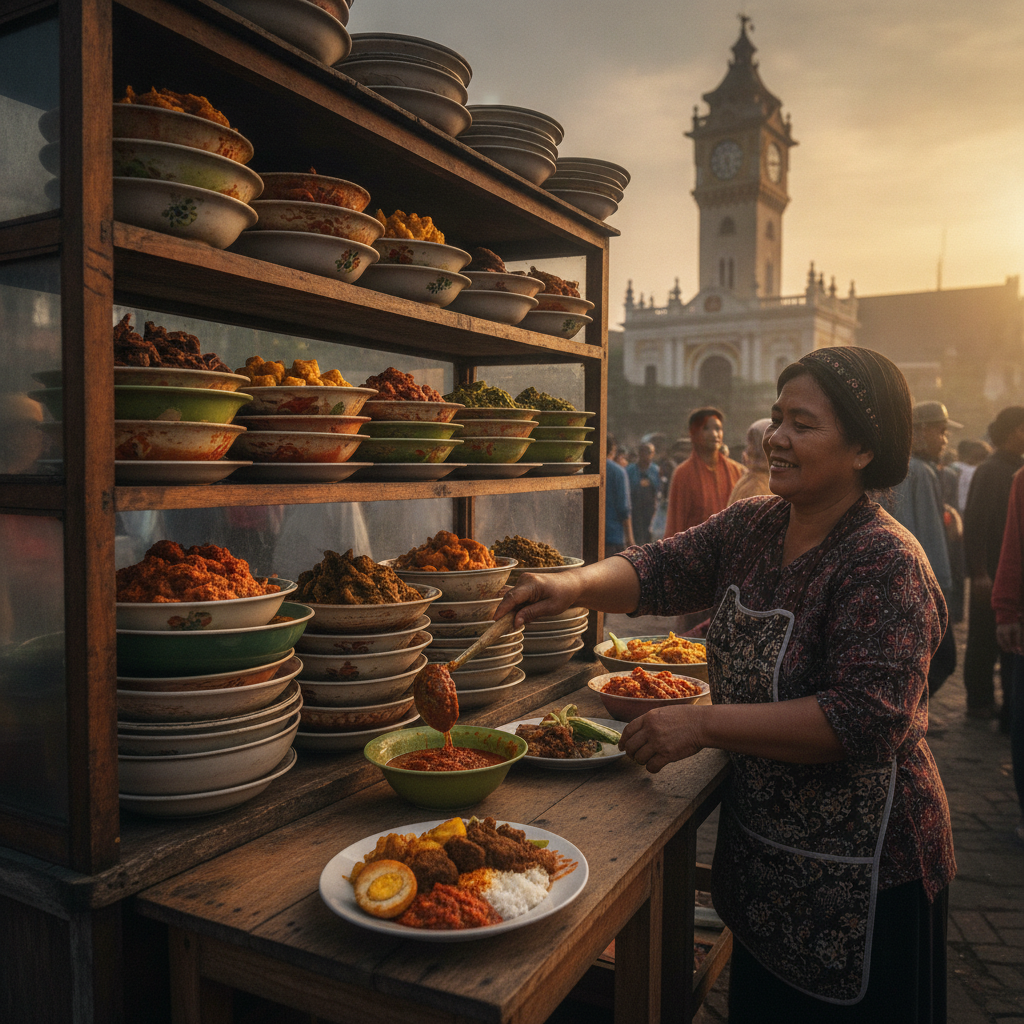
Bukittinggi Minang Food & Padang Cuisine Walk
Bukittinggi Market Day & Highland Commerce Walk