Beysehir Day Trip: The Esrefoglu Wooden Mosque, Beysehir Lake Ecology, the Sugla Wetland Bird Sanctuary, Takkeli Mountain, and the Anatolian Plateau Landscape
The Beysehir day trip covers the Esrefoglu Mosque as the most completely preserved wooden Seljuk mosque in Turkey, the Beysehir Lake ecosystem, the Sugla wetland bird sanctuary, the Takkeli mountain profile, and the Anatolian plateau landscape that surrounds Konya.
- 1
Esrefoglu Mosque: The Wooden Interior Masterpiece
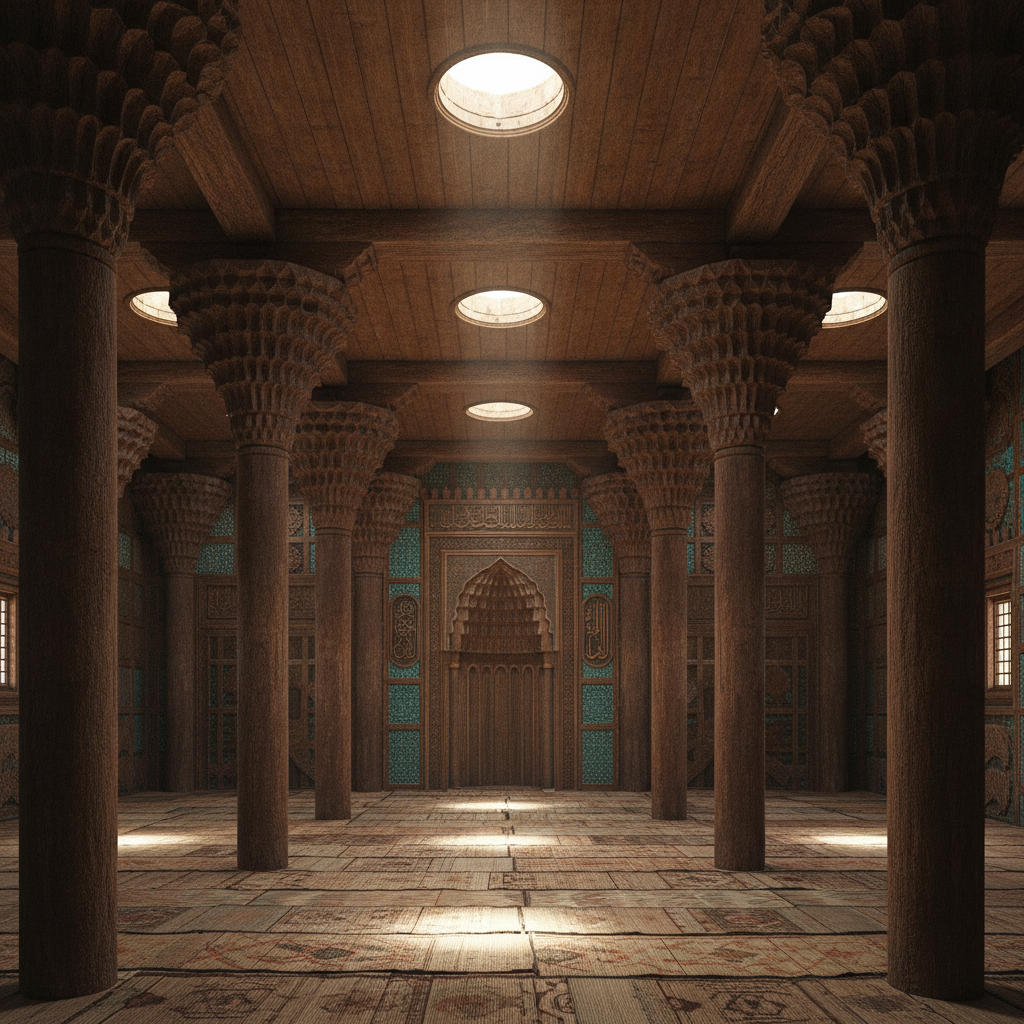
The Esrefoglu Mosque in Beysehir, built in 1297 by the Esfereids governor Seyfedin Suleyman Bey, is the largest and most completely preserved wooden mosque interior in Turkey with 42 wooden columns supporting the flat wooden ceiling, the most elaborately carved wooden mihrab in Anatolian Islamic architecture, and the turquoise and blue tile mosaic sections that survived from the original Seljuk decorative program. The earthen floor covered with flat reed mats, the column capitals carved in the stalactite muqarnas form in wood, and the natural light entering through the lantern openings in the wooden ceiling create the most atmospherically authentic single medieval mosque interior in Turkey.
- 2
Beysehir Lake: The Anatolian Freshwater Ecosystem
Beysehir Lake 90 kilometers west of Konya, at 656 square kilometers the largest freshwater lake in Turkey and the third largest in the Middle East, sustains the most productive single freshwater fishing economy in Anatolia with the Beysehir carp, the pike-perch, and the endemic Beysehir chub species. The lake is fed by the Anatolian plateau snowmelt and drains south to the Beysen River, maintaining the water level despite the absence of major river inputs. The lake shoreline villages including Beysehir town, Cubuk, and Yenikent maintain the most traditional freshwater fishing culture in the Konya province.
- 3
Sugla Wetland: The Migratory Bird Sanctuary
The Sugla Wetland to the south of Beysehir Lake, a seasonal shallow wetland of 165 square kilometers that fills each spring with the overflow from Beysehir and dries to a salt flat by late summer, is the most important single migratory bird staging site in central Anatolia with the flamingo, the pelican, the white stork, the marsh harrier, and the 150 additional species that use the wetland during the spring and autumn migration. The flamingo colony nesting at Sugla since the 1980s is the most inland flamingo breeding site in Turkey and the most unexpected single bird spectacle in the Konya province.
- 4
Takkeli Mountain: The Konya Skyline Profile
Takkeli Mountain (Takkeli Dag), the isolated 2,327-meter peak rising from the Konya plain 20 kilometers south of the city center, provides the most recognizable single landscape element in the Konya provincial skyline with the flat-topped summit profile visible from the city center on clear days. The mountain serves as the weather indicator for Konya residents - the cloud formation around Takkeli predicts the afternoon weather more accurately than the meteorological forecast - and the mountain road to the summit provides the most extensive single panoramic view of the Konya plain and the Sultan Mountains in the western distance.
- 5
Seljuk Beysehir: The Regional Capital
Beysehir town, on the western shore of Beysehir Lake, served as the capital of the Esfereids, the Seljuk successor dynasty that controlled the Beysehir region from 1277 to 1326 after the main Seljuk sultanate fragmented. The Esfereids built the Esrefoglu Mosque and the adjacent mausoleum, the bazaar han, and the city walls that defined Beysehir as the most culturally productive single regional capital in the post-Seljuk Anatolian patchwork. The Beysehir Archaeological Museum displays the finds from the Kubad-Abad Seljuk summer palace on the lake shore - the most complete single Seljuk palace ceramic collection in Turkey.
- 6
Konya Plain: The Anatolian Plateau Landscape
The Konya plain, the most extensive flat agricultural plain in Turkey at approximately 4,600 square kilometers, is the product of the Pleistocene lake that filled the entire Konya basin and deposited the rich lacustrine sediment that makes the plain the most productive dry-farming cereal agricultural area in Anatolia. The flat Konya horizon stretching in every direction from the city center with the occasional volcanic peak rising above the plain and the grain elevator towers marking the agricultural towns is the most dramatically continental single landscape in Turkey, representing the steppe heartland of Anatolia that the Seljuk Turkish nomads first encountered when they crossed from Central Asia.
Walk this route with audio
Stories play automatically as you reach each stop — no tapping needed.
More in Konya
Rumi: Life and Philosophy, the Masnavi Spiritual Poem, the Transformative Meeting with Shams of Tabriz, the Mevlevi Order Founding, and the Global Legacy of the Most Translated Poet
Konya Essential: Mevlana Museum and the Tomb of Rumi, the Sema Whirling Ceremony, the Karatay Medrese, Ince Minareli Medrese, the Aladdin Mosque, and the Seljuk Architectural Heritage
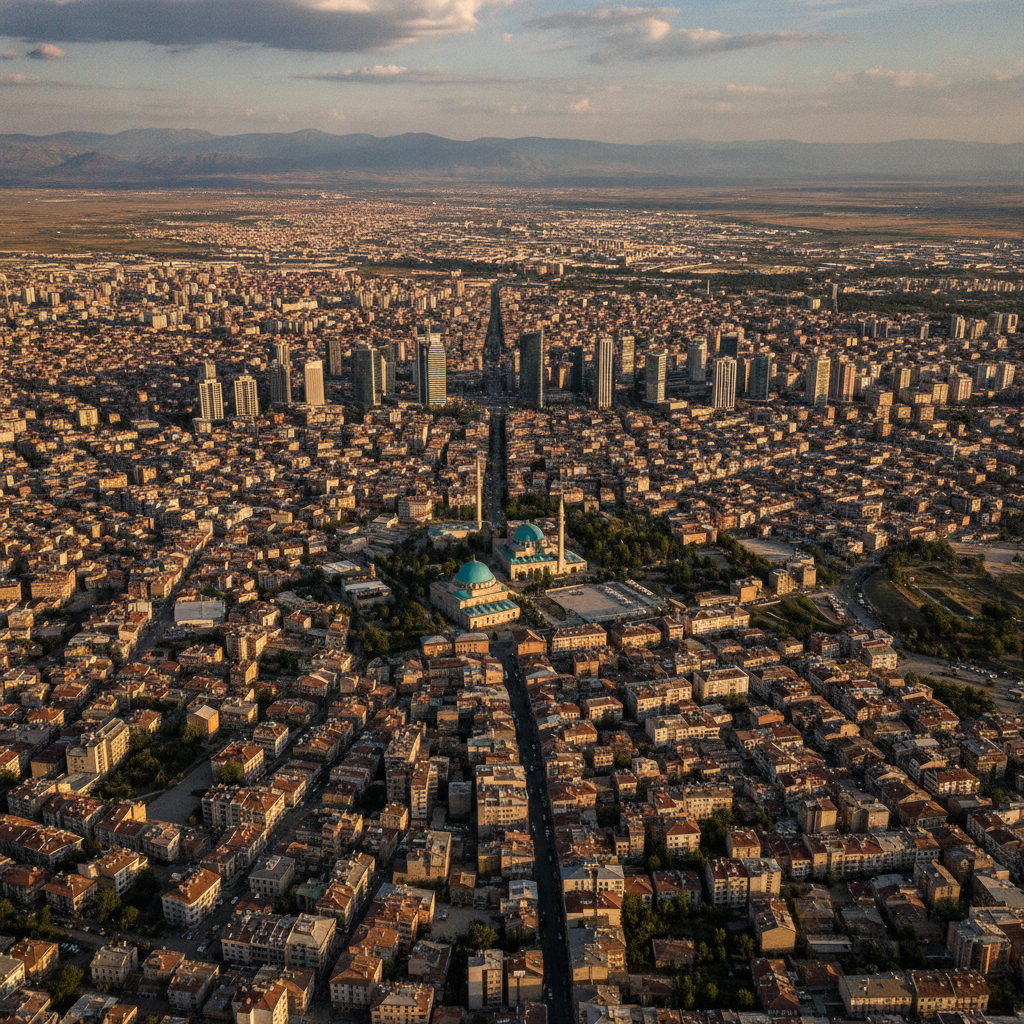
Konya Practical: Transport from Ankara and Istanbul, the Conservative City Navigation, the Best Accommodation Options, the Konya Circuit Timing, the Cappadocia Connection, and the Departure Summary

Konya Cuisine: Etli Ekmek Meat Flatbread, Firin Kebab, Sac Kavurma, the Mevlana Sugar Festival, the Konya Bazaar Food Culture, and the Conservative City Eating Tradition
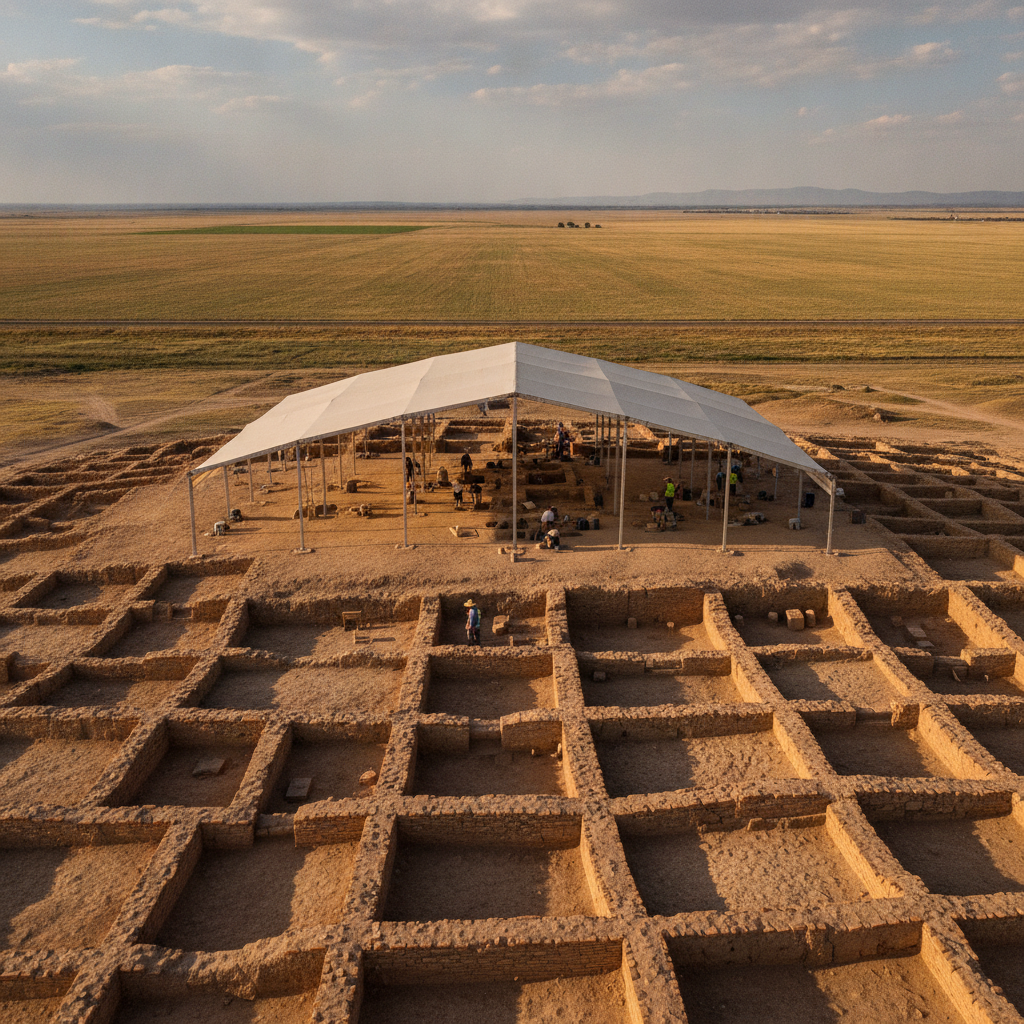
Catalhoyuk: The 9,000-Year-Old Neolithic Settlement, the Mother Goddess Figurines, the Wall Paintings, the Rooftop City Plan, the Ian Hodder Excavation, and the UNESCO World Heritage Designation