Rumi: Life and Philosophy, the Masnavi Spiritual Poem, the Transformative Meeting with Shams of Tabriz, the Mevlevi Order Founding, and the Global Legacy of the Most Translated Poet
The Rumi route covers the life journey from Balkh to Konya, the transformative meeting with Shams of Tabriz, the Masnavi as the greatest Sufi poem in any language, the founding of the Mevlevi order, and the contemporary global legacy that makes Rumi the best-selling poet in the United States.
- 1
Rumi: The Journey from Balkh to Konya
Jalal ad-Din Muhammad Rumi was born in 1207 in Balkh, the ancient city in modern Afghanistan, into a family of Islamic theologians. His father Baha ud-Din Walad fled the approaching Mongol invasion westward when Rumi was a child, traveling through Nishapur where the young Rumi met the poet Attar, through Baghdad, through Mecca, and eventually to Anatolia where the Seljuk sultan invited the family to settle in Konya. This 40-year journey from Central Asia to Anatolia through the heartland of the Islamic world exposed Rumi to the full breadth of Islamic intellectual culture before he settled in Konya in 1228 and remained until his death in 1273.
- 2
Shams of Tabriz: The Transformative Encounter
The meeting of Rumi with Shams al-Din Muhammad of Tabriz in 1244 is the most celebrated single encounter in Islamic literary history - the moment when a respected Islamic theologian and teacher became the most passionate mystic poet in the Persian language. The wandering dervish Shams arrived in Konya and their intense spiritual friendship transformed Rumi completely: he abandoned his academic teaching and spent months in mystical discourse with Shams. When Shams disappeared in 1248 (possibly murdered by jealous disciples), Rumi expressed his grief in the 40,000-verse Divan-e Shams, naming his masterwork for the friend whose departure he could never accept.
- 3
The Masnavi: The Most Celebrated Sufi Poem
The Masnavi-ye Ma'navi (Spiritual Couplets), Rumi's 25,000-verse poem in six books composed in Konya from approximately 1258 to 1273, is the most celebrated single work in the Persian literary canon and the poem that the Persian literary tradition calls the Quran in the Persian language. The Masnavi uses the double-rhyming couplet (masnavi) form to develop the most comprehensive systematic poetic exploration of Sufi spiritual experience in any language, moving through fables, parables, and theological arguments in the most narratively complex and spiritually profound single poem in Islamic literature.
- 4
Mevlevi Order: The Institution of the Whirling Dervish
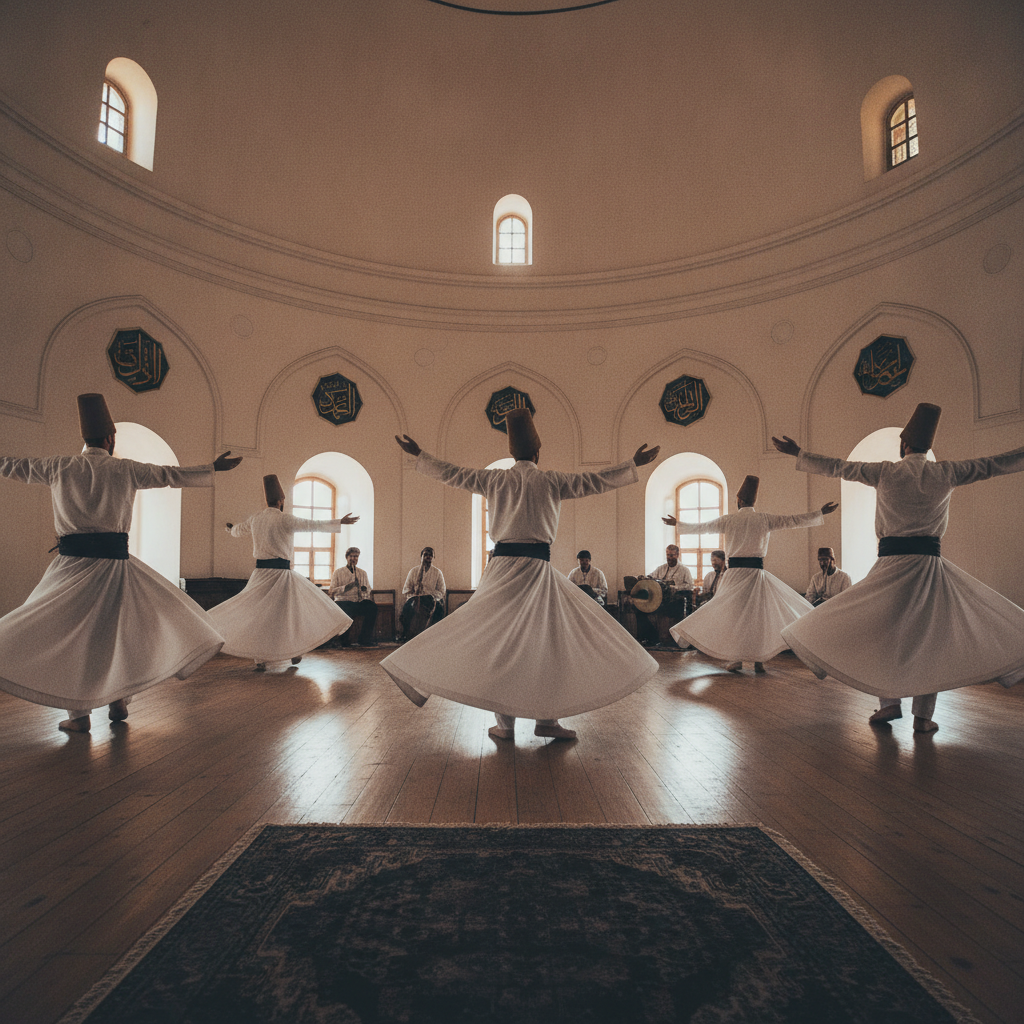
The Mevlevi Sufi order, founded by Rumi's son Sultan Walad after Rumi's death in 1273, institutionalized the spiritual practices that Rumi developed - the Sema whirling ceremony, the ney flute music, the communal contemplative life of the dervish lodge - into the most internationally recognized Sufi order in the Islamic world. The Mevlevi order reached its greatest institutional power under the Ottoman patronage and operated 72 tekke dervish lodges across the Ottoman empire before Ataturk abolished all Sufi orders in 1925. The order survived as a cultural institution and the Sema ceremony was restored as a UNESCO-recognized practice in the 1950s.
- 5
Contemporary Rumi: The Best-Selling Poet in America
The contemporary global Rumi phenomenon, which makes the 13th century Konya mystic the best-selling poet in the United States according to the Christian Science Monitor citing the 1990s translator Coleman Barks, represents the most remarkable afterlife of any pre-modern Islamic author in the Western literary world. The Rumi translations by Barks, though technically loose paraphrases from existing English translations rather than direct translations from Persian, introduced Rumi to American pop culture through the New Age spirituality market in the most commercially successful single Islamic literary translation project in publishing history. The Rumi of the American bookshop is a deliberately de-Islamicized universal mystic quite different from the devout Muslim scholar of Konya.
- 6
The Ney: The Reed Flute of Separation
The ney reed flute that opens the Masnavi with the most famous first couplet in Persian literature - the reed flute crying of its separation from the reed bed - is the primary musical instrument of the Mevlevi Sema ceremony and the most symbolically loaded single musical instrument in Islamic mysticism. The ney player (neyzen) leads the Sema musical ensemble with the most mournful single reed instrument sound in Middle Eastern music, representing the human soul separated from its divine origin and longing for reunion. The Konya neyzen tradition is the most unbroken single performance lineage in Turkish Sufi music.
Walk this route with audio
Stories play automatically as you reach each stop — no tapping needed.
More in Konya
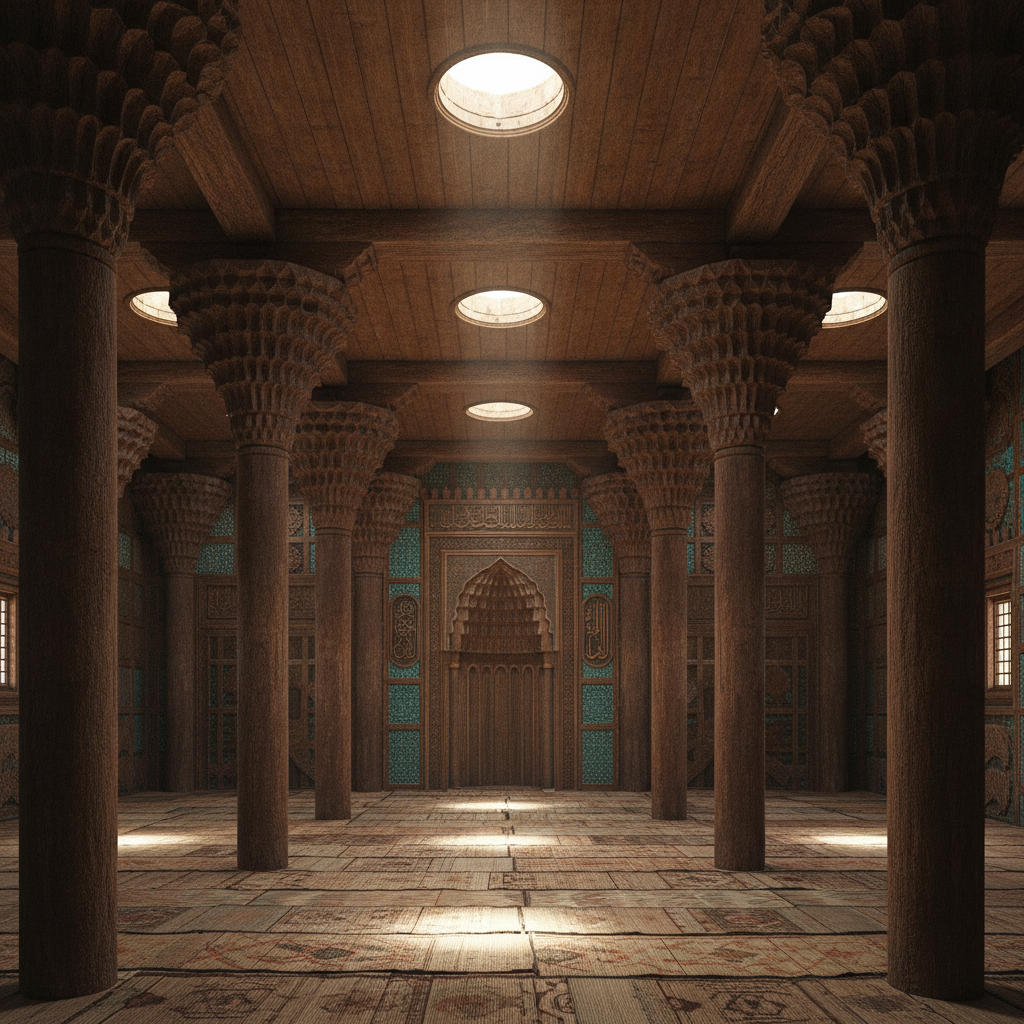
Beysehir Day Trip: The Esrefoglu Wooden Mosque, Beysehir Lake Ecology, the Sugla Wetland Bird Sanctuary, Takkeli Mountain, and the Anatolian Plateau Landscape
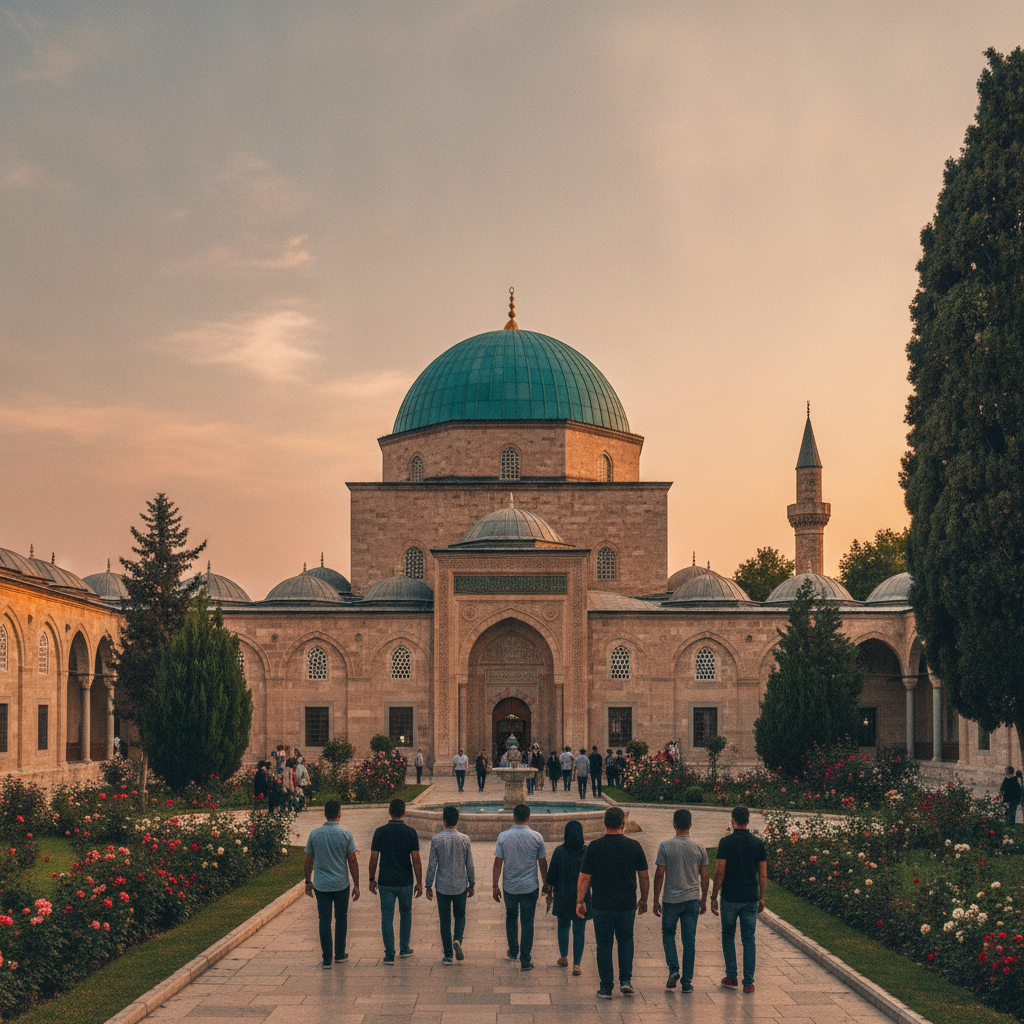
Konya Essential: Mevlana Museum and the Tomb of Rumi, the Sema Whirling Ceremony, the Karatay Medrese, Ince Minareli Medrese, the Aladdin Mosque, and the Seljuk Architectural Heritage
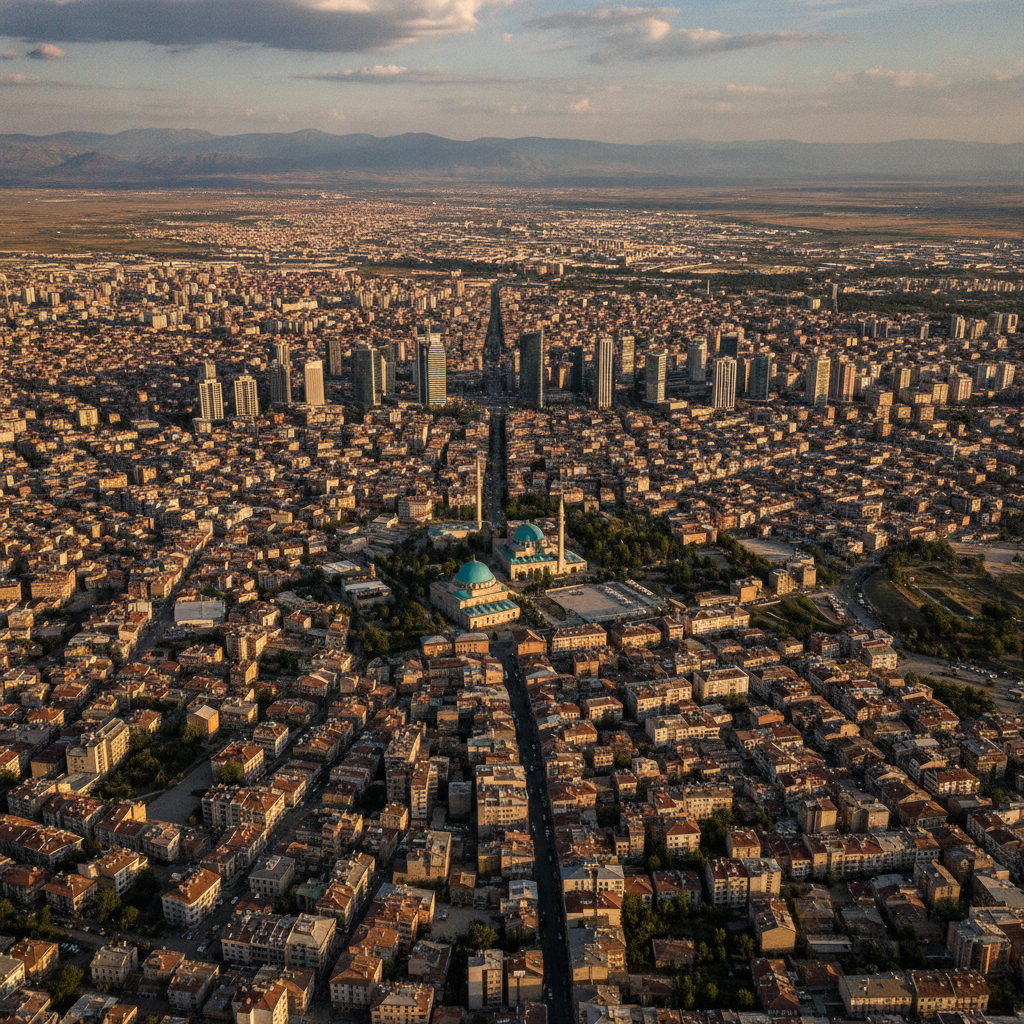
Konya Practical: Transport from Ankara and Istanbul, the Conservative City Navigation, the Best Accommodation Options, the Konya Circuit Timing, the Cappadocia Connection, and the Departure Summary

Konya Cuisine: Etli Ekmek Meat Flatbread, Firin Kebab, Sac Kavurma, the Mevlana Sugar Festival, the Konya Bazaar Food Culture, and the Conservative City Eating Tradition
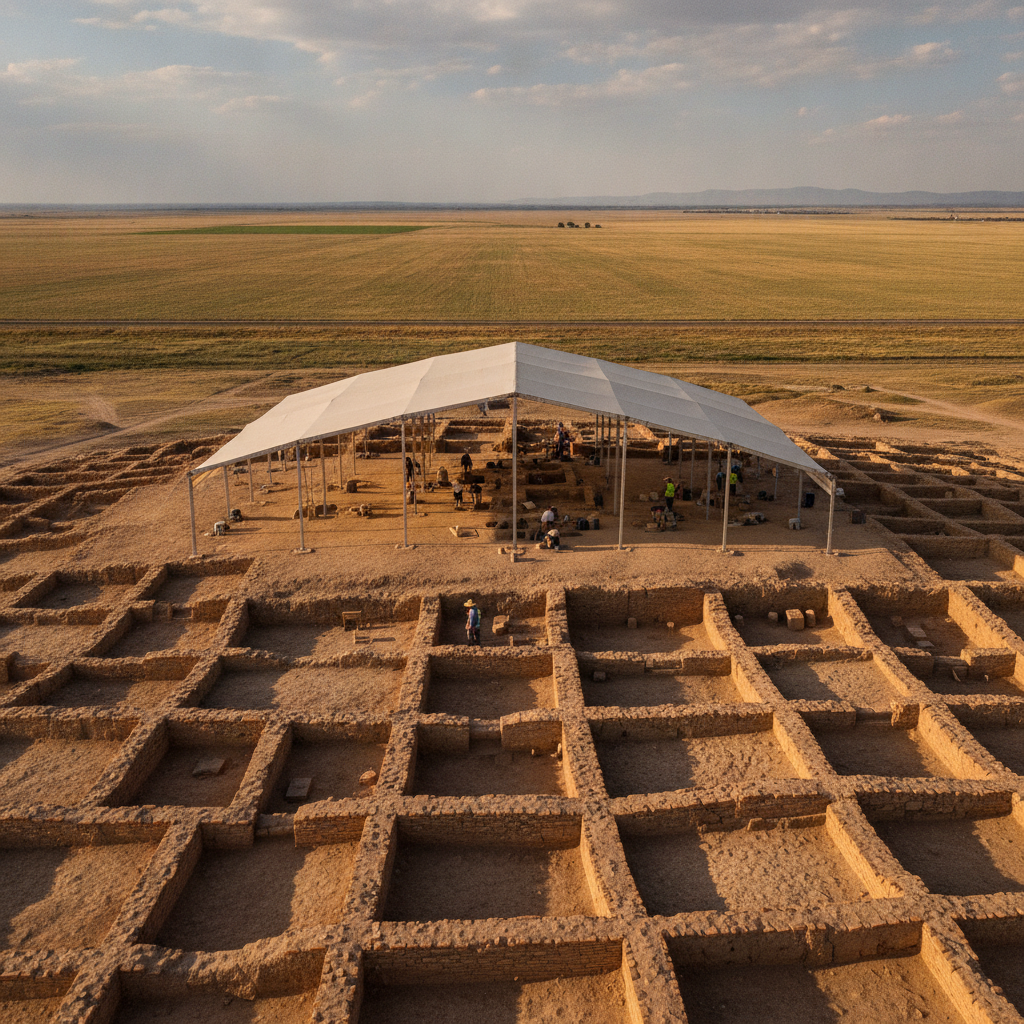
Catalhoyuk: The 9,000-Year-Old Neolithic Settlement, the Mother Goddess Figurines, the Wall Paintings, the Rooftop City Plan, the Ian Hodder Excavation, and the UNESCO World Heritage Designation