Sema Ceremony Deep Dive: The Spiritual Meaning of the Whirling, the Ney Reed Flute, the Sama Listening Practice, the Dervish Costume and Symbolism, the Ceremony Structure, and the Visitor Etiquette
The Sema ceremony deep dive covers the theological meaning of the counterclockwise turn, the ney reed flute as the instrument of divine longing, the sama listening meditation, the symbolism of the dervish costume, the four-part ceremony structure from the naat to the final prayer, and the etiquette for non-Muslim visitors attending a Sema performance.
- 1
The Meaning of the Whirl: The Cosmological Turning
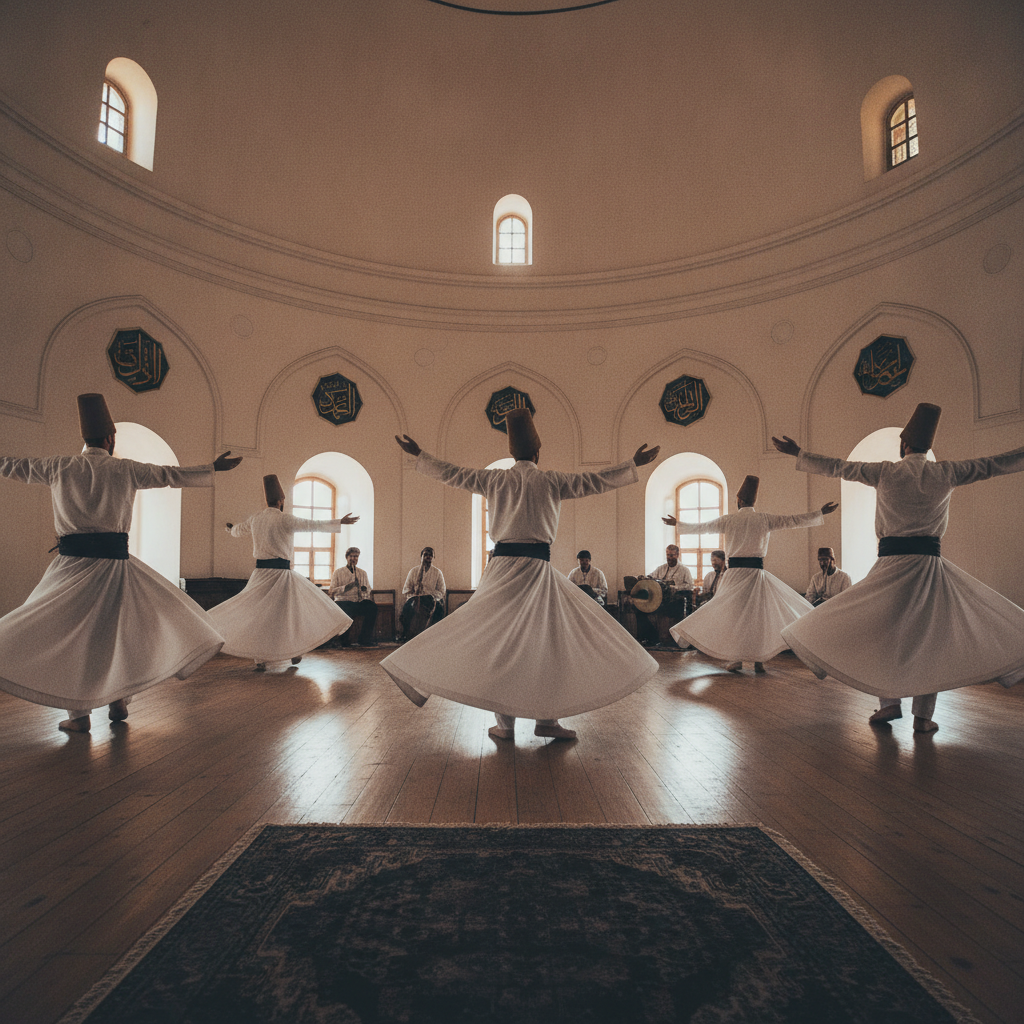
The Sema whirling is not dance in the conventional sense but a meditation in movement in which the dervish turns counterclockwise on the left foot - representing the heart - while the right arm is raised to receive divine grace and the left arm is lowered to transmit it to the earth. The counterclockwise direction mirrors the circumambulation of the Kaaba in Mecca and the orbital movement of the planets. The turning state is intended to dissolve the ego self and achieve the mystical union with the divine that Rumi described as the goal of all spiritual practice. The vertigo of extended turning produces an altered consciousness that the experienced dervish recognizes as the threshold of spiritual experience.
- 2
The Ney: The Reed Flute of Divine Longing
The ney, the end-blown reed flute cut from the reed bed, is the primary instrument of the Sema ceremony and the most symbolically central instrument in Sufi music because Rumi opens the Masnavi with the image of the ney crying for its separation from the reed bed as the metaphor for the human soul separated from its divine origin and longing for reunion. The ney sound, the most plaintive single reed instrument tone in Middle Eastern music, requires the most technically demanding breath technique of any woodwind instrument and the advanced neyzen takes 40 days of continuous practice before producing the first correct tone from the instrument.
- 3
Sama and Sema: The Listening and the Turning
The Sufi musical meditation tradition distinguishes between the sama (listening meditation) practiced by all Sufi orders and the Sema (the specific whirling ceremony) unique to the Mevlevi order. The sama listening practice, in which the spiritual seeker enters the meditative state through attentive listening to the ney and the sung Rumi poetry, is the prerequisite internal state for the Sema turning. The Mevlevi sama musical program includes the opening naat (Quranic praise of the Prophet), the improvised taksim ney meditation, and the four selam movements that structure the Sema ceremony from the earth to the divine.
- 4
Dervish Costume: The Symbolism of White and Brown
The Mevlevi dervish ceremony costume consists of the tennure (the white flared skirt that expands during the turning to resemble the burial shroud), the hirka (the black cloak representing the worldly ego shed at the ceremony beginning), and the sikke (the tall brown felt hat representing the tombstone of the ego). The white tennure expanding in the turn represents the spiritual liberation from the ego-death represented by the black cloak laid aside at the ceremony start. The Sheikh wears the green turban and the brown overcoat that identify the leader of the ceremony. The complete costume is the most symbolically dense single garment system in any Sufi practice.
- 5
Sema Structure: The Four Selam Ceremony
The Mevlevi Sema ceremony is structured in four selam (greeting) movements following the spoken naat and the ney taksim improvisation. The first selam represents the human being conscious of divine grace; the second represents the ecstasy of witnessing divine power; the third represents the complete dissolution of the ego into divine love; the fourth represents the return of the dervish to the service of creation. The Sheikh joins the turning in the fourth selam as the earthly representative of the divine. The complete ceremony takes approximately 90 minutes and the dervishes may turn continuously for 20 to 30 minutes in the third selam.
- 6
Sema Visitor Etiquette: Attending the Ceremony
The Sema performance at the Konya Mevlana Cultural Center every Saturday evening is open to all visitors regardless of religion or background and is free of charge, designed as a public cultural presentation rather than a closed religious ceremony. Visitor etiquette requires silence during the ceremony, no flash photography (long exposure or video is permitted in the gallery), modest dress, and the understanding that the performers are in a meditative state and should not be approached during the ceremony. The most respectful single visitor approach is to arrive early for a front gallery seat, silence the phone completely, and allow the ney music to create the meditative atmosphere before the dervishes enter.
Walk this route with audio
Stories play automatically as you reach each stop — no tapping needed.
More in Konya
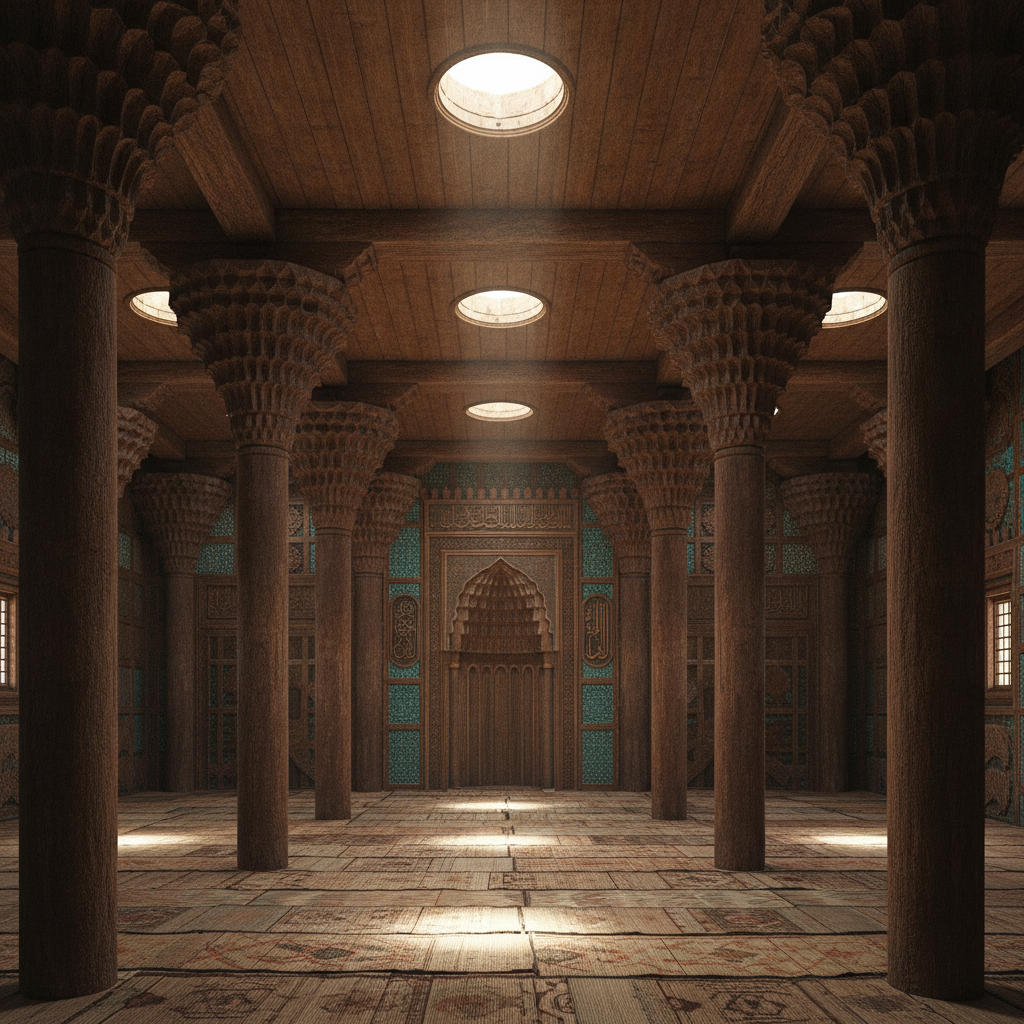
Beysehir Day Trip: The Esrefoglu Wooden Mosque, Beysehir Lake Ecology, the Sugla Wetland Bird Sanctuary, Takkeli Mountain, and the Anatolian Plateau Landscape
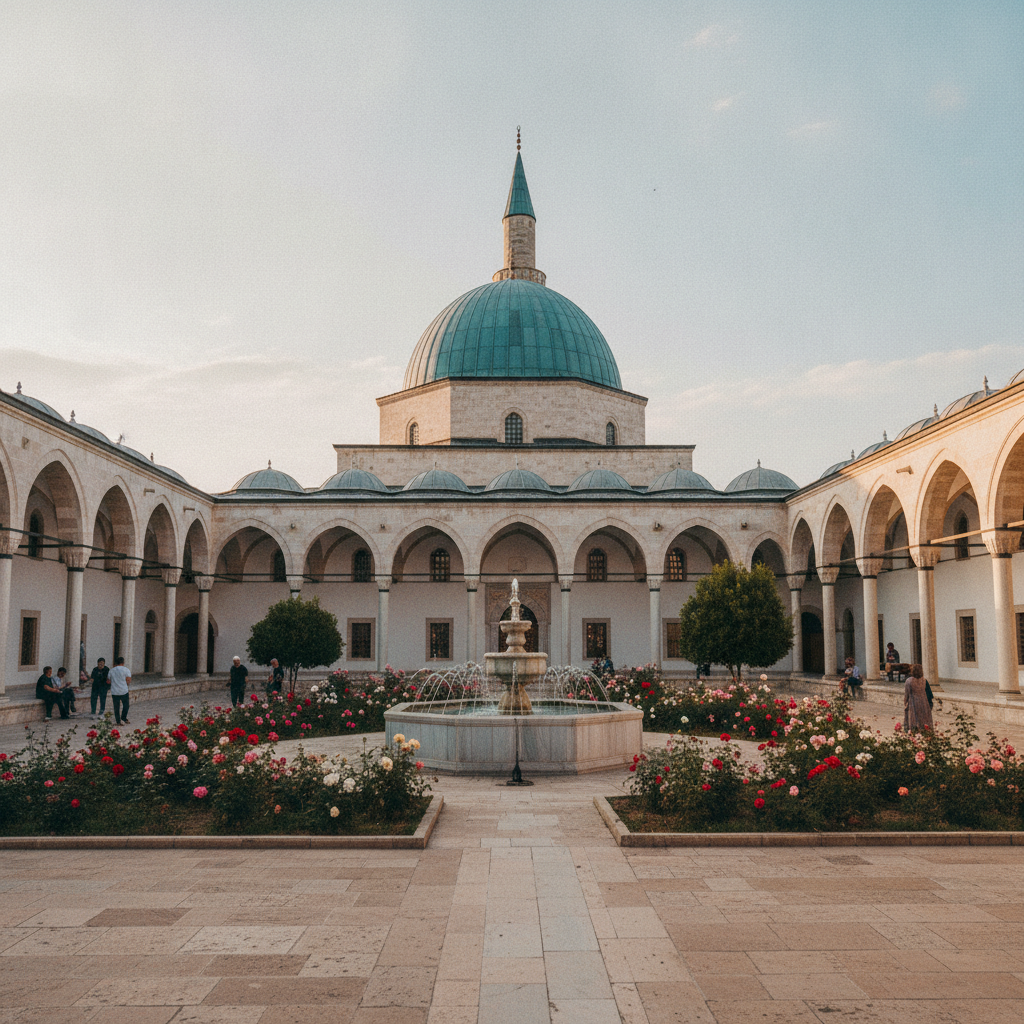
Rumi: Life and Philosophy, the Masnavi Spiritual Poem, the Transformative Meeting with Shams of Tabriz, the Mevlevi Order Founding, and the Global Legacy of the Most Translated Poet
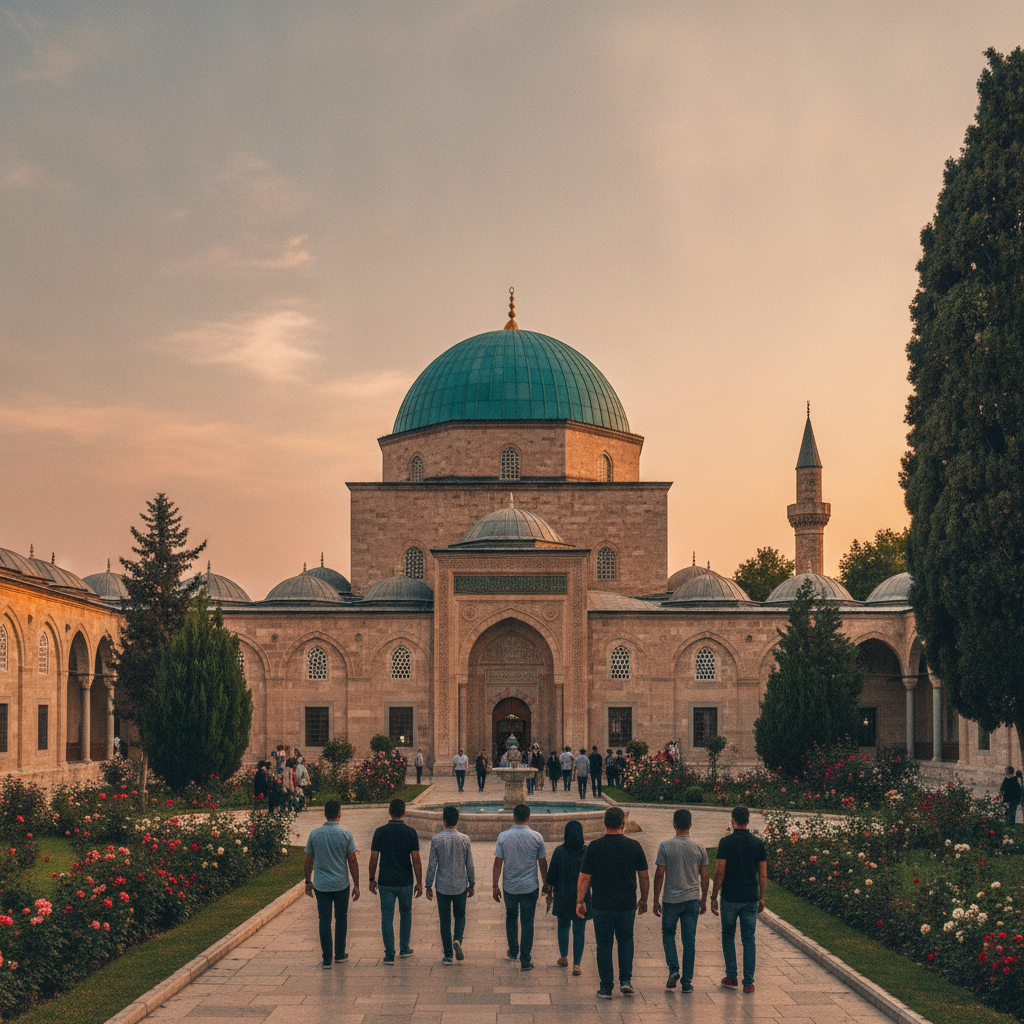
Konya Essential: Mevlana Museum and the Tomb of Rumi, the Sema Whirling Ceremony, the Karatay Medrese, Ince Minareli Medrese, the Aladdin Mosque, and the Seljuk Architectural Heritage
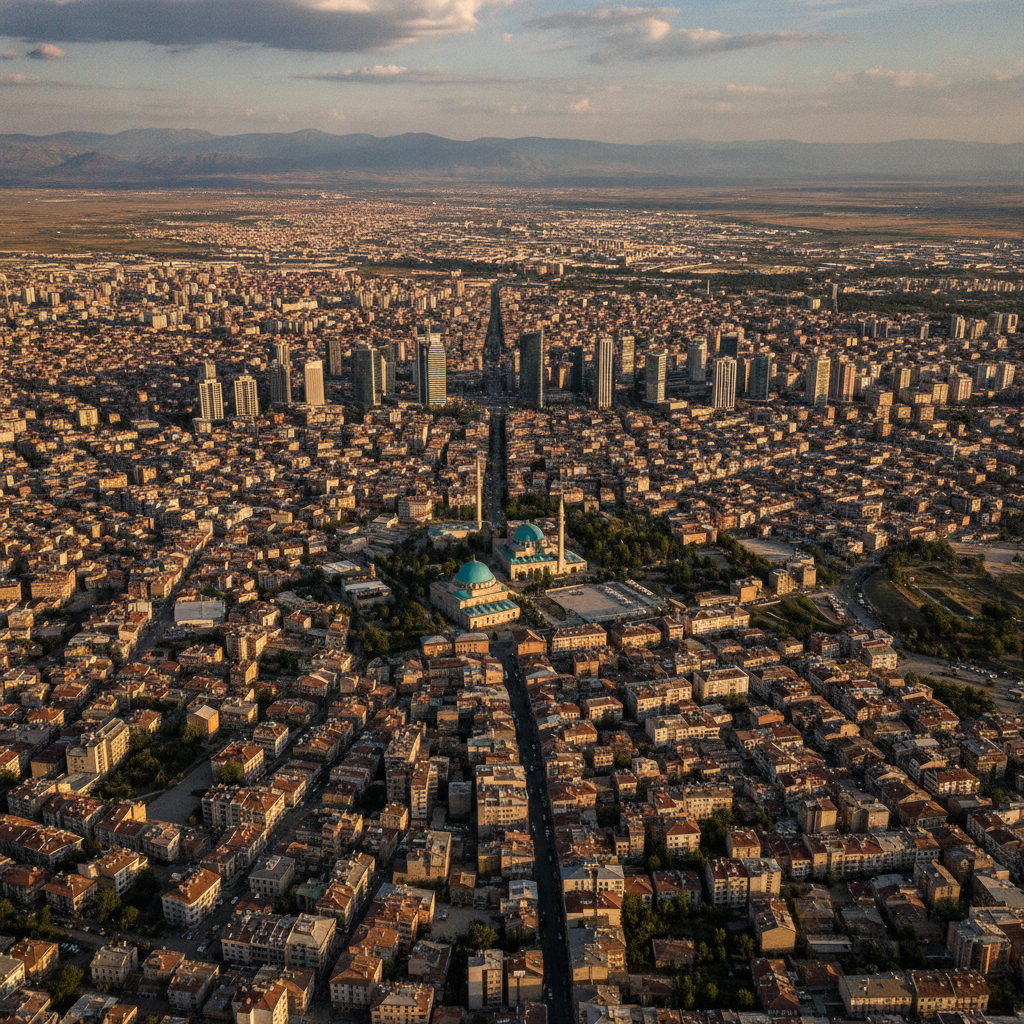
Konya Practical: Transport from Ankara and Istanbul, the Conservative City Navigation, the Best Accommodation Options, the Konya Circuit Timing, the Cappadocia Connection, and the Departure Summary

Konya Cuisine: Etli Ekmek Meat Flatbread, Firin Kebab, Sac Kavurma, the Mevlana Sugar Festival, the Konya Bazaar Food Culture, and the Conservative City Eating Tradition