Konya Essential: Mevlana Museum and the Tomb of Rumi, the Sema Whirling Ceremony, the Karatay Medrese, Ince Minareli Medrese, the Aladdin Mosque, and the Seljuk Architectural Heritage
The Konya essential circuit covers the Mevlana Museum as the tomb of the Sufi poet Rumi and the most visited religious site in Turkey, the whirling dervish Sema ceremony, the Karatay Medrese with the finest Seljuk tile work, the Ince Minareli Medrese portal, the Aladdin Mosque on the Aladdin Hill, and the Seljuk architectural heritage that makes Konya the most complete single Seljuk capital in Anatolia.
- 1
Mevlana Museum: The Tomb of Rumi
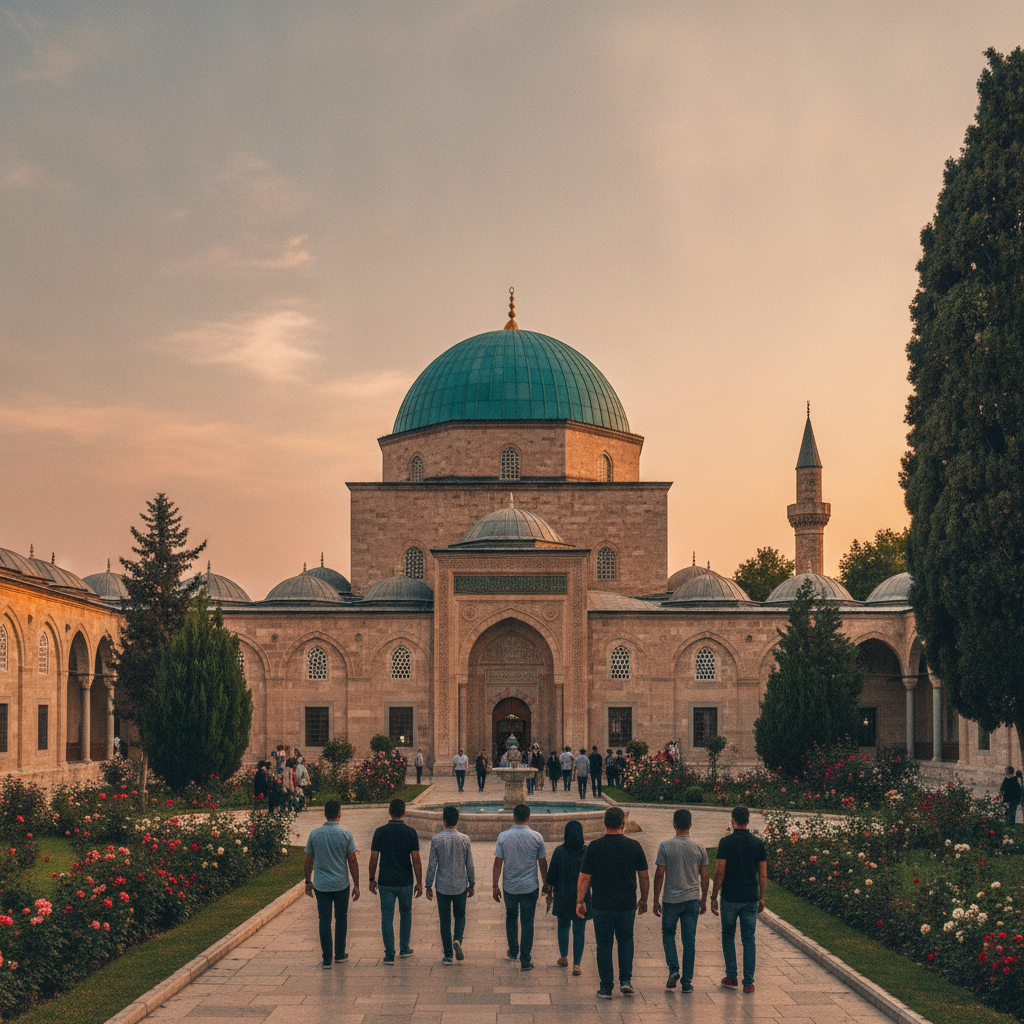
The Mevlana Museum in Konya, the mausoleum complex of Jalal ad-Din Muhammad Rumi - the 13th century Persian-language Sufi poet and mystic whose Masnavi is the most celebrated spiritual poem in Islamic literature - is the most visited single religious site in Turkey with over 3 million annual visitors drawn to the turquoise-fluted conical dome covering the tomb. Rumi arrived in Konya in 1228 after fleeing the Mongol invasion from his birthplace in Balkh (modern Afghanistan) and remained here until his death in 1273, writing the Masnavi of 25,000 verses and establishing the Mevlevi Sufi order whose spiritual practice centers on the whirling Sema ceremony.
- 2
Sema Ceremony: The Whirling Dervish Practice
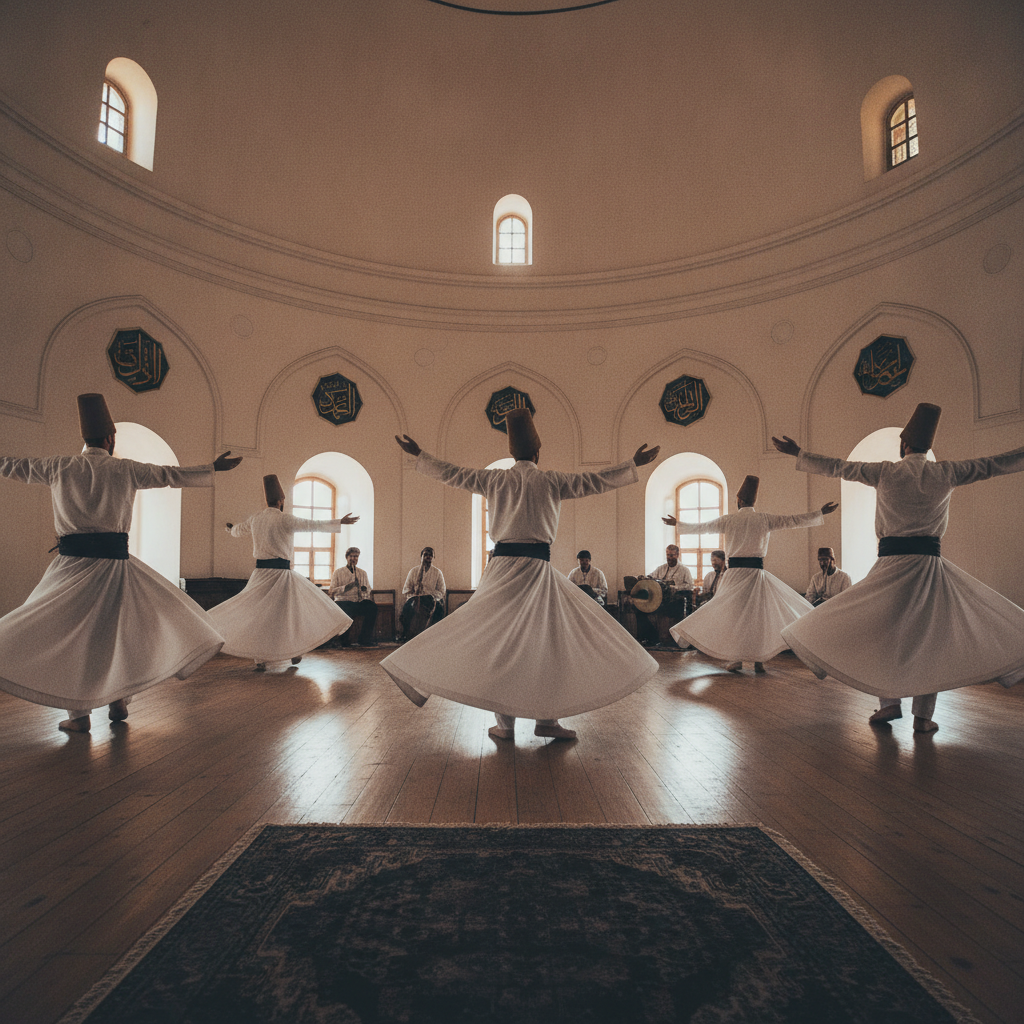
The Sema whirling ceremony of the Mevlevi Sufi order, the spiritual turning meditation in which the dervish rotates counterclockwise on the left foot with the right arm raised to receive divine blessing and the left arm lowered to transmit it to earth, is the most internationally recognizable single Turkish spiritual practice and the ceremony that UNESCO inscribed on the Intangible Cultural Heritage list in 2008. The Konya Sema performances at the Mevlana Cultural Center every Saturday evening are the most atmospherically authentic regular public Sema available in Turkey, set in the purpose-built hall adjacent to the Mevlana Museum complex.
- 3
Karatay Medrese: The Finest Seljuk Tilework
The Karatay Medrese in Konya, the 1251 AD Seljuk theological school built by the Emir Celaleddin Karatay and converted to the Konya Tile Museum, contains the most completely preserved interior Seljuk geometric tile mosaic program in Turkey. The portal with the muqarnas stalactite vault and the interior dome with the gold-starred blue tile mosaic represent the apex of the Seljuk decorative ceramic tradition and the building that most completely demonstrates the transition from the Seljuk to the Ilkhanid Mongol decorative style in 13th century Anatolian architecture.
- 4
Ince Minareli Medrese: The Stone Portal Masterpiece
The Ince Minareli Medrese (Slender Minaret Medrese) of 1265 AD is the most elaborately carved stone portal in the Seljuk architectural canon with the Quranic calligraphy band, the geometric interlace, and the figural decoration running from the base to the muqarnas crown in the most comprehensive single Seljuk stone carving program in Turkey. The single slender minaret that gives the building its name was struck by lightning in the 16th century and reduced to its current height, making the remaining conical stone stump the most dramatically truncated single architectural element in the Konya cityscape.
- 5
Aladdin Mosque: The Seljuk Royal Congregational Mosque
The Aladdin Mosque on the Aladdin Hill at the center of Konya, built between 1155 and 1221 by the Seljuk sultans Mesut I, Kılıç Arslan II, and Aladdin Keykubad I, is the most important Seljuk congregational mosque in Anatolia and the mosque where the Seljuk sultans prayed and were buried. The adjacent Seljuk Royal Mausoleum contains the sarcophagi of eight Seljuk sultans in the most concentrated collection of royal Seljuk funerary monuments available in any single building in Turkey. The Aladdin Mosque columned interior with the recycled Byzantine column capitals is the most atmospherically layered single prayer space in Konya.
- 6
Seljuk Konya: The Anatolian Turkish Capital
Konya served as the capital of the Sultanate of Rum - the Seljuk Turkish state in Anatolia - from 1150 to 1302, making it the most important single political center in medieval Anatolia and the city where the Seljuk cultural synthesis of the Turkish, Persian, and Byzantine traditions created the most distinctive art historical school in the Islamic world. The Konya Seljuk monuments including the Aladdin Mosque, the Karatay Medrese, the Ince Minareli Medrese, and the Sırçalı Medrese form the most complete single group of Seljuk architectural monuments in Turkey and the ensemble that defines the Seljuk aesthetic heritage.
Walk this route with audio
Stories play automatically as you reach each stop — no tapping needed.
More in Konya
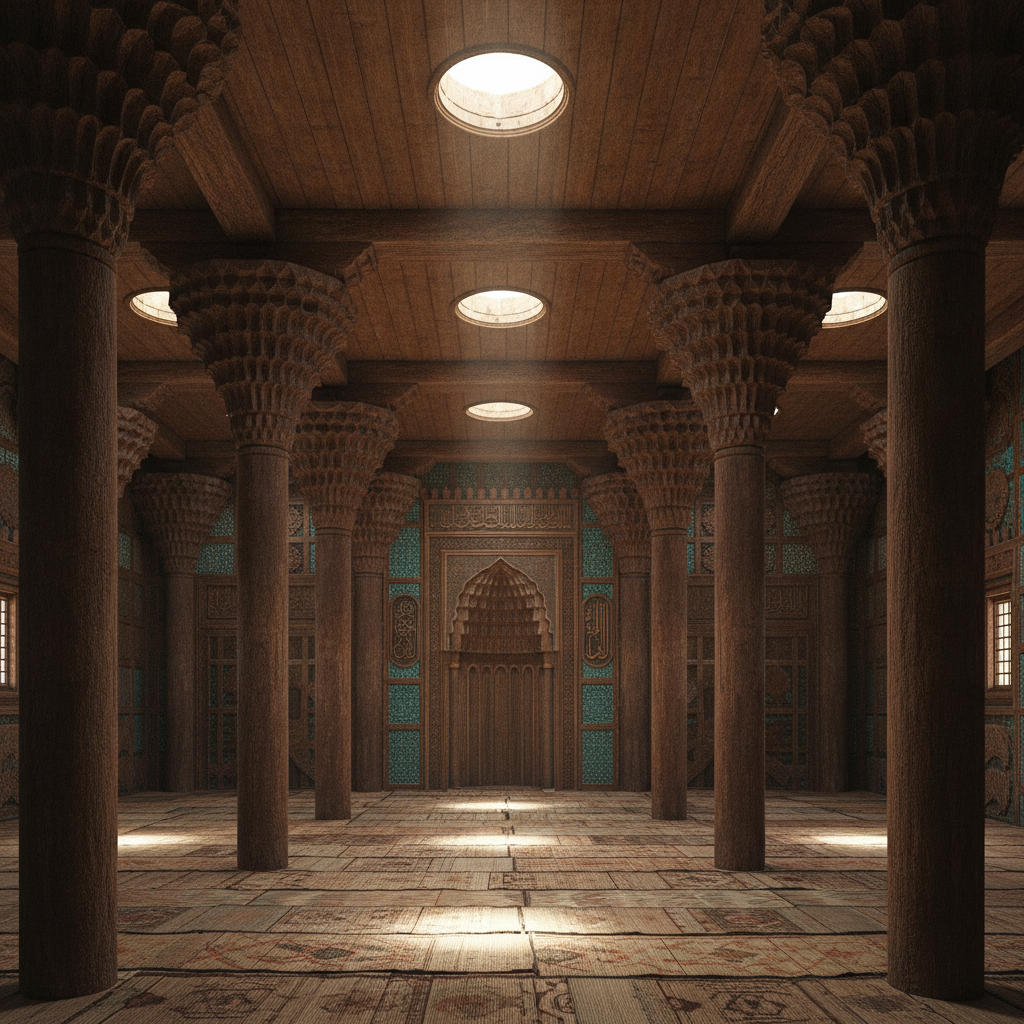
Beysehir Day Trip: The Esrefoglu Wooden Mosque, Beysehir Lake Ecology, the Sugla Wetland Bird Sanctuary, Takkeli Mountain, and the Anatolian Plateau Landscape
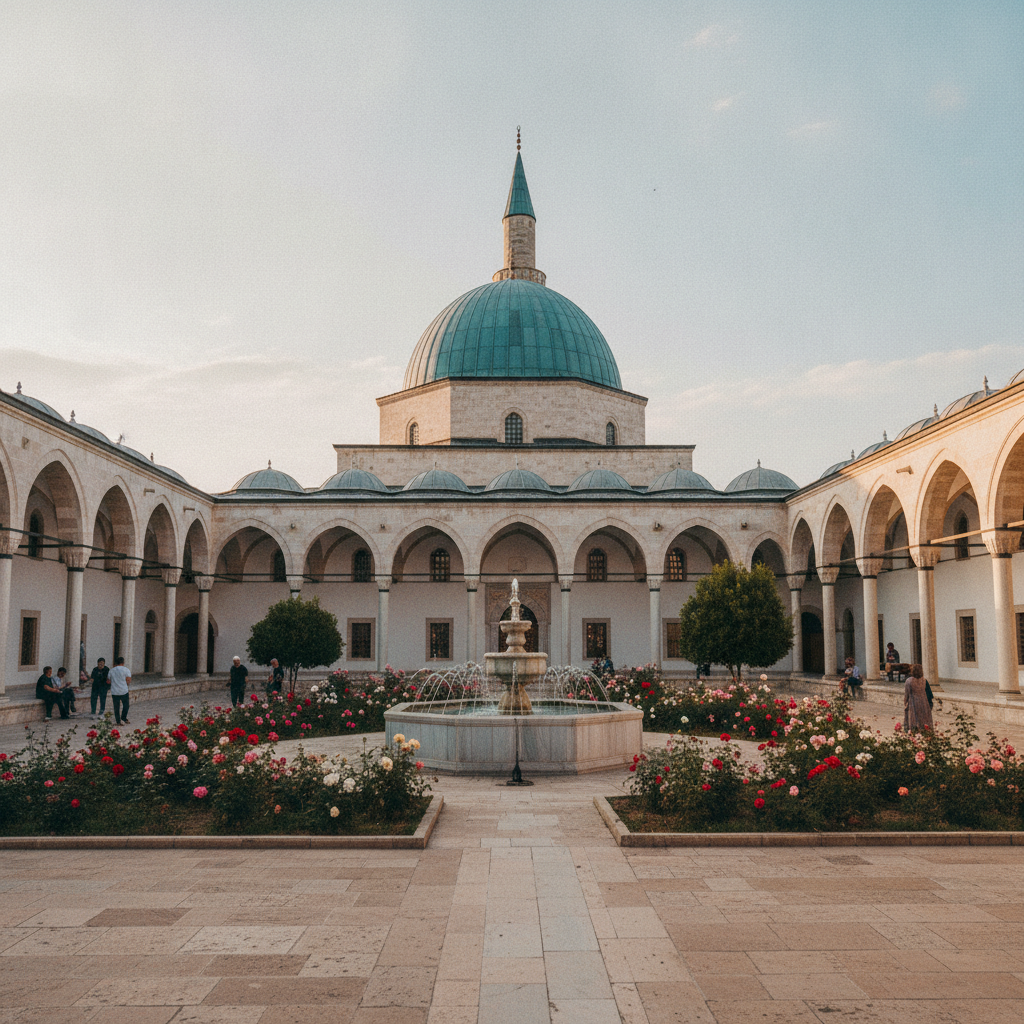
Rumi: Life and Philosophy, the Masnavi Spiritual Poem, the Transformative Meeting with Shams of Tabriz, the Mevlevi Order Founding, and the Global Legacy of the Most Translated Poet
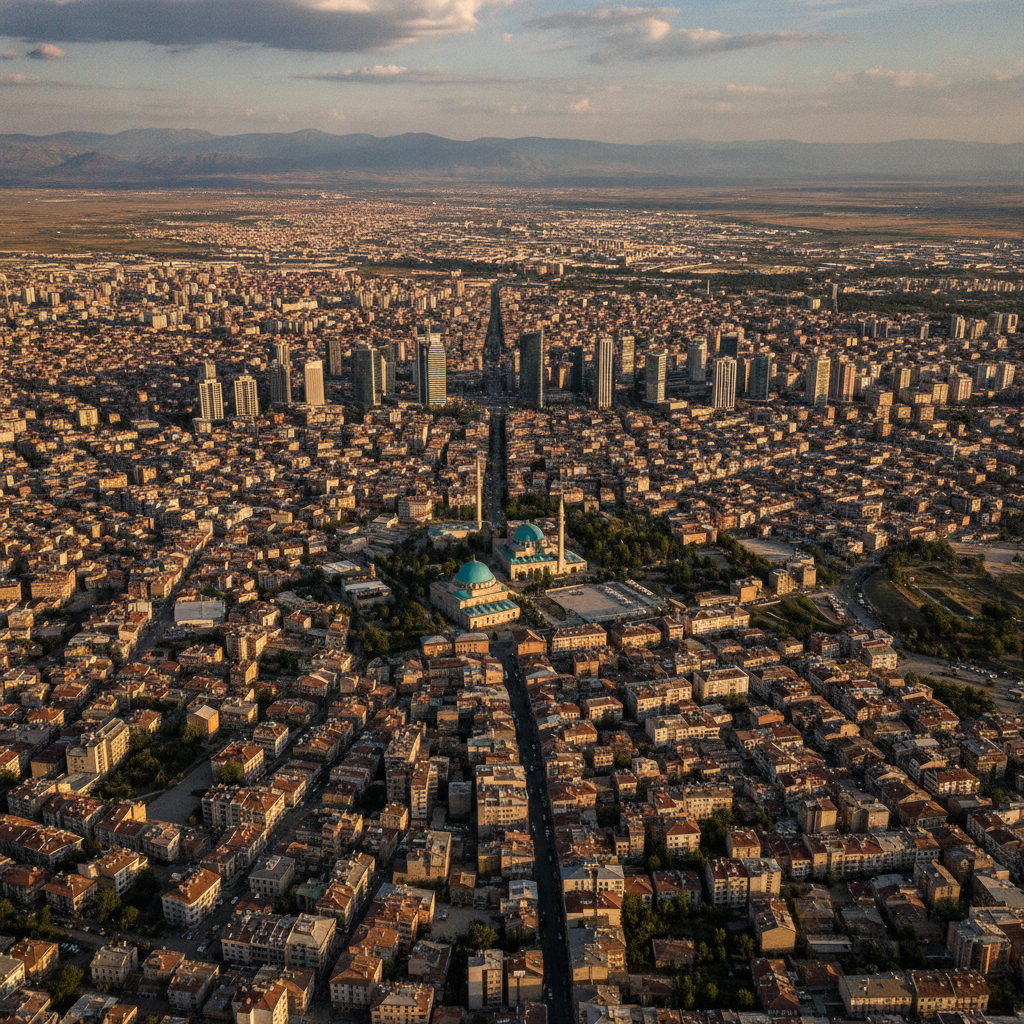
Konya Practical: Transport from Ankara and Istanbul, the Conservative City Navigation, the Best Accommodation Options, the Konya Circuit Timing, the Cappadocia Connection, and the Departure Summary

Konya Cuisine: Etli Ekmek Meat Flatbread, Firin Kebab, Sac Kavurma, the Mevlana Sugar Festival, the Konya Bazaar Food Culture, and the Conservative City Eating Tradition
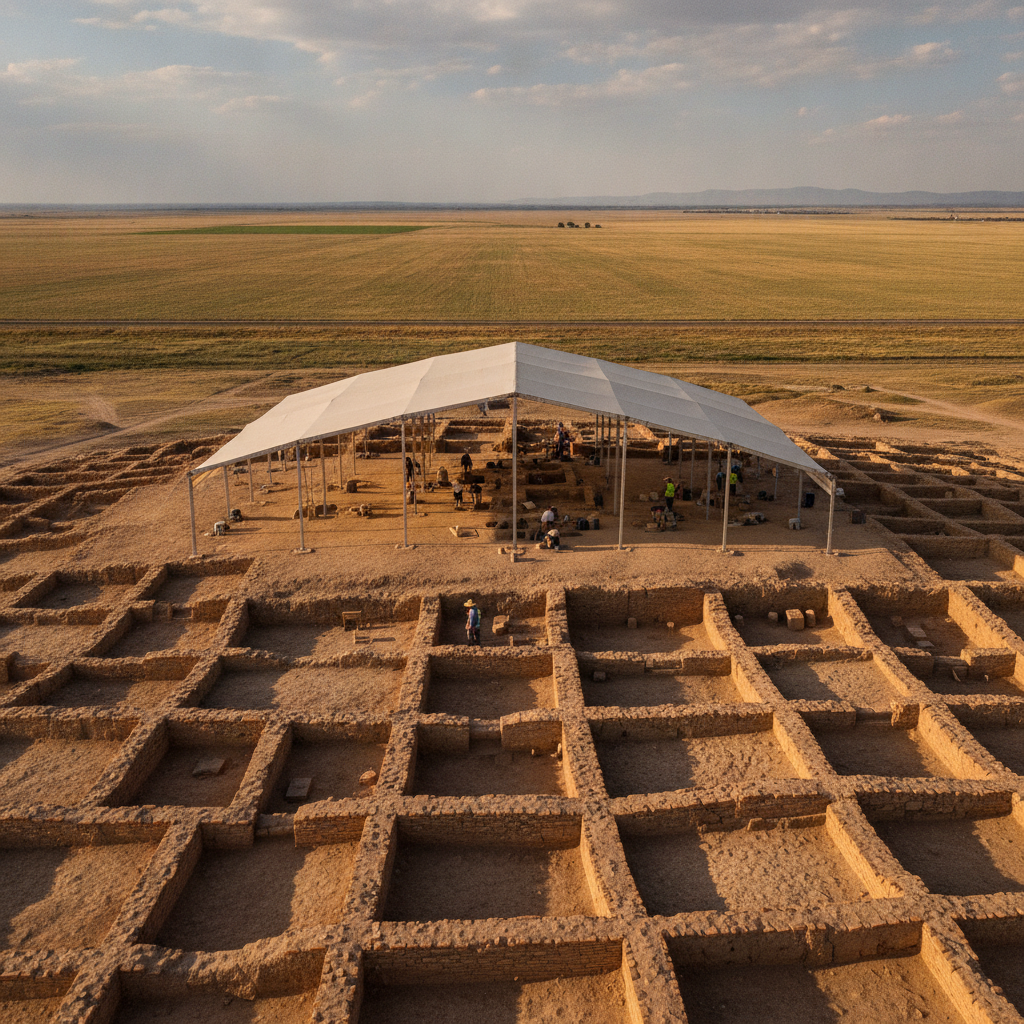
Catalhoyuk: The 9,000-Year-Old Neolithic Settlement, the Mother Goddess Figurines, the Wall Paintings, the Rooftop City Plan, the Ian Hodder Excavation, and the UNESCO World Heritage Designation