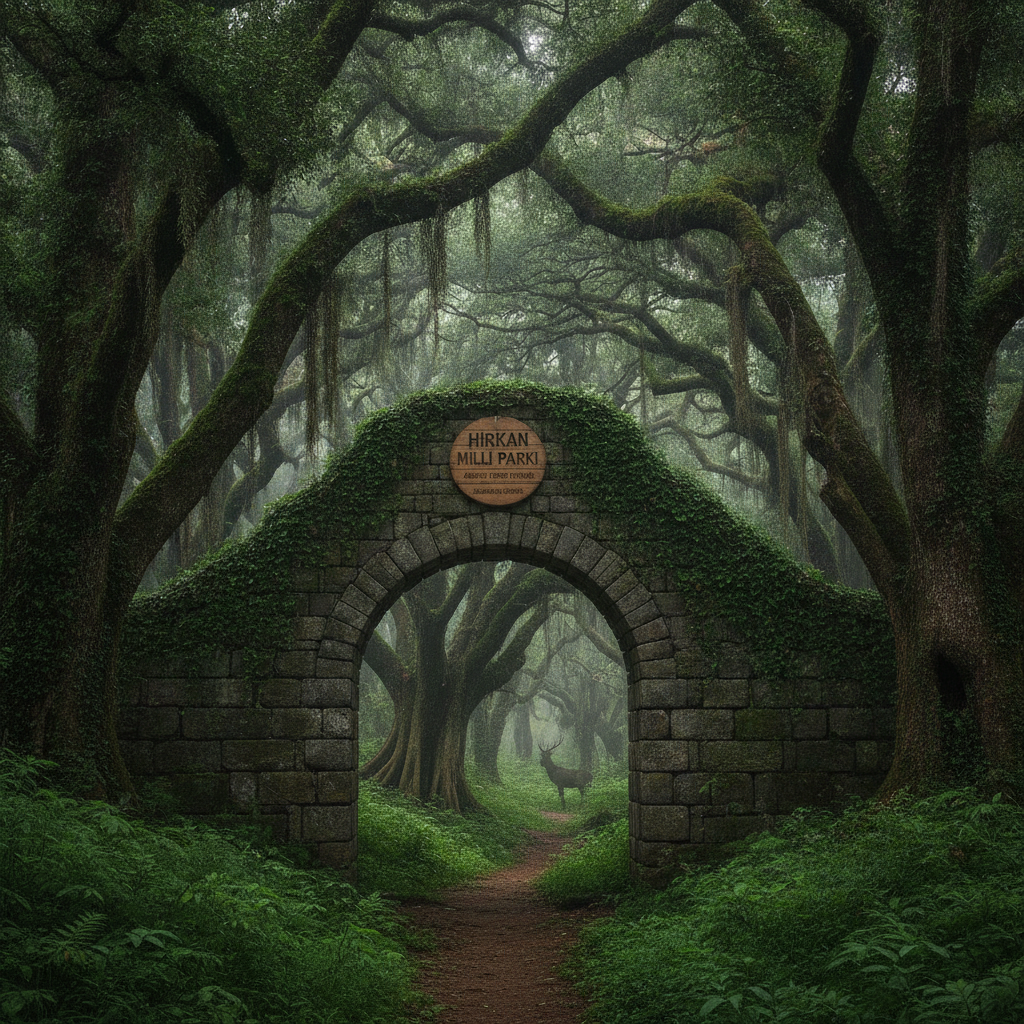
Hirkan National Park Ancient Forest Biodiversity
Explore Hirkan National Park near Lankaran, a UNESCO World Heritage Site protecting one of the world's most ancient forest refugia where relict subtropical tree species that survived the ice ages grow alongside endemic plants and wildlife found nowhere else on Earth.
- 1
Park Entrance
Enter Hirkan National Park through its southern entrance near Lankaran, immediately encountering the dense subtropical forest that has grown here continuously since before the last ice age, when the warm humid climate of the Talysh mountains provided refuge for species lost elsewhere.
- 2
Ancient Ironwood Trees
Find the ancient Lenkoran ironwood trees (Parrotia persica) that are emblematic of the Hirkan forest, the massive specimens with their peeling bark and gnarled forms representing trees that are hundreds of years old and whose species lineage extends back millions of years in this refuge.
- 3
Silk Acacia Grove
Walk through groves of Lenkoran acacia (Albizia julibrissin) whose feathery pink flowers in season create a canopy of extraordinary beauty, the trees growing to magnificent size in the warm humid conditions that distinguish the Lankaran lowlands from the rest of Azerbaijan.
- 4
Endemic Plant Observation
Identify endemic plant species found only in the Hirkan forest — the Caspian Caucasian date plum, the Caspian locust tree, and various endemic ferns and mosses that represent the biological heritage of a forest that served as a refugium during the Quaternary ice ages.
- 5
Wildlife Tracking
Look for signs of the wildlife that inhabits Hirkan — the Caucasian leopard (critically endangered), brown bears, wild boar, and numerous bird species including the endangered Caspian snowcock — the rich biodiversity a result of the forest's ancient continuity and ecological complexity.
- 6
Forest Stream Ecosystem
Follow a forest stream where the interactions between the ancient trees, the endemic understory plants, the amphibians in the water, and the birds in the canopy demonstrate the ecological web of one of the world's most significant surviving ancient forest ecosystems.
Walk this route with audio
Stories play automatically as you reach each stop — no tapping needed.
More in lankaran
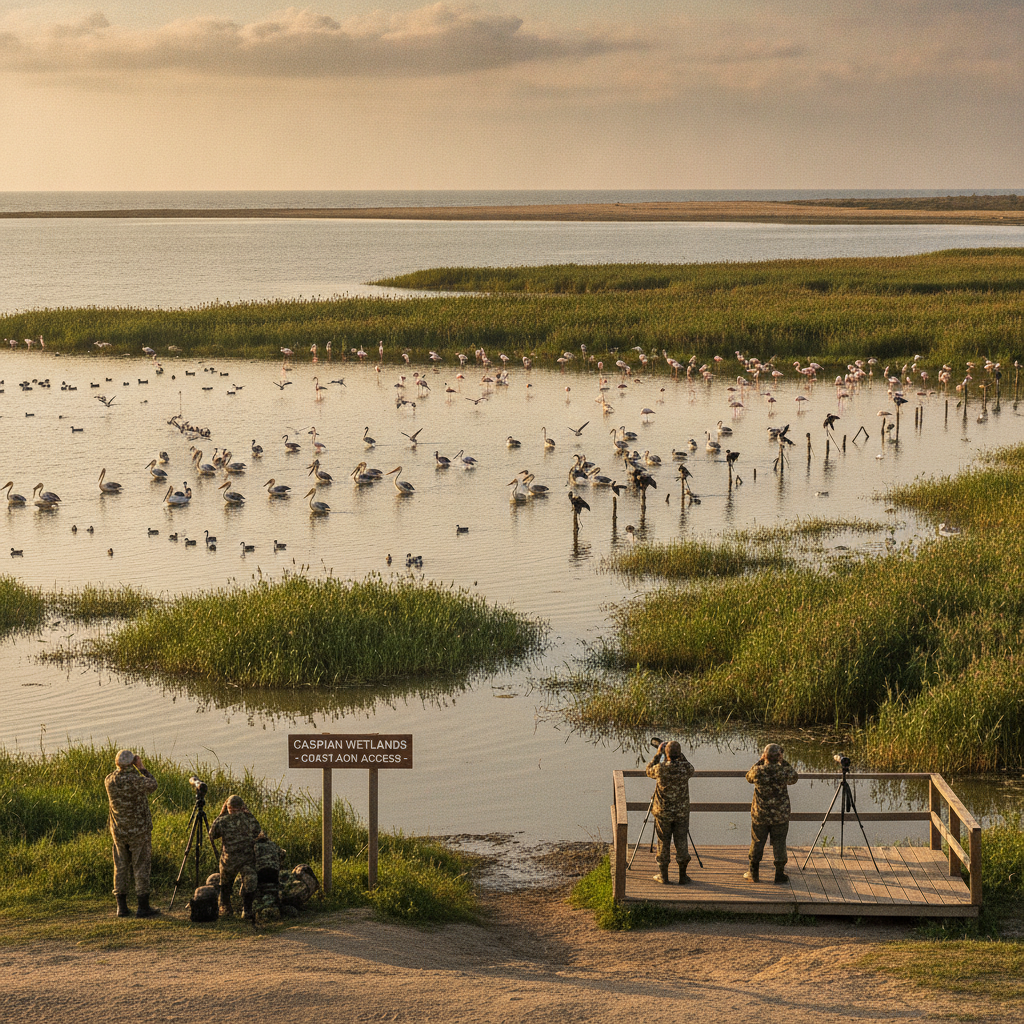
Bird Watching Caspian Wetlands and Migratory Species
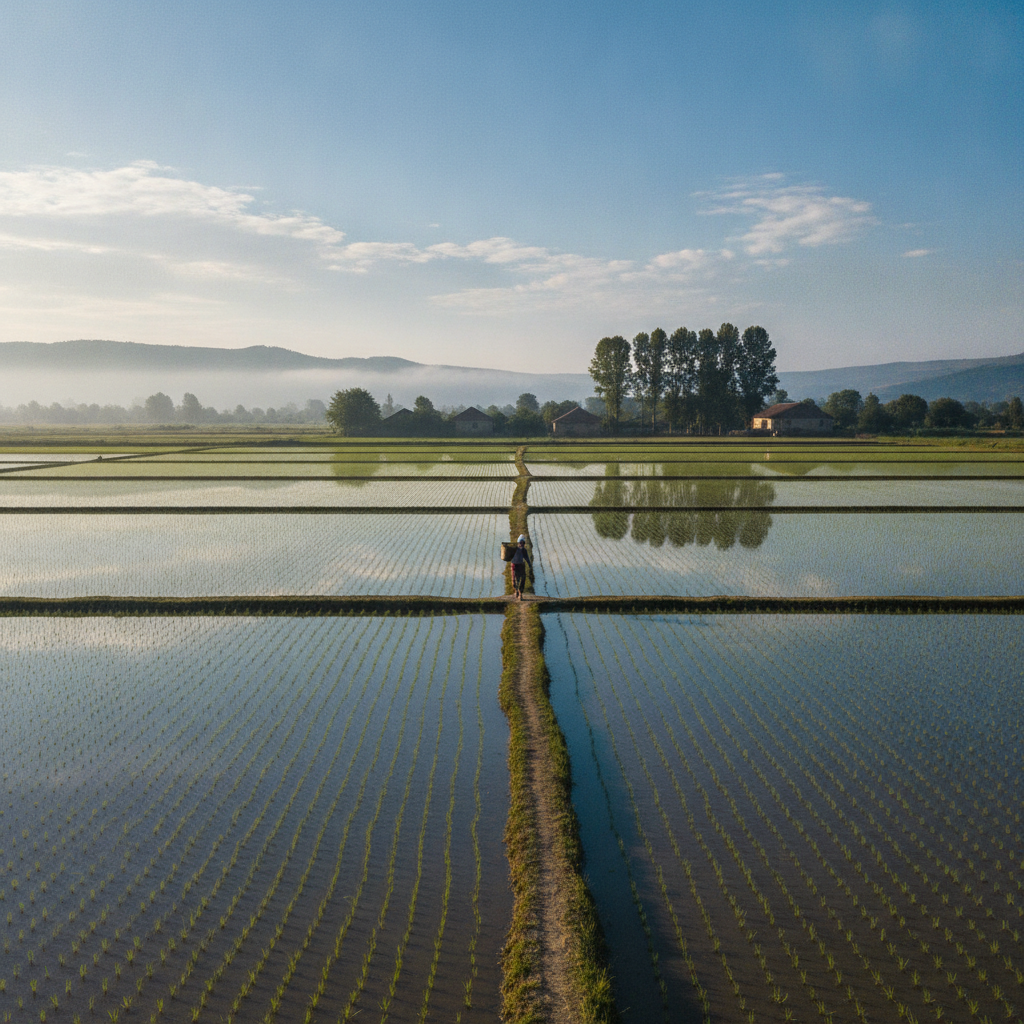
Lankaran Rice Paddies Traditional Agriculture
Lankaran Old Fortress and Russian Imperial History
Subtropical Gardens and Lankaran Tea Culture
Astara Border Town and Iranian Cultural Influence