Multan Extreme Heat and Summer Desert Experience
Experience Multan in summer — the city that regularly records temperatures above 50°C, making it one of the hottest inhabited places on earth, where the extreme heat has shaped the architecture of thick-walled courtyard houses, the food culture of cooling drinks and heat-tolerant fruit, and the night-time social life of a city that effectively moves outdoors after dark when the temperature becomes bearable.
- 1
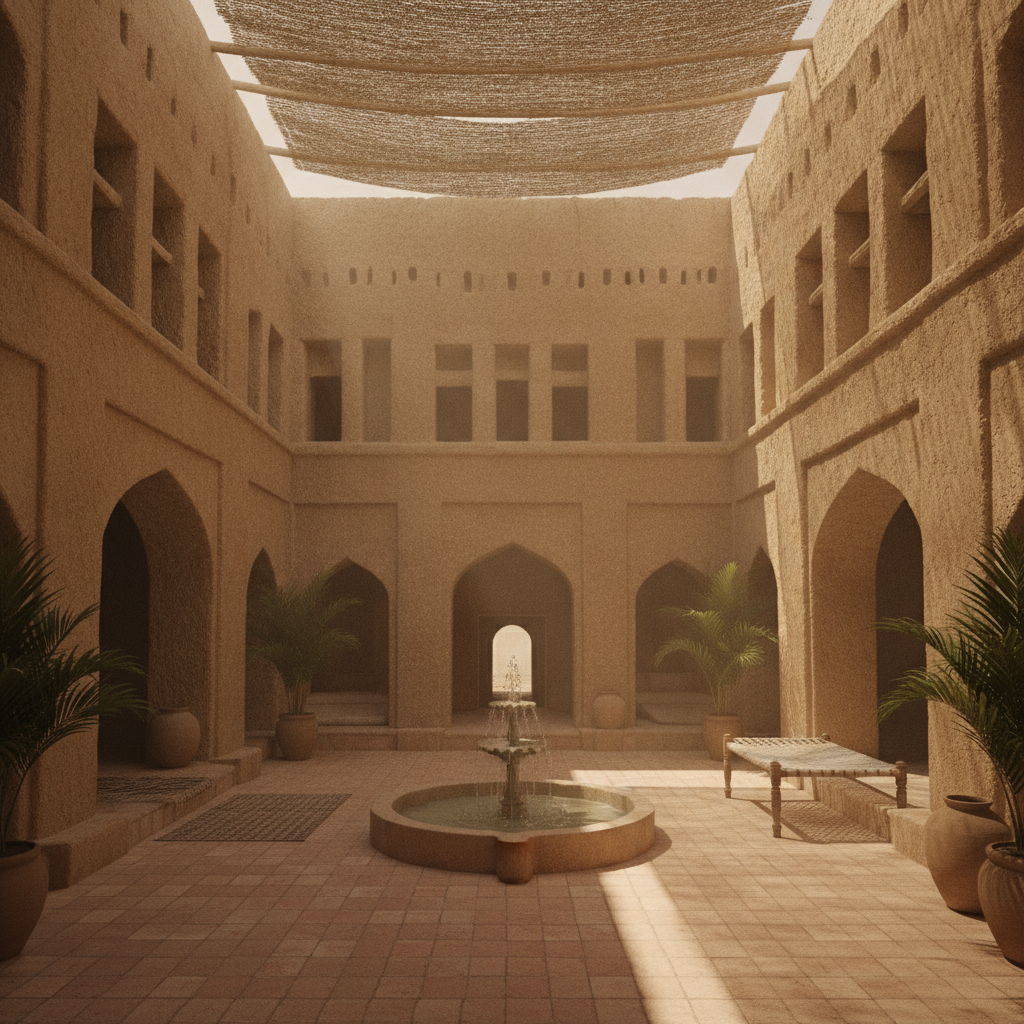
Traditional Courtyard House Cooling
Enter a traditional Multani courtyard house to experience passive cooling architecture — the thick mud-brick walls that absorb heat during the day and release it slowly at night, the central courtyard creating air circulation, the underground rooms (tahkhana) that remain cool even when the exterior temperature exceeds 45°C.
- 2
Rooftop Night Culture
The rooftop social culture of Multan — in summer, families move their beds and social life to the rooftop after dark when the temperature falls to a merely oppressive 35-38°C, the charpoys (rope beds) set out under the stars, the communal meal eaten in the open air, and the city's social life conducted under the night sky.
- 3
Cooling Drink Stalls
The sharbat and cooling drink stalls that proliferate in summer Multan — the rose water sharbat, the tukh malanga (basil seed drink), the tamarind water with black salt, and the sugarcane juice pressed fresh at roadside stalls, each drink culturally associated with specific cooling properties in the traditional medical system.
- 4
Mango Ice Cream District
The ice cream and kulfi shops doing their peak business in the Multan heat — the mango kulfi made with the local Chaunsa mangoes, frozen in earthenware molds and eaten as the primary cooling dessert of the Multani summer, the shops packed with customers seeking any relief from temperatures that can feel physically assaulting.
- 5
Water Sellers Historic Tradition
The surviving tradition of water sellers in the old city — the mashki (water carrier) who historically provided drinking water from leather bags to the pilgrims visiting the shrines, a profession now reduced to a few practitioners but still visible near the major shrines where the combination of physical exertion and summer heat makes water a necessity.
- 6
Sunset at Fort Walls
The fort walls at sunset when the temperature drops from lethal to merely hot — the evening gathering of Multani residents at the high points of the old city to catch the breeze that comes after sundown, the social life of the city beginning properly only at this point, the restaurants and chai stalls filling as the streets become walkable again.
Walk this route with audio
Stories play automatically as you reach each stop — no tapping needed.
More in multan
Multan Sufi Music and Qawwali Nights
Multan Chenab River and Punjab Riverine Landscape
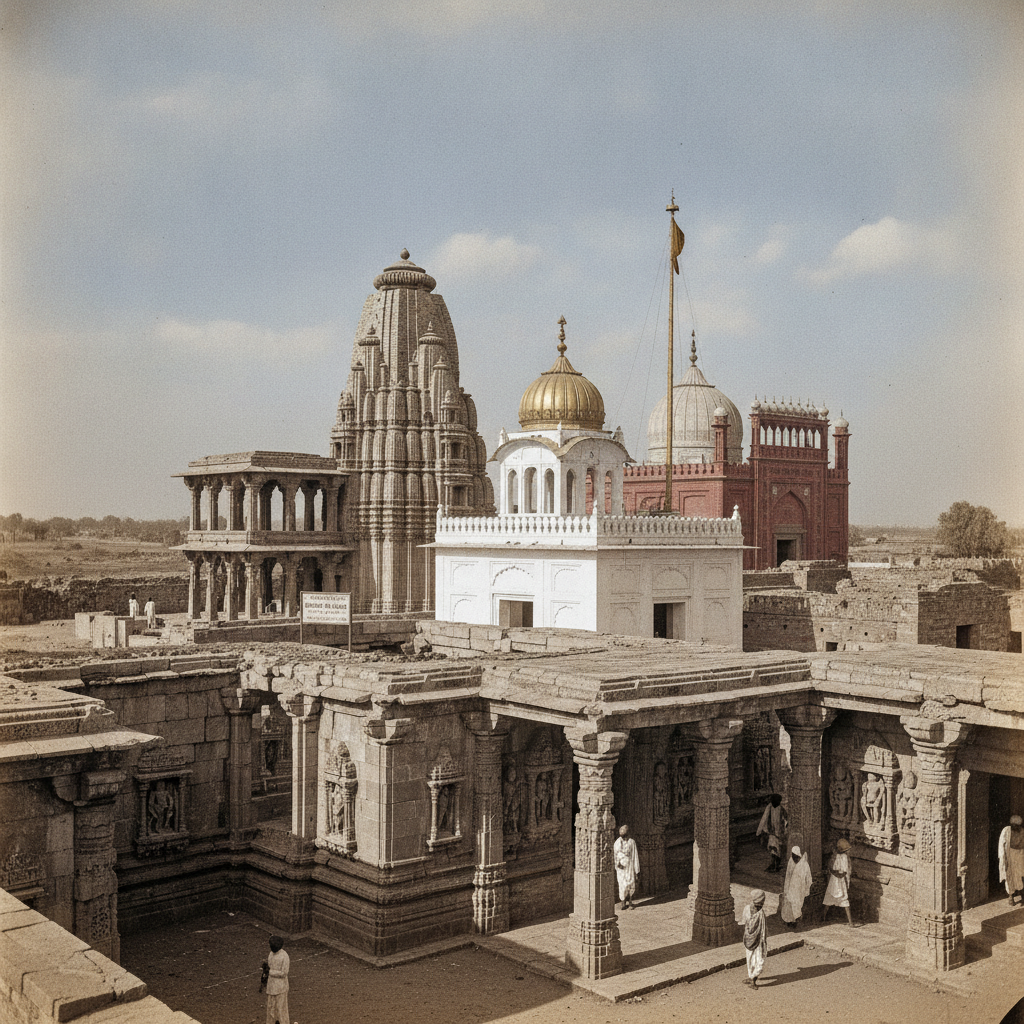
Multan Pre-Partition Hindu and Sikh Heritage
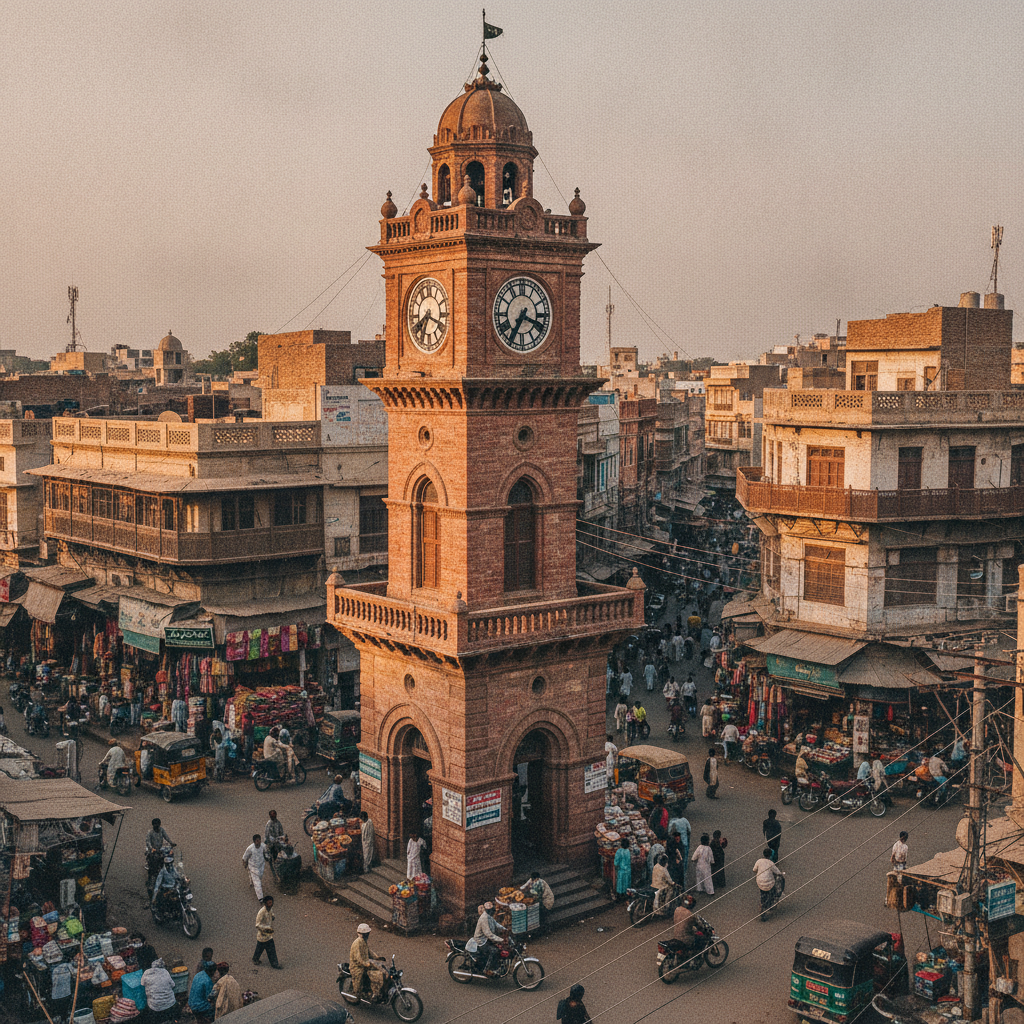
Multan Ghanta Ghar Clock Tower and Historic Bazaars
Multan Mango Capital of Pakistan Food Experience