Multan Pre-Partition Hindu and Sikh Heritage
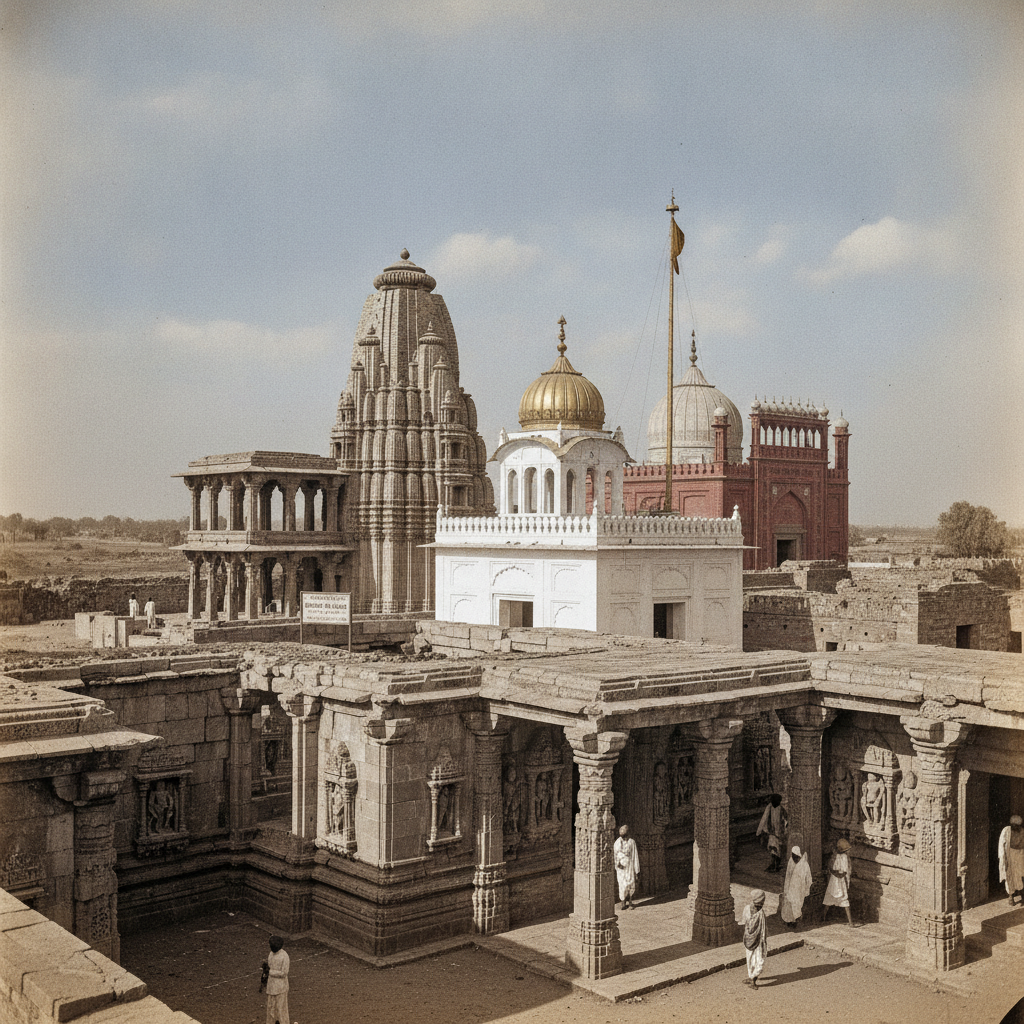
Discover Multan's pre-Partition cosmopolitan past — the city that before 1947 had a substantial Hindu merchant class and a Sikh community whose temples and haveli mansions still stand in the old city, the material memory of a religious diversity that was erased by Partition but whose architectural traces remain as evidence of what Multan was before it became exclusively Muslim.
- 1
Prahladpuri Temple Site
The site of the ancient Prahladpuri temple — one of Hinduism's most sacred sites, the temple associated with the Prahlad legend and considered among the oldest temples in South Asia, converted to a mosque during Aurangzeb's reign but the location retaining its significance in the memory of Hindu pilgrims.
- 2
Pre-Partition Hindu Havelis
The surviving haveli mansions of Multan's pre-Partition Hindu merchant families — the elaborate carved wooden facades and decorated courtyards of the trading families who dominated Multan's commercial life before their displacement in 1947, the buildings now occupied by Muslim families.
- 3
Old City Sikh Gurdwara Site
The site of the Sikh gurdwara in the old city — the former place of worship of Multan's Sikh community, whose presence in the city dated to the Sikh empire of Ranjit Singh when Multan was briefly under Lahore's control, the community entirely displaced at Partition.
- 4
Archaeological Museum Multan
The local museum with exhibits on Multan's ancient history — the Indus Valley civilization artifacts from the region, the evidence of continuous occupation from 3000 BCE, and the collection of Islamic-era architectural elements and religious objects that document the city's long Muslim cultural history.
- 5
Hindu Traders' Legacy Quarter
The commercial quarter where the legacy of Hindu merchant families persists in the building types and street layout — the trading streets whose physical form was established by the Hindu commercial community and which now serve Muslim merchants in an unchanged spatial pattern, the community gone but the built environment remaining.
- 6
Partition Memorial and Records
The documentation center where the history of Partition in Multan is recorded — the displacement of hundreds of thousands of Hindus and Sikhs from Multan district and the arrival of Muslim refugees from India, the exchange of populations that transformed the city's demographic character overnight in 1947.
Walk this route with audio
Stories play automatically as you reach each stop — no tapping needed.
More in multan
Multan Sufi Music and Qawwali Nights
Multan Extreme Heat and Summer Desert Experience
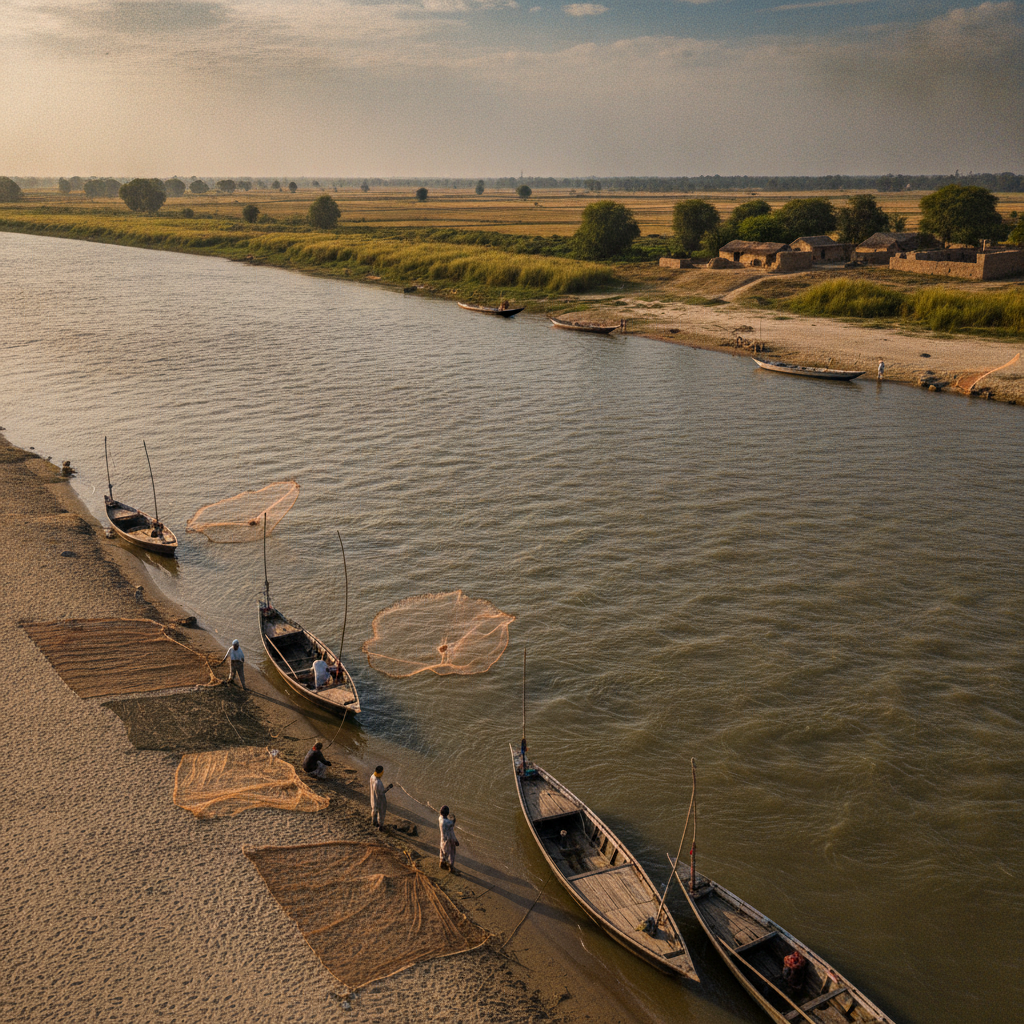
Multan Chenab River and Punjab Riverine Landscape
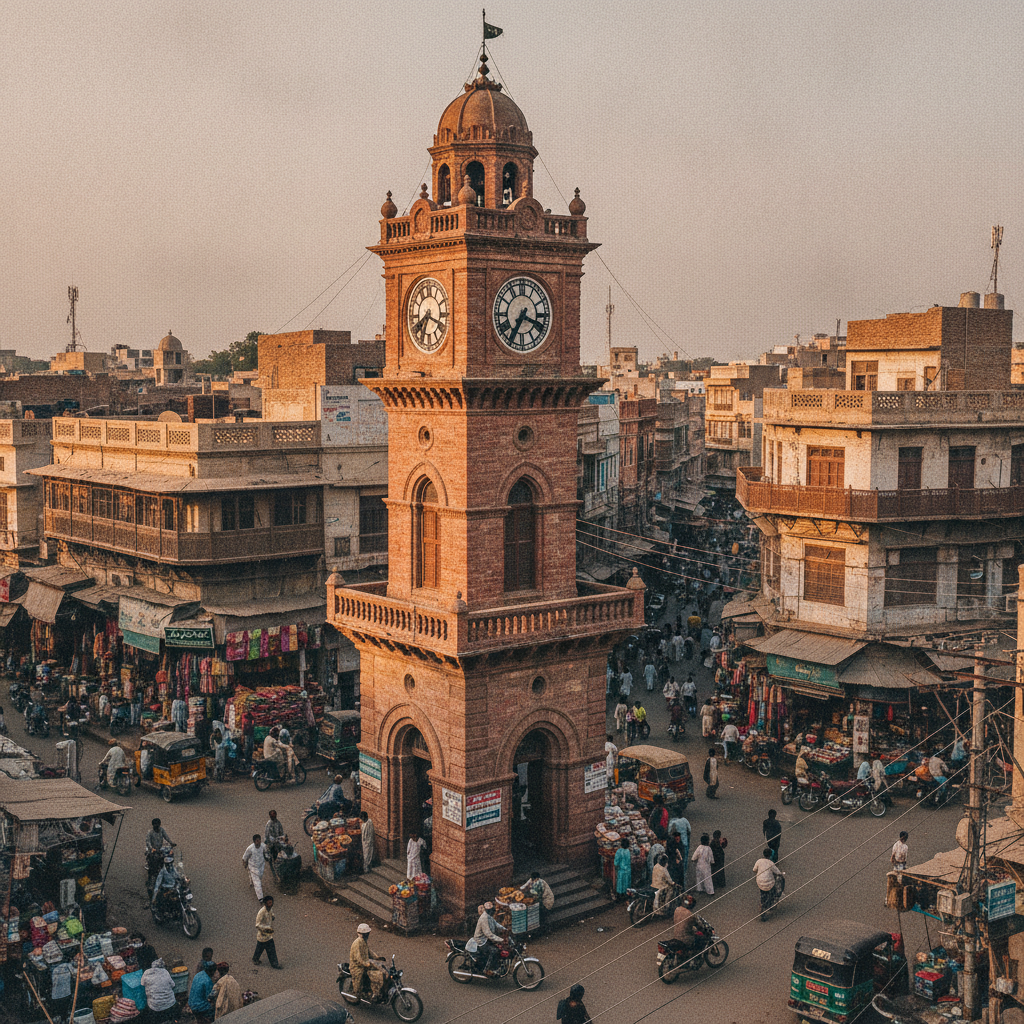
Multan Ghanta Ghar Clock Tower and Historic Bazaars
Multan Mango Capital of Pakistan Food Experience