Lago de Palmas: Brazil's Newest Capital on the Tocantins
Palmas — founded in 1989 — is Brazil's youngest and last planned capital; the artificial lake created by a hydroelectric dam, the cerrado landscape, and the planned grid create a unique Amazonian frontier city
- 1
Lago de Palmas Waterfront
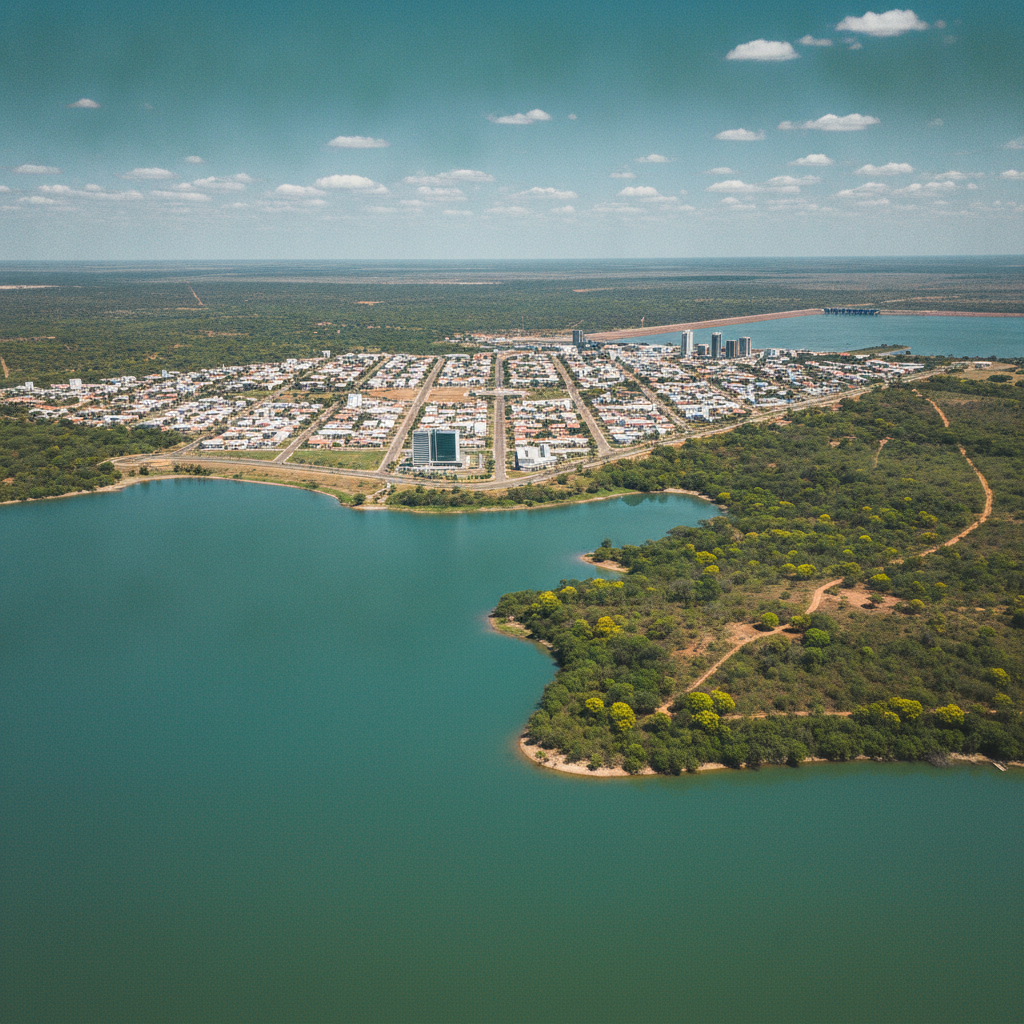
The man-made lake – created by the Luís Eduardo Magalhães dam – has become the centerpiece of Palma's leisure life; the boardwalk, beaches and water sports on the lake define the city's outdoor culture
- 2
Praia do Caju Artificial Beach
The man-made beaches of Palmas — with their white sand and calm warm waters — are the city's most popular destination; Praia do Caju and Praia da Graciosa are crowded on weekends
- 3
Praça dos Girassois
The gigantic central square – one of the world's largest – is the axis of Palma's planned layout; the monumental government buildings at the end of the square reflect the ambition of the 1989 urban planning
- 4
Planned urban network
Palma's grid – with its numbered blocks and superquadra housing – was designed by architect Luís Fernando Cruvinel Teixeira in 1989; the logic of the plan and its execution are visible from the city's central axis
- 5
Cerrado surrounding the city
Palmas is built in the cerrado biome — the savanna that surrounds the city is preserved in parks and ecological corridors as the city grows; The jacarandá and ipê trees planted in the streets are cerrado natives
- 6
Sunrise from the lake
Palma's sunrise over the man-made lake — the mist rising from the warm water, the cerrado hills on the opposite shore and the fishing boats starting their day — is the city's most peaceful daily spectacle
Walk this route with audio
Stories play automatically as you reach each stop — no tapping needed.
More in Palmas
Tocantins River: The Waterway That Created Palmas
Palmas Cerrado: Central Brazil's Ecological Heartland
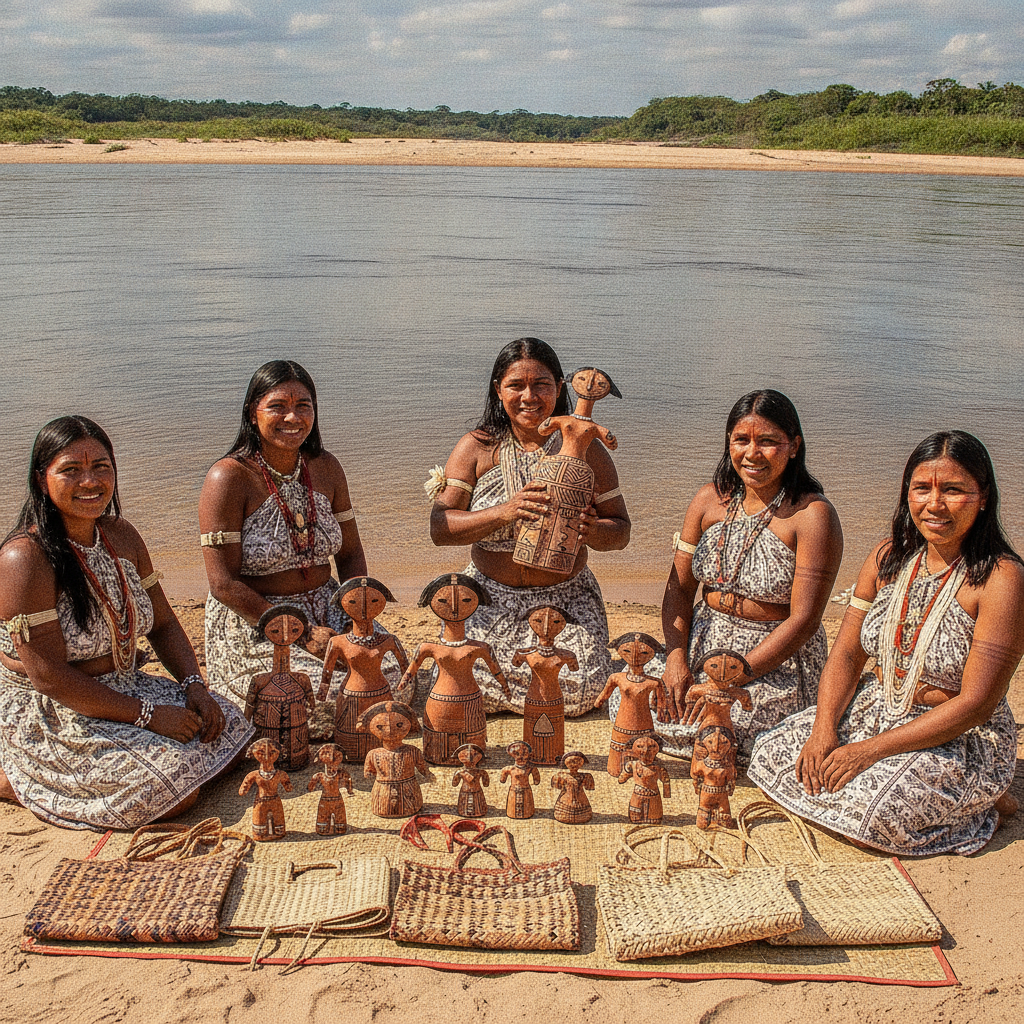
Karajá Culture: The Araguaia's Living Art Tradition
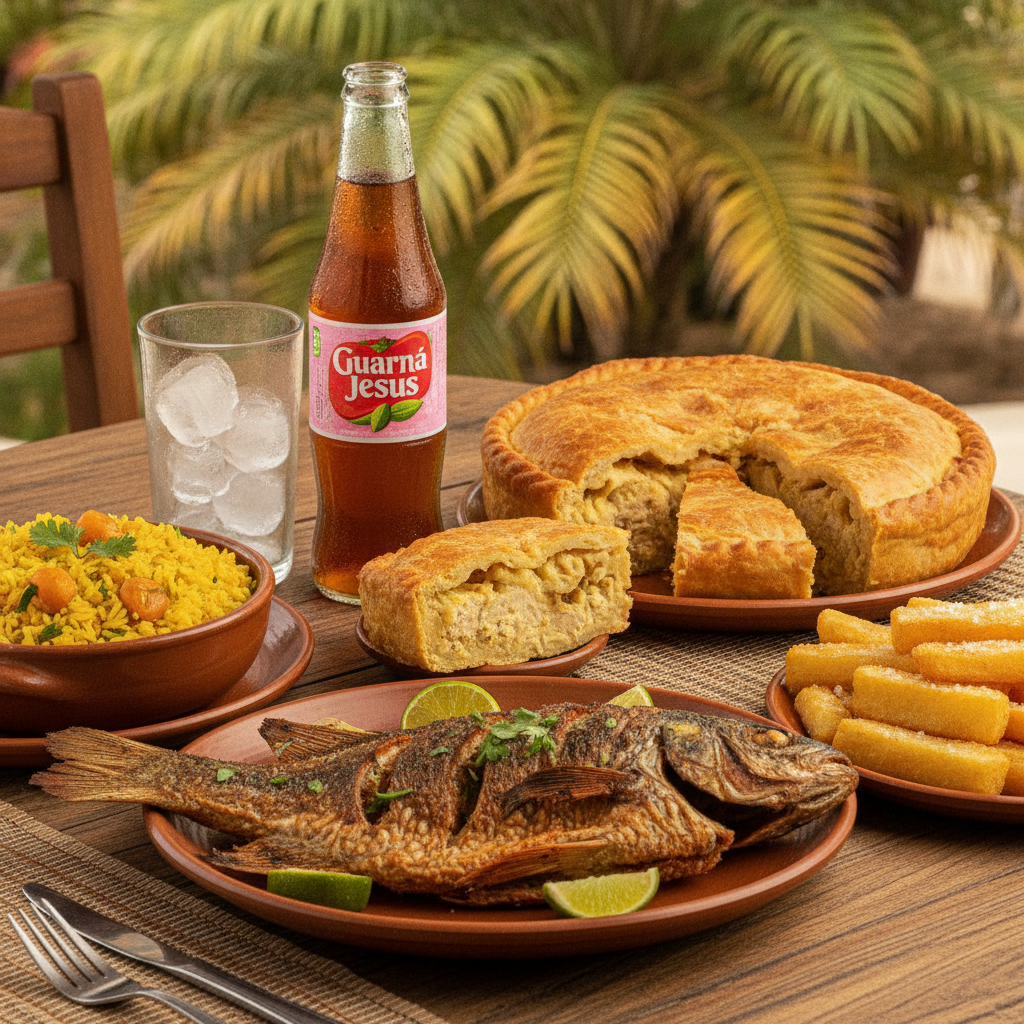
Tocantins at the Table: Pequi, River Fish & Frontier Flavours
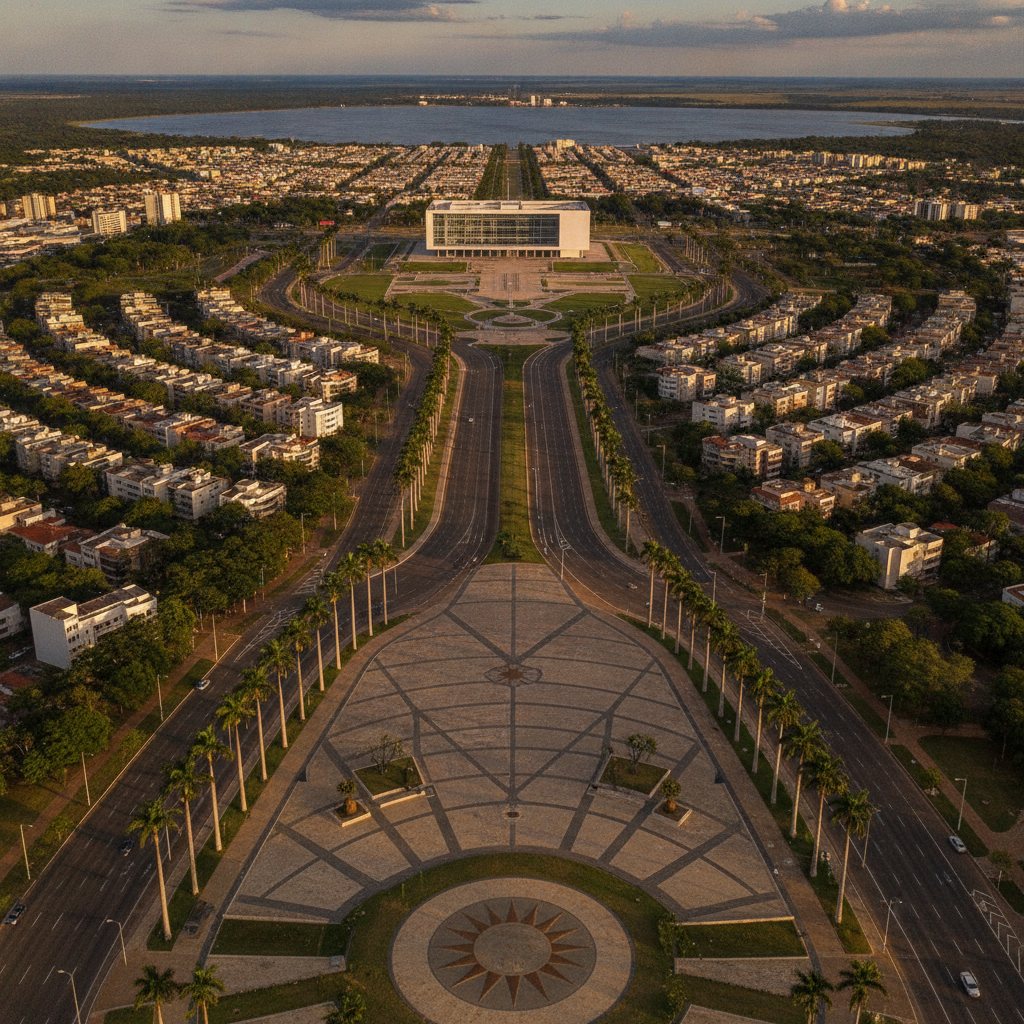
Palmas: The Last Great Planned City of the 20th Century