Palmas: The Last Great Planned City of the 20th Century
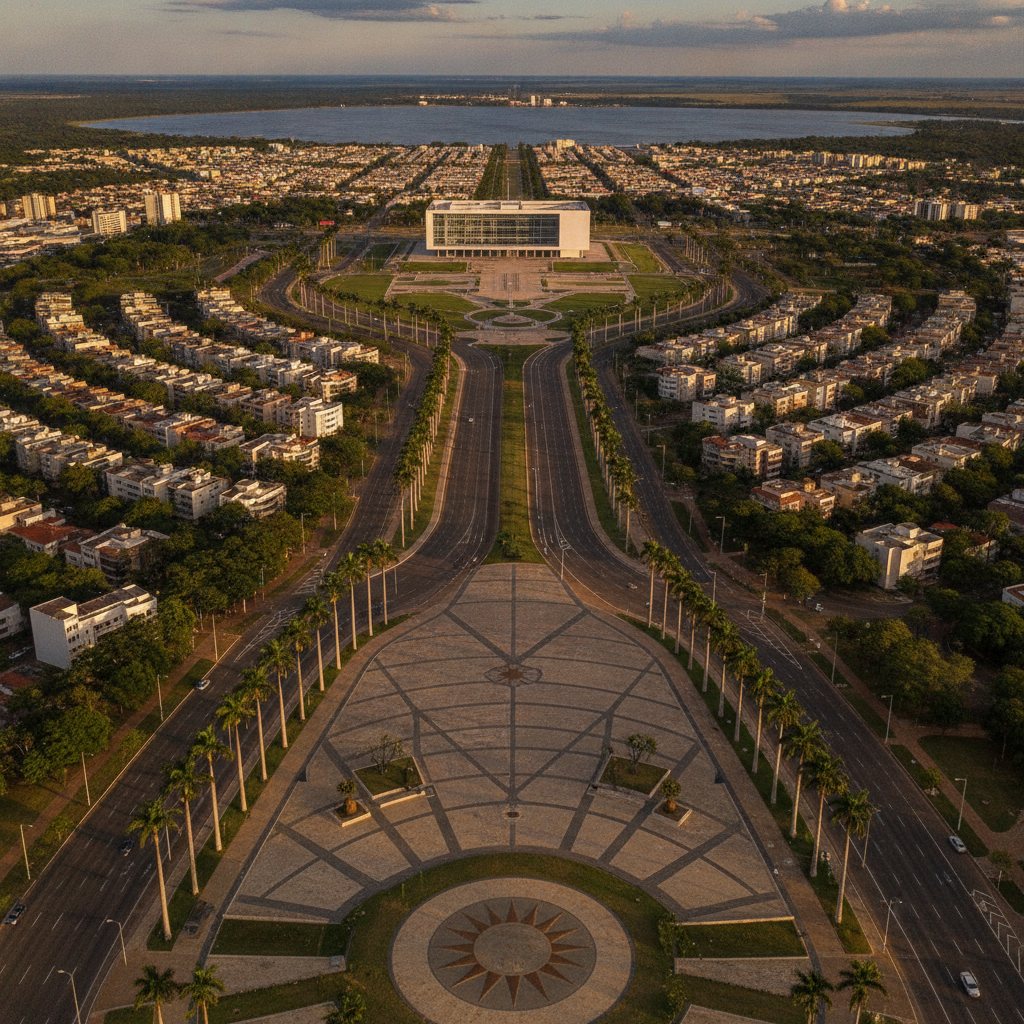
Palmas was founded in 1989 as Tocantins's state capital — the last major planned city of the 20th century; its modernist urban plan, massive civic square, and the story of its rapid construction are fascinating
- 1
Foundation Story 1989
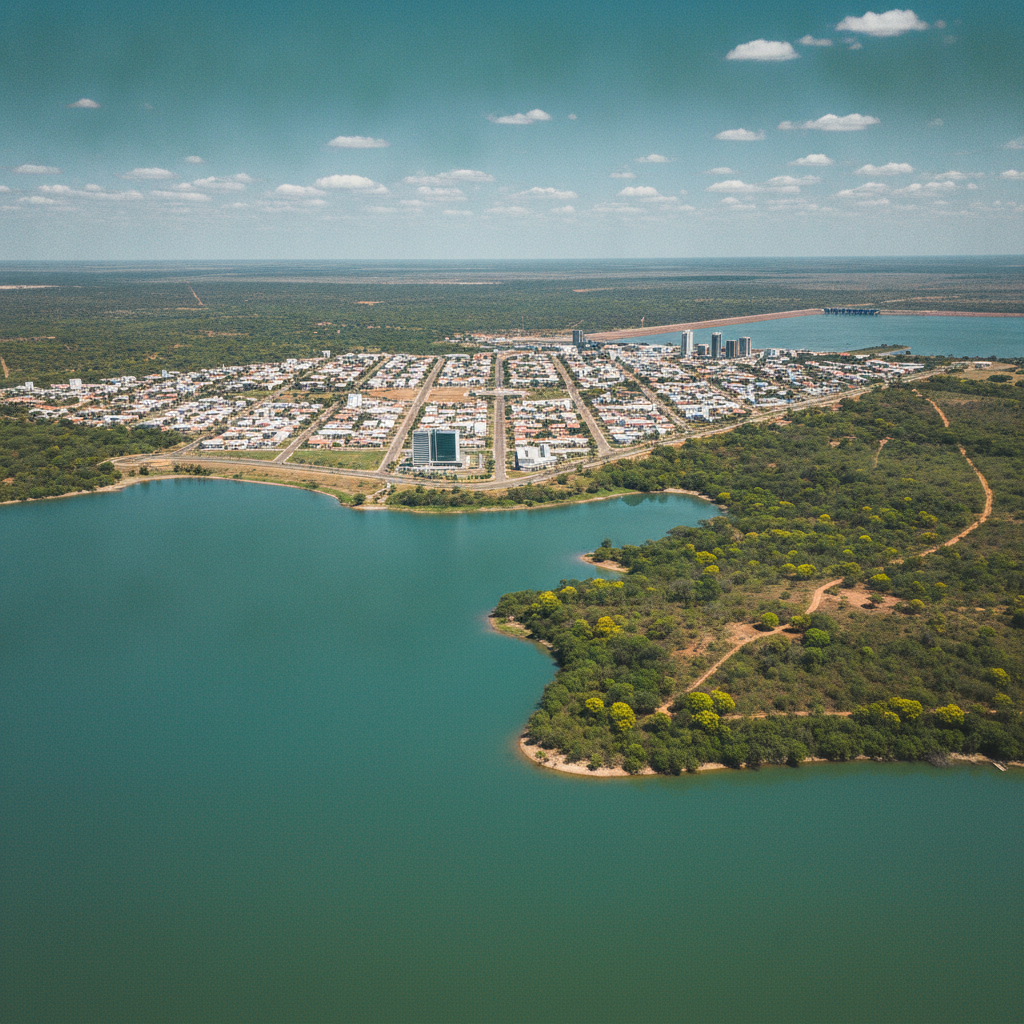
When Tocantins separated from Goiás in 1988, it needed a new capital - the site chosen on the Tocantins River was an empty savannah; within 5 years it had 60,000 inhabitants, within 30 years over 300,000
- 2
Superquadra's Urban Structure
Palma's residential areas are organized into superquadras – large blocks with internal pedestrian areas, schools and commerce – that reflect the Brasília model; the result is a car-centric city designed for a future that arrived
- 3
Palácio Araguaia
The State Government Palace – with its modernist design and cerrado-inspired landscape – anchors the Praça dos Girassóis; the building's blend of Brazilian modernism and tropical climate adaptation is distinctive
- 4
Rapid Growth Urbanism
Palmas grew faster than its planning infrastructure — the gaps in the superquadra system, the informal settlements on the outskirts of the city and the car dependency of the street network are the reality of rapid urban growth
- 5
Cerrado Urban Integration
The city's parks program has integrated native cerrado plants into the urban landscape — the ipê trees blooming yellow and purple along the avenues and the native grass corridors demonstrate urban ecological thinking
- 6
Tocantins State Identity
The creation of the Tocantins from northern Goiás in 1988 created a new state identity – distinct from the cerrado culture of central Brazil with its own political institutions, symbols and the rapid urbanization represented by Palmas
Walk this route with audio
Stories play automatically as you reach each stop — no tapping needed.
More in Palmas
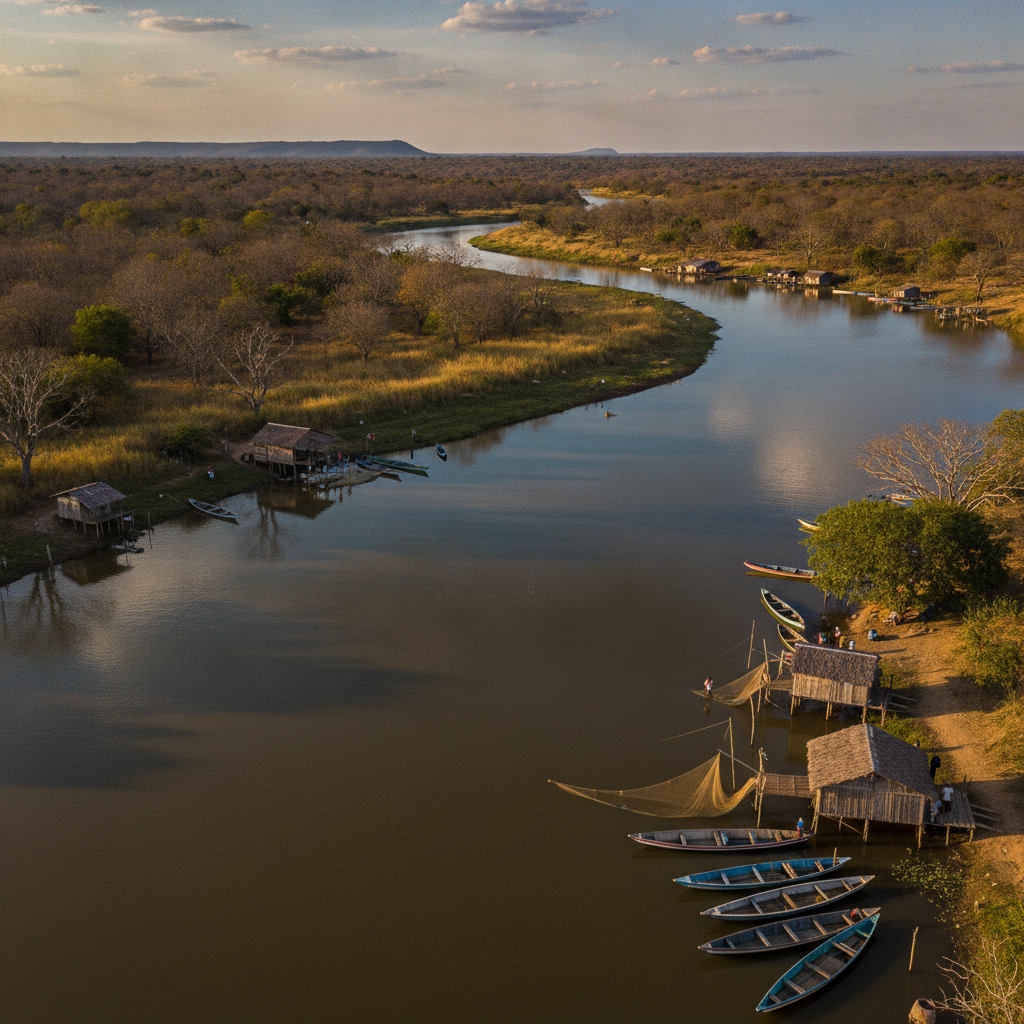
Tocantins River: The Waterway That Created Palmas

Palmas Cerrado: Central Brazil's Ecological Heartland
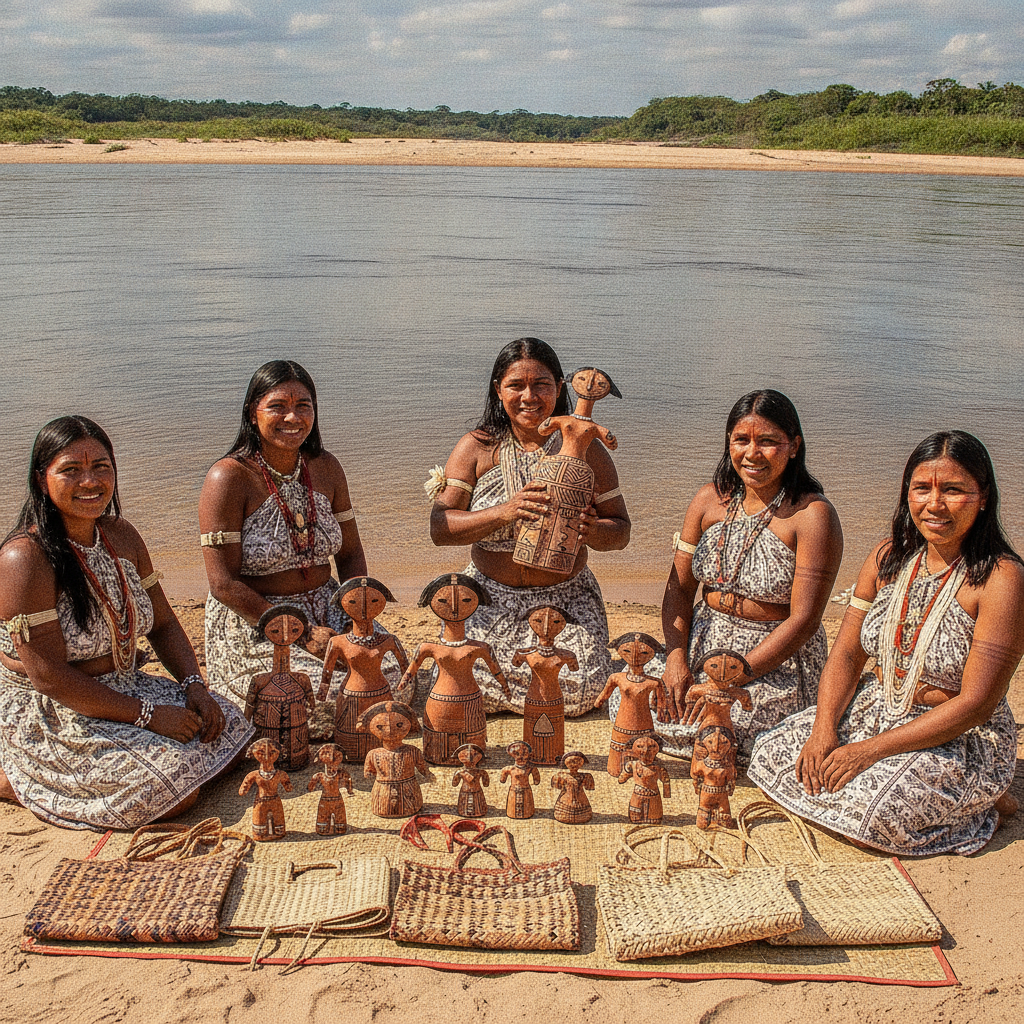
Karajá Culture: The Araguaia's Living Art Tradition
Lago de Palmas: Brazil's Newest Capital on the Tocantins
Tocantins at the Table: Pequi, River Fish & Frontier Flavours