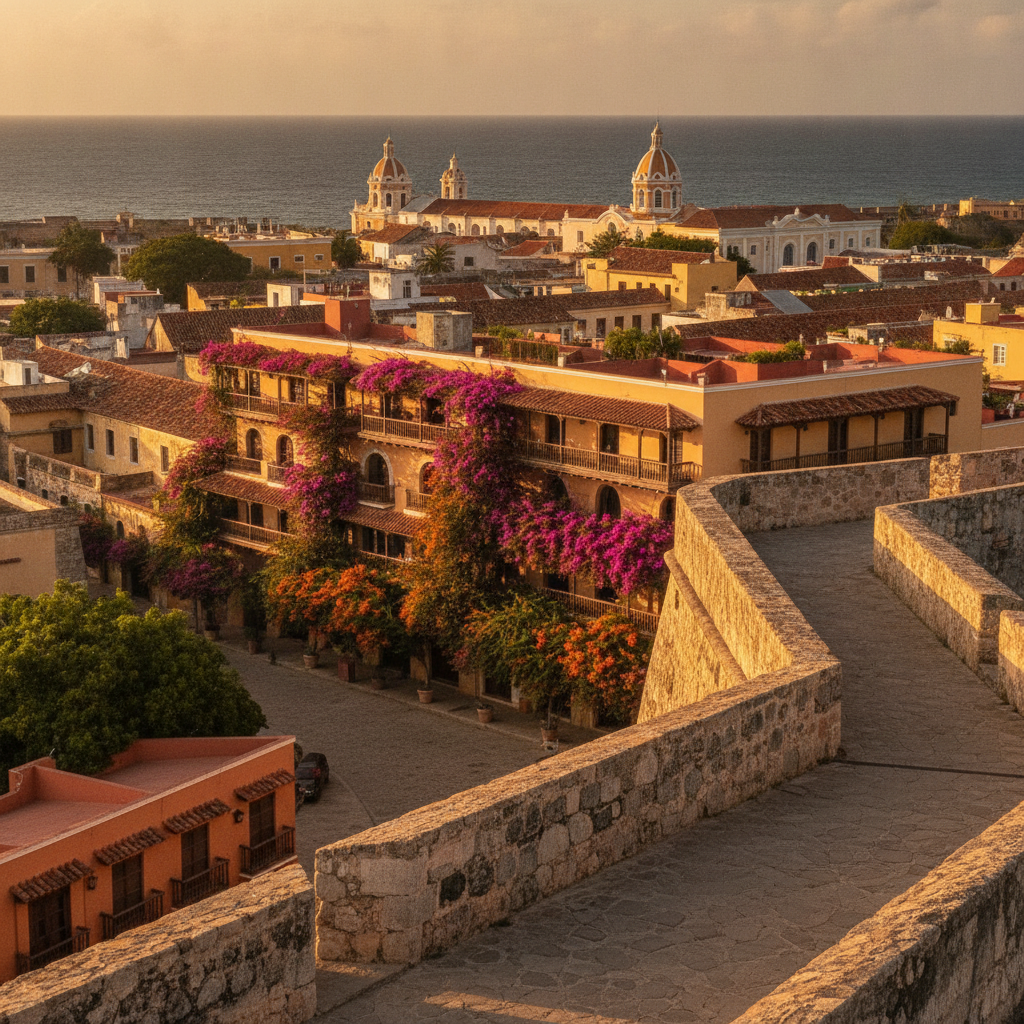
La Ciudad Amurallada — La Città Coloniale UNESCO di Cartagena
Cartagena de Indias (città portuale sulla costa caraibica della Colombia — Sito del Patrimonio Mondiale UNESCO (designato nel 1984) e la destinazione turistica più visitata della Colombia dopo Bogotá): la 'Ciudad Amurallada' è la città coloniale spagnola meglio conservata nelle Americhe e la città più fotografata della Colombia.
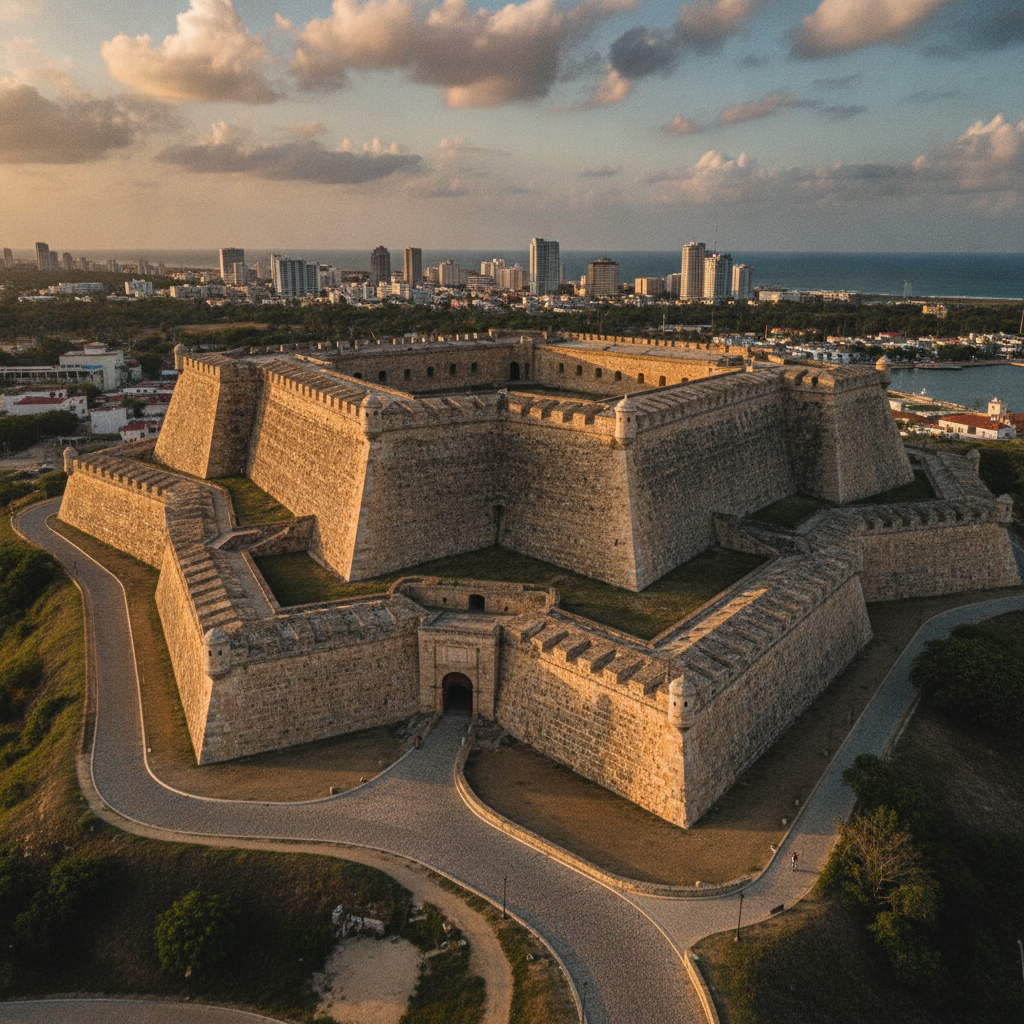
Castillo San Felipe de Barajas e il Patrimonio Militare di Cartagena
Il Castillo San Felipe de Barajas (la massiccia fortezza coloniale spagnola sulla collina San Lázaro sopra Cartagena — la più grande fortezza costruita dalla Spagna nelle Americhe) è il supremo capolavoro dell'architettura militare coloniale spagnola.
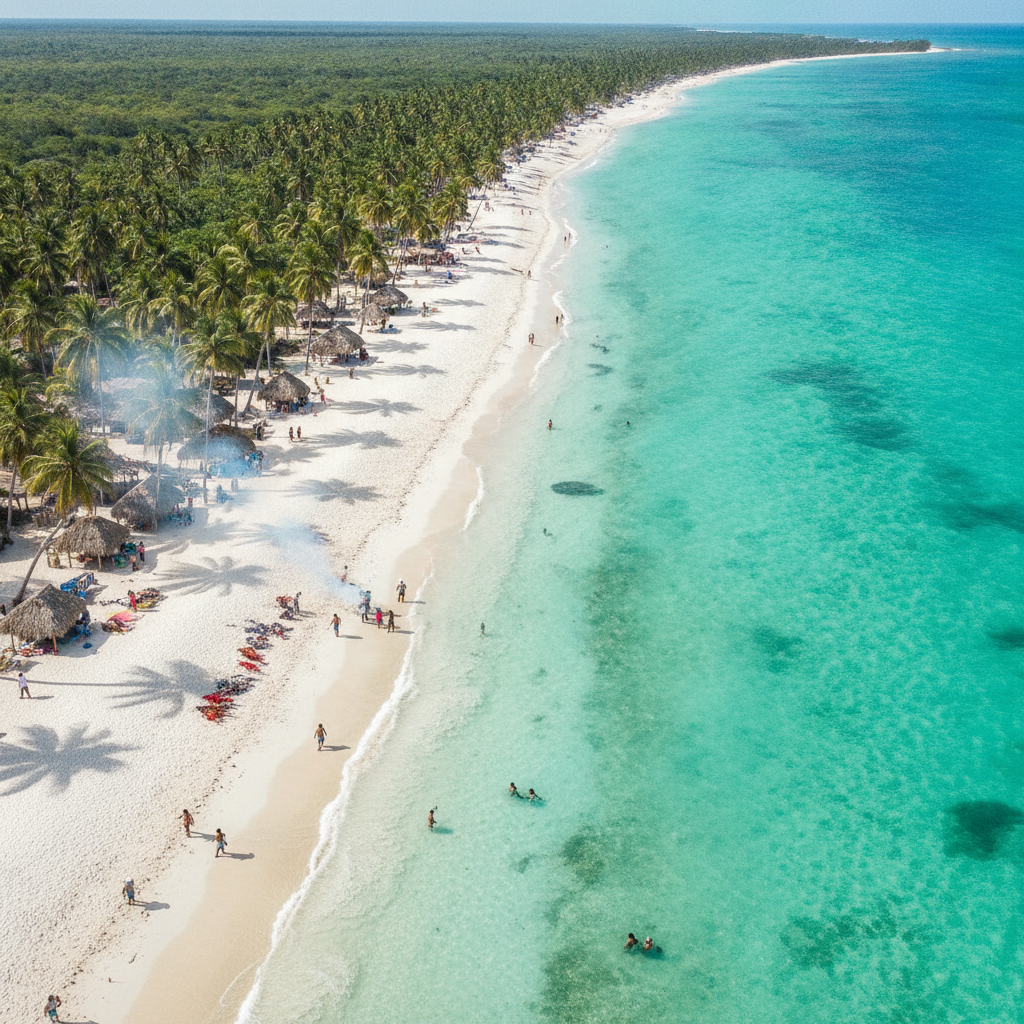
Playa Blanca, Barú e l'Esperienza di Spiaggia Caraibica di Cartagena
Le spiagge della costa caraibica accessibili da Cartagena — Playa Blanca sulla Penisola di Barú (la spiaggia più bella della Colombia, a 45 minuti in barca), le Isole del Rosario e le spiagge urbane di Bocagrande e Marbella — insieme costituiscono una delle migliori esperienze di spiaggia caraibica disponibili in Sud America.
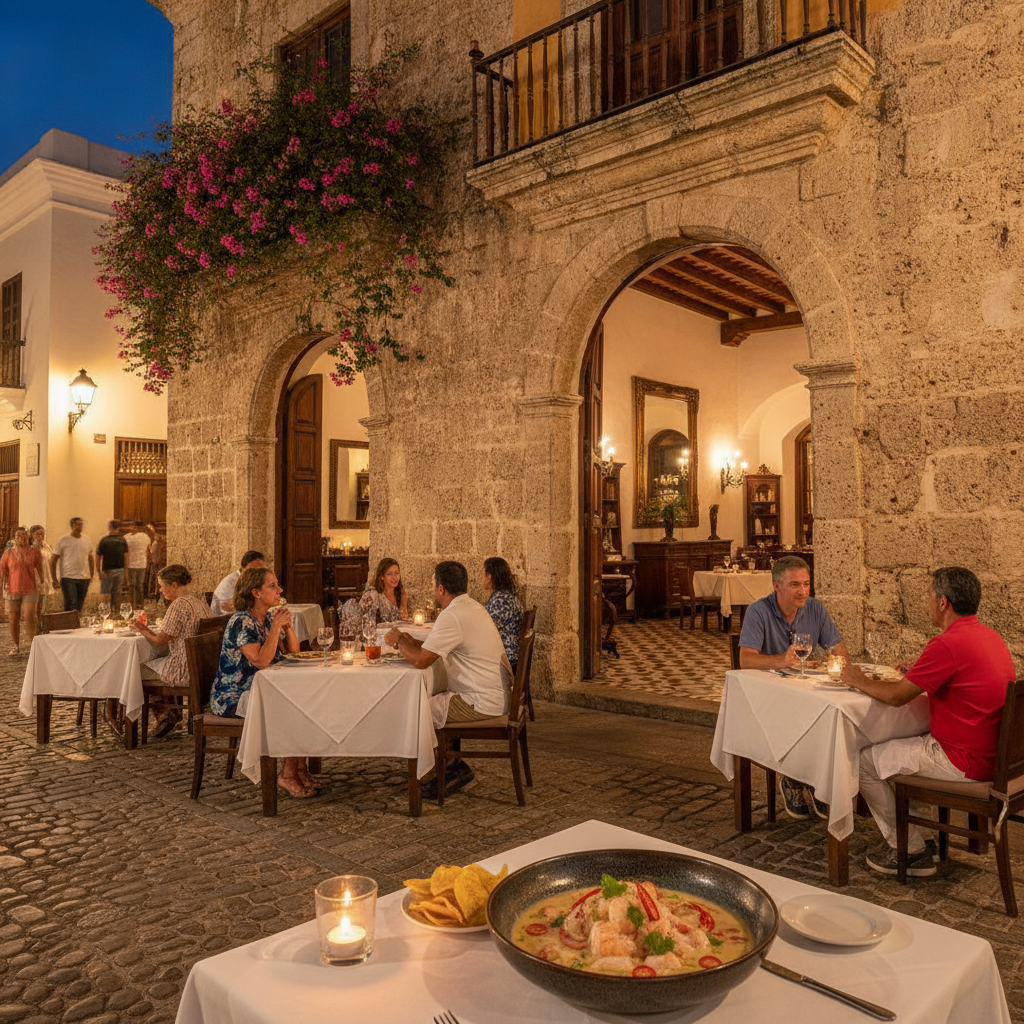
La Scena Ristorativa Moderna di Cartagena e la Cucina Colombiana Creativa
Cartagena's modern restaurant scene (the collection of creative restaurants in the walled city and Getsemaní that has made Cartagena one of the most exciting gastronomic destinations in South America in the 2010s-2020s — the restaurants serving the contemporary interpretations of the Colombian Caribbean coast cuisine alongside the international influences of the city's cosmopolitan tourism industry) has transformed the city into a culinary destination of international renown.
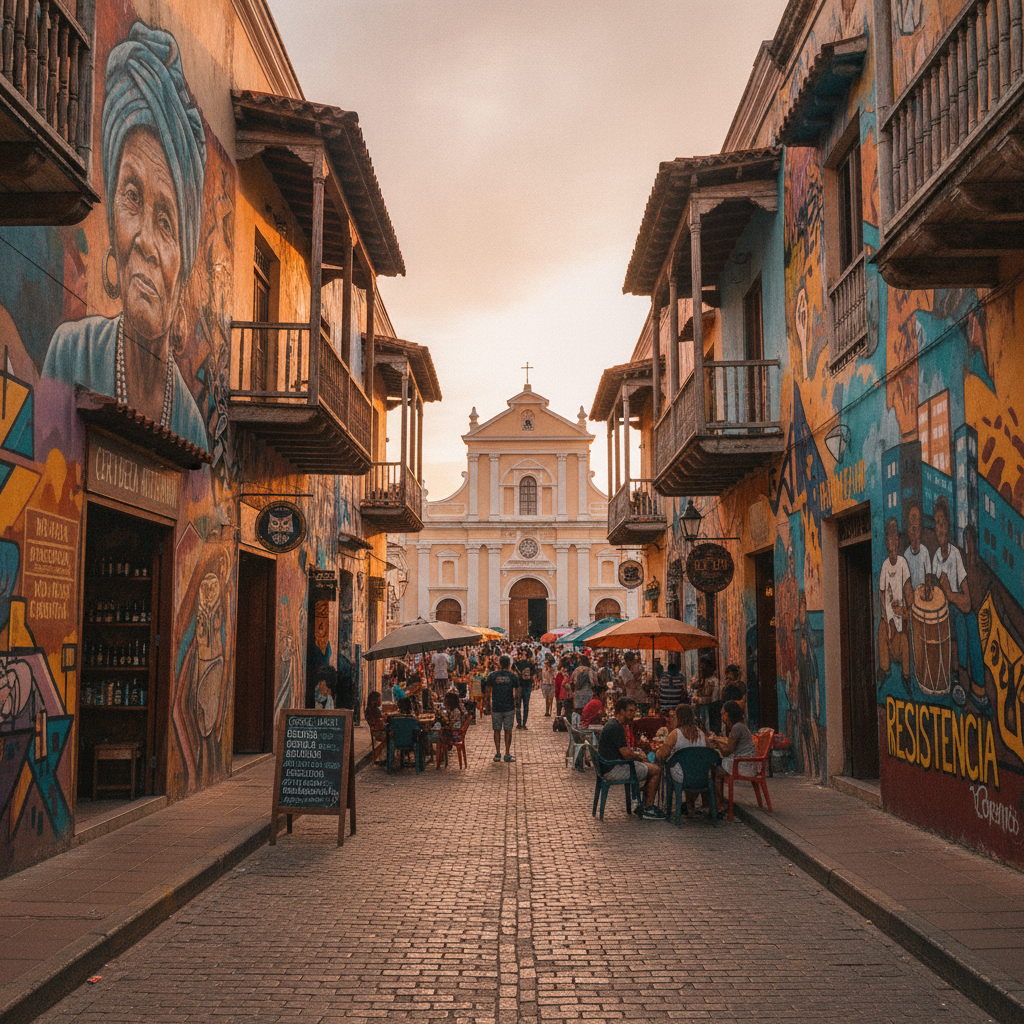
Getsemaní, Street Art e la Scena Creativa di Cartagena
Getsemaní (the neighbourhood immediately outside the city wall of Cartagena — the former working-class neighbourhood that has undergone the most dramatic creative transformation of any neighbourhood in Colombia in the 2010s, from a dangerous, marginalized area to the most vibrant arts, street food, craft beer, and nightlife destination in Cartagena) is now the most exciting neighbourhood in the city.
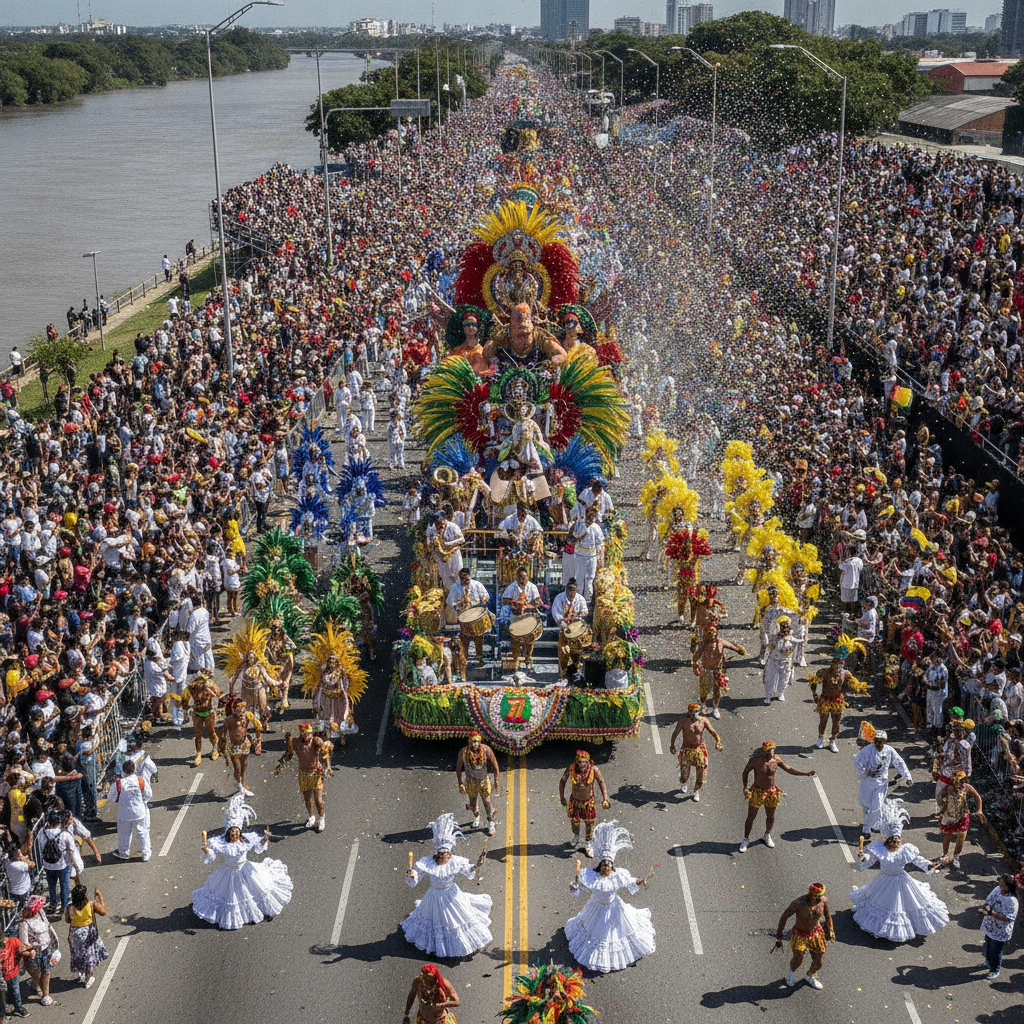
Carnaval de Barranquilla e la Cultura della Costa Caraibica della Colombia
Il Carnaval de Barranquilla (Patrimonio Culturale Immateriale dell'Umanità UNESCO — il secondo carnevale più grande del mondo) e la cultura della costa caraibica colombiana (la cumbia, il porro, il mapalé, il vallenato) sono accessibili come gita giornaliera da Cartagena.
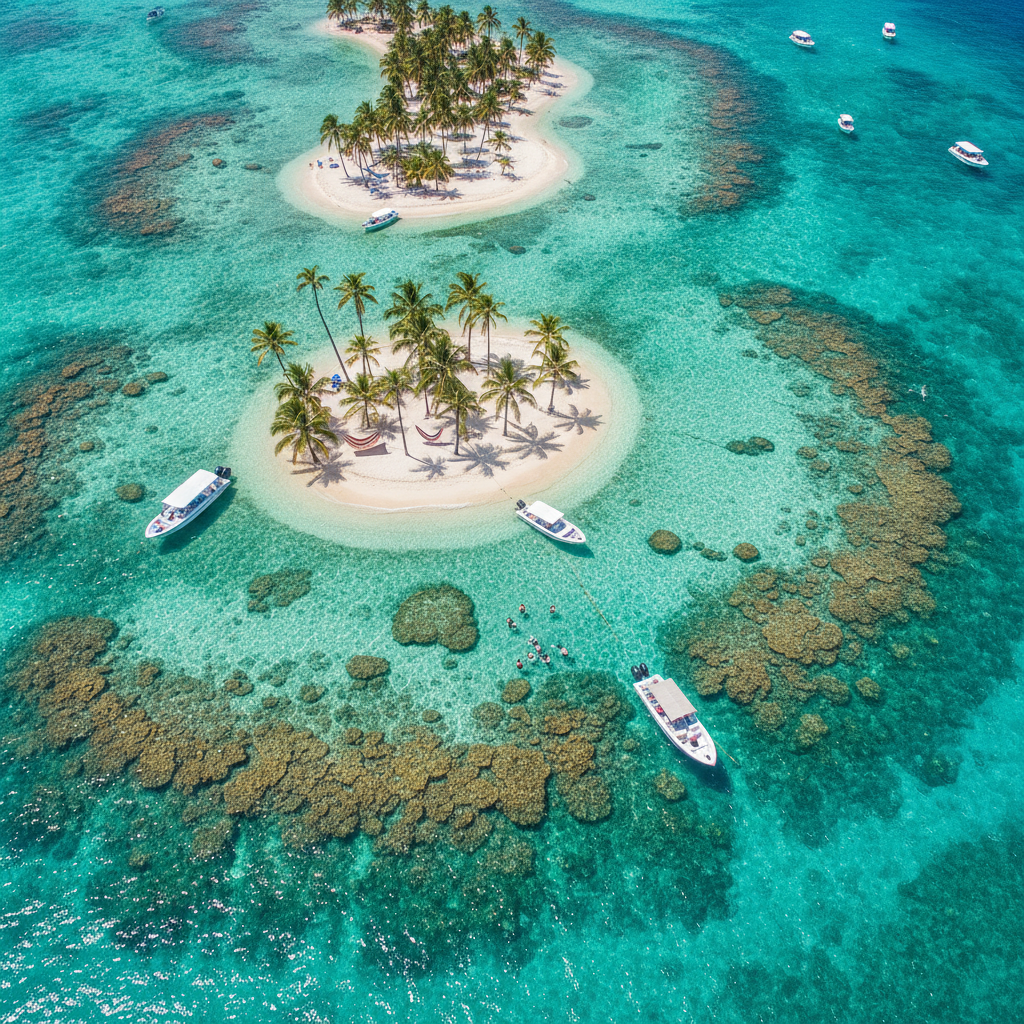
Isole del Rosario, Immersioni e il Parco Marino di Cartagena
The Islas del Rosario (the 27-island coral archipelago in the Parque Nacional Natural Corales del Rosario y San Bernardo, 45 km southwest of Cartagena) offer some of the finest coral reef scuba diving and snorkelling in Colombia, with the extraordinary water clarity of the Caribbean, the elkhorn and brain coral formations, and the diverse marine life of the Colombian national marine park.
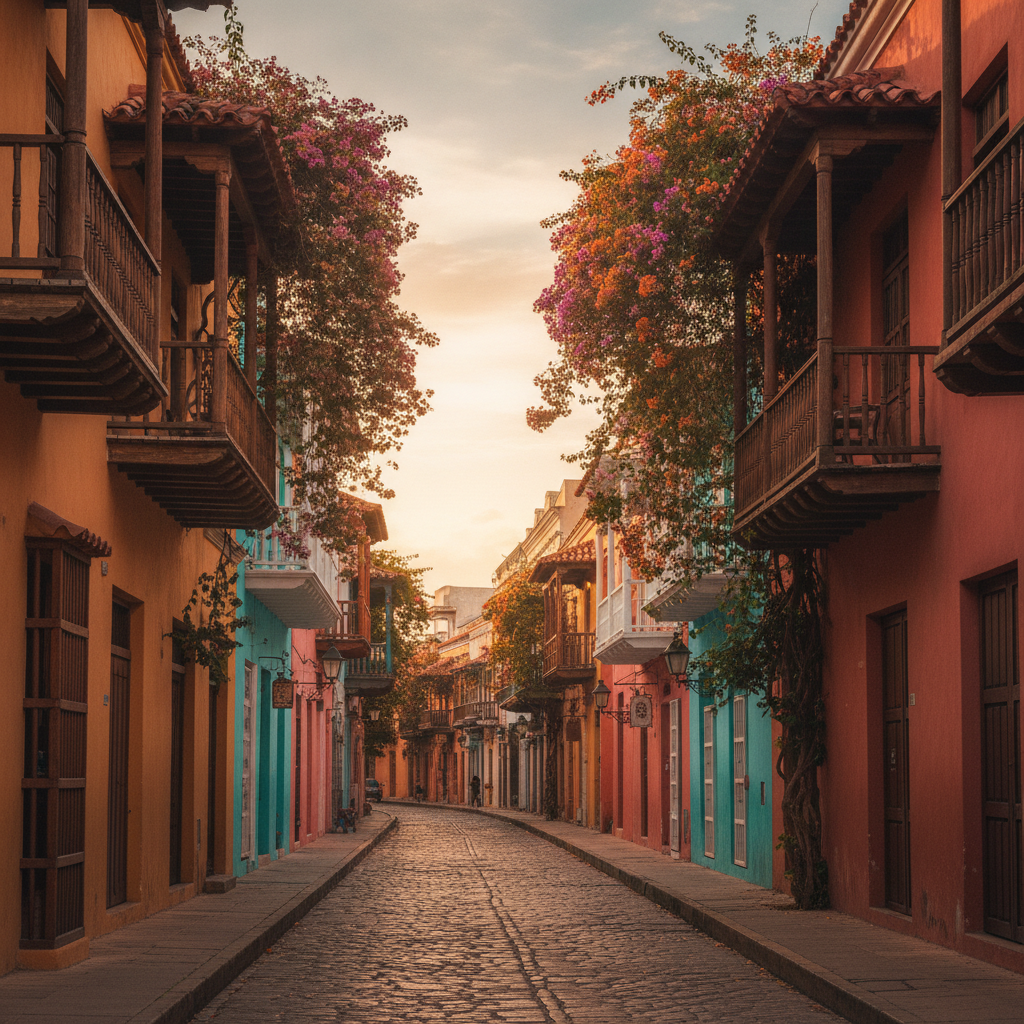
L'Architettura Coloniale Colorata e la Buganvillea di Cartagena
Cartagena's coloured colonial architecture (the ochre, yellow, pink, terracotta, and blue facades of the Spanish colonial buildings in the walled city, draped in the purple, orange, and red bougainvillea that spills over every balcony and rooftop) is the defining visual identity of the city — the image that has made Cartagena the most photographed city in Colombia and one of the most photographed in all of Latin America.
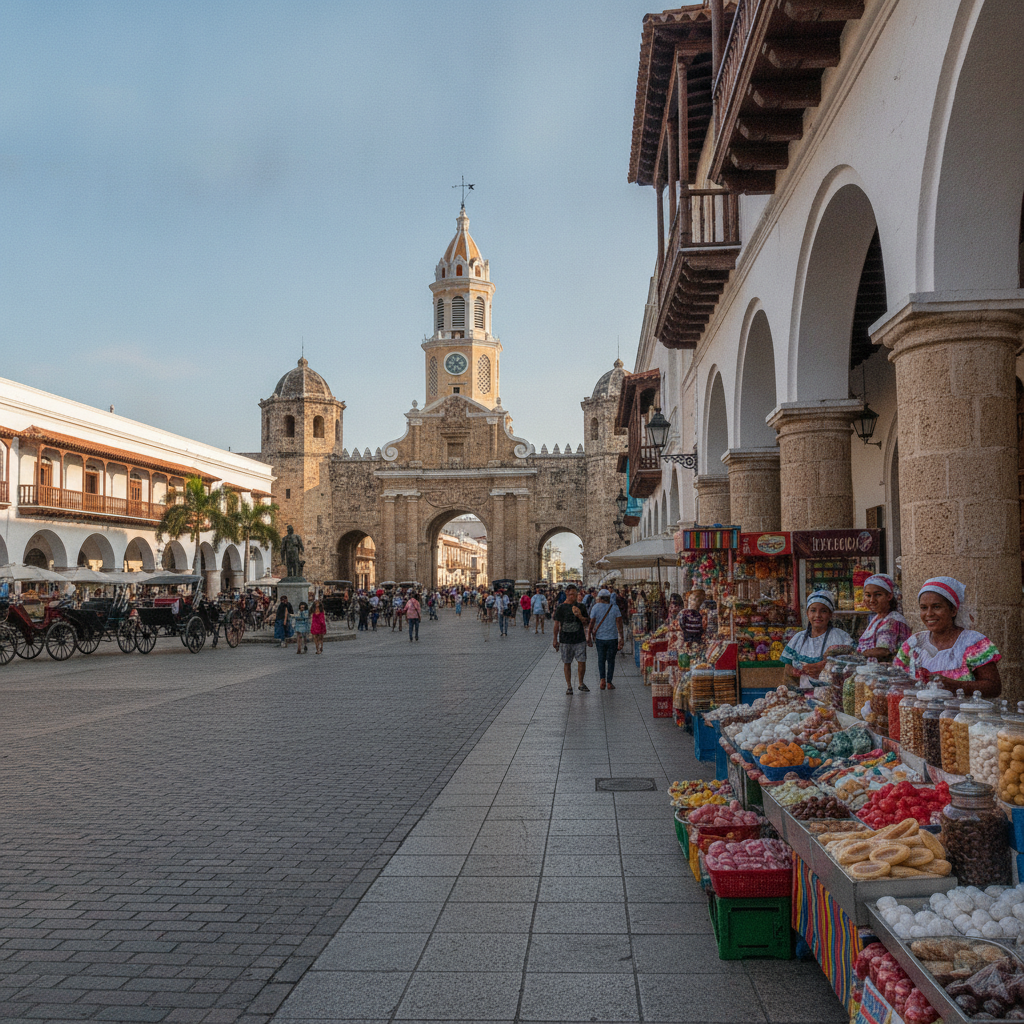
Le Piazze Storiche, i Conventi e i Palazzi di Cartagena
The historic plazas of Cartagena's walled city — the Plaza de Bolívar, the Plaza de los Coches (the 'Coach Square' — the plaza at the Puerta del Reloj gate where the slave market was held in the colonial period), the Plaza de la Aduana (the 'Customs House Square'), and the Plaza de San Pedro Claver — and the historic convents and mansions that surround them are the architectural heart of the UNESCO Heritage Site.