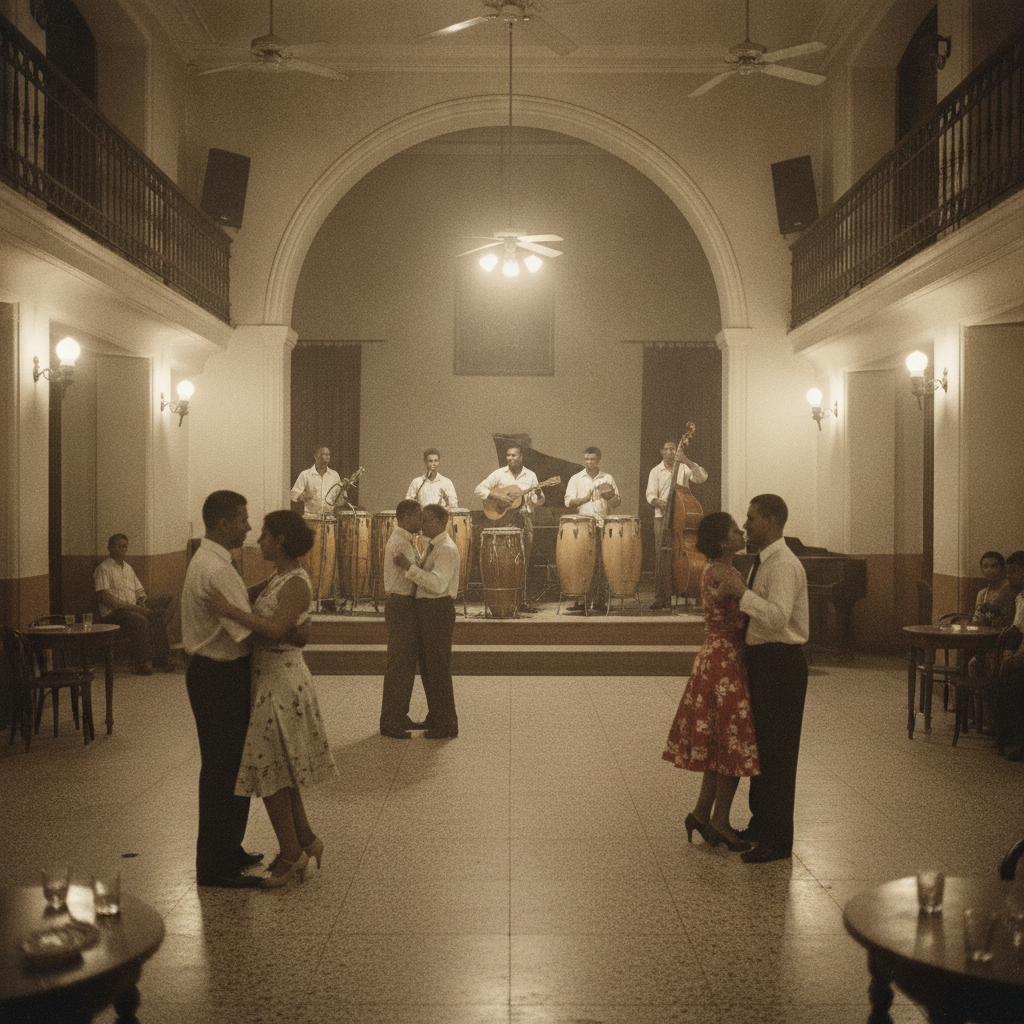
Son Cubano, Salsa e la Viva Cultura Musicale dell'Avana
L'Avana (la città che ha dato al mondo il son cubano, il mambo, il cha-cha-chá, il bolero e la danzonete): la musica dell'Avana — la cultura musicale viva di una città dove gli angoli delle strade hanno band di salsa, i bar hanno cantanti di trova e i grandi hotel hanno orchestre di mambo — è la più potente esportazione culturale di Cuba.
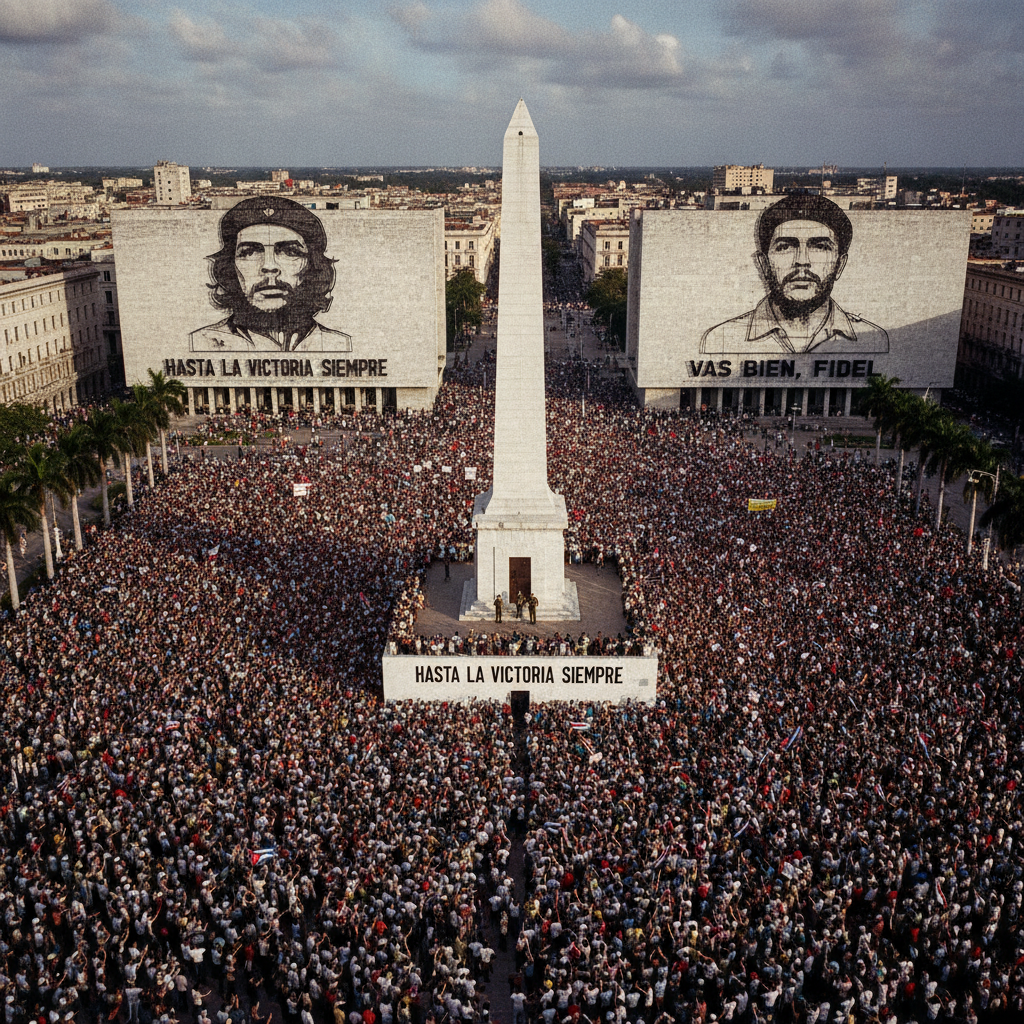
Vedado, Plaza de la Revolución e L'Avana del XX Secolo
Vedado (the upscale 20th-century district west of La Habana Vieja — the district of the Hotel Nacional, the Art Deco apartment buildings, the Universidad de La Habana, and the Coppelia ice cream park) and the Plaza de la Revolución (the enormous civic square with the Che Guevara mural and the José Martí memorial) represent the 20th-century face of Havana, from the opulence of the pre-Revolutionary period to the revolutionary iconography of the post-1959 period.
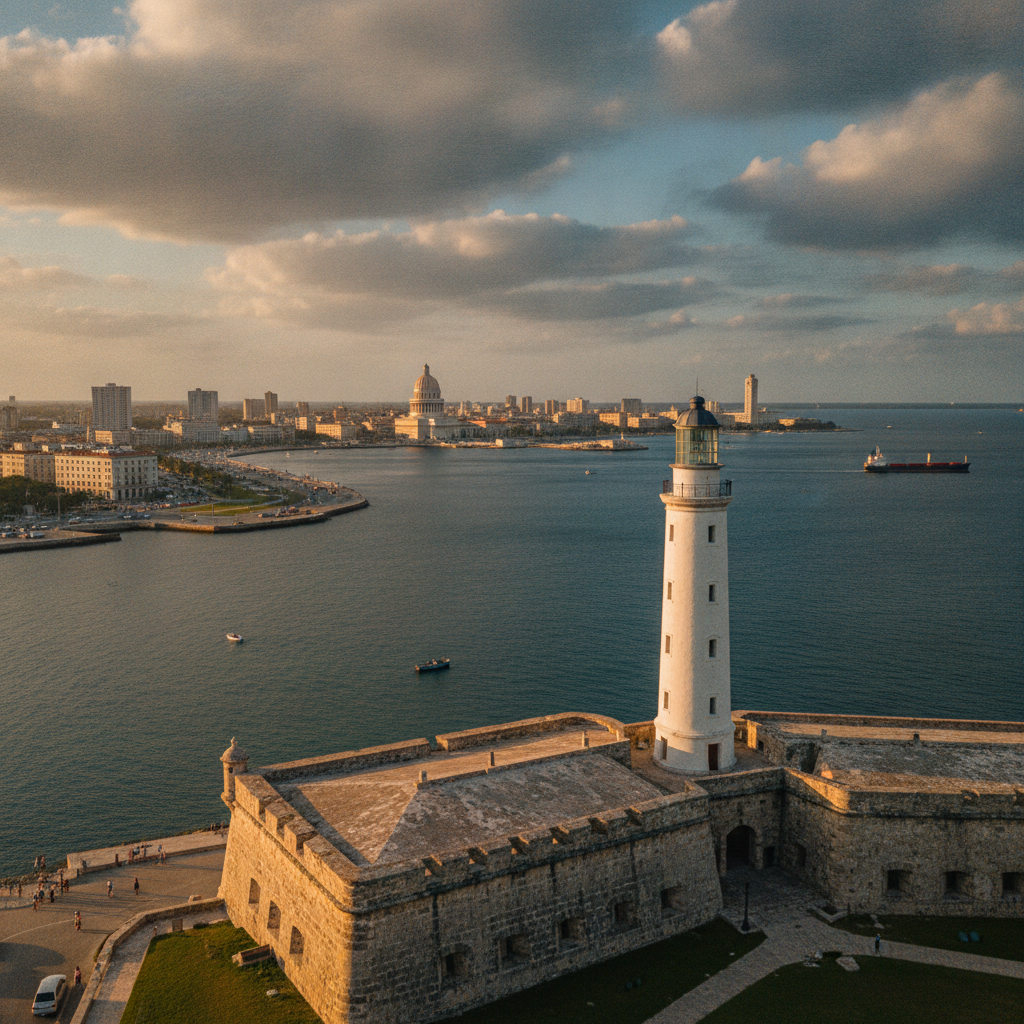
El Morro, il Porto dell'Avana e la Baia
The Castillo de los Tres Reyes del Morro ('El Morro' — the 16th-17th century Spanish colonial fortress on the eastern headland of Havana harbour, the most photographed landmark in Cuba) and the adjoining Fortaleza de San Carlos de la Cabaña (the 18th-century fortress — the largest Spanish colonial fortress in the Americas) together guard the entrance to the Havana Bay, offering the finest panoramic views of Havana and the ritual of the 'Cañonazo' (the nightly 9 PM cannon firing).
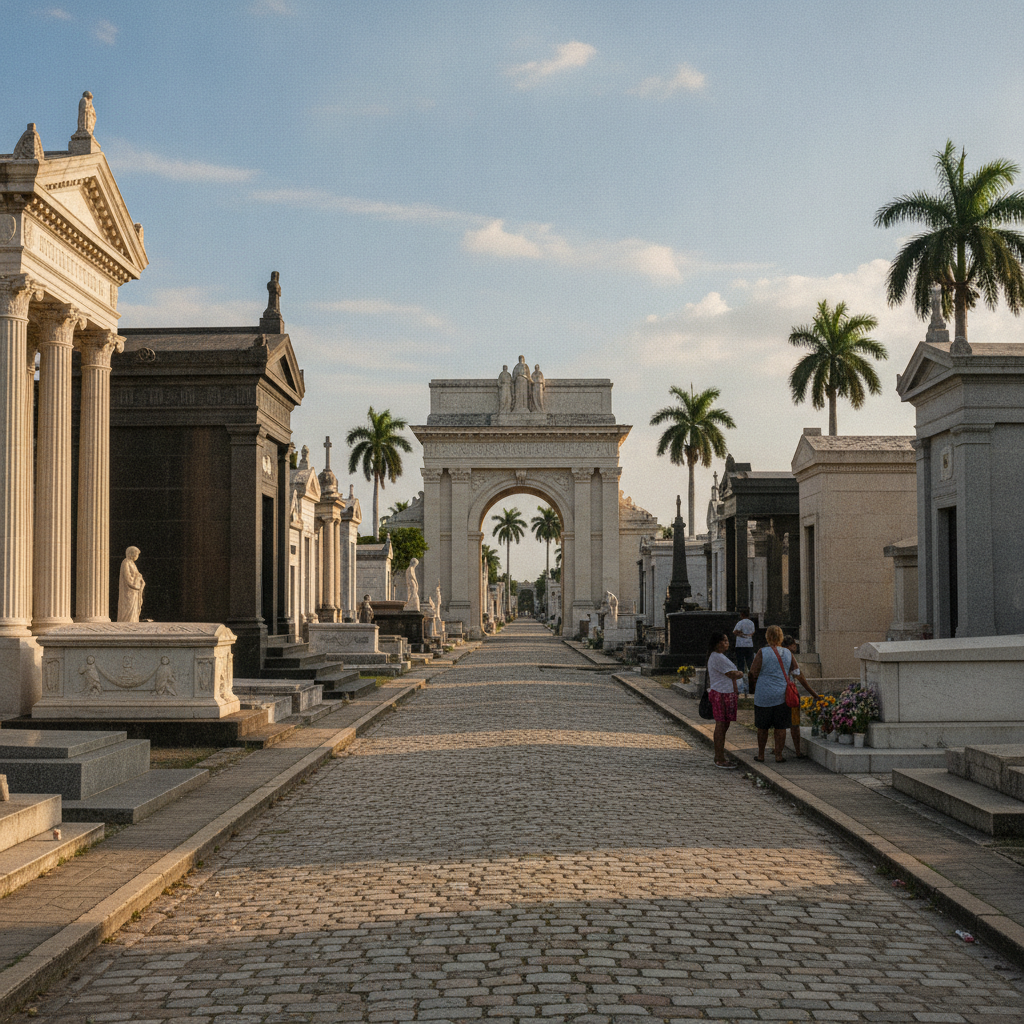
Cimitero di Colón — La Città dei Morti dell'Avana
The Cementerio de Cristóbal Colón (the 'Christopher Columbus Cemetery' — the vast neoclassical cemetery in the Vedado district of Havana, covering 57 hectares (141 acres) with over 800,000 burial sites) is one of the most remarkable necropoli in the Americas — a city of the dead with the most extraordinary collection of funerary architecture in the Caribbean, from neoclassical mausoleums to Art Deco tombs to modernist memorials.
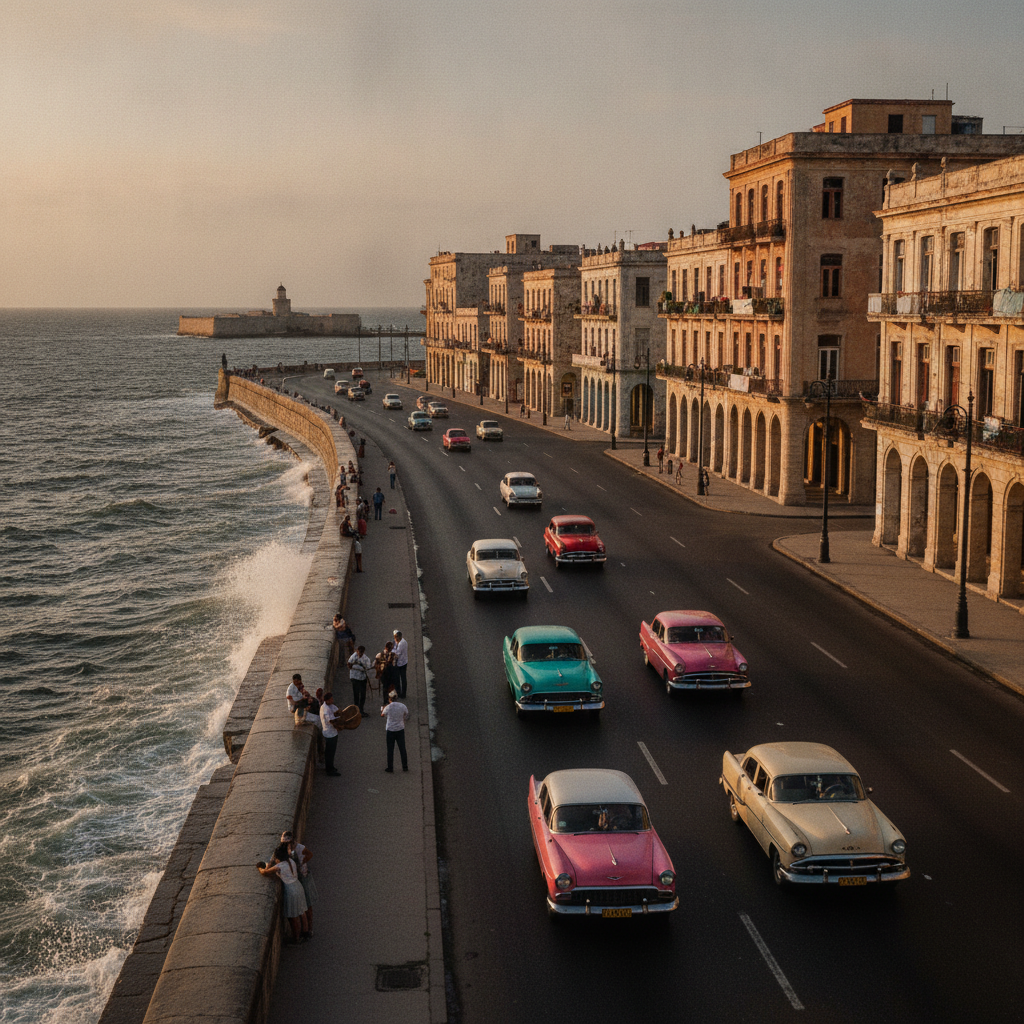
Habana Vieja, il Malecón e le Auto d'Epoca dell'Avana
L'Avana (la capitale di Cuba, con circa 2,1 milioni di abitanti in città): il Sito del Patrimonio Mondiale UNESCO della Vecchia Avana (La Habana Vieja) e il Malecón (il lungomare di 8 chilometri — lo spazio pubblico più famoso di Cuba) sono il cuore dell'identità dell'Avana.
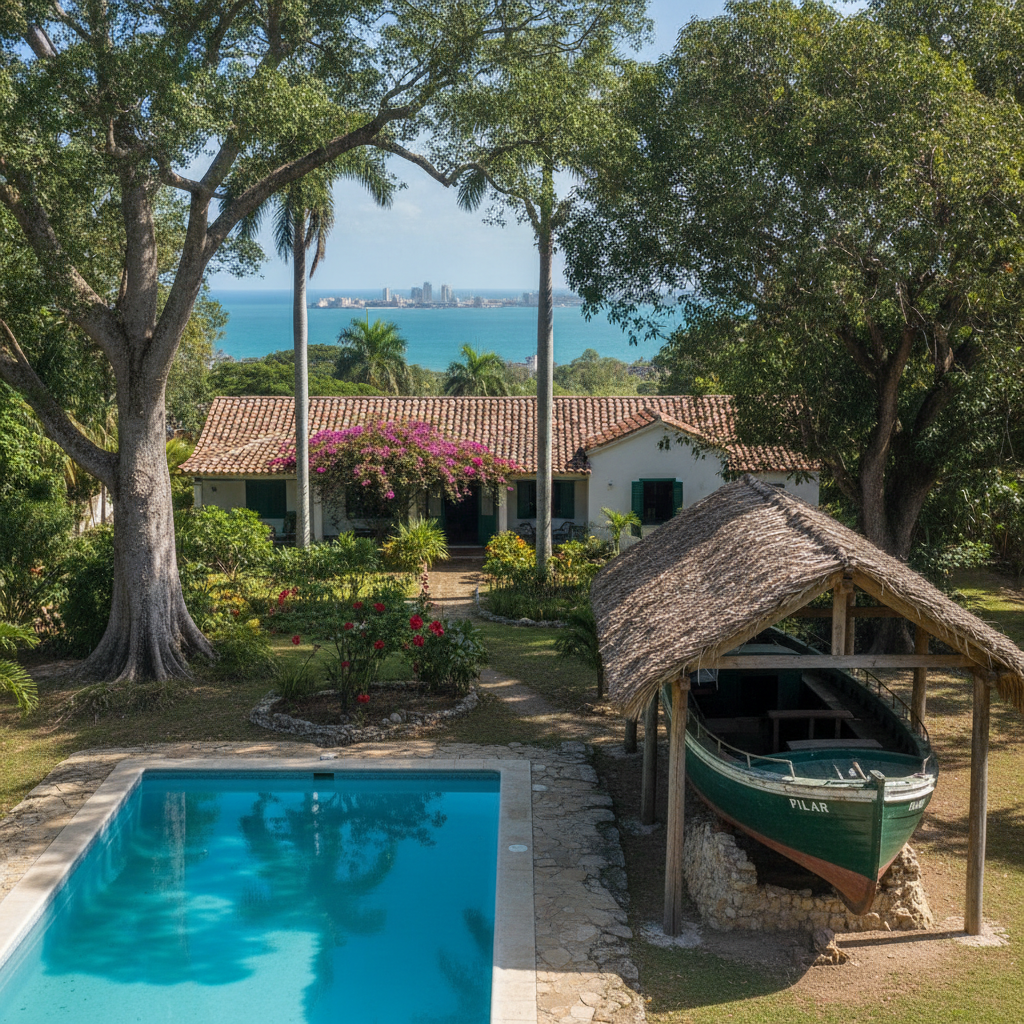
L'Avana di Hemingway — Finca Vigía, Cojímar e Il Vecchio e il Mare
Ernest Hemingway visse a Cuba per 22 anni (1939-1960), più a lungo che in qualsiasi altro posto al mondo — gli anni in cui scrisse 'Per chi suona la campana' (1940) e 'Il vecchio e il mare' (1952), la novella che vinse il Premio Pulitzer (1953) e che fu citata quando Hemingway ricevette il Premio Nobel per la Letteratura (1954).
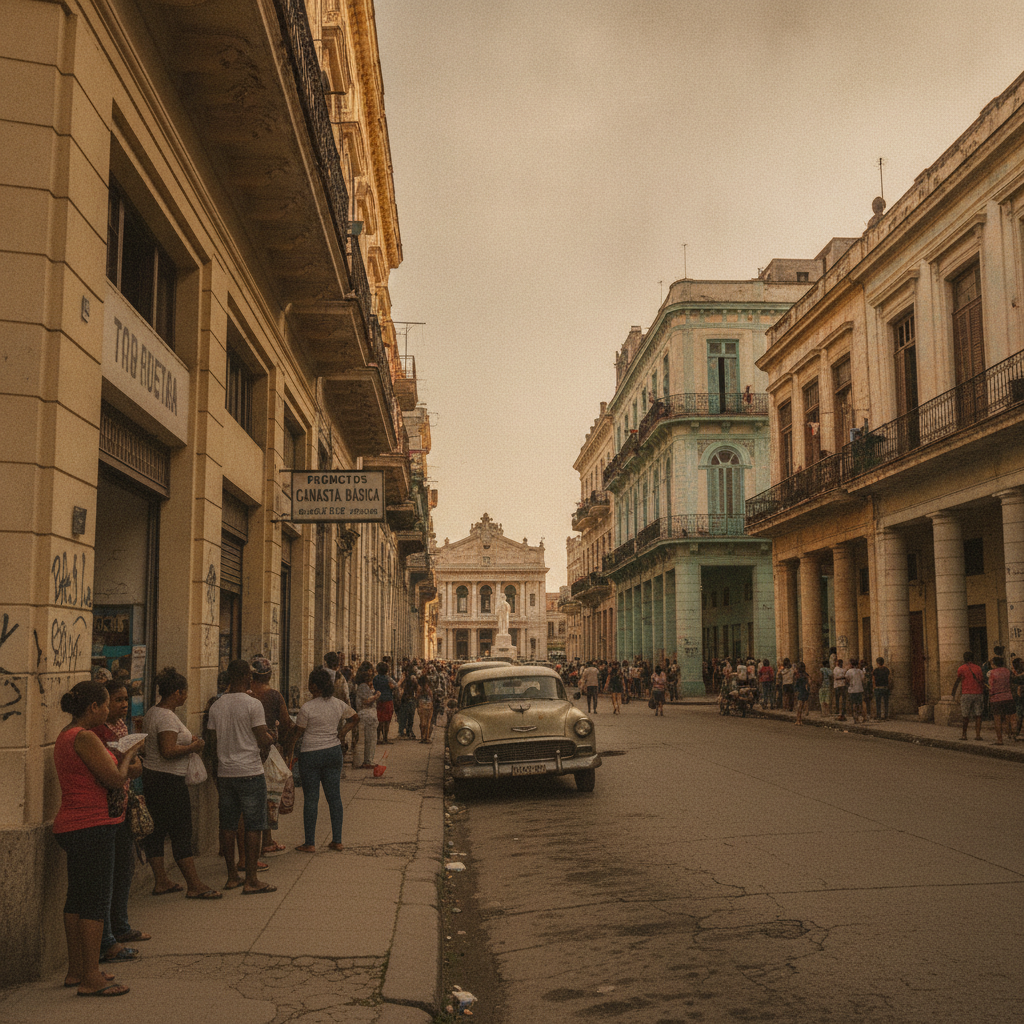
Centro Habana, Barrio Chino e la Vita Tra i Monumenti
Centro Habana (the central district of Havana between La Habana Vieja and Vedado — the most densely populated district of the city, the neighbourhood of the ordinary Havanans, with the Barrio Chino (the Chinatown — the largest Chinatown in Latin America in the mid-20th century, now reduced to a few Chinese restaurants and cultural institutions), the Callejón de Hamel (the Afro-Cuban cultural alley), and the Paseo del Prado (the tree-lined boulevard modelled on Las Ramblas in Barcelona)) is the most authentic and least touristy face of contemporary Havana.
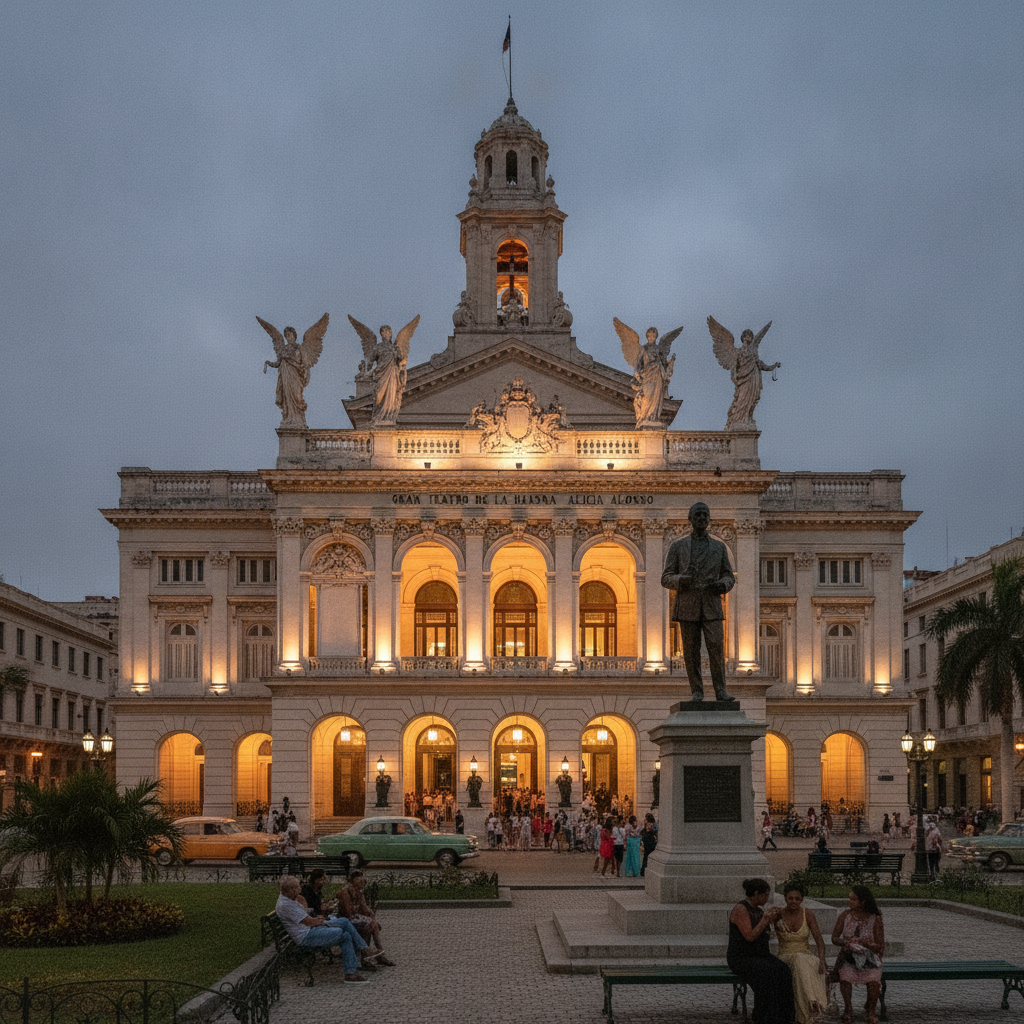
Gran Teatro, Ballet Nacional e la Scena delle Arti dello Spettacolo dell'Avana
Il Gran Teatro de La Habana Alicia Alonso e il Ballet Nacional de Cuba (la compagnia fondata nel 1948 dalla leggendaria ballerina cubana Alicia Alonso (1920-2019), che ha continuato a dirigere la compagnia fino alla sua morte all'età di 98 anni) sono i massimi traguardi dell'alta cultura cubana.
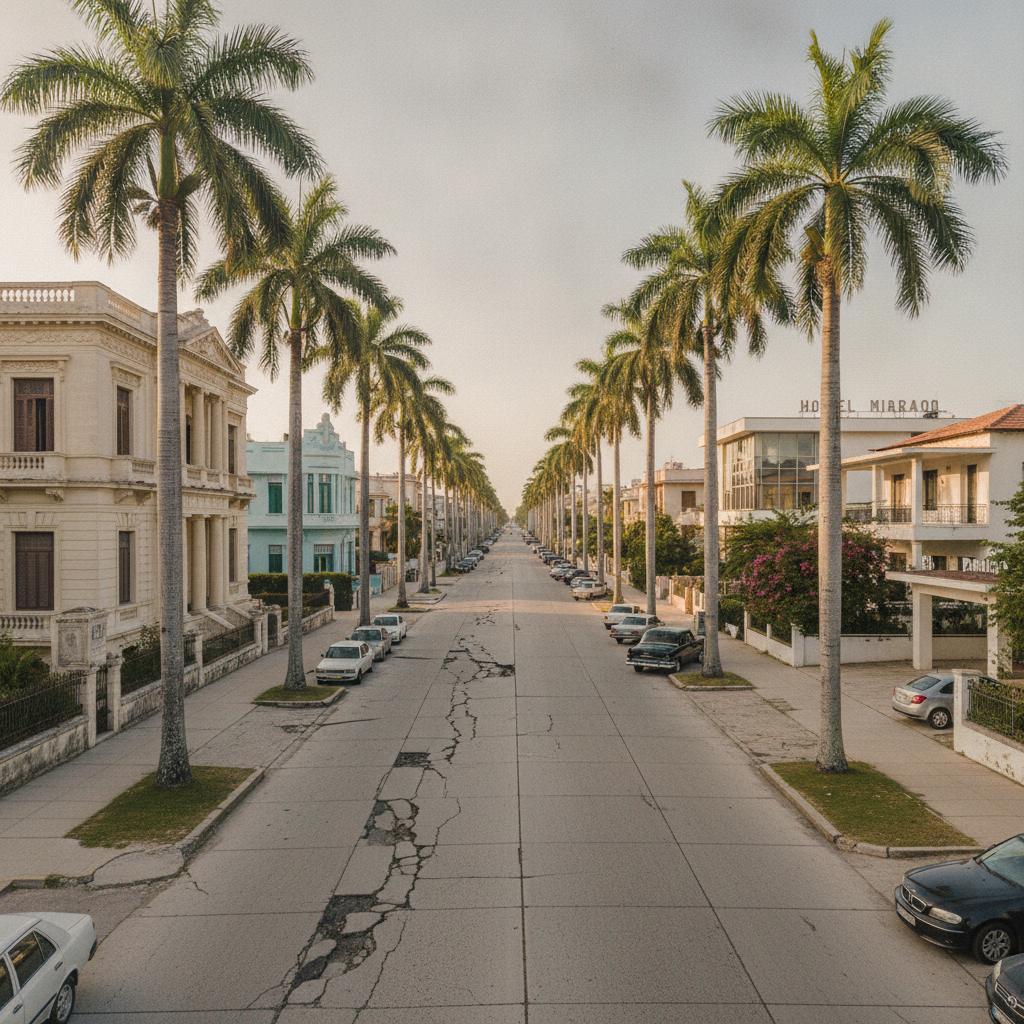
Miramar, Modernismo Cubano e il Quartiere Diplomatico dell'Avana
Miramar (the upscale residential district west of Vedado, across the tunnel under the mouth of the Havana harbour — the district of the embassies, the luxury hotels, the finest restaurants, the Marina Hemingway, and the most opulent of the pre-Revolutionary mansions of the Cuban upper class) is the most architecturally diverse district of Havana, with examples of every architectural style from the Beaux-Arts of the 1910s to the 1950s Modernism of the pre-Revolutionary building boom.