new-orleans
Scopri percorsi, attrazioni e guide a New Orleans.
9 percorsi
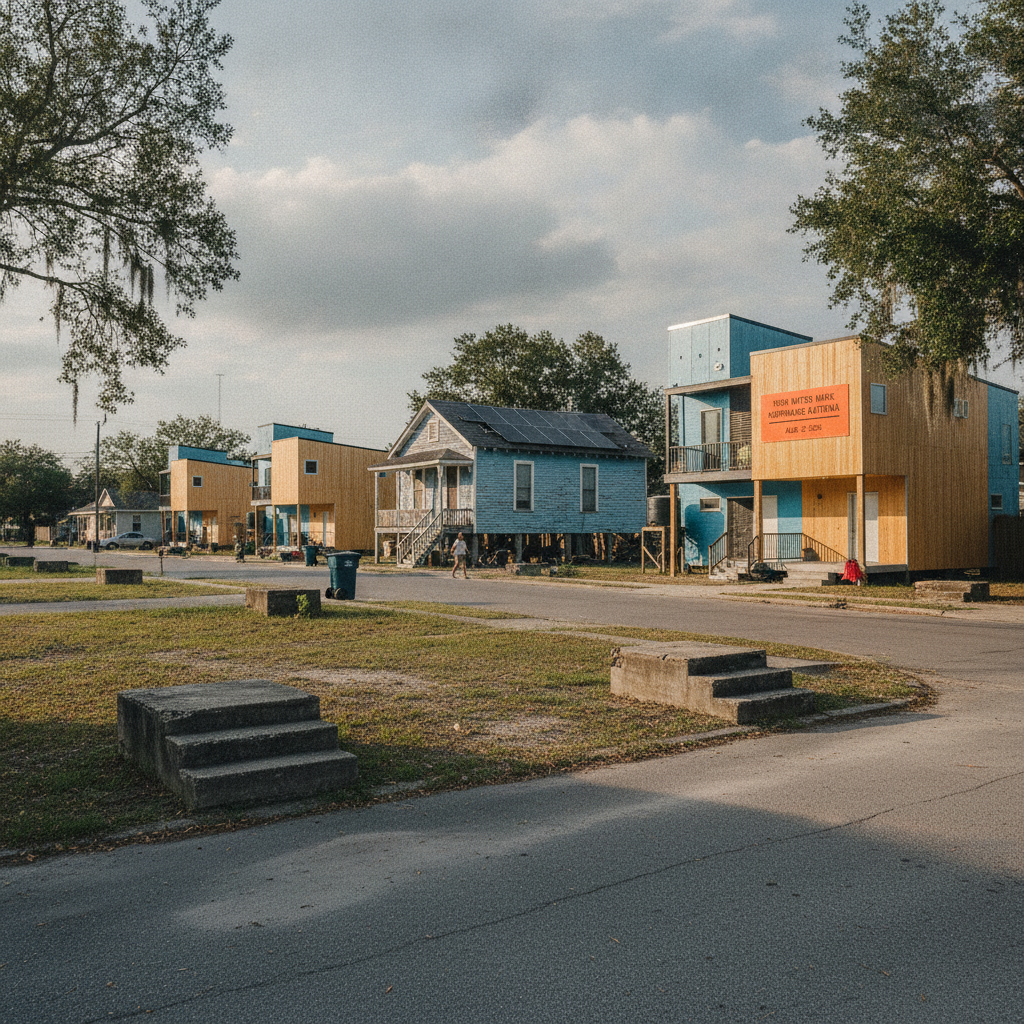
L'Uragano Katrina, il Lower Ninth Ward e la Resilienza di New Orleans
Hurricane Katrina (the Category 5 Atlantic hurricane that made landfall near Buras, Louisiana on August 29, 2005 — the most destructive and deadliest hurricane in US history, causing approximately $125 billion in property damage and killing approximately 1,836 people (the official death toll — actual deaths were likely higher), displacing approximately 400,000 New Orleans residents and reducing the city's population from approximately 485,000 before the storm to approximately 230,000 in the immediate aftermath): the catastrophic flooding of New Orleans (the storm surge that overtopped and breached the levee system protecting New Orleans — a city that sits predominantly below sea level (the average elevation of New Orleans is approximately 1.8 metres (6 feet) below sea level, the result of subsidence (the gradual sinking of the land due to compaction of the sediments and extraction of oil and groundwater) and the loss of the coastal wetlands that historically buffered the city from storm surge) — submerging approximately 80% of the city under water, with depths of up to 5 metres (15 feet) in the lowest-lying areas.
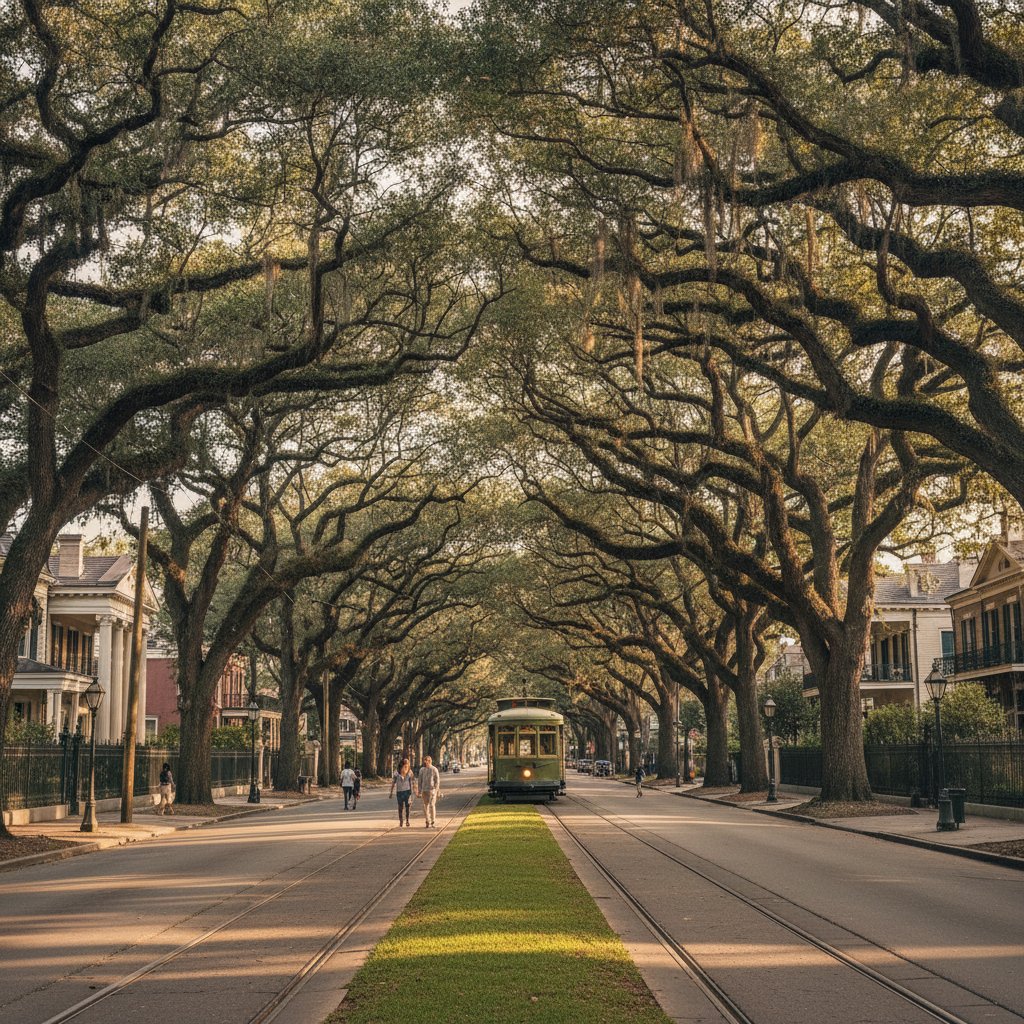
Ville del Garden District, Tram di St. Charles e la Vita Uptown
The Garden District (the antebellum neighbourhood of Greek Revival and Italianate mansions in the Uptown New Orleans area, developed after the Louisiana Purchase by the American settlers who built their grand houses in the American plantation tradition) and St. Charles Avenue (the most beautiful tree-lined boulevard in the American South, home to the oldest continuously operating streetcar line in the world (since 1835)) form the most architecturally magnificent residential area in New Orleans.
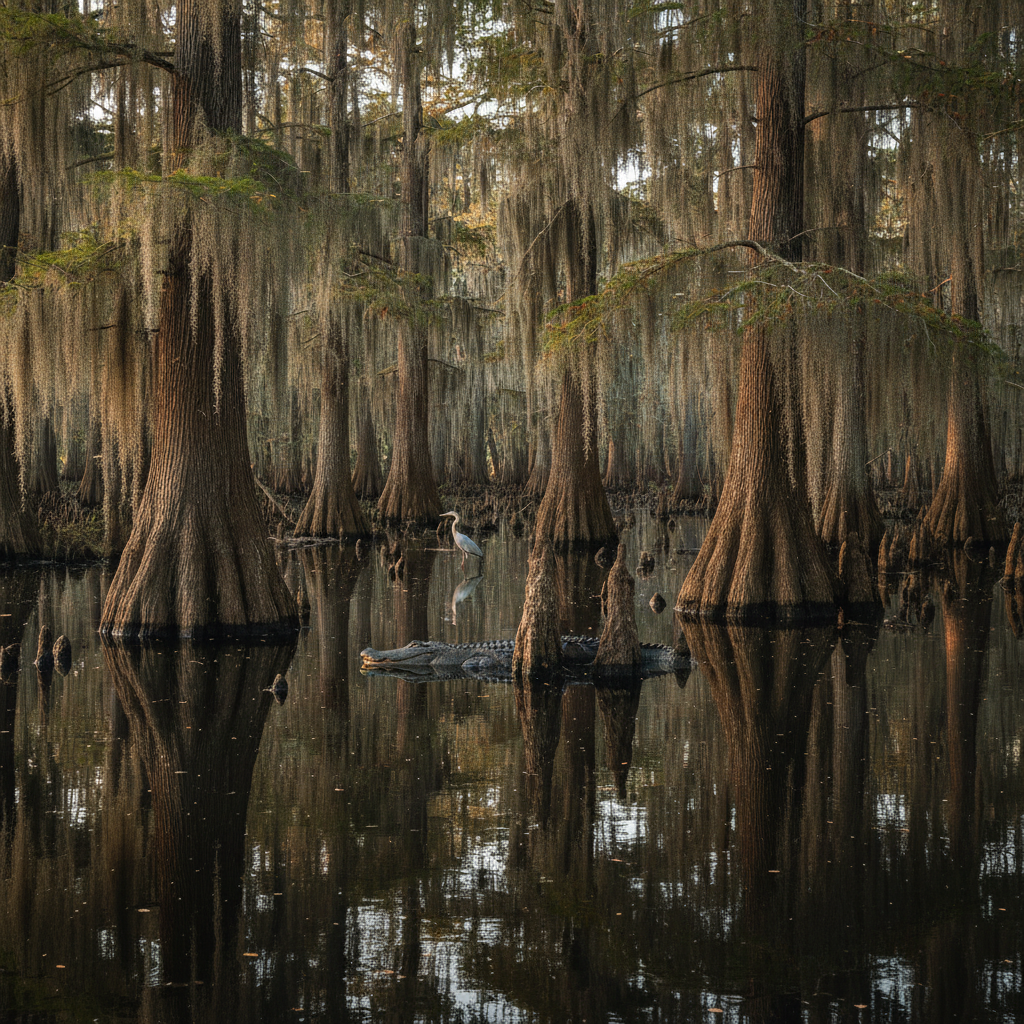
Paludi, Bayous e il Paese Selvaggio dei Cipressi della Louisiana
The Louisiana swamp and bayou landscape (the coastal wetlands of southeastern Louisiana — the largest coastal wetland system in the continental United States, covering approximately 3,600 km² (1,400 sq miles) of cypress swamp, marsh, and brackish bayou between New Orleans and the Gulf of Mexico): the Louisiana swamp ecosystem is simultaneously one of the most productive biological ecosystems in North America and one of the most rapidly disappearing landscapes in the world (Louisiana loses approximately 25-35 square miles (65-90 km²) of coastal wetlands per year to sea-level rise, subsidence, and the loss of Mississippi River sediment behind the levees).
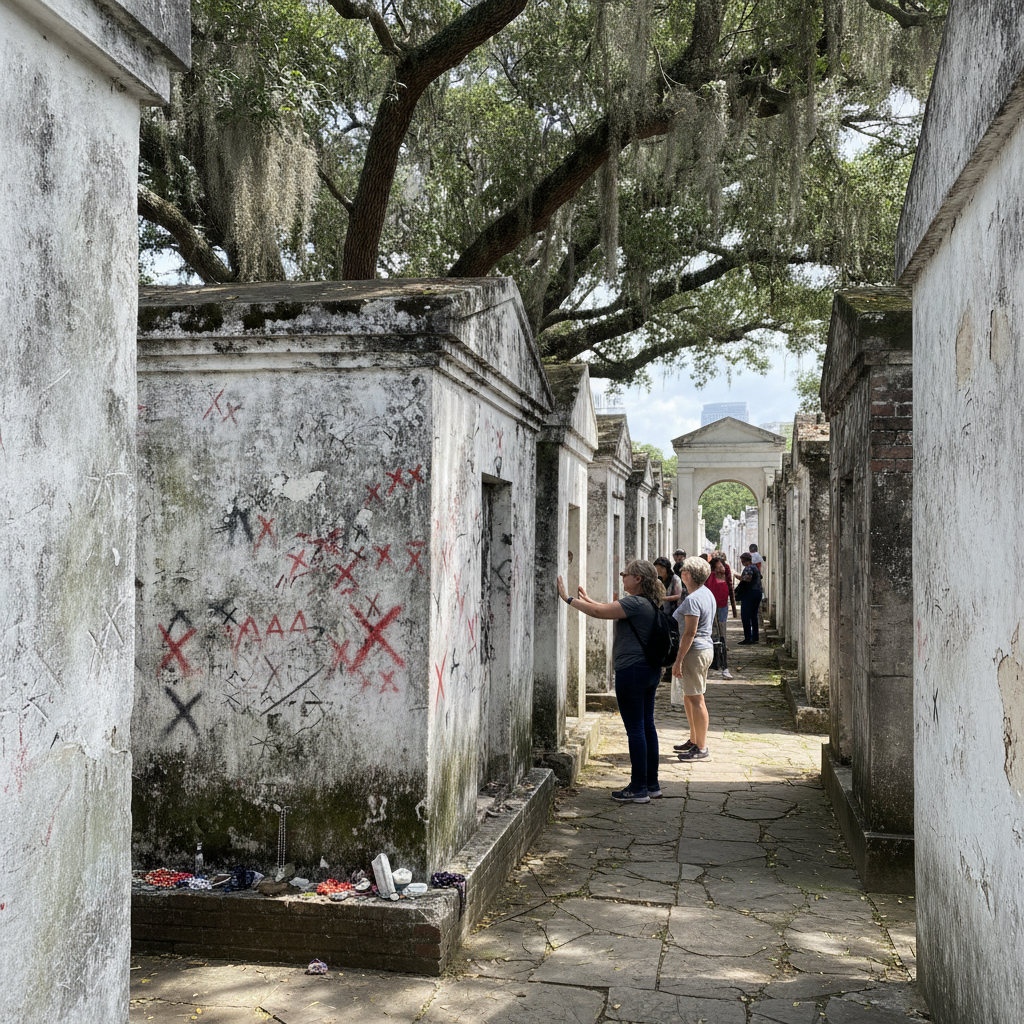
Voodoo, Marie Laveau e la Cultura Soprannaturale di New Orleans
Il Voodoo di New Orleans — la tradizione religiosa sincretica che combina pratiche religiose del Vodun dell'Africa Occidentale con devozioni cattoliche romane e tradizioni spirituali indigene della Louisiana, sviluppata a New Orleans nei secoli XVIII e XIX.
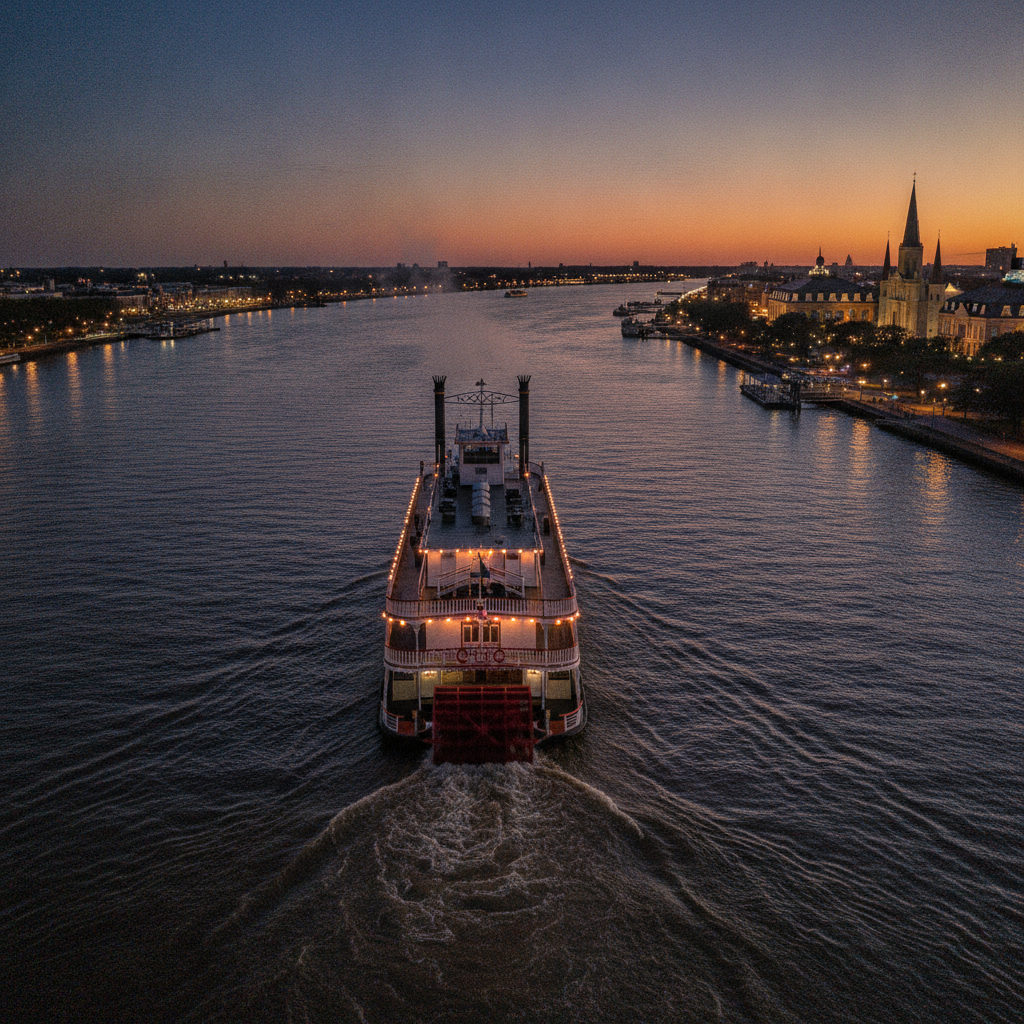
Il Mississippi, i Battelli a Vapore e il Patrimonio Portuale di New Orleans
Il Mississippi a New Orleans è il motivo per cui la città esiste — fondata nel 1718 per controllare l'accesso al Mississippi e al suo vasto bacino idrografico, il porto di New Orleans fu il porto commerciale più importante del Nord America per i primi 150 anni della sua storia.
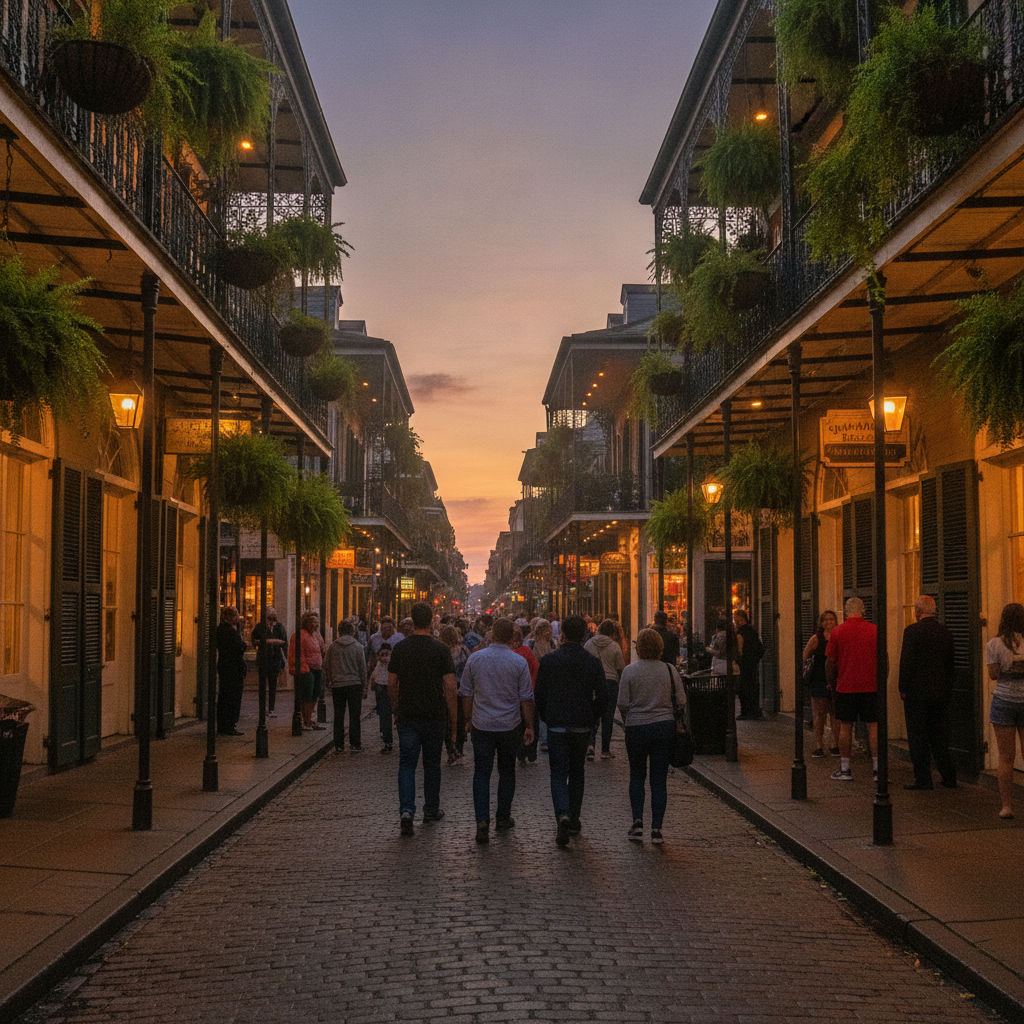
Il French Quarter, il Jazz e l'Anima di New Orleans
New Orleans — la città nella parrocchia di Orleans, Louisiana, con circa 390.000 abitanti in città e 1,27 milioni nell'area metropolitana — la città culturalmente più unica degli Stati Uniti, la città natale del jazz, la città del Mardi Gras, e la città il cui patrimonio franco-creolo e africano ha prodotto la cultura gastronomica, musicale e architettonica più distintiva di qualsiasi città americana.
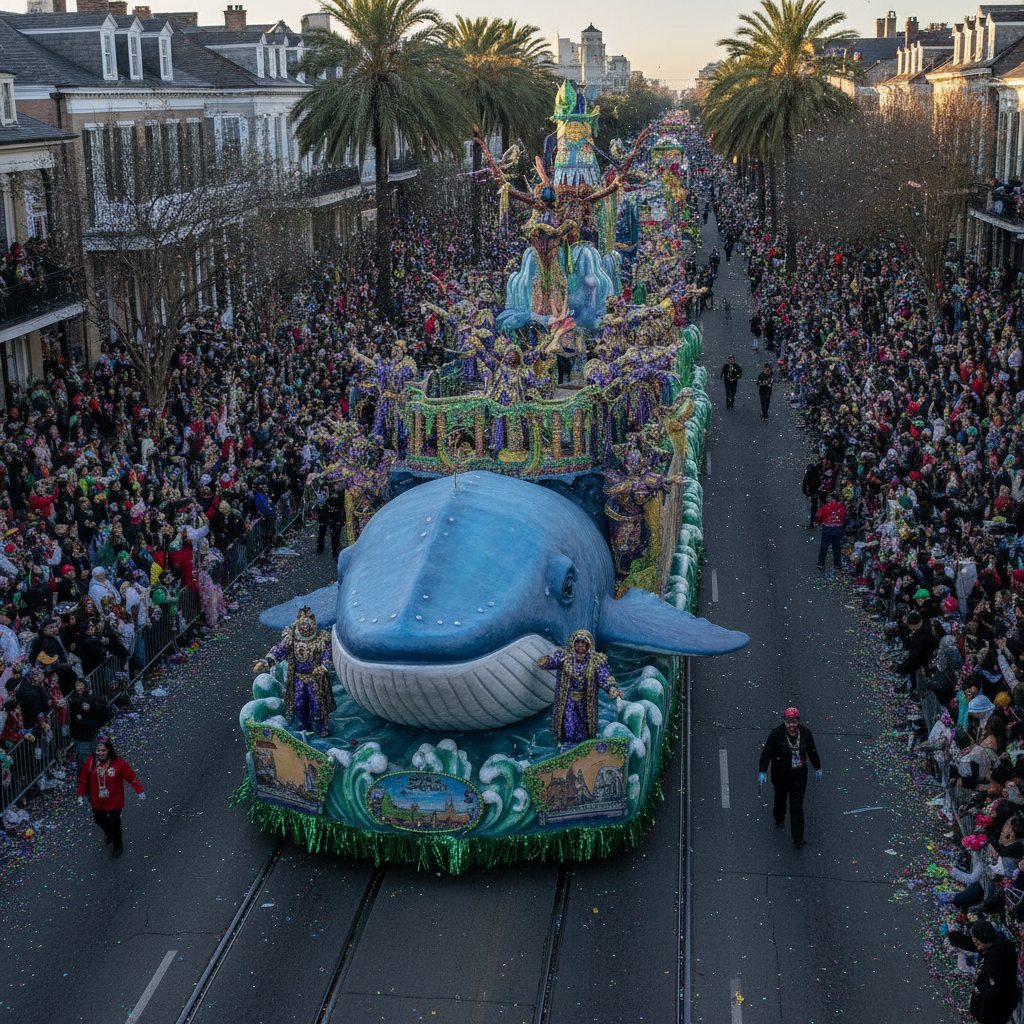
Mardi Gras, Second Lines e la Cultura Carnevalesca di New Orleans
Il Mardi Gras di New Orleans — la celebrazione annuale del Carnevale nelle settimane prima della Quaresima, il più grande festival stradale annuale degli Stati Uniti, che attira circa 1,4 milioni di visitatori durante il weekend di punta del Mardi Gras e inietta circa 1 miliardo di dollari nell'economia di New Orleans.
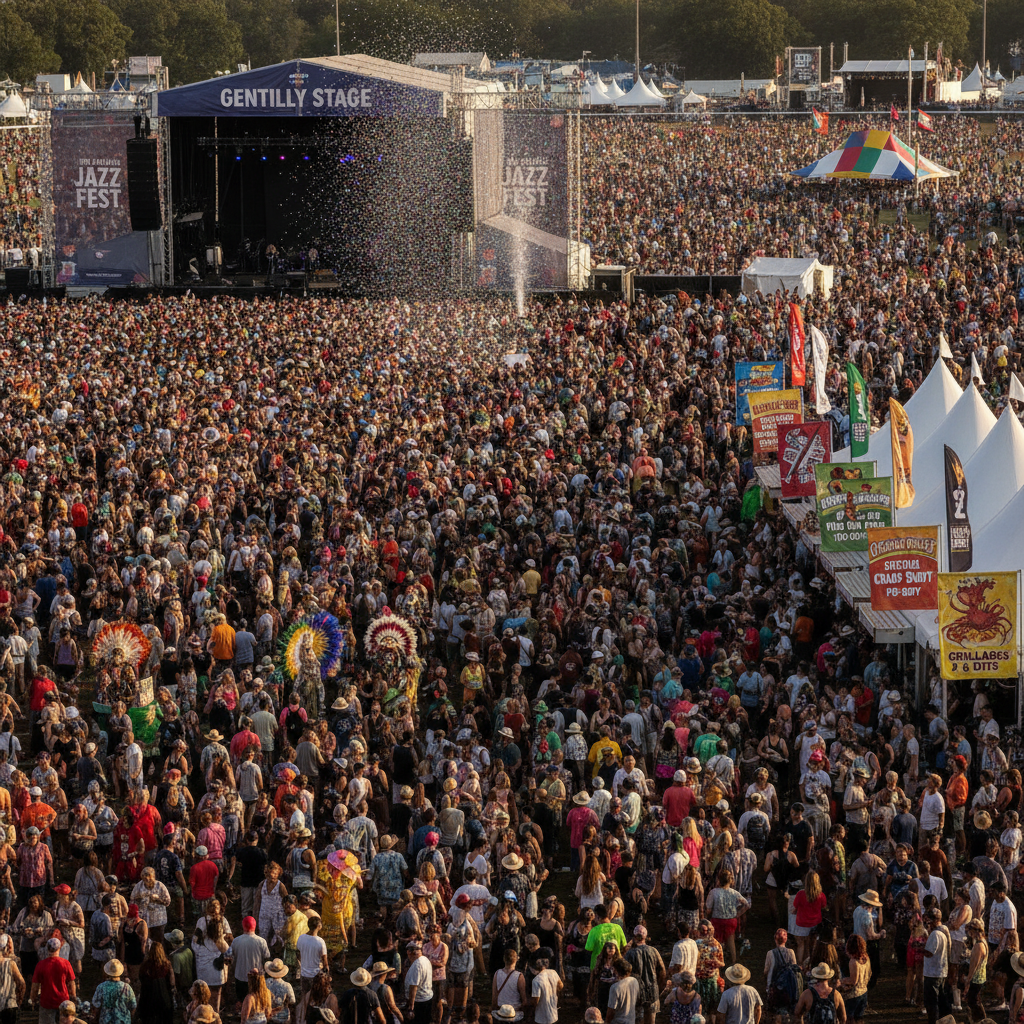
Jazz Fest di New Orleans, Blues e il Festival Musicale più Grande del Mondo
New Orleans Jazz & Heritage Festival (the annual festival held at the Fair Grounds Race Course in New Orleans during the last weekend of April and the first weekend of May — the most celebrated music festival in the United States after Coachella and the most musically diverse): the Jazz Fest (as it is universally known) has been held continuously since 1970 (when it was founded by George Wein, the jazz impresario who also founded the Newport Jazz Festival and the New Orleans Jazz National Historical Park) and has grown from a small local event to one of the most important music festivals in the world.
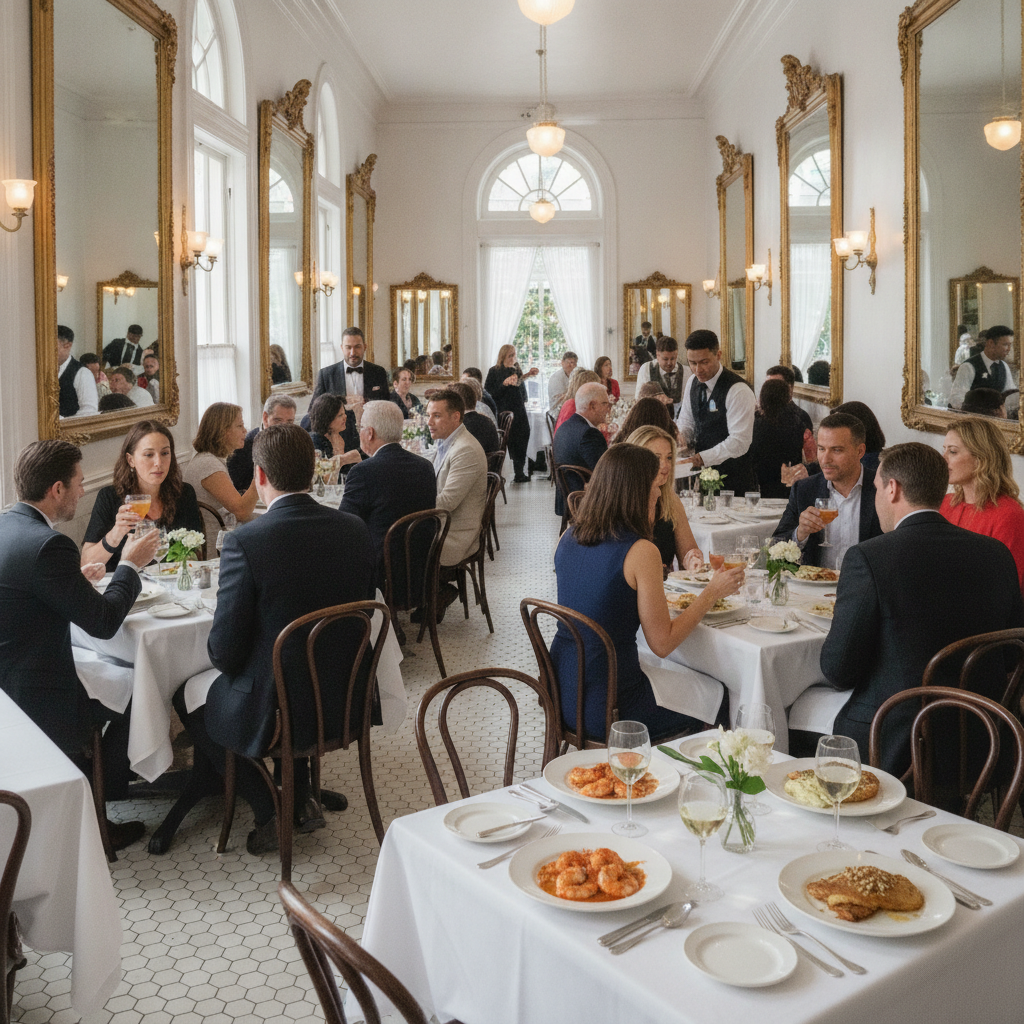
Cucina Creola e Cajun di New Orleans — La Più Grande Tradizione Culinaria d'America
New Orleans ha la cultura gastronomica più distintiva e più storicamente stratificata di qualsiasi città americana — la sintesi dell'alta cucina franco-creola, delle tradizioni culinarie dell'Africa occidentale, della cucina coloniale spagnola e della tradizione rustica cajun ha prodotto una cultura alimentare che non ha eguali negli Stati Uniti.