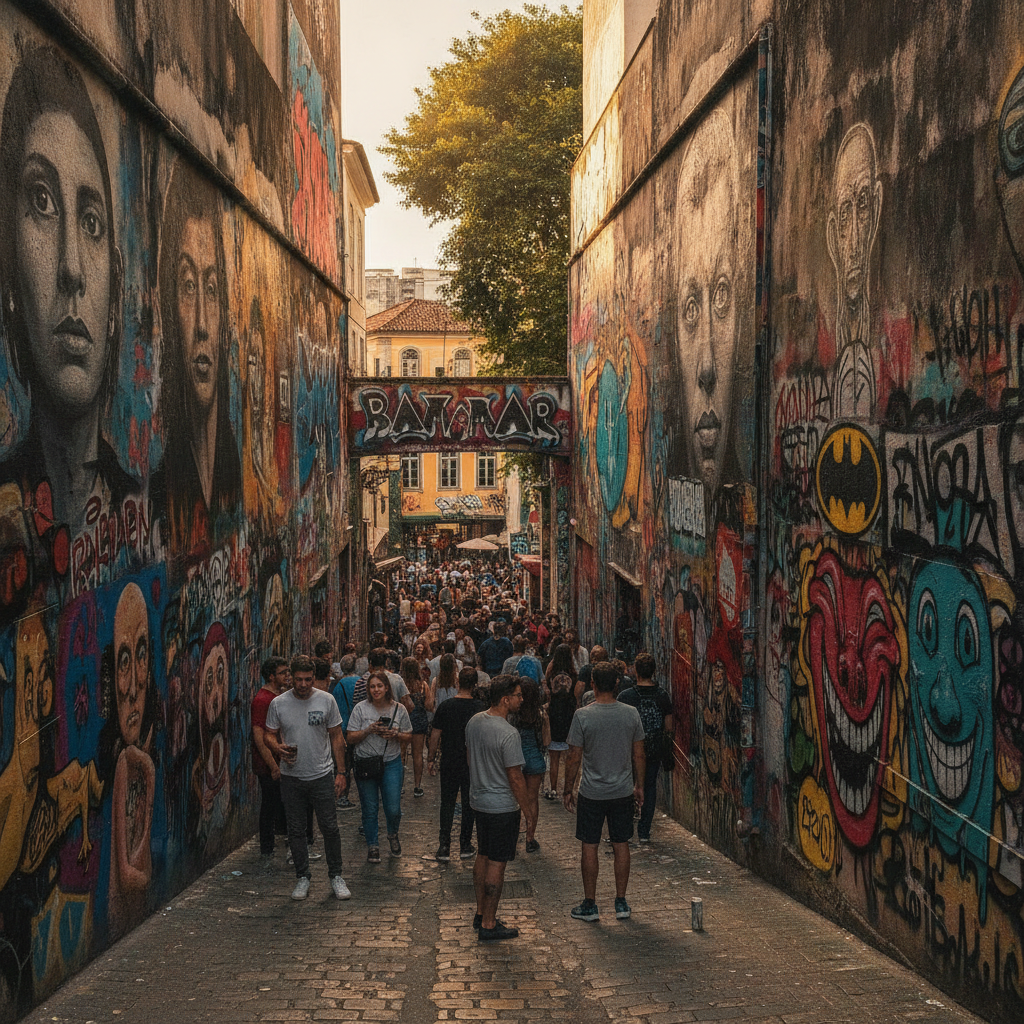
Pinheiros, Vila Madalena e la Leggendaria Vita Notturna di São Paulo
São Paulo's nightlife (the nightlife of the city that never sleeps — the city that is the undisputed entertainment capital of Brazil and one of the most vibrant nightlife destinations in the world): the Pinheiros and Vila Madalena neighbourhoods (the two adjacent bohemian neighbourhoods west of Avenida Paulista that are the centre of São Paulo's cultural and nightlife scene) host the greatest concentration of bars, nightclubs, live music venues, and independent restaurants in the city.
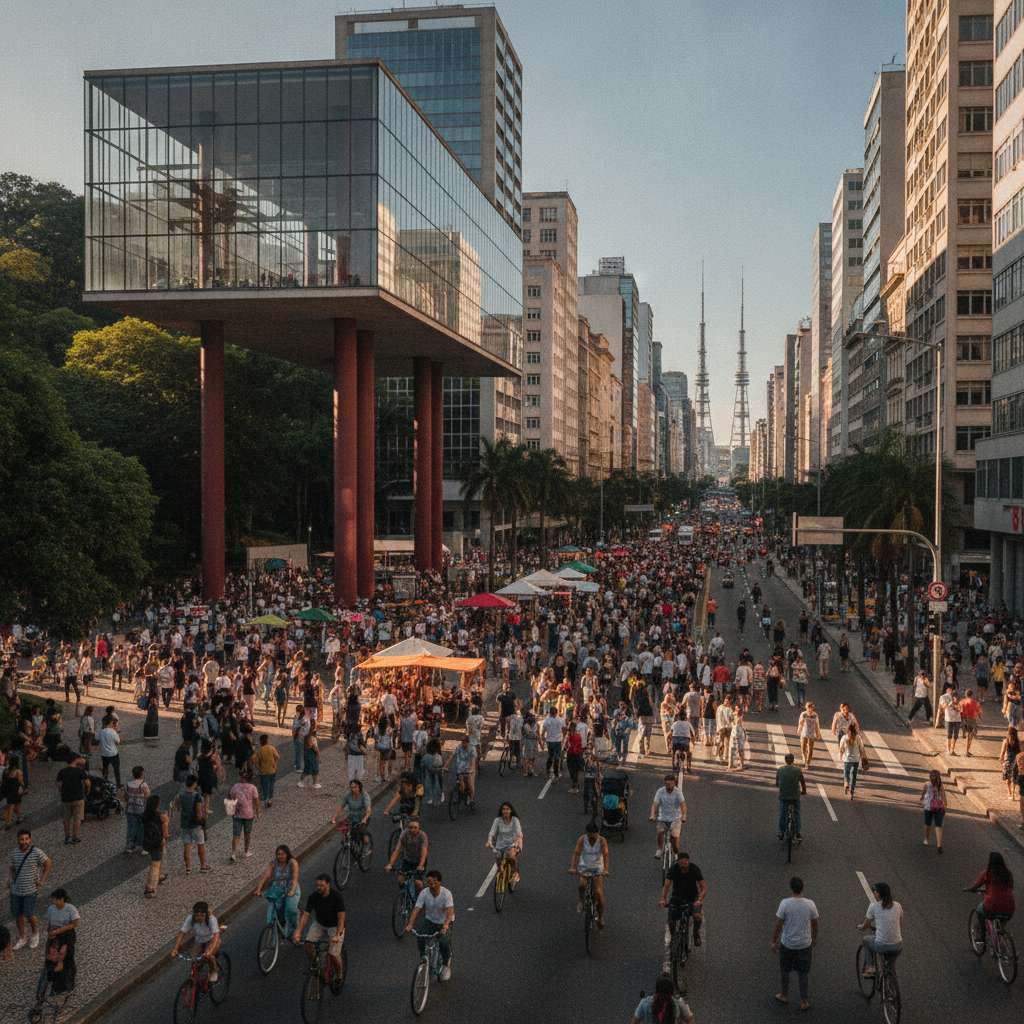
Avenida Paulista, MASP e il Cuore Culturale di São Paulo
São Paulo — la città più grande del Brasile e dell'emisfero australe, con circa 12,3 milioni di abitanti in città e 22 milioni nell'area metropolitana di São Paulo: l'Avenida Paulista è l'asse attorno al quale ruota la vita culturale, finanziaria e sociale della più grande metropoli dell'America Latina.
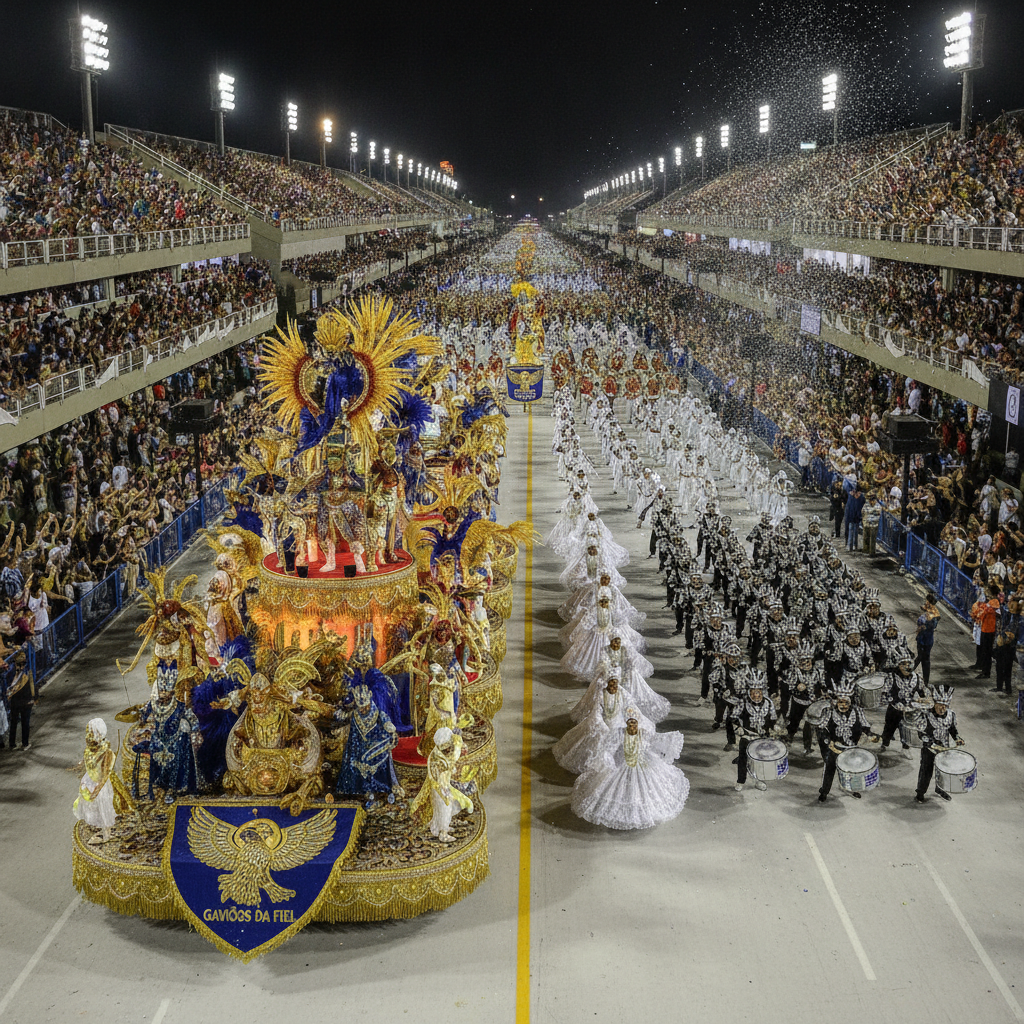
Samba, Carnevale e il Patrimonio Culturale Afro-Brasiliano di São Paulo
São Paulo's Carnaval (the São Paulo Carnival — the second largest Carnival in Brazil after Rio de Janeiro, held in the Sambódromo do Anhembi in the Santana neighbourhood every February — a spectacle of Brazilian popular culture, music, and dance that is as much a product of São Paulo's African-Brazilian community as of the Carioca culture of Rio) and the samba tradition (the music and dance form that originated in the African-Brazilian community of Rio de Janeiro and Salvador da Bahia and became the national music of Brazil) are at the core of São Paulo's cultural identity.
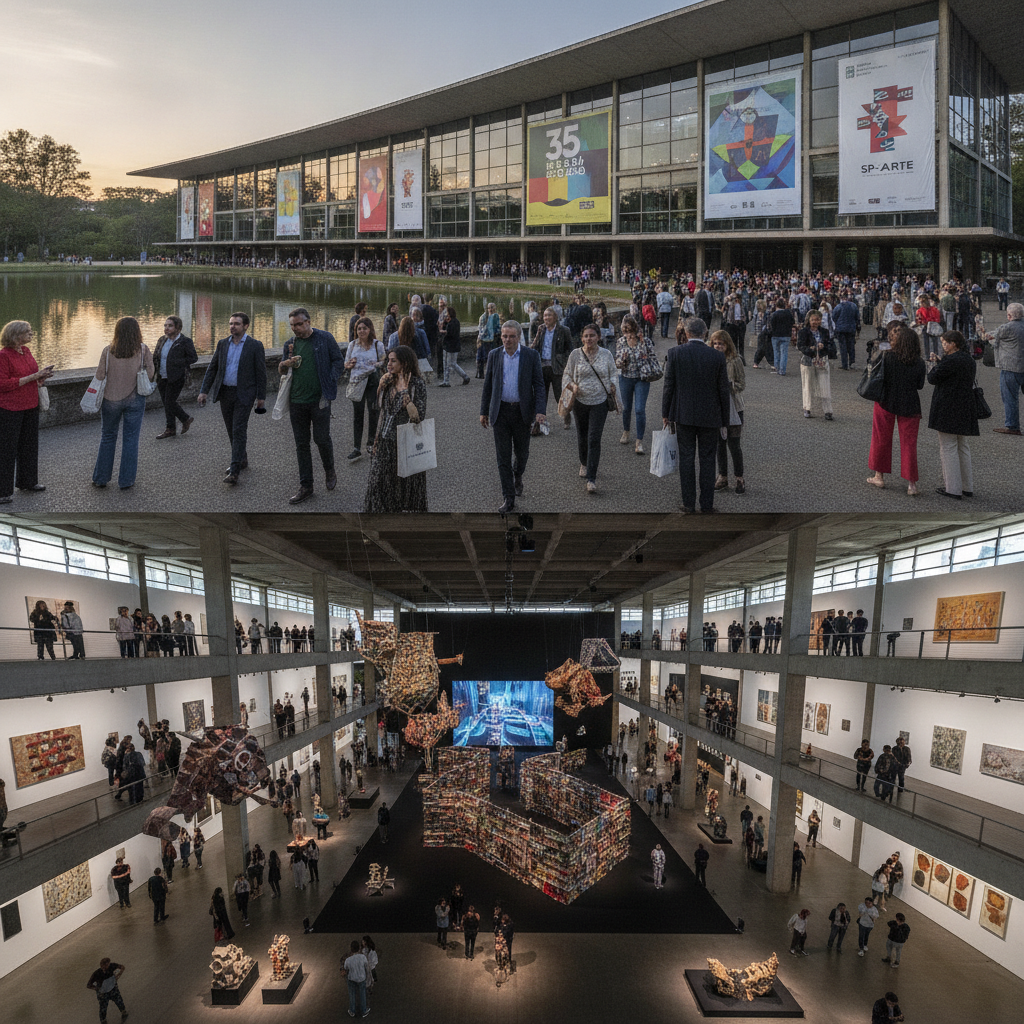
SP-Arte, Musei e la Scena Culturale di Livello Mondiale di São Paulo
São Paulo's cultural scene (the arts and culture infrastructure of the city that is the most important art market in Latin America — the city that hosts the SP-Arte (the São Paulo International Art Fair — the most important contemporary art fair in Latin America, held annually in April at the Pavilhão da Bienal in Ibirapuera Park), the São Paulo Biennial (the 'Bienal de São Paulo' — the second oldest art biennial in the world (after the Venice Biennale), the biennial that has showcased international contemporary art in São Paulo since 1951)) represents the most important art ecosystem in the Southern Hemisphere.
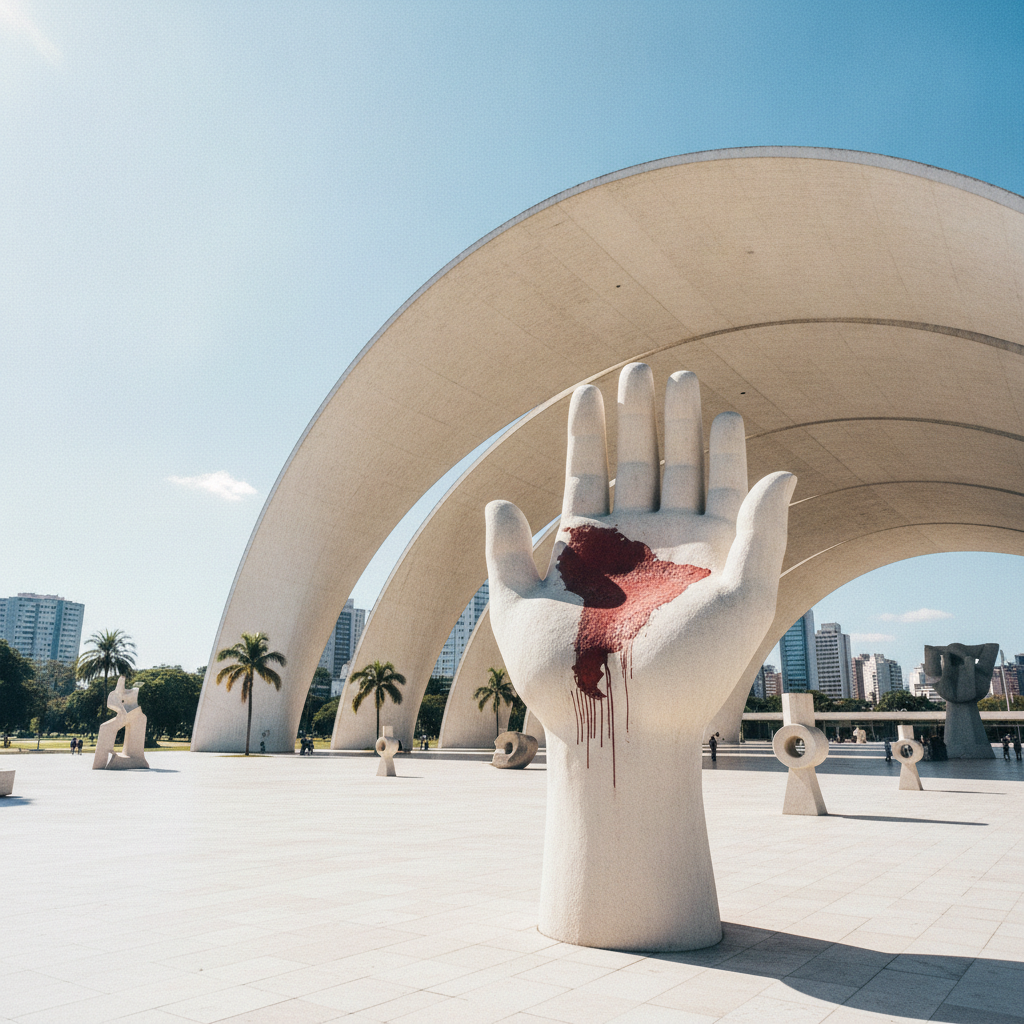
L'Architettura di São Paulo — Modernismo, Niemeyer e la Giungla di Cemento
L'architettura di São Paulo — la capitale dell'architettura modernista dell'America Latina — con i capolavori di Oscar Niemeyer (il Copan, il Memorial da América Latina, i padiglioni dell'Ibirapuera) e Lina Bo Bardi (il MASP, il SESC Pompeia) che definiscono il paesaggio urbano della più grande metropoli dell'emisfero australe.
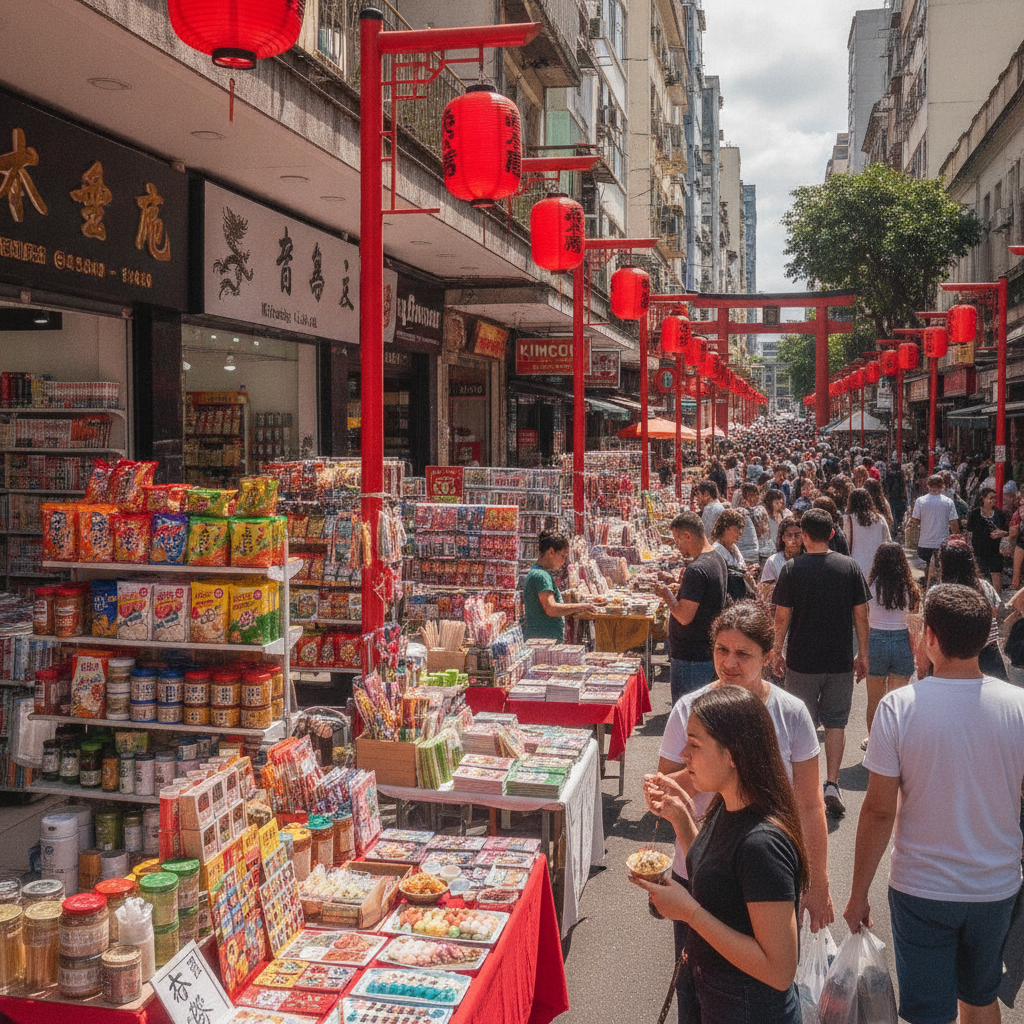
Liberdade, la Comunità Giapponese e l'Anima Asiatica di São Paulo
São Paulo's Liberdade neighbourhood (the neighbourhood immediately south of the Centro Histórico — the heart of the Japanese-Brazilian community, the largest Japanese diaspora community outside of Japan) is the most important Japanese cultural district in the world outside of Japan, and a window into the remarkable story of Japanese immigration to Brazil and the integration of Japanese culture into Brazilian identity.
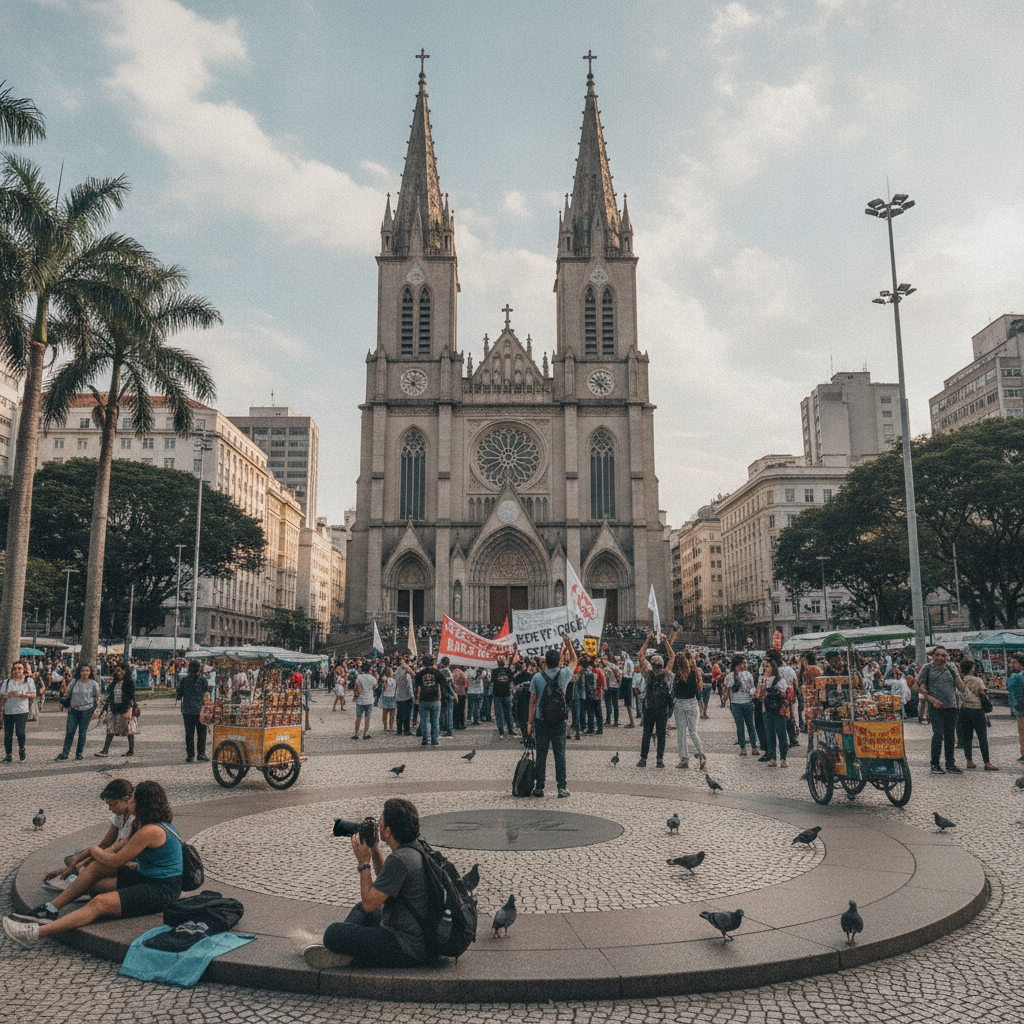
Centro Histórico, Praça da Sé e la Fondazione di São Paulo
Il Centro Histórico di São Paulo e la Praça da Sé — il cuore geografico e simbolico della città più grande dell'emisfero australe — sono il punto di origine di tutta la civiltà urbana del cuore industriale del Brasile.
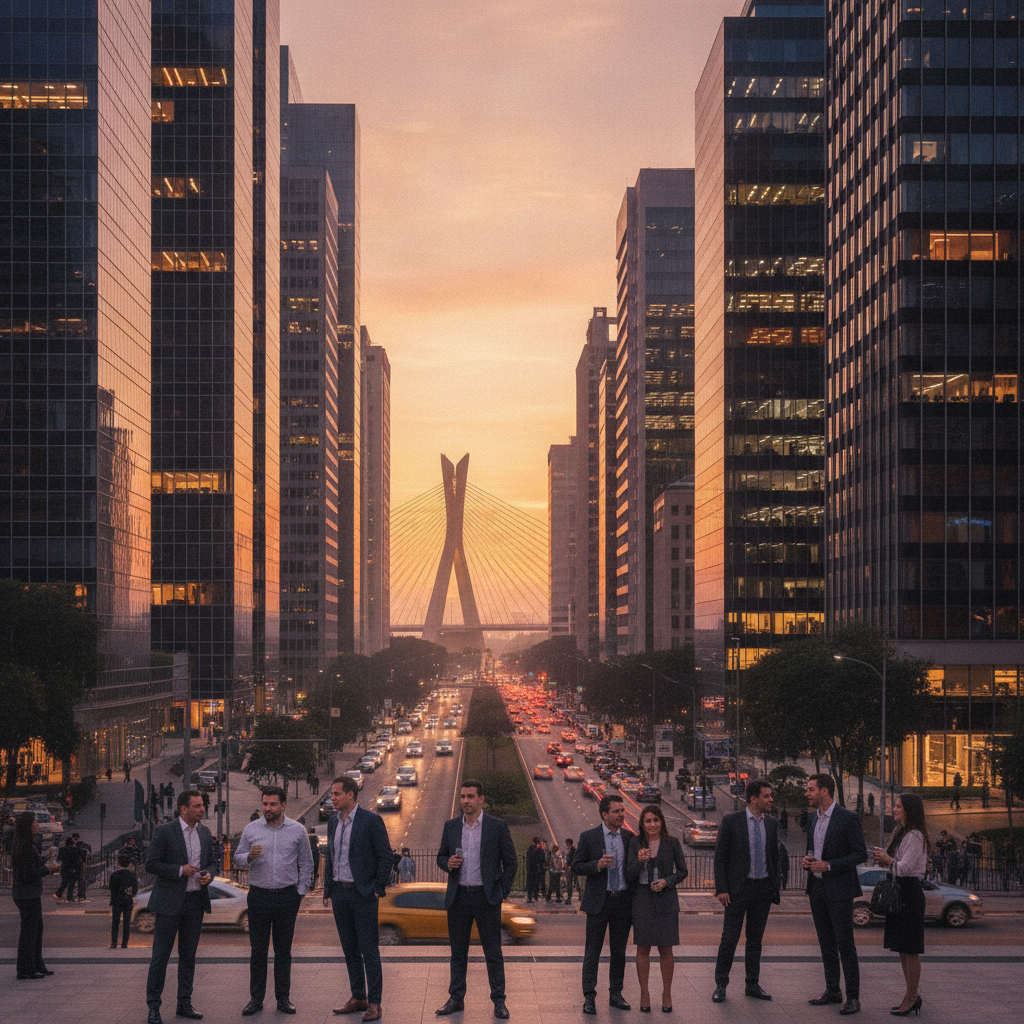
Faria Lima, Itaim Bibi e il Quartiere degli Affari di São Paulo
Faria Lima (Avenida Brigadeiro Faria Lima — the 'Brazilian Wall Street') and Itaim Bibi (the upscale business and residential neighbourhood at the core of São Paulo's new financial district) are the engines of the Brazilian economy — the district that concentrates the headquarters of Brazil's largest banks, investment funds, and technology companies, and the district that, in the post-2016 period, has emerged as the primary hub of Brazil's startup ecosystem and venture capital industry.
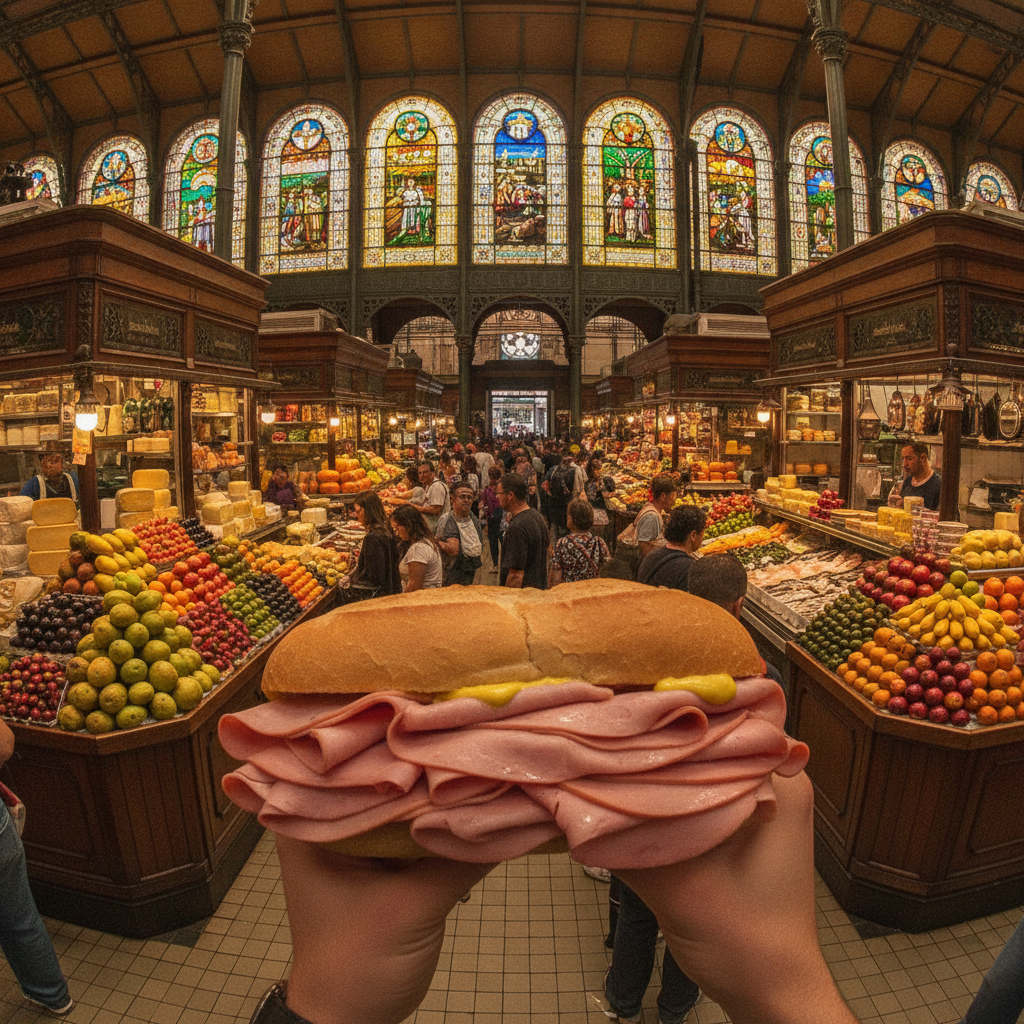
Mercadão, Street Food e l'Universo Gastronomico di São Paulo
La cultura gastronomica di São Paulo — la capitale culinaria indiscussa dell'America Latina — con oltre 50.000 ristoranti, la scena culinaria più diversificata delle Americhe e il più grande mercato alimentare del Sud America (il Mercato Municipale o 'Mercadão').