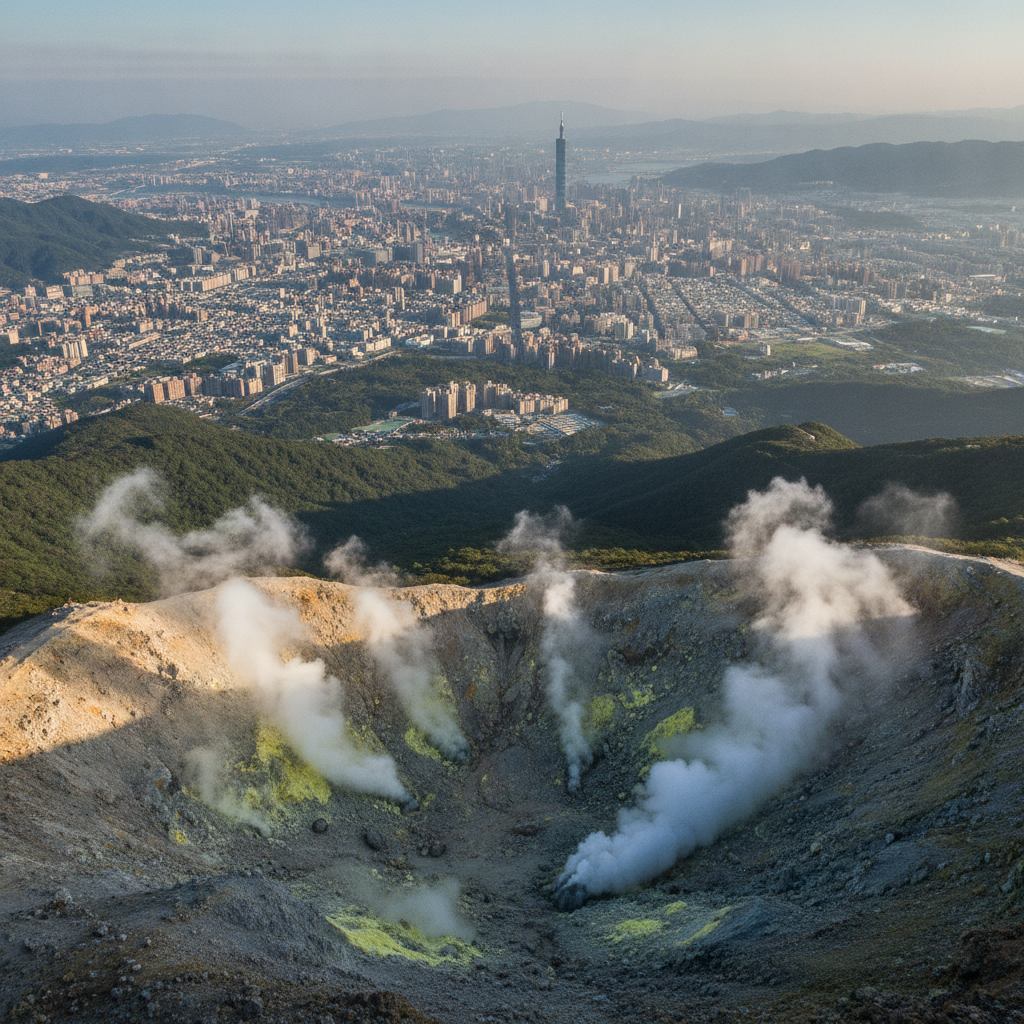
Yangmingshan e Sorgenti Termali — Il Parco Montano Vulcanico di Taipei
Yangmingshan National Park (陽明山國家公園 — the volcanic national park immediately north of Taipei city, accessible by bus from the Jiantan MRT station in approximately 30-40 minutes — Taiwan's most accessible mountain park): Yangmingshan is the only active volcanic zone in Taiwan, with numerous fumaroles (volcanic steam vents), sulfur deposits, and hot springs (溫泉 — wēnquán) that have made the area north of Taipei (particularly the Beitou (北投) district) one of the finest hot spring resort areas in Asia.
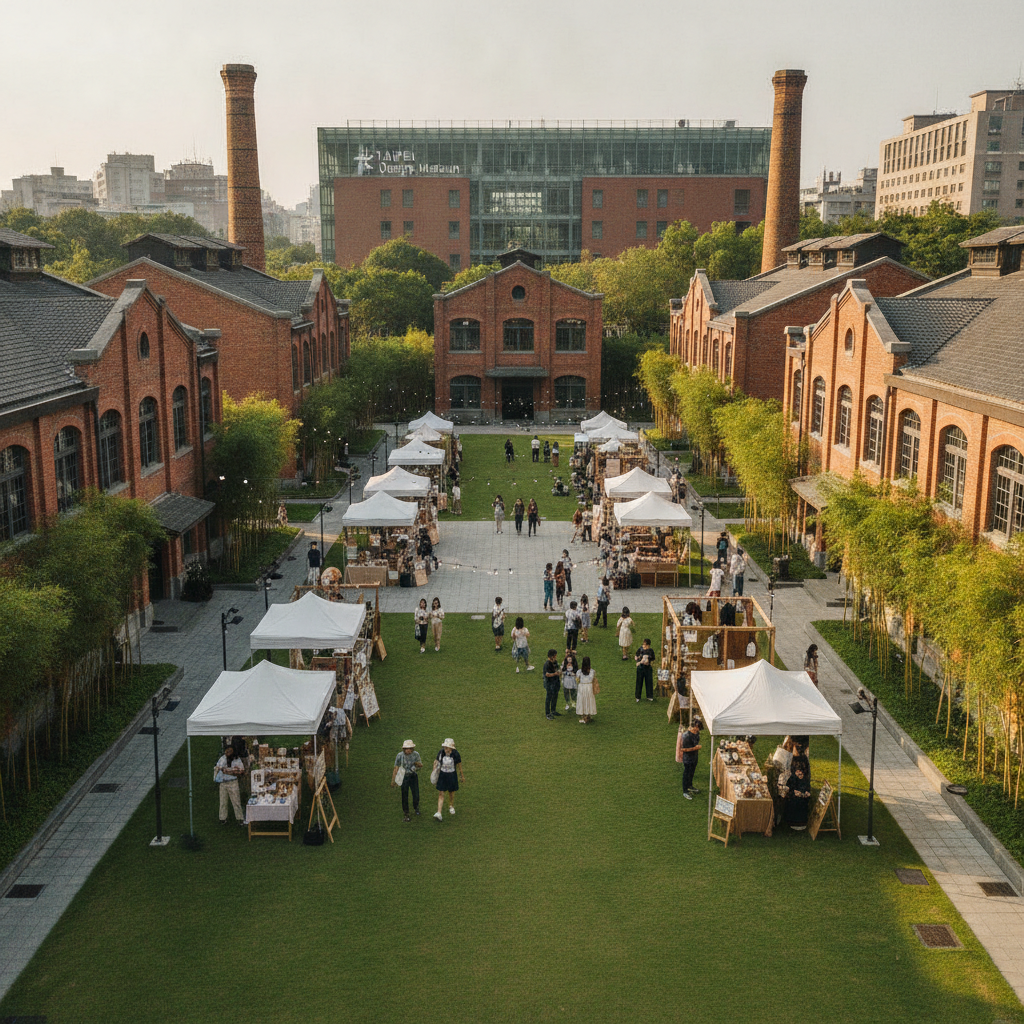
Zhongshan e Songshan — I Quartieri Creativi e del Design di Taipei
Zhongshan District (中山區 — the commercial and cultural district of central Taipei, centred on Zhongshan North Road (中山北路)) and the adjacent Songshan District (松山區 — particularly the Songshan Cultural and Creative Park (松山文創園區 — the former tobacco factory (1937-1998) converted into a creative industry hub and cultural events space)): together, these two districts constitute the creative and arts centre of modern Taipei, with the highest concentration of design studios, concept stores, art galleries, and independently operated cafes in the city.
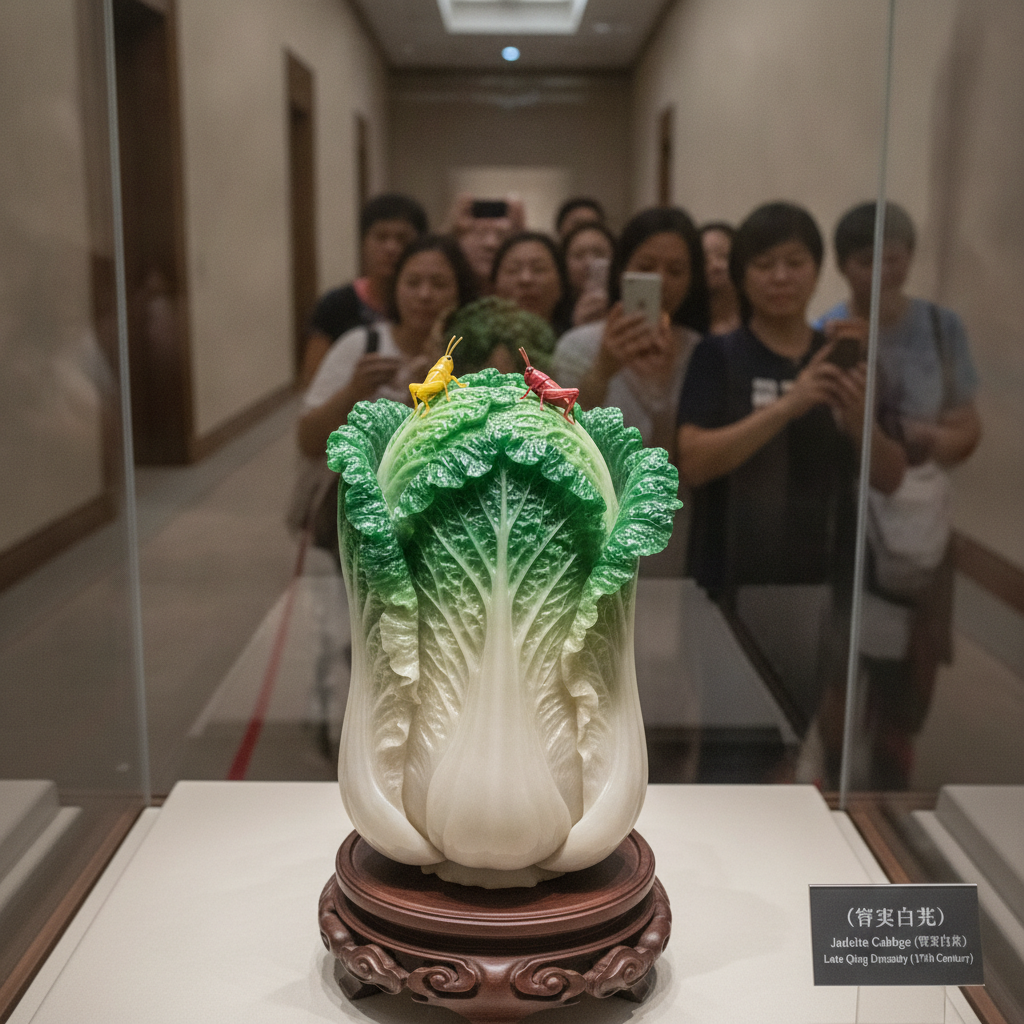
Museo Nazionale del Palazzo — La Più Grande Collezione d'Arte Cinese al Mondo
National Palace Museum (國立故宮博物院 — the museum in the Shilin district of northern Taipei housing the world's largest collection of Chinese imperial art — approximately 700,000 artefacts spanning 8,000 years of Chinese civilization, the collection originally assembled by the Chinese imperial court and brought to Taiwan in 1948-1949 when the Nationalist government retreated from mainland China): the collection includes jade, ceramics, bronzes, calligraphy, paintings, and the imperial treasures of the Song, Yuan, Ming, and Qing dynasties.
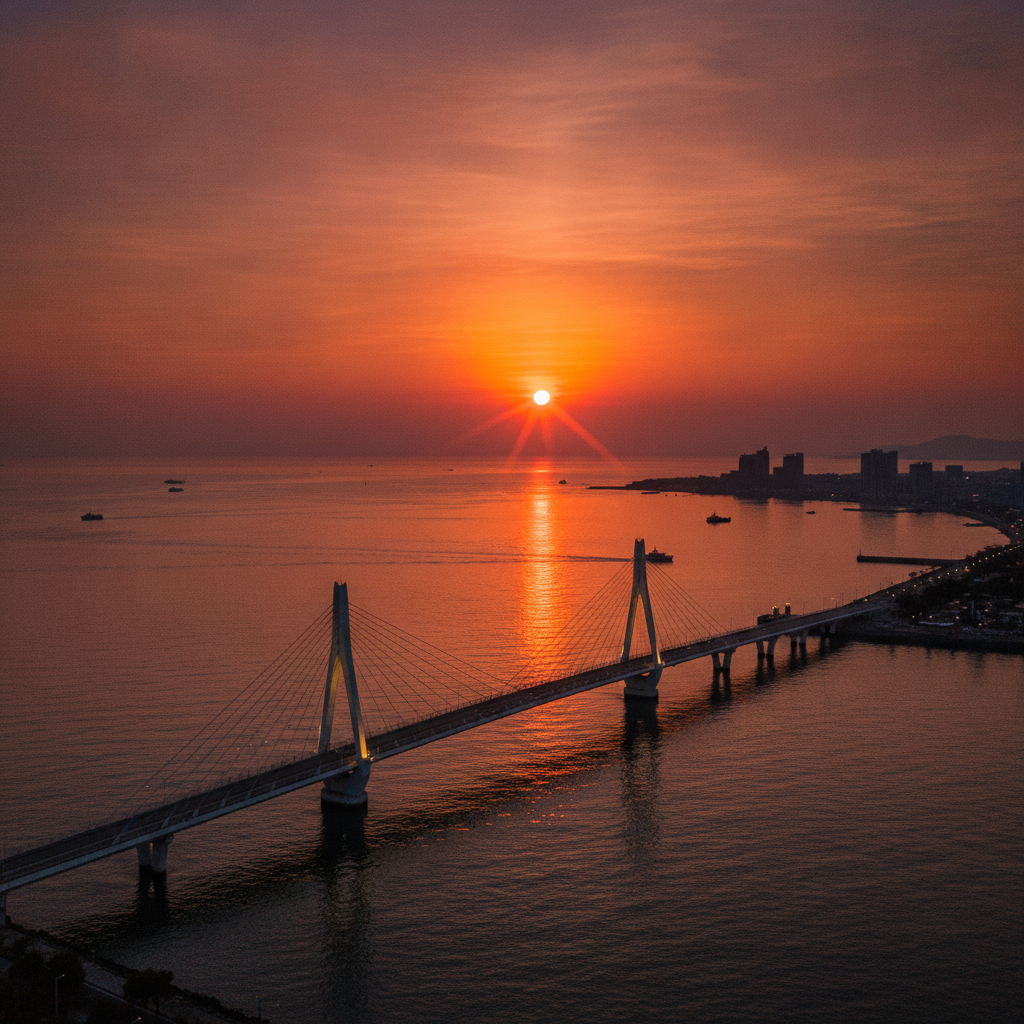
Tamsui, Bali e la Costa Nord — Il Distretto del Tramonto Dorato di Taipei
Tamsui (淡水 — the historic town at the mouth of the Tamsui River, where it meets the Taiwan Strait, at the northern tip of New Taipei City, accessible by MRT from Taipei Main Station in approximately 40 minutes (the MRT Tamsui-Xinyi Line)): Tamsui is the most popular sunset destination from Taipei, its riverside promenade (the 'Fisherman's Wharf' and the Tamsui Old Street) famous for the extraordinary sunsets over the Taiwan Strait (the body of water between Taiwan and mainland China — the most politically and geographically significant strait in Asia).
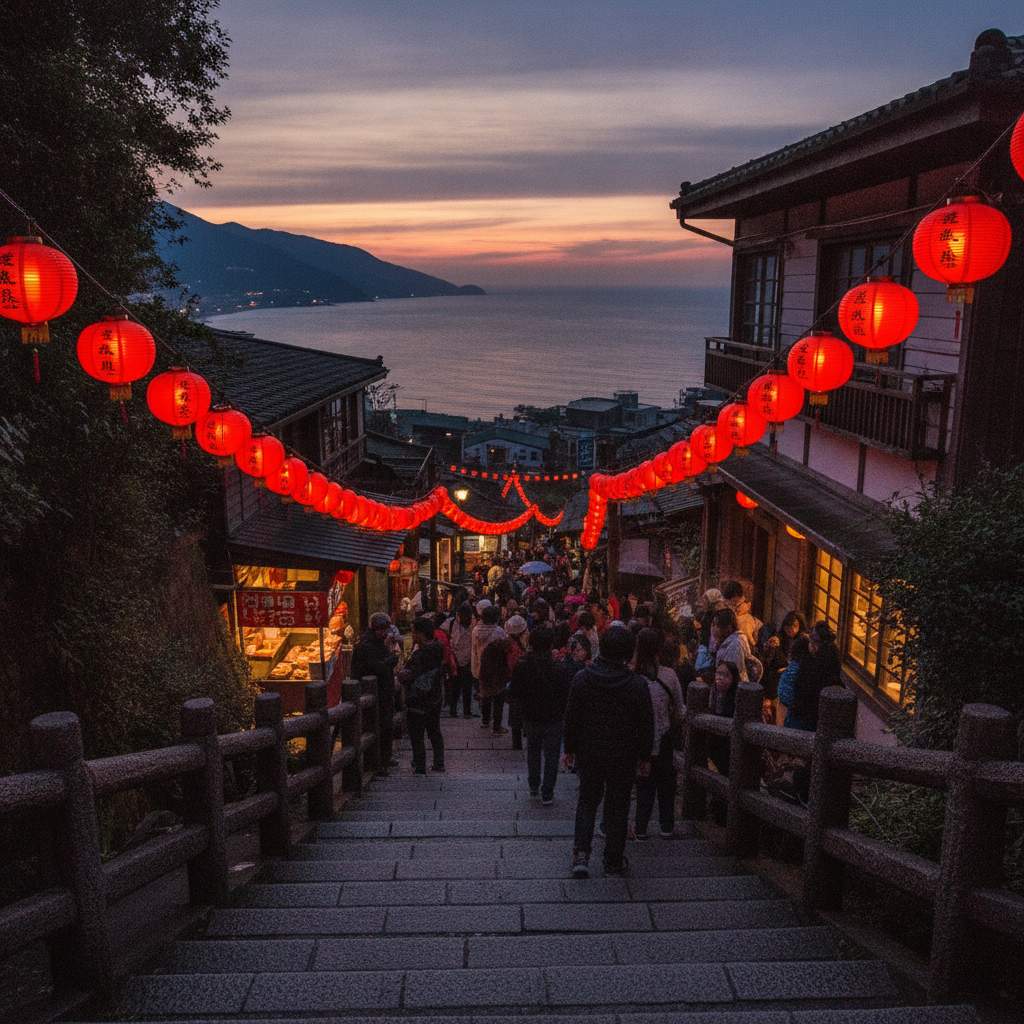
Jiufen — Il Villaggio sulla Collina che ha Ispirato La Città Incantata
Jiufen (九份 — the hillside village in the Ruifang District of New Taipei City, approximately 50 km northeast of Taipei (1 hour by bus or taxi from Taipei Main Station) — the former gold mining town that became famous internationally when Miyazaki Hayao cited it as one of the inspirations for the setting of his animated film 'Spirited Away' (千と千尋の神隠し — Sen to Chihiro no Kamikakushi, 2001, winner of the Academy Award for Best Animated Feature 2003)): Jiufen is now one of the most visited day-trip destinations from Taipei, famous for its narrow stone-stepped lanes, traditional tea houses, and the view over the Pacific Ocean coast.
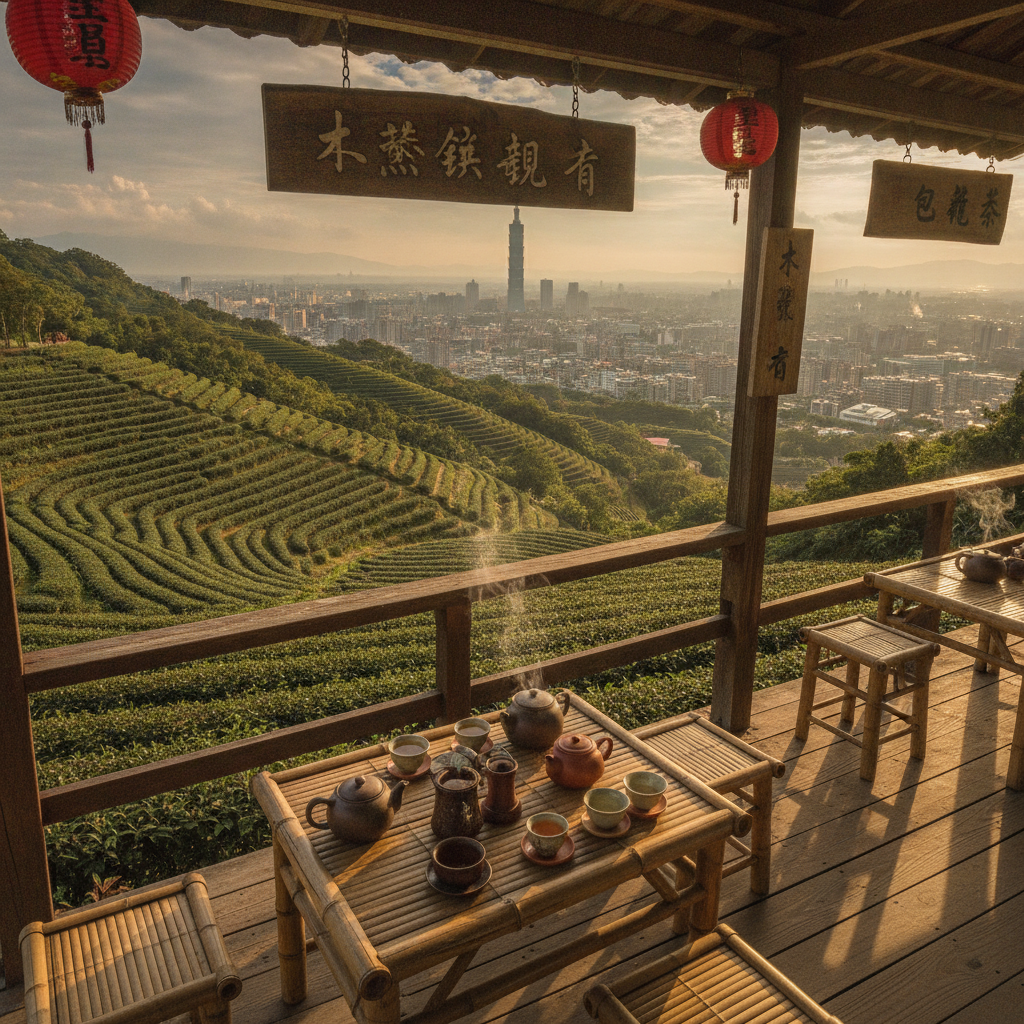
Cultura del Tè a Maokong, Pinglin e il Cuore del Tè Oolong di Taiwan
Taiwan è una delle grandi nazioni produttrici di tè al mondo, responsabile di alcuni dei migliori tè oolong del mondo: Maokong (sulle colline di Taipei) e Pinglin (40 km a sud-est) sono le due principali destinazioni del turismo del tè da Taipei.
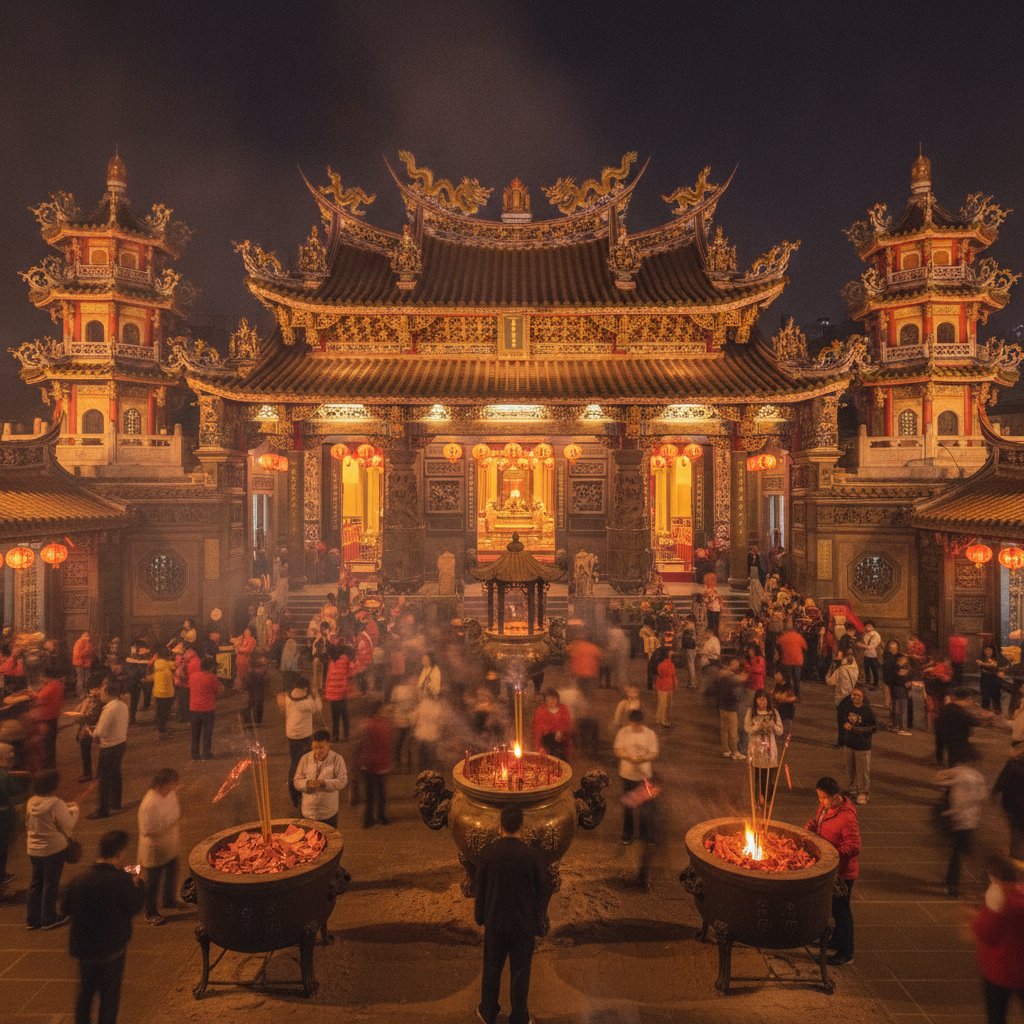
Tempio Longshan, Wanhua e il Quartiere Storico Antico di Taipei
Wanhua — il distretto più antico di Taipei, centro di insediamento dal XVIII secolo — preserva il tessuto urbano più storico della città, con il Tempio Longshan (fondato nel 1738) e il vivace mercato della medicina tradizionale cinese come suoi principali punti di riferimento.
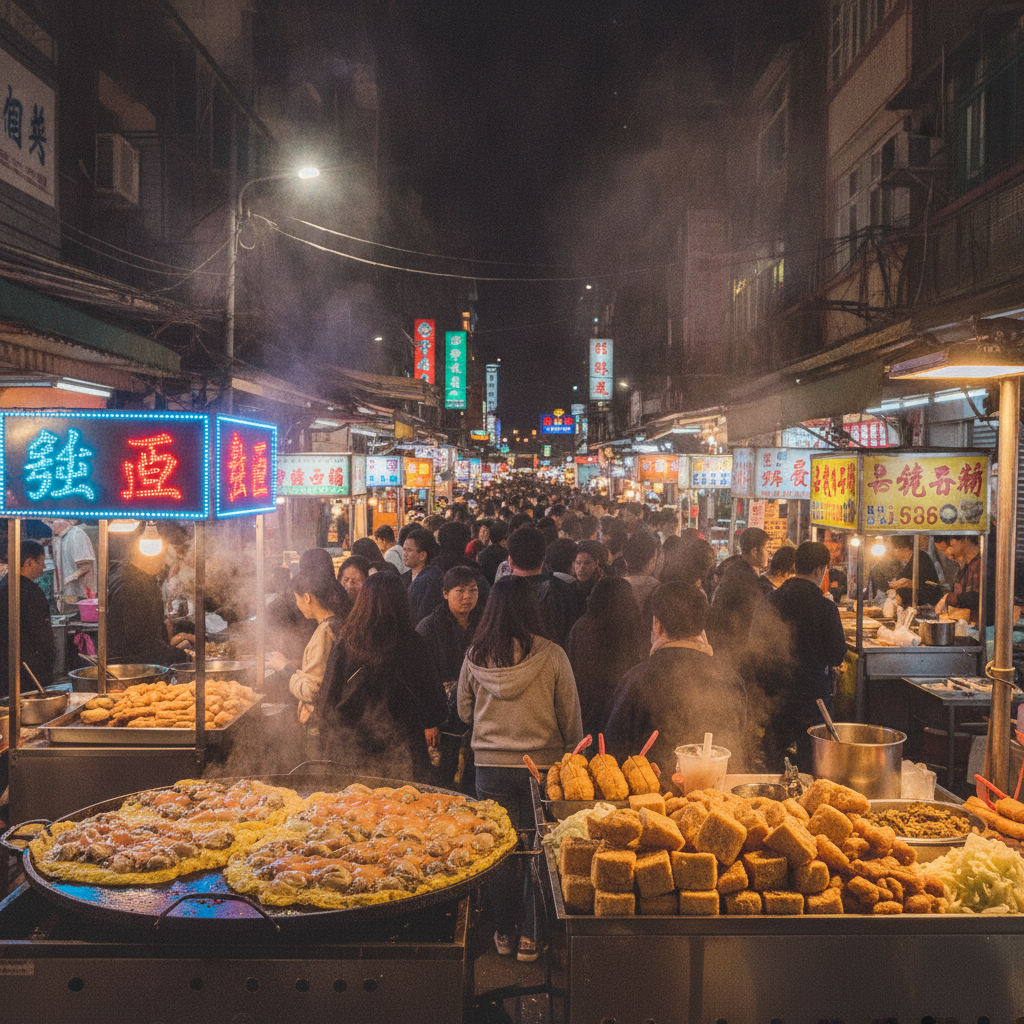
Mercati Notturni di Taipei — Shilin, Raohe e l'Universo dello Street Food Taiwanese
I mercati notturni di Taipei (夜市 — yèshì) — con circa 30 mercati notturni sparsi per la città — costituiscono la concentrazione più ricca e diversificata di cultura dei mercati notturni in Asia, con Shilin e Raohe come i più famosi.
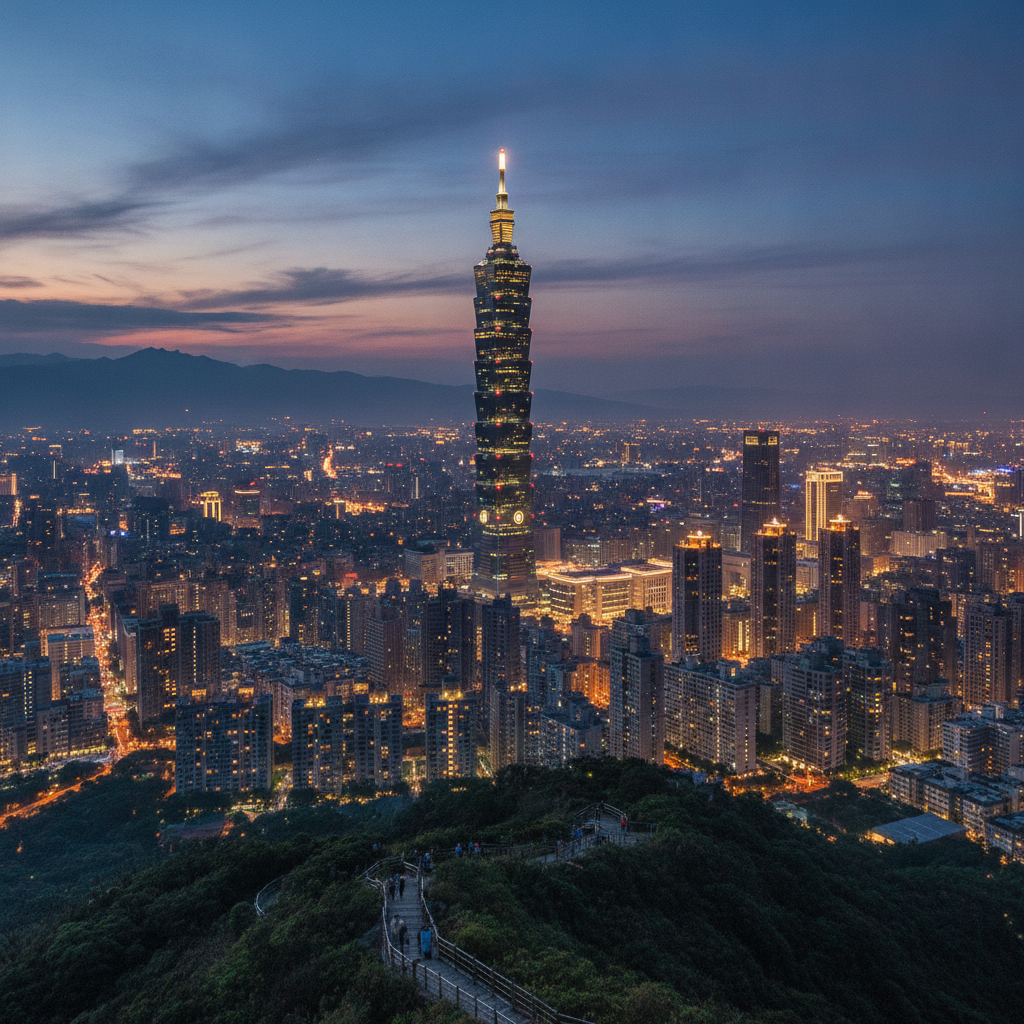
Taipei 101 e Xinyi — L'Icona Verticale della Città e il Cuore Finanziario
Taipei 101 (508 metri, l'edificio più alto del mondo dal 2004 al 2010) e il distretto di Xinyi rappresentano il volto moderno di Taipei — la capitale di Taiwan, una città di mercati notturni, sorgenti termali, templi buddisti e una delle economie tecnologiche più dinamiche dell'Asia.