 Colombia
Cali
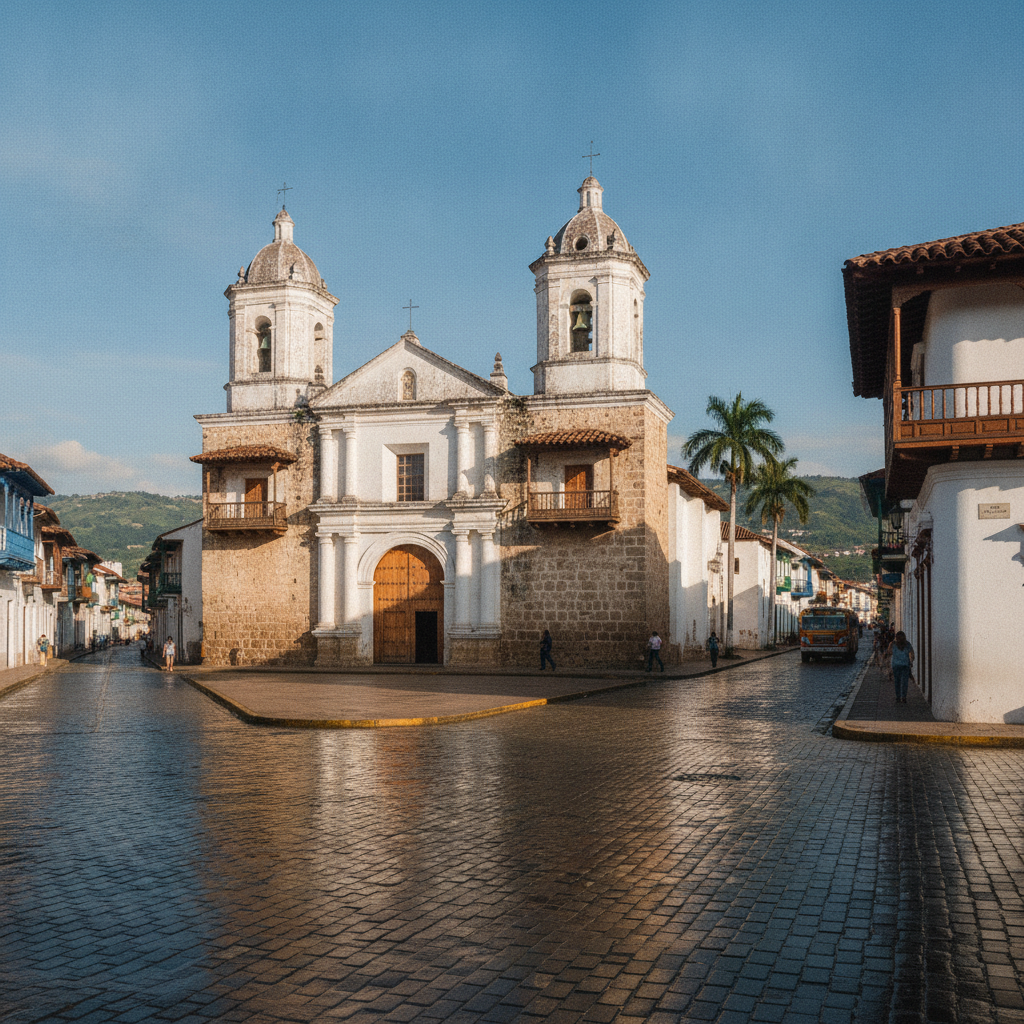
Cali History: Colonial Foundation, Independence, and the Cauca Valley Economy
Cali was founded by the Spanish conquistador Sebastian de Belalcazar in 1536, making it one of the oldest European settlements in Colombia and the Americas. The colonial city grew slowly as an administrative and commercial center serving the agricultural and mining economy of the Cauca Valley, far less significant in colonial times than the silver-rich Andean cities or the Caribbean port towns. The independence period was contested in the Cauca region, with Cali changing hands multiple times between royalist and patriot forces before the final liberation at the Battle of Pichincha in 1822. The agricultural transformation of the Cauca Valley from subsistence hacienda farming to industrial sugar production in the 20th century, combined with rapid urbanization, created the modern city and its complex social geography.
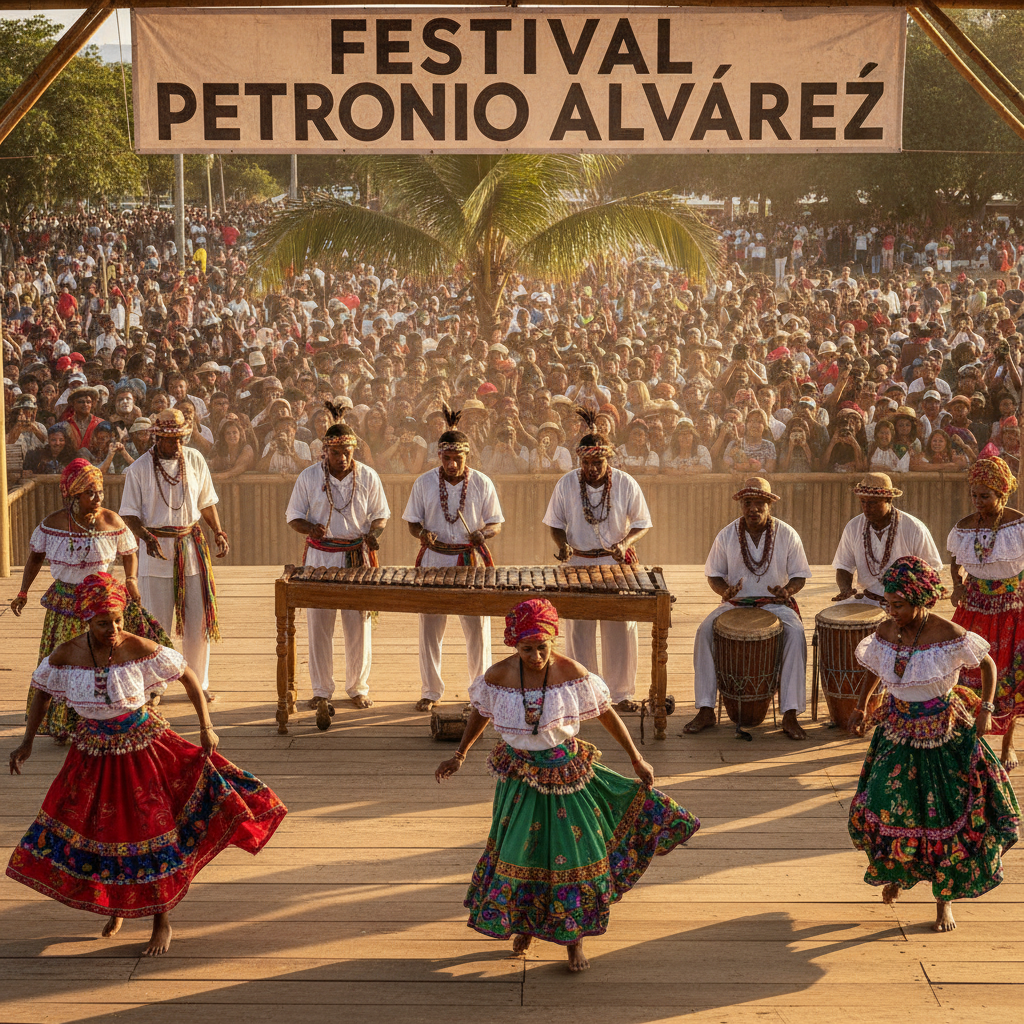
Cali Afro-Colombian Culture: Music, Identity, and the Pacific Heritage
Cali is the Colombian city with the largest Afro-Colombian population in absolute numbers and one of the highest concentrations of African-descended people relative to total population of any major Colombian city. The Afro-Colombian communities of Cali and the surrounding Cauca Valley descend primarily from enslaved Africans brought to work the colonial sugar estates of the valley from the 16th century onward, with later arrivals from the Pacific coast communities of Buenaventura and the Choco department. The Afro-Colombian cultural heritage of the region is expressed in the Pacific coast musical traditions of marimba, currulao, and alabao, in the food traditions of the Pacific kitchen, in the religious syncretism of Pacific communities, and in the ongoing political mobilization for ethnic rights and territorial recognition that has made the Afro-Colombian movement one of the most politically significant minority rights movements in Latin America.
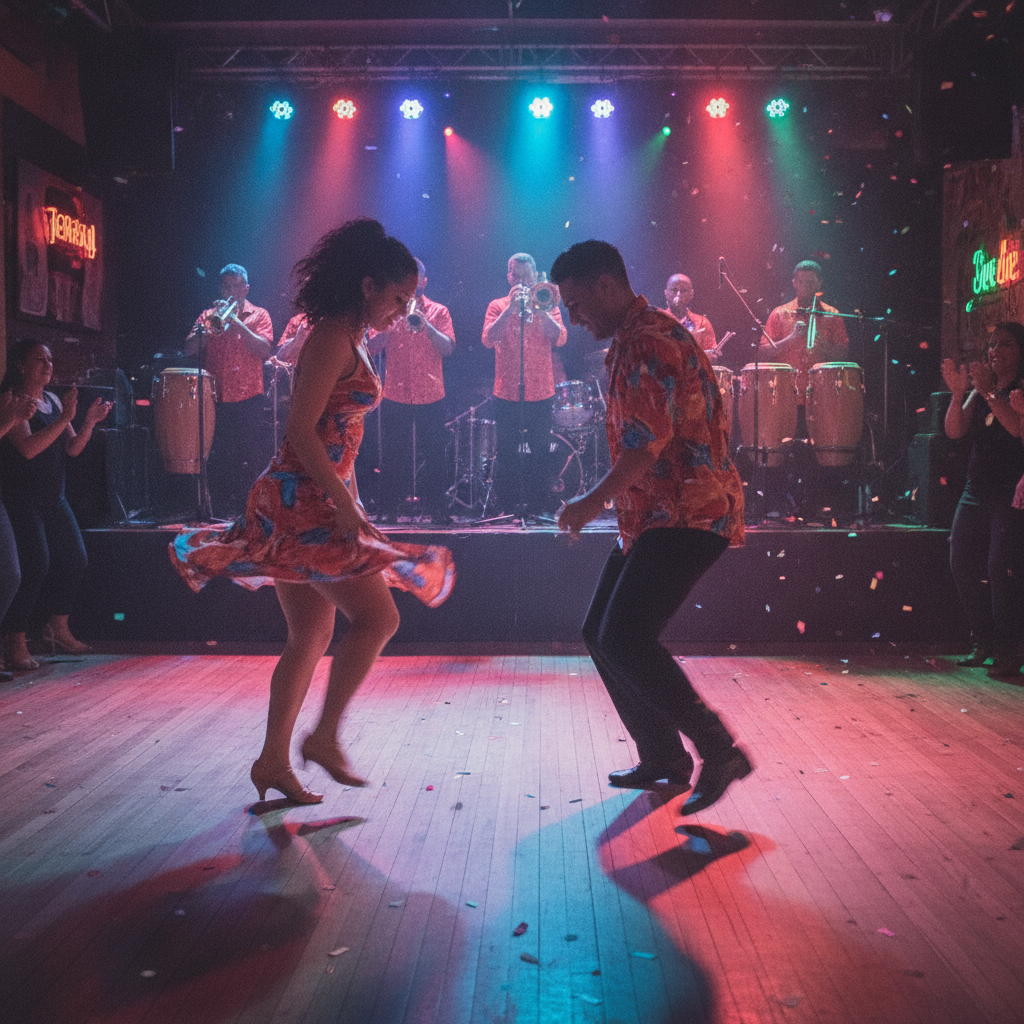
Cali: The Salsa Capital of the World and the Cauca Valley City
Cali, the third-largest city in Colombia with approximately 2.4 million people, sits in the Cauca Valley at 995 meters altitude, giving it a consistently warm climate that has shaped both its agricultural economy and its reputation as the city where Colombians go to enjoy life. The city is unambiguously the world capital of salsa dancing, having developed its own distinct style called Cali-style salsa over the 1960s and 1970s from Cuban son and mambo influences brought by the Pacific coast Caribbean musical currents that flowed through the port city of Buenaventura to the west. The Feria de Cali, the New Year festival held from December 25 to 30 each year, is one of the most intense salsa festival experiences in the world. The Cauca Valley that surrounds the city has been the most productive agricultural zone in Colombia for sugar cane, which has made the region both wealthy and deeply marked by the history of African slavery and subsequent Afro-Colombian culture.
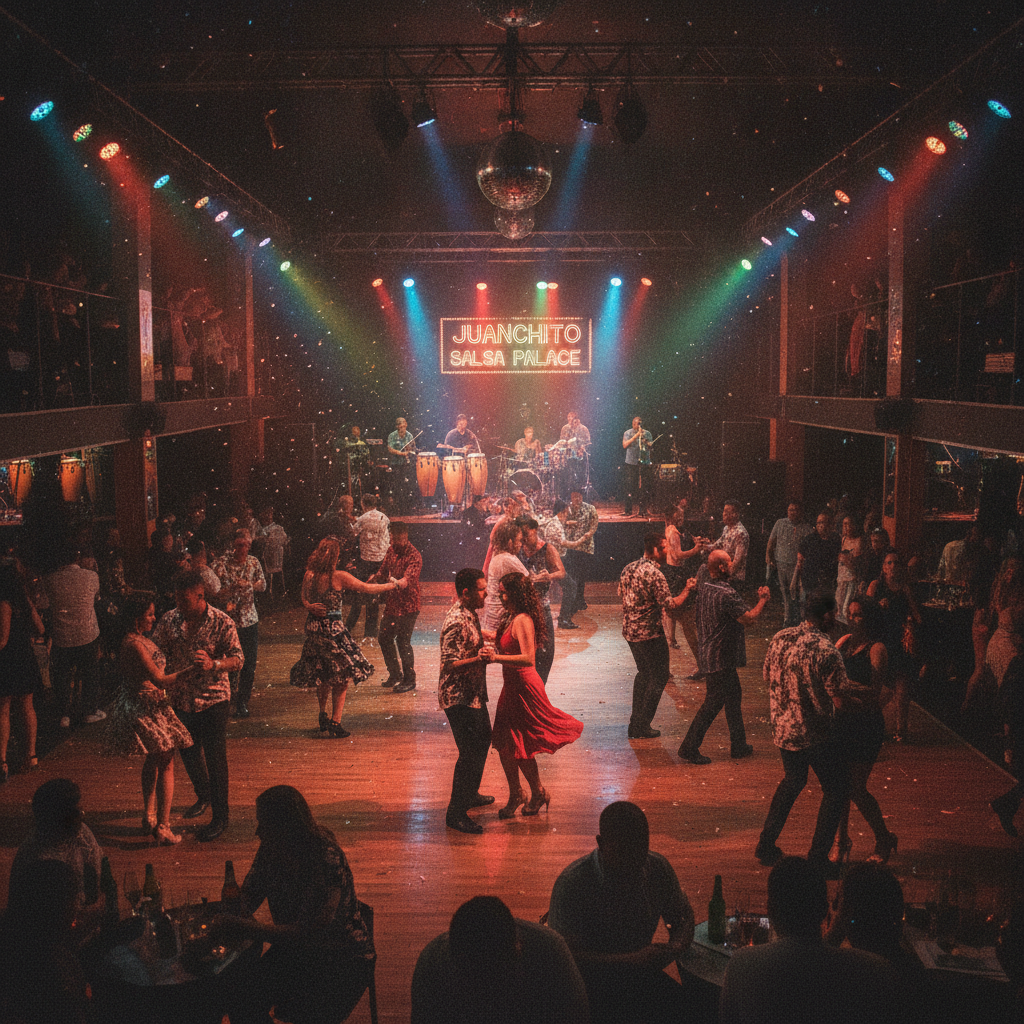
Cali Nightlife and the Salsoteca Culture: Dancing Until Dawn
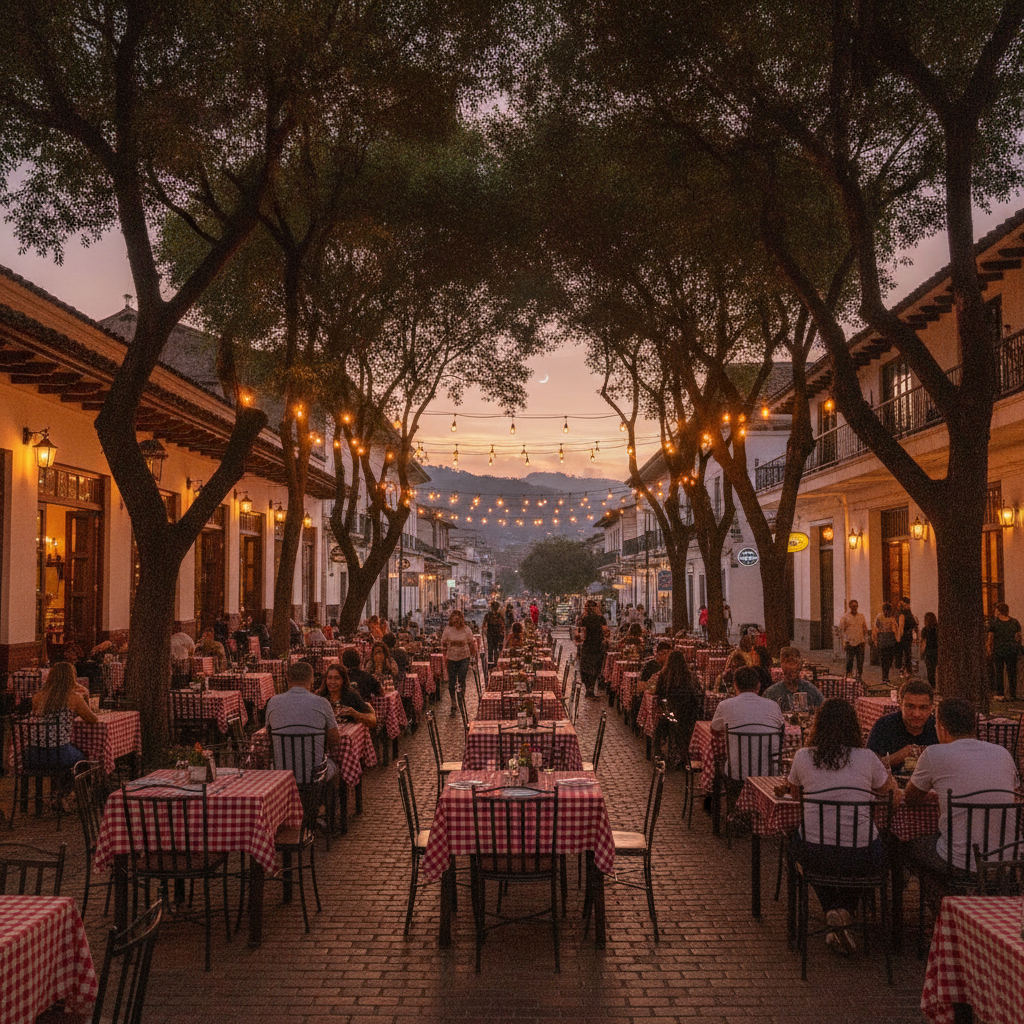
The nightlife culture of Cali is built around salsa in a way that no other city in the world replicates, with the salsotecas, the salsa-specific dance clubs, serving as the primary social institution of Cali after dark. Unlike nightclubs in most cities that play varied music, the salsoteca is devoted exclusively or almost exclusively to salsa, with DJs or live bands playing classic salsa dura recordings and contemporary productions throughout the night while the dance floor is occupied by couples performing Cali-style footwork. The Juanchito entertainment zone east of the city, a strip of large salsotecas operating in sprawling venues on the flat Cauca floodplain, is the most intense concentration of Cali salsa nightlife and the experience most often described by visitors as the purest form of the culture.
Cali Practical Guide: Getting There, Neighborhoods, Safety, and the Colombia Southwest
Cali is served by the Alfonso Bonilla Aragon International Airport with direct flights to Bogota, Medellin, and several international destinations including Miami and Madrid. The city is more compact than Medellin and the primary visitor neighborhoods of Granada and San Antonio are connected by efficient local transport. Safety has improved substantially from the cartel period but requires the standard urban awareness that applies in any major Colombian city. Cali serves as the natural base for exploring the Colombian southwest including Popayan, the Choco Pacific coast, and the coffee region to the north.
Cali Day Trips: Buenaventura, San Cipriano, Farallones, and the Coffee Towns
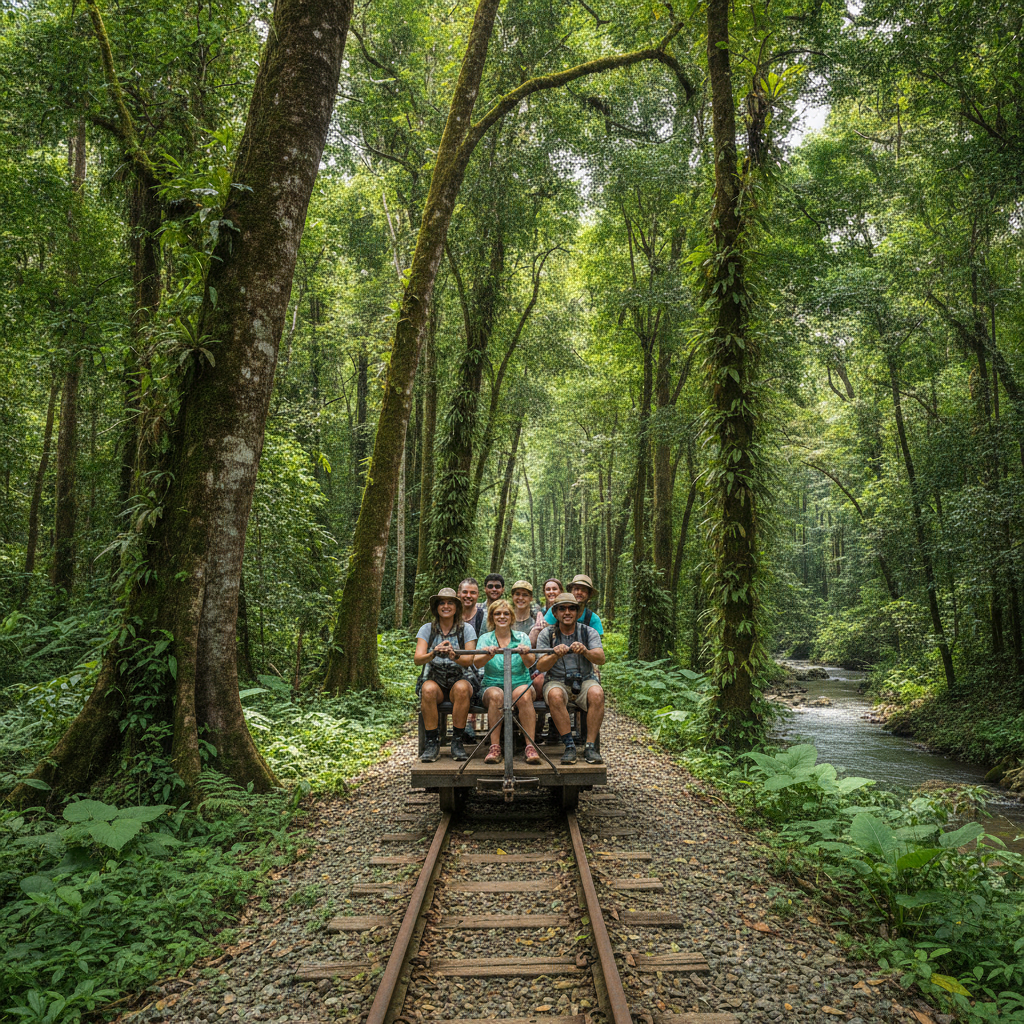
The geographic position of Cali at the junction of the Andes and the Pacific lowlands, with the coffee region to the north and the Valle del Cauca agricultural heartland surrounding it, makes it one of the best-positioned cities in Colombia for day trips to diverse natural and cultural destinations. Buenaventura on the Pacific coast is 150 kilometers west through dramatic mountain scenery, accessible in two to three hours. The San Cipriano nature reserve in the lowland forest, reached by handcar on an abandoned railway track, offers swimming in crystal clear rivers and cloud forest wildlife. The Farallones de Cali National Park in the western Andes above the city protects extraordinary biodiversity. The colonial town of Buga with its famous Señor de los Milagros basilica is one hour north.
Cali Food: Cholado, Lulada, Sancocho, and the Flavors of the Cauca Valley
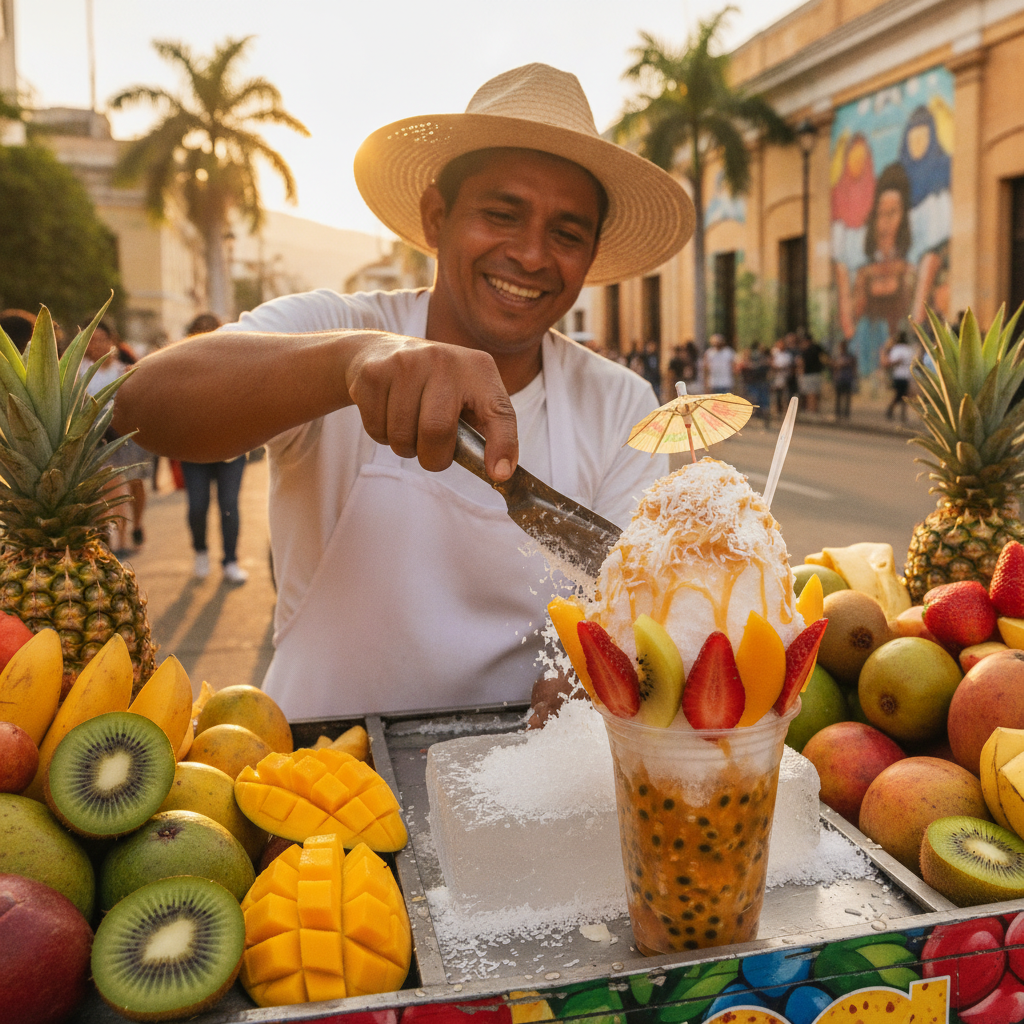
Cali food culture is distinct from both the Antioqueño tradition of Medellin and the cooler highland cuisine of Bogota, reflecting the warm valley climate, the Afro-Colombian agricultural heritage, the Pacific coast culinary influences from Buenaventura, and the abundance of tropical fruits and sugarcane products in the surrounding valley. The cholado shaved ice dessert, the lulada lulo-based drink, and the champús corn and fruit beverage are iconic Cali street foods unknown outside the city's cultural sphere. The sancocho de gallina, chicken soup cooked with local herbs and root vegetables, is the Sunday family meal throughout the Cauca Valley. The Pacific coast seafood tradition, accessible via the highway to Buenaventura, provides fresh fish and shellfish to Cali markets and restaurants.
Cali Athletics and Sports: World Track Capital and the Colombian Sporting Tradition
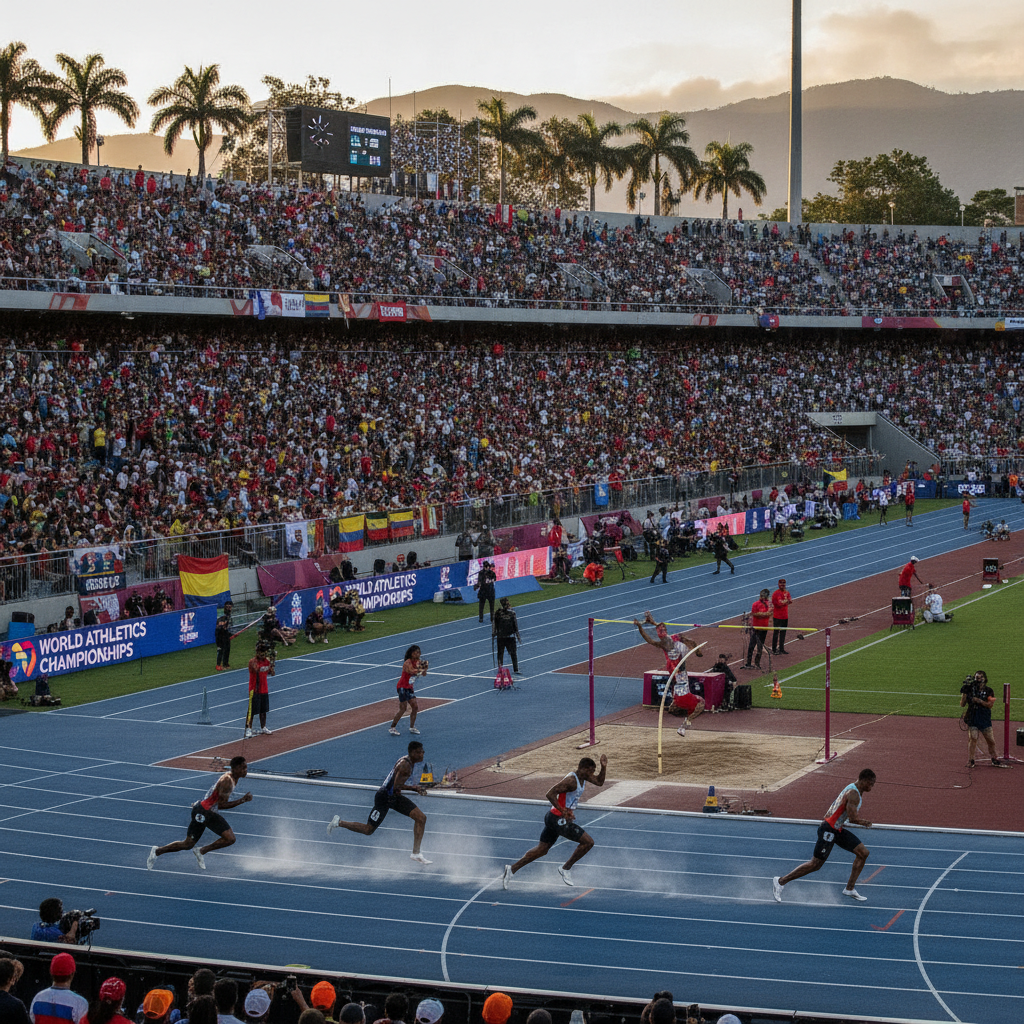
Cali has an outsized reputation in Colombian and South American athletics relative to its size, having produced a disproportionate number of elite track and field athletes particularly in sprint and middle-distance events. The city hosted the 1971 Pan American Games, the 1992 Ibero-American Games, the 2021 Junior Pan American Games, and the 2022 World Athletics Championships, building an athletics infrastructure and culture across multiple generations that has made the Pascual Guerrero stadium one of the most important track venues in Latin America. The concentration of elite athletic talent in the city is widely attributed to the large Afro-Colombian population and the role that athletics has played as a pathway to economic mobility for young people from the comunas and the Cauca Valley communities.