 Colombia
Medellin
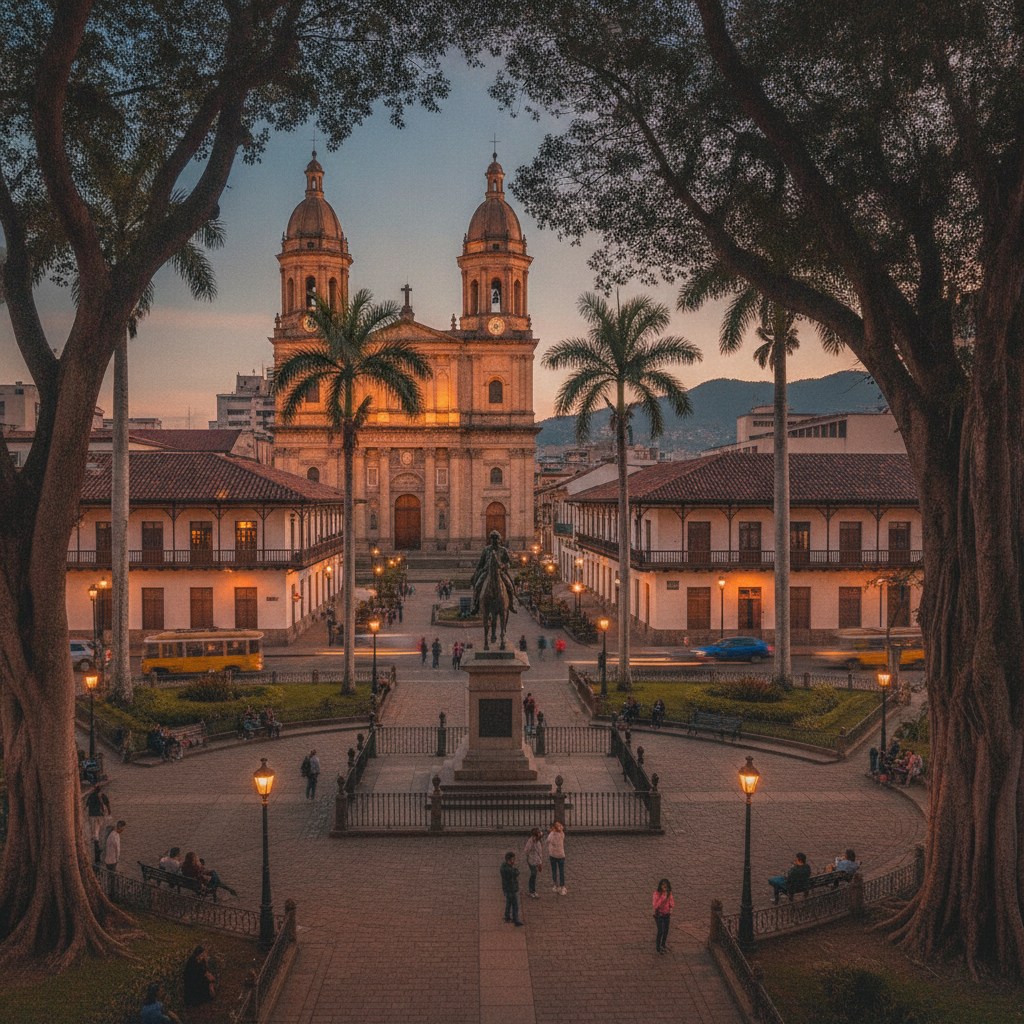
Medellin History: From Colonial Foundation to Industrial Capital and Cartel Violence
Medellin was founded as a Spanish colonial settlement in the 17th century in a valley that the indigenous Nutabe people had inhabited for centuries before the conquest, and grew slowly through the colonial period as a regional administrative center before transforming dramatically in the late 19th and early 20th centuries into the industrial capital of Colombia. The coffee economy of the surrounding Antioquia region provided the capital that founded the first Colombian textile mills in Medellin in the 1900s and 1910s, and the city grew from approximately 60,000 people in 1900 to over one million by 1960. The rapid industrialization and rural-to-urban migration created the dense hillside settlements that became the comunas, and the same informal economy and weak state presence in those neighborhoods created the conditions that allowed Pablo Escobar to build the Medellin Cartel from local street-level operations to an international criminal empire.
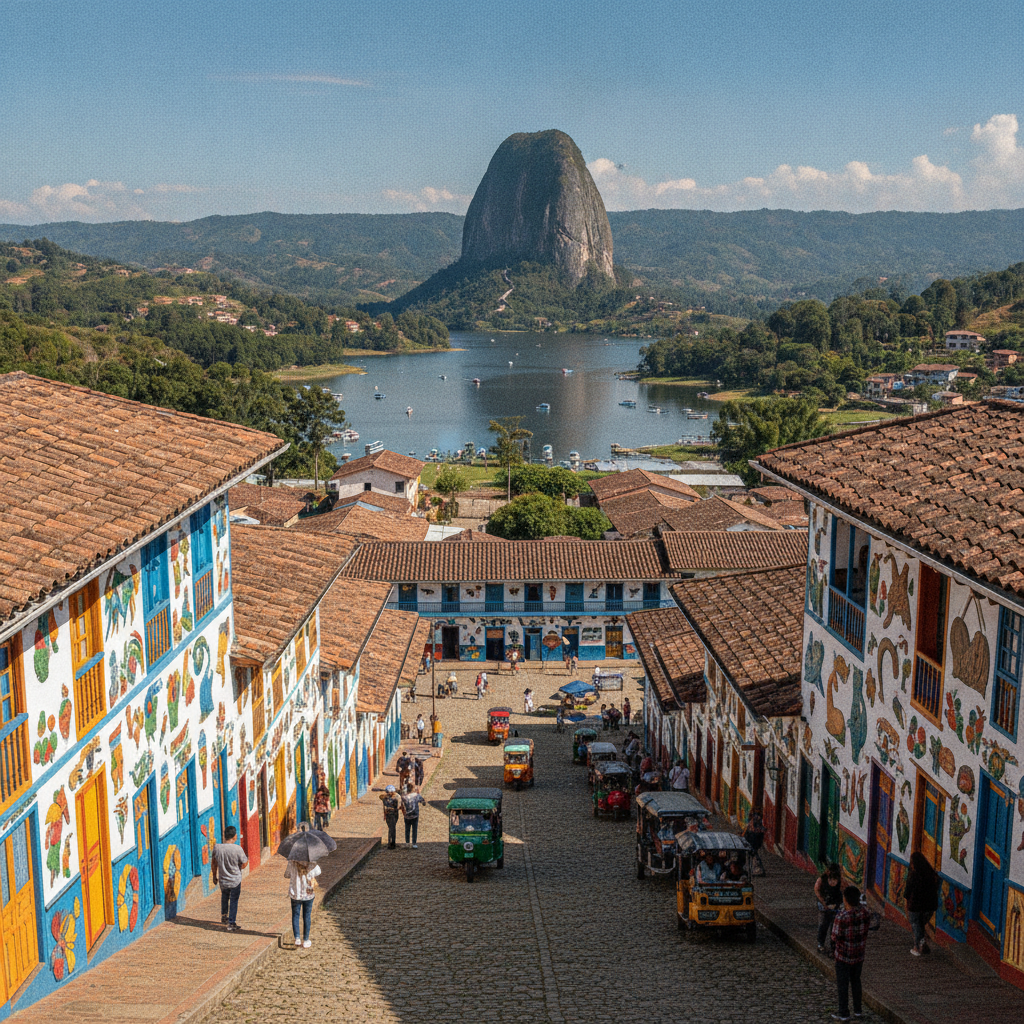
Medellin Day Trips: Guatape, Coffee Region, Jerico, and the Antioqueño Countryside
The Antioqueño countryside surrounding Medellin within two to three hours of the city contains some of the most beautiful and culturally distinctive landscapes in Colombia. Guatape, two hours east of Medellin, is a lakeside town with the most extravagantly colorful zócalo tile decorations in Colombia and the dramatic El Peñol granite monolith that rises 200 meters above the reservoir. The Eje Cafetero coffee region to the south contains the colonial towns of Salento and Jardín within reach of day trips or overnights. The pueblo antioqueño towns of Jericó, Jardín, Támesis, and Santa Fe de Antioquia represent the purest surviving expression of the traditional Antioqueño architectural and social culture that spread through the Andes in the 19th century colonization movement.
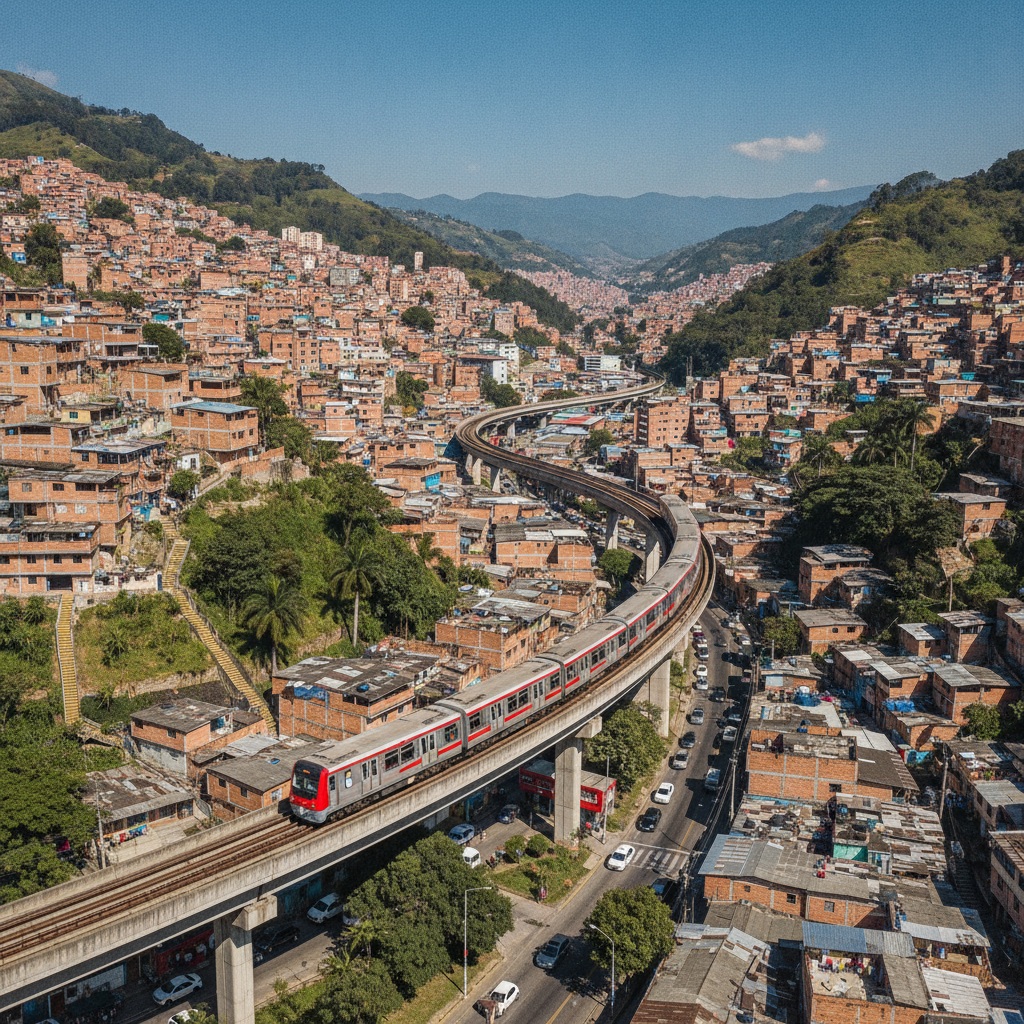
Medellin Practical Guide: Neighborhoods, Safety, Transport, and Colombia Travel Connections
Medellin is one of the most accessible cities in Latin America for international visitors, with a well-developed tourism infrastructure, improving but still context-requiring safety environment, good domestic and international flight connections, and a public transport system that makes basic navigation possible without a private vehicle. The neighborhood choice, primarily between El Poblado for international amenities and Laureles for a more local experience, significantly shapes the visitor experience. Colombia has improved dramatically as a travel destination since the peak conflict period and offers one of the most rewarding travel environments in South America, with Medellin serving as the natural starting point for a circuit that can extend to Cartagena on the Caribbean coast, Bogota the capital, the coffee region, and the Amazon.
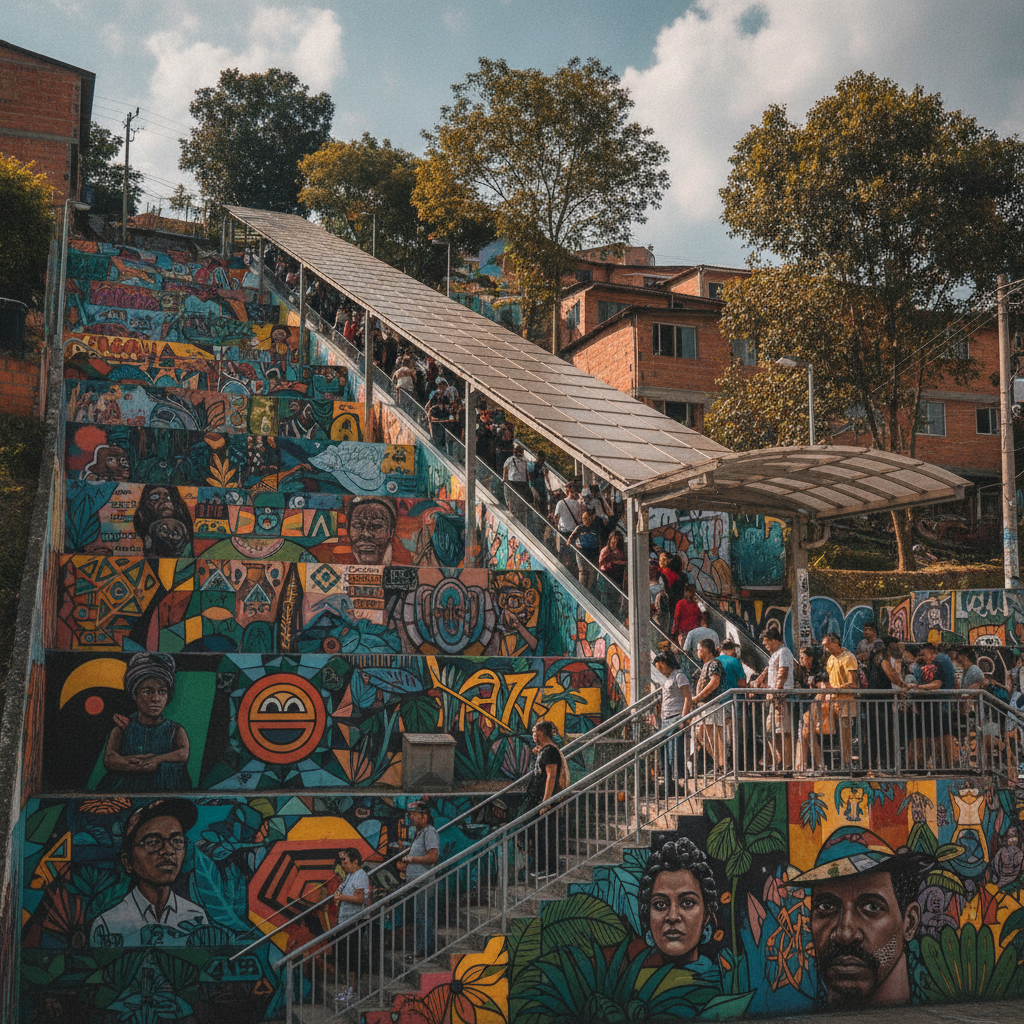
Medellin Urban Transformation: Architecture, Innovation, and the World Design Capital
Medellin was named World Design Capital in 2023, recognizing the city's sustained use of architecture, urban design, and public space investment as instruments of social transformation over the preceding two decades. The transformation began in earnest with the Metrocable installations in 2004 and accelerated through a series of bold public projects including the España Library, the Parque Explora science park, the Jardín Botánico expansion, and the series of Unidades de Vida Articulada community centers. The urban acupuncture strategy, which concentrated high-quality public investment in the most excluded neighborhoods to change the social dynamics of those spaces, became an internationally studied model. The contemporary Medellin architecture scene includes both these landmark public projects and a growing private sector of innovative residential and commercial buildings.
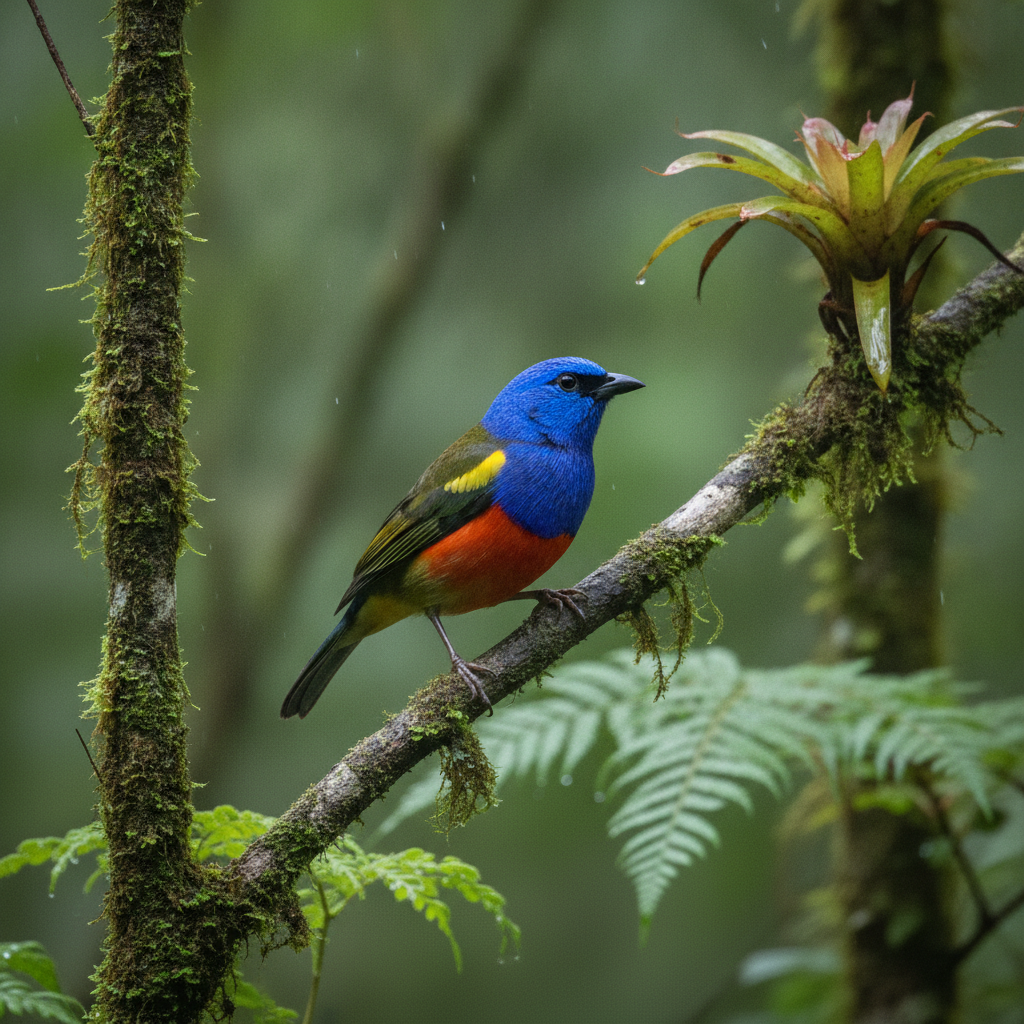
Medellin Birdwatching: Colombia as the Most Bird-Rich Country and the Antioquia Avifauna
Colombia has more bird species than any other country in the world, with over 1,900 recorded species representing approximately 20 percent of all bird species on Earth. The Antioquia department surrounding Medellin, with its range of elevations from Andean cloud forest to Pacific lowland rainforest to Magdalena Valley dry forest, contains an exceptional concentration of this diversity within reach of the city. The Pro Aves Colombia organization and several private birding lodges in the surrounding mountains have developed world-class birding infrastructure accessible from Medellin. The Cerro El Volador urban hill within the city itself is a starting point for birding in the urban environment, and the Jardín Botánico records dozens of species in its 14 hectares.
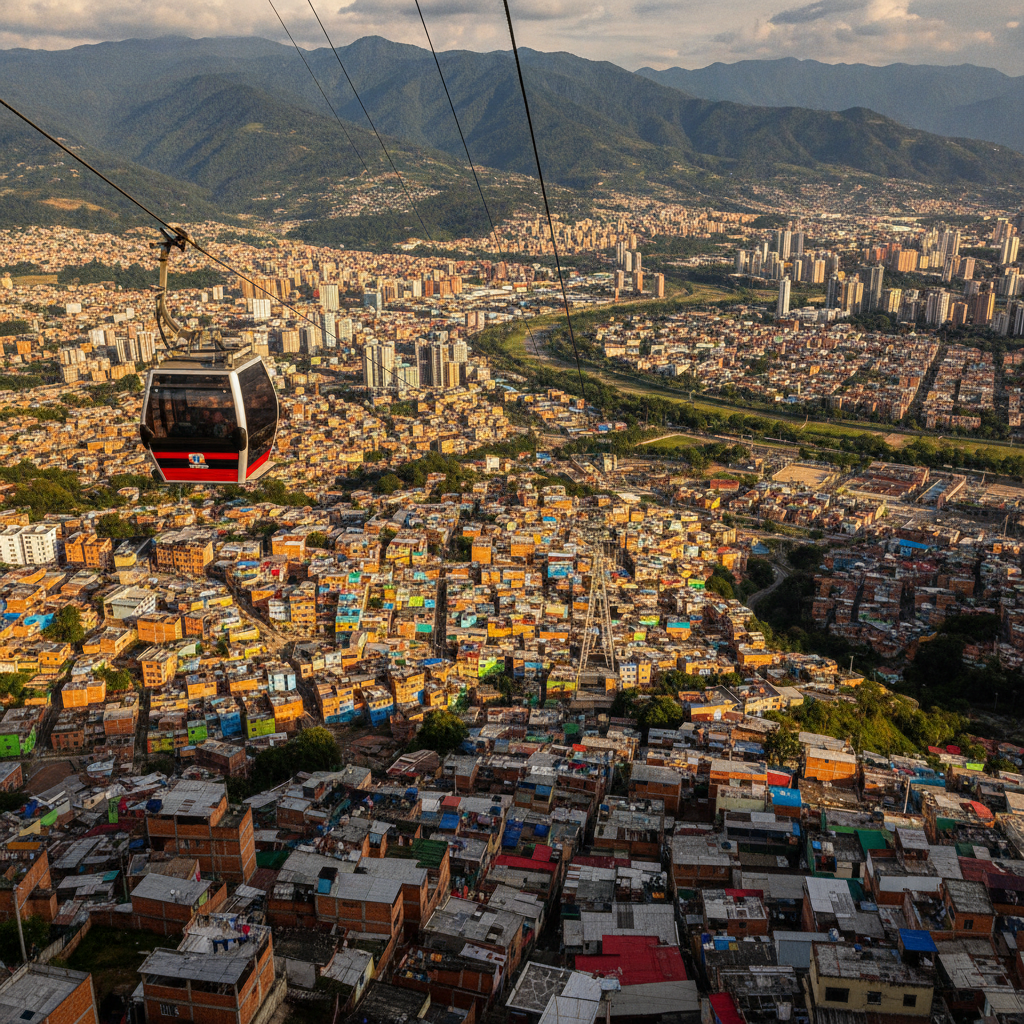
Medellin: The City of Eternal Spring, Urban Transformation, and the Flower Festival
Medellin, the second-largest city in Colombia with approximately 2.5 million people in the metropolitan area, sits in the Aburra Valley of the Andes at 1,495 meters altitude, an elevation that gives it a famously mild climate averaging 22 degrees Celsius year-round and earns it the nickname the City of Eternal Spring. Once the world's most dangerous city during the peak of Pablo Escobar's cartel violence in the late 1980s and early 1990s, Medellin has undergone one of the most celebrated urban transformations of the 21st century, using architecture, public investment in the most marginalized neighborhoods, and the expansion of public transport including the metro and cable car system to reduce violence and create a more equitable city. The Feria de las Flores, the Flower Festival held every August, is Colombia's most famous festival and the moment the Silleteros flower vendors from the surrounding mountains descend into the city for the Grand Parade.
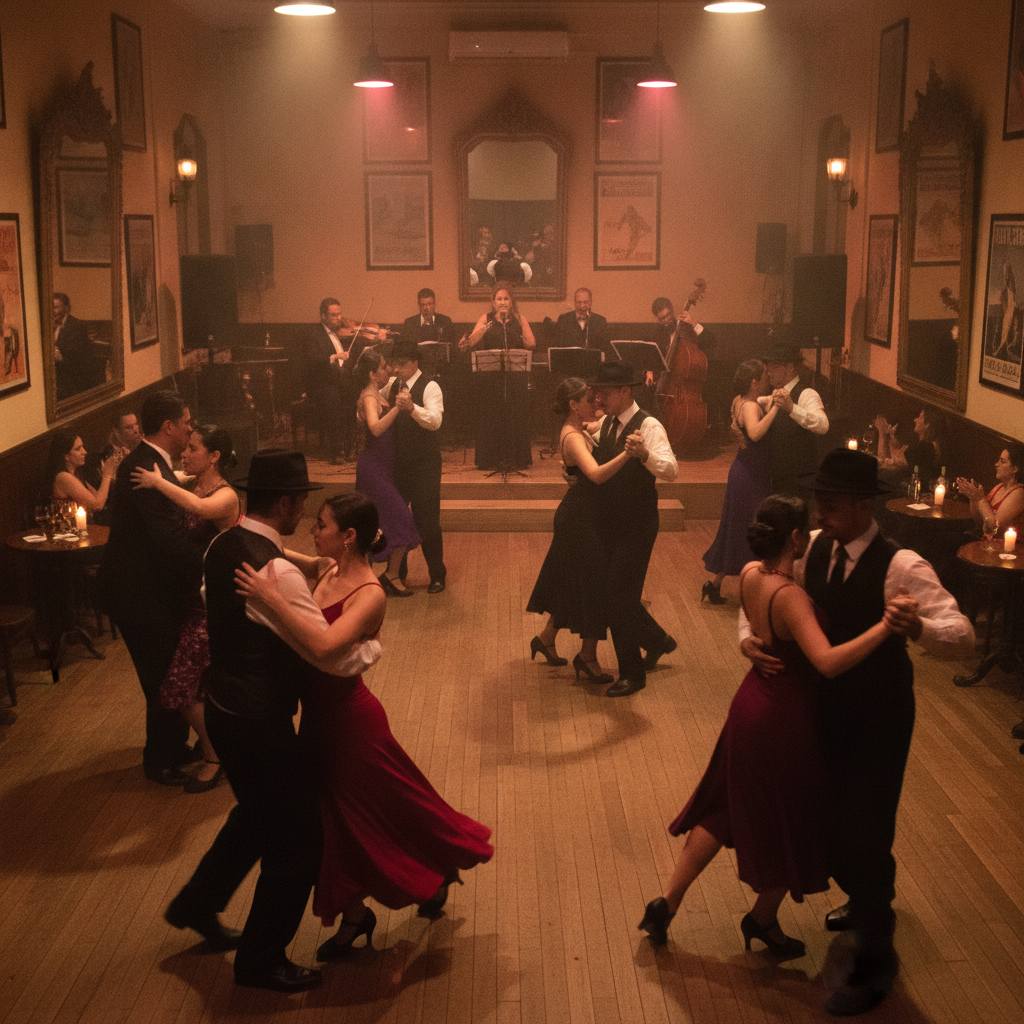
Medellin Nightlife, Music, and the Paisa Social Scene
Medellin has one of the most vibrant and distinctive nightlife cultures in Latin America, anchored by its own musical traditions, a social culture of intense local pride and hospitality, and a nightlife geography that ranges from the international party circuits of El Poblado to the local salsa clubs of Conquistadores and the street parties of Parque Lleras. Salsa, though more associated with Cali, is danced throughout Medellin; vallenato from the Colombian Caribbean coast is the most emotionally resonant popular music for many Paisas; and the electronic music and reggaeton scenes are as developed as in any major Latin American city. The Paisa reputation for hospitality is genuine and extends to a social culture of going out in mixed-age groups to eat, drink, and dance rather than the age-segregated nightlife typical of North American and European cities.
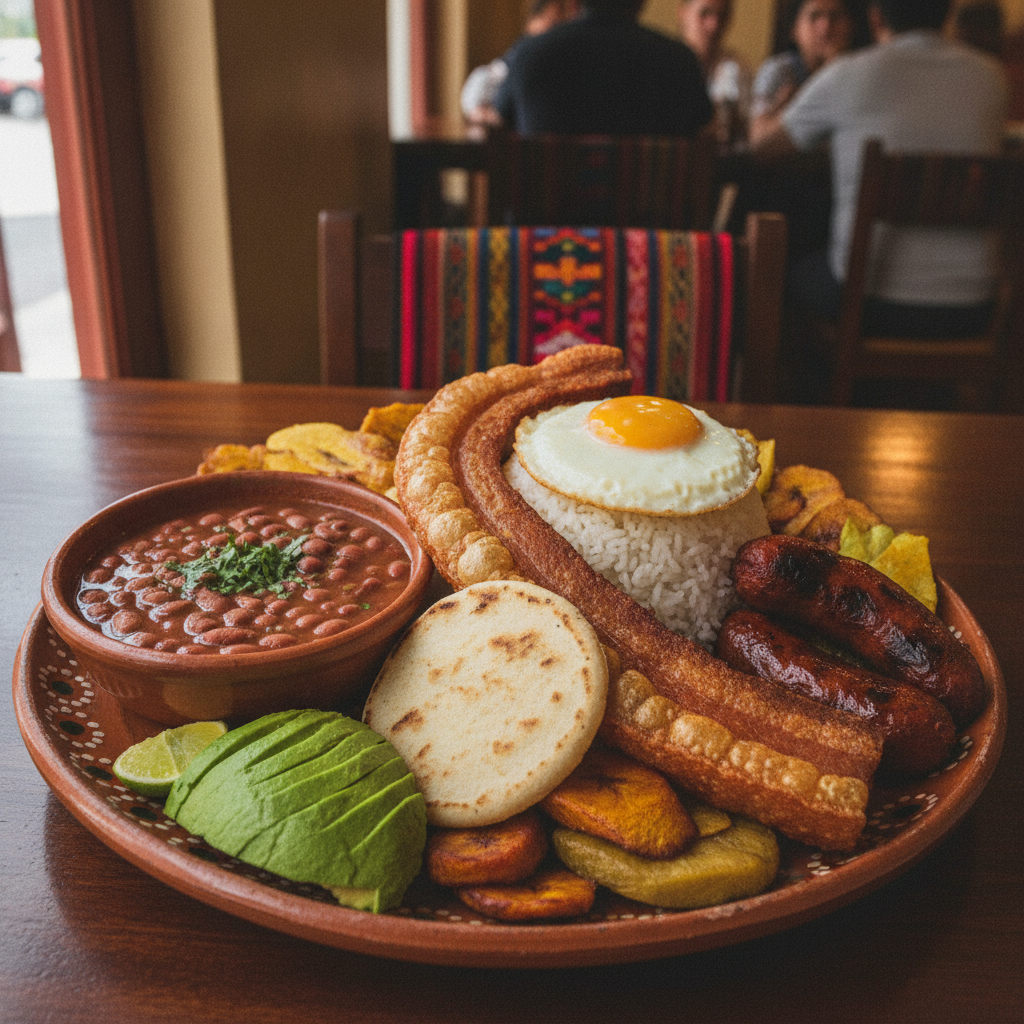
Medellin Food Culture: Bandeja Paisa, Arepas, and the Antioqueño Kitchen
The cuisine of Medellin is rooted in the Antioqueño food tradition, one of the most distinctive and recognizable regional cuisines of Colombia, built around corn, beans, pork, plantain, and the agricultural products of the coffee-growing Andes around the city. The bandeja paisa, a massive platter combining beans, rice, ground beef, chicharrón pork belly, chorizo, fried egg, sweet plantain, arepa, and avocado, is the definitive Antioqueño meal and a point of regional pride that Paisas consider a complete nutritional universe on a single plate. The arepa, a flat corn cake eaten at every meal, comes in dozens of varieties from the simple plain white corn arepa of the Antioqueño tradition to the stuffed and topped versions found across the city. The fresh juice culture of Medellin, drawing on the tropical fruits of the surrounding lowlands, produces some of the best fruit juice available anywhere in the Americas.