Yerevan
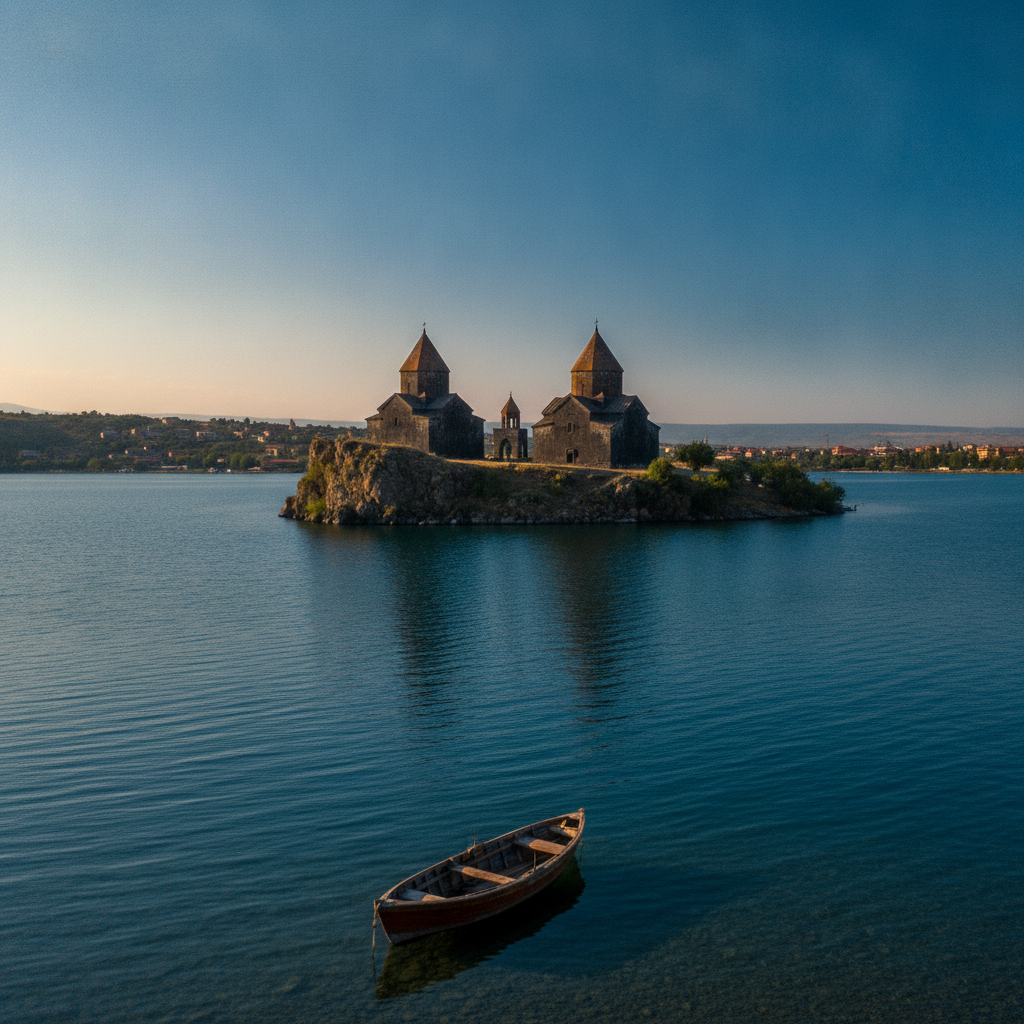
The Areni-1 Cave 6,000 BCE Wine Press Predating Even the Georgian Gadachrili Find by 200 Years Making Armenia the Oldest Winemaking Site, Lake Sevan Lowered 19m by Soviet Hydroelectric Projects & 10 Days in Three Caucasus Capitals for USD 400-600 Total
The Areni-1 cave wine press dating to 6,000 BCE discovered in 2010, predating the Georgian Gadachrili Gora find by 200 years as the world's oldest known winemaking site; the Soviet Sevanavank monastery becoming a peninsula after the lake level was lowered 19m for hydroelectric power between 1933 and 1962; the complete 10-day South Caucasus triangle circuit for USD 400-600 total; the Armenian duduk carved from apricot wood producing the most melancholic timbre in Caucasian music, UNESCO ICH inscribed 2008; the Sherep restaurant baking lavash in an on-site tonir from village recipes; and the Yerevan Northern Avenue evening promenade connecting Republic Square to the Opera House in 530m of pink tuff colonnades.

The First Sentence Written in Armenian Being the Book of Proverbs Verse 1:2, the Armenian Cognac Winning the 1900 Paris Exhibition Gold Medal Before the Judges Realized It Was Not French & the 2,000 Khachkars Destroyed in Azerbaijan in 2005 Documented by Satellite Imagery
The first Armenian sentence written in the 405 CE invented alphabet being the Book of Proverbs 1:2 — to know wisdom and instruction; the Ararat cognac winning the 1900 Paris gold medal under a false French label before the deception was discovered — the French then granting ongoing cognac designation; 2,000 khachkars destroyed at Julfa/Agulis cemetery in Nakhchivan in 2005 documented by satellite imagery; Gregory the Illuminator imprisoned in a 6m pit for 13 years at Khor Virap before converting the Armenian king; the 1291 Goshavank khachkar carved with 40,000+ individual interlace elements with no beginning and no end; and Armenian lavash the first Armenian food inscribed on UNESCO ICH in 2014.

Prunus Armeniaca the Latin Name Embedding Armenia Into the Scientific Name of the Apricot Since Pliny the Elder's 1st Century CE Natural History, Picsart the First Armenian Tech Unicorn With 150 Million Monthly Users & 120,000 Karabakh Armenians Fleeing to Armenia in Days After September 2023
Pliny the Elder naming the apricot Prunus armeniaca in the 1st century CE Natural History making Armenia the only country with its name in the scientific name of a major food species; Picsart becoming Armenia's first tech unicorn at USD 1.5 billion valuation in 2021 with 150 million monthly users; 120,000 of 150,000 Karabakh Armenians fleeing to Armenia within days of the September 19-20, 2023 Azerbaijani operation; Vardavar's pre-Christian origin as the festival of Astghik the Armenian goddess of love and water with water-throwing obligatory for strangers, elders, and priests; the TUMO Center replicating Armenia's free tech education model in Paris, Berlin, Moscow, and Beirut; and Armenia receiving 1.86 million tourists in 2023 with 9% of GDP from tourism.
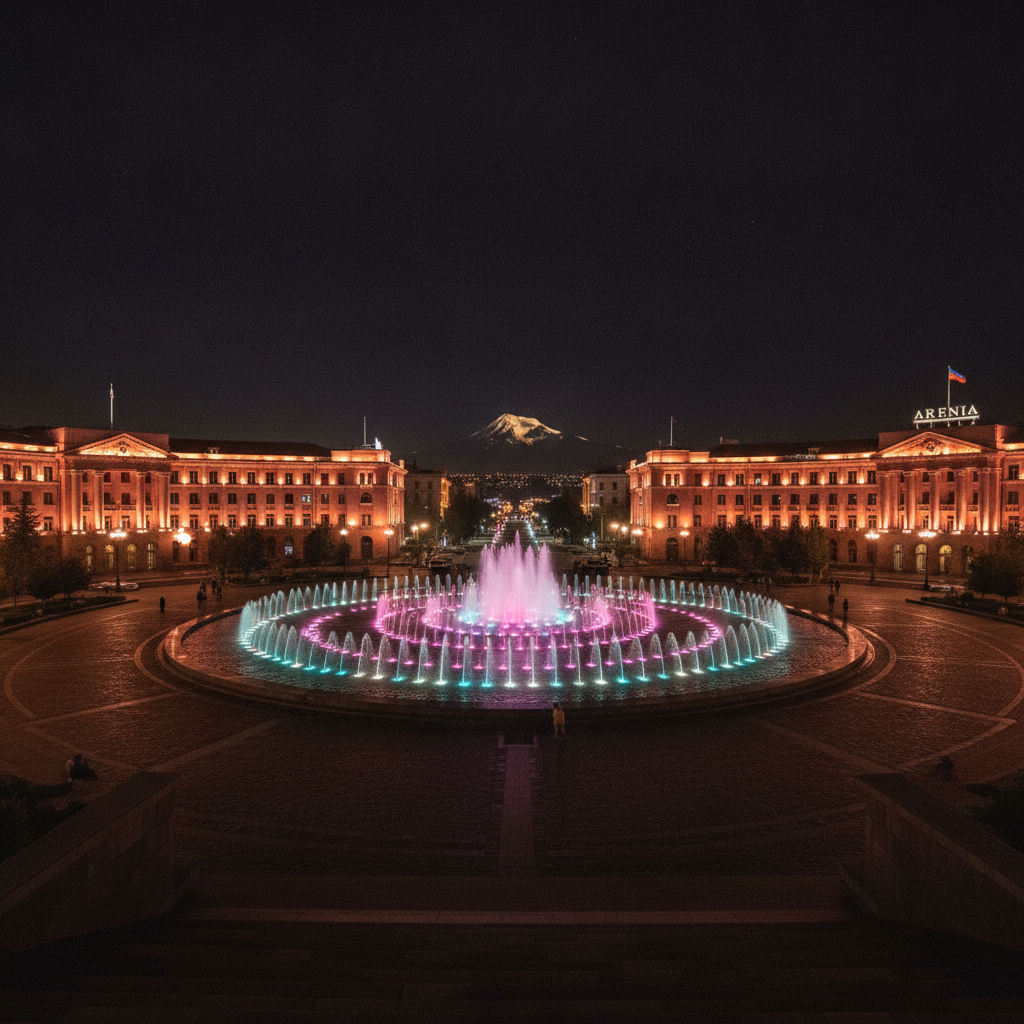
Stalin's Reply That Turkey's Crescent Moon Coat of Arms Does Not Mean Turkey Owns the Moon, the 1971 Cascade Still Not Fully Complete After 50 Years & the 23,000 Manuscripts Including the 862 CE Oldest Dated Armenian Manuscript
Stalin's reply to Turkish complaints about Ararat on Armenia's coat of arms: the Turkish crescent moon doesn't mean Turkey owns the moon; the Cascade begun in 1971 still not complete at 5 of 7 planned stages in 2024; the Matenadaran's 23,000 manuscripts including the 862 CE Gospels of Queen Mlke as the oldest dated Armenian manuscript; the Botero sculptures at the Cascade as his largest permanent outdoor collection outside Colombia; the dancing fountains on Republic Square as the largest choreographed fountain in the former Soviet Union when installed in 2008; and the Treaty of Kars (1921) assigning the Ararat plain and its mountain to Turkey against the wishes of the Armenian SSR.
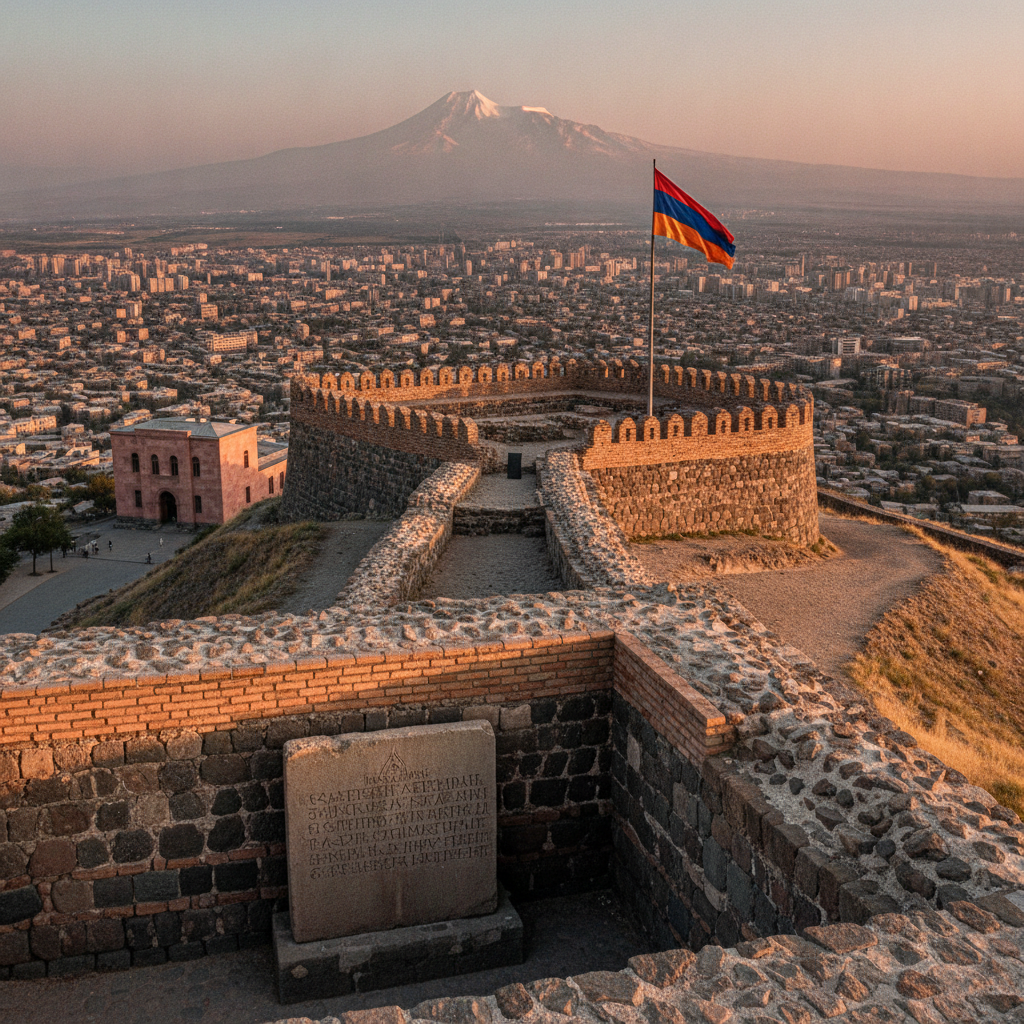
Erebuni Fortress Founded 782 BCE By King Argishti I Giving Yerevan Its Name Through 2,800 Years of Phonetic Evolution, Sergei Parajanov's Color of Pomegranates Among the 10 Greatest Films Ever Made & 200,000 People in Republic Square in 2018 With No Deaths in the Velvet Revolution
Erebuni fortress (782 BCE) giving Yerevan its name via Erebuni → Yerevan over 2,800 years of phonetic evolution; Sergei Parajanov's The Color of Pomegranates (1969) suppressed in USSR until 1982 and now ranked in multiple international top-10 greatest films polls; 200,000 people in Republic Square in April 2018 with no deaths or significant violence in the entire Velvet Revolution month; Armenia's 301 CE state Christianity adoption 22 years before Constantine's Edict of Milan; the 120,000 Armenians who fled Nagorno-Karabakh in September 2023 in the largest South Caucasus displacement since 1994; and Daniel Varoujan killed in the 1915 genocide at age 31 having written the Song of Bread published posthumously.
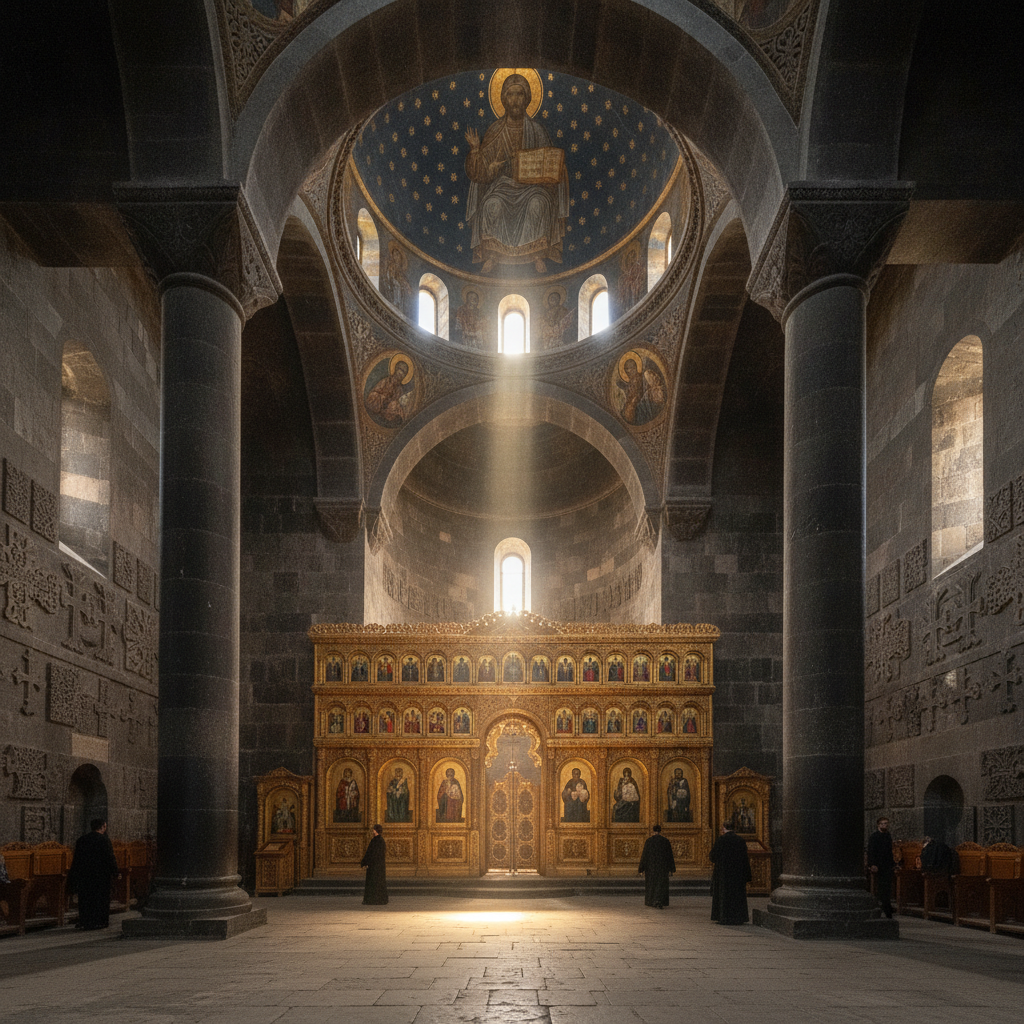
The English Word Carpet Deriving From Armenian Kapert Through Medieval Latin Carpita, the Akhtamar Church on Lake Van Built 915-921 CE Accessible Only From Turkey Not Armenia & the Etchmiadzin Cathedral Holding a Fragment of Noah's Ark Brought From Mount Ararat in the 4th Century
The English word carpet deriving from Armenian kapert (woven fabric) through Medieval Latin carpita, making Armenian the etymological origin of the English carpet; the Akhtamar Church on Lake Van (915-921 CE) visible from Yerevan's side of the border but accessible only from Turkey; the Etchmiadzin Cathedral treasury holding the Holy Lance and a claimed fragment of Noah's Ark wood; the Dragon carpet (Vishapakar) group as the most celebrated Armenian historical carpets using the vishap water dragon motif; the pomegranate producing 365-840 seeds per fruit symbolizing abundance and appearing in virtually every Armenian decorative art medium; and the complete 3-day Yerevan circuit including Garni temple, Geghard cave churches, Khor Virap monastery, and Etchmiadzin cathedral.