Hanoi
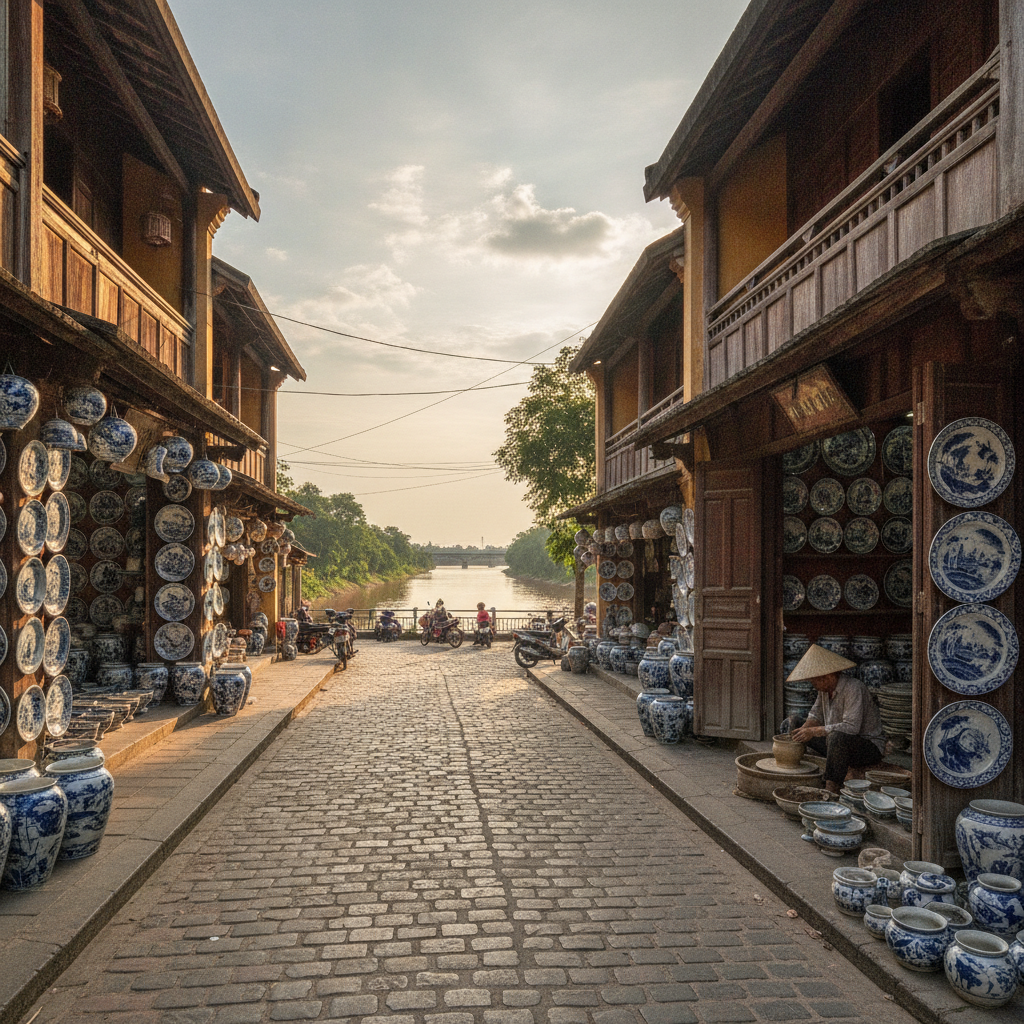
Van Phuc Silk, Bat Trang Ceramics & Hanoi's Ancient Craft Villages
Hanoi's ancient craft villages (làng nghề truyền thống — the villages surrounding Hanoi that have maintained traditional craft industries for centuries, many of them established over 500-1000 years ago): the two most celebrated are Van Phuc (Làng lụa Vạn Phúc — the silk weaving village 10 km southwest of Hanoi in the Ha Dong district, the oldest silk production centre in northern Vietnam) and Bat Trang (Làng gốm Bát Tràng — the ceramics village 13 km east of Hanoi on the Red River, producing Vietnamese ceramics continuously for approximately 500 years).
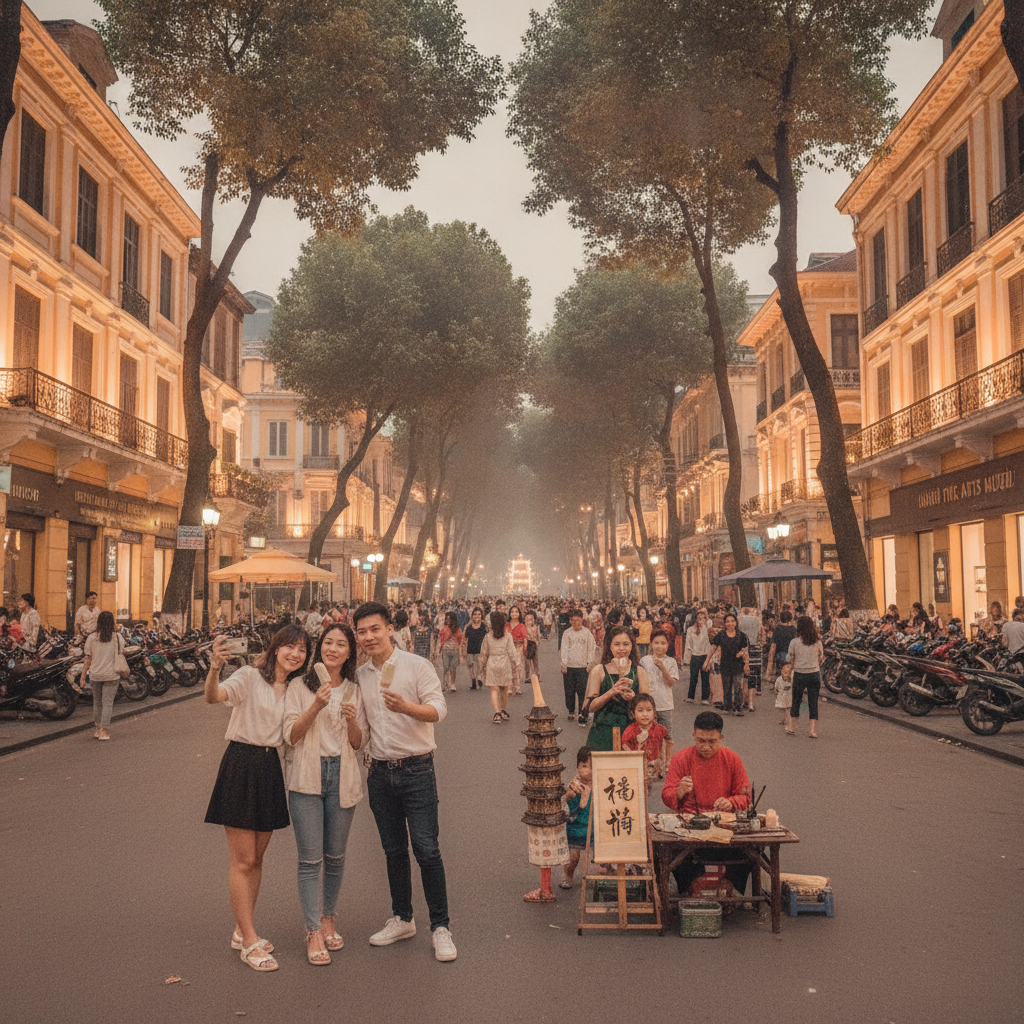
Contemporary Hanoi — Art Galleries, Street Art & the New Vietnamese Capital
Contemporary Hanoi (the Vietnamese capital in its 21st-century incarnation — the city of the post-Đổi Mới generation, the Vietnamese millennials and Gen Z who have grown up in a Vietnam open to the world, economically dynamic, and culturally self-confident): Hanoi has developed a sophisticated contemporary art and design scene, with a growing number of galleries, creative studios, and cultural events that reflect the city's new self-confidence.
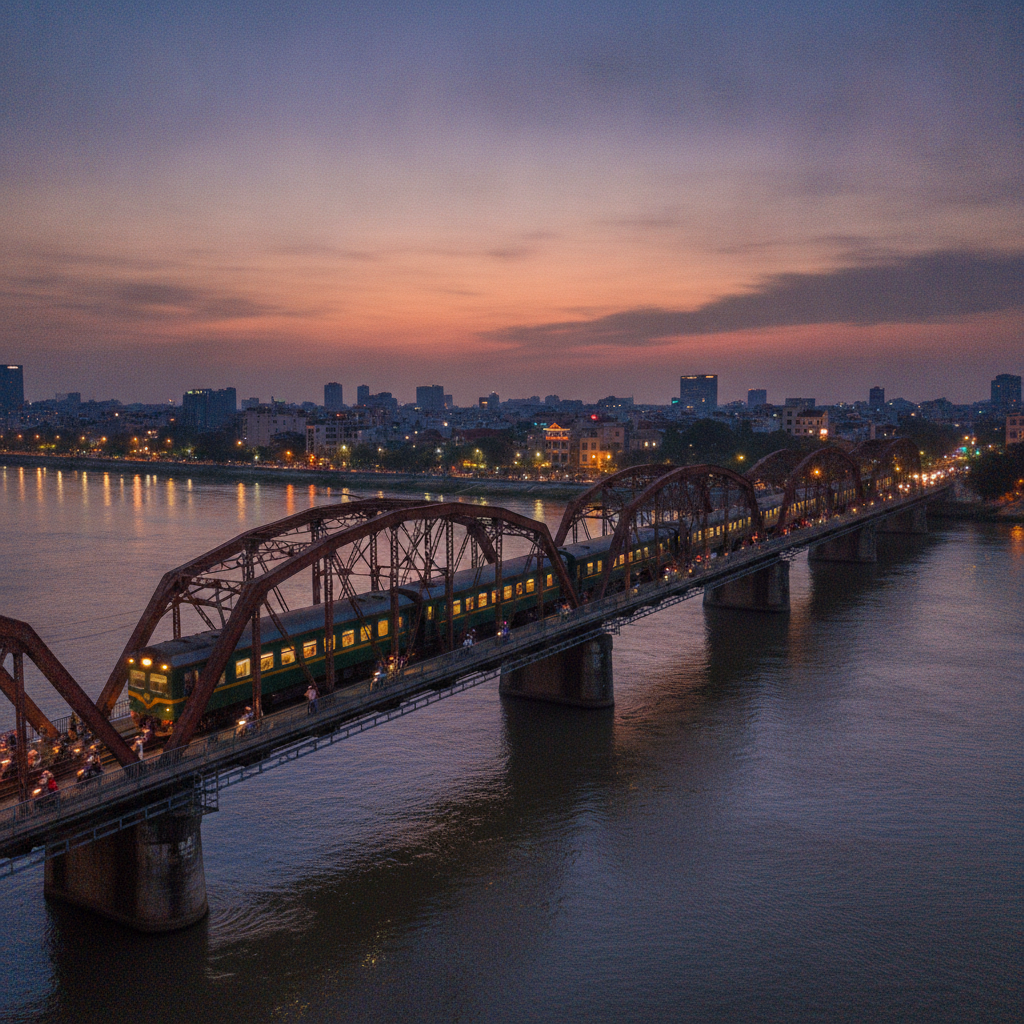
Long Bien Bridge, Red River & the Layers of Hanoi's History
Long Bien Bridge (Cầu Long Biên — the historic cantilevered railway and road bridge across the Red River (Sông Hồng) in Hanoi, connecting the Hoan Kiem district to the Long Bien district — the most historically significant bridge in Vietnam): built 1899-1902 by the French colonial administration (designed by the Daydé & Pillé company and frequently (but incorrectly) attributed to Gustave Eiffel), the Long Bien Bridge was the longest bridge in Indochina at the time of its completion and the most important infrastructure project of the French colonial period in Vietnam.
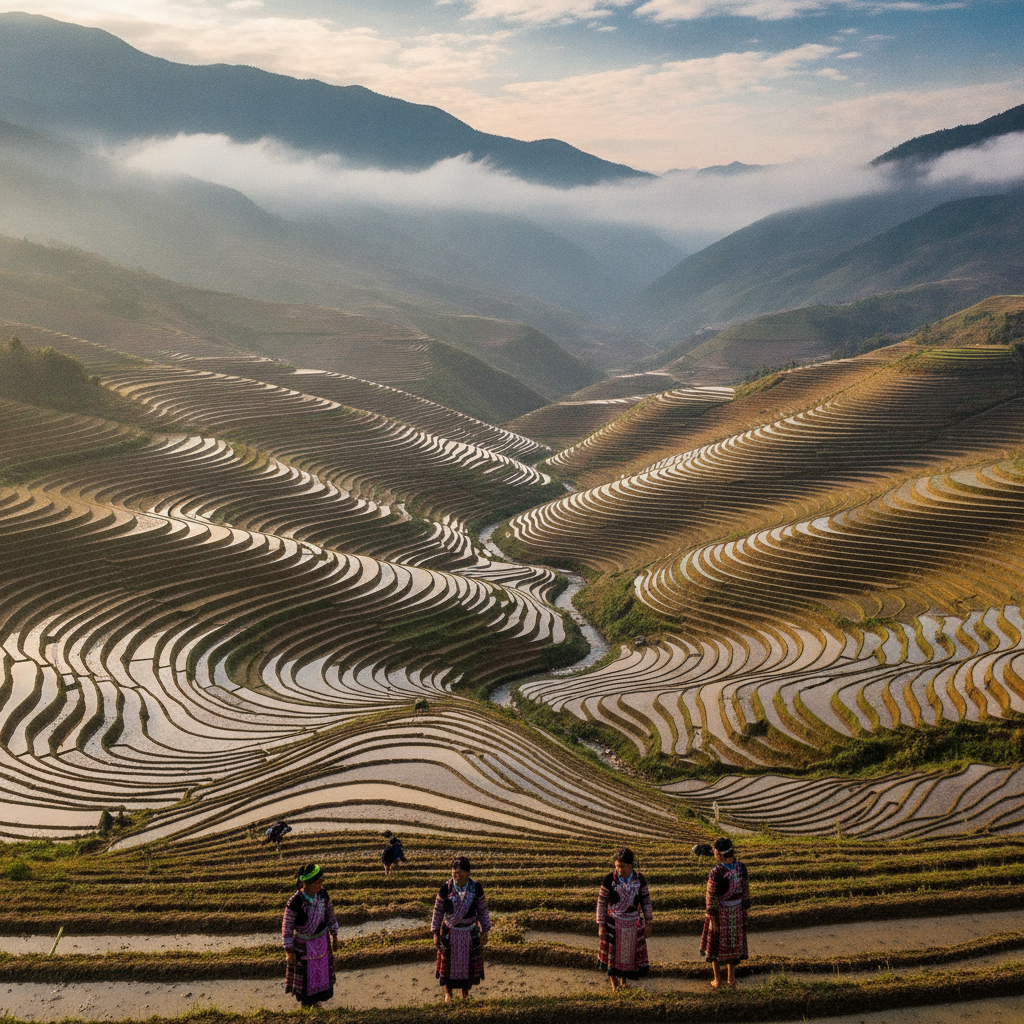
Sapa, Fansipan & the Northern Highlands — Vietnam's Roof of the World
Sapa (Sa Pa — the mountain town in Lao Cai Province, 380 km northwest of Hanoi, accessible overnight by train (8-9 hours) or by day bus (5-6 hours) — the gateway to the Hoang Lien Son mountain range (Dãy Hoàng Liên Sơn — the 'Yellow Lien Son Range', the southernmost extension of the Himalayas into Vietnam)) is the most spectacular mountain destination in Vietnam and the base for trekking among the extraordinary rice terrace landscapes and ethnic minority villages of the northern highlands.
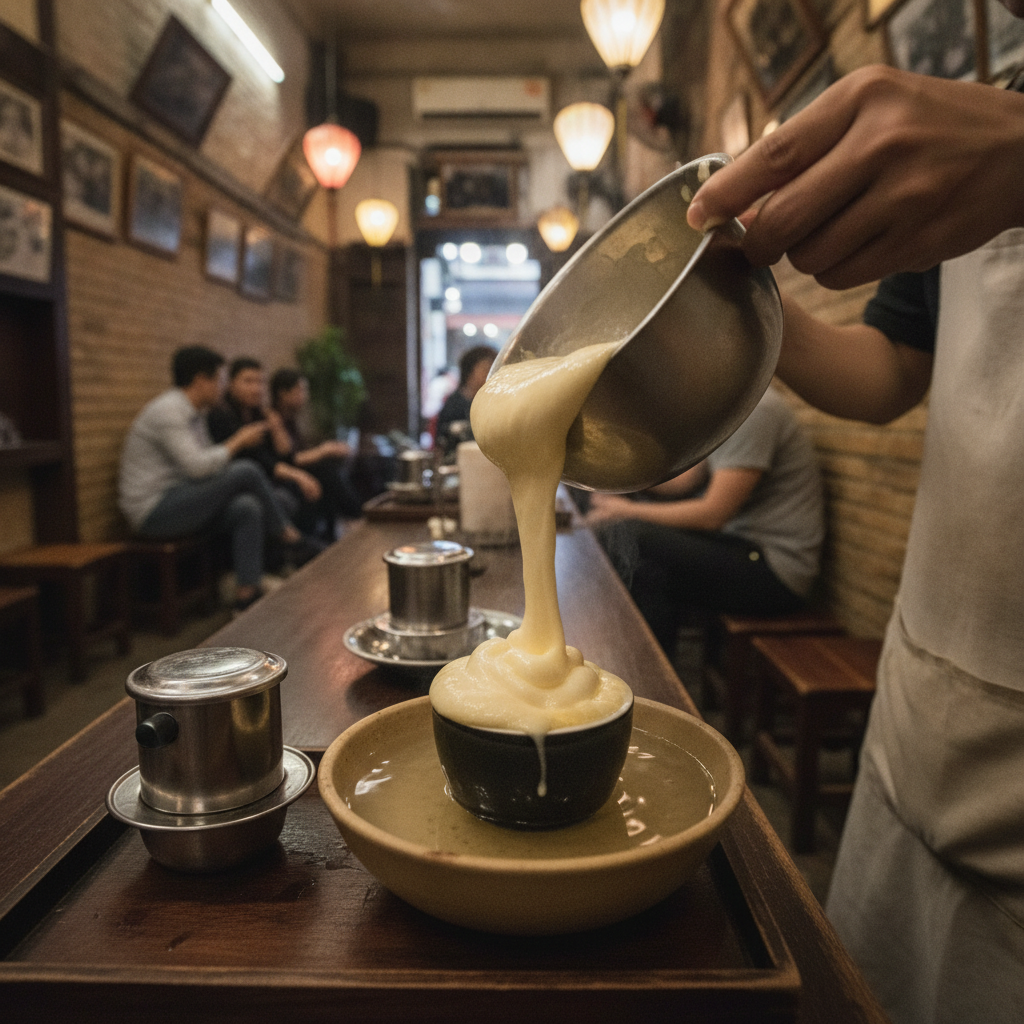
Hanoi Street Food — Phở, Bún Chả, Bánh Mì & Egg Coffee
Hanoi cuisine (the northern Vietnamese culinary tradition, distinct from Saigon cuisine in its greater restraint with sweetness and garnishes, its stronger emphasis on the broth itself, and its unique northern specialties): the most internationally celebrated Hanoi food are the phở Hà Nội (the northern-style clear beef broth noodle soup), bún chả (grilled pork in dipping broth with vermicelli), and cà phê trứng (egg coffee — a Hanoi invention of the 1940s).
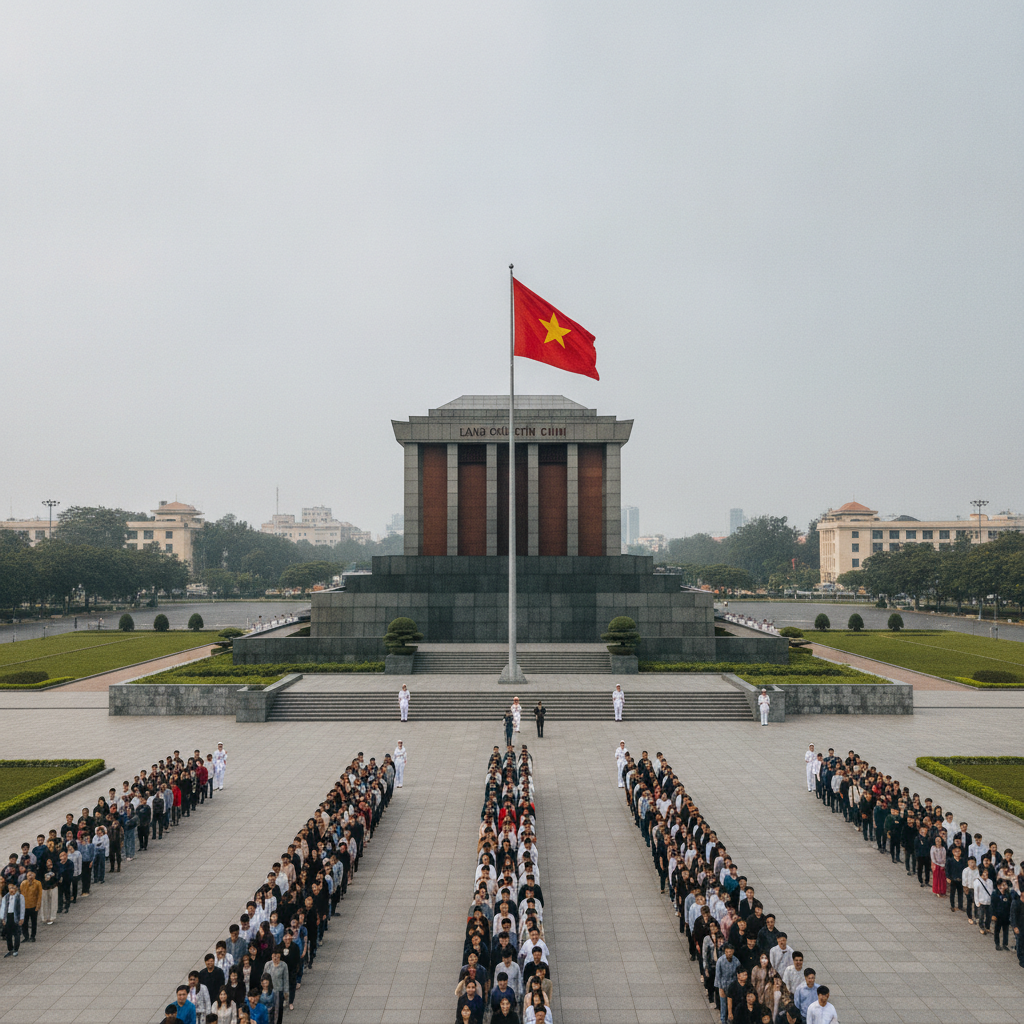
Ho Chi Minh Mausoleum, Ba Dinh & the Temple of Literature
The Ba Dinh district (Ba Đình — the political and administrative district of Hanoi, containing the Ho Chi Minh Mausoleum, the Presidential Palace, the One Pillar Pagoda, and the Temple of Literature — the district that combines the political core of the Vietnamese state with some of the oldest and most significant monuments in the country) is the most historically and politically significant area of Hanoi.
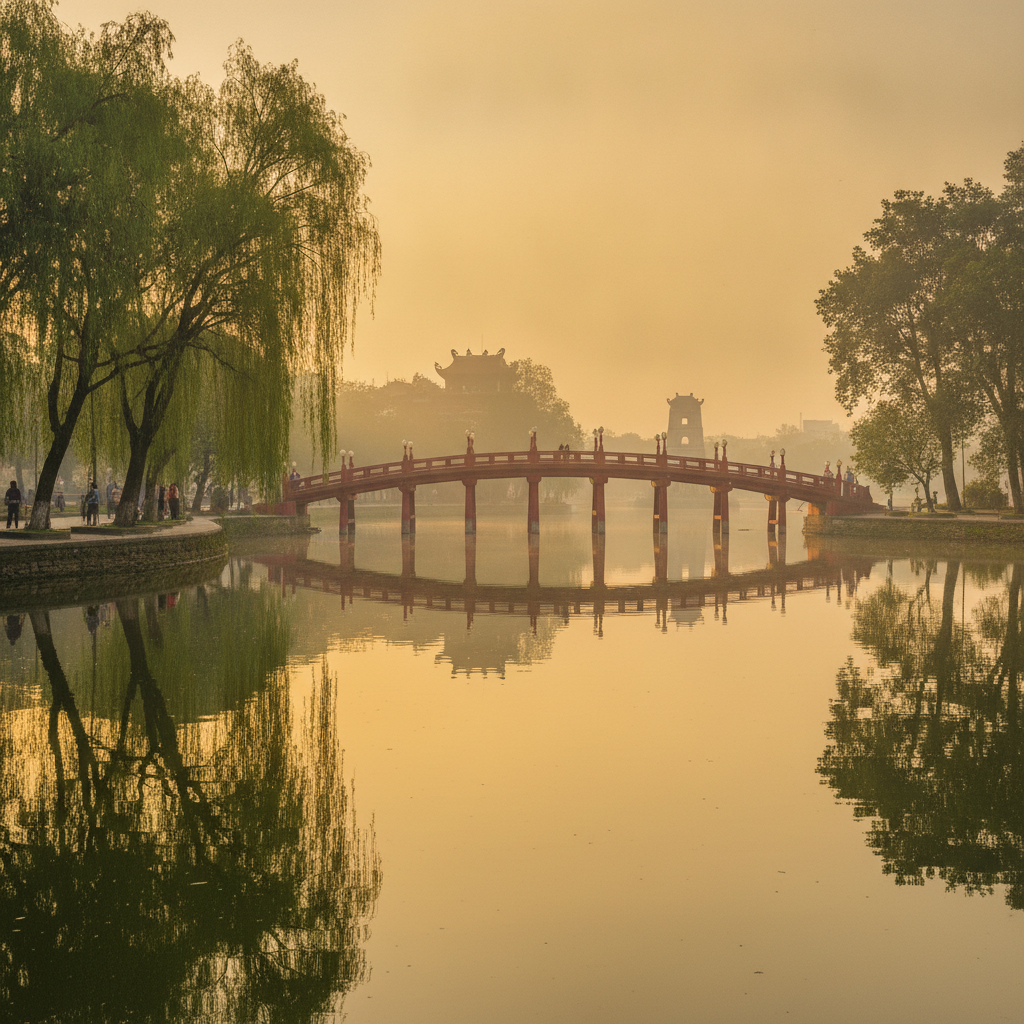
Hoan Kiem Lake, Old Quarter & the Heart of Ancient Hanoi
Hanoi (Hà Nội — 'City Within the River's Bend', the capital of the Socialist Republic of Vietnam, population approximately 8 million in the city proper and 10 million in the metropolitan area — the political, cultural, and educational capital of Vietnam, founded in 1010 CE by Emperor Ly Thai To as Thang Long (昇龍 — 'Ascending Dragon') and capital of Vietnam for most of the millennium since): Hoan Kiem Lake and the Old Quarter together form the historic and emotional heart of Hanoi, one of the most atmospheric historic city centres in Southeast Asia.
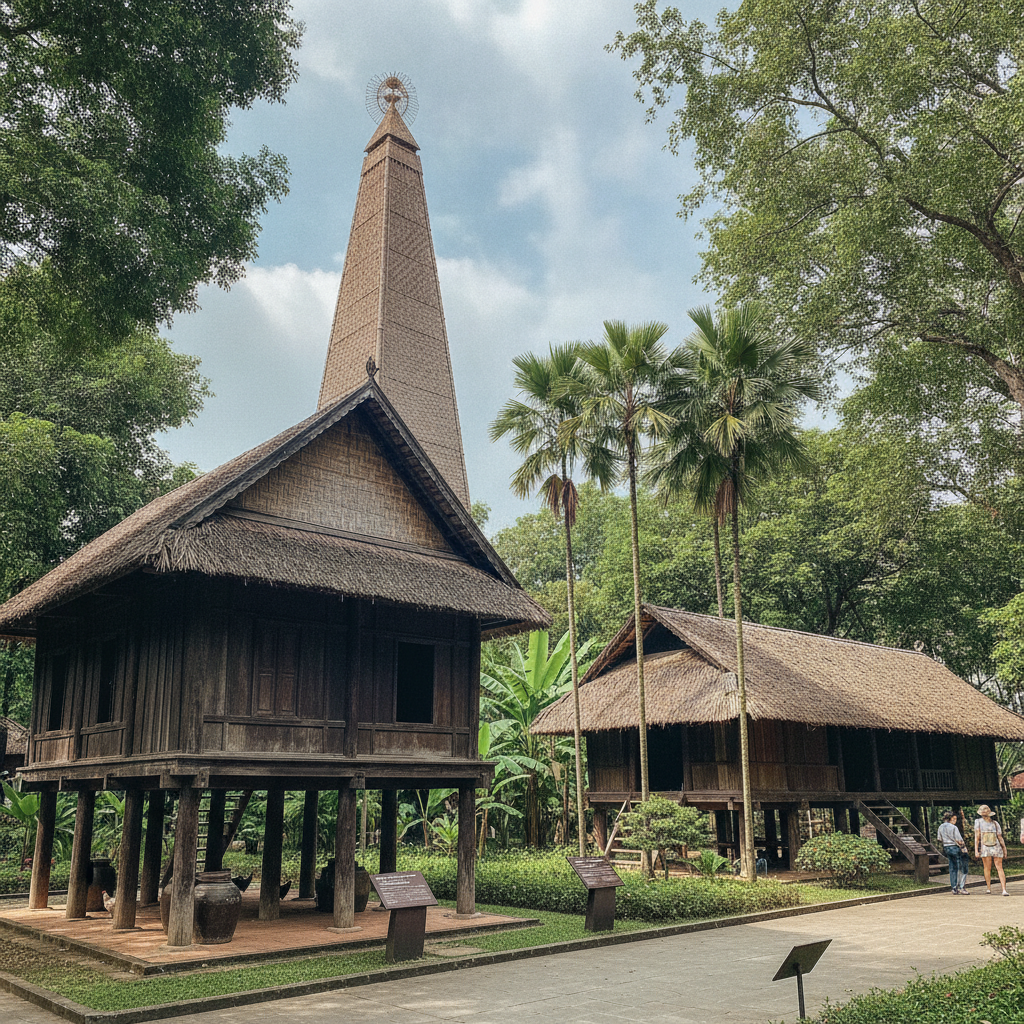
Vietnam Museum of Ethnology — The Cultural Mosaic of Vietnam's 54 Peoples
Vietnam Museum of Ethnology (Bảo tàng Dân tộc học Việt Nam — in the Cau Giay district of Hanoi, approximately 8 km from the city centre — the finest museum in Vietnam and one of the finest ethnographic museums in Asia): the museum documents the material culture, traditions, and lifeways of all 54 officially recognized ethnic groups (dân tộc) of Vietnam, of which the Kinh (ethnic Vietnamese) are the largest at approximately 85% of the population.

Ha Long Bay, Ninh Binh & the Natural Wonders Near Hanoi
The dramatic limestone karst landscapes of northern Vietnam — Ha Long Bay (UNESCO World Heritage, one of the New Seven Wonders of Nature) and Ninh Binh (the 'Ha Long Bay on land', UNESCO World Heritage as part of the Trang An Landscape Complex) — are the essential natural excursions from Hanoi and among the most spectacular natural landscapes in Asia.